
Brussels-Capital Region
In woodland Tervuren near Brussels, the only Belgian school pairing A Levels, IB Diploma and BTEC under one roof.
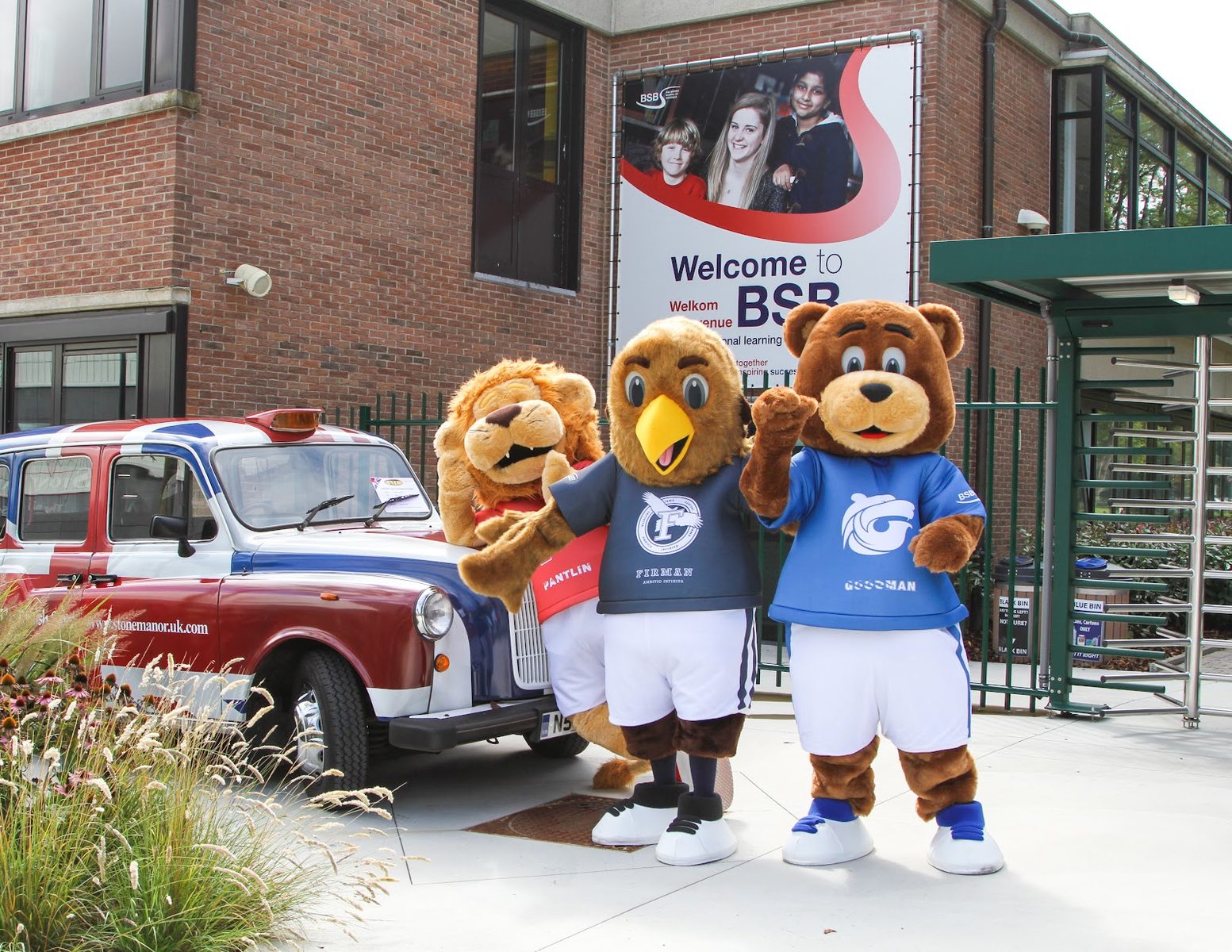
Photo © The British School of Brussels via Google Maps
Type
Day
Ages
3–18
Curriculum
British · IB
Ratio
—
The Verdict
Editor's commitment
Right for
International families wanting one Brussels campus with British and IB pathways, English and French teaching, and a 3-18 age range.
Wrong for
Parents who want a small school: BSB has over 1,300 students from about 70 nationalities on a 15-acre site.
Watch out for
At an average €30,000 a year, this non-religious day school sells breadth, but the school does not publish headline outcomes here.
Ranking breakdown
The British School of Brussels · #290 of 1591
Composite score 72.3. 8 weighted criteria.
By criterion
Academic Outcomes
Weight 20%
#512
of 1529 scored
University Placement
Weight 16%
#398
of 1529 scored
Prestige & Heritage
Weight 12%
#377
of 1571 scored
Alumni Network
Weight 12%
#394
of 1530 scored
Facilities
Weight 12%
#37
of 1533 scored
Transparency & Communications
Weight 8%
#56
of 1532 scored
Peer & Industry Review
Weight 10%
#335
of 1548 scored
Admissions Selectivity & Demand
Weight 8%
#1308
of 1529 scored
Score history
The British School of Brussels · 2026
Movement across 2024–2026. Peer average overlaid.
Overall — 2024–2026
72.3/ 100
▲ +24.1 vs 2025
year on year
Peer & Industry Review
How The British School of Brussels is regarded in the sector
75
Strong · medium confidence
The British School of Brussels is consistently listed among the top international schools in Belgium in expat-parent forums (e.g., Expat.com, InterNations discussions) and specialist directories such as The Good Schools Guide International, which profiles it favorably for its IB and British curriculum offerings and strong university placement record. It is frequently referenced alongside ISB and St John's International as one of Brussels' leading international schools, though it lacks the global brand recognition or Tatler-level coverage of top UK/US independent schools.
Evidence sources
Editors' overview
Set in woodland in Tervuren, east of Brussels, The British School of Brussels has a physical advantage that many city schools cannot match: space, quiet and a campus that feels separate from the churn of the capital. It is a large school, with over 1,300 students drawn from about 70 nationalities, and that international mix matters. This is not a local Belgian school with an international stream bolted on. It is an English-medium international school, non-religious, day-only, serving ages 3 to 18, with French also in the instructional mix. The average annual day fee across the full age range is €30,000, which places it in the upper tier of the Brussels market without tipping into the most punishingly expensive bracket.
What puts BSB on a shortlist is the shape of its sixth form. Very few schools in Belgium give pupils a genuine choice between A Levels, the IB Diploma and BTEC under one roof. That matters for families with children who do not fit a single academic mould. The standard international-school pitch is breadth; BSB offers actual route choice. A conventionally academic pupil who wants subject depth can take A Levels. A student who wants a broader, more synoptic course has the IB Diploma. A young person who works best with applied, career-linked study has BTEC. That makes the school genuinely flexible at the top end, not just cosmetically broad.
The school will suit internationally mobile families, anglophone households who want continuity in English, and academically serious students who want options at 16 rather than a fixed track decided years earlier. It also suits children who thrive in a big, busy, unusually cosmopolitan environment. The trade-off is clear. A school of this scale does not deliver the intimacy of a small specialist campus, and parents who want a tightly sheltered atmosphere or a strongly local Belgian identity will find a weaker fit here. BSB’s attraction lies elsewhere: breadth, scale, and a sixth-form offering that is hard to match in Belgium.
Academic Performance
BSB’s strongest academic selling point is structural rather than statistical. A school that offers A Levels, the IB Diploma and BTEC under one roof can place students on courses that fit how they work, rather than forcing every sixth-former through a single model. That matters in outcome terms: schools with multiple serious pathways have less incentive to steer square pegs into round holes for the sake of league-table optics. The question for parents is whether BSB publishes enough hard data to prove the model delivers at the top end. On that front, disclosure is thin. We have not seen aggregate A Level, IB Diploma or BTEC results published in the public domain, and that leaves a gap. For a school charging an average of €30,000 a year, opaque results reporting is a real weakness.
That does not place BSB in a weak academic bracket; it places it in a school group where reputation, subject breadth and university guidance carry much of the weight, while outsiders get limited access to the underlying exam numbers. Relative to peers, that is a mixed picture. Schools with consistently published IB averages, A*/A rates or destination lists hold the stronger hand on transparency. BSB still has one clear competitive advantage: route choice at sixth form is genuinely rare in Belgium, and for students whose strengths diverge from a single academic template, that flexibility can matter more than a headline points score. Parents who prize clean, comparable performance data will want more than BSB currently discloses.
Facilities
The campus itself is the headline facility. A school set on 15 acres of woodland has room that many Brussels competitors cannot offer, and that changes daily school life in practical ways: more outdoor circulation, more separation between age groups, and less of the cramped, vertical feel common in urban international schools. For families weighing city schools with tighter footprints, that is a material advantage. The site’s setting also carries a pastoral benefit. Children get a greener, quieter environment than they would on a traffic-bound campus, and older students get space that feels more like a self-contained school than an office block adapted for education. Against local peers, that puts BSB in the strong-campus bracket.
The limitation is that the school does not publicise a sharply differentiated facilities story beyond the scale and setting. We know the campus is large, but there is no public drumbeat around specialist performing arts spaces, standout sports infrastructure, advanced science provision or a flagship design-and-technology offer. That does not mean those facilities are weak; it means the school does not use them as a defining claim. In market terms, BSB’s facilities profile reads as broad and functional rather than architecturally showy or heavily branded. Parents looking for a flashy showcase campus with headline-grabbing specialist centres will get less of that here. Parents who care more about space, outdoor setting and the day-to-day convenience of a large established site will find the offer stronger.
That makes the school genuinely flexible at the top end, not just cosmetically broad
Prestige
BSB has real standing in the Brussels international market, but its prestige rests on breadth, longevity and parent demand rather than on a single aura-building badge. The strongest signal is the pupil body: more than 70 nationalities in one school creates the kind of network effect that internationally mobile families notice. So does scale. A school of more than 1,300 pupils can sustain a broader co-curricular, social and academic ecosystem than a smaller expatriate outpost. The alumni base adds weight too. Wikidata already captures 10 notable former pupils, including writers, journalists and elite athletes. That is not an exhaustive roll call, but it is enough to show that BSB has produced visible adult outcomes beyond the campus gates. This is *established international-school prestige*, not a school trading on borrowed cachet from a famous British name.
There are limits. BSB does not hold the rarefied, exam-driven prestige of Europe’s most data-forward academic brands, because it does not publish the level of outcomes evidence that would justify that claim. Nor does it have the social-club glamour of a tiny, ultra-exclusive embassy school. Its status is stronger and more practical than that: a serious, well-known international school that attracts globally minded families who value range, continuity and a substantial peer group. In prestige terms, BSB sits in the upper tier locally, with earned credibility rather than mystique.
It also suits children who thrive in a big, busy, unusually cosmopolitan environment
Communications
BSB communicates like a large, mature international school rather than a boutique operation: the essentials are easy to find, the institutional picture is clear, and the school does not bury the basics under slogans. Parents can establish the core facts of the school quickly, including its age range, structure and broad educational offer. That matters in a market where some schools make simple questions unnecessarily hard to answer. The scale of the community — more than 70 nationalities — also raises the communication bar. A parent body that international, mobile and varied needs clarity, regularity and a low tolerance for ambiguity. BSB has the profile of a school that knows this. The public-facing message is orderly, confident and workmanlike rather than glossy.
The weakness sits elsewhere. Communication is stronger on institutional shape than on hard accountability. Parents can grasp what the school offers, but they get less publicly on the outcomes side than a top-fee school ought to provide. That matters because good communication is not just warmth, tone and responsive administration; it is also disclosure. A school serving more than 1,300 pupils needs to publish performance data, destination patterns and comparable evidence with far more rigour than BSB currently does. Without that, the school’s communications remain competent but incomplete: effective for orientation, weaker for scrutiny, and short of the full-bore transparency that demanding parents have every right to expect.
Uniqueness
BSB’s real point of difference is not that it is international, spacious or long-established. Brussels has other schools that can claim versions of that. What sets this one apart is the way it keeps major post-16 routes inside a single institution, then serves them to a student body drawn from 70 nationalities. That combination is genuinely uncommon. In practice, it means a teenager does not need to leave for a better-fit pathway at the point when academic identity sharpens. The mathematically inclined specialist, the broad all-rounder and the student who wants a more applied route can stay in one community, with one friendship group and one set of teachers who already know them. That continuity is educationally valuable and socially stabilising.
The school’s other distinctive asset is the mix of scale and setting. Many international schools offer diversity; fewer combine it with a campus large enough to stop that diversity feeling cramped or transactional. With more than 1,300 pupils split between primary and secondary, BSB gives students a busy, adult-facing environment early: more peers, more perspectives, more room to find their tribe without the school fragmenting into silos. For children from mobile international families, that matters. They get a school that can absorb difference as a normal condition, not a special feature. The downside is clear: this is not an intimate or hand-held experience. Its uniqueness lies in range, continuity and social breadth, not in boutique pastoralism.
The question for parents is whether BSB publishes enough hard data to prove the model delivers at the top end
Student Profile
The pupils who fit best here are children who are comfortable in a large, mixed, international crowd and do not need a school to feel small or protective. With students drawn from around 70 nationalities, BSB suits families for whom movement between countries is normal and for whom a socially diverse peer group matters as much as academic choice. New arrivals who are adaptable, socially confident and happy navigating different accents, backgrounds and expectations will find plenty of company. So will students who want room to change direction as they get older without changing schools. This is a good match for pupils with broad horizons, international instincts and enough self-possession to make use of a busy environment rather than get lost in it.
It is less well suited to children who need heavy hand-holding, a tightly contained friendship circle or a strongly local identity. A school of more than 1,300 pupils gives scale, options and social range, but it also asks something of the child: independence, resilience and a willingness to take initiative. The strongest fit is the student who likes having different kinds of people around them and does not want a single narrow mould of success. The weaker fit is the pupil who wants a sheltered, highly intimate atmosphere or parents who equate personal attention with small scale. BSB works best for families seeking a grown-up, cosmopolitan school culture rather than a cocoon.
Parents can grasp what the school offers, but they get less publicly on the outcomes side than a top-fee school ought to provide
Co-curricular strengths
Arts & sport, on a separate axis
Overall 8.9/10
Scored 0-10 from the school's own published evidence. This axis is editorial-only — it does not feed the main WTS ranking.
Sports
9/10
'extensive sports provision', indoor and outdoor facilities, and explicitly names football, basketball, swimming and tennis.
Drama
9/10
The school has a theatre/auditorium in its facilities and lists 'Drama productions' in extracurriculars, giving both a dedicated facility and recurring named productions.
Dance
8.5/10
Music
9/10
Dedicated music rooms and lists both school orchestra and choir, evidencing a dedicated facility plus multiple structured ensemble offerings.
Visual Arts
9/10
Dedicated art, design and technology spaces, which is sufficient evidence of dedicated specialist provision for visual arts.
Editor first-pass · editor-reviewable · 7/28/2026
Notable alumni · Wikidata
10notable alumni
0 historic (born pre-1930) · 7 modern (born post-1970)wikidata:2026-07-28 How we source this

WTS 300 badge
2025/26 editionThe British School of Brussels is one of the World's Top 300 Schools for 2025/26. Claim your listing to add it to your site →
Strengths
- +Only school in Belgium offering all three post-16 pathways: A Levels, the IB Diploma, and BTEC vocational courses, giving families curriculum flexibility across postings.
- +IB Diploma results are strong, with pass rates around 98-99% and an average score reported in the mid-to-high 30s, well above the global average.
- +Fees include exam entries, curriculum trips to Year 9, textbooks, and over 100 weekly enrichment clubs, making total costs more predictable than at many comparable schools.
- +Purpose-built 10-hectare campus in Tervuren includes an indoor 25m swimming pool and dedicated sports centre, unusual among Brussels international schools.
- +Non-selective admissions policy means entry is not conditional on prior academic attainment, widening access for relocating families.
Considerations
- −Senior-school fees sit at the top of the Brussels international-school market, reported around EUR 45,550 for Years 10-13.
- −Campus location in Tervuren is roughly 20 minutes from the EU quarter and further still for families based in northern Brussels, a real commute factor.
- −With around 1,300-1,400 pupils across 70-plus nationalities, the school operates at a scale that will not suit families seeking a small, intimate community.
- −Non-selective intake means a broad range of prior academic attainment within year groups, which may not appeal to families seeking a narrowly academically selective peer group.
Availability
Primary entry gate & tests
Academic Record
Gallery
Photo © The British School of Brussels via Google Maps
Photo © Hend Alraghaib via Google Maps
Photo © The British School of Brussels via Google Maps
Photo © The British School of Brussels via Google Maps
Photo © The British School of Brussels via Google Maps
Photo © The British School of Brussels via Google Maps
Photo © The British School of Brussels via Google Maps
Photo © The British School of Brussels via Google Maps
Photo © The British School of Brussels via Google Maps
Parent reviews
Have you sent your child here?
Voice reviews carry the strongest trust badge — we transcribe them for you to tidy up before they go live. Prefer to type? A written review is fine too.
Add your voice
In 60 seconds, tell other parents: what's the best thing about The British School of Brussels, and what surprised you when your child joined?
We ask for a Google sign-in so every review has a real face behind it — no anonymous drive-by attacks on schools, and no faked positive reviews. Your email is never shown publicly.
Send this profile to a friend
International parents rely on word-of-mouth. Share this review with someone weighing the same decision.
Schools with places
Similar schools to The British School of Brussels with places available now.
Availability first, then country, area, curriculum, price, co-curricular
Consider also
Also worth looking at alongside The British School of Brussels.
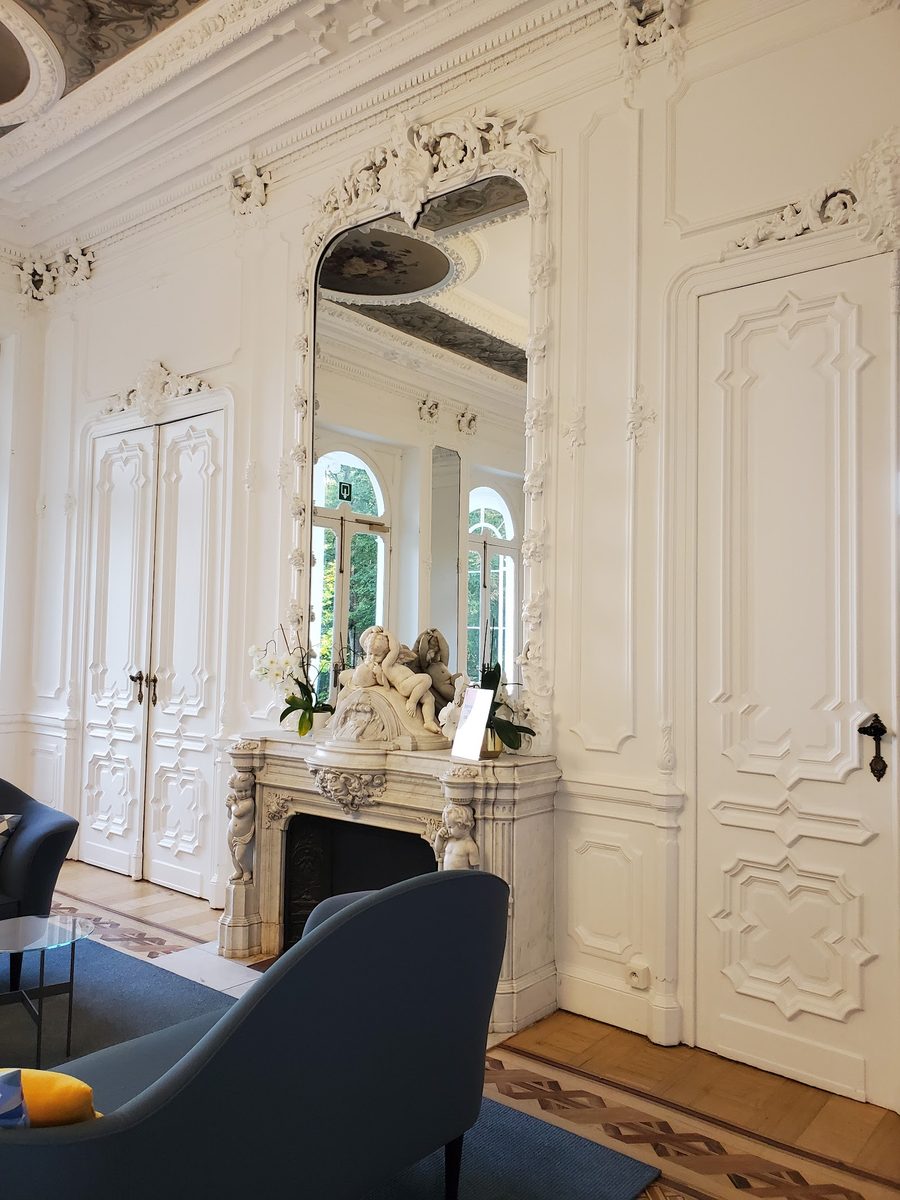
International School of Brussels
Brussels · Belgium
A 40-acre campus tucked into the Foret de Soignes beside a UNESCO site, pairing British roots with one of the world's earliest IB programmes.

St. John's International School
Waterloo · Belgium
In quiet Waterloo, one of the few Belgian schools running the full IB continuum alongside AP, staged in a 400-seat theatre.
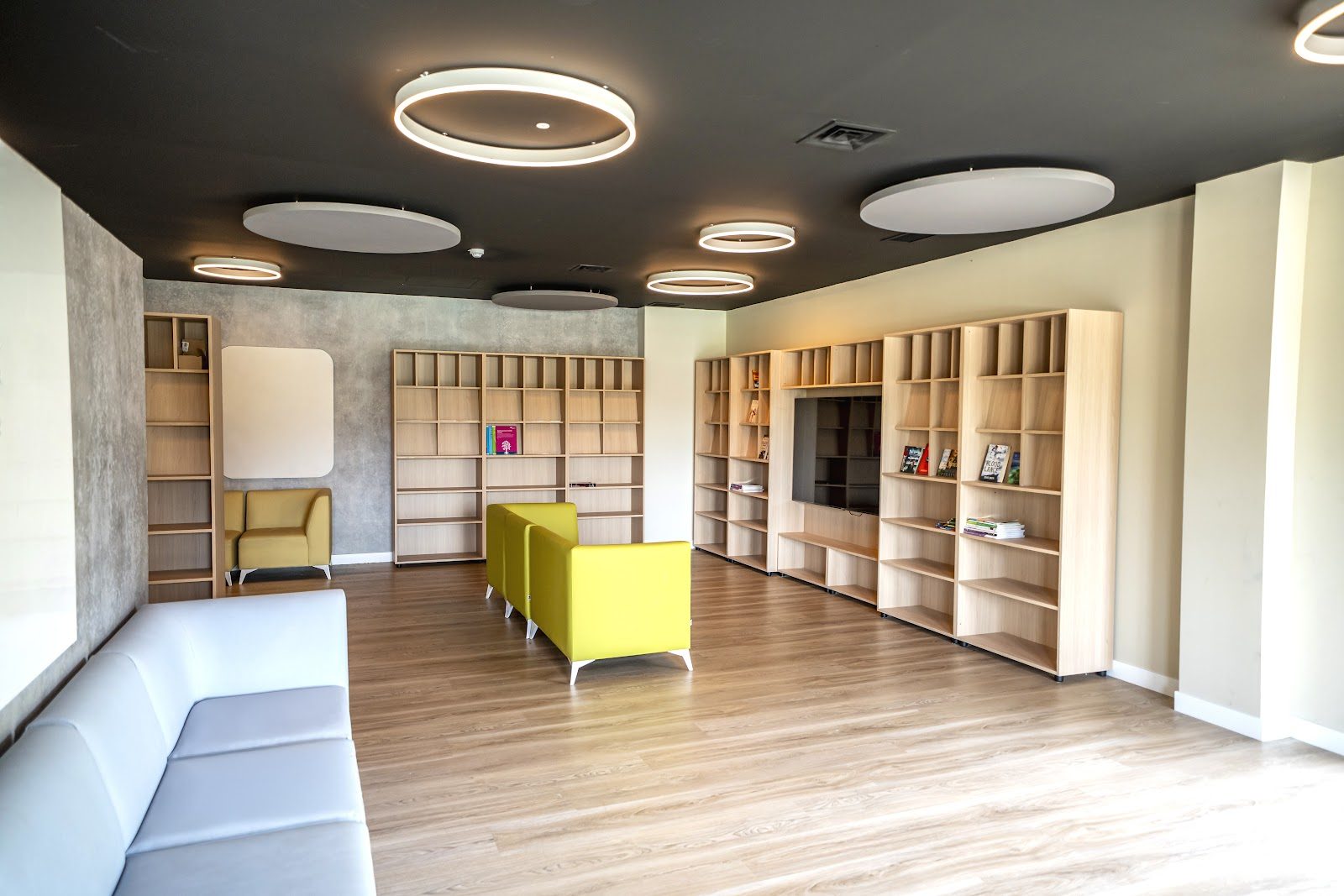
King's College, Soto de Viñuelas
Madrid · Spain
On a 12-acre campus between Madrid and the Sierra de Guadarrama, the only school in the capital offering both A-Levels and the IB in English.
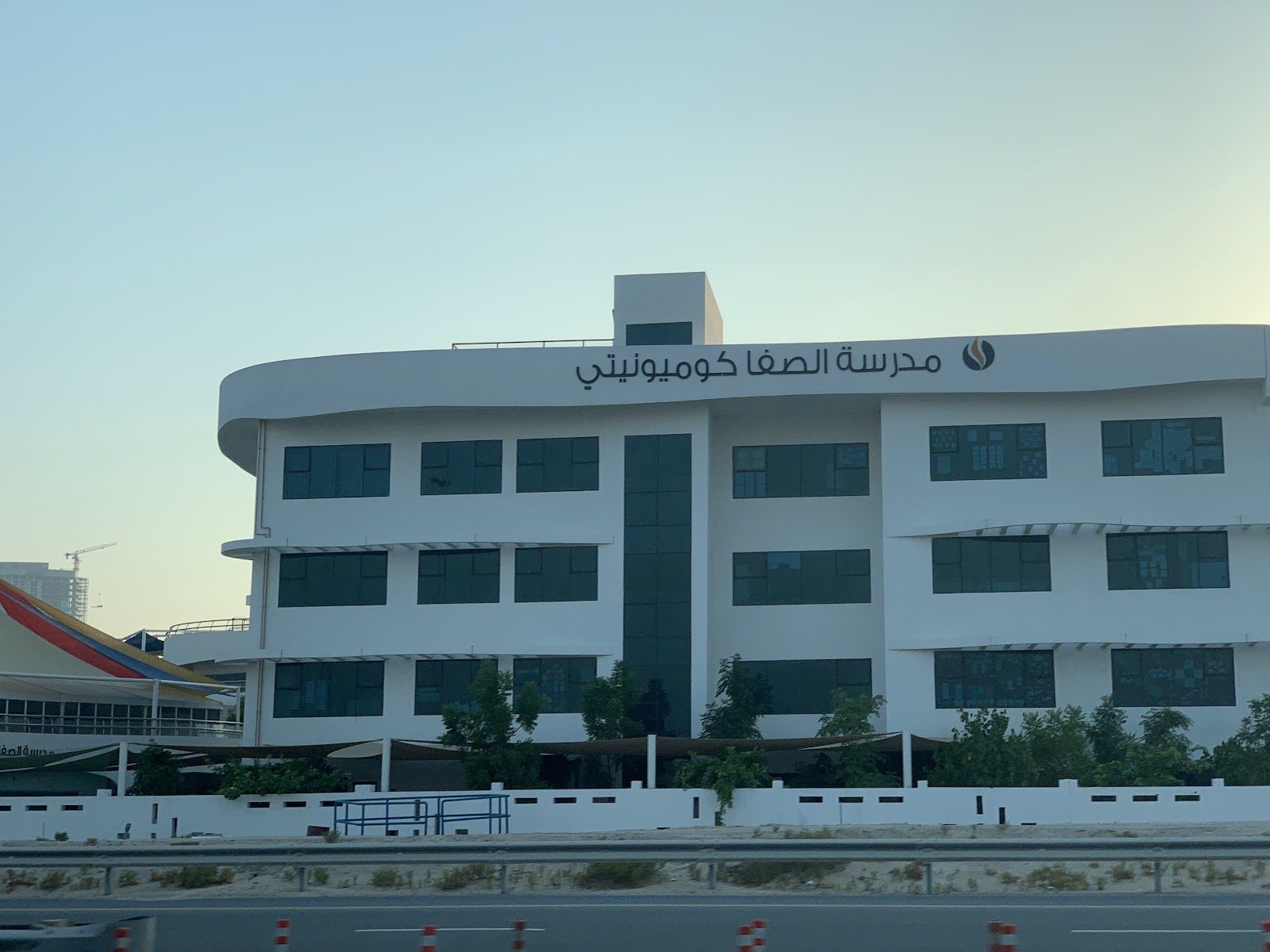
Safa Community School
Dubai · United Arab Emirates
An all-through British curriculum in Al Barsha South that rose from Good to KHDA Outstanding without filtering for its brightest students.
Same country and curriculum — closest matches within ±10 points either way