
Kizingo
Aga Khan Academy Mombasa
low confidence· 4/6 cats · 1 avg sourcesOn Mombasa's Likoni Channel, a Swahili-inspired campus anchors the network's founding school, where admission is judged purely on merit.
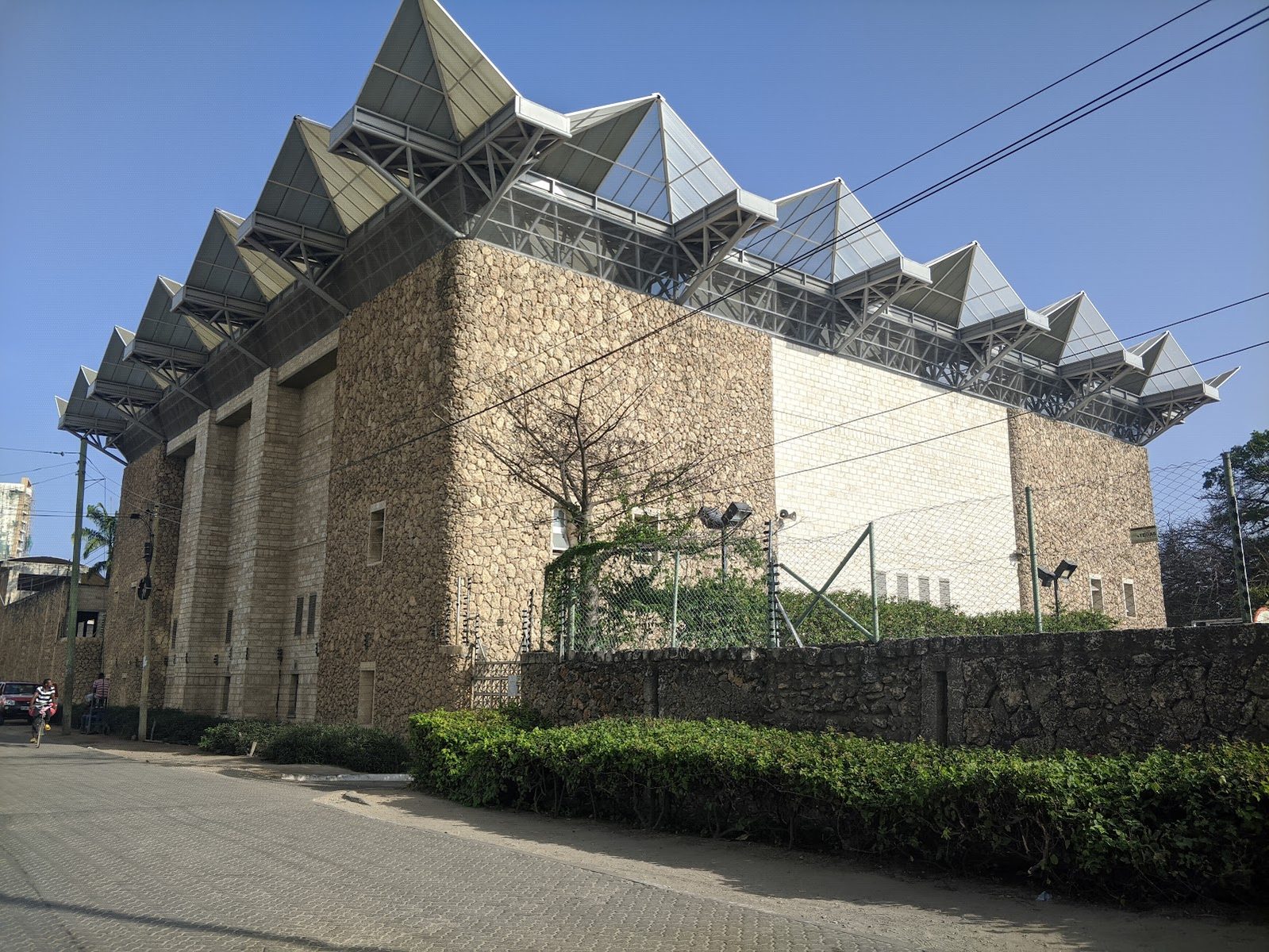
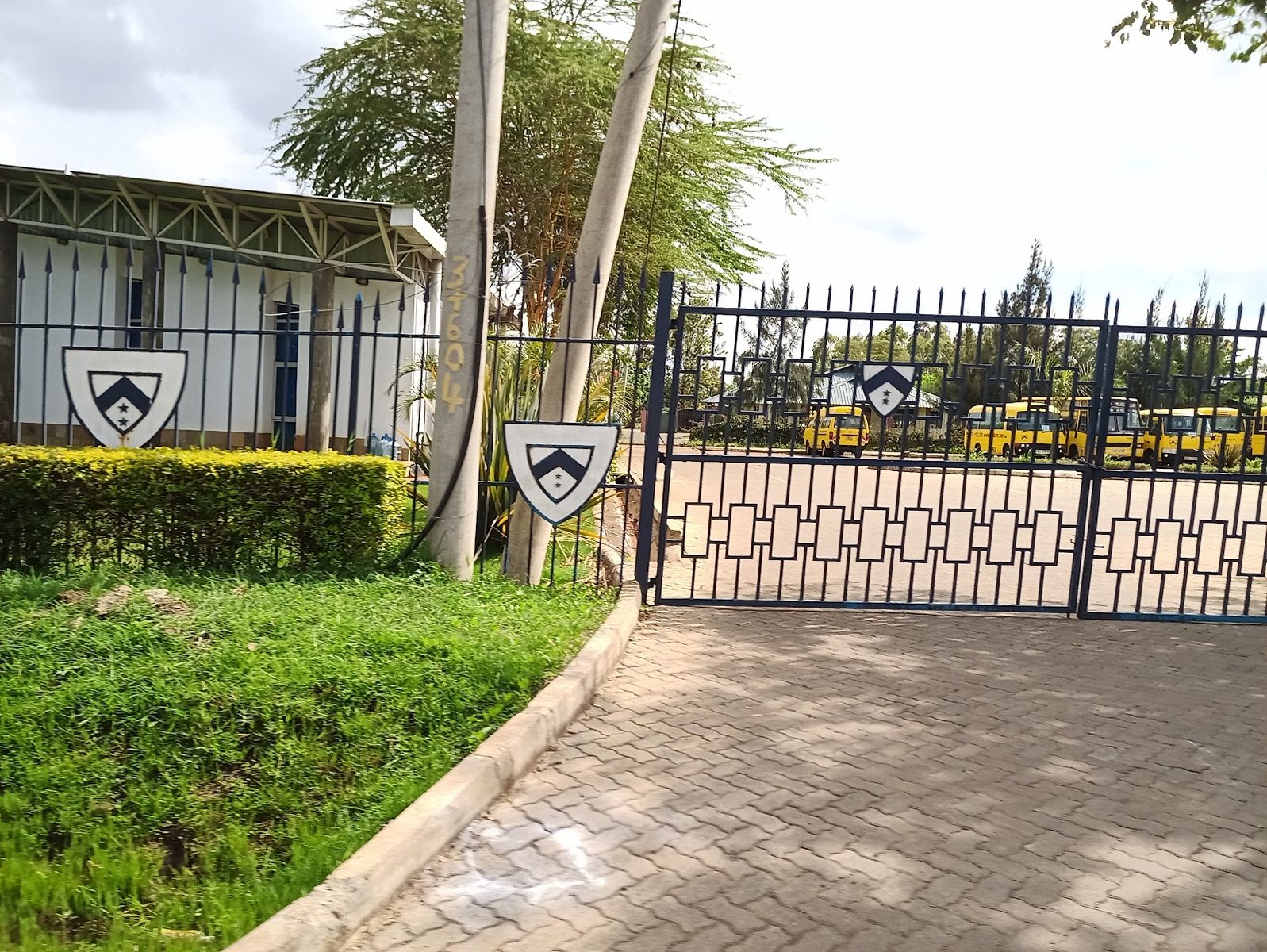
Photo © Chandrabhan yadav via Google Maps
Type
Both
Ages
3–18
Curriculum
IB
Qualifications
IB Diploma · IB MYP · IB PYP
Ratio
—
The Verdict
Editor's commitment
Right for
Families wanting a 3–18 IB World School in Mombasa, with CIS accreditation and admission judged on merit, not connections.
Wrong for
Parents after a faith school, a local-curriculum route, or a non-boarding day school: this 2003 campus is secular, IB and both.
Watch out for
Aga Khan Academy Mombasa sits in the Aga Khan Academies Network on the Likoni Channel; brand prestige does not replace published outcomes.
Ranking breakdown
Aga Khan Academy Mombasa · #1363 of 1591
Composite score 53.5. 8 weighted criteria.
By criterion
Academic Outcomes
Weight 20%
#1313
of 1529 scored
University Placement
Weight 16%
#1313
of 1529 scored
Prestige & Heritage
Weight 12%
#1373
of 1571 scored
Alumni Network
Weight 12%
#1013
of 1530 scored
Facilities
Weight 12%
#1333
of 1533 scored
Transparency & Communications
Weight 8%
#1326
of 1532 scored
Peer & Industry Review
Weight 10%
#1216
of 1548 scored
Admissions Selectivity & Demand
Weight 8%
#1205
of 1529 scored
Peer & Industry Review
How Aga Khan Academy Mombasa is regarded in the sector
65
Respected · medium confidence
Aga Khan Academy Mombasa is part of the globally recognized Aga Khan Academies network (backed by the Aga Khan Development Network), which is frequently cited in international education press and IB World School directories as a strong regional institution offering the IB continuum. It is regularly mentioned in Kenya-focused 'top international schools' roundups and expat parent forums (e.g., ExpatArrivals, InterNations threads on Mombasa/Nairobi schooling) as a credible, well-resourced choice, though it receives less specialist press coverage (Tatler, Good Schools Guide) than Nairobi-based international schools like Braeburn or Hillcrest.
Evidence sources
Editors' overview
Aga Khan Academy Mombasa occupies a distinct niche in East Africa: a full IB day-and-boarding school with a stated merit-based admissions model, strong institutional backing and a campus that carries more architectural intent than the standard premium-school template. Founded in 2003, it is the founding school of the Aga Khan Academies network, and that matters. Parents are not buying into a one-site operation built around personality or fashion; they are buying into a system with a defined educational mission and international reference points through IB and CIS accreditation. The Swahili-inspired setting on the Likoni Channel gives the school a strong sense of place rather than the interchangeable corporate feel common in the market.
What puts it on a shortlist is the combination of seriousness and reach. This is an English-medium IB school for ages 3–18, with both day and boarding provision, which gives it unusual continuity from early years to university preparation. The merit-first admissions stance is the sharpest point of difference. Many schools talk about inclusion while functioning as fee-filtered enclaves; Aga Khan Academy Mombasa states a more demanding idea, one tied to talent, leadership and service. That creates a student body with intellectual drive, social range and a stronger sense of purpose than schools built only for the affluent local elite. The secular setting with Ismaili Muslim heritage also broadens its appeal: values-led without doctrinal narrowness, internationally minded without becoming rootless.
The school will suit students who want a structured, academically ambitious environment and who are prepared to earn their place. It fits well for able children who thrive with high expectations, an outward-facing ethos and a community that prizes service as much as credentials. Boarders who need a stable, well-resourced base in Kenya will find that proposition compelling. It is less suited to families hunting for a casual, socially loose school experience or a prestige badge without substance. The attraction here is earned opportunity, institutional depth and clear academic purpose.
In market terms, Aga Khan Academy Mombasa sits above the crowded field of generic international schools and away from the old colonial-brand boarding model. Its value lies in coherence: one campus, one mission, one recognised curriculum, and a network identity that extends beyond Mombasa. For parents who want an African school with international standards, a calm confidence in its own setting, and a student culture shaped by merit rather than pure purchasing power, this school deserves close attention.
Academic Performance
The school publishes selective headline outcomes rather than a full run of cohort data, which limits hard comparison. The clearest data point is that its Diploma Programme students achieved an average of 34 points in one recent sitting, against a global IB average of 30.24. That places the academy in the upper tier of IB schools in East Africa, though not in the bracket occupied by the region’s most fiercely selective operators, where mid-to-high 30s are the benchmark and score distributions are disclosed in more detail. The gap in transparency matters: parents can note a solid headline average, but they cannot inspect subject-level performance, the share of top scores, or multi-year consistency. For a school that trades on seriousness, the public results profile is too controlled.
University destinations strengthen the academic picture without replacing exam data. Students progress to institutions such as Yale, King’s College London and the University of Toronto, which signals credible preparation for competitive admissions. That said, elite offers do not tell a parent how broad the performance base runs across a year group. Relative to peers, Aga Khan Academy Mombasa reads as academically strong, internationally competent and more convincing than many prestige-priced regional schools, but short of the fully evidenced results culture seen at the best transparent IB competitors.
Facilities
The campus is one of the school’s strongest assets. Set on a substantial waterfront site, it has more spatial ambition than the cramped urban compounds that pass for international schools across the region. The architecture draws on Swahili forms without slipping into theme-park pastiche, and that gives the place a settled identity that many peers lack. For parents, the practical question is whether the estate matches the school’s academic and residential claims. It does. The academy has 14 purpose-built boarding houses, a serious library, science laboratories, computing facilities, arts provision and a full spread of sports infrastructure, including 2 swimming pools and 7 tennis courts. That is a well-capitalised plant by East African standards, and it stands above the facilities mix at most local premium schools.
The comparison that matters is not with every school in Kenya, but with the better-resourced international and boarding competitors that sell breadth as well as results. On that measure, Aga Khan Academy Mombasa holds its ground comfortably. The boarding estate gives it a more complete all-day environment than day schools with bolted-on residences, and the sports offer is broader than the token field-and-court package common in the market. The risk with large campuses is dead space; here, the design has institutional seriousness and a clear sense of use. What the school offers is not flashy excess but coherent, high-function infrastructure that supports study, residence and extracurricular life in one place.
In market terms, Aga Khan Academy Mombasa sits above the crowded field of generic international schools and away from the old colonial-brand boarding model
Prestige
Aga Khan Academy Mombasa has real prestige, but it is mission prestige rather than trophy prestige. The Aga Khan name carries weight across education, development and philanthropy, and this campus benefits from that institutional seriousness. The school’s admissions stance matters here: a place is framed as something to be won, not bought, and that shifts how the school is read by universities, peers and informed local families. In East Africa, many expensive schools sell lifestyle first and standards second; this one has the stronger claim to earned distinction. Its published Diploma average of 34 points also keeps it in credible company. That is a result with substance, not decorative branding.
The limits are clear. This is not a hereditary British-brand school with generations of old-boy cachet, nor does it publish the volume of outcome data that turns esteem into unarguable academic authority. Prestige built on values and selectivity is sturdy; prestige built on relentless public proof is stronger. The university destinations show reach, and the wider network adds institutional heft, but the school still keeps too much of its performance story behind the curtain. That leaves it with a reputation that is *serious, respected and internationally legible* rather than dominant. For many families, that is the more interesting kind of status: less flash, more credibility.
On that measure, Aga Khan Academy Mombasa holds its ground comfortably
Communications
Parent-facing communication is competent but tightly managed. The website does the heavy lifting: it explains the school’s mission, admissions route, scholarship pathway and day-to-day structure with more clarity than many East African peers. Contact points are easy to find, campus life is documented through news items and event coverage, and the school gives families a usable picture of what children do beyond lessons. That matters in a school with residential life and a selective intake. Parents need operational clarity, not glow. Aga Khan Academy Mombasa delivers the essentials in a disciplined, institutional way. The trade-off is tone. Communication has a carefully filtered quality, with more emphasis on values, leadership and student stories than on hard operational disclosure. The school does not publish the kind of granular performance data or broad parent-information archive that marks the most forthright communicators.
For enrolled families, that style will work well if they value order, formality and a school that speaks with one voice. It will frustrate parents who want exhaustive public detail before making contact. There is enough here to trust the school’s seriousness; there is not enough to call its communications fully transparent. The strongest signal is consistency: the academy knows what it wants to say and says it without clutter. The weakness is the same thing pushed too far. Once a school controls its message this closely, outsiders learn the shape of the institution but not always its texture.
Uniqueness
What makes Aga Khan Academy Mombasa unusual is not one feature but the way several hard-to-find features sit together without contradiction. It is the founding campus of a network with a defined social purpose, yet it does not read like a charitable project. It has serious boarding, but the school’s identity is not built around old-fashioned hierarchy or colonial nostalgia. It carries an Ismaili inheritance, but the educational offer is secular and internationally legible. Most important, it says admission rests on merit rather than purchasing power. In a market where affluent families can buy access to polished campuses and imported branding, that remains a genuinely disruptive proposition. The result is a student body shaped less by social cloning and more by capability, ambition and public-mindedness.
That changes the experience for children. Students gain peers who have earned their place, which tends to sharpen classroom culture and reduce the entitlement that weakens many premium schools. The school’s wider network also gives the Mombasa campus a role bigger than a single-site institution: it operates as a mission-driven flagship, not a standalone business. The scholarship dimension reinforces that difference, with 100% financial support available for successful applicants in the upper school. For the right child, that mix produces a more exacting, less socially insulated education than the standard international-school model. It will appeal to families who want substance over status display and a school culture built around talent, service and seriousness rather than pure fee power.
Aga Khan Academy Mombasa has real prestige, but it is mission prestige rather than trophy prestige
Student Profile
The strongest fit is an able, self-propelled student who wants to be stretched and does not need constant entertainment to stay engaged. This is not the right school for children who rely on social status, parental leverage or easy praise. The admissions model sets the tone: pupils arrive knowing that selection carries obligations, and that produces a cohort with more seriousness than the average premium school. Expect students who are comfortable with competition, responsive to structure and willing to work within a community that puts service alongside achievement. The scholarship route, with support up to 100%, also changes the mix. Families do not buy a monoculture here. They join a school with wider social range and a stronger current of purpose.
That profile suits boarders and day pupils who value routine, clear expectations and peers with genuine academic intent. It will work well for internationally minded families who want ambition without the glossy entitlement found elsewhere, and for bright local students who need a school that matches high aspiration with institutional depth. Children who flourish in looser, more casual environments will find this culture demanding and at times unforgiving. The social life is not built around display. The better fit is a student with resilience, intellectual curiosity and enough maturity to live in a community where earned place matters every day.
Aga Khan Academy Mombasa delivers the essentials in a disciplined, institutional way
Co-curricular strengths
Arts & sport, on a separate axis
Overall 8.6/10
Scored 0-10 from the school's own published evidence. This axis is editorial-only — it does not feed the main WTS ranking.
Sports
9/10
Drama
8.5/10
Dance
8/10
Music
8.5/10
Visual Arts
9/10
Editor first-pass · editor-reviewable · 7/30/2026
Strengths
- +Offers the full IB continuum (PYP, MYP and Diploma Programme), giving continuity from early years through to university entry.
- +Part of the Aga Khan Academies network, which operates a stated policy of admitting students regardless of ability to pay, with need-based financial aid available.
- +Purpose-built campus on the Kenyan coast includes boarding facilities, allowing it to draw students from across East Africa and beyond.
- +Backed by the Aga Khan Development Network, giving it access to institutional resources and links to sister academies in Hyderabad and Maputo.
- +Diploma Programme results are used for university admissions worldwide, giving graduates a recognised international qualification.
Considerations
- −Boarding and day fees are significant by regional standards, putting the school out of reach for most local Kenyan families without a scholarship.
- −Being IB-only and academically selective at entry narrows the pool of applicants to those already committed to that curriculum and pathway.
- −Mombasa's location, while attractive for some, means fewer extracurricular and cultural amenities than a large capital city such as Nairobi.
- −As a single-campus institution in a network with only three sister schools worldwide, families relocating elsewhere may not find an equivalent transfer option.
Availability
Primary entry gate & tests
Academic Record
Gallery
Photo © Chandrabhan yadav via Google Maps
Photo © Chandrabhan yadav via Google Maps
Photo © Nabeel Chakera (Dyingdice) via Google Maps
Photo © shahed Alkhatib via Google Maps
Photo © Chandrabhan yadav via Google Maps
Parent reviews
Have you sent your child here?
Voice reviews carry the strongest trust badge — we transcribe them for you to tidy up before they go live. Prefer to type? A written review is fine too.
Add your voice
In 60 seconds, tell other parents: what's the best thing about Aga Khan Academy Mombasa, and what surprised you when your child joined?
We ask for a Google sign-in so every review has a real face behind it — no anonymous drive-by attacks on schools, and no faked positive reviews. Your email is never shown publicly.
Send this profile to a friend
International parents rely on word-of-mouth. Share this review with someone weighing the same decision.
Schools with places
Similar schools to Aga Khan Academy Mombasa with places available now.
Availability first, then country, area, curriculum, price, co-curricular
Consider also
Also worth looking at alongside Aga Khan Academy Mombasa.
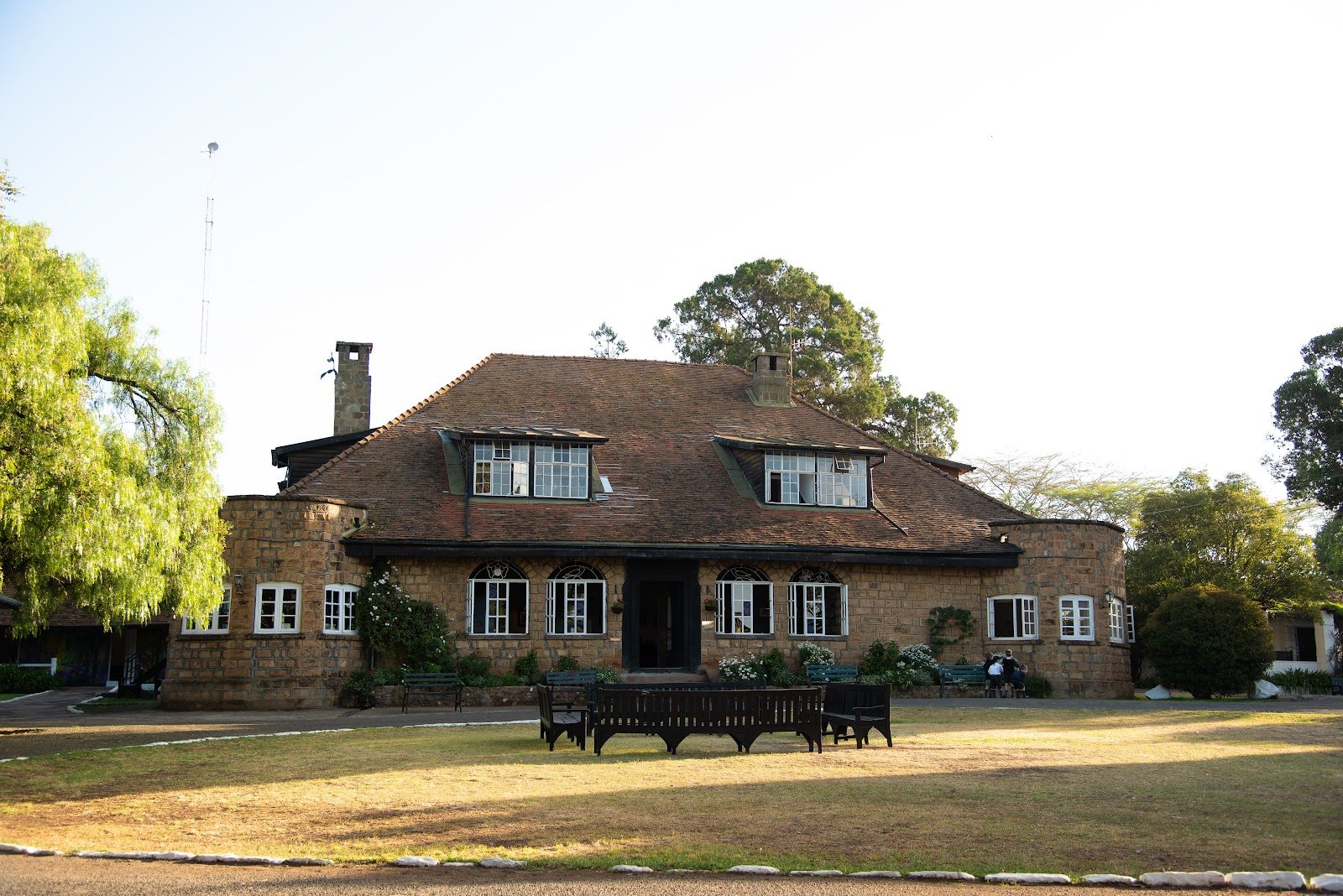
Pembroke House School
Gilgil · Kenya
Nearly a century deep in the Great Rift Valley, this British prep drills pupils through Common Entrance into top senior schools abroad.
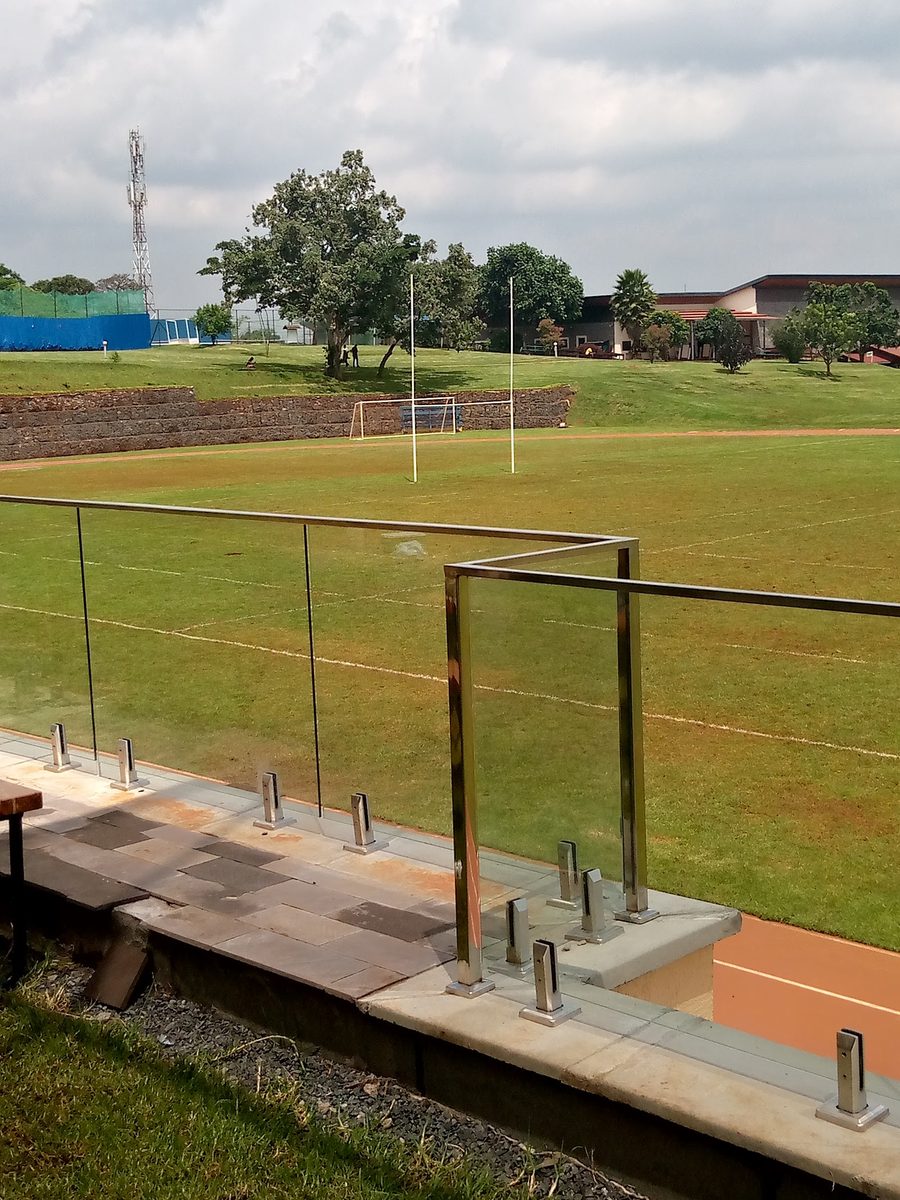
International School of Kenya
Nairobi · Kenya
Nestled on a former Nairobi coffee plantation, this embassy-backed campus channels a demanding IB pathway into global universities.
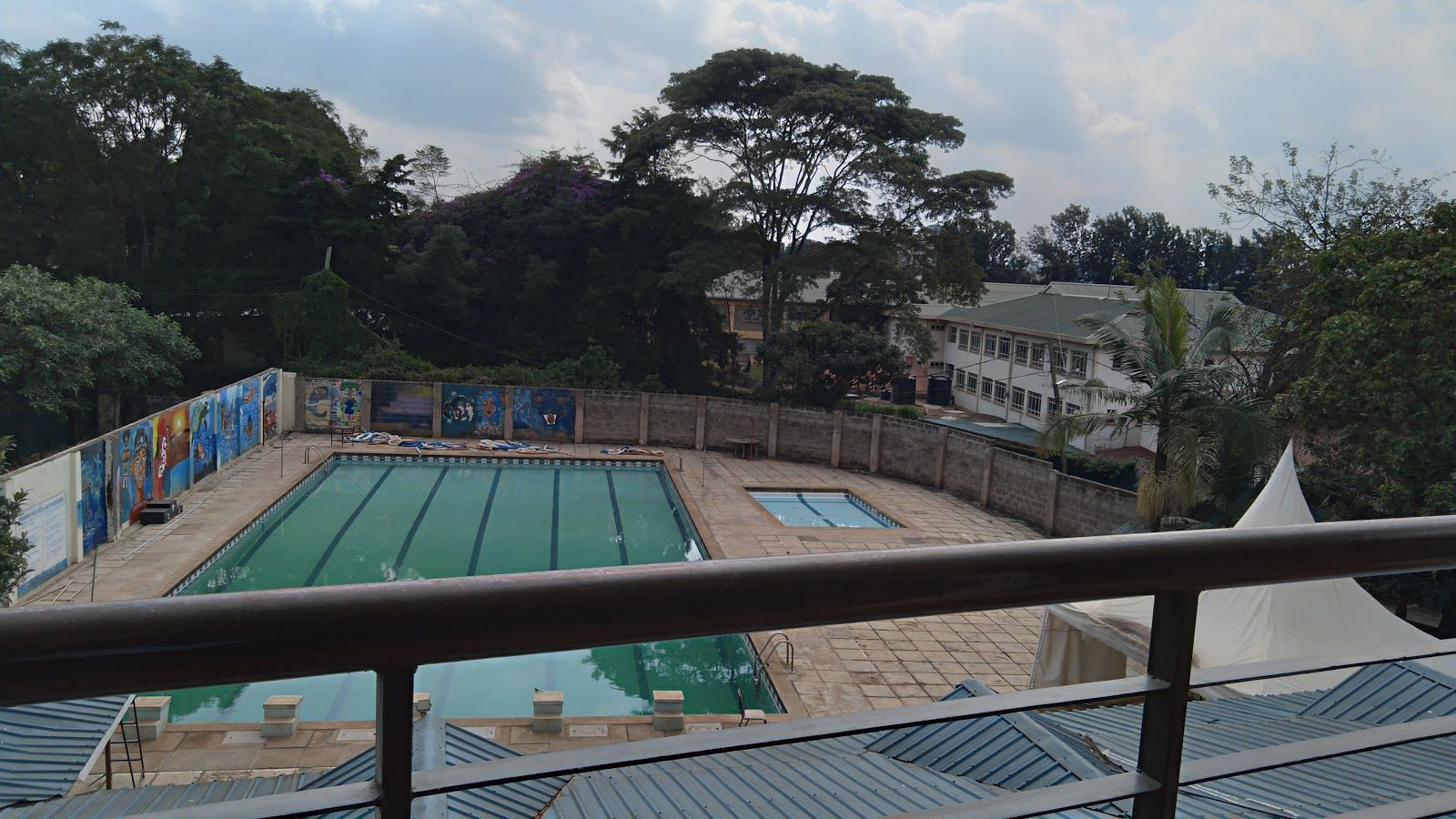
Rusinga School
Nairobi · Kenya
Named for a Lake Victoria island, this Lavington day school pairs the British curriculum with a Christian ethos dating to 1975.
Braeburn Garden Estate School
Nairobi · Kenya
On a leafy 32-acre Nairobi campus, British foundations lead into Africa's first IB Career-related Programme.
Same country and curriculum — closest matches within ±10 points either way