
Nicosia District
The English School, Nicosia
medium confidence· 4/6 cats · 3.15 avg sourcesA 1900 foundation opposite the Presidential Palace, uniting Greek and Turkish Cypriot pupils under a rigorously British curriculum.
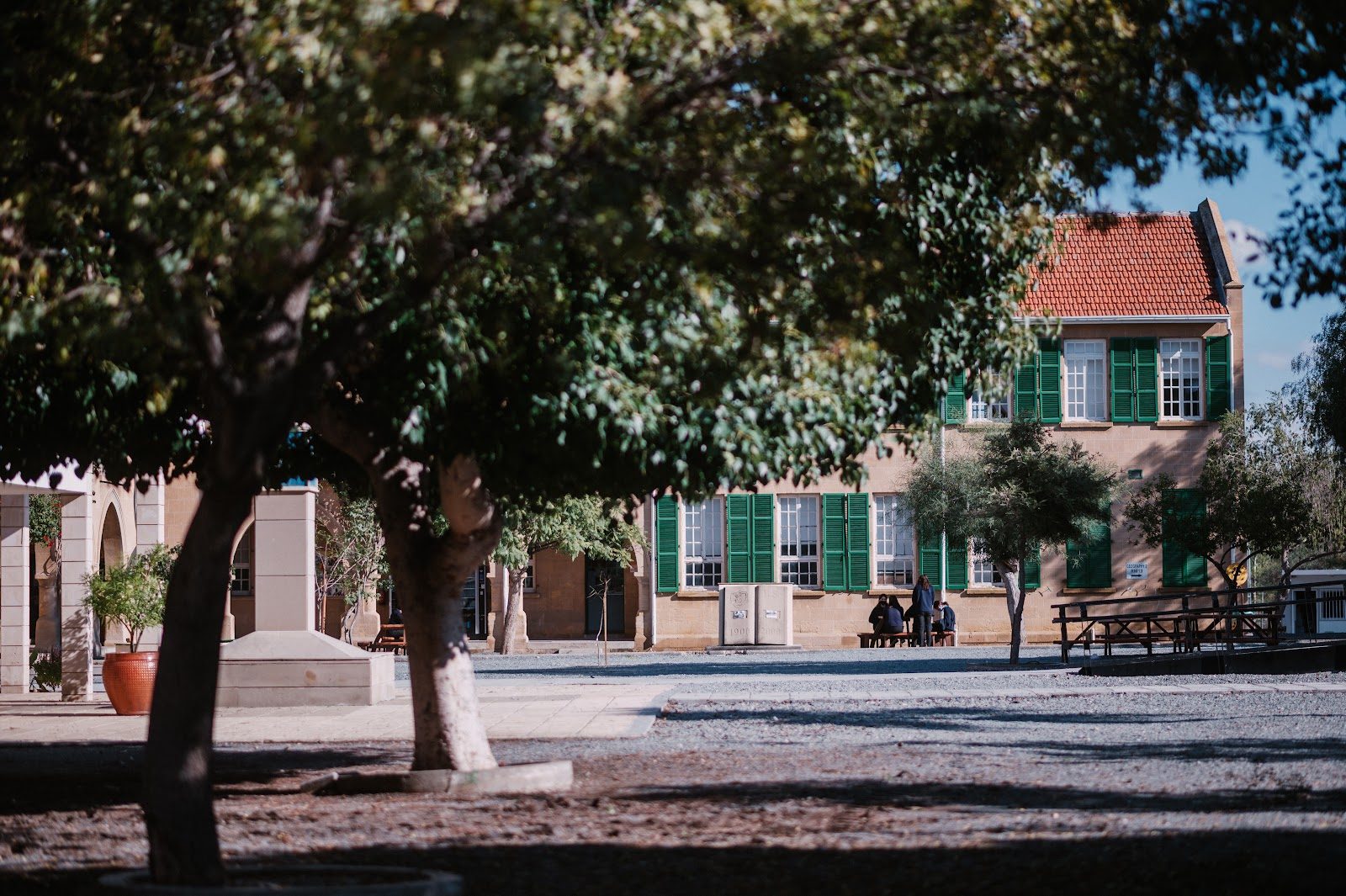
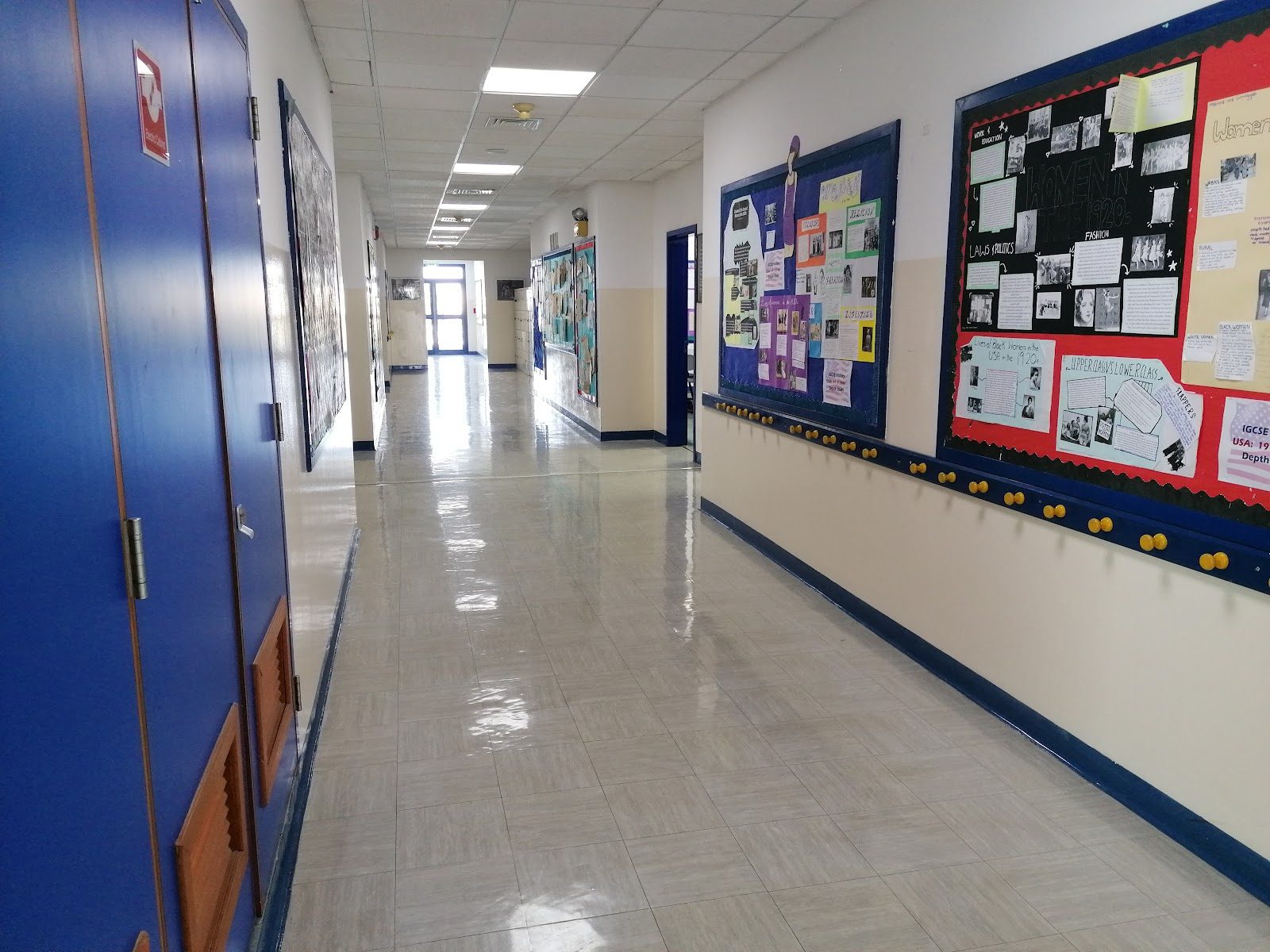
Photo © The English School, Nicosia via Google Maps
Type
Day
Ages
11–18
Curriculum
British
Qualifications
A-Level · IGCSE
Ratio
—
The Verdict
Editor's commitment
Right for
Ambitious 11–18 pupils who can win a selective place at a 1900-founded Nicosia day school with a rigorous British curriculum.
Wrong for
Families wanting open-admissions ease, primary years, or a non-selective atmosphere; this independent school starts at 11 and filters hard.
Watch out for
Bi-communal Greek and Turkish Cypriot intake is a real civic asset, but the school does not publish outcomes or fees here.
Ranking breakdown
The English School, Nicosia · #814 of 1591
Composite score 66.2. 8 weighted criteria.
By criterion
Academic Outcomes
Weight 20%
#791
of 1529 scored
University Placement
Weight 16%
#793
of 1529 scored
Prestige & Heritage
Weight 12%
#750
of 1529 scored
Alumni Network
Weight 12%
#654
of 1529 scored
Facilities
Weight 12%
#942
of 1529 scored
Transparency & Communications
Weight 8%
#861
of 1529 scored
Peer & Industry Review
Weight 10%
#784
of 1529 scored
Admissions Selectivity & Demand
Weight 8%
#607
of 1529 scored
Score history
The English School, Nicosia · 2026
Movement across 2024–2026. Peer average overlaid.
Overall — 2024–2026
66.2/ 100
▲ +22.8 vs 2025
year on year
Peer & Industry Review
How The English School, Nicosia is regarded in the sector
62
Respected · medium confidence
The English School, Nicosia is widely regarded within Cyprus as one of the country's most prestigious and selective secondary schools, with an alumni network including multiple Cypriot presidents, ministers, and business leaders frequently noted in Cypriot press coverage. It appears consistently in local 'best schools in Cyprus' discussions and expat parent forums (e.g. Internations, expat.com threads on Nicosia schooling), but it lacks presence in international specialist rankings like Tatler or the Good Schools Guide, which do not cover Cyprus extensively.
Evidence sources
- Glafcos Clerides — President of Cyprus, Politics
- Tassos Papadopoulos — President of Cyprus, Politics
- George Vassiliou — President of Cyprus, Politics/Business
Editors' overview
The English School, Nicosia occupies a rare place in Cyprus. Founded in 1900, it is an old, selective, English-medium day school with a rigorously British curriculum and a social mission that matters: it is one of the city’s designated bi-communal secondary schools, educating Greek and Turkish Cypriot pupils together. That fact is not decorative. In a divided capital, it gives the school a serious civic weight that few competitors can match. Add its position opposite the Presidential Palace and membership of HMC, and you get a school with institutional gravity, public visibility and a long-established reputation for academic discipline.
What puts it on a shortlist is not warmth or lifestyle polish, but substance. This is a school for families who want selection, standards and a strong academic culture, not a softer all-through international model. Entry is rigorous. The age range is focused — 11–18 — and that sharpens the school’s identity: secondary education done properly, in English, with clear expectations and little appetite for fluff. For parents weighing local private options against newer international schools, The English School offers something harder to replicate: historic credibility, a selective intake and a cross-community student body that gives daily school life a dimension beyond exam preparation.
Its market position is clear. This is not the broadest or most lifestyle-driven school in the Cyprus market; it is one of the most established and intellectually serious. The student who thrives here wants pace, structure and competition. They will value being taught in English, cope well with selective peers and take pride in belonging to an institution with real academic edge. They do not need hand-holding or constant reassurance. They need challenge, standards and a school culture that treats study as the main event.
The best fit is an ambitious, resilient pupil with strong literacy, self-command and the confidence to hold their own in a demanding environment. Families who want a cosmopolitan but unsentimental education — British in curriculum, Cypriot in setting, and marked by a genuine bi-communal purpose — should pay attention. The English School is not special because it is fashionable. It is special because, after 125 years, it still offers something difficult to manufacture: prestige with purpose.
Academic Performance
The school’s academic reputation rests on selectivity and on the kind of student body that can sustain a hard-edged pace, but the public record on external results is thin. We have not seen aggregate GCSE or A-level outcomes, no school-wide pass rates or top-grade distributions are in the public domain here, and the school does not publish the sort of exam breakdown that lets parents place it cleanly against direct competitors. That matters. In a market where serious schools use outcomes to prove their case, the absence of published headline data leaves a gap. What can be said with confidence is narrower but still useful: this is a selective secondary school with a rigorous admissions process and a long-established academic identity. Schools built on that model do not survive on branding alone.
Relative to peers, The English School sits in the serious academic bracket rather than the broad-access international segment. Membership of HMC adds weight, because that association is not a decorative badge and carries expectations around academic standards and institutional substance. Still, without disclosed exam statistics, parents cannot verify whether the school performs at the very top of the Cyprus private-school market or simply within the strong middle of selective British-style provision. The conclusion is clear: the school has credible academic authority, but its results story is more opaque than it should be. For a school of this standing, fuller publication of external exam outcomes is overdue.
Facilities
The English School’s facilities profile is harder to assess than its reputation, because the school does not publish a clear, detailed public account of its specialist spaces, capacity or recent capital investment. That lack of disclosure matters. At this level, parents need more than a name and a selective intake; they need to know what science labs, arts provision, sports infrastructure and sixth-form study space actually look like in daily use. The campus location opposite the Presidential Palace carries symbolic weight, but symbolism is not a substitute for evidence. We have not seen the sort of photographic depth, floor-by-floor explanation or technical specification that lets families judge whether the estate feels well-equipped, dated, or simply under-explained.
Against peer schools, that places The English School at a disadvantage on transparency, not on status. Many direct competitors now market their facilities with forensic detail because parents expect to compare laboratories, theatres, indoor sport, design spaces and social areas before booking a visit. Here, the public picture is too opaque. That does not mean weak provision; a long-established selective secondary school of this standing needs competent science, classroom and examination infrastructure to function at all. But “competent” is not the same as impressive, and the school does not give families enough to verify where it sits on that spectrum. The verdict is blunt: the facilities may be strong, but the published case for them is thin.
For students, that uniqueness brings more than symbolic diversity
Prestige
The English School carries real prestige in Cyprus because its status rests on more than age or polish. It is selective, it belongs to HMC, and it holds a public role that extends beyond the classroom. In a crowded private-school market, that combination is rare. The bi-communal intake matters here: educating pupils across Cyprus’s communal divide gives the school civic significance that most academically strong schools do not possess. That lifts its standing from straightforward academic reputation to something closer to institutional importance. For ambitious families, the attraction is clear: admission signals that a child has cleared a demanding bar and joined a school with a serious place in national life.
The prestige, though, has a specific shape. This is earned prestige, built on selectivity, continuity and public recognition, not on glossy international-school theatre. The alumni floor in Wikidata — 9 notable former pupils, including 4 scientists or scholars and 3 writers or journalists — supports the view that the school has produced people of consequence across public and intellectual life. That said, prestige here runs ahead of published performance data. The school’s name still carries weight, but parents are trusting a formidable reputation more than a fully disclosed outcomes record. That keeps The English School in the upper tier of Cypriot private education, while stopping short of the fully evidenced supremacy claimed by the best data-transparent schools.
The English School, Nicosia occupies a rare place in Cyprus
Communications
Parent communications carry the same pattern as the rest of the school’s public face: serious in tone, light on salesmanship, and weaker on detail than a top-tier school now needs. The school’s public profile gives parents the essentials of identity and standing, but not much sense of how information is structured, updated or explained in practice. We have not seen a rich public account of parent portals, reporting cycles, routine calendar management, or the nuts and bolts of academic and pastoral updates. That absence matters because selective schools ask families for trust, and trust is easier to sustain when communication is plain, regular and exact. Here, the impression is of a school that expects its reputation to do more work than its information architecture.
That does not point to chaos; schools with this level of institutional discipline do not function without competent parent communication. But competence is not the same as transparent or parent-friendly. Families new to the school, or new to Cyprus, need clarity on who communicates what, how quickly issues are handled, and whether the school explains decisions with enough candour. The public-facing standard falls short of that mark. There is too much left unstated, and that creates a closed-door feel that long-standing local families may tolerate more easily than international ones. The verdict is straightforward: communications are serviceable, but not a strength, and the school does not yet match its own stature with equally rigorous parent-facing clarity.
Uniqueness
What sets The English School apart is not heritage alone, nor selectivity alone, but the way those two traits intersect with its bi-communal role. In a divided society, very few schools carry that burden in daily practice. Here, Greek and Turkish Cypriot pupils are educated together in the same institution, under the same academic expectations, with no softening of standards to make the idea more palatable. That gives the school a form of distinction that newer international entrants cannot manufacture. It is civically serious, politically resonant and socially consequential in a way that goes beyond brand or exam preparation. The Wikidata alumni floor of 9 notable former pupils adds another clue: this is a school with reach into public and intellectual life, not a closed social enclave.
For students, that uniqueness brings more than symbolic diversity. It means learning in a setting where difference is not an abstract value but a daily fact, and where argument, restraint and mutual recognition carry real weight. In practical terms, pupils gain an education shaped by high expectations and by regular contact with peers from communities that elsewhere in Cyprus have too often lived apart. That can produce a broader political intelligence, a tougher sense of perspective and a habit of taking institutions seriously. For the right child, that is formative in the best sense: not merely a strong school education, but an initiation into adulthood in a place that asks more of them than grades alone.
In a divided capital, it gives the school a serious civic weight that few competitors can match
Student Profile
The pupil who fits here is bright, self-possessed and comfortable in a room full of other able children. This is a selective school with a rigorous admissions process; that fact shapes the social and academic temperature from day one. The best match is a student who does not need coaxing to work, reads well, writes clearly, and can cope with correction without drama. They will tolerate pressure, take competition in stride and find satisfaction in mastery rather than applause. A child who wants constant affirmation, a soft landing after every setback, or a broad church of academic ability will find the atmosphere demanding, unsentimental and at points not for the faint-hearted. The bi-communal character also matters: pupils need the maturity to work alongside peers from different communal backgrounds with restraint, curiosity and respect.
Socially, the school suits students who value seriousness over display. It will appeal to those with a strong internal motor, a sense of personal responsibility and enough poise to handle a high-status institution without being overawed by it. The right pupil is not just clever but steady under pressure, willing to argue a point properly, and able to accept that standards apply to everyone. This is a good home for ambitious adolescents who want to earn their place and who gain energy from being among other high performers. It is a weaker fit for children who need a softer, more pastoral culture or a school built around lifestyle gloss rather than intellectual discipline.
What puts it on a shortlist is not warmth or lifestyle polish, but substance
Co-curricular strengths
Arts & sport, on a separate axis
Overall 7.9/10
Scored 0-10 from the school's own published evidence. This axis is editorial-only — it does not feed the main WTS ranking.
Sports
8.5/10
Multiple sports—Football, Basketball, Volleyball and Swimming—showing a solid multi-activity offering, but gives no facility, staff or competitive detail.
Drama
8/10
Drama Productions, which indicates an active drama programme beyond a bare mention of drama, but there is no named theatre, department or production history.
Dance
6.5/10
Music
8.5/10
Both School Orchestra and Choir, evidencing structured ensemble music participation, but provides no specialist staff, facilities or higher-level distinctions.
Visual Arts
8/10
Editor first-pass · editor-reviewable · 7/28/2026
Notable alumni · Wikidata
9notable alumni
2 historic (born pre-1930) · 4 modern (born post-1970)wikidata:2026-07-28 How we source this
Strengths
- +Founded in 1900; long-established local institution.
- +Selective admissions may suit academically ambitious pupils.
- +Bi-communal intake includes Greek and Turkish Cypriots.
- +HMC membership offers recognised British-school association.
Considerations
- −Selective admissions may limit access for many applicants.
- −Day school only; no boarding for overseas families.
- −Secondary only: ages 11–18, no primary provision.
Availability
Primary entry gate & tests
Academic Record
Gallery
Photo © The English School, Nicosia via Google Maps
Photo © The English School, Nicosia via Google Maps
Photo © The English School, Nicosia via Google Maps
Photo © The English School, Nicosia via Google Maps
Photo © The English School, Nicosia via Google Maps
Parent reviews
Have you sent your child here?
Voice reviews carry the strongest trust badge — we transcribe them for you to tidy up before they go live. Prefer to type? A written review is fine too.
Add your voice
In 60 seconds, tell other parents: what's the best thing about The English School, Nicosia, and what surprised you when your child joined?
We ask for a Google sign-in so every review has a real face behind it — no anonymous drive-by attacks on schools, and no faked positive reviews. Your email is never shown publicly.
Send this profile to a friend
International parents rely on word-of-mouth. Share this review with someone weighing the same decision.
Schools with places
Similar schools to The English School, Nicosia with places available now.
Availability first, then country, area, curriculum, price, co-curricular
Consider also
Also worth looking at alongside The English School, Nicosia.
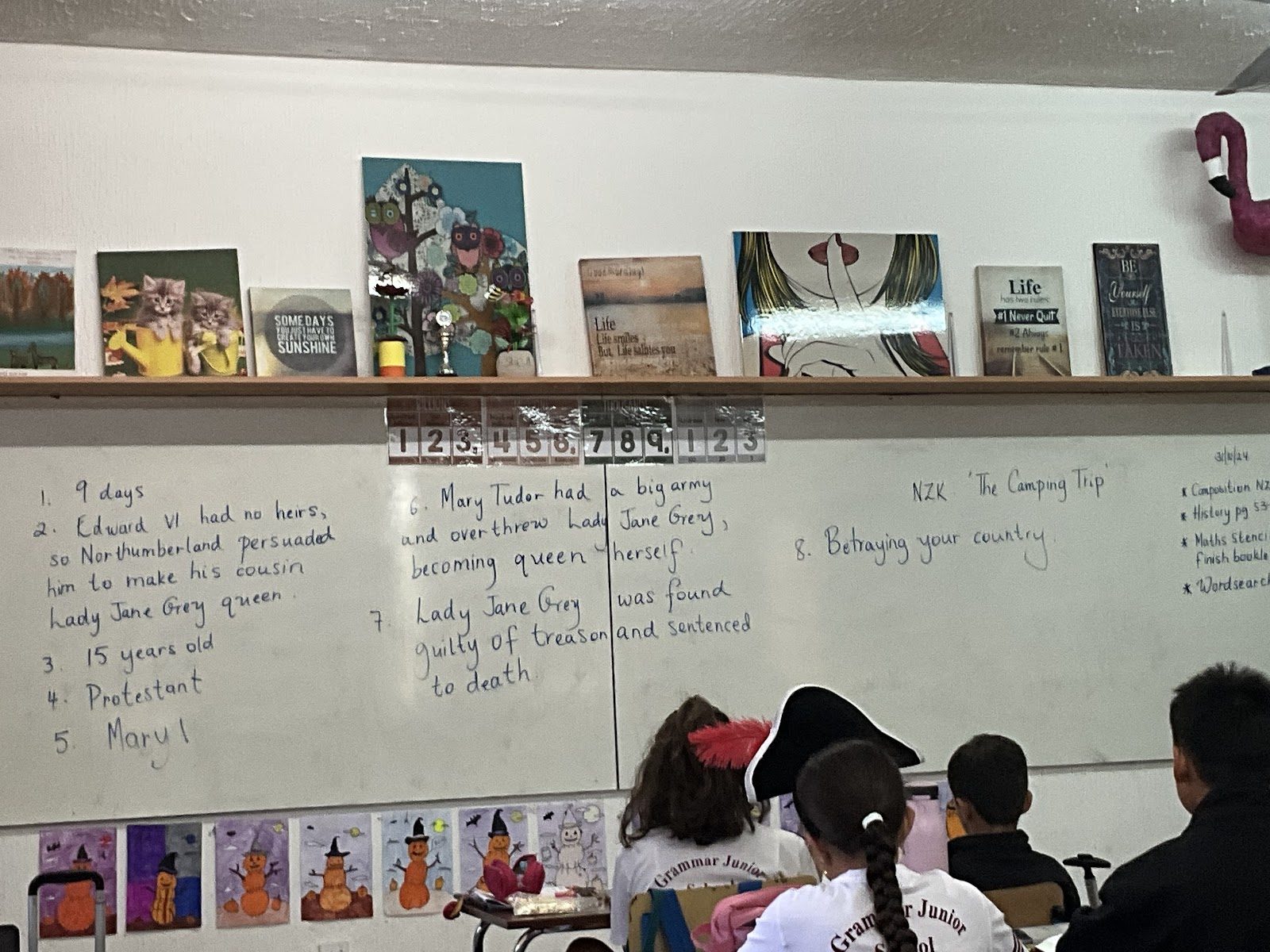
The Grammar School Nicosia
Nicosia · Cyprus
First in Cyprus to embed STEM schoolwide, this Nicosia day school blends Cambridge A Levels with the Apolytirion.
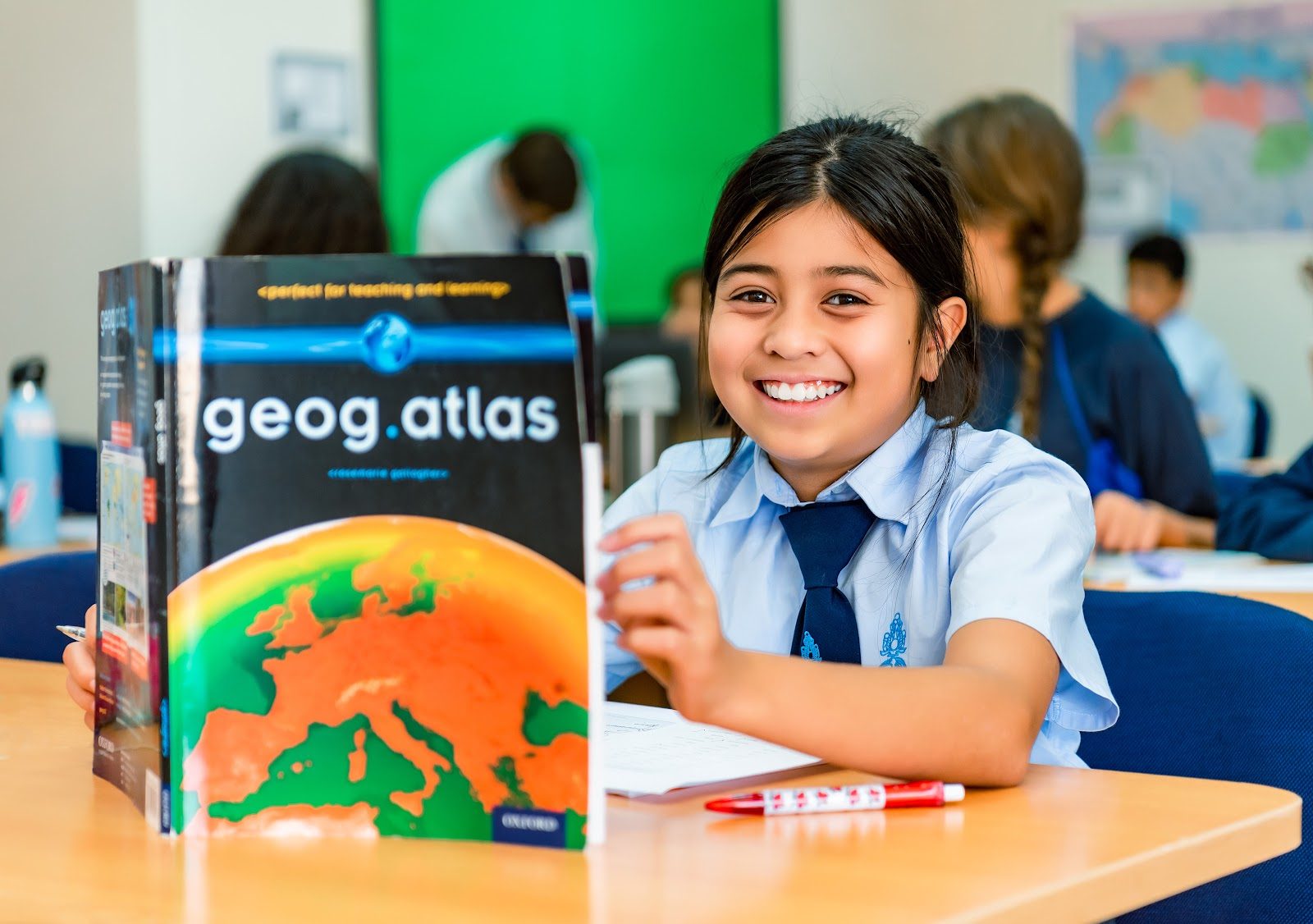
The British International School, Cairo
Cairo · Egypt
A Gezira institution since 1976, pairing rigorous IGCSE grounding with the IB Diploma and one of Egypt's rare COBIS accreditations.
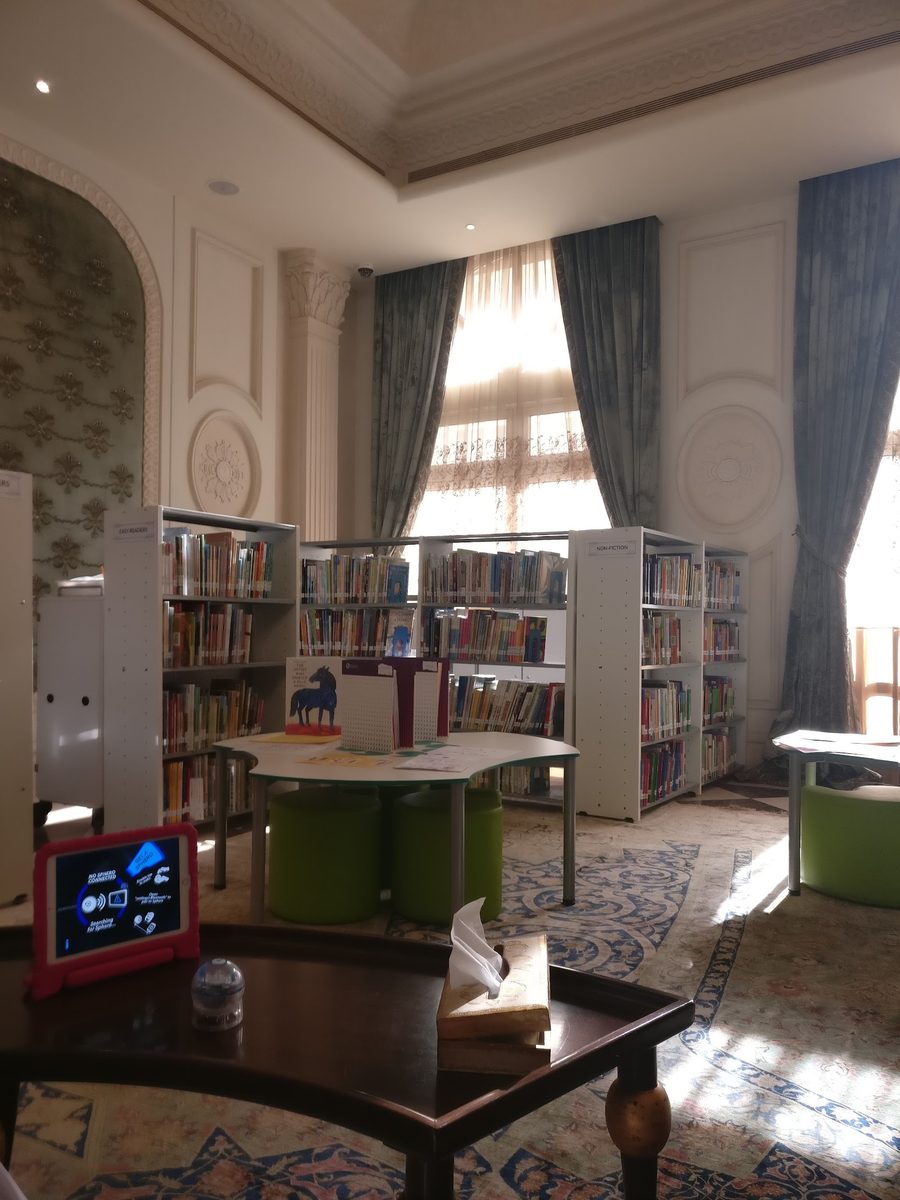
Misk Schools
Riyadh · Saudi Arabia
Nine single-sex academies share one royally founded Riyadh campus, built to engineer Vision 2030's next leaders.
The British International School of Jeddah
Jeddah · Saudi Arabia
Born in a British Embassy room in 1977, this Jeddah 'Conti' became the first British-style school worldwide to earn ECIS accreditation.
Same country and curriculum — closest matches within ±10 points either way