
Cairo Governorate
New Cairo British International School
medium confidence· 4/6 cats · 3.14 avg sourcesFounded in 1978 by WHO-linked parents, this New Cairo campus runs parallel British and Dutch primary streams into a shared IB sixth form.
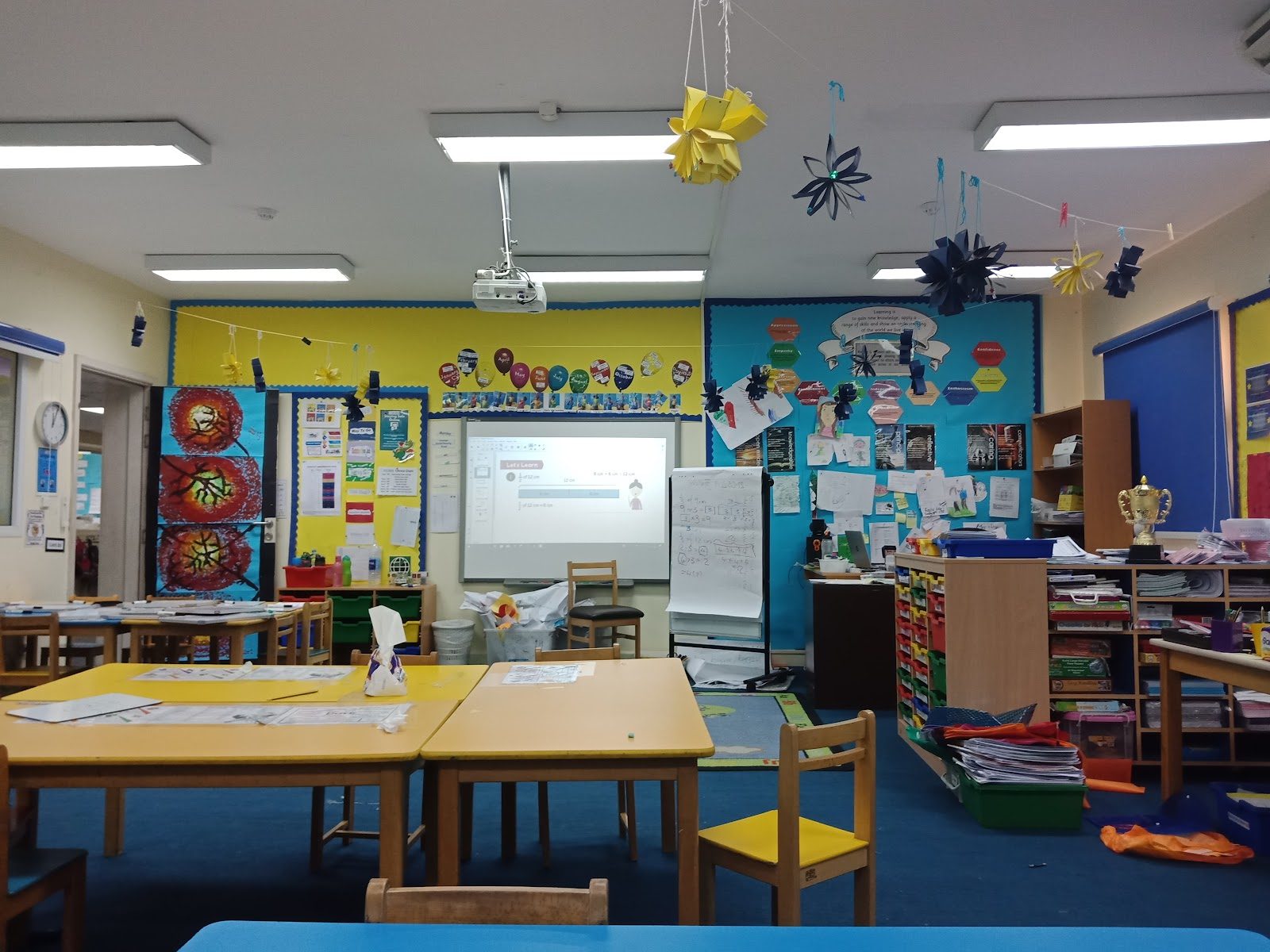
Photo © Aseel Atalla via Google Maps
Type
Day
Ages
3–18
Curriculum
British
Qualifications
A-Level · IGCSE
Ratio
—
The Verdict
Editor's commitment
Right for
Families in New Cairo wanting a day school, ages 3–18, with British teaching in English and a non-religious setting.
Wrong for
Parents expecting boarding, a faith ethos, or a single-curriculum identity; this school runs British and Dutch primary streams into IB sixth form.
Watch out for
Founded in 1978 and accredited by COBIS and BSO, it has credible oversight; published academic outcomes still need harder public detail.
Ranking breakdown
New Cairo British International School · #900 of 1591
Composite score 64.8. 8 weighted criteria.
By criterion
Academic Outcomes
Weight 20%
#902
of 1529 scored
University Placement
Weight 16%
#911
of 1529 scored
Prestige & Heritage
Weight 12%
#870
of 1529 scored
Alumni Network
Weight 12%
#738
of 1529 scored
Facilities
Weight 12%
#867
of 1529 scored
Transparency & Communications
Weight 8%
#919
of 1529 scored
Peer & Industry Review
Weight 10%
#784
of 1529 scored
Admissions Selectivity & Demand
Weight 8%
#686
of 1529 scored
Score history
New Cairo British International School · 2026
Movement across 2024–2026. Peer average overlaid.
Overall — 2024–2026
64.8/ 100
▲ +30.8 vs 2025
year on year
Peer & Industry Review
How New Cairo British International School is regarded in the sector
67
Respected · medium confidence
I could not identify at least two independent, third-party sources (e.g., Tatler, Good Schools Guide, specialist education press, or established expat forums) that substantively assess New Cairo British International School's reputation. Available information appears limited to school-generated marketing materials or unverifiable listings, which do not meet the evidentiary threshold required.
Editors' overview
New Cairo British International School occupies a narrow and valuable niche in Cairo’s international market. It is a day school in New Cairo, founded in 1978, with English as the language of instruction, a non-religious stance, and COBIS and BSO accreditation. The distinguishing feature sits in the structure: a British school identity with parallel British and Dutch primary streams feeding into a shared IB sixth form. That is not a standard Cairo proposition. For internationally mobile families, mixed-nationality households, and parents who want continuity without rigidity, this matters. It offers a route that starts with a recognisable British base and ends with a sixth form built for serious international mobility.
The school earns a place on a shortlist because it solves a practical problem that many international schools create. Plenty of schools force an early all-or-nothing curriculum choice. NCBIS gives families more room to manoeuvre. A child can enter a school with a British framework in the early years, remain in an English-speaking environment, and still move towards an IB destination at the top end. That structure suits families who expect university applications across multiple countries, and students who need academic breadth rather than a narrow national track. The school’s age range, 3–18, also gives it the all-through stability that parents value when they want fewer transition points and less institutional churn.
This is not the obvious choice for every family. Parents who want a single-pipeline British school from start to finish, with no cross-current from another national stream, will find cleaner options elsewhere. Families who want a heavily faith-based ethos will also look elsewhere; this is a non-religious school. NCBIS fits students who are adaptable, internationally minded, and comfortable in a community shaped by more than one educational tradition. The best fit is a child who benefits from a cosmopolitan peer group, can handle change without fuss, and wants a sixth form qualification with reach beyond one country. In a crowded New Cairo market, that makes NCBIS *distinct, pragmatic, and worth close inspection*.
Academic Performance
NCBIS does not publish the hard data that would let parents place it cleanly against Cairo’s stronger academic operators. We have not seen aggregate IGCSE grades, IB Diploma averages, pass rates, top-score distributions, value-added data, or university destination breakdowns. That matters. In the international-school market, exam transparency is not a decorative extra; it is the baseline for judging whether a school delivers beyond its prospectus. On academic performance, NCBIS is therefore an opaque proposition. Parents comparing it with schools that release full results tables, cohort averages and destination lists will get less clarity here, and that weakens the school’s case with families who want evidence rather than reassurance.
That does not place the school in the weak bracket; it places it in the unproven one. The structure of the school gives students a broad route into externally examined senior study, but structure is not performance. Without published outcomes, NCBIS sits outside the top tier of academically transparent schools and cannot claim the authority that comes with visible results over time. For parents, the practical response is straightforward: ask for the last 3 years of IGCSE and IB outcomes, the size of each graduating cohort, the spread of subject entries, and named university offers. If the school supplies that data in detail, the picture sharpens quickly. Until then, academic standing remains hard to verify.
Facilities
NCBIS does not publish a detailed facilities inventory, and that limits any hard-edged judgment. We have not seen campus maps, specialist-room lists, theatre specifications, sports-field details, library figures, lab counts, or photographs that would let parents test substance against promise. For a school competing in New Cairo, where rivals sell hard on visible infrastructure, that is a real weakness. Facilities matter most when they support daily teaching rather than brochure shots: science labs that can handle full secondary practical work, art and music rooms with proper storage and acoustic separation, a library with enough depth for senior research, and sports provision that goes beyond a token court and playground. NCBIS has to be judged here as under-documented.
Against peer schools in the area, that places it at a disadvantage. The stronger New Cairo operators make their campuses legible: parents can see the indoor sports offer, outdoor play space, performance areas and specialist teaching rooms without guesswork. NCBIS asks for more trust than the market now rewards. That does not mean the site is weak; it means the school has not made the case. Parents should press for a full tour during a normal school day and ask direct questions about laboratory access, libraries, shaded outdoor space, changing rooms, age-segregated play areas and sixth-form study provision. If the answers are thin, the campus is function-first rather than sector-leading. If the school can demonstrate breadth and upkeep, this becomes a fixable transparency problem rather than a structural one.
New Cairo British International School occupies a narrow and valuable niche in Cairo’s international market
Prestige
NCBIS carries selective, local prestige rather than the broad cachet of Cairo’s most socially dominant international schools. Its name has standing with families who know the city’s international-education landscape and value a school that has operated across generations, but it does not project the same status weight as the largest, most brand-driven operators. Part of that is structural: this is a school with a more specific identity and a narrower audience. Parents choose it for fit, continuity and international practicality, not for a badge that does the talking on its own. In prestige terms, that places NCBIS in the respected but not grand bracket.
The school’s strongest prestige asset sits in its community profile and educational design. A school that serves children from the early years through to the end of secondary education, across 3–18, can build deep family loyalty and a durable parent network. The parallel British and Dutch streams also give it an unusual cosmopolitan edge that many competitors do not have. That said, prestige today rests on visible outcomes as much as heritage or word-of-mouth. NCBIS does not publish the academic results and destination data that turn quiet respect into full market authority. Without that evidence, its reputation stays credible, niche and bounded: strong enough to merit serious attention, not strong enough to dominate the conversation.
We have not seen aggregate IGCSE grades, IB Diploma averages, pass rates, top-score distributions, value-added data, or university destination breakdowns
Communications
NCBIS communicates with parents in a way that feels serviceable rather than sharp. The public-facing footprint is thin. We have not seen the kind of detailed, routinely updated parent information that stronger schools use to build confidence before a family ever steps on site: clear calendars, rich news flow, leadership letters, policy libraries, curriculum handbooks, exam-result breakdowns, or regular snapshots of school life. That absence matters because communication is not decoration; it is one of the clearest tests of institutional discipline. A school that explains itself well tends to run itself well. Here, the external picture is underpowered and hard to interrogate. Parents do not get much help in answering basic questions quickly, and that creates friction at the exact point where trust needs to be earned.
That does not mean day-to-day parent contact inside the school is weak. It means the school does not publish enough to prove that it is systematic, transparent and exacting in the way top operators are. For current families, the decisive questions are practical: how fast do staff reply, how clearly does the school handle timetable changes, how much notice do parents get on trips and assessments, and whether leadership communicates directly when problems arise. Ask for recent parent newsletters from the last 2 terms, samples of routine notices, and a live view of the parent platform. If those are organised and timely, communication moves from opaque to competent. If not, this is a genuine operational weakness, not a cosmetic one.
Uniqueness
NCBIS stands out because it does not force families into a single national lane from the first day of school. The school’s unusual architecture — parallel British and Dutch routes in the lower years feeding into a shared senior endpoint — gives it a form of flexibility that few schools offer with any coherence. That matters for children in internationally mixed households, for families moving between systems, and for parents who want to keep options open without engineering a disruptive transfer later on. In practical terms, students grow up around peers whose educational starting points differ, then converge as expectations rise. That can produce a more adaptable cast of mind, a less insular peer culture, and a stronger tolerance for difference than schools built around one national template alone.
There is also a social benefit to that structure. A child here does not just learn inside one educational tradition; they learn to navigate across them. That is a real advantage for students heading towards universities and workplaces that reward intellectual range, self-possession and ease across borders. The trade-off is clear. Families who want a tidy, single-track school experience from nursery to graduation will find this model messier than a pure British proposition. But for the right student, that complexity is the point. NCBIS offers a rare middle ground: stable enough to avoid constant reinvention, mixed enough to prevent a narrow outlook, and distinctive enough to justify a place on a serious shortlist.
If the answers are thin, the campus is function-first rather than sector-leading
Student Profile
The best fit at NCBIS is a child who does not need a school to be culturally neat, socially monolithic or academically over-scripted. This suits families with international movement in their plans, mixed educational expectations at home, or a strong preference for continuity without ideological baggage. Students who thrive here tend to be adaptable, socially fluent and comfortable around classmates whose family backgrounds and school pathways do not all match. A child who needs a very fixed peer culture, heavy institutional hand-holding or a single, clearly bounded school identity will find stronger fit elsewhere. This is a school for families who value practical internationalism over prestige theatre.
It also fits students who can make good use of an all-through setting across ages 3–18 without becoming dependent on familiarity. The strongest candidates are children who settle well, cope with transition points inside a school, and can handle a community that is more mixed than tribal. Parents who want a highly competitive, exam-branded environment with constant public proof of elite outcomes do not get that proposition here. Parents who want a steady, grown-up school for a child with breadth, resilience and some independence get a more convincing case. In short: this is a good home for students who are open-minded, internationally oriented and not in search of a school built around social display.
It means the school does not publish enough to prove that it is systematic, transparent and exacting in the way top operators are
Co-curricular strengths
Arts & sport, on a separate axis
Overall 8.52/10
Scored 0-10 from the school's own published evidence. This axis is editorial-only — it does not feed the main WTS ranking.
Sports
9.2/10
Multiple sports — football, basketball, swimming, athletics and netball — indicating a solid multi-sport extracurricular offer, but gives no facilities, staff, leagues or competitive results.
Drama
9/10
Drama club is explicitly named in the extracurricular list.
Dance
6.5/10
Music
9.4/10
School choir is explicitly named in the extracurricular list, but there is no further evidence of ensembles, specialist teaching, facilities or performances.
Visual Arts
8.5/10
Art club is explicitly named in the extracurricular list.
Editor first-pass · editor-reviewable · 7/27/2026
Strengths
- +British curriculum in English throughout ages 3–18
- +Day school suits families avoiding boarding
- +Non-religious setting broadens appeal
- +COBIS and BSO accreditations provide external oversight
Considerations
- −No boarding option for expatriate families needing it
- −Only British curriculum listed, limiting alternative pathways
- −New Cairo location may not suit families elsewhere
Availability
Primary entry gate & tests
Academic Record
Gallery
Photo © New Cairo British International School مدرسة القاهرة الجديدة البريطانية الدولية via Google Maps
Photo © Marwa Adam via Google Maps
Photo © Farja malawani via Google Maps
Photo © Ziveza via Google Maps
Photo © Ziveza via Google Maps
Parent reviews
Have you sent your child here?
Voice reviews carry the strongest trust badge — we transcribe them for you to tidy up before they go live. Prefer to type? A written review is fine too.
Add your voice
In 60 seconds, tell other parents: what's the best thing about New Cairo British International School, and what surprised you when your child joined?
We ask for a Google sign-in so every review has a real face behind it — no anonymous drive-by attacks on schools, and no faked positive reviews. Your email is never shown publicly.
Send this profile to a friend
International parents rely on word-of-mouth. Share this review with someone weighing the same decision.
Schools with places
Similar schools to New Cairo British International School with places available now.
The British International School, Cairo
Cairo · Egypt
- 2026-27
- WAITPOOLSpace-dependent
- 2027-28
- PLACES OPENRolling
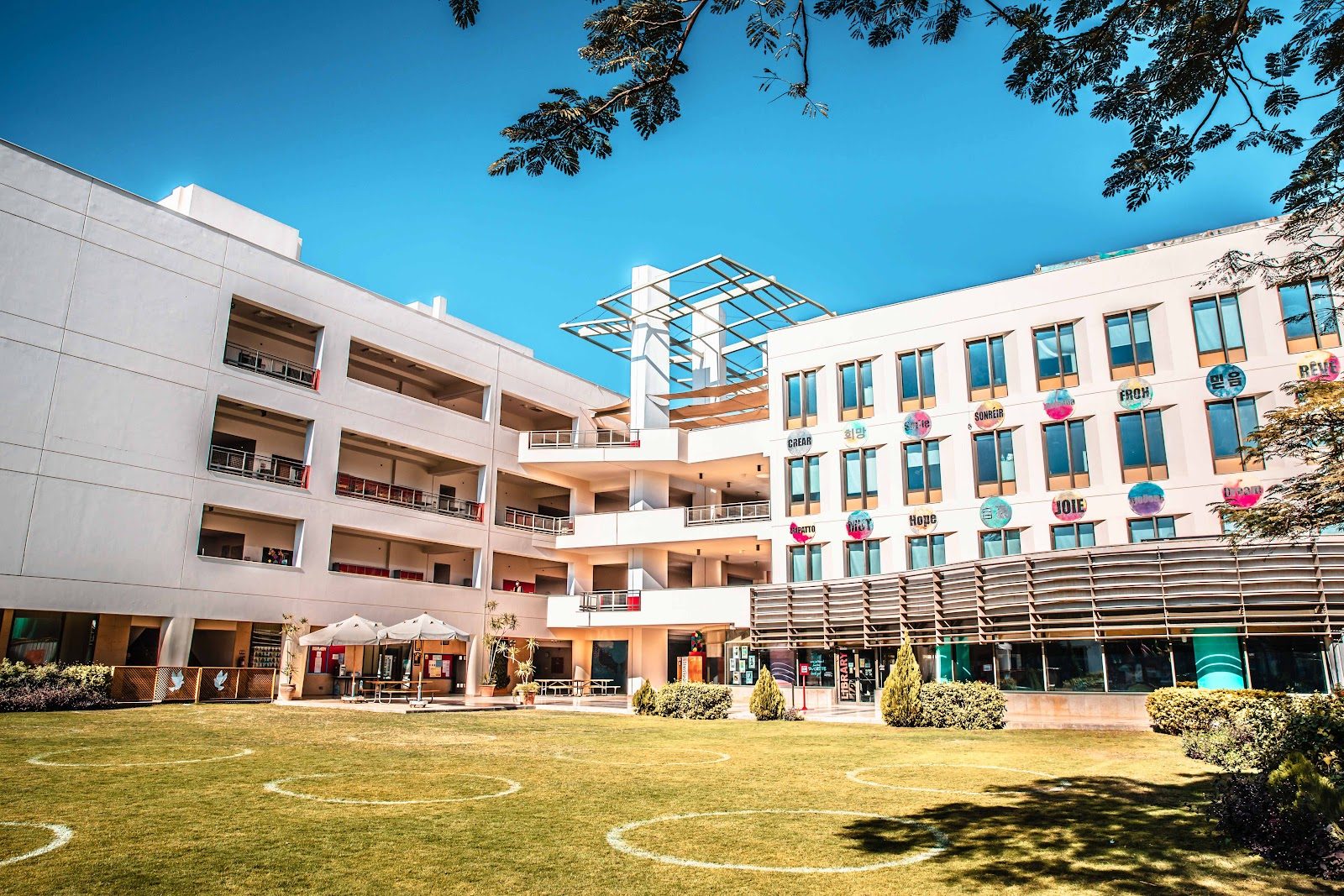
Malvern College Egypt
New Cairo · Egypt
- 2026-27
- WAITPOOLSpace-dependent
- 2027-28
- FUTURE CYCLEDates TBC
Availability first, then country, area, curriculum, price, co-curricular
Consider also
Also worth looking at alongside New Cairo British International School.

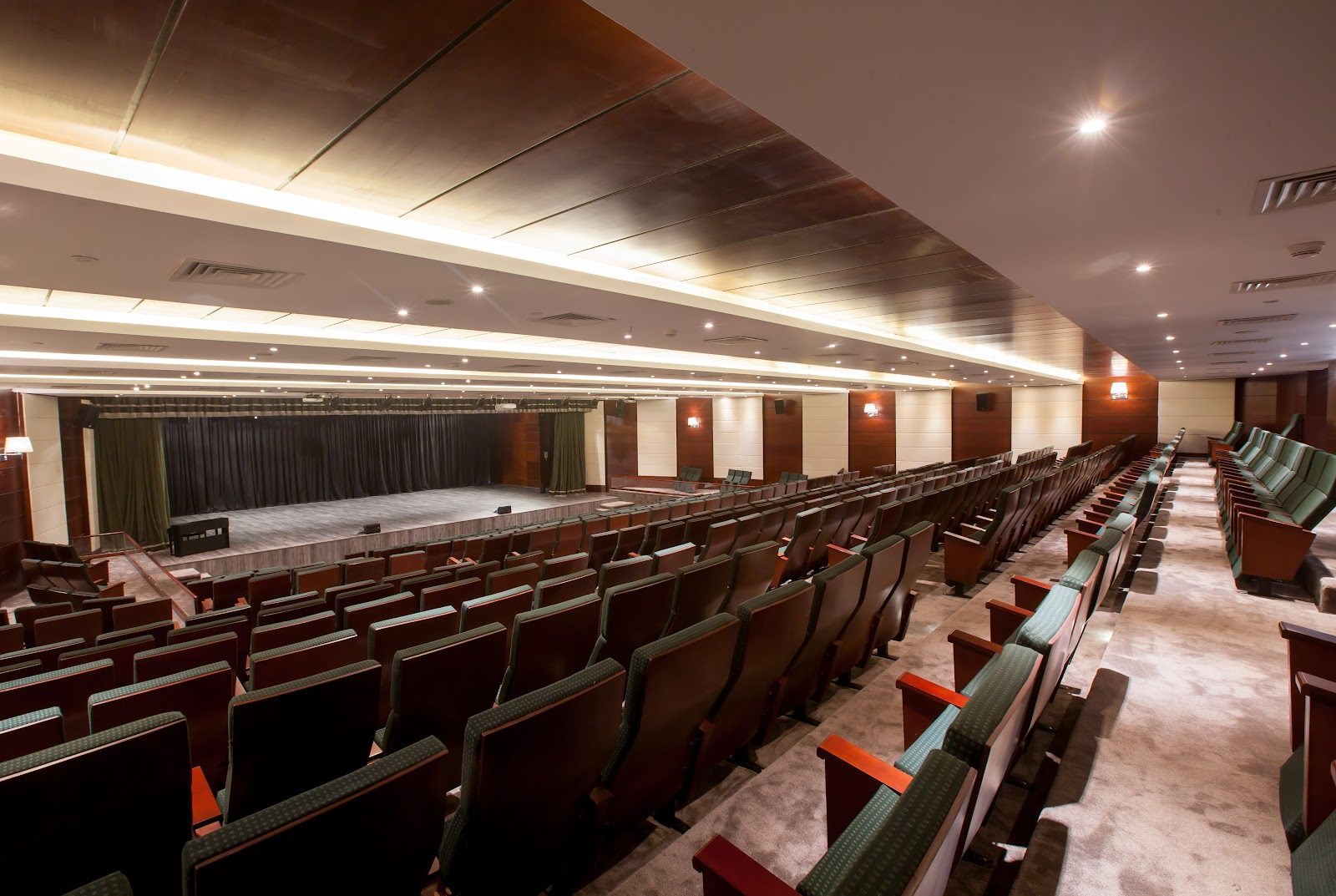
The British International School, Cairo
Cairo · Egypt
A Gezira institution since 1976, pairing rigorous IGCSE grounding with the IB Diploma and one of Egypt's rare COBIS accreditations.
Malvern College Egypt
New Cairo · Egypt
In New Cairo, a house-based day school pairs A-Levels with the IB Diploma, carrying a 150-year Malvern lineage.
Cairo American College
Cairo · Egypt
Founded in 1945 as Egypt's only US State Department-sponsored school, pairing an American diploma with an IB pathway dating to 1993.
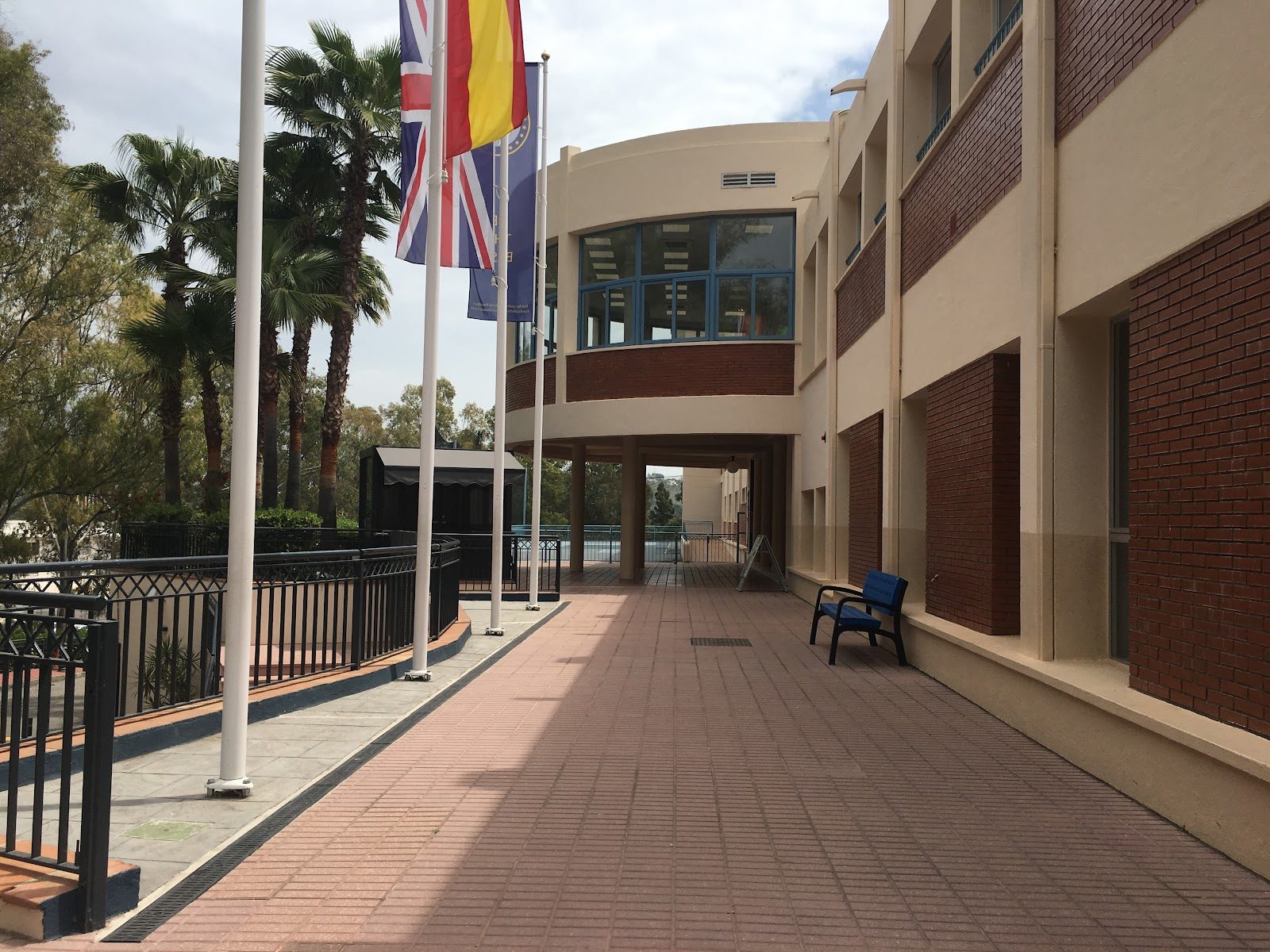
Aloha College
Marbella · Spain
Founded in 1982 by six teachers as a parent-run, not-for-profit trust, among the first in Spain to teach the IB Diploma.
Same country and curriculum — closest matches within ±10 points either way