
Kent
The King's School, Rochester
low confidence· 2/6 cats · 2.5 avg sourcesCathedral cloisters and choir stalls anchor a school tracing its roots to 604 AD, just 30 minutes from London by rail.
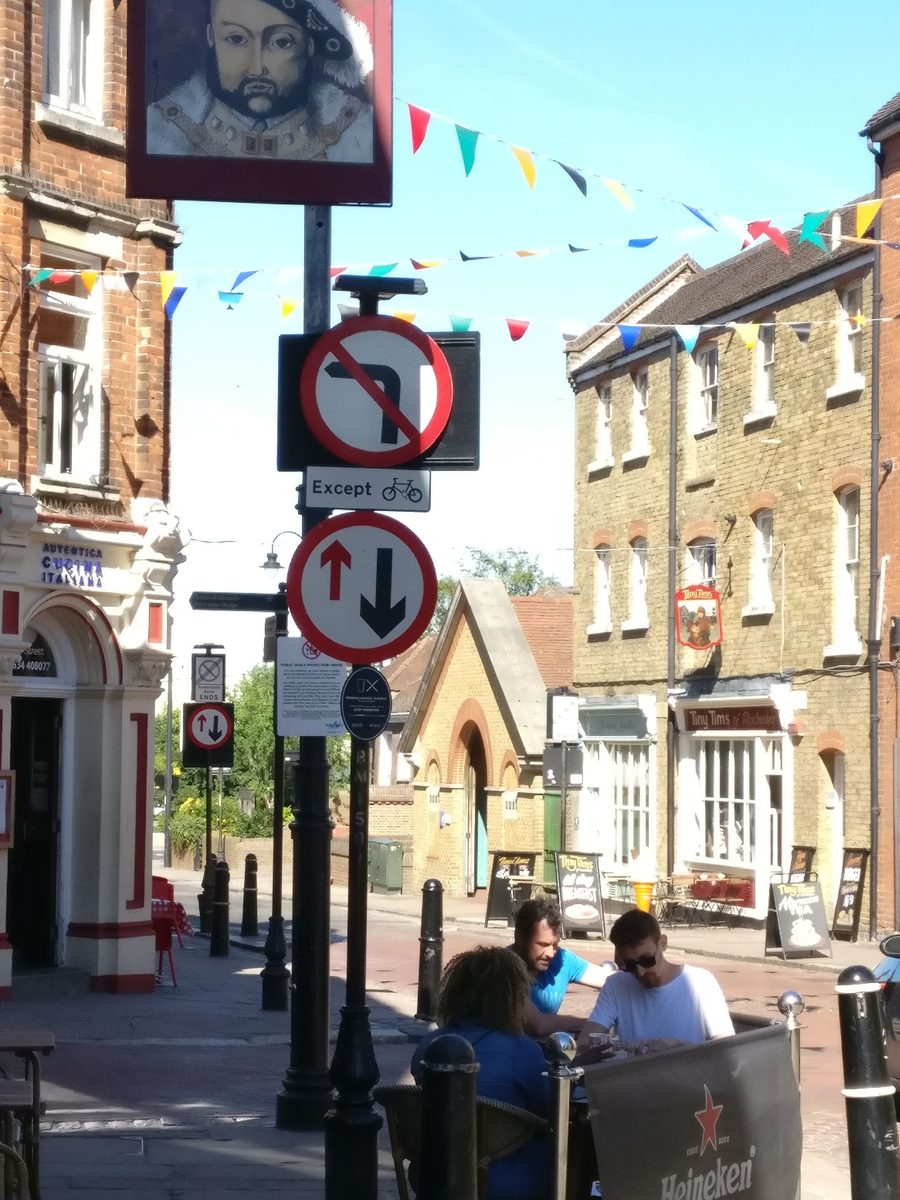
Photo © Fiona Martin via Google Maps
Type
Both
Ages
3–18
Curriculum
British
Qualifications
A-Level · GCSE
Ratio
—
The Verdict
Editor's commitment
Right for
Families wanting an Anglican 3–18 school in Rochester with day and boarding, anchored to Rochester Cathedral and 604 foundations.
Wrong for
Parents seeking a secular setting, another curriculum besides British, or a London campus; this is Rochester, 30 minutes by rail.
Watch out for
HMC and ISI give credibility, but the school does not publish headline outcomes here; heritage carries the argument harder than data.
Ranking breakdown
The King's School, Rochester · #1173 of 1591
Composite score 58.0. 8 weighted criteria.
By criterion
Academic Outcomes
Weight 20%
#900
of 1529 scored
University Placement
Weight 16%
#911
of 1529 scored
Prestige & Heritage
Weight 12%
#723
of 1571 scored
Alumni Network
Weight 12%
#1408
of 1530 scored
Facilities
Weight 12%
#848
of 1534 scored
Transparency & Communications
Weight 8%
#820
of 1532 scored
Peer & Industry Review
Weight 10%
#998
of 1548 scored
Admissions Selectivity & Demand
Weight 8%
#837
of 1529 scored
Peer & Industry Review
How The King's School, Rochester is regarded in the sector
65
Respected · medium confidence
Within Kent's independent sector, King's Rochester is regarded as a respectable but second-tier HMC and Woodard Corporation member, sitting below academically stronger neighbours such as Sutton Valence, Cranbrook and Kent College in most published league tables (Times/Sunday Times regional rankings place it mid-pack). Good Schools Guide coverage has historically been sympathetic but frank, noting past financial instability and a subsequent recovery under Woodard oversight rather than unqualified praise. University destinations lean towards solid Russell Group placements rather than significant Oxbridge flow, and admissions tutors treat it as a reliable rather than a flagship feeder. Its choir tradition and cathedral link give it a distinct niche recognised within Woodard's own network and church-school circles, but it has limited visibility at HMC conference level compared with larger, better-resourced members. Independent education press generally frames it as a heritage school in quiet rebuilding mode - credible, improving, but not yet commanding the reputational weight of Kent's top-flight boarding schools.
- William Adams — Navigator/Samurai, Maritime Exploration
- Freddie Laker — Founder, Laker Airways, Aviation Business
- Richard Watts — Philanthropist, Civic Benefactor
Editors' overview
The King’s School, Rochester sells something few schools can match: institutional age with a live cathedral foundation. Founded in 604, it trades on continuity, not nostalgia. Rochester Cathedral is not a backdrop; it is part of the school’s identity, and that matters. Families drawn to ancient ritual, choral tradition and a school day shaped by Anglican life will find a setting with real substance. The rail link to London — about 30 minutes — sharpens its appeal in the South East market: this is not a remote heritage school but an accessible one. For parents who want a British education in a place with stone-and-cloister seriousness, King’s Rochester stands apart from newer independents built around facilities first and history second.
Its market position sits between the great national-name boarding schools and the strong regional independents of Kent. It has day and boarding provision, co-education, and an all-through age range of 3–18, which gives it breadth and family convenience. The distinctive draw is not corporate polish or elite mystique; it is character. A cathedral school carries a different cadence from a standard private school: chapel, music, ceremony and a stronger sense of inheritance. That will attract families who value ordered tradition and a visible moral framework. It will repel those who want a secular environment, a more aggressively modern culture, or a school defined by sport, brand prestige or published academic statistics. The school does not publicly trade on headline outcome data in the way some competitors do, so parents who shop by league-table theatre alone will find less to work with.
Why shortlist it? Because very few schools combine genuine historical depth, boarding, co-education and proximity to London in one package. For the right child, that mix is powerful. This is a school for pupils who will thrive in a community with ceremony, expectation and continuity; children who enjoy music, structure and belonging; and boarders who want a sense of permanence rather than a glossy resort campus. It also suits families who want a school with identity already settled, not one still trying to define itself. Pupils craving constant reinvention, social flash or an aggressively competitive atmosphere will find richer options elsewhere. Pupils who want rootedness, a cathedral close, and a school with its own spine will understand its value at once.
Academic Performance
King’s Rochester does not publish the kind of granular public results data that top-flight academic operators use to advertise themselves. We have not seen a full run of recent A-level and GCSE outcomes, no subject-by-subject breakdowns, and no wider contextual data on value added, university destinations or high-grade concentration. That matters. In a market where strong schools put hard numbers on the table, this level of opacity leaves parents without a clean way to place King’s Rochester against Kent’s most results-driven independents or the sharper London commuter-school set. The absence of published headline performance does not read as fiercely academic confidence.
That does not make it weak; it makes it harder to verify. The school’s all-through structure and cathedral identity point to a broader proposition than exam theatre alone, and some families will accept that trade. Others should not. If academic outcomes sit near the top of your decision criteria, ask for the last 3 years of GCSE and A-level results, grade distributions, Russell Group and Oxbridge destinations, and destination patterns across the full sixth form cohort, not just the best cases. Until those figures are disclosed, King’s Rochester sits in the bracket of schools where academic quality may be sound but public proof remains thin, guarded and less competitive than the sector’s most transparent peers.
Facilities
The cathedral close is the facility that matters most here. At many heritage schools, historic buildings are ornamental; at King’s Rochester they shape daily life. Access to Rochester Cathedral, with its choir tradition and liturgical rhythm, gives the school something peers cannot buy later with capital spending. For pupils in music, chapel life and ceremonial performance, that is a serious institutional asset. It also creates limits. Ancient sites bring atmosphere, not the slick convenience of a purpose-built modern campus. Parents should expect character, constraints and unevenness rather than the frictionless circulation, vast atria and sports-centre swagger that newer independents use to sell themselves.
That distinction is the benchmark point. Against Kent day schools and commuter-belt independents built around expansive sports grounds, specialist centres and visibly recent investment, King’s Rochester’s estate carries more gravitas than flash. For boarders, the attraction lies in belonging to a school woven into a living ecclesiastical setting, not retreat-style boarding infrastructure or leisure-heavy provision. For younger pupils across an all-through age span of 3–18, that setting can feel richly atmospheric or tradition-bound, depending on temperament. We have not seen a published facilities inventory detailed enough to judge laboratories, theatre provision, sports stock or boarding-house specification against direct rivals. That gap matters. Schools competing at the stronger end of the independent sector normally show those assets clearly. Here, the defining facility is obvious; the supporting cast is less so.
The distinctive draw is not corporate polish or elite mystique; it is character
Prestige
King’s Rochester has real prestige, but it is a specific, bounded kind of prestige. The source of status here is ecclesiastical and historical, not market dominance. A school tied to a cathedral foundation carries inherited authority, ceremonial weight and a social texture that many newer independents cannot manufacture. That matters in Britain, where parents still read schools through signals of continuity, ritual and institutional seriousness. Membership of HMC reinforces that standing: this sits within the recognised independent-school establishment, not outside it. The result is old-school credibility rather than national glamour.
It does not occupy the top rank of British independent prestige in the way the major household-name boarding schools do, and it does not publish the kind of outcomes data that would force its way into that conversation. That limits its reach. Its reputation rests more on historic distinction, Anglican character and the pull of a cathedral setting than on academic clout or social cachet. For families who value heritage, music, liturgy and a school with a strong institutional spine, that prestige is genuine and hard-earned. For families chasing brand recognition, elite university theatre or the sharpest competitive aura, it lands a tier below the sector’s most commanding names.
King’s Rochester does not publish the kind of granular public results data that top-flight academic operators use to advertise themselves
Communications
King’s Rochester communicates in the manner of an established British independent school: formal, orderly and institution-first. That has strengths. Parents choosing a cathedral school do not need gimmicks; they need clarity on routines, expectations, pastoral oversight, calendar rhythm and who is responsible when something goes wrong. The school’s public voice fits that brief better than the breathless social-media style now common elsewhere. It gives a sense of institutional discipline and adult authority. The problem is that authority without detail can slide into closed communication. We have not seen the school publish the kind of hard, parent-facing information that reduces friction: fuller academic reporting, richer facilities explanation, or a more forensic account of outcomes and destinations. In practical terms, the communication style feels stronger on ethos than on proof.
That matters because parents are not only buying atmosphere; they are handing over years of a child’s life. Good school communication does 2 things at once: it conveys culture and it discloses evidence. King’s Rochester handles the first better than the second. Families already sympathetic to Anglican tradition and structured school life will read the tone as reassuringly serious. More analytical parents will find it guarded and at points underpowered. The test for any admissions or parent-communications operation is simple: does it answer awkward questions before they are asked? Here, too much still requires direct enquiry. That does not signal chaos. It signals a school that expects trust before it has fully earned it in public.
Uniqueness
What sets King’s Rochester apart is not heritage as branding, but heritage as operating reality. This is a cathedral school in the strict sense: part of the Rochester Cathedral foundation, with school life shaped by proximity to worship, music, ritual and institutional memory. Many schools borrow the language of tradition; this one lives inside it. That gives pupils a daily environment with ceremonial weight, moral clarity and a stronger sense of continuity than the average independent school can offer. For children who respond to pattern, expectation and belonging, that can be deeply formative. The school’s claim to rank as the second oldest continuously operating school in the world is the kind of distinction that changes the atmosphere of a place, not just its prospectus.
That distinctiveness brings real benefits and real limits. Pupils gain access to a community with a settled identity, not a school still inventing itself. Music, chapel and public occasion carry more force here because they sit inside a living ecclesiastical setting rather than a token weekly assembly. Boarders and day pupils alike get a school culture with a serious centre of gravity. The trade-off is obvious: families wanting a secular, high-gloss, future-facing campus culture will find this tradition-bound and at points unyielding. King’s Rochester suits children who value structure, symbolism and membership of something older than themselves. It does less for pupils who need informality, reinvention or a lighter institutional touch.
The King’s School, Rochester sells something few schools can match: institutional age with a live cathedral foundation
Student Profile
The pupils who fit best here are children who take to structure without needing it sugar-coated. This school suits the musically engaged, the ritual-tolerant and the socially steady: pupils who can live with chapel, ceremony and a public sense of conduct without treating those things as an imposition. It will also work for families who want one institution to carry a child from the early years to sixth form, rather than resetting culture every few years. In a school serving ages 3–18, that continuity matters. Boarders need a taste for community over spectacle. Day pupils need the same. The common thread is not swagger but composure.
It is less convincing for children who need constant novelty, low-friction informality or a campus culture built around overt status competition. The sporty social climber has stronger options elsewhere. So does the pupil who wants a loudly secular environment or a school defined by high-performance academic display. King’s Rochester feels better matched to pupils with old-soul steadiness, a tolerance for expectation, and an appetite for belonging to something larger and older than themselves. That can be deeply anchoring for the right child. For the wrong one, it will feel tight, watchful and hard to love.
Rochester Cathedral is not a backdrop; it is part of the school’s identity, and that matters
Co-curricular strengths
Arts & sport, on a separate axis
Overall 8.88/10
Scored 0-10 from the school's own published evidence. This axis is editorial-only — it does not feed the main WTS ranking.
Sports
9/10
Competes honorably in regional independent tournaments across rugby, hockey, and cricket on a historic UK campus.
Drama
9/10
Active classical drama societies and Shakespeare showcases focused on building rigorous public speaking and confidence traits.
Dance
8/10
Popular choreographic asset utilized to build movement and synchronization ensembles for large-scale performance showcases.
Music
9.4/10
Highly elite music wing backed by the custom Recital Hall, supporting top-tier youth orchestras and symphonies with deep links to Rochester Cathedral.
Visual Arts
9/10
Highly structured fine art layout leaning heavily toward technical drawing, fine oils, and advanced portfolio mastery.
Strengths
- +Founded 604, giving exceptional historical continuity.
- +World-class music programme (score 9.4), anchored in the cathedral choral tradition.
- +World-class sports, drama and visual arts (all 9.0) across a broad co-curricular offer.
- +Anglican identity suits families wanting faith-based schooling.
- +Day and boarding provision across ages 3–18 allows one-school continuity.
Considerations
- −Anglican character and formal tradition may not suit all families.
- −British curriculum limits non-British pathway choice.
- −The historic, tightly-bounded Boley Hill site constrains sports and modern teaching space, with some activities bussed off-site.
- −The modest boarding cohort narrows weekend programming versus full-boarding rivals.
Availability
Primary entry gate & tests
Written Exams + Interview
Gallery
Photo © Fiona Martin via Google Maps
Photo © Fiona Martin via Google Maps
Photo © Fiona Martin via Google Maps
Photo © King's School Rochester via Google Maps
Photo © Phil Drew via Google Maps
Parent reviews
Have you sent your child here?
Voice reviews carry the strongest trust badge — we transcribe them for you to tidy up before they go live. Prefer to type? A written review is fine too.
Add your voice
In 60 seconds, tell other parents: what's the best thing about The King's School, Rochester, and what surprised you when your child joined?
We ask for a Google sign-in so every review has a real face behind it — no anonymous drive-by attacks on schools, and no faked positive reviews. Your email is never shown publicly.
Send this profile to a friend
International parents rely on word-of-mouth. Share this review with someone weighing the same decision.
Schools with places
Similar schools to The King's School, Rochester with places available now.
Availability first, then country, area, curriculum, price, co-curricular
Consider also
Also worth looking at alongside The King's School, Rochester.
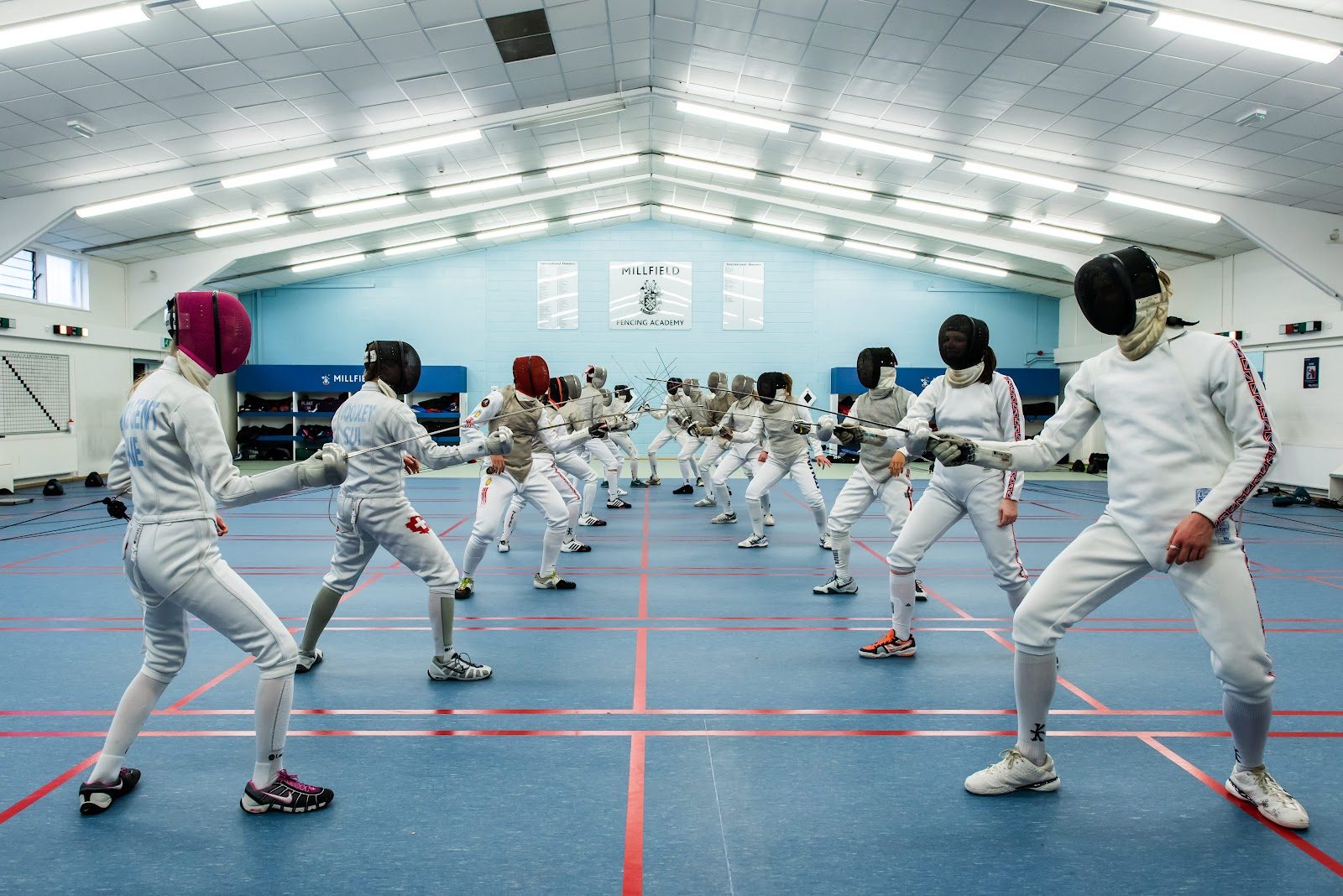
Millfield School
Street · United Kingdom
Sixty-plus sports and an Olympic-length pool anchor a 240-acre Somerset campus built for athletes and scholars alike.
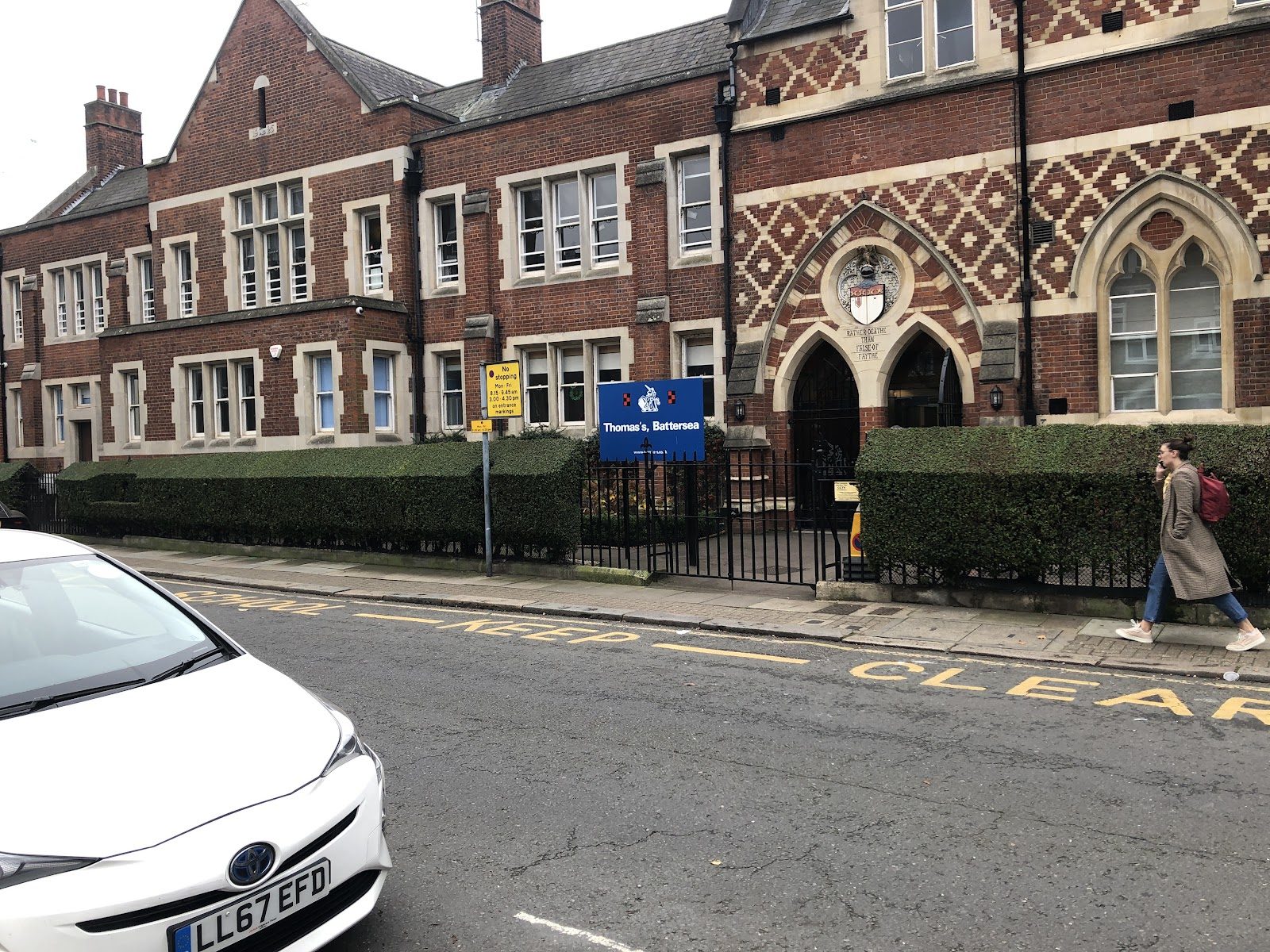
Thomas's Battersea
London · United Kingdom
In a former Victorian art school, an 'enquiry mindset' and a 'Be Kind' ethos feed London's top senior schools.
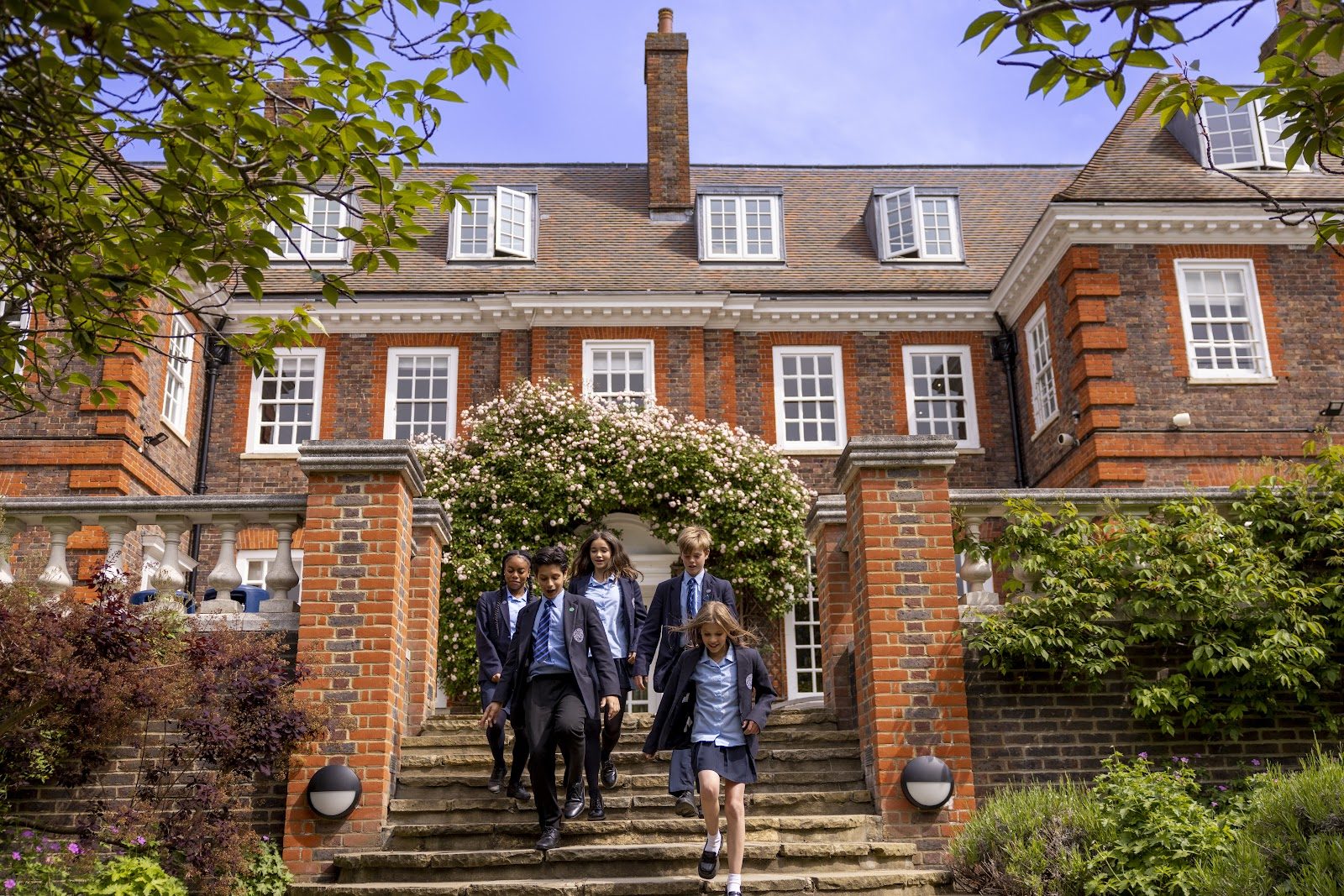
Ibstock Place School
London · United Kingdom
On the fringe of Richmond Park, a Froebel-founded day school has championed co-education since 1894.
Downe House School
Cold Ash · United Kingdom
Rooted in Charles Darwin's former home, now a 110-acre Berkshire estate where science thrives and Oxbridge ambition runs deep.
Same country and curriculum — closest matches within ±10 points either way