
Pennsylvania
The Agnes Irwin School
low confidence· 2/6 cats · 3 avg sourcesFounded in 1869 as one of the nation's first schools devoted solely to girls, now rooted on a Main Line campus outside Philadelphia.

Type
Day
Ages
4–18
Curriculum
American
Qualifications
AP
Ratio
6:1
The Verdict
Editor's commitment
Right for
Girls who benefit from a girls-only, non-sectarian PreK-12 college-prep school with a 6:1 student-faculty ratio and girl-centred research.
Wrong for
Families wanting co-education, boarding or a bargain; this Rosemont day school charges an average $42,498 a year across ages 4–18.
Watch out for
Agnes Irwin talks hard about nurture and leadership; test that against academic stretch, because NAIS accreditation alone tells you little.
Ranking breakdown
The Agnes Irwin School · #727 of 1591
Composite score 67.6. 8 weighted criteria.
By criterion
Academic Outcomes
Weight 20%
#745
of 1529 scored
University Placement
Weight 16%
#736
of 1529 scored
Prestige & Heritage
Weight 12%
#706
of 1529 scored
Alumni Network
Weight 12%
#531
of 1529 scored
Facilities
Weight 12%
#741
of 1529 scored
Transparency & Communications
Weight 8%
#688
of 1529 scored
Peer & Industry Review
Weight 10%
#784
of 1529 scored
Admissions Selectivity & Demand
Weight 8%
#686
of 1529 scored
Peer & Industry Review
How The Agnes Irwin School is regarded in the sector
67
Respected · medium confidence
Among Main Line independent schools, Agnes Irwin is treated as a peer, not an aspirant, alongside Baldwin School (its closest single-sex rival) and coeducational neighbors Episcopal Academy and Shipley School, with which it competes directly for the same admissions pool and, in some programs, cross-registers with the all-boys Haverford School. Its college placement record keeps it inside the conversation at selective northeastern universities' regional admissions circuits, though it does not generate the kind of individualized officer commentary reserved for the very largest feeder schools. Independent education press coverage is modest: Agnes Irwin appears in regional 'best schools' round-ups and Main Line parent guides rather than in flagship international outlets like the Good Schools Guide or WhichSchoolAdvisor, which focus more heavily on UK and internationally mobile families. This reflects a school whose reputation is real but regionally bounded -- respected by its immediate competitive set and reliably represented at independent-school-association gatherings, without yet claiming the national or international press profile of tier-topping peers.
- Grace Kelly — Actress, Princess of Monaco
- Christine Todd Whitman — Governor of New Jersey, Politician
- Judith Rodin — University President, Academic/Nonprofit Leader
Editors' overview
The Agnes Irwin School trades on two things that matter in this market: age and clarity. Founded in 1869, it is one of the country’s oldest continuously operating non-sectarian girls’ schools, and it has kept a tight brief ever since: an American, college-preparatory education for girls aged 4 to 18 on a day-school model outside Philadelphia. That focus gives the school a sharper identity than many peers. Agnes Irwin is not trying to be all things to all families; it is a PreK–12 girls’ school built around the claim that girls learn best when the school is designed for them from the start. The school’s Center for the Advancement of Girls adds substance to that argument. This is not just branding. The school ties its curriculum and programming to girl-centred research and says that work shapes student experience across Lower, Middle and Upper School. For parents who want a *single-sex education with intellectual intent*, that is a serious point in its favour.
The numbers reinforce a school with resources and reach. Agnes Irwin reports a 6:1 student-faculty ratio, draws families from 75 zip codes, and awarded $5.8M in tuition assistance. Those figures matter. The ratio points to close adult attention; the geographic spread points to a school with pull beyond its immediate Main Line neighbourhood; the tuition-assistance figure signals real financial commitment, even if the school does not publish the share of pupils receiving aid in the extract here. The average annual day fee across the full age range is $42,498, which places Agnes Irwin in the expensive end of the Philadelphia-area day-school market, but not in absurd territory for a long-established independent school with specialist provision and strong staffing. NAIS accreditation is standard rather than rarefied, so the school’s case rests less on badge-collecting and more on the coherence of its mission.
What makes Agnes Irwin shortlist-worthy is that coherence. Families looking at girls’ schools often face a muddle of soft language about confidence and empowerment. Agnes Irwin states its case more plainly: challenging academics in a nurturing environment, with leadership development and college preparation built into an all-girls setting. The school also publishes a concrete indicator of ambition outside the classroom: 20% of the Class of ’25 are recruited athletes. That points to a student body with strong extracurricular drive and to a school that values high-level participation, not just polite enrichment. The missing piece is academic outcomes. The school does not publish exam statistics, standardised testing aggregates or university destination data in the extracts here, and that opacity matters for hard-nosed parents comparing selective independents.
The pupil who will want Agnes Irwin is a girl who wants a deliberately girl-focused academic environment, close faculty access and a full-school identity that runs from the earliest years to graduation. It suits students who are bright, articulate and ready to participate, whether in class, in athletics or in leadership roles. It suits families who want the advantages of a mission-driven girls’ school without boarding and without religious affiliation. It is less compelling for parents who want co-education, a visibly international curriculum mix, or published outcome data before they buy into the story. Agnes Irwin’s appeal is not breadth; it is precision. For the right student, that precision is the point.
Academic Performance
Academic transparency is the weak point. Agnes Irwin is a college-preparatory school, but it does not publish aggregate external-exam results, standardised testing profiles or university-destination tables in the source extracts. That leaves parents without the hard comparative data that selective independent schools use to prove academic strength. In the US context, that means no school-wide AP performance, no SAT or ACT averages, no National Merit counts, and no acceptance breakdown by institution. For a school asking families to commit to an expensive full-ladder education, that gap is conspicuous. The case for academic quality rests on the school’s stated ambition, its girl-centred design, and a staffing model geared to close attention, not on published outcomes.
Relative to peers, that places Agnes Irwin in an opaque middle ground. The strongest girls’ schools in the Northeast tend to put at least some headline achievement data into the public domain, even if they stop short of full league-table theatrics. Agnes Irwin does not do that here. That does not indict the teaching; it does mean parents must interrogate results directly in admissions conversations. Ask for recent AP subject entries and score distributions, median SAT or ACT results, university matriculation lists over several cycles, and evidence of stretch at the top end. Until those figures are disclosed, Agnes Irwin sits in the category of serious school, incomplete proof: credible by reputation and structure, but not forensically evidenced in the way the most academically confident competitors are.
Facilities
The school’s most important physical asset is its all-through campus: one site serving the full age range, with Lower, Middle and Upper School under a single institutional roof. That matters more than glossy architecture. It supports continuity, shared standards and easier movement from early years into the senior grades without the fractured feel that plagues split-site schools. The school also puts visible weight behind athletics. The recent addition of new fields tells you sport is not an afterthought, and the proportion of recruited athletes in the senior class confirms that those facilities are used for serious competitive purposes, not token recreation. Add arts provision and dedicated spaces for the Center for the Advancement of Girls, and the campus reads as purpose-built for a single mission rather than amenity-stuffed for effect.
Against peer independent girls’ schools on the Main Line and in greater Philadelphia, this is a strong, credible facilities offer rather than a category leader on spectacle. Some rivals have more eye-catching specialist buildings, deeper laboratory inventory or grander performing-arts infrastructure. Agnes Irwin’s advantage lies elsewhere: a campus that supports close community, high participation and an unusually coherent student journey. For families who want flashy excess, there are schools with more obvious wow-factor. For families who care about whether facilities are aligned with the school’s educational model, Agnes Irwin makes a disciplined case. The campus does the job a serious day school needs done, and the upgraded outdoor provision strengthens one of the school’s clearest operational priorities.
The Agnes Irwin School trades on two things that matter in this market: age and clarity
Prestige
Agnes Irwin carries real local prestige and a narrower national profile. On the Main Line, an all-girls independent school with a long institutional memory, a stable identity and a clear college-preparatory brief sits in a strong social and educational position. The draw across 75 zip codes matters here: families are not choosing it only out of neighbourhood convenience. The school has enough pull to attract a dispersed parent body and enough financial muscle to underpin that status, with $5.8M in tuition assistance signalling an institution that can compete for desirable pupils rather than rely only on fee-paying legacy demand. Add a low staffing ratio and visible strength in athletics, and you get a school with serious independent-school standing, not a niche outpost surviving on heritage alone.
That said, prestige here is *earned more through reputation than proof*. Agnes Irwin benefits from the enduring cachet of American girls’ education: tradition, networks, expectations of polish, and a parent base that values a deliberately single-sex route through to university. Its Center for the Advancement of Girls gives the school an intellectual calling card that distinguishes it from schools that use empowerment language without a framework behind it. But prestige stops short of the top tier when published outcomes are thin. The school does not put hard academic results or university placements into public view, and that matters. This is a respected, established school with clear social capital and institutional confidence, not an undisputed academic powerhouse.
Agnes Irwin’s advantage lies elsewhere: a campus that supports close community, high participation and an unusually coherent student journey
Communications
Agnes Irwin communicates like a school that knows exactly who it is. The public-facing message is tight: girls’ education, college preparation, leadership, athletics, and a research-backed rationale for the all-girls model. That kind of consistency matters for parents. It cuts down the fog that surrounds many independent schools and gives families a clear line from mission to programme. The website also signals institutional order: governance, strategy, academics and school life are easy to locate, and headline facts such as 75 zip codes represented and $5.8M in tuition assistance are put forward without clutter. News flow helps too. Recent items point to a school that updates families on student achievement, policy decisions and campus developments rather than relying on generic feel-good copy. This is disciplined, coherent communication.
The weakness is depth, not tone. Agnes Irwin is strong at telling parents what it values; it is weaker at showing hard outcomes. For a school charging an average of $42,498 a year across the full ladder, that omission matters. Communications are confident on ethos and community, thin on proof. There is no published run of academic performance data in the extracts here, and no visible university-destination table. That leaves parents with a polished account of the school’s intentions but a bluntly incomplete account of results. Effective communication needs both. Agnes Irwin handles identity well; it does not give data-hungry families enough evidence.
Uniqueness
What marks Agnes Irwin out is not single-sex education on its own. Philadelphia has other girls’ schools. The distinction lies in how completely the school organises itself around girls’ development, then gives that claim institutional weight through the Center for the Advancement of Girls. Too many schools use the language of confidence and leadership as decorative copy. Agnes Irwin has built a formal engine for that work, tying research to curriculum, programming and partnerships with higher-education institutions. For students, that brings a more deliberate, research-led experience: teaching, pastoral structures and opportunities are designed around how girls learn and participate, not retrofitted to a co-ed model. In practice, that can translate into more classroom voice, more willingness to take intellectual risks and a school culture that treats female ambition as normal rather than exceptional.
The other point of difference is the school’s rare continuity. A girl can move from the earliest years to graduation inside one institution with one set of expectations and one educational philosophy, rather than being rebuilt at each stage. That matters in an all-girls setting, where confidence can either deepen or calcify depending on the culture around it. Agnes Irwin’s long-running focus gives students a clearer sense of identity and a more coherent route into leadership, athletics and the arts. The school’s tuition-assistance commitment and draw from 75 zip codes also prevent that identity from shrinking into a tiny enclave. The result is a school with a tight brief and a student experience shaped by it from start to finish.
But prestige stops short of the top tier when published outcomes are thin
Student Profile
The student who fits Agnes Irwin is not hunting anonymity. This is a school for girls who want to be known closely, expected to speak, and willing to take their turn in the life of the place. The all-girls model, reinforced by the school’s research centre, gives cover to students who thrive when female ambition is treated as standard rather than exceptional. That suits girls who are intellectually engaged, ready to participate in class, and comfortable in an environment where adults keep a close eye on progress. The broad catchment across 75 zip codes also points to a community that reaches beyond one immediate social pocket, which matters for families who want an independent school with a wider draw than a single neighbourhood enclave.
It will also suit girls with range. The school flags leadership, athletics, arts and classroom challenge as core parts of the experience, and the recruited-athlete figure in the senior class backs up the point that sport carries real weight. This is a good fit for students who want to do more than collect respectable grades. It is strong on involvement, high on expectation and not built for drift. Girls who want a co-educational social environment, a looser culture, or a school that lets them stay at the margins will find the fit weaker. Agnes Irwin works best for purposeful, articulate students and for families who value structure, adult attention and a clear institutional point of view enough to pay an average of $42,498 a year.
That focus gives the school a sharper identity than many peers
Co-curricular strengths
Arts & sport, on a separate axis
Overall 8.82/10
Scored 0-10 from the school's own published evidence. This axis is editorial-only — it does not feed the main WTS ranking.
Sports
9.2/10
Absolute athletic powerhouse in Philadelphia's Inter-Ac league; universally renowned for its historically dominant squash, lacrosse, and tennis pipelines.
Drama
8.8/10
Exceptional theatrical training centered around world-class campus stages, running a pre-professional training model for acting and tech.
Dance
8.5/10
Highly dedicated formal dance curriculum running classical ballet, jazz, and modern composition inside custom studios.
Music
8.7/10
Outstanding chamber orchestras, wind ensembles, and choral troupes that routinely headline major regional music festivals.
Visual Arts
8.9/10
Sun-drenched, state-of-the-art studio workshops specialized for fine art, digital graphic design, and high-end multimedia.
Strengths
- +Girls-only PreK–12 education from ages 4–18.
- +One of America’s oldest continuously operating girls’ schools.
- +Non-sectarian option for families wanting no religious instruction.
- +Inter-Ac athletics pedigree in squash, lacrosse and tennis.
Considerations
- −Day school only; no boarding for international families.
- −American curriculum only; no IB or British pathway.
- −English-only instruction may limit non-fluent entrants.
Availability
Primary entry gate & tests
ISEE/SSAT + Interview
Gallery
Parent reviews
Have you sent your child here?
Voice reviews carry the strongest trust badge — we transcribe them for you to tidy up before they go live. Prefer to type? A written review is fine too.
Add your voice
In 60 seconds, tell other parents: what's the best thing about The Agnes Irwin School, and what surprised you when your child joined?
We ask for a Google sign-in so every review has a real face behind it — no anonymous drive-by attacks on schools, and no faked positive reviews. Your email is never shown publicly.
Send this profile to a friend
International parents rely on word-of-mouth. Share this review with someone weighing the same decision.
Schools with places
Similar schools to The Agnes Irwin School with places available now.
BASIS Tucson North
Tucson · United States
- 2026-27
- PLACES OPENFall 2026 apps / open enrollment active
- 2027-28
- FUTURE CYCLEDates TBC
Friends Seminary
New York City · United States
- 2026-27
- WAITPOOLLate/held pending openings
- 2027-28
- OPENS SOONExpected Sept '26
Saint Ann's School
Brooklyn · United States
- 2026-27
- WAITPOOLLate / attrition-dependent
- 2027-28
- OPENS SOONOpens 8 Sept '26
Ethical Culture Fieldston School
New York City · United States
- 2026-27
- WAITPOOLLimited late availability
- 2027-28
- OPENS SOONOpens post-Labor Day '26
Availability first, then country, area, curriculum, price, co-curricular
Consider also
Also worth looking at alongside The Agnes Irwin School.
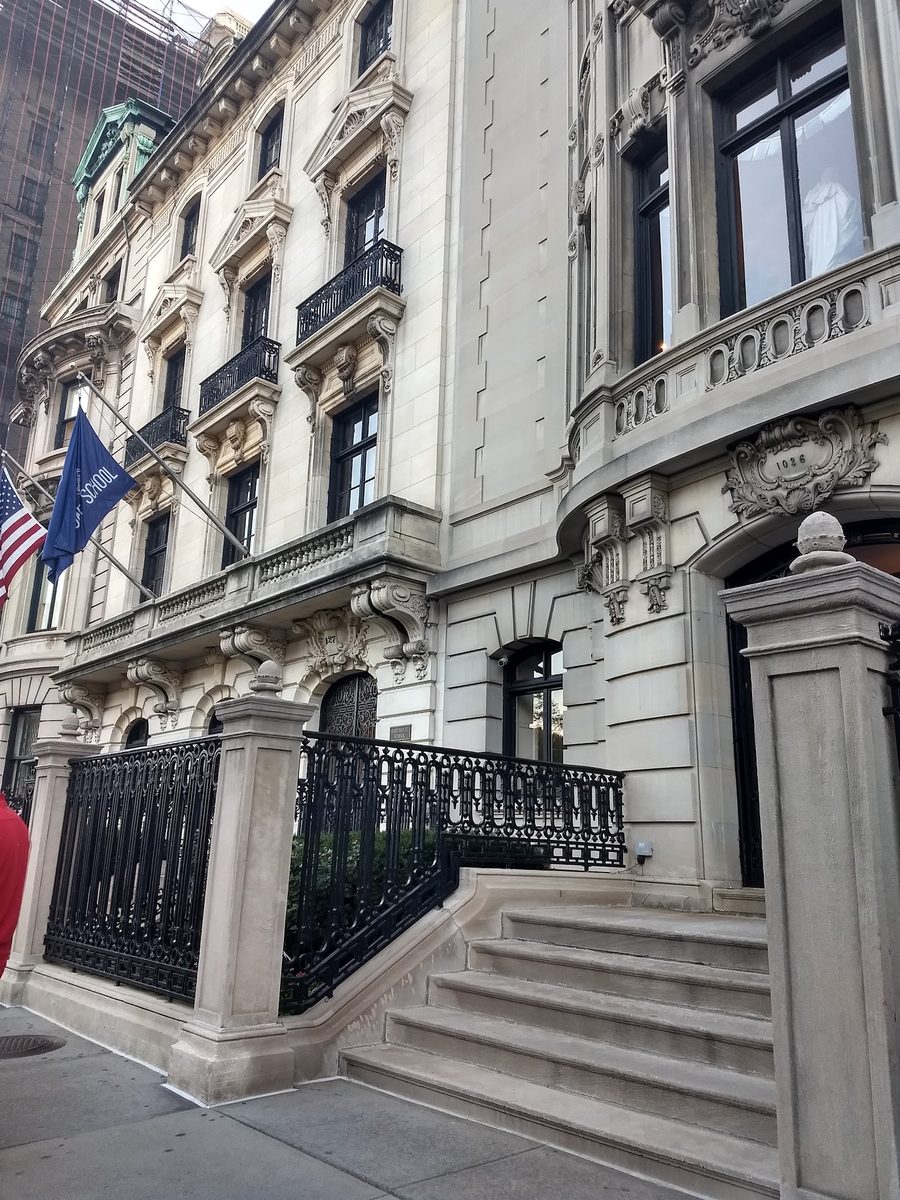
Marymount School of New York
New York City · United States
On Fifth Avenue, landmark mansions give way to Bloomberg terminals and classrooms inside the Met.

The Browning School
New York City · United States
Manhattan's only K-12 all-boys day school, expanding onto East 64th Street after nearly 140 years on the Upper East Side.
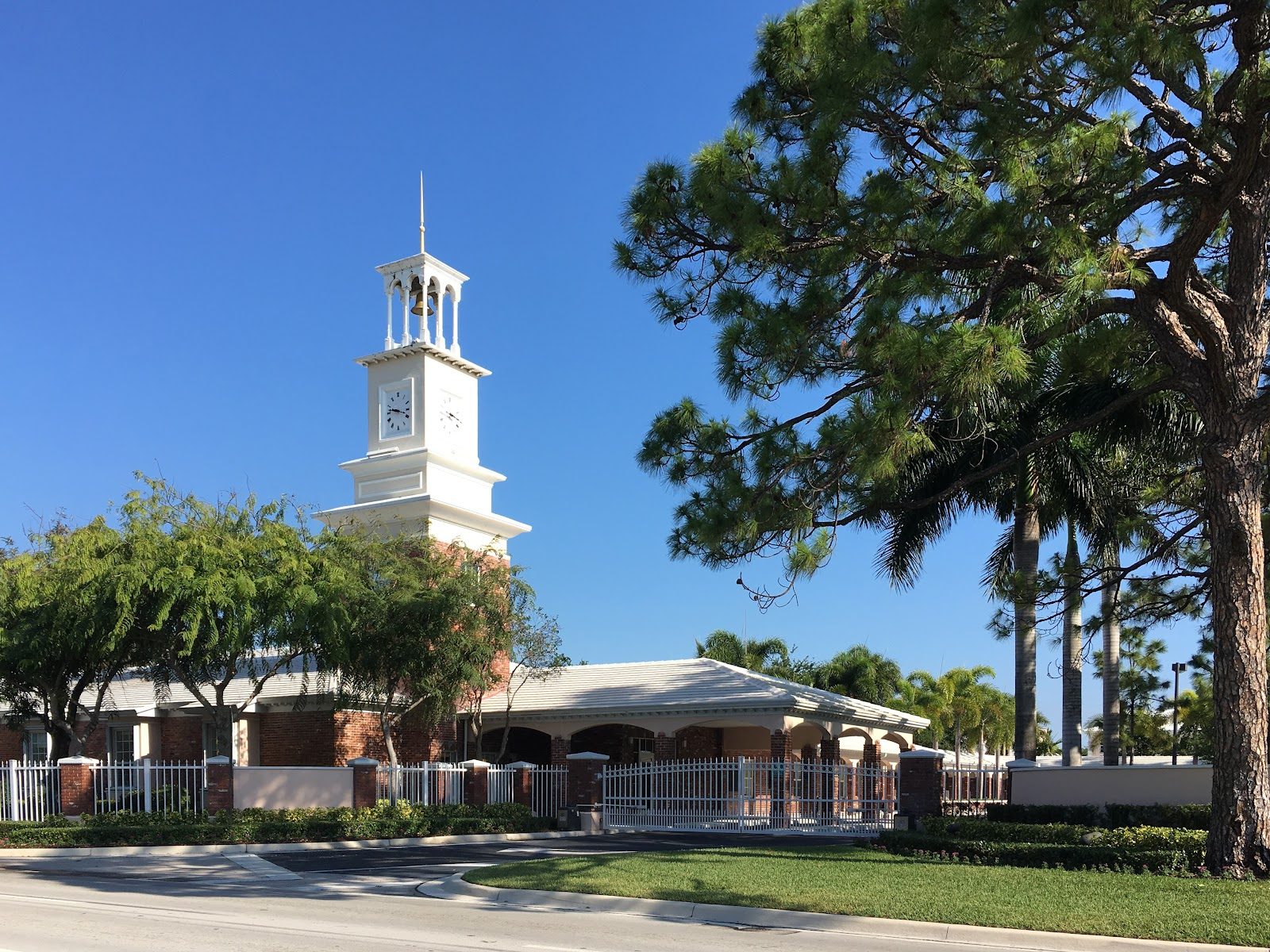
Pine Crest School
Fort Lauderdale · United States
Born as a 1930s tutoring practice for winter visitors, this Fort Lauderdale day school now tops the nation's Challenge Index rankings.
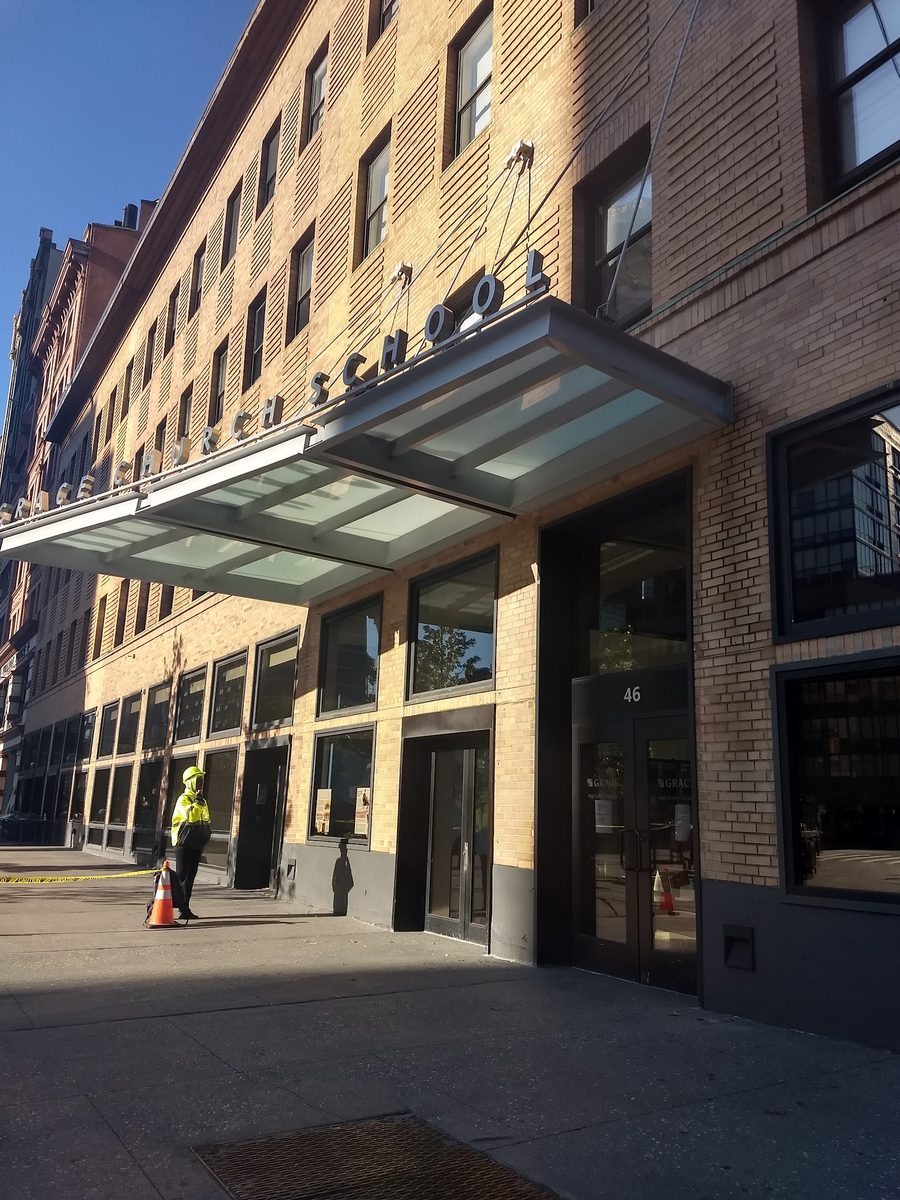
Grace Church School
New York City · United States
Born in 1894 as a choir school for Grace Church, this Greenwich Village Episcopal day school still fills the parish choir stalls.
Same country and curriculum — closest matches within ±10 points either way