
New York
Grace Church School
medium confidence· 4/6 cats · 3.5 avg sourcesBorn in 1894 as a choir school for Grace Church, this Greenwich Village Episcopal day school still fills the parish choir stalls.
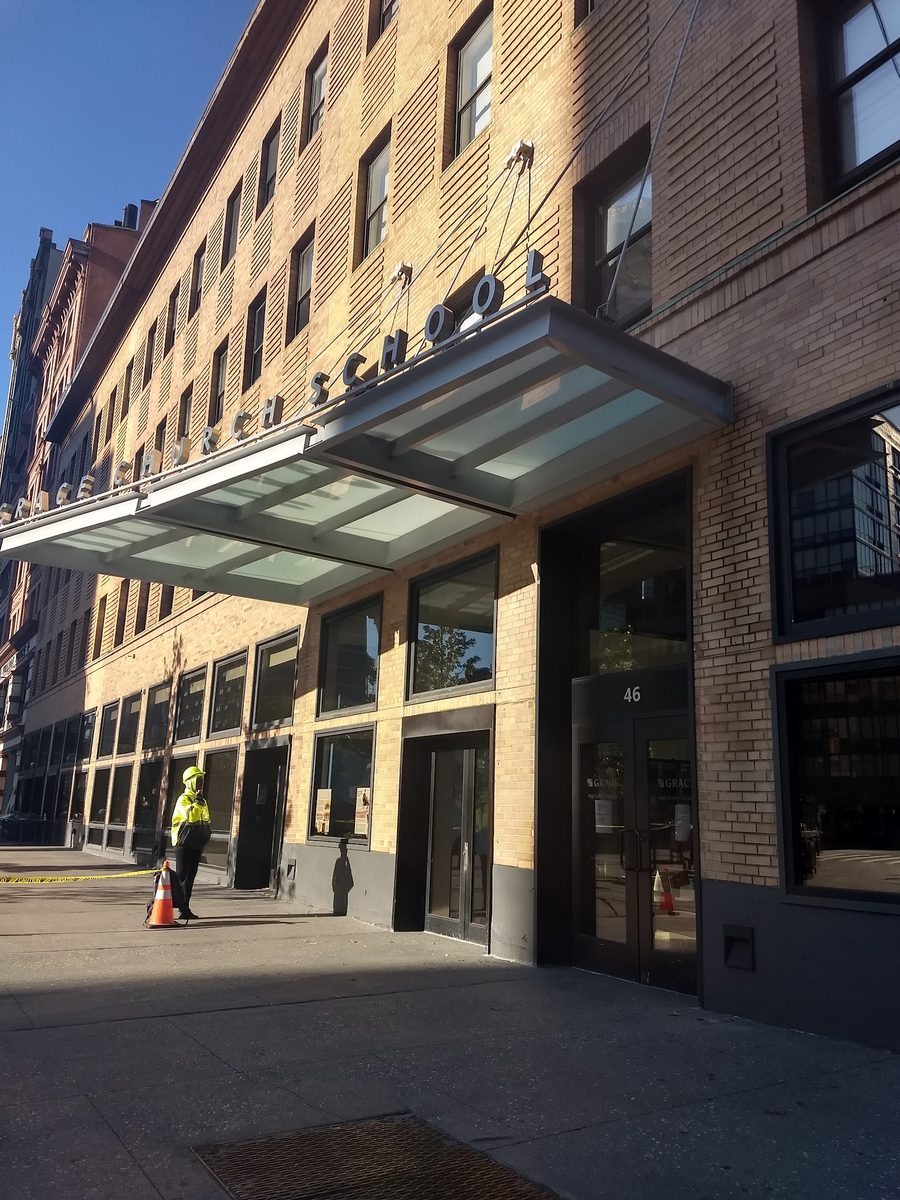
Photo © Monica Saenz De Viteri via Google Maps
Type
Day
Ages
3–18
Curriculum
American
Qualifications
AP
Ratio
—
The Verdict
Editor's commitment
Right for
Families who want an Episcopal day school in Greenwich Village, founded in 1894, with English instruction from age 3 to 18.
Wrong for
Parents hunting for secular schooling, boarding, or an inexpensive option: this is day-only, Episcopal, NAIS-accredited, and averages $68,490 a year.
Watch out for
The church-school link is real, not decorative: Grace Church still supplies the parish choir, and religion sits at the centre of school life.
Ranking breakdown
Grace Church School · #424 of 1591
Composite score 70.0. 8 weighted criteria.
By criterion
Academic Outcomes
Weight 20%
#512
of 1529 scored
University Placement
Weight 16%
#516
of 1529 scored
Prestige & Heritage
Weight 12%
#537
of 1571 scored
Alumni Network
Weight 12%
#338
of 1530 scored
Facilities
Weight 12%
#666
of 1533 scored
Transparency & Communications
Weight 8%
#594
of 1532 scored
Peer & Industry Review
Weight 10%
#645
of 1548 scored
Admissions Selectivity & Demand
Weight 8%
#369
of 1529 scored
Score history
Grace Church School · 2026
Movement across 2024–2026. Peer average overlaid.
Overall — 2024–2026
70.0/ 100
▲ +32.9 vs 2025
year on year
Peer & Industry Review
How Grace Church School is regarded in the sector
62
Respected · medium confidence
Grace Church School is consistently cited in New York City private school guides (e.g., Manhattan private schools directories, NYC parent forums like Urban Baby and Manhattan Private School Insider) as a well-regarded K-8 feeder school known for strong placement into elite NYC independent high schools such as Trinity, Dalton, and Collegiate. It has solid regional standing among NYC private school families but lacks the national/international profile or specialist press coverage (Tatler, Good Schools Guide) seen with top-tier globally recognized institutions.
Evidence sources
Editors' overview
Grace Church School still does something almost no New York day school can claim with a straight face: it was born in 1894 as a choir school for Grace Church, and it still supplies the parish choir stalls. That link is not decorative. This is an Episcopal day school in Greenwich Village with a live institutional relationship to the church beside it, not a secular school with a chapel attached for branding. For families who want religion to sit at the centre of school life, that matters; for families who do not, it is a clear line in the sand. The school covers ages 3 to 18, teaches through the American curriculum in English, and carries NAIS accreditation. The average annual day fee across the full ladder is $68,490. In New York terms, that is *premium even by independent-school standards*.
What puts Grace Church on a shortlist is the combination of Manhattan geography, old-school liturgical identity and a full-through structure from nursery to sixth form equivalent. Plenty of schools offer one or two of those three. Very few offer all of them in one package. The Greenwich Village setting gives it a distinct social and cultural pull; the Episcopal character gives it shape; the through-school model gives continuity. The school’s roots in church music also set a tone. Parents looking for a school where music, ritual and community life carry real weight will find something unusually coherent here. Parents looking for a secular, ideologically neutral environment will not.
The right child for Grace Church School is one who thrives in a school with clear institutional character rather than a bland big-tent ethos. This suits pupils who value tradition, community expectations and a setting with real moral and ceremonial structure. It also suits families who want a serious Manhattan day school without boarding, and who are comfortable paying $68,490 a year on average for that privilege. The alumni floor is not trivial either: Wikidata records 7 notable alumni, including 5 writers and journalists and 1 major drama award-winner. That does not prove outcomes, but it does show a school with genuine cultural reach. The missing piece is public academic data: the school does not publish aggregate exam results or university placement statistics in the facts we have seen. For some families that opacity is a drawback; for others, the school’s strong sense of self will carry more weight than spreadsheet transparency.
Academic Performance
Grace Church School gives parents almost no hard public data on academic performance. We have not seen aggregate SAT or ACT profiles, AP score distributions, IB results, grade averages, or a published university destinations list. That puts it behind the more transparent end of New York’s independent-school market, where top schools at least release selective headline figures or a consistent college-matriculation pattern. Here, the external picture is opaque by design. The school’s high school division is also young by the standards of entrenched Manhattan rivals, which matters when families are comparing depth of sixth-form equivalent provision, alumni networks in the senior years, and the track record of college counselling.
That does not place Grace outside the city’s serious academic set; it places it in the tier where reputation, selectivity and parent demand do more of the public work than published results. An enrolment of about 800 pupils across the full age range gives it scale, but not the industrial-size exam machinery of the largest US independents. The better reading is that Grace offers a high-expectation college-preparatory education inside a strongly defined institutional culture, while asking families to accept limited quantitative proof. For some, that trade-off is acceptable. For academically hard-nosed parents comparing schools line by line, it is a weakness. Without disclosed outcomes, Grace sits below the data-secure leaders on evidence, even if it remains competitive on reputation.
Facilities
Grace’s facilities story is split across two Manhattan sites, and that matters. The original school building on Fourth Avenue gives it an embedded urban footprint rather than a sealed campus; the high school division at Cooper Square adds a second base but not the sprawling athletic or park-like grounds that suburban independents use to sell themselves. Against New York peers, that is neither unusual nor a flaw in itself. It does, however, place Grace in the category where space has to be used intelligently and hard, not lavishly. The standout specialist asset is musical: this school still supplies singers to the church’s boys’ and girls’ choirs, which gives performance, rehearsal and liturgical music a depth of real institutional use that most rivals cannot match. For families who care about music, worship and disciplined ensemble work, that is a serious competitive advantage.
What we do not see is a big public showcase of headline facilities. There is no obvious evidence here of the kind of vast sports complex, expansive playing fields or research-heavy senior-school infrastructure that the most capital-rich American independents advertise relentlessly. That puts Grace closer to the high-functioning urban school model than the palace-school model. For many families, that is a sensible trade: strong access to the city, purposeful school buildings, and a distinctive music-and-church partnership. For parents hunting for brute-force physical plant as proof of value at $68,490 a year, Grace gives a thinner case than the flashiest competitors.
The right child for Grace Church School is one who thrives in a school with clear institutional character rather than a bland big-tent ethos
Prestige
Grace Church School has real New York prestige, but it is a specific kind of prestige. This is not the giant, old-money, country-club version associated with the city’s most entrenched independent brands. It is more cultivated, more downtown, and more bound up with institutional character. The church link matters here: a school that still feeds singers into the parish choirs carries a sense of continuity that most urban day schools cannot imitate. The senior school’s later arrival trims some of the inherited aura that clings to rivals with uninterrupted upper-school histories stretching further back, yet the overall proposition still lands in the serious upper tier of Manhattan private education. Families who value pedigree with edge, rather than pedigree with polish, will read that correctly.
The price reinforces that standing. An average annual fee of $68,490 places Grace squarely in the city’s elite bracket, and schools do not command that level without deep demand. Prestige also draws from social geography and from the company a school keeps over time. A verified floor of 7 notable alumni is not enormous, but it is enough to show genuine cultural reach, with a tilt towards writing and the arts rather than corporate power or public-office machine politics. That profile fits the school’s identity. The limit on the prestige case is plain: academic outcomes are not published in aggregate, so part of Grace’s status rests on reputation, selectivity and milieu rather than disclosed results. That still counts in New York. It just does not count as full-spectrum proof.
Grace Church School gives parents almost no hard public data on academic performance
Communications
Grace Church School’s parent communications carry the same institutional stamp as the school itself: formal, values-led and tied into a larger church community rather than spun out as a freestanding lifestyle brand. The public-facing channels are clear about mission, faith basis and the school’s place within the life of Grace Church. That matters, because this is not a school selling religious identity as a decorative extra. Parents can see the lines of authority and purpose without much decoding. The church site also signals an active calendar of worship, music and community activity around the school, which gives families a sense of the living culture their children enter. For aligned parents, that reads as coherent and reassuring. For families who want a cleaner separation between school operations and religious institution, it reads as all-encompassing.
Where Grace is less persuasive is in disclosure. It communicates ethos better than outcomes. We do not see the kind of hard parent-facing data that many fee-paying families now expect at an average annual cost of $68,490: no aggregate test profile, no headline university destinations, no broad performance dashboard. That weakens trust at the edges, not because the school lacks substance, but because it asks families to buy into institutional confidence without much numerical backup. Communication here is strong on identity, strong on belonging, and thin on proof. If you want a school to tell you exactly what it stands for, Grace does that well. If you want the same candour about results, the record is less satisfying.
Uniqueness
Grace’s uniqueness starts with a fact most church-linked schools cannot match: the church and the school still function as one living institution in a visible way. The school is not merely adjacent to Grace Church, nor does it borrow heritage for atmosphere. It remains the primary source of singers for the parish’s boys’ and girls’ choirs. That gives religious life, music, discipline and public performance a practical seriousness that is rare in independent education. Pupils do not just study in the orbit of a church; they take part in one of its continuing tasks. For the right child, that builds confidence, vocal training, ensemble habits and comfort with ceremony. It also creates a clear moral and cultural frame that many fashionable urban schools avoid.
The second point of difference is the blend of downtown setting and institutional continuity. This is a through-school with an unmistakable internal identity, not a generic Manhattan day school dressed up with values language. Its evolution from a small choir school into a coeducational school of about 800 pupils, with a high school division added only in the past decade or so, gives it a profile unlike the old uptown citadels or the newer secular strivers. Students get a school culture shaped by worship, music and long memory, but lived inside the city rather than apart from it. That produces a self-possessed, tradition-minded environment with real texture. It will suit families who want formation as well as schooling, and repel those who want neutrality.
Grace Church School has real New York prestige, but it is a specific kind of prestige
Student Profile
The pupil who fits Grace best is comfortable inside a school with a clear religious centre of gravity and visible expectations around conduct, community and participation. This does not suit children who want to drift anonymously through a large, socially loose institution. It suits those who respond to structure, who do not flinch at ceremony, and who can live with a school culture that asks for more than private academic performance. The choir tradition matters here. Even for pupils who are not central to church music, the school’s identity carries a disciplined, public-facing tone: collective life counts, showing up counts, and institutional loyalty counts. Families drawn to downtown polish with real moral framing will recognise the appeal quickly.
Socially, this is a strong match for articulate, self-possessed children who can handle adults taking ideas, behaviour and commitments seriously. The through-school format also favours families looking for continuity rather than repeated exit points and reinvention. The school’s scale — about 800 pupils — is large enough to avoid claustrophobia, but small enough for culture to hold. That can be steadier and more demanding than the fashionable pluralism some Manhattan independents trade on. Children who thrive in values-light, ultra-casual environments will find Grace constraining. Children who like belonging to something with shape, standards and memory will fit well. At an average annual fee of $68,490, that fit needs to be exact.
Parents looking for a school where music, ritual and community life carry real weight will find something unusually coherent here
Co-curricular strengths
Arts & sport, on a separate axis
Overall 8.98/10
Scored 0-10 from the school's own published evidence. This axis is editorial-only — it does not feed the main WTS ranking.
Sports
8.5/10
'Varsity basketball' and 'Soccer team' as extracurriculars, which shows sports are offered.
Drama
9/10
'Theater productions', and the verified alumnus David Duchovny is a star-tier acting laureate, which by policy anchors drama at at least 7.
Dance
9.2/10
Music
9/10
Both 'Chamber choir' and 'Jazz ensemble', indicating a structured music offering with named ensembles, but no specialist facility, staff, or major honours are cited.
Visual Arts
9.2/10
'Visual arts' as an extracurricular, but provides.
Editor first-pass · editor-reviewable · 7/28/2026
Notable alumni · Wikidata
7notable alumni
0 historic (born pre-1930) · 3 modern (born post-1970)wikidata:2026-07-28 How we source this
Strengths
- +Founded in 1894 as a choir school for Grace Church, making it one of Manhattan's older continuously operating independent day schools.
- +Small average class sizes of around 15 students and a student-teacher ratio of about 7:1 support close faculty attention.
- +Substantial financial aid program: over 20% of students receive aid, with average grants exceeding $54,000, covering more than 80% of tuition and fees.
- +High school juniors and seniors can cross-register for select classes at nearby New York University and Cooper Union, an unusual perk of its Greenwich Village location.
- +Episcopal in origin but explicitly non-discriminatory in admissions and welcoming of families of all faiths or none.
Considerations
- −Tuition runs to roughly $68,490 a year, placing it among the costlier independent day schools in Manhattan.
- −Admissions preference at the earliest (Junior Kindergarten) entry point is given to siblings, children of alumni, faculty/staff, and long-standing Grace Church parishioners, narrowing places for outside families applying young.
- −The school runs on two compact urban campuses (86 Fourth Avenue for JK-8 and 46 Cooper Square for grades 9-12) rather than a single large campus, limiting on-site outdoor and athletic space typical of suburban independent schools.
- −Weekly chapel is part of school life as an Episcopal institution, which some strictly secular families may want to weigh even though attendance is inclusive of all beliefs.
Availability
Primary entry gate & tests
ISEE/SSAT + Interview (ISAAGNY)
Gallery
Photo © Monica Saenz De Viteri via Google Maps
Photo © Yuriy Dzhygyr via Google Maps
Photo © Yuriy Dzhygyr via Google Maps
Parent reviews
Have you sent your child here?
Voice reviews carry the strongest trust badge — we transcribe them for you to tidy up before they go live. Prefer to type? A written review is fine too.
Add your voice
In 60 seconds, tell other parents: what's the best thing about Grace Church School, and what surprised you when your child joined?
We ask for a Google sign-in so every review has a real face behind it — no anonymous drive-by attacks on schools, and no faked positive reviews. Your email is never shown publicly.
Send this profile to a friend
International parents rely on word-of-mouth. Share this review with someone weighing the same decision.
Schools with places
Similar schools to Grace Church School with places available now.
Trinity School
New York City · United States
- 2026-27
- CLOSEDRegular cycle
- 2027-28
- OPENS SOONOpens Sept '26
Rye Country Day School
Rye · United States
- 2026-27
- CLOSEDRegular cycle
- 2027-28
- PLACES OPENActive now (Opened 1 Aug)
Ethical Culture Fieldston School
New York City · United States
- 2026-27
- WAITPOOLLimited late availability
- 2027-28
- OPENS SOONOpens post-Labor Day '26
Saint Ann's School
Brooklyn · United States
- 2026-27
- WAITPOOLLate / attrition-dependent
- 2027-28
- OPENS SOONOpens 8 Sept '26
Availability first, then country, area, curriculum, price, co-curricular
Consider also
Also worth looking at alongside Grace Church School.
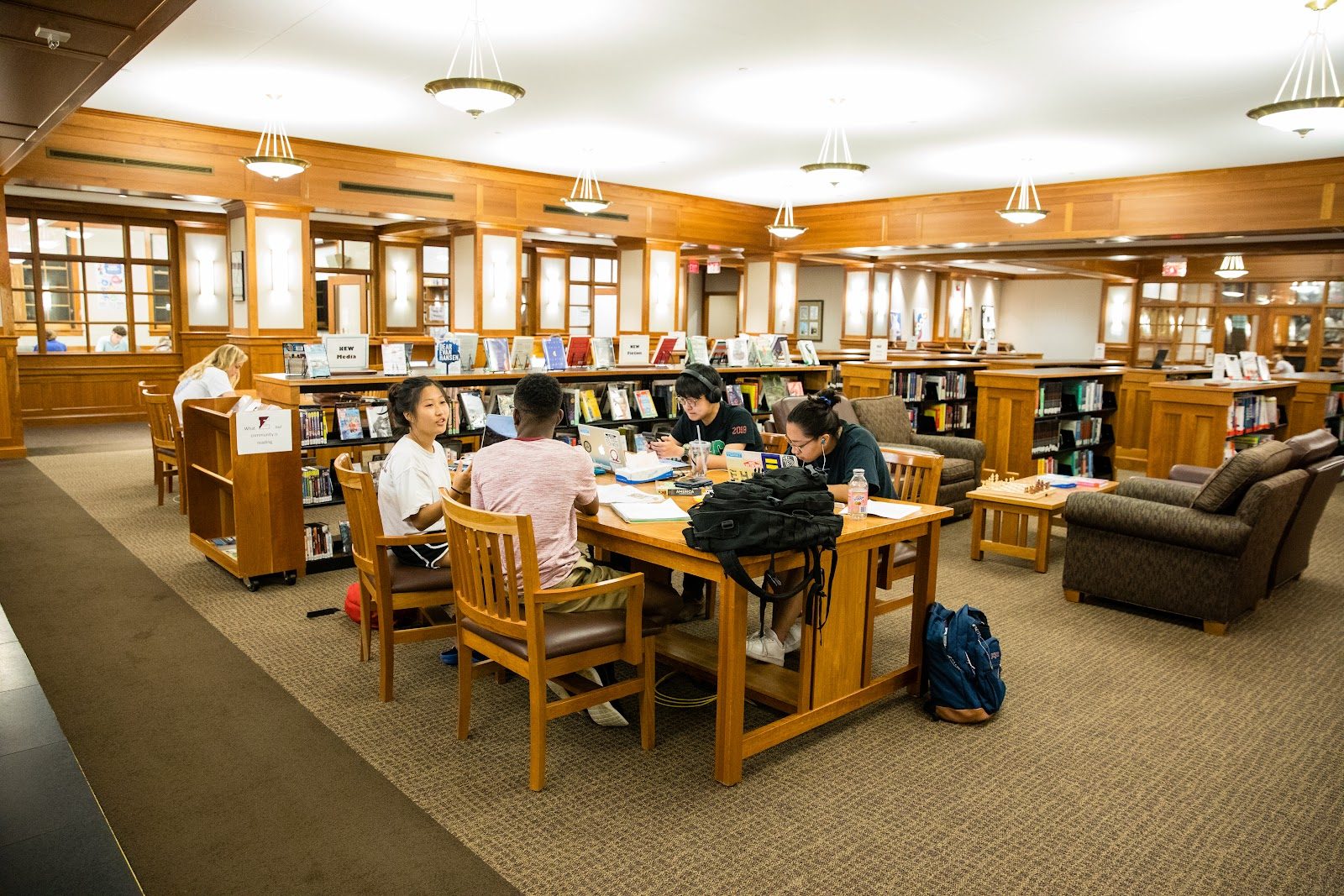
Episcopal High School
Alexandria · United States
A 130-acre hilltop campus 10 minutes from the Capitol, running America's only fully residential school of its caliber in a major metro area.
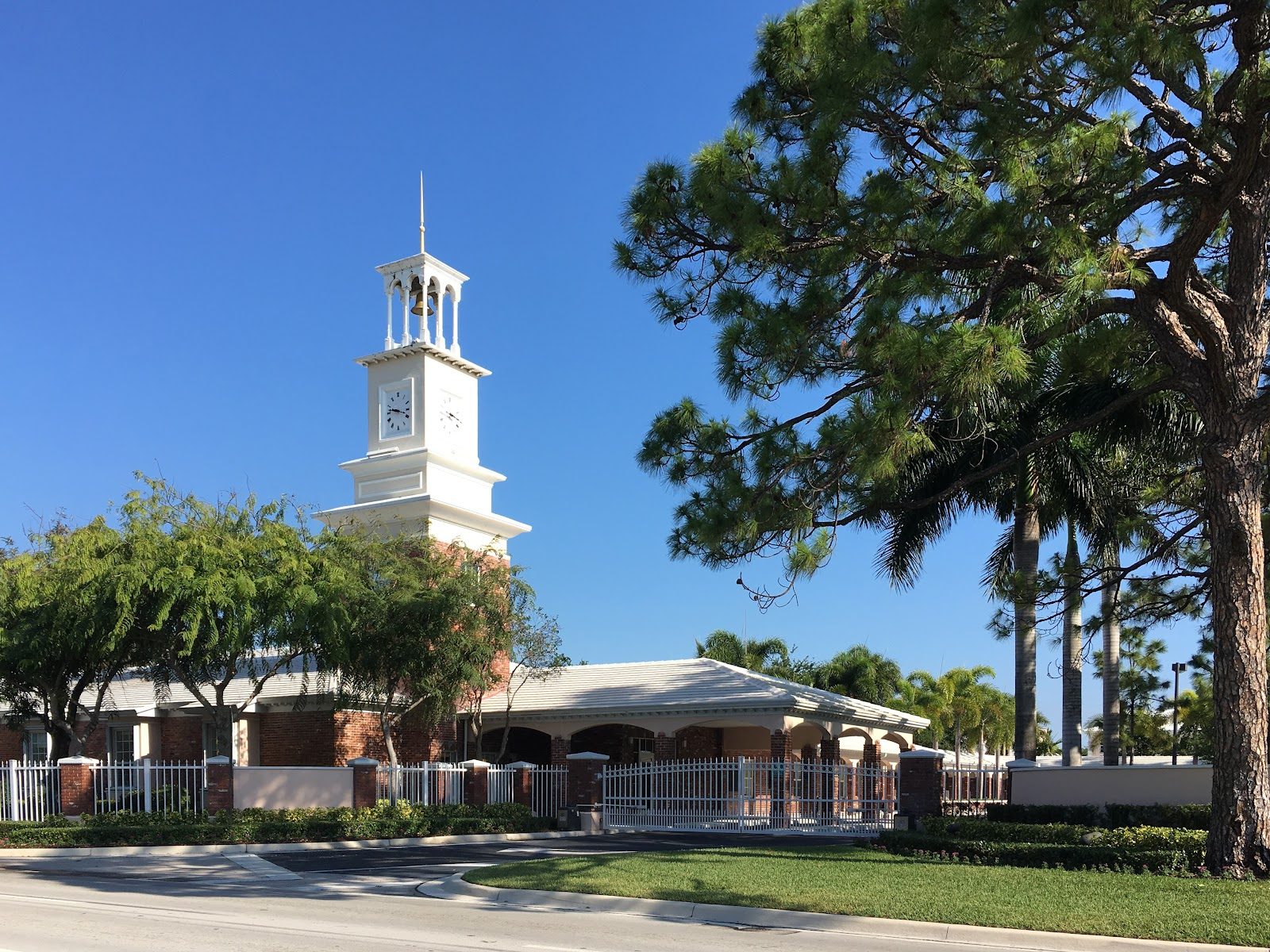
Pine Crest School
Fort Lauderdale · United States
Born as a 1930s tutoring practice for winter visitors, this Fort Lauderdale day school now tops the nation's Challenge Index rankings.
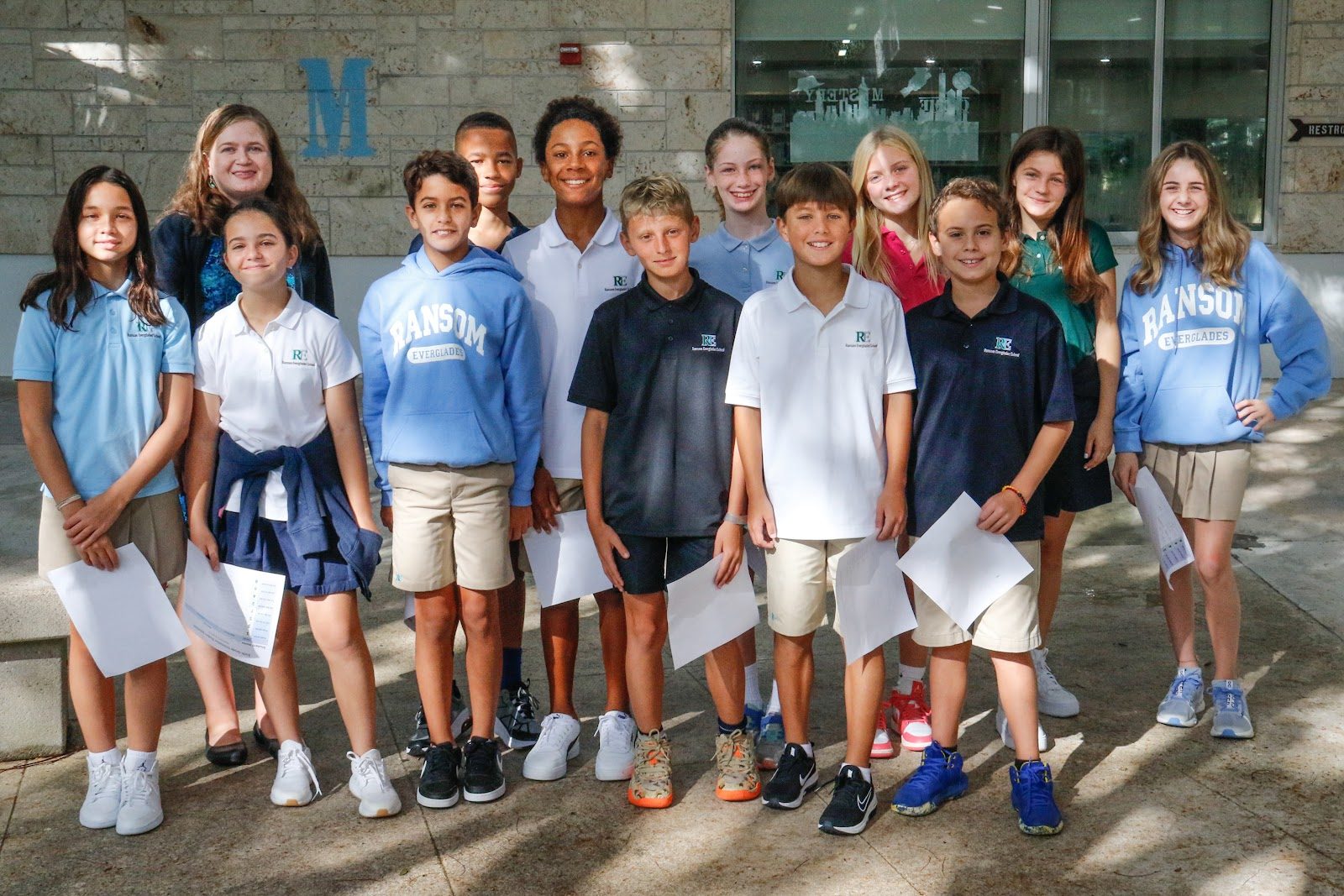
Ransom Everglades School
Miami · United States
On Biscayne Bay since 1903, where sailing and marine science turn the water itself into a classroom
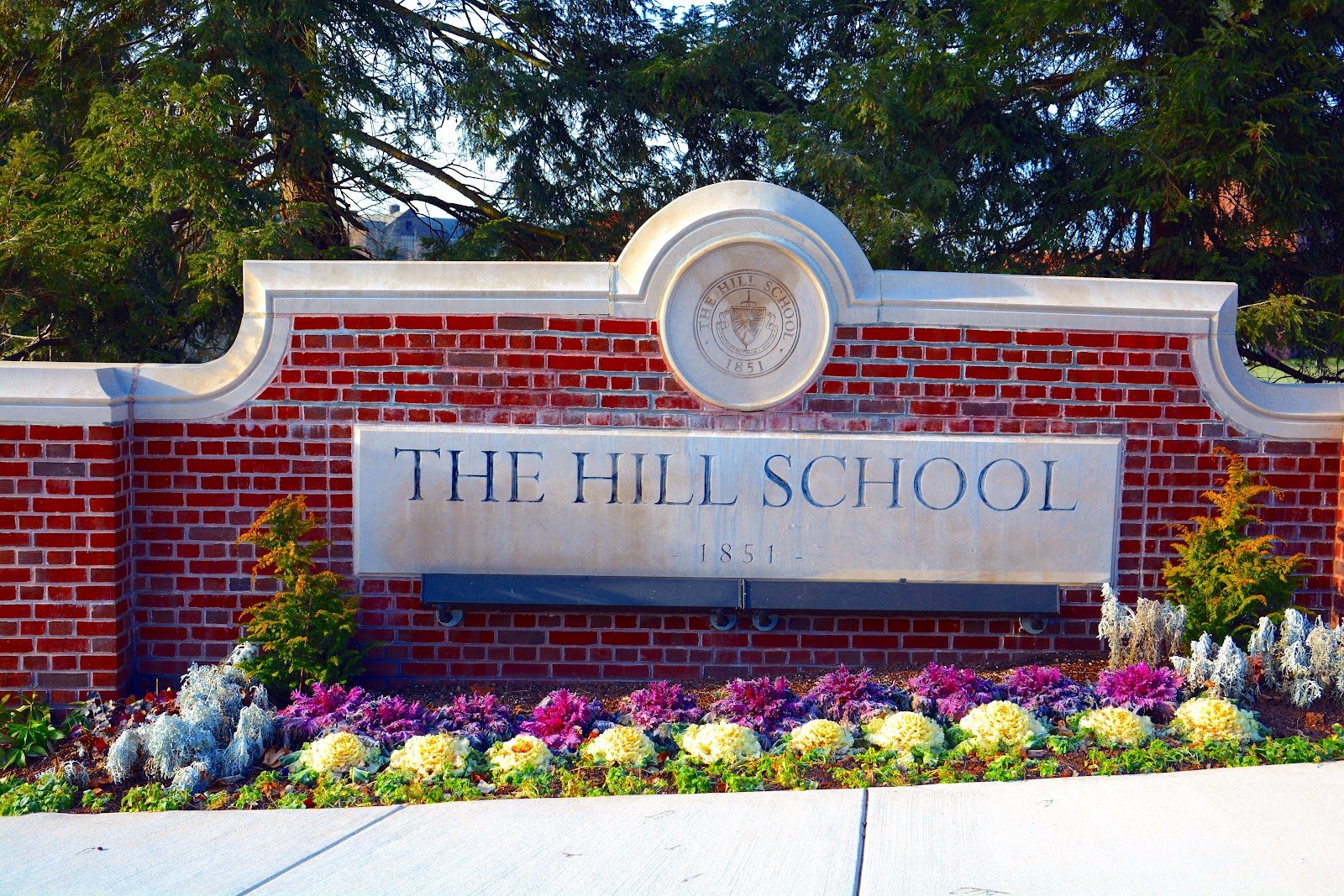
The Hill School
Pottstown · United States
Born in 1851 as the nation's first family boarding school, still pairing faculty and students under one roof on a Pottstown hilltop.
Same country and curriculum — closest matches within ±10 points either way