
Hong Kong
Renaissance College Hong Kong
low confidence· 6/6 cats · 0 avg sourcesIn Ma On Shan, one campus runs every IB programme from Year 1 through Year 13, no other stop required.
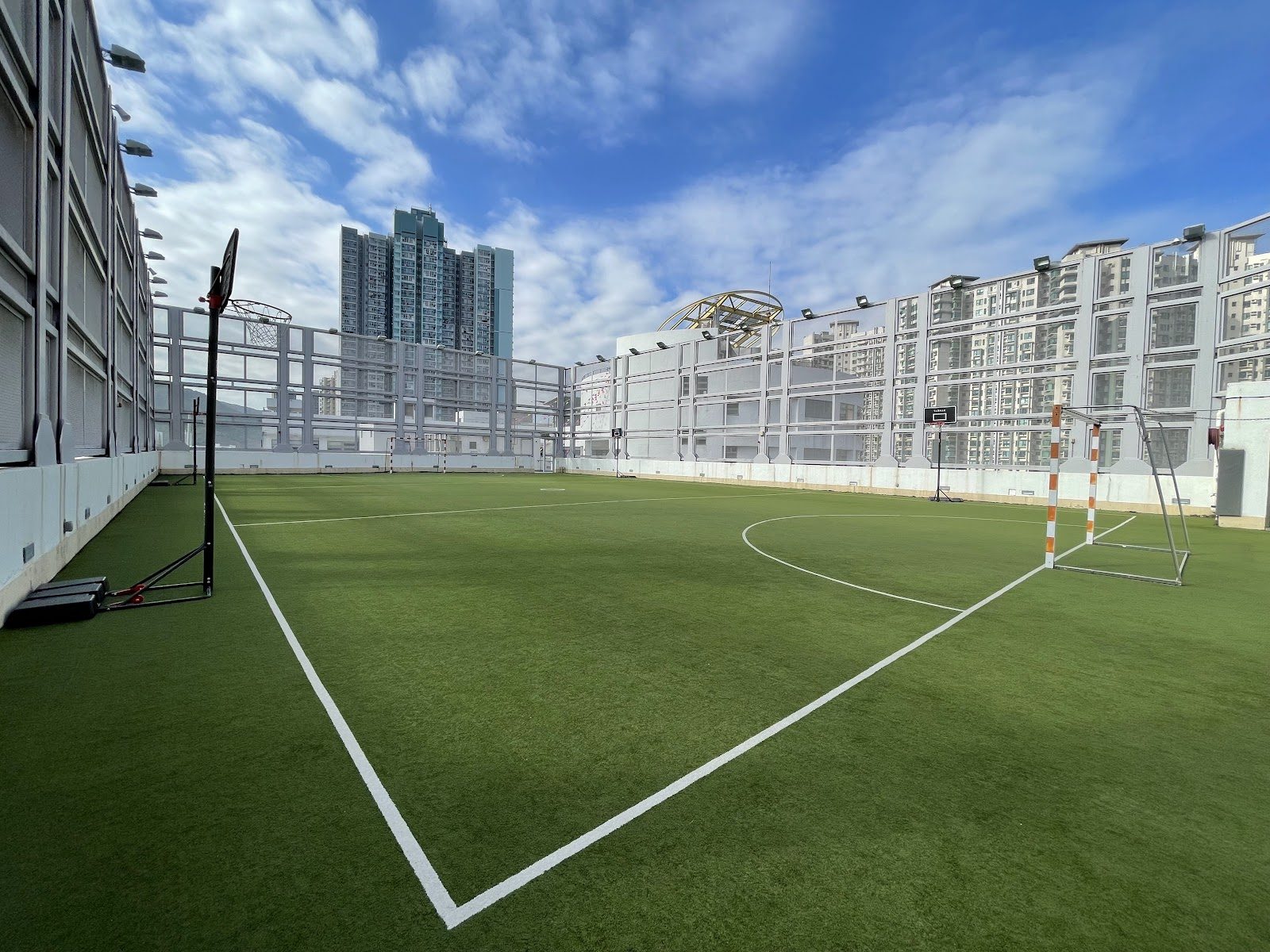
Photo © WY Lui via Google Maps
Type
Day
Ages
5–18
Curriculum
IB (Diploma, MYP, PYP)
Ratio
11:1
The Verdict
Editor's commitment
Right for
Families wanting one Ma On Shan campus from ages 5–18, with English teaching and the IB PYP, MYP and Diploma in sequence.
Wrong for
Anyone wanting a religious school, boarding, or a non-IB route; this is a day school founded in 2006 and taught in English.
Watch out for
An 11:1 student-teacher ratio and average class size of 22 are solid, not intimate; ESF scale brings resources and less boutique hand-holding.
Ranking breakdown
Renaissance College Hong Kong · #1159 of 1591
Composite score 59.5. 8 weighted criteria.
By criterion
Academic Outcomes
Weight 20%
#1136
of 1529 scored
University Placement
Weight 16%
#1144
of 1529 scored
Prestige & Heritage
Weight 12%
#1202
of 1571 scored
Alumni Network
Weight 12%
#785
of 1530 scored
Facilities
Weight 12%
#1110
of 1533 scored
Transparency & Communications
Weight 8%
#1098
of 1532 scored
Peer & Industry Review
Weight 10%
#998
of 1548 scored
Admissions Selectivity & Demand
Weight 8%
#888
of 1529 scored
Peer & Industry Review
How Renaissance College Hong Kong is regarded in the sector
74
Respected · high confidence
Renaissance College Hong Kong (RCHK) sits among the sector's recognised IB specialists, regularly featured in Tatler Asia's guide to the territory's best international schools and credited with sending leavers to Oxford, Cambridge, UCL, Imperial and NYU. WhichSchoolAdvisor's review highlights its distinctive academic offer, noting RCHK is "one of a handful of schools worldwide to offer all four IB programmes" and pointing to its purpose-built Red Door technology centre as a genuine point of difference from rival ESF campuses. The Good Schools Guide, hosted via the South China Morning Post, profiles it alongside Hong Kong's other established through-train schools, reinforcing its standing as a serious, if not top-tier-exclusive, choice. As an ESF Private Independent School without full state subvention, it commands solid rather than headline-grabbing peer buzz, placing it firmly in the respected regional bracket rather than the unanimous elite.
Editors' overview
Renaissance College Hong Kong occupies a clear niche in the Hong Kong market: an English-medium, non-religious, all-through IB school on one campus, from age 5 to 18. That matters. Parents who want a single educational arc rather than a sequence of school changes get the PYP, MYP and Diploma under one roof, with the additional advantage of the IB Career-related Programme in the sixth form. Founded in 2006 and part of the ESF orbit, RCHK combines the scale and infrastructure of an established operator with the independence of a private day school. The practical headline is simple: one campus, one culture, one curriculum spine, and no need to jump systems at 11 or 16. In a city where many schools still force a choice between continuity and breadth, RCHK offers rare continuity.
What distinguishes it is not romance about “holistic education” but range. The school puts real weight behind student life beyond lessons: camps, trips, work placements, NGO collaborations, international competitions, house structures, student leadership, MUN, sport and a conspicuous menu of clubs and creative outlets. The staffing metrics are also competitive, with an 11:1 student-teacher ratio and an average class size of 22. That does not make it intimate; this is not a boutique school. It does, however, give RCHK room to run a broad programme without packing children into oversized classes. Families who value one-campus stability, serious extracurricular breadth and a school day that extends well beyond academics will find a strong proposition here.
RCHK belongs on a shortlist for students who thrive in a busy, outward-facing environment and can use the freedoms of an IB school well. It suits children who like project work, discussion, service, leadership and learning that connects classroom study to public life. It also suits older students who want choice at sixth-form level: the IB Diploma for the conventional academic route, or the Career-related Programme for a more applied one. The school’s language of instruction is English, so it fits families who want full English-medium schooling in Hong Kong from Year 1 onward. The weak point for some families is also the selling point for others: this is a modern, mission-driven, internationally minded school, not a conservative exam factory. If you want clear IB identity, visible student leadership, real-world experience and a school that keeps children in one ecosystem from 2006-built foundations through to Year 13, RCHK earns its place.
Academic Performance
Renaissance College’s public case on academic performance is incomplete. The school makes a strong virtue of programme breadth and student life, but it does not publish aggregate external exam outcomes in the excerpts we have seen: no Diploma average, no top-score distribution, no pass rate, no Career-related Programme outcomes, and no trend line across cohorts. For a school competing in Hong Kong’s results-conscious international market, that is a real omission. Parents comparing it with other all-through IB schools will have to ask directly for headline attainment data, subject-level patterns and university destinations rather than infer academic strength from mission language or co-curricular activity.
That opacity does not equal weakness, but it does place RCHK in a less transparent position than peers that put hard numbers into the public domain. The school’s structure gives it academic advantages: one educational sequence across the whole age range, two senior pathways rather than one, and an ESF connection that brings organisational depth. It also advertises work placements, NGO collaborations and learning beyond the classroom, which points to a sixth-form culture that values more than exam drilling. That matters for some families and frustrates others. In peer terms, RCHK fits the camp of broad-spectrum IB schools rather than the city’s score-first operators. If you want published proof of examination strength, the school does not yet provide enough of it.
Facilities
Facilities are a strength here because the school can support a full age range on one site rather than splitting specialist provision across separate campuses. The most important assets are the spaces that sustain breadth: sports provision for the Black Kites and house competition structure, arts and creative rooms that feed filmmaking, design, journalism and writing, and STEM workshop capacity that goes beyond token enrichment. The school also builds hard use into the campus through camps, trips, competitions and student-led events, which matters more than glossy architecture. Peer comparison: this is well-equipped, purpose-built and operationally serious rather than grand. It does not trade on cathedral-scale heritage buildings or the theatrical excess some premium competitors use to justify fees. It offers the kind of campus infrastructure an all-through IB school actually needs.
The student life architecture also counts as a facility in practice. Four houses create a standing framework for identity and participation, and the school gives visible space to leadership, MUN, international evenings and other student-run programmes. That puts RCHK ahead of peers whose extracurricular offer exists mainly on paper. Against Hong Kong’s stronger international schools, the campus reads as busy, high-usage and designed for throughput, not boutique calm. Families wanting lavish prestige hardware may find flashier options elsewhere. Families wanting facilities that are used hard across sport, creativity and community life will judge this a convincing package.
Renaissance College Hong Kong occupies a clear niche in the Hong Kong market: an English-medium, non-religious, all-through IB school on one campus, from age 5 to 18
Prestige
Renaissance College has solid standing in Hong Kong’s international-school market, but prestige here rests on institutional substance rather than cachet. The school benefits from the ESF connection, and that carries weight with families who know the territory: ESF gives a school operational depth, a large peer network and a level of recognition that newer independents struggle to match. The all-through structure also adds status of its own. A school that can keep children on one campus across the full age range, with two senior pathways at the end, projects serious organisational confidence. Add the visible menu of camps, competitions, student leadership, house activity and work placements, and RCHK reads as a school with a broad civic brief, not a narrow tutoring culture.
That said, this is not Hong Kong prestige in its most glittering form. RCHK does not trade on old colonial pedigree, religious gravitas or a fortress-like reputation for raw exam domination. Its prestige is modern, network-backed and earned through breadth rather than mystique. The staffing picture helps: an 11:1 ratio and classes averaging 22 support the impression of a well-resourced operation. The weak point is public proof. In a market where status rises fast when schools publish hard outcomes, RCHK leaves a gap by keeping aggregate senior results out of view. My rating, then: high but not top-tier. It carries real respect among informed parents, but not the untouchable aura of Hong Kong’s most fought-over names.
Founded in 2006 and part of the ESF orbit, RCHK combines the scale and infrastructure of an established operator with the independence of a private day school
Communications
Renaissance College communicates with parents in a busy, high-frequency way, and the public-facing structure gives a good clue why. The school does not rely on a single weekly bulletin and call it communication. It foregrounds visits, safeguarding, scholarships, curriculum pathways, co-curricular life and student leadership in a manner that tells parents what the institution wants them to notice. The site architecture is broad and active, with clear entry points into school life rather than a dead repository of policy PDFs. That matters in a school with many moving parts. A family considering it can grasp the rhythm quickly: beyond-the-classroom activity, houses, student-led events, sport and service all demand regular parent updates if they are to function well. The average class size of 22 also points to a school that must communicate at scale, not through boutique hand-holding.
Effective, then, but not fully transparent. The strongest messages are cultural and operational: children will be busy, visible and expected to participate. The weaker area is hard academic disclosure. Parents get plenty of narrative about wellbeing, leadership and experience, but not enough public data on senior outcomes. That imbalance shapes the communications verdict. RCHK is clear about ethos, confident about activity and competent at presenting school life; it is less convincing when a parent asks for blunt comparative evidence on attainment. For families who value atmosphere, opportunity and organisation, the communication works well. For results-driven parents, it leaves an obvious gap.
Uniqueness
What sets Renaissance College apart is structural, not cosmetic: one school carries children from the first years of formal schooling right through to the end of secondary, without a handover into a different campus, different ethos or different academic system. In Hong Kong, that is still genuinely distinctive. Add the fact that older students get two terminal pathways rather than one, and RCHK offers a rare degree of continuity with choice. The practical gain for students is coherence. Teachers can build habits, expectations and support over the long term; children do not have to re-establish themselves at each transition point; and families avoid the annual churn of strategic school-hopping that distorts so much of Hong Kong schooling.
The other point of difference is the school’s commitment to turning student life into part of the main programme rather than an afterthought. Work placements, NGO collaborations, camps, international competitions, house structures, elections, MUN and large student-run events give RCHK a civic, outward-facing character that many schools talk about and few organise at scale. The four-house system and the visible emphasis on student-led activity create a culture where participation is expected, not optional window-dressing. That brings real benefits to confident, busy students who want more than classroom performance. It also makes the school less comfortable for the passive child who prefers a narrow, quiet, exam-led routine. The low staffing ratio of 11:1 supports that breadth; the average class size of 22 keeps it manageable.
The practical headline is simple: one campus, one culture, one curriculum spine, and no need to jump systems at 11 or 16
Student Profile
The best fit at Renaissance College is a child who wants to be in the thick of things. This is not a narrow, desk-bound school for students who only want to collect grades and go home. The school gives real status to camps, competitions, service, leadership, house activity, MUN, creative clubs and sport, so pupils who volunteer, organise, perform, compete or speak up will find more room here than they would in a quieter, more exam-drilled setting. Confident self-starters will do well, as will students who like collaborative work, public-facing projects and a school day with many moving parts. The low staffing ratio of 11:1 helps, and classes averaging 22 keep that activity manageable rather than chaotic.
The weaker fit is the passive child who wants anonymity, minimal participation and a purely transactional education. RCHK expects students to contribute to community life, not just consume it. That does not require extroversion; it does require engagement. Pupils with a civic streak, an interest in leadership, or the stamina for a busy, high-output environment will adapt well. Older students who value choice in their final years also fit the culture. Families seeking a buttoned-up, results-obsessed atmosphere may find the school too expansive in its definition of success. Families who want children to grow into capable, outward-looking young adults will find the student profile here well matched to that ambition.
In a city where many schools still force a choice between continuity and breadth, RCHK offers rare continuity
Co-curricular strengths
Arts & sport, on a separate axis
Overall 8.42/10
Scored 0-10 from the school's own published evidence. This axis is editorial-only — it does not feed the main WTS ranking.
Sports
8.5/10
Drama
8.6/10
Dance
7.5/10
Music
8.7/10
Visual Arts
8.8/10
Strengths
- +IB PYP, MYP and Diploma offered throughout
- +ESF-operated school in Ma On Shan
- +11:1 student-teacher ratio
- +Average class size: 22
Considerations
- −English-only instruction may limit bilingual development
- −Day school only; no boarding option
- −Private international school; local-curriculum families may prefer alternatives
Availability
Primary entry gate & tests
Application + assessment / records review
Gallery
Photo © WY Lui via Google Maps
Photo © WY Lui via Google Maps
Photo © WY Lui via Google Maps
Photo © WY Lui via Google Maps
Photo © WY Lui via Google Maps
Photo © WY Lui via Google Maps
Photo © WY Lui via Google Maps
Photo © F L via Google Maps
Photo © Sheeta Laputa via Google Maps
Parent reviews
Have you sent your child here?
Voice reviews carry the strongest trust badge — we transcribe them for you to tidy up before they go live. Prefer to type? A written review is fine too.
Add your voice
In 60 seconds, tell other parents: what's the best thing about Renaissance College Hong Kong, and what surprised you when your child joined?
We ask for a Google sign-in so every review has a real face behind it — no anonymous drive-by attacks on schools, and no faked positive reviews. Your email is never shown publicly.
Send this profile to a friend
International parents rely on word-of-mouth. Share this review with someone weighing the same decision.
Schools with places
Similar schools to Renaissance College Hong Kong with places available now.
Li Po Chun United World College of Hong Kong
Hong Kong · Hong Kong
- 2026-27
- CLOSEDStandard route closed
- 2027-28
- WAITPOOLVaries by National Committee / Direct
Harrow International School Hong Kong
Hong Kong · Hong Kong
- 2026-27
- WAITPOOLSpace-dependent
- 2027-28
- OPENS SOONOpens 1 Sept '26
Kellett School
Hong Kong · Hong Kong
- 2026-27
- WAITPOOLSpace-dependent
- 2027-28
- PLACES OPENRolling
German Swiss International School
Hong Kong · Hong Kong
- 2026-27
- PLACES OPENRolling
- 2027-28
- PLACES OPENRolling
Availability first, then country, area, curriculum, price, co-curricular
Consider also
Also worth looking at alongside Renaissance College Hong Kong.
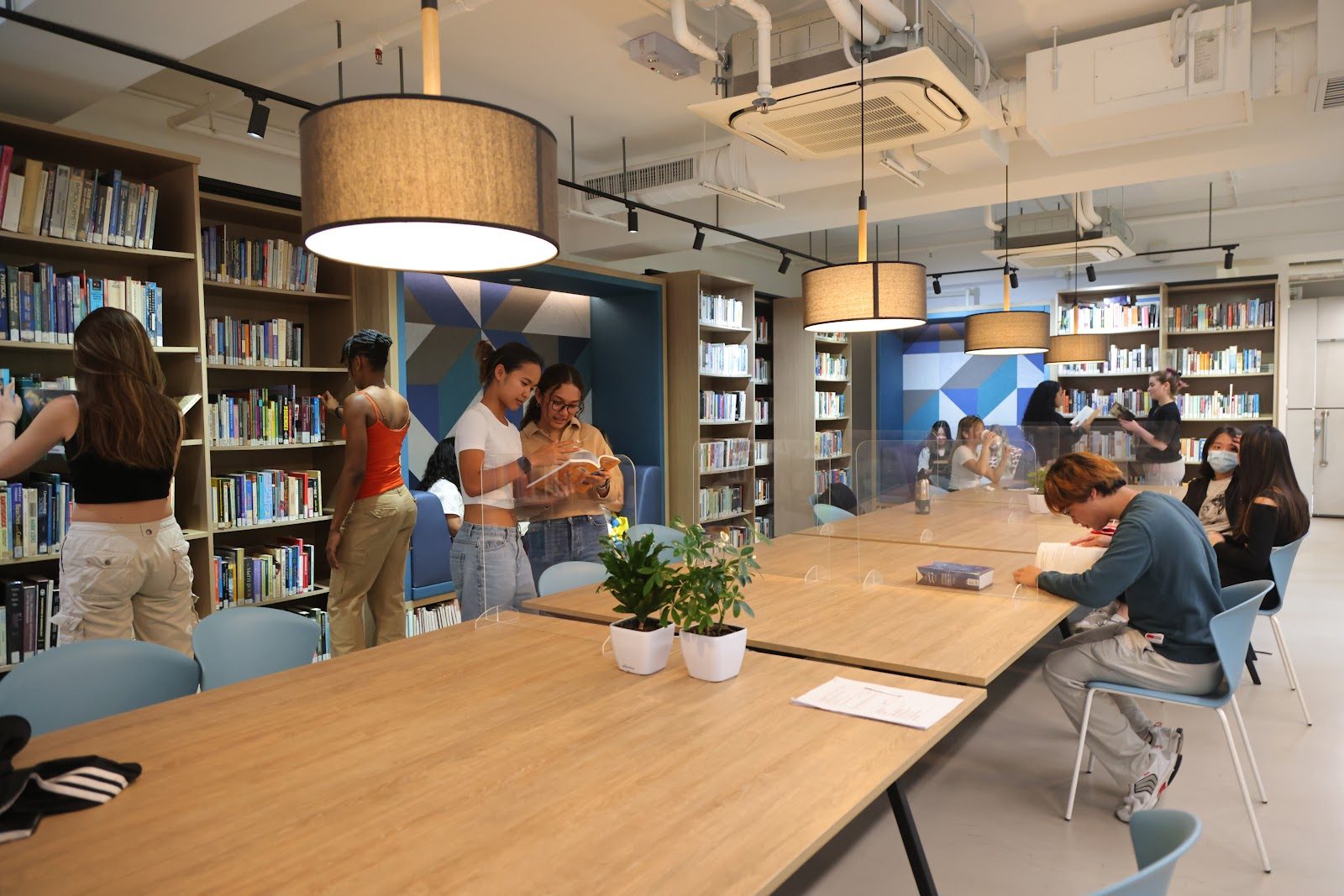
Li Po Chun United World College of Hong Kong
Hong Kong · Hong Kong
Perched above Tolo Harbour, this United World College gathers scholars from 90 nations for a service-driven IB Diploma.
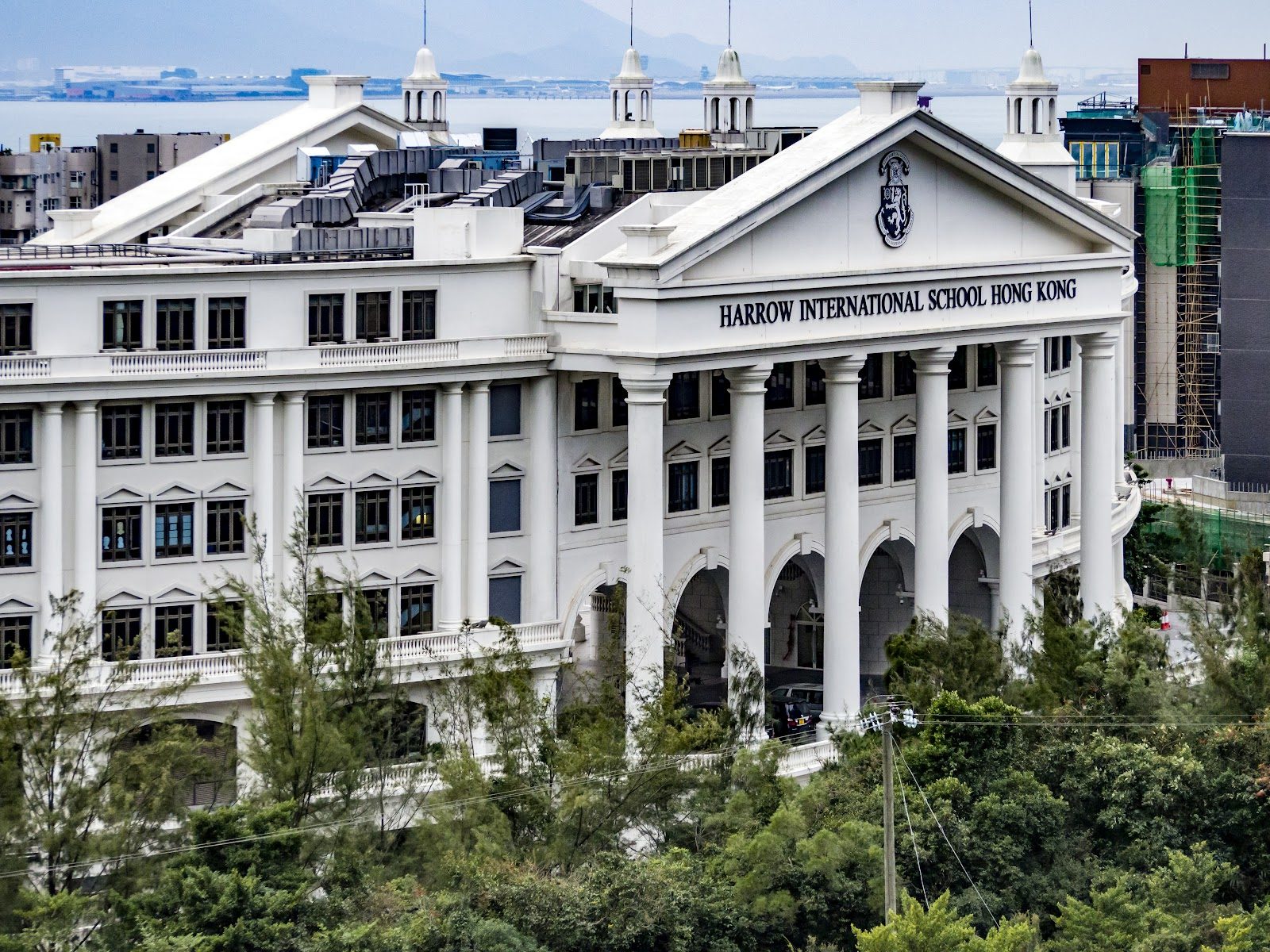
Harrow International School Hong Kong
Hong Kong · Hong Kong
A crescent-shaped Tuen Mun campus, modelled on Bath's Royal Crescent, houses Hong Kong's only formal weekly boarding and house system.
Santiago College
Santiago · Chile
From an 1880 Methodist girls' boarding school to Chile's first IB pioneer, now coeducational in the Andean foothills.
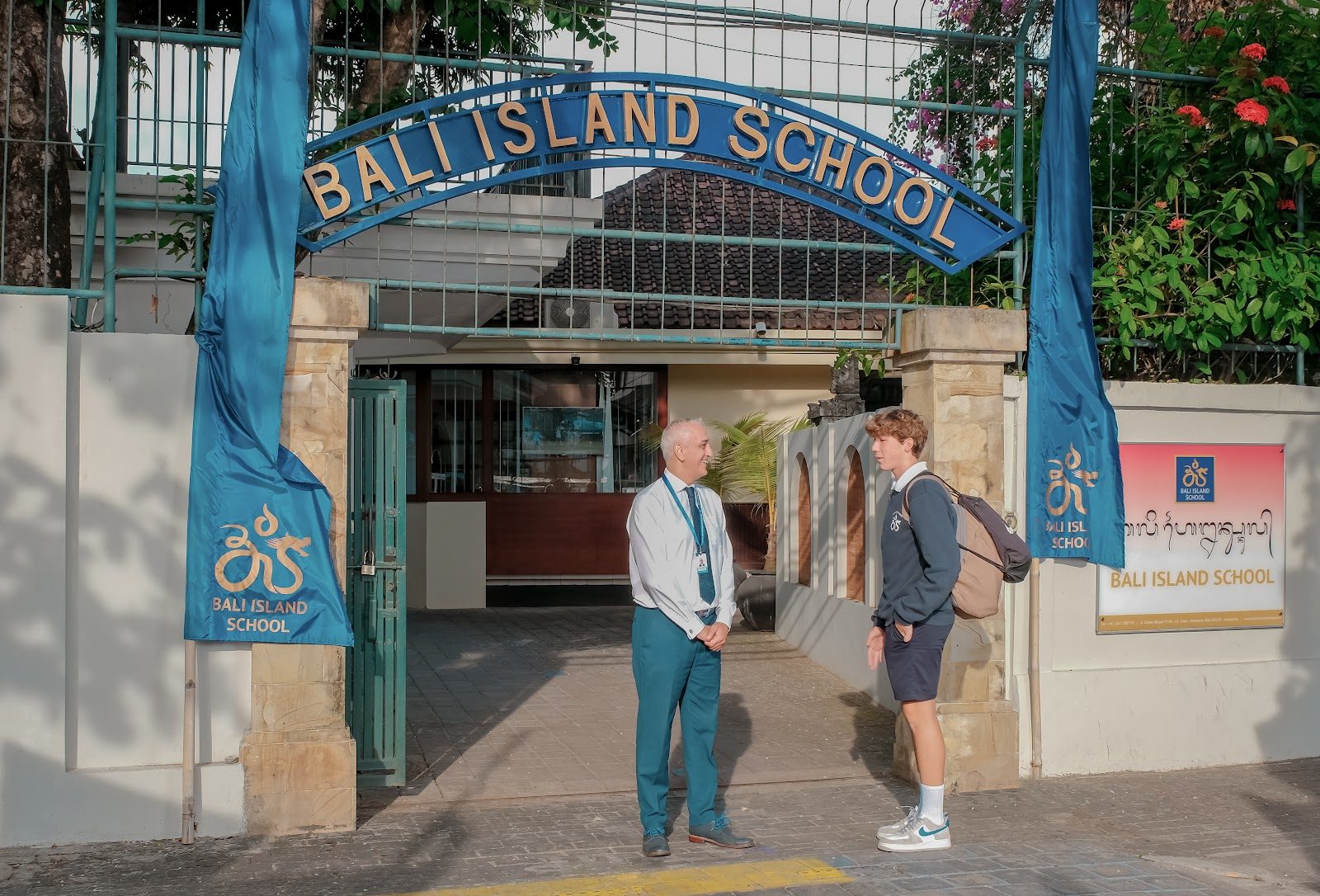
Bali Island School
Denpasar · Indonesia
Amid Sanur's temple lanes, this Denpasar campus has run the island's only full IB continuum since 1985.
Same country and curriculum — closest matches within ±10 points either way