
Lesser Poland
British International School of Cracow
low confidence· 4/6 cats · 1.2 avg sourcesIn Krakow's Old Town, three decades of British schooling meet the IB Diploma, small classes, and Tatra ski-week traditions.
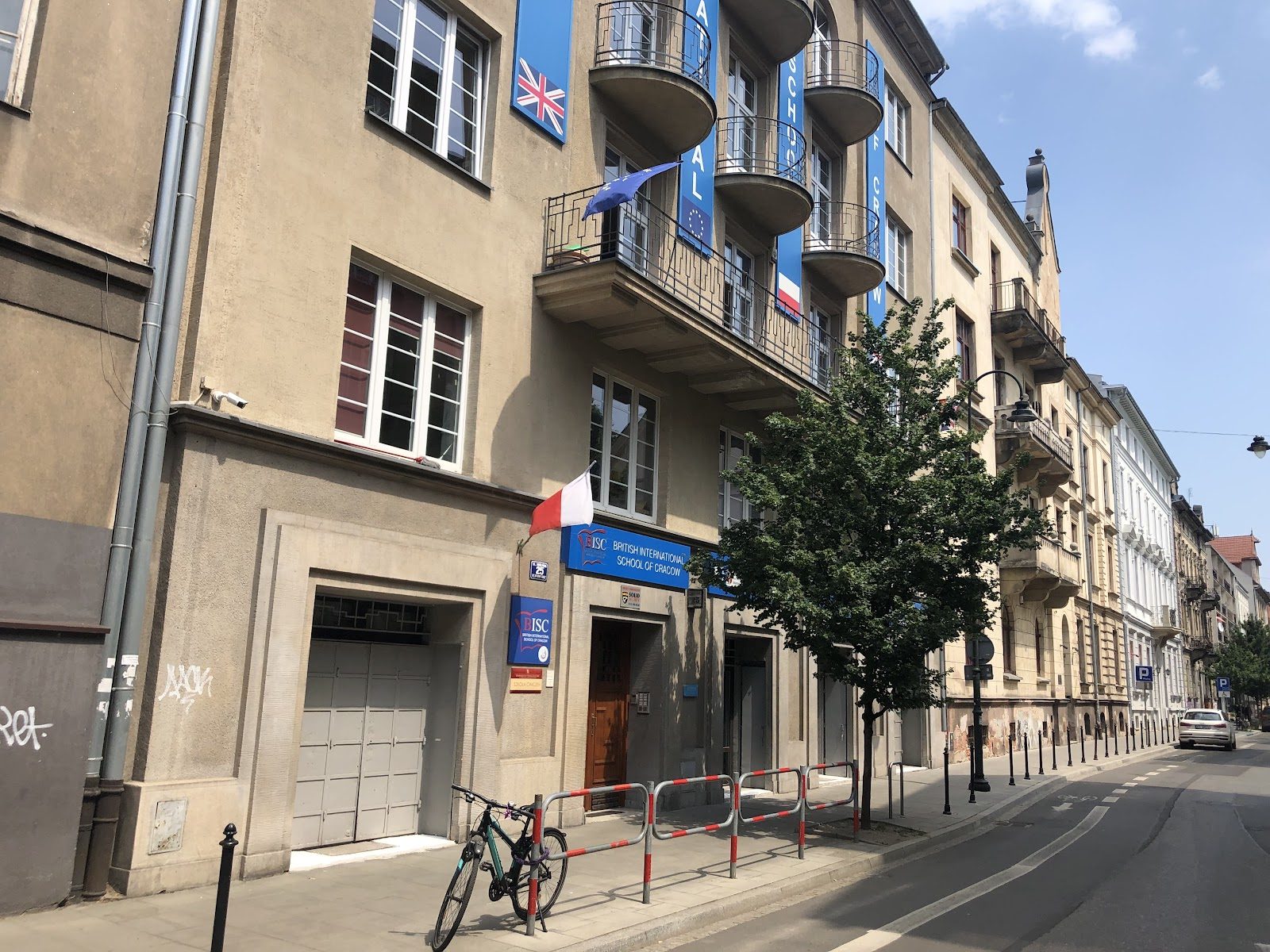
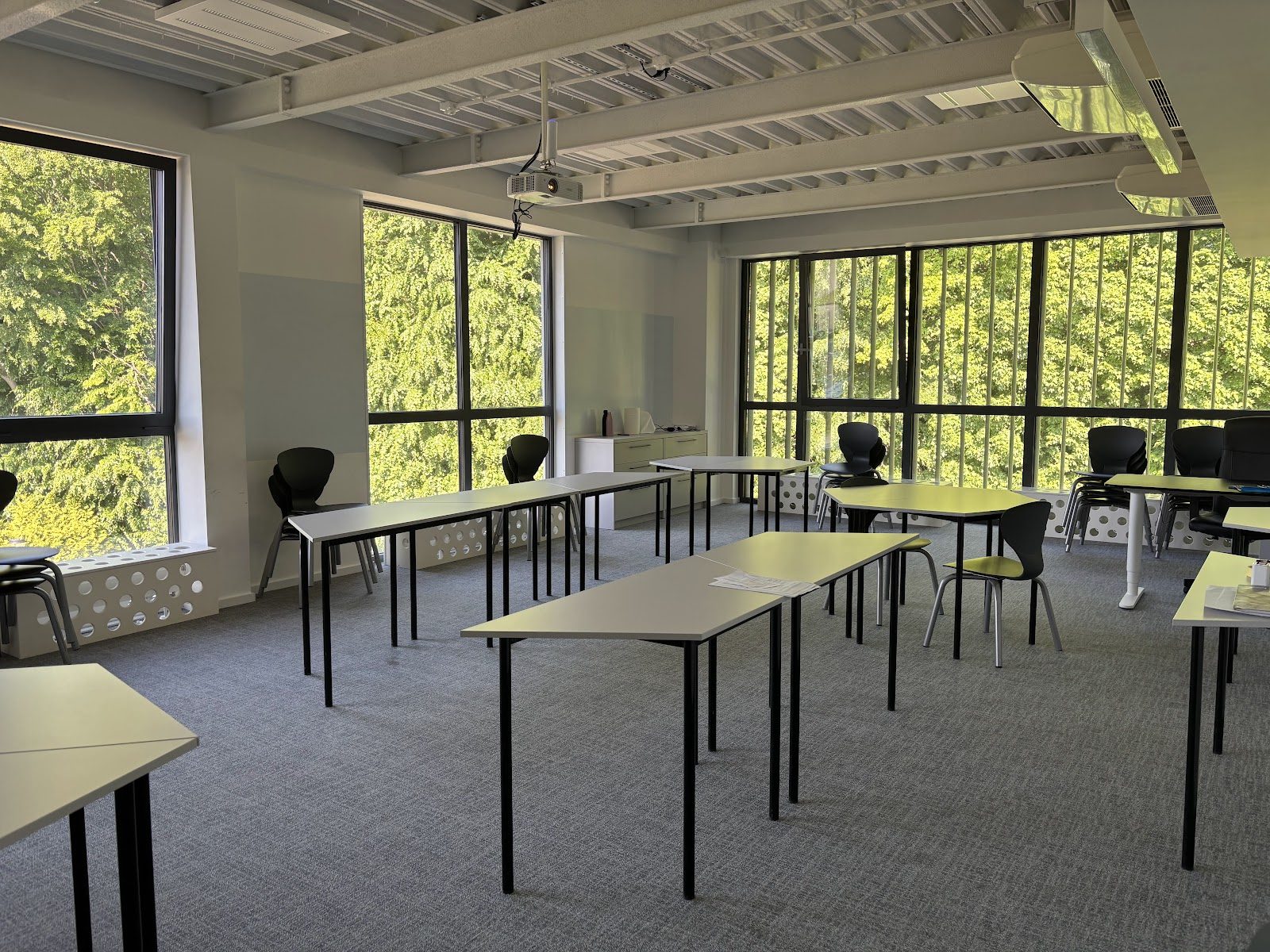
Photo © Torben Mauch via Google Maps
Type
Day
Ages
3–18
Curriculum
British · IB
Qualifications
IGCSE · IB Diploma
Ratio
—
The Verdict
Editor's commitment
Right for
Families in Kraków wanting English-medium British schooling through to the IB Diploma, with BSO, COBIS and IB World School accreditation.
Wrong for
Parents who want boarding, a large campus school or a non-British pathway; this is a 220-pupil, day-only school in Kraków.
Watch out for
The school trades on 'since 1995', but the verified founding year is 2007; that mismatch needs a straight answer.
Ranking breakdown
British International School of Cracow · #1285 of 1591
Composite score 56.1. 8 weighted criteria.
By criterion
Academic Outcomes
Weight 20%
#1220
of 1529 scored
University Placement
Weight 16%
#1227
of 1529 scored
Prestige & Heritage
Weight 12%
#1289
of 1571 scored
Alumni Network
Weight 12%
#900
of 1530 scored
Facilities
Weight 12%
#1247
of 1533 scored
Transparency & Communications
Weight 8%
#1243
of 1532 scored
Peer & Industry Review
Weight 10%
#1319
of 1548 scored
Admissions Selectivity & Demand
Weight 8%
#1077
of 1529 scored
Peer & Industry Review
How British International School of Cracow is regarded in the sector
62
Respected · medium confidence
I could not identify at least two independent, verifiable third-party sources (e.g., Tatler, Good Schools Guide, specialist education press, inspectorate reports) that specifically assess the British International School of Cracow's reputation; available information appears limited to the school's own marketing and general expat forum mentions that could not be substantiated.
Editors' overview
British International School of Cracow occupies a distinct niche in Kraków: a small, long-established English-medium day school in the Old Town that runs a British pathway into the IB Diploma. That combination matters. Many international schools can offer one or the other; fewer can offer both in a setting this intimate. The school traces its roots to 1995 and now enrols about 220 students from more than 35 countries, which gives it the scale of a genuinely small school rather than a diluted big-campus operation. Parents looking for close adult attention, small-class teaching and a school where children are known individually will put BISC high on a shortlist.
What stands out is not glamour or scale, but continuity and coherence. BISC serves ages 3–18 in English, remains non-religious, and carries meaningful external recognition through BSO, COBIS and IB World School status. It also sits under Polish educational supervision, with students receiving the official Polish school certificate alongside its international offer. That dual track gives the school practical value for families who want mobility without losing local standing. The school also leans into old-fashioned international-school character: a mixed expatriate and internationally minded intake, a long-running ski-camp culture, and a leadership team with deep institutional memory. There is a strong sense of community here, and a serious international mix, not a cosmetic one.
The limitations are plain. This is not the choice for families who want a vast campus, heavy facilities language, or the social breadth that comes with a much larger student body. BISC’s appeal rests on personal scale, academic clarity and cultural variety, not on spectacle. Publicly available outcome data are thin: the school does not publish aggregate IB results or broad leavers’ destinations in the extracts we have seen. Parents who want hard comparative performance data will need to ask directly. Even so, for families who value access, individual support and a British-to-IB route in central Kraków, BISC remains a persuasive option.
The best fit is a student who thrives in a compact, international environment and does not need the anonymity or range of a large school. Children who benefit from teacher attention, settle well in mixed-age school communities, and enjoy a straightforward academic structure will do well here. Older students targeting the IB Diploma in a school with a settled, human scale will find BISC attractive. So will internationally mobile families who want English-medium schooling with recognised qualifications and a foothold in Poland.
Academic Performance
BISC does not publish the one set of figures that matters most here: aggregate IB Diploma results. No average score, no pass rate, no subject breakdown, no university destinations list in the public domain. That leaves parents without the standard benchmarking data used to compare IB schools across the region. The school does state that it is fully accredited to offer external examinations from Cambridge International and AQA, and it describes itself as an examination centre, so pupils do have access to formal external assessment beyond internal reports. It also states that students receive the official Polish school certificate. That mix gives the school exam infrastructure and a recognised route to qualification, but not the hard evidence needed to judge academic strength against direct competitors.
Relative to peers, BISC sits in the opaque middle ground: established, academically structured, and clearly geared towards externally assessed programmes, yet unwilling to publish the results that would prove how well that structure performs. Small classes and close teacher attention can support strong outcomes, but parents should not confuse those conditions with demonstrated performance. In a market where stronger schools publish headline IB data without fuss, this silence counts against BISC. The school’s scale also matters: with only about 220 pupils across the age range, annual graduating cohorts will be small, which makes single-year results volatile and all the more important to contextualise. Any serious prospective family should ask for at least 3 years of IB results and university destinations before drawing conclusions.
Facilities
BISC is not a facilities-led school. Parents considering it for theatres, pools, stadiums or sprawling specialist blocks should look elsewhere. The school’s physical proposition is the opposite: compact, human-scale and built around day-to-day usability rather than spectacle. What the school does emphasise is small classes, an all-through structure, and an active programme beyond lessons, including ski camp, green camp, summer school and concerts. That points to a campus set up for close supervision and routine student participation, not for grand infrastructure. The presence of an examination centre also matters: for older pupils, dedicated exam administration is a practical asset, and weaker schools sometimes treat that side of operations as an afterthought. BISC does not.
Against peer international schools, this sits in the modest but functional bracket. The school educates about 220 pupils, so it does not need — and plainly does not offer — the facility range expected at larger premium operators. That has trade-offs. Students gain intimacy and access; they lose breadth of specialist space, high-end sports provision and the social energy that a bigger campus can support. For many families, the real facility advantage here is not a building at all but the school’s integration of off-site experiences, with ski culture standing out as a distinctive part of school life rather than an occasional add-on. If your benchmark is campus scale, BISC falls short. If your benchmark is usable space for a small school, it holds up.
This is a genuinely international intake, not a decorative one
Prestige
BISC’s prestige is real but localised. This is not a flagship-name international school with automatic cachet across continents; it is a compact independent school whose standing rests on longevity, continuity and a credible international mix. For the right family, that carries weight. A pupil body drawn from over 35 countries gives the school social legitimacy as an actual international community rather than a domestic school with a foreign label attached. Its place in Kraków’s international orbit also benefits from practical seriousness: external examinations, Polish state supervision, and a full age-range pathway that keeps families in one institution rather than forcing an exit at a key stage. That creates earned confidence, not glamour.
The limits are equally clear. Prestige in this market comes in tiers, and BISC sits below the top rank occupied by larger, better-known schools with broader facilities, stronger public outcomes data and more powerful alumni pipelines. The school’s small scale is a strength educationally, but it restricts brand reach and social breadth. Public exam transparency is also too thin for a school claiming high standards; prestige without published results remains incomplete. What BISC offers, then, is low-noise credibility: a school that parents in the city’s international community can take seriously, but not one that trades on global brand power or elite mystique. For families who value personal scale over status theatre, that is enough.
British International School of Cracow occupies a distinct niche in Kraków: a small, long-established English-medium day school in the Old Town that runs a British pathway into the IB Diploma
Communications
BISC communicates in the manner of a small independent school: direct, visible and person-led. The website gives parents a clear navigation spine — calendar, admissions, policies, newsletters, camps, clubs, examination centre and direct contact points — and, crucially, it names the head and publishes his email rather than burying leadership behind a generic form. That matters. Schools that expect families to commit to an intimate community need open lines and named accountability. BISC also signals a rhythm of communication beyond the classroom through concerts, camps, summer programmes and newsletters, which tells parents that school life is documented and shared, not kept inside staff rooms. The tone is old-school rather than slick: more practical than polished, more relational than branded.
Effectiveness is solid, with limits. For day-to-day parent communication, the school’s small scale works in its favour; families will get access and responsiveness that larger institutions struggle to match. The public-facing information also covers the operational essentials without much fluff, which is refreshingly plain. But communications weaken where scrutiny matters most. The school talks confidently about standards, community and outcomes, yet does not publish aggregate exam performance or fuller destination data. That gap leaves the external communications incomplete. In other words: BISC handles contact and community messaging well; it handles academic transparency less well. For a school of about 220 pupils drawn from over 35 countries, that shortfall is fixable and worth fixing.
Uniqueness
What sets BISC apart is not novelty for its own sake, but an unfashionably coherent identity. This is a small international school with deep local roots, a British academic spine, and an end point in the IB Diploma, all under one roof. That matters more than it sounds. In many cities, families patch those elements together across different schools or face a jarring change of culture at secondary level. Here, the route is continuous. The school also sits inside Polish educational oversight while issuing the official Polish school certificate, which gives internationally mobile families a practical dual foothold rather than a floating expatriate education detached from the host country. Add a student body drawn from more than 35 countries, and the internationalism has substance.
The other distinctive feature is cultural texture. BISC does not read like a polished chain-school product; it reads like a long-running independent school with its own habits, loyalties and rituals. The clearest example is the ski tradition. Tatra ski camps are not decorative enrichment here; they are part of the school’s institutional memory and part of how staff and pupils know one another beyond lessons. That gives students a more personal, less corporate experience, with the gains and limits that follow: stronger familiarity, closer adult attention, and a school life shaped by lived custom rather than marketing architecture. For families who want scale and polish, that is a drawback. For families who want character, it is the point.
Many international schools can offer one or the other; fewer can offer both in a setting this intimate
Student Profile
BISC suits children who do well when adults know them properly and there is nowhere to hide. In a school of this scale, pupils who need constant social churn, a vast friendship pool or the anonymity of a big campus can feel constrained. The better fit is a student who is comfortable being visible: academically, socially and behaviourally. The international mix is a real asset here. With pupils drawn from more than 35 countries and a community that openly marks festivals from different faiths and cultures, students need curiosity, tact and a willingness to live alongside difference rather than merely tolerate it. This is a genuinely international intake, not a decorative one.
The strongest match is the family that wants a tight-knit, low-drama school culture with individual attention and clear expectations. Children who benefit from structure, close teacher contact and a community where staff presence extends beyond lessons into camps and school events will settle well. The ski-camp tradition also tells you something important about the student profile: this school rewards participation. Pupils who join in, cope well with mixed social settings and enjoy a less corporate, more personal version of international schooling will get more from it. The weaker fit is the status-driven teenager chasing scale, flash or a large-field sixth form scene. BISC works best for grounded, engaged students and internationally minded families who value belonging over spectacle.
Parents looking for close adult attention, small-class teaching and a school where children are known individually will put BISC high on a shortlist
Co-curricular strengths
Arts & sport, on a separate axis
Overall 6.6/10
Scored 0-10 from the school's own published evidence. This axis is editorial-only — it does not feed the main WTS ranking.
Sports
7/10
Drama
7.5/10
Dance
4.5/10
Music
7/10
Visual Arts
7/10
Editor first-pass · editor-reviewable · 7/30/2026
Strengths
- +Offers both the British National Curriculum through to IGCSE and the IB Diploma Programme, giving families a choice of exit qualification routes.
- +Situated in Kraków, one of Poland's largest expat and international business centres, useful for relocating families needing continuity of English-medium education.
- +Day-school structure keeps pupils embedded in family and local life rather than boarding, which suits shorter-term postings.
- +Dual-curriculum model (British plus IB) is relatively unusual in the region, giving some flexibility if a family's onward destination or university plans change.
Considerations
- −Sits at candidate tier in independent editorial rankings, meaning it does not yet have the long, externally verified track record of top-tier regional schools.
- −Public information on exam results, university destinations, fees and inspection reports is limited, making outcomes harder for families to benchmark before committing.
- −Kraków has fewer British/IB school alternatives than Warsaw, so families have less local choice if the school proves a poor fit.
- −As a single-campus day school, facilities and extracurricular scale are likely more modest than large multi-campus international groups elsewhere in Europe.
Availability
Primary entry gate & tests
Academic Record
Gallery
Photo © Torben Mauch via Google Maps
Photo © ZachYT via Google Maps
Photo © Torben Mauch via Google Maps
Parent reviews
Have you sent your child here?
Voice reviews carry the strongest trust badge — we transcribe them for you to tidy up before they go live. Prefer to type? A written review is fine too.
Add your voice
In 60 seconds, tell other parents: what's the best thing about British International School of Cracow, and what surprised you when your child joined?
We ask for a Google sign-in so every review has a real face behind it — no anonymous drive-by attacks on schools, and no faked positive reviews. Your email is never shown publicly.
Send this profile to a friend
International parents rely on word-of-mouth. Share this review with someone weighing the same decision.
Schools with places
Similar schools to British International School of Cracow with places available now.
Availability first, then country, area, curriculum, price, co-curricular
Consider also
Also worth looking at alongside British International School of Cracow.
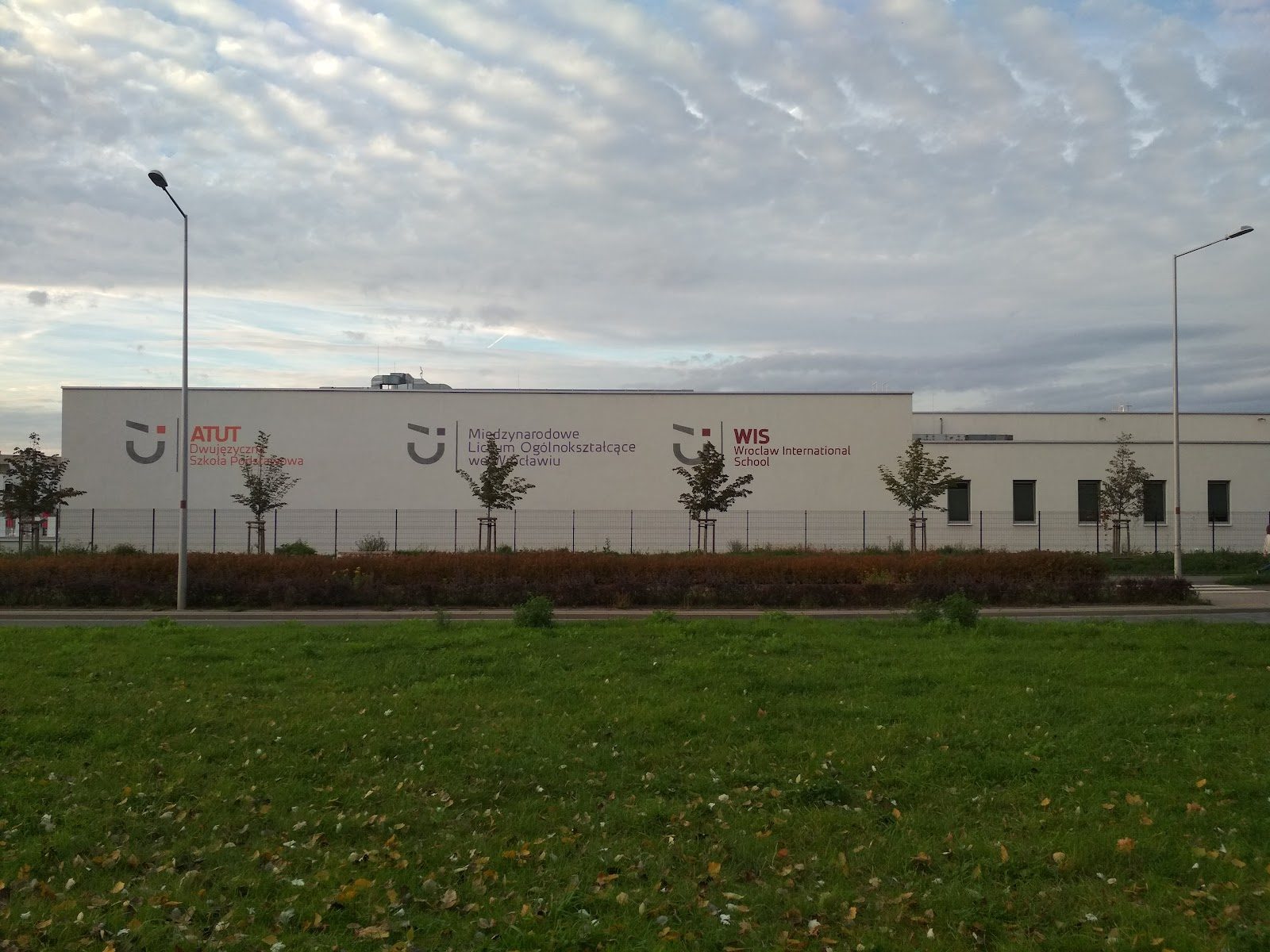
Wrocław International School
Wrocław · Poland
Lower Silesia's inquiry-led IB pioneer, the first in Poland authorised for both the Primary and Middle Years Programmes.
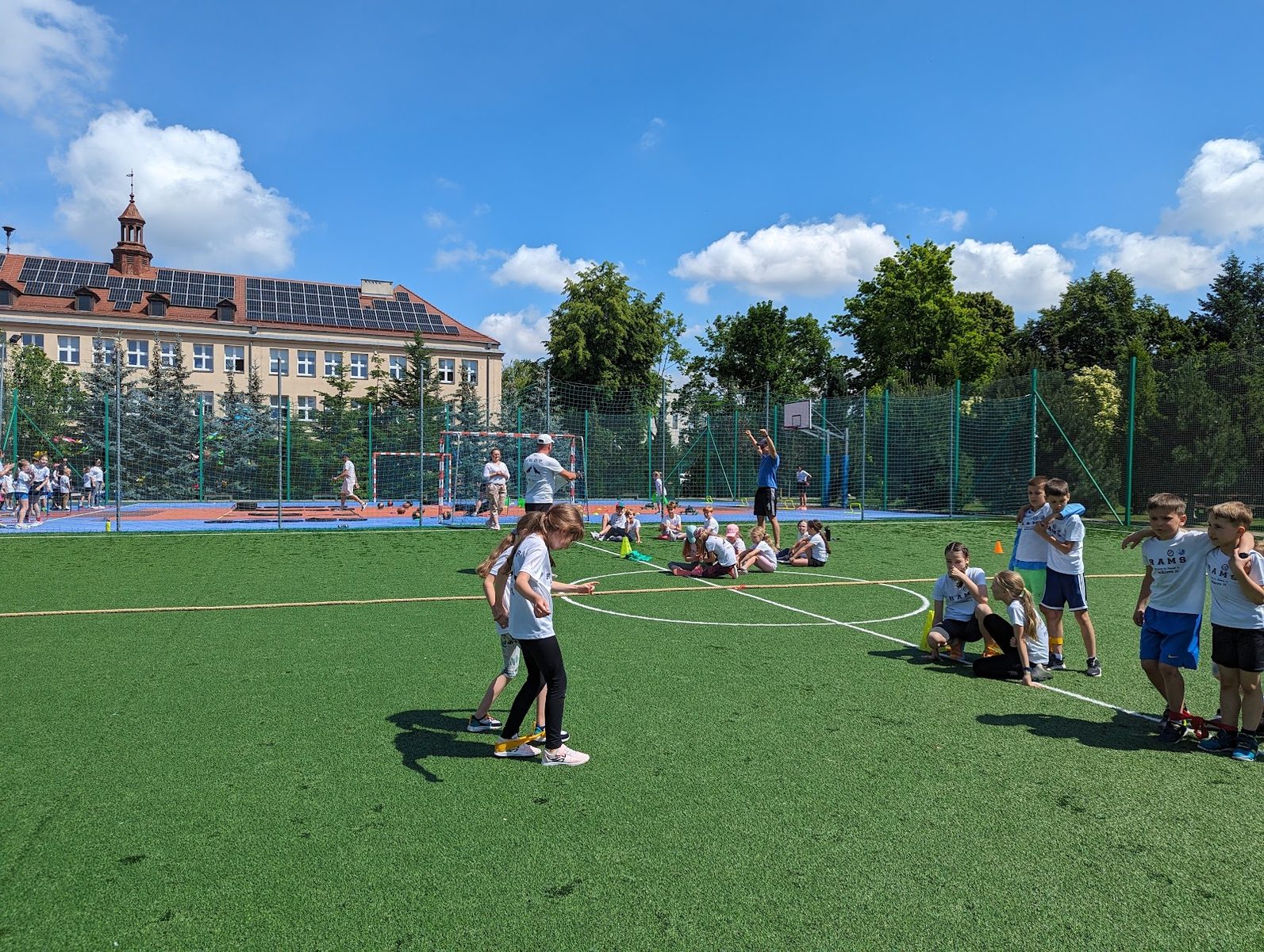
International School of Poznań
Poznań · Poland
Poznan's original IB Diploma authorization, now closing in on a full PYP-MYP-DP continuum via its own induction year for newcomers.
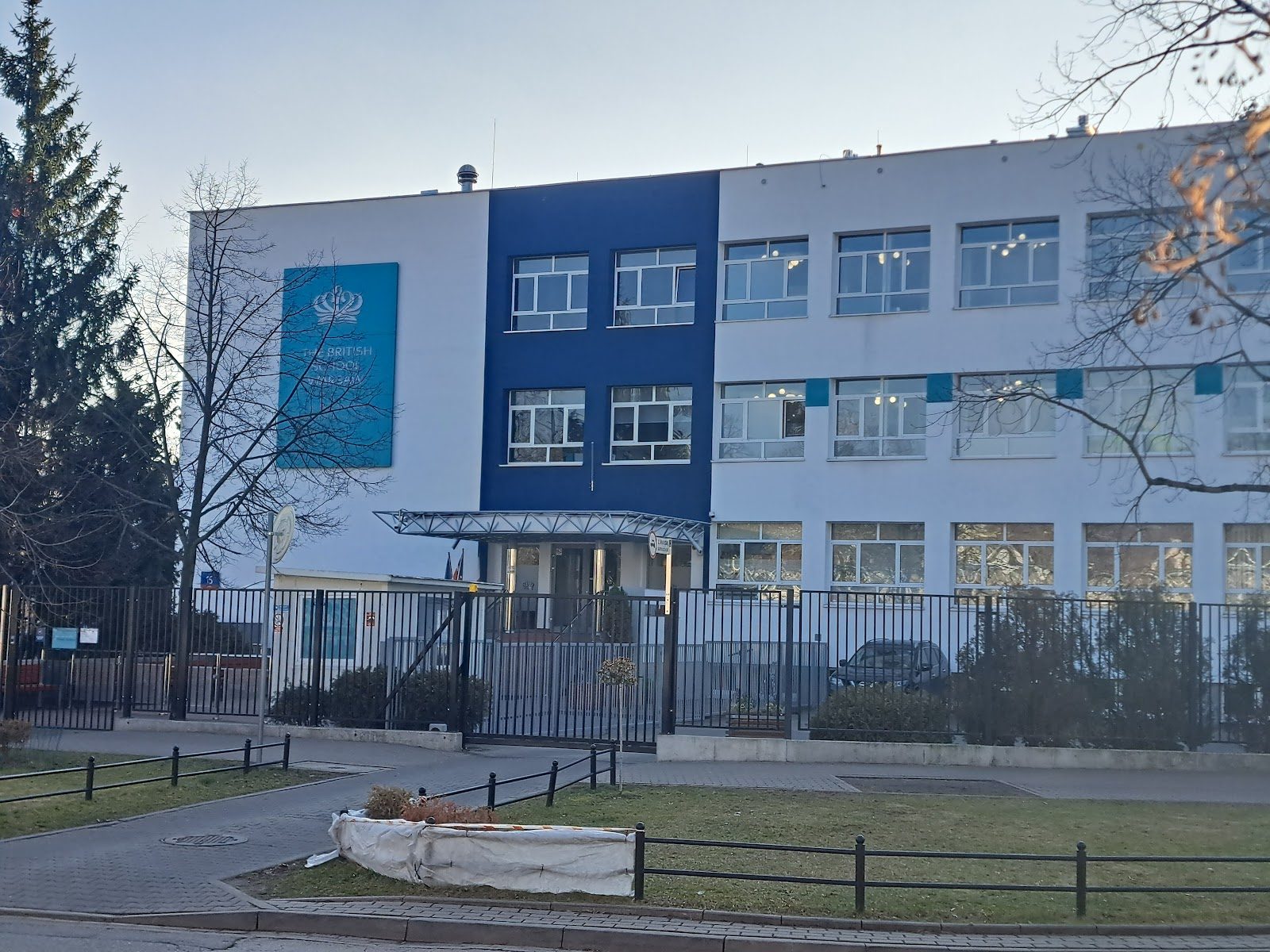
The British School Warsaw
Warsaw · Poland
Nord Anglia's founding school pairs MIT-designed STEAM labs with a Juilliard-led music programme on the banks of the Vistula.
International School of Kraków
Kraków · Poland
A forested Lusina campus outside Krakow pairs an American diploma with the IB, drawing more than 35 nationalities since 1993.
Same country and curriculum — closest matches within ±10 points either way