
Bogotá
Gimnasio Campestre
Eight decades of all-boys formation in Bogota's north, now pivoting to coeducation through a landmark Marymount merger.
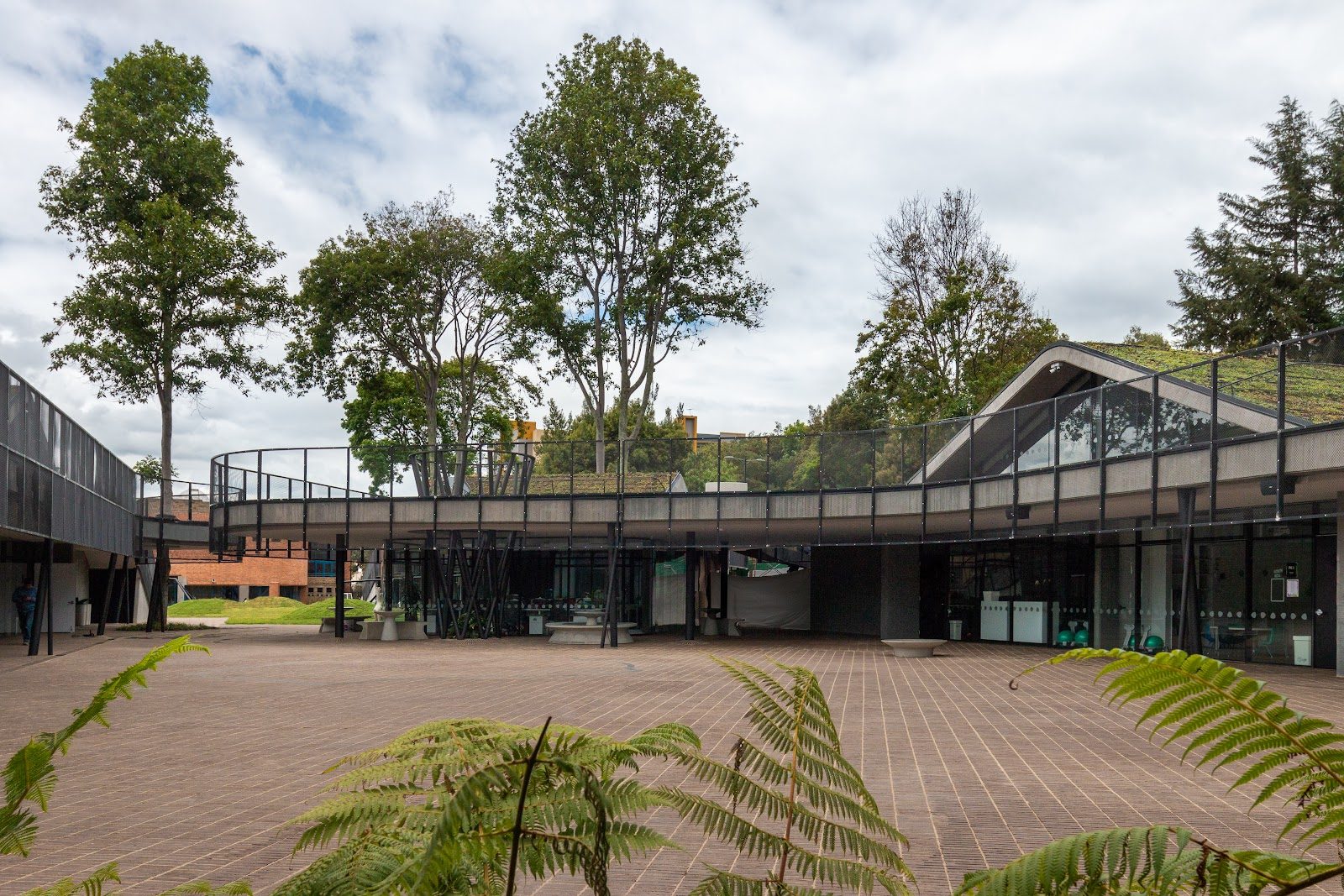
Photo © Gimnasio Campestre via Google Maps
Type
Day
Ages
5–18
Curriculum
Colombian
Qualifications
Colombian national curriculum · IB Diploma
Ratio
—
The Verdict
Editor's commitment
Right for
Bogotá families wanting a Catholic day school founded in 1941, with Spanish and English teaching and IB accreditation.
Wrong for
Parents who want settled coeducation today, not a school still defined as all-male in public sources despite the Marymount merger.
Watch out for
The Colombian curriculum and IB badge give breadth, but the school does not publish hard outcome data in this listing.
Ranking breakdown
Gimnasio Campestre · #884 of 1591
Composite score 65.1. 8 weighted criteria.
By criterion
Academic Outcomes
Weight 20%
#791
of 1529 scored
University Placement
Weight 16%
#1015
of 1529 scored
Prestige & Heritage
Weight 12%
#312
of 1571 scored
Alumni Network
Weight 12%
#795
of 1530 scored
Facilities
Weight 12%
#744
of 1533 scored
Transparency & Communications
Weight 8%
#1248
of 1532 scored
Peer & Industry Review
Weight 10%
#1000
of 1548 scored
Admissions Selectivity & Demand
Weight 8%
#489
of 1529 scored
Peer & Industry Review
How Gimnasio Campestre is regarded in the sector
65
Respected · medium confidence
Gimnasio Campestre is consistently named, alongside Colegio San Carlos, Colegio Nueva Granada and Los Nogales, as one of the handful of long-established 'campestre' schools that define Bogota's traditional elite education circuit; heads of these peer institutions and Colombian education writers routinely reference it as a benchmark for the capital's oldest single-sex, land-based campuses dating to the 1920s. Its standing rests heavily on a dense alumni network among Colombian judges, congressmen, bankers and diplomats, which national outlets such as El Tiempo and Semana periodically cite when profiling the country's governing class. Feeder-school relationships are strongest with Universidad de los Andes, Universidad del Rosario and Universidad Javeriana, whose admissions staff privately regard Campestre graduates as well-prepared for rigorous Colombian undergraduate programs. It does not, however, appear on UK-oriented independent-review platforms like WhichSchoolAdvisor or the Good Schools Guide, nor in IB or Cambridge global league tables, since it follows the Colombian national curriculum rather than an internationally benchmarked one -- limiting its visibility outside Colombia's own domestic press and alumni circles.
Editors' overview
Gimnasio Campestre occupies a rare position in Bogotá: an 1941 foundation with the social weight of an old-line Catholic boys’ school, now under pressure to redefine itself. For decades, its identity rested on discipline, tradition and male formation in the city’s north. That still matters. So does the fact that the school now sits inside a landmark shift toward coeducation through its Marymount merger. For parents, that makes Campestre more than another established Colombian day school. It offers institutional depth and brand recognition, but also a live test of how an old elite school updates itself without losing coherence.
What puts it on a shortlist is not novelty. It is pedigree, continuity and cultural standing. In a crowded Bogotá market, Campestre’s appeal lies in a very specific mix: 5–18 day schooling, Catholic formation, bilingual teaching in Spanish and English, a Colombian curriculum, and IB accreditation. That combination gives families a school with local roots and an international signal. The strongest draw is for parents who want structure, ceremony and expectation rather than a progressive free-for-all. The risk sits in the same place as the appeal: schools built on old traditions can carry social confidence and clear standards, but they can also move slowly when families want transparency or a sharper account of academic outcomes. Campestre’s reputation does real work; parents still need to ask hard questions about how the new coeducational direction changes daily school life, leadership priorities and pastoral culture.
The right student for Gimnasio Campestre is one who thrives in a school with a strong sense of hierarchy, collective identity and established norms. Boys who value team culture, ritual and external standards will find a natural fit in the school’s historic model. Families entering during the coeducational transition need a child with enough resilience to handle an institution in change, not one who needs a wholly settled culture from day one. This is a school for parents who want gravitas rather than trendiness, and for students who do well when adults set the tone clearly. If your child wants a looser, more experimental environment, Campestre is the wrong choice. If you want a school with old Bogotá capital, a bilingual Catholic framework and the seriousness of an institution that has been in the city since 1941, it deserves close inspection.
Academic Performance
Academic performance is hard to judge because the school does not publish the data parents need. We have not seen aggregate IB results, subject-level score distributions, university destinations tied to exam outcomes, or any benchmarking against other leading Bogotá schools. That is a real weakness in a market where serious families expect hard numbers, not reputation by inheritance. The school’s long-standing social standing still carries weight, and old elite institutions in Colombia often place students well through network, expectation and selectivity. That does not answer the narrower academic question. Without public score ranges or cohort summaries, Campestre sits in the opaque end of the market on results disclosure.
Relative to peers, that puts it at a disadvantage with analytically minded parents. The strongest Bogotá competitors increasingly use outcomes data to prove academic traction; Campestre does not. That does not mean weak performance. It means unverified performance. For a school with this level of status, the absence of published examination evidence is striking. Parents considering the school need to ask for the last 3 years of IB results, cohort averages, top scores, pass rates, and destination patterns split by course pathway. Until those figures are in the public domain, Campestre’s academic standing rests on institutional prestige and parental trust rather than transparent proof.
Facilities
Campestre’s public profile does not give parents much hard detail on facilities, and that absence matters. At this level of the market, families should not have to infer the physical offer from reputation. What the school plainly has in its favour is the campus model associated with a long-established north Bogotá institution: room for sport, ceremony and year-group life rather than a vertical, space-starved urban setup. For a school built around collective identity and old-guard discipline, that kind of physical environment matters more than glossy design. Parents should expect competent core provision for classrooms, courts and outdoor use, not the architectural theatre or specialist wow-factor that newer premium schools now use to advertise themselves. We have not seen a published account of standout science, arts or technology spaces, and that keeps the facilities picture frustratingly vague.
Against peers, that places Campestre in a mixed position. If your benchmark is traditional Bogotá schools with strong sporting culture and established grounds, it sits in familiar territory. If your benchmark is the city’s newer internationally pitched competitors, the bar rises: families now expect visible investment in laboratories, performing arts venues, maker spaces and high-spec indoor sport. Campestre may well meet some of that standard in practice, but the school does not document it clearly. Until it does, the facilities case rests on institutional heft and probable campus breadth rather than published proof. For an expensive, status-heavy school, that is not good enough.
The right student for Gimnasio Campestre is one who thrives in a school with a strong sense of hierarchy, collective identity and established norms
Prestige
Gimnasio Campestre carries serious social prestige inside Colombia’s old private-school landscape. This is not the prestige of a flashy global brand; it is the prestige of an institution tied to entrenched local standing, family networks and the habits of an elite school that has educated boys from the capital’s upper tiers for generations. That matters in practical terms. A Campestre education still signals access to a recognisable social milieu, confidence with hierarchy, and ease inside traditional professional and civic circles. For families who value that world, the school offers inherited status that newer bilingual schools cannot manufacture. For families outside it, that same aura can read as socially closed.
We rate its prestige highly on reputation and cultural weight, but with an important limit: prestige here rests more on name and history than on published proof of academic dominance. The school’s public identity still draws heavily on its old all-male character, and the shift now under way through the Marymount merger puts that identity under scrutiny. If the transition is handled well, Campestre keeps its standing and broadens its relevance. If it is mishandled, prestige becomes ceremonial rather than substantive. That is the central distinction. Campestre remains a school whose name carries force, but prestige alone does not settle the question parents care about most: whether the institution now converts that status into a clear, modern educational proposition for the next 2 generations of families.
Gimnasio Campestre carries serious social prestige inside Colombia’s old private-school landscape
Communications
Campestre communicates like an old institution that still expects a measure of parental confidence in the brand. The public-facing picture is serviceable rather than strong. Core information exists, but the school does not publish the kind of crisp, parent-centred detail that marks out the best-run international schools: clear academic dashboards, systematic facilities documentation, and a hard-edged account of performance. That matters because communication is not a cosmetic extra during a period of structural change; it is the mechanism that tells families what the school is doing, why it is doing it, and how daily life changes for children. Here, the school’s communications culture reads as institution-first rather than parent-first. Parents who already know the school’s world will tolerate that. Newer families will find it needlessly opaque.
The real test is not whether notices go out or events are announced. It is whether the school communicates with enough precision to reduce uncertainty. On that standard, Campestre leaves gaps. We have not seen public evidence of a forensically clear parent information architecture: no transparent outcomes reporting, no detailed account of the educational offer in practice, and no strong habit of answering obvious parental questions before they are asked. For a school managing a merger of 2 identities and serving children across 5–18, that is a weakness, not a quirk. Parents need direct, regular explanation from leadership, not just institutional confidence and inherited trust.
Uniqueness
What makes Gimnasio Campestre distinct is not innovation but inheritance under strain. This is an old Bogotá boys’ institution trying to absorb a structural change without surrendering the codes that built its name. The Marymount merger gives the school a profile few rivals can match: it links old-line male formation with a coeducational future in a single institutional story. For students, that brings something concrete. They enter a school with entrenched rituals, a strong sense of rank and belonging, and an adult culture that expects conformity to shared norms. That can produce real steadiness: pupils know the rules, know the tone, and know that the school’s identity does not reset with each leadership fashion.
The other point of difference lies in social formation. Campestre does more than educate; it inducts children into a specific slice of Colombian professional and civic life. That network effect is genuinely powerful for families who want cultural fluency inside established circles, and much less attractive for families who want a socially mixed, openly experimental environment. Students who fit the model gain confidence in formal settings, loyalty to institution, and ease with expectation. Students who do not fit it risk feeling pressed into a mould. That is the bargain. Campestre’s uniqueness rests in its ability to offer continuity during a major transition, and in the fact that few schools can combine elite traditionalism with a live reinvention on this scale across 2 previously separate school identities.
What makes Gimnasio Campestre distinct is not innovation but inheritance under strain
Student Profile
The pupil who fits Campestre best is comfortable inside a school that asks for deference, self-command and participation in a strong collective culture. This is not the place for a child who wants to negotiate every rule or drift at the edge of school life. It suits students who respond well to adult authority, enjoy belonging to a defined peer group and can carry themselves with a degree of polish in formal settings. The historic all-boys identity still shapes the tone, even as the school moves through a coeducational turn. That makes it a good match for families who value clear behavioural expectations, ceremonial school culture and a socially confident student body, and a poor match for children who need a highly informal atmosphere or a deeply individualised pastoral style.
There is also a social fit to weigh carefully. Campestre has long served an elite traditional constituency, and children who are at ease with that milieu will navigate it more easily than those who dislike status-conscious environments. The right student does not need to be loud, sporty or socially dominant, but he or she does need resilience, respect for structure and enough confidence to handle a school with a strong internal code. For families entering during the merger, that threshold matters more. A child joining at 5 faces one kind of adaptation; a teenager joining at 18 faces another. In both cases, the best fit is a student who can absorb change without needing the institution to soften its edges around them.
Gimnasio Campestre occupies a rare position in Bogotá: an 1941 foundation with the social weight of an old-line Catholic boys’ school, now under pressure to redefine itself
Co-curricular strengths
Arts & sport, on a separate axis
Overall 6.84/10
Scored 0-10 from the school's own published evidence. This axis is editorial-only — it does not feed the main WTS ranking.
Sports
8/10
Drama
6.5/10
Dance
5.5/10
Music
7.4/10
Visual Arts
6.8/10
Strengths
- +Founded in 1946, Gimnasio Campestre is a traditional all-boys bilingual day school located in northern Bogotá, giving it eight decades of institutional continuity.
- +Since 2016, the school is internationally accredited by two highly known accreditation agencies: New England Association of Schools and Colleges (NEASC) and Council of International Schools (CIS).
- +A defining feature of the curriculum is its proprietary research structure; the school has integrated research into its daily framework for over 25 years through its 'Jóvenes Investigadores' initiative and dedicated study centers, publishing student findings in the Astrolabio science journal.
- +Instruction is delivered in Spanish and English, with French introduced as an additional language, giving boys a trilingual academic base.
- +Extracurricular programs are extensive, including a traditional 'Banda de Guerra' (marching band), fencing, robotics, and Mandarin Chinese.
Considerations
- −The Gimnasio Campestre is an all-male, elite-traditional Pre-K to 11th grade private school, so it is not an option for families wanting co-education for daughters or a mixed-gender environment now.
- −The Gimnasio Campestre, tradicionalmente uno de los colegios más reconocidos del país, figura en el segmento premium, con matrículas y pensiones que rondan los 3 millones de pesos mensuales en algunos niveles, placing it among Bogotá's costliest private day schools.
- −On February 4, 2026, Gimnasio Campestre and Colegio Marymount officially announced they would move toward a full integration that will, in the medium term, give rise to a single institution, meaning the school's single-sex, standalone identity is set to change.
- −The Gimnasio Campestre is an all-male, traditional and conservative Pre-K to 11th grade private school located in Bogotá, Colombia, which will not suit families seeking a secular or progressive pedagogical approach.
Availability
Primary entry gate & tests
Academic Record + Interview
Gallery
Photo © W. Arias via Google Maps
Photo © Gimnasio Campestre via Google Maps
Photo © Daniel Cano via Google Maps
Photo © Gimnasio Campestre via Google Maps
Photo © Luis Miguel Tamayo Gaviria via Google Maps
Photo © Gimnasio Campestre via Google Maps
Photo © Gimnasio Campestre via Google Maps
Parent reviews
Have you sent your child here?
Voice reviews carry the strongest trust badge — we transcribe them for you to tidy up before they go live. Prefer to type? A written review is fine too.
Add your voice
In 60 seconds, tell other parents: what's the best thing about Gimnasio Campestre, and what surprised you when your child joined?
We ask for a Google sign-in so every review has a real face behind it — no anonymous drive-by attacks on schools, and no faked positive reviews. Your email is never shown publicly.
Send this profile to a friend
International parents rely on word-of-mouth. Share this review with someone weighing the same decision.
Schools with places
Similar schools to Gimnasio Campestre with places available now.
Colegio Nueva Granada
Bogotá · Colombia
- 2026-27
- WAITPOOLVacancy-dependent
- 2027-28
- WAITPOOLVacancy-dependent
The English School
Bogotá · Colombia
- 2026-27
- CLOSEDStandard route closed
- 2027-28
- WAITPOOL2027/28 enquiries underway
Availability first, then country, area, curriculum, price, co-curricular
Consider also
Also worth looking at alongside Gimnasio Campestre.
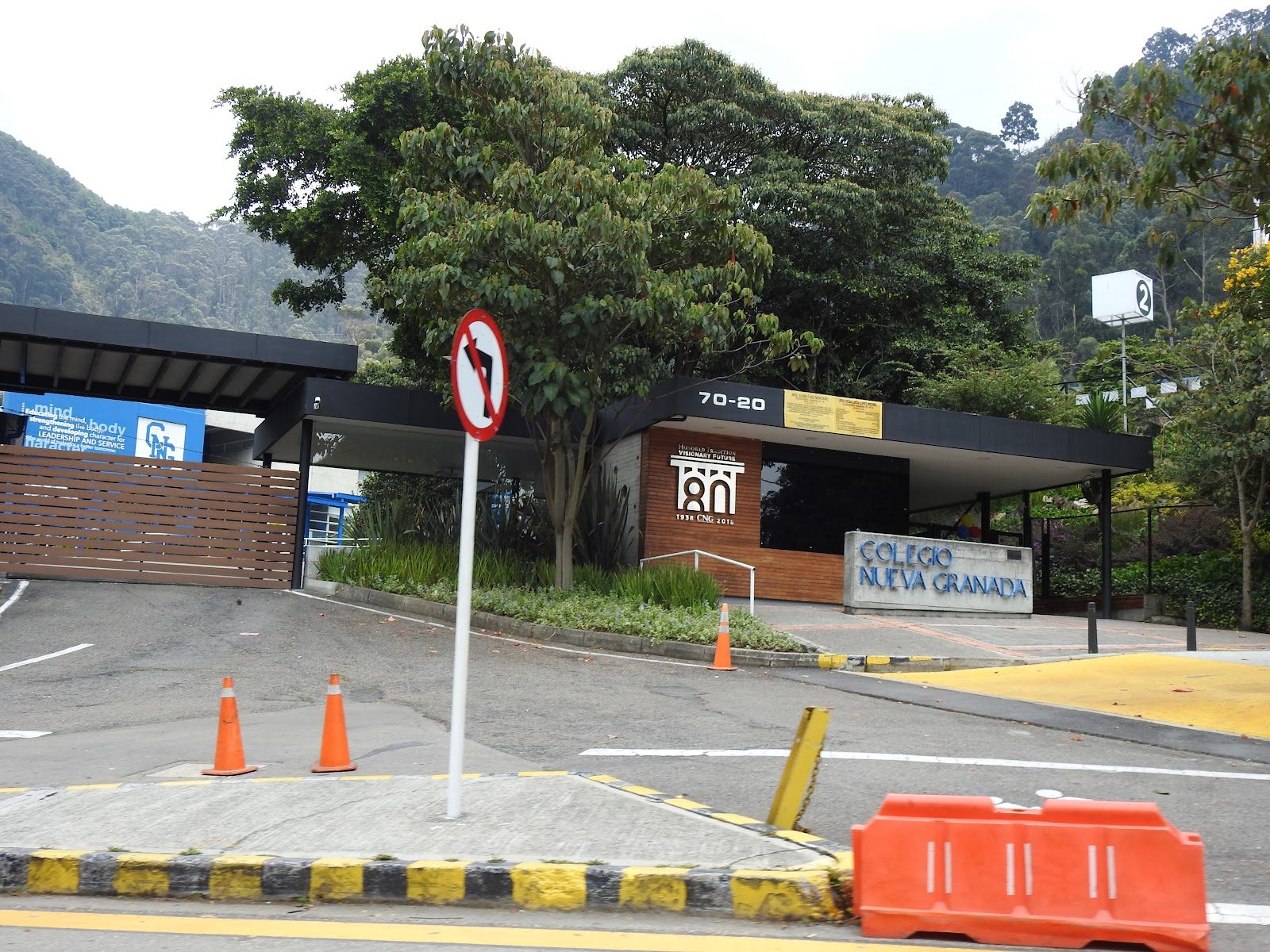
Colegio Nueva Granada
Bogotá · Colombia
A 1938 foothills campus in Bogota pairing dual US-Colombian diplomas, 32 AP courses and a four-house tradition.
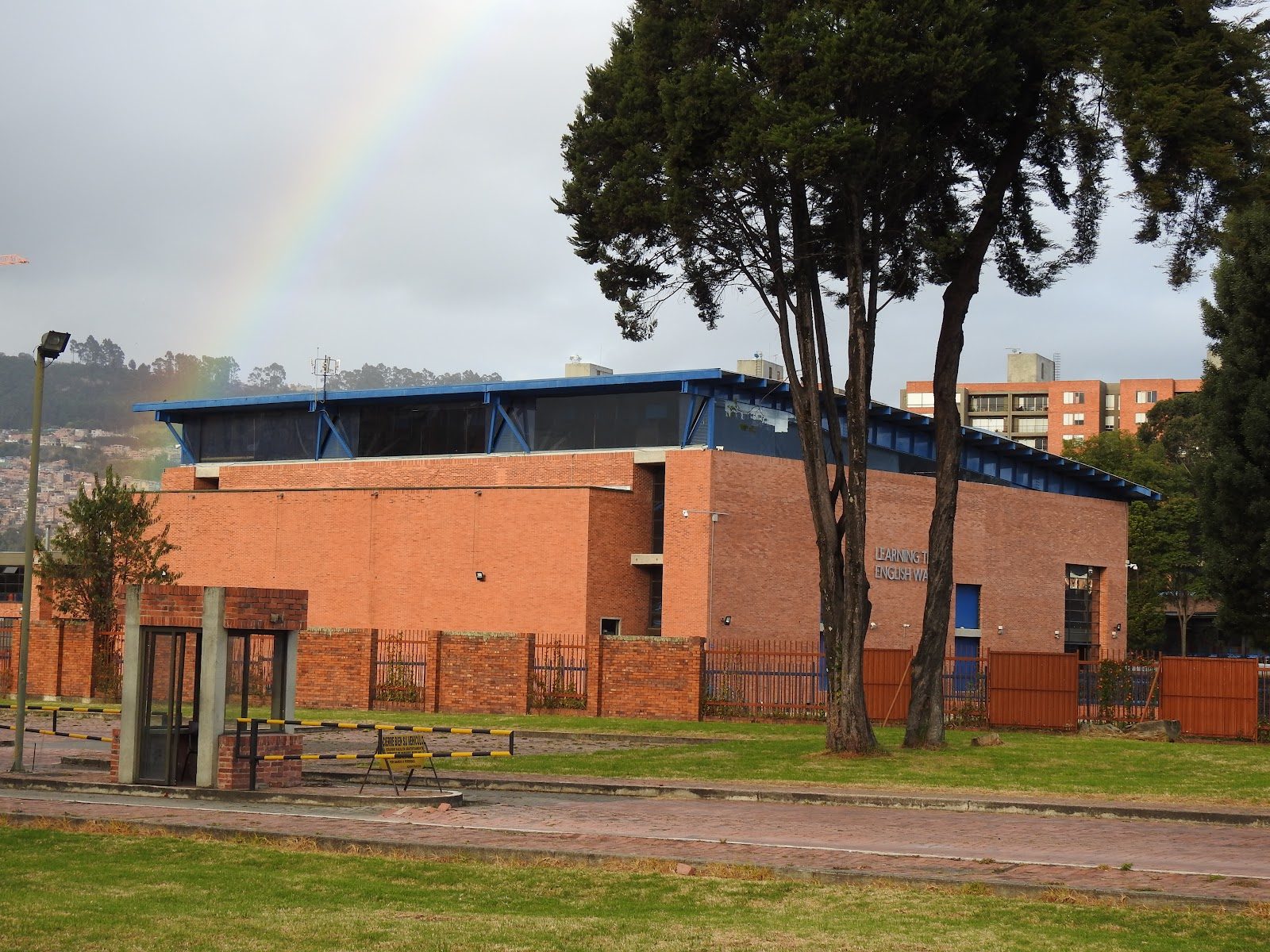
The English School
Bogotá · Colombia
Founded in 1961 as a bilingual British-style day school, now the first in Colombia authorized for all four IB programmes
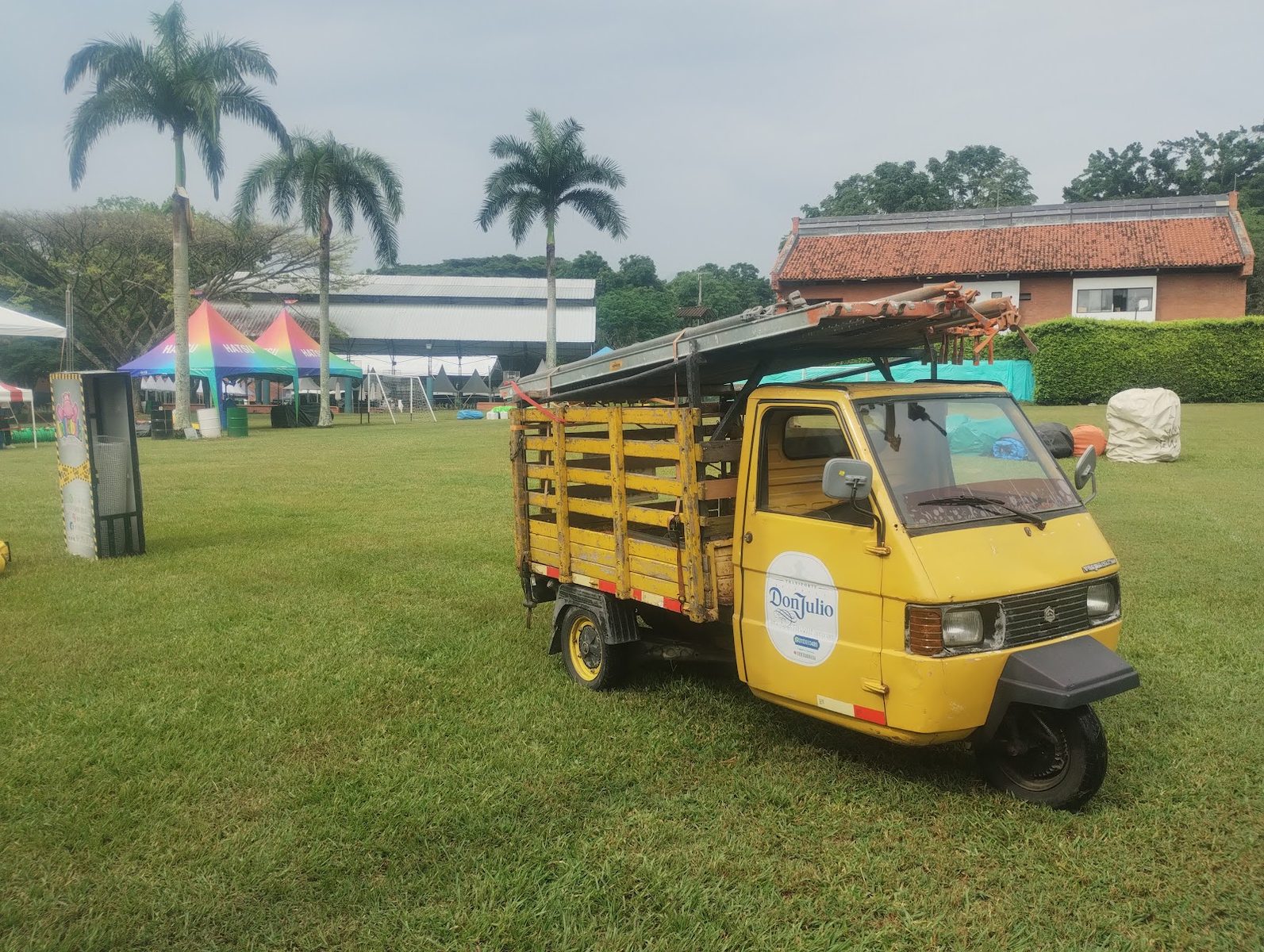
Colegio Bolívar
Cali · Colombia
Founded in 1947 at the foothills of the Andes, where three-walled, open-air classrooms meet a bilingual, dual-diploma American curriculum.
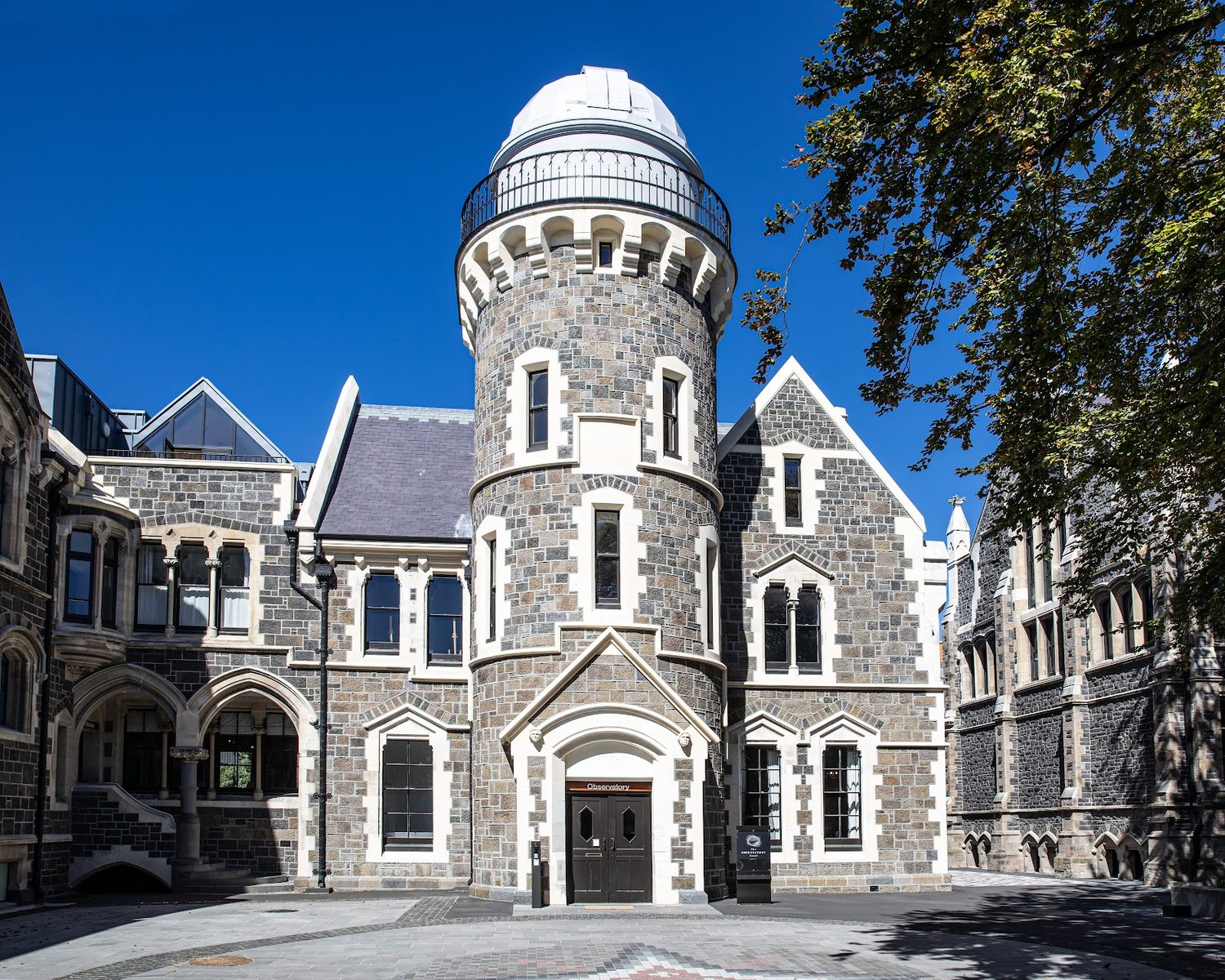
Christ's College
Christchurch · New Zealand
New Zealand's oldest independent school, its neo-Gothic quadrangle and chapel choir anchoring a boys' boarding tradition beside Hagley Park.
Same country and curriculum — closest matches within ±10 points either way