
Distrito Capital
Escuela Campo Alegre
medium confidence· 4/6 cats · 3.42 avg sourcesSince 1937, a US-embassy-linked campus in Las Mercedes pairing American college-prep rigor with an IB diploma and Venezuelan history studies
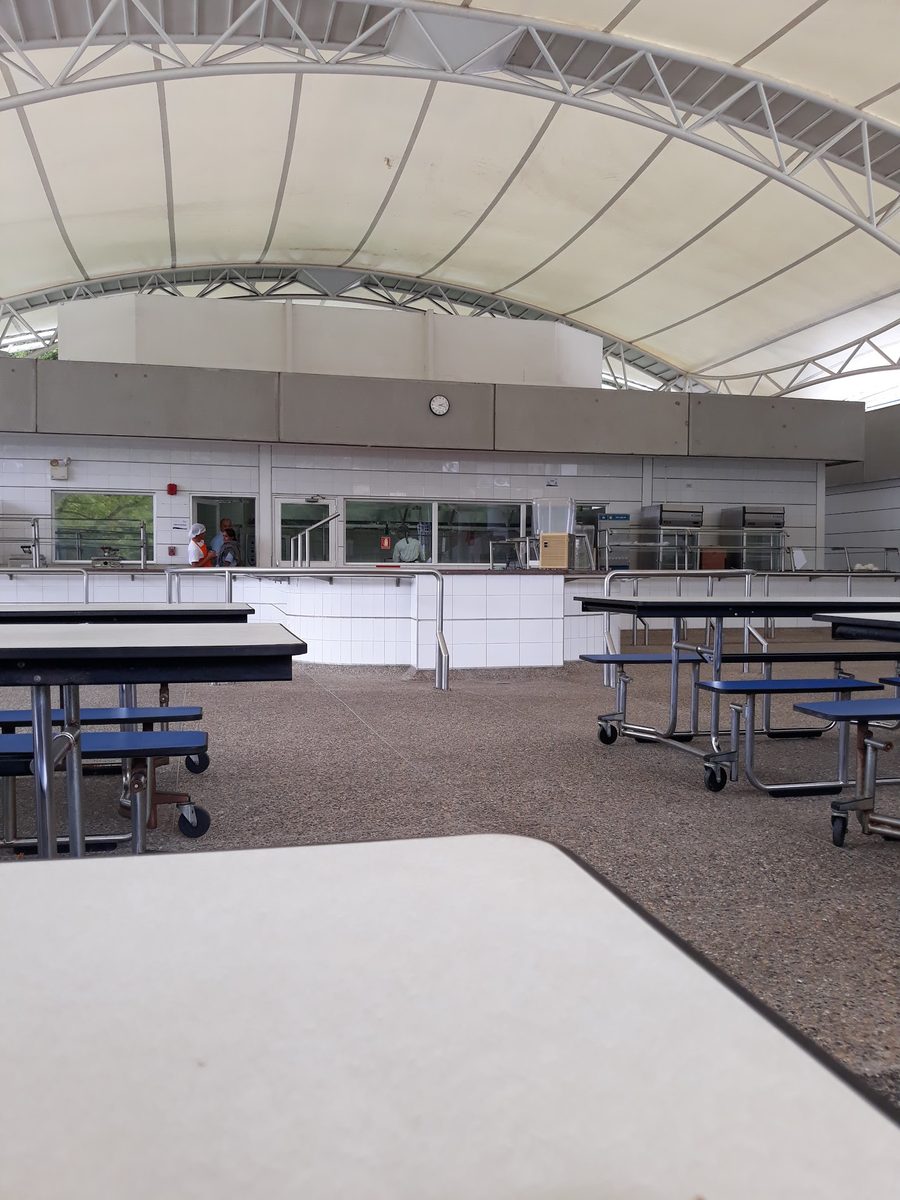
Photo © Orlando Enrique Contreras Balbas via Google Maps
Type
Day
Ages
3–18
Curriculum
American
Qualifications
AP · IB Diploma
Ratio
—
The Verdict
Editor's commitment
Right for
Families in Caracas who want a day school founded in 1937 with an American curriculum, IB World status and English instruction.
Wrong for
Parents seeking boarding, religious formation or a non-American pathway: Escuela Campo Alegre is day-only, non-religious and school-declared American.
Watch out for
The US-embassy-linked cachet and MSA plus IB World accreditations do not erase the obvious constraint: this is one Caracas campus in Las Mercedes.
Ranking breakdown
Escuela Campo Alegre · # of 1591
Composite score 68.3. 8 weighted criteria.
By criterion
Academic Outcomes
Weight 20%
#667
of 1529 scored
University Placement
Weight 16%
#649
of 1529 scored
Prestige & Heritage
Weight 12%
#678
of 1571 scored
Alumni Network
Weight 12%
#427
of 1530 scored
Facilities
Weight 12%
#654
of 1534 scored
Transparency & Communications
Weight 8%
#722
of 1532 scored
Peer & Industry Review
Weight 10%
#640
of 1548 scored
Admissions Selectivity & Demand
Weight 8%
#489
of 1529 scored
Score history
Escuela Campo Alegre · 2026
Movement across 2024–2026. Peer average overlaid.
Overall — 2024–2026
68.3/ 100
▲ +19.5 vs 2025
year on year
Peer & Industry Review
How Escuela Campo Alegre is regarded in the sector
65
Respected · low confidence
Escuela Campo Alegre is widely known among Caracas expat and diplomatic communities as one of the longest-established international schools in Venezuela, frequently referenced in State Department/embassy family relocation guides and expat forums (e.g., International School Community forums, ExpatExchange threads) as the top choice for American/international families in Caracas. However, it receives little coverage in specialist education press like Tatler or Good Schools Guide, which focus on UK/international elite circuits, limiting broader peer benchmarking evidence.
Evidence sources
Editors' overview
Escuela Campo Alegre occupies a distinct niche in Caracas: a long-established American school, founded in 1937, with the added weight of IB World School status and a campus history tied to the city’s international community. That combination matters. Parents looking for a straight local pathway will find stronger alignment elsewhere; parents looking for an English-medium, US-style college-prep education with the option of the IB Diploma will find ECA near the front of the field. The school’s age range, 3–18, also gives it the continuity many expatriate and internationally minded local families want: one institution, one academic culture, one set of expectations from nursery to graduation. In a market where stability carries real value, that counts as institutional ballast.
What puts it on a shortlist is not novelty but structure. The core offer is clear: American curriculum, English as the language of instruction, day schooling, and an international academic frame that extends through the secondary years. The school also sits in Las Mercedes, not on a remote edge-of-city campus, which matters for daily family logistics in Caracas. The editorial tagline captures the central point: this is a school with serious academic intent, built around American preparation but not confined to it, and with Venezuelan history studies retaining a local anchor. That blend gives students an outward-facing education without cutting them loose from the country they live in. For families who want a disciplined route to university rather than educational theatre, that is a persuasive proposition.
The school will suit students who thrive in a structured, English-speaking academic environment and who are aiming at international higher education, especially in the United States or in other systems that understand American transcripts and the IB Diploma. It will also suit children from globally mobile families who need curricular continuity without boarding. It will suit less well those who want a deeply Venezuelan school culture, a religious ethos, or a looser, more pastoral model built around small-scale informality. ECA’s appeal rests on clarity of purpose, international credibility and a high-accountability academic track. For the right child — organised, university-focused, comfortable in English and ready for a demanding secondary programme — it offers a dependable, serious education in a city where that combination is not easy to secure.
Academic Performance
Escuela Campo Alegre does not publish the exam data that would let parents judge performance cleanly against serious international peers. We have not seen aggregate IB Diploma averages, pass rates, subject scores, SAT or ACT profiles, AP results, or university destination lists with enough detail to test academic strength. That matters. A school offering an internationally benchmarked senior pathway needs public results, not just programme labels. Without them, any claim of top-tier outcomes sits on thin public evidence. The absence of disclosed headline figures is the central academic-performance story here.
That does not place ECA in a weak bracket; it places it in an opaque one. In Caracas, longevity and a stable international-school identity carry weight, and a school with a full age-range and an external diploma route enters the conversation for families targeting selective overseas universities. But among schools competing for those families, published outcomes are the dividing line between credible ambition and verified delivery. On that test, ECA falls short of the best-run international schools, which disclose enough to let parents compare cohorts year by year. The one verified public alumni signal is modest — 1 notable alumna catalogued in Wikidata — and it is no substitute for exam transparency. Parents should ask for 3–5 years of IB results, score distributions, and destination data before treating the school as a proven academic heavyweight.
Facilities
The school’s public profile is thin on facility detail, which puts a hard limit on any serious judgment. We know it operates a full nursery-to-graduation range on its Las Mercedes site, but the school does not publish the kind of campus inventory strong international schools now treat as standard: no clear breakdown of science laboratories, performing-arts spaces, specialist sports provision, library scale, maker facilities, or dedicated early-years environments. That absence matters because facilities are not decorative at this end of the market; they shape timetable breadth, practical science, rehearsal time, indoor sport, and the day-to-day quality of student work. Against strong regional and global American international peers, ECA is behind on public transparency. Parents are being asked to trust a campus they cannot properly inspect on paper.
That does not mean the site is weak. It means the school has left its estate under-explained. A long-established international school serving a full age span needs competent core infrastructure at minimum: classrooms that support age-phase separation, science teaching, sport, arts, and secure outdoor space for younger children. The real question is whether ECA offers anything beyond the baseline — a serious theatre, competition-grade sports facilities, standout labs, or design spaces that lift it above the ordinary. On that point, the public record is frustratingly opaque. In comparison with peers that showcase campus plans, specialist rooms and photographs with precision, ECA gives families too little to work with. Ask for a full campus tour, room list, and recent capital-investment detail before giving the facilities high marks.
Escuela Campo Alegre does not publish the exam data that would let parents judge performance cleanly against serious international peers
Prestige
Escuela Campo Alegre carries real local standing and a measure of international cachet, but not the kind of prestige that speaks for itself across every market. Its reputation rests on three things: longevity, its association with Caracas’s diplomatic and internationally mobile families, and the fact that it offers a recognised overseas-facing education rather than a purely domestic one. In a city where continuity matters, that counts. A child who has spent their whole school life there benefits from a credible institutional name with a long record of serving families who expect orderly academics and a route beyond Venezuela. That is prestige of the durable, practical kind, not the glamorous kind.
The limit on that prestige is blunt: public proof of outcomes is thin. A school earns top-tier status when its name carries weight because results, destinations and selectivity back it up year after year. Here, that evidence is not in public view. The verified notable-alumni signal stands at 1, which tells readers almost nothing about the school’s wider graduate network. So the rating lands in the upper-middle tier: respected, well-established, and serious, but short of the commanding prestige attached to schools whose academic results are fully exposed and consistently strong. For families in Caracas, that still holds value. For families comparing schools across borders, the brand does less work on its own.
Escuela Campo Alegre carries real local standing and a measure of international cachet, but not the kind of prestige that speaks for itself across every market
Communications
Parent communication is hard to rate highly because the school leaves too many basic public questions unanswered. That pattern runs beyond admissions marketing and into the broader information culture. Strong schools communicate by publishing the facts parents need before they ask: exam outcomes, university destinations, campus detail, leadership visibility, and clear explanations of how students move through key academic stages. ECA does not do that with enough rigour. The result is a communications style that feels guarded, thin, and at points behind the standard expected of a serious international school. For current parents, that does not prove day-to-day communication is poor; schools can run efficient email, portal and calendar systems while still doing a weak job of public disclosure. But from an editorial standpoint, *opacity is itself a communication failure*.
What this means in practice is simple: parents need to ask more, chase more, and verify more than they should. A school with an all-through structure has communication pressure at every stage — early years routines, pastoral issues, assessment, subject choices, senior pathway decisions, and university planning. Families need crisp, regular, decision-useful information. We have not seen enough in the public domain to call ECA a clear communicator. Nor have we seen evidence of chaos. The fairest judgment sits in the middle: functional, but not exemplary; serviceable for informed families, less reassuring for newcomers who want answers upfront. On communications, ECA earns a competent mark, not a strong one: 0 public exam summaries, 0 published destination breakdowns, and too much left for private follow-up.
Uniqueness
What sets Escuela Campo Alegre apart is not novelty but institutional character. In a market where schools can drift between local convention and imported branding, ECA has held to a clear identity for decades: an American international school with deep roots in the diplomatic and expatriate life of the city, yet not sealed off from its host country. That blend is hard to replicate. Students get an education built for outward mobility, but they do not grow up in a cultural vacuum; Venezuelan history studies matter here, and that matters in turn for children whose futures may be international but whose daily lives are local. The all-through structure, from age 3 to 18, also gives families a rare continuity of expectations, relationships and academic habits.
The benefit to students is practical rather than theatrical. They move through one school culture instead of relearning the rules at each phase. Internationally mobile families get stability; locally rooted families get an overseas-facing education without abandoning national context. The US-embassy-linked history adds a layer of credible internationalism that many schools claim and few can match with the same authenticity. That does not make ECA singular in every respect, and it does not excuse the school’s weak public transparency on outcomes and facilities. But as a place shaped by long service to globally minded families, with a serious, cross-border academic purpose and a local anchor, it occupies a distinctive place in Caracas schooling.
What sets Escuela Campo Alegre apart is not novelty but institutional character
Student Profile
The best fit here is the child who works well inside a structured, adult-led school culture and does not need endless novelty or pastoral hand-holding to stay engaged. This is a school for families who value consistency, routine and academic seriousness over expressive looseness. Students who settle well tend to be organised, articulate, comfortable with expectations, and ready to move in an internationally mixed peer group without much fuss. The all-through age span — 3–18 — also suits families who want one institutional home across the whole school journey, rather than a sequence of transitions. New arrivals from other international schools will adjust more easily than children who need a strongly local social world from day one.
It suits internationally minded Venezuelan families, diplomatic households, and mobile professional families who want a clear university-facing track without boarding. Older students need stamina as much as talent: this is not the right setting for teenagers who resist deadlines, dislike formal assessment, or want a looser, more experimental education. Nor is it the natural choice for parents chasing a deeply rooted national school identity or a strongly values-led religious environment. Socially, the school fits children who are adaptable, self-possessed and able to operate in a community with high adult expectations. For the right student, that brings stability and purpose. For the wrong one, it will feel tight, demanding and unforgiving.
Without them, any claim of top-tier outcomes sits on thin public evidence
Co-curricular strengths
Arts & sport, on a separate axis
Overall 7.88/10
Scored 0-10 from the school's own published evidence. This axis is editorial-only — it does not feed the main WTS ranking.
Sports
8.5/10
Volleyball and Basketball as extracurricular offerings, showing active school sports participation.
Drama
7.8/10
Drama club is explicitly named in the extracurricular list, but there is no further detail about productions, facilities, or staffing.
Dance
7.5/10
Music
7.8/10
Choir and Jazz band, indicating multiple structured music activities.
Visual Arts
7.8/10
Editor first-pass · editor-reviewable · 7/28/2026
Strengths
- +Founded in 1937; unusually established for Caracas.
- +American curriculum taught in English throughout.
- +Covers ages 3–18 on one day-school path.
- +MSA accreditation and IB World School status.
Considerations
- −Day school only; no boarding option.
- −English instruction may not suit all families.
- −Caracas location may deter some relocating families.
Availability
Primary entry gate & tests
Academic Record
Gallery
Photo © Orlando Enrique Contreras Balbas via Google Maps
Photo © Orlando Enrique Contreras Balbas via Google Maps
Photo © Orlando Enrique Contreras Balbas via Google Maps
Photo © Javier Alonso via Google Maps
Photo © Javier Alonso via Google Maps
Parent reviews
Have you sent your child here?
Voice reviews carry the strongest trust badge — we transcribe them for you to tidy up before they go live. Prefer to type? A written review is fine too.
Add your voice
In 60 seconds, tell other parents: what's the best thing about Escuela Campo Alegre, and what surprised you when your child joined?
We ask for a Google sign-in so every review has a real face behind it — no anonymous drive-by attacks on schools, and no faked positive reviews. Your email is never shown publicly.
Send this profile to a friend
International parents rely on word-of-mouth. Share this review with someone weighing the same decision.
Schools with places
Similar schools to Escuela Campo Alegre with places available now.
American Community Schools Athens
Athens · Greece
- 2026-27
- WAITPOOLSpace-dependent
- 2027-28
- PLACES OPENRolling
The Sheikh Zayed Private Academy for Girls
Abu Dhabi · United Arab Emirates
- 2026-27
- WAITPOOLSpace-dependent
- 2027-28
- OPENS SOONOpens early Nov '26
Canadian Academy
Kobe · Japan
- 2026-27
- WAITPOOLSpace-dependent
- 2027-28
- OPENS SOONExpected ~Sept '26 (one-year-ahead policy)
Manarat Al Riyadh Schools
Riyadh · Saudi Arabia
- 2026-27
- WAITPOOLSpace-dependent
- 2027-28
- PLACES OPENRolling
Availability first, then country, area, curriculum, price, co-curricular
Consider also
Also worth looking at alongside Escuela Campo Alegre.
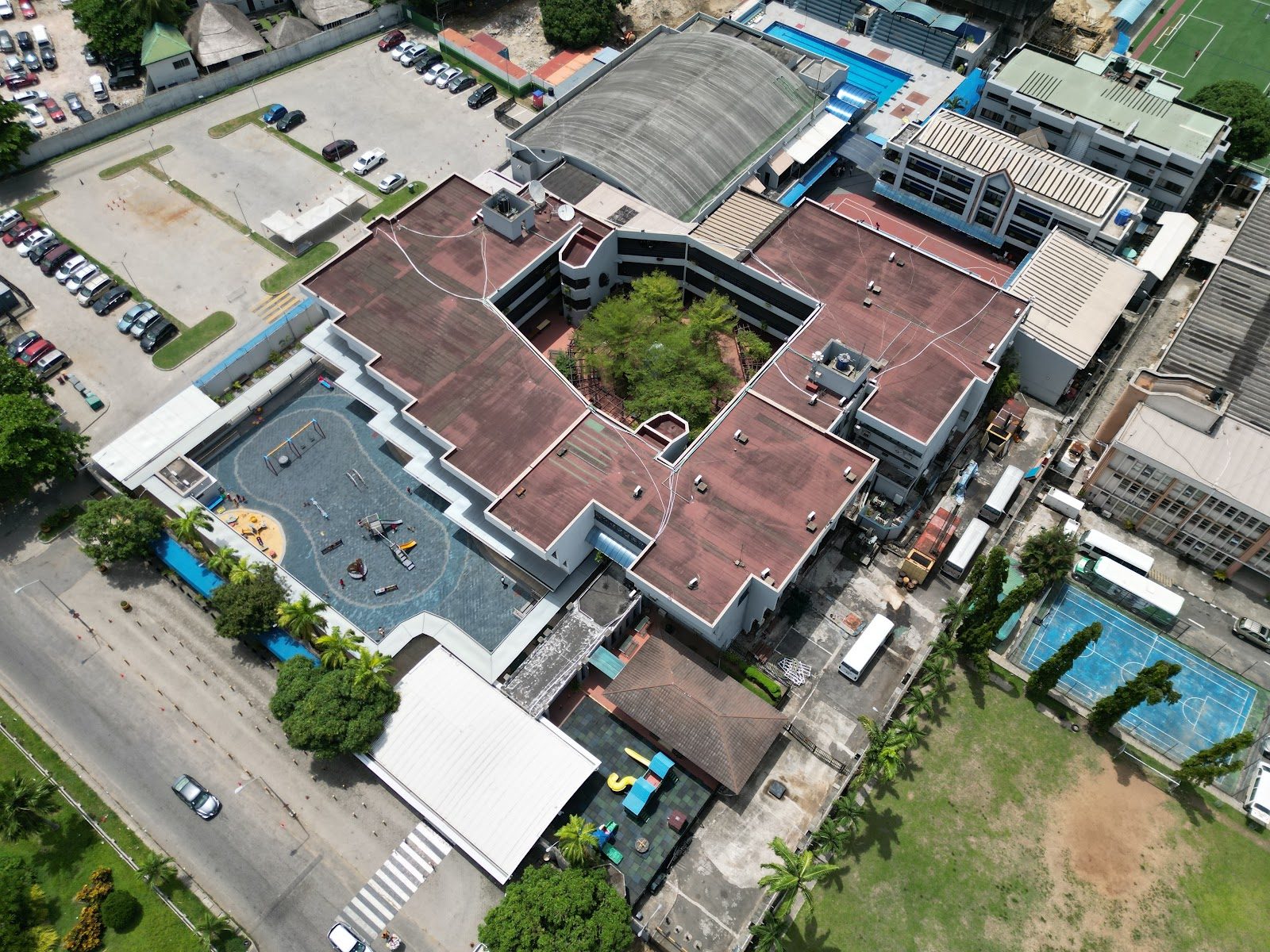
American International School of Lagos
Lagos · Nigeria
On Victoria Island since 1964, where Shell, ExxonMobil and Chevron reserve seats on the board overseeing dual American-IB diplomas.
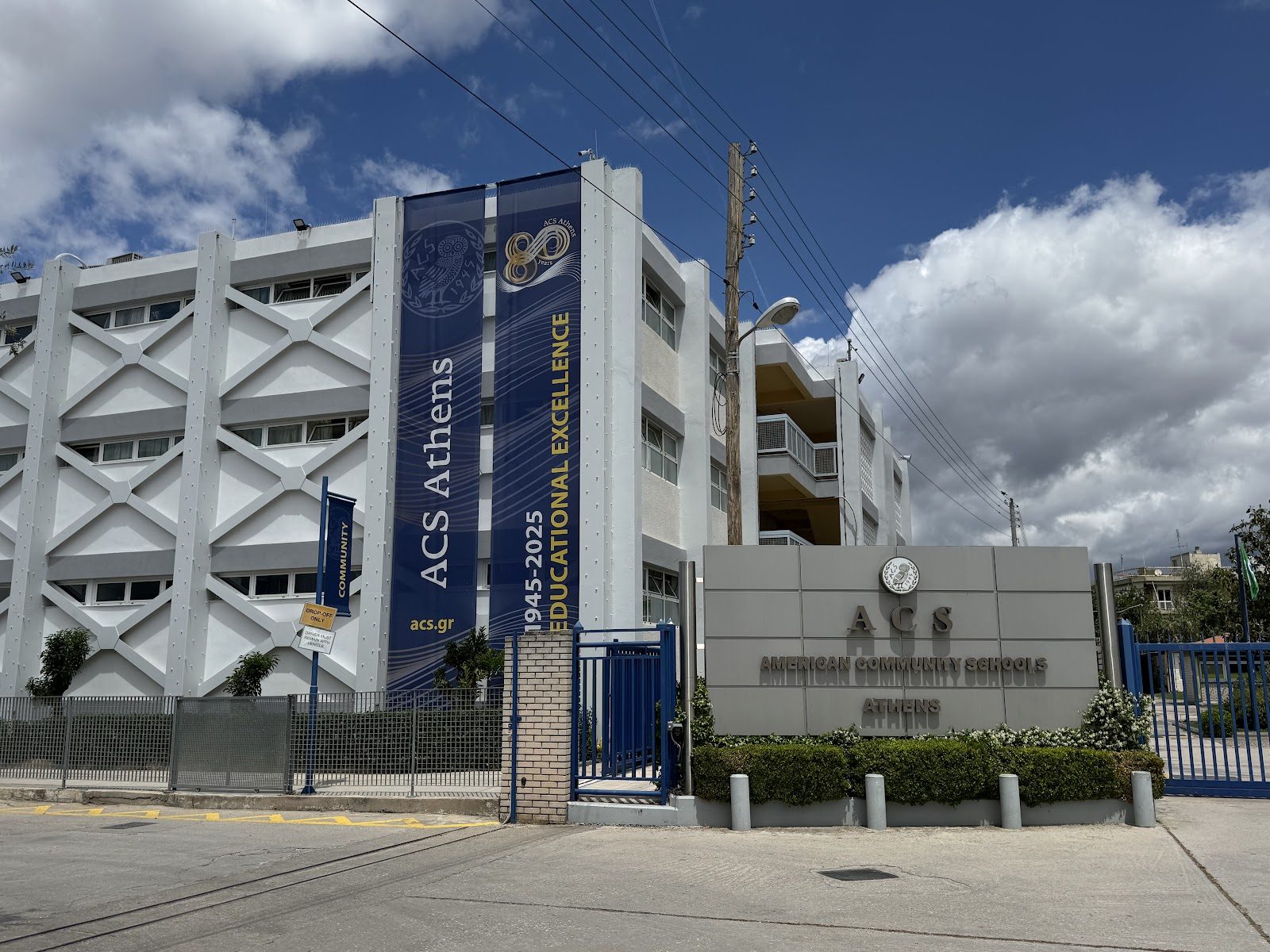
American Community Schools Athens
Athens · Greece
Introduced Greece's first IB Diploma Programme in 1976, pairing American rigor with an Athenian hillside campus.
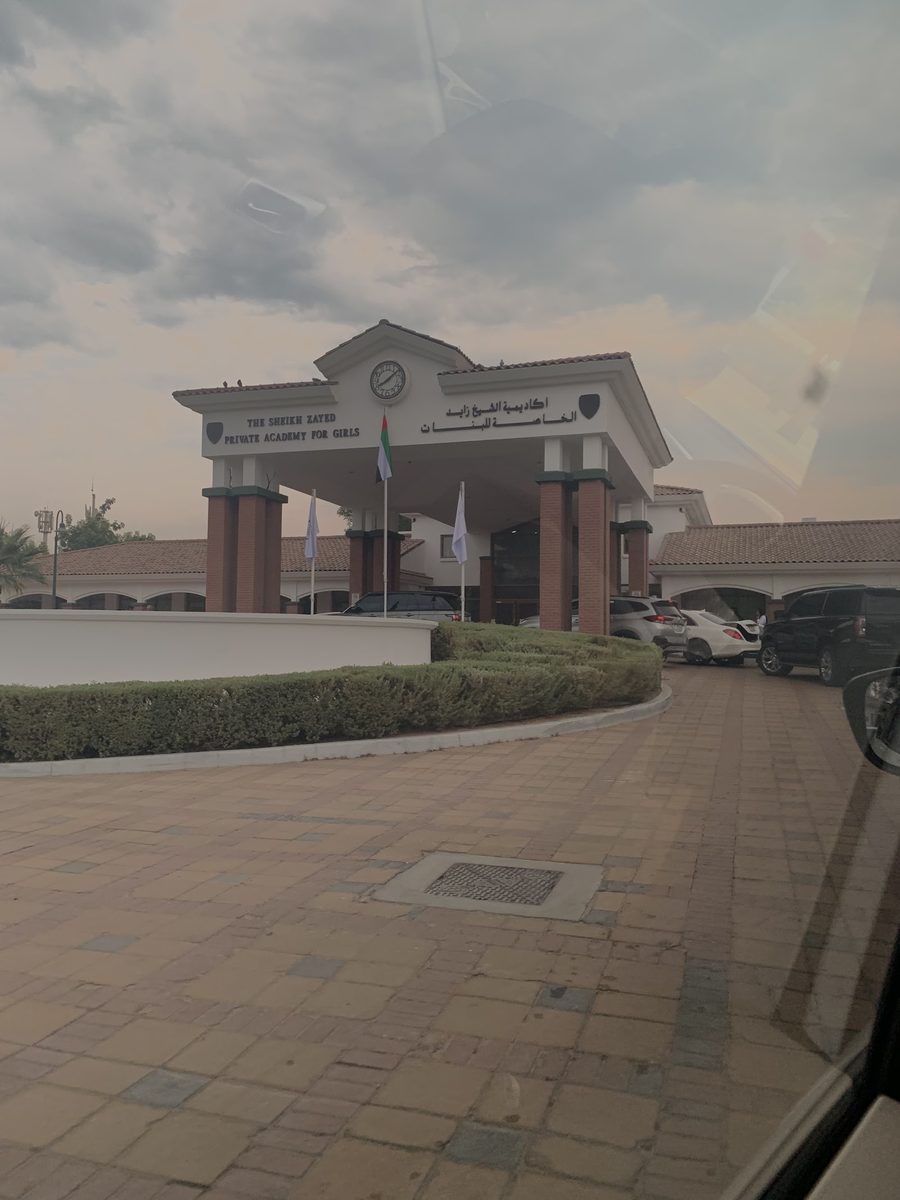
The Sheikh Zayed Private Academy for Girls
Abu Dhabi · United Arab Emirates
Massachusetts Common Core meets Emirati heritage, holding the sole top ADEK rating among Abu Dhabi's American-curriculum schools.
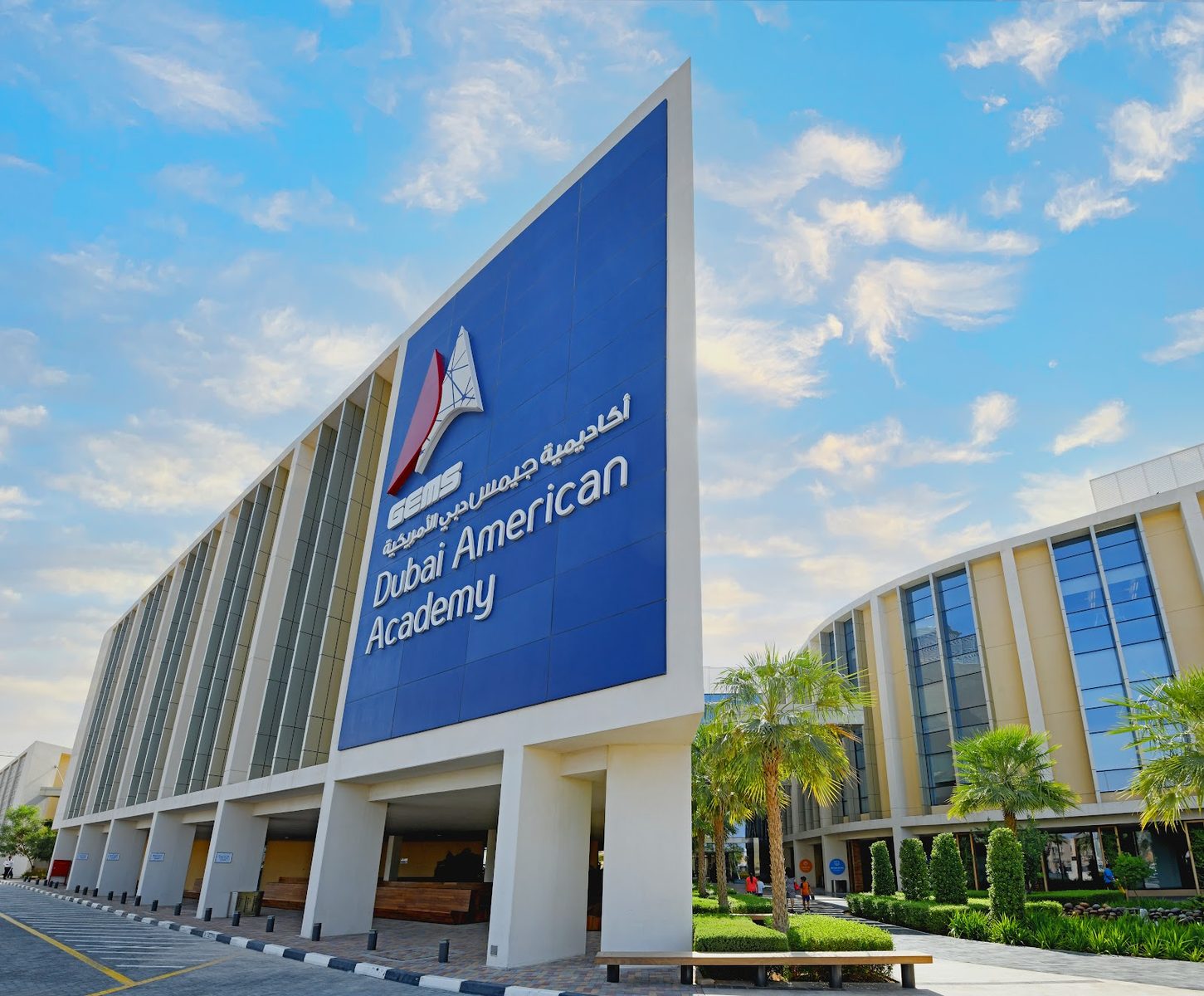
GEMS Dubai American Academy
Dubai · United Arab Emirates
The only American-curriculum school in Dubai to hold KHDA's Outstanding rating in every inspection since 2011, running US diplomas alongside the IB.
Same country and curriculum — closest matches within ±10 points either way