
Hyogo Prefecture
Canadian Academy
high confidence· 5/6 cats · 3.08 avg sourcesOn a man-made island in Kobe, a century-old boarding tradition dating to 1929 anchors a full IB continuum since 1980.
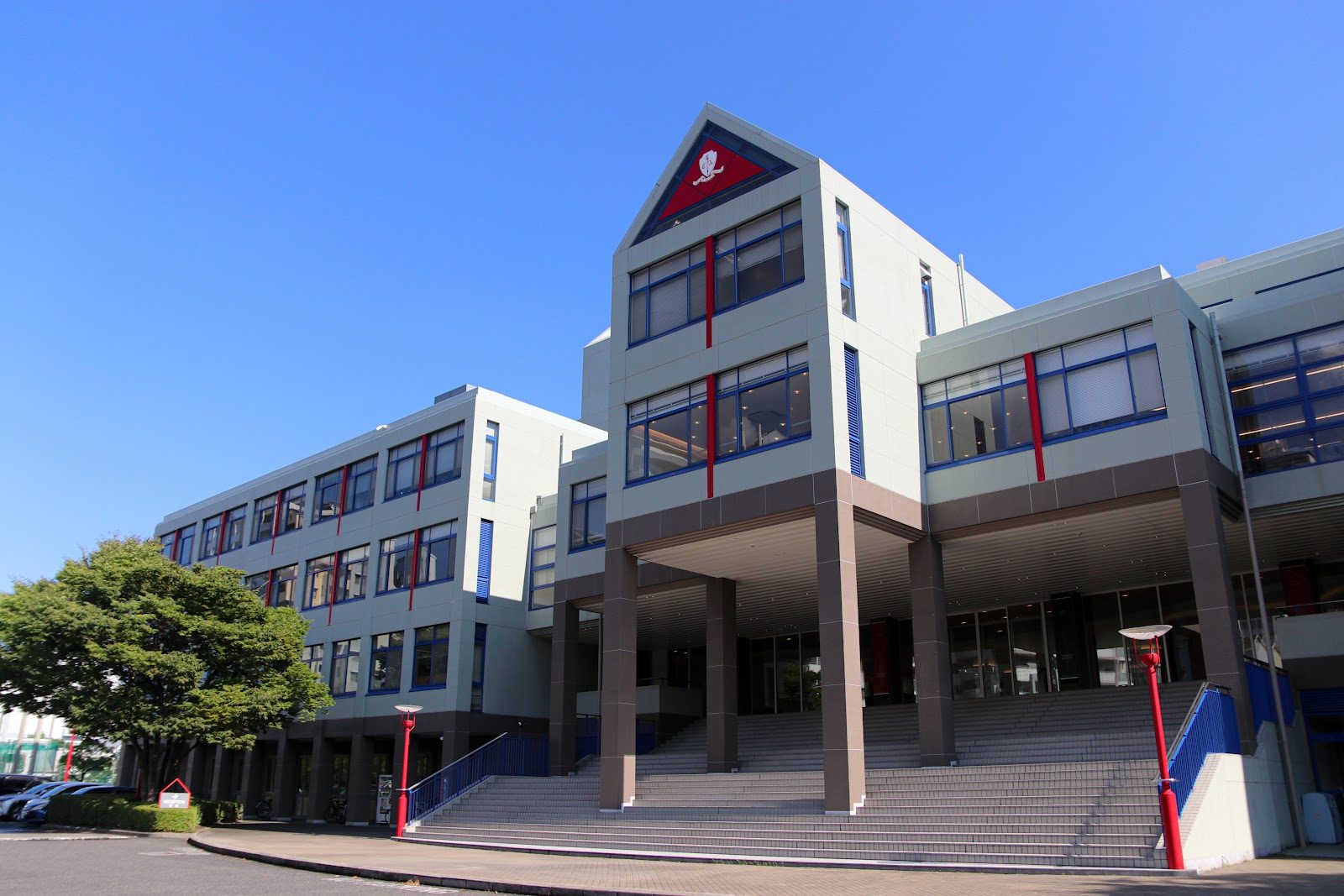
Photo © Canadian Academy カナディアンアカデミー via Google Maps
Type
Day
Ages
11–18
Curriculum
American · IB
Ratio
1:8
The Verdict
Editor's commitment
Right for
Families wanting a full American and IB route in English at a CIS-, WASC- and IB-accredited Kobe school with a 1:8 ratio.
Wrong for
Parents wanting primary years, Japanese-medium teaching or a cheap option: this is 11–18 only, and average day fees are JPY 2,883,333.
Watch out for
The 1913 heritage and island campus carry weight, but outcomes published here are thin: recent named destinations top out at Imperial, Durham and Lancaster.
Ranking breakdown
Canadian Academy · # of 1591
Composite score 68.3. 8 weighted criteria.
By criterion
Academic Outcomes
Weight 20%
#667
of 1529 scored
University Placement
Weight 16%
#649
of 1529 scored
Prestige & Heritage
Weight 12%
#678
of 1571 scored
Alumni Network
Weight 12%
#427
of 1530 scored
Facilities
Weight 12%
#654
of 1534 scored
Transparency & Communications
Weight 8%
#722
of 1532 scored
Peer & Industry Review
Weight 10%
#640
of 1548 scored
Admissions Selectivity & Demand
Weight 8%
#489
of 1529 scored
Score history
Canadian Academy · 2026
Movement across 2024–2026. Peer average overlaid.
Overall — 2024–2026
68.3/ 100
▲ +28.1 vs 2025
year on year
Peer & Industry Review
How Canadian Academy is regarded in the sector
62
Respected · medium confidence
Canadian Academy is consistently identified in expat and relocation guides (e.g. Internations, expat parent forums, ECIS/CIS accreditation directories) as one of the leading international schools in the Kansai/Kobe-Osaka region and one of Japan's oldest IB World Schools, alongside ASIJ, YIS and Nishimachi. It lacks coverage in global prestige rankings like Tatler or Good Schools Guide, which rarely cover Japan, but is a recognized, long-established name in Council of International Schools (CIS) and WASC accreditation listings and regional 'best international schools in Japan' round-ups.
Evidence sources
Editors' overview
Canadian Academy sits on a man-made island in Kobe and trades on a combination that few schools can match cleanly: a school founded in 1913, a boarding tradition that reaches back to 1929, and a full IB continuum in place since 1980. That mix matters. Plenty of international schools offer the IB; far fewer pair it with real institutional age and a settled boarding culture. The school’s declared academic shape is American plus IB, taught in English, and its accreditations — CIS, WASC and IB World School status — give it the external validation serious international parents look for. The 1:8 student-teacher ratio points to a school with scope for close adult attention rather than mass-market scale.
What puts Canadian Academy on a shortlist is not flash. It is institutional depth, a genuinely international setting, and the fact that it covers the full secondary span from 11 to 18 with both day and boarding access in a city that draws globally mobile families without the overload of Tokyo. The average annual day fee is 2,883,333 JPY, with boarding averaging 3,500,000 JPY across the years the school covers: expensive, but not absurd by the standards of established international boarding schools in Japan. Recent university destinations include Imperial College London, Durham and Lancaster. That is a useful signal, though not a complete outcomes picture; the school does not publish a broader destinations breakdown here, and parents should ask for depth across the full graduating cohort rather than rely on a few named placements.
The pupil who will get the most from Canadian Academy is one who wants structure without stiffness. This is not the obvious choice for families chasing a narrow exam-factory culture or a prestige script built around published league-table style outcomes. It suits internationally minded students who value continuity, community and access to both academic and creative opportunities inside an English-medium environment. Boarders, in particular, get something harder to manufacture than new facilities or polished branding: a school with a long memory of how to house, guide and absorb adolescents from different places. For the right child, that counts for more than spectacle.
Academic Performance
Canadian Academy gives parents a mixed academic picture: credible qualifications, but thin public proof. The school is authorised to award both the IB and a U.S. high school diploma, which places it in a cohort of established international schools serving mobile families who want portability at graduation. What it does not do, at least publicly, is publish the hard scoreboard serious parents now expect: no aggregate IB averages, no pass-rate series, no subject-level breakdowns, no distribution of top scores, and no full university destinations list. That matters. In a market where stronger schools increasingly put outcomes in plain view, this level of opacity leaves Canadian Academy harder to rank with confidence against top-tier competitors in Japan and across Asia.
The signals that are available point to a school with real academic substance rather than an exam factory. Recent named destinations include 2 offers to Imperial and smaller counts to Durham and Lancaster: respectable, but too narrow a sample to stand as a verdict on cohort-wide performance. The school’s own emphasis on questioning, research, collaboration and independent learning fits the profile of an IB school that values intellectual formation over relentless score-broadcasting. That has merit, but parents should not confuse good educational instincts with proven elite outcomes. Relative to peers, Canadian Academy sits in the group of long-established international schools with credible academic intent and an incomplete public results record.
Facilities
Canadian Academy’s most important facility is the campus itself: all divisions sit together on Rokkō Island, which gives the school a self-contained footprint that many urban international schools cannot match. For secondary pupils, that matters less as a scenic talking point than as a practical one. A single campus allows smoother access to specialist rooms, performance spaces, sports provision and shared communal areas without the fragmentation that weakens a lot of city schools spread across converted buildings or split sites. The school also pushes STEM, music and volleyball strongly in its parent and student testimonies, which points to facilities that support laboratory work, the arts and indoor sport at a usable standard rather than as decorative add-ons. The school’s annual International Food Fair, with participation from 28 countries, also hints at the sort of communal space needed to host large cross-school events properly.
Against peers, the picture is solid rather than showpiece-driven. Canadian Academy does not sell itself through headline architecture, mega-theatres or arena-scale sports complexes, and that restraint is no bad thing. Many established international schools in Japan operate with competent but unspectacular physical plant; CA fits that bracket, though its island campus gives it a cleaner sense of place than many competitors. The strength here is coherence and day-to-day usability, not glossy spectacle. What we have not seen is a detailed public inventory of specialist facilities, so parents comparing it with the top end of the regional market should ask directly about science labs, design spaces, performance venues and boarding-related provision.
The pupil who will get the most from Canadian Academy is one who wants structure without stiffness
Prestige
Canadian Academy carries real prestige, but it is a specific kind of prestige. This is not a school that dominates by blasting out scorecards, celebrity branding or a conveyor belt of Oxbridge and Ivy placements. Its standing rests on endurance, reputation within the international community, and the confidence that comes from a school with a long institutional memory. The not-for-profit structure helps here: parents read it as a school built to last, not a commercial operation chasing rapid expansion. The alumni network also strengthens the case. 12 notable alumni catalogued in Wikidata is not a trivial footprint for a school of this type, and the spread across science, film and music points to a culture that produces interesting adults, not just compliant applicants.
That said, Canadian Academy sits in the respected rather than rarefied tier. The recent named university destinations are solid, not dazzling, and the school does not publish the kind of outcomes data that would justify placing it among Asia’s most academically formidable international schools. Its prestige is strongest with families who value community standing, continuity and a globally mobile peer group over raw admissions theatre. The location on Rokkō Island adds a degree of distinction, and the low staffing ratio — 1:8 — supports the impression of a school with serious adult attention. The verdict: *established, credible, internationally known* — but not an automatic status symbol outside international-school circles.
Canadian Academy gives parents a mixed academic picture: credible qualifications, but thin public proof
Communications
Canadian Academy communicates like a school that still believes in community rather than content churn. The public-facing site is clear, navigable and built around the practical actions parents need — apply, enquire, find learning platforms, reach helpful links — without burying essentials under slogans. It also gives a concrete sense of parent life through coffee mornings, parent information sessions, PTA activity and major community events. That matters because communications at internationally mobile schools do two jobs at once: they deliver information and they tell new families how easy it will be to plug in. On that front, CA is competent, warm and deliberately inclusive. The reference to an International Food Fair involving 28 countries adds useful specificity; this is not generic talk about diversity with nothing underneath.
The weakness is that the school communicates culture better than performance. Parents get a strong read on belonging, teacher access and community participation, but a weaker one on hard academic accountability. We have not seen the kind of published results data, destination depth or programme-level detail that would turn good feeling into full institutional transparency. That gap limits confidence for families making a high-cost decision, especially at average annual fees of 2,883,333 JPY for day pupils and 3,500,000 JPY with boarding. The verdict: human-scale and reassuring in day-to-day tone, but not rigorous enough where evidence-minded parents want sharper disclosure.
Uniqueness
What marks Canadian Academy off from many international schools is the combination of institutional age and a settled international culture without the social frost that old schools can acquire. The school has occupied a place in Kobe’s expatriate and internationally minded community for generations, and that continuity gives students something concrete: routines that have been tested, a community that knows how to absorb newcomers, and an alumni network with real breadth. The campus setting on a man-made island sharpens that identity. It creates a self-contained world with a clearer boundary between school life and city life than families get at many urban schools, which helps adolescents build independence without being left to drift.
The other distinctive feature is the school’s social composition. Parent testimony points to a community that takes belonging seriously, while school events such as an international food fair representing 28 countries put hard detail behind the diversity claim. That kind of mix does more than decorate prospectuses. It gives students daily practice in reading different cultures, handling disagreement, and forming friendships across national lines — skills that matter as much in university life as in adulthood. Add the school’s unusually close staffing pattern and you get a place that can feel genuinely known rather than administratively managed. For the right student, the result is cosmopolitan without being rootless, and structured without being cold.
Canadian Academy does not sell itself through headline architecture, mega-theatres or arena-scale sports complexes, and that restraint is no bad thing
Student Profile
Canadian Academy suits students who want an internationally mixed peer group without the social sprawl of a giant campus. Children who settle fast in transient communities, make friends across national lines and can handle classmates arriving and leaving with family moves will do well here. The school’s community life matters: pupils who enjoy shared events, visible parent involvement and regular adult contact fit the grain of the place. The low staffing ratio of 1:8 points to a school where students are known, noticed and expected to engage. Quiet, self-contained children can thrive too, but they need to tolerate a setting with a strong communal pulse rather than anonymous independence.
The best fit is a student with independent habits and a broad-gauge definition of success. This is not the obvious environment for the child who wants a hard-edged hothouse built around public scoreboards, nor for families chasing a socially grand scene. It fits pupils who value academic seriousness alongside music, sport, clubs and the wider life of a school. The international mix is not cosmetic: the school’s own community events draw representation from 28 countries, so students need curiosity, tact and some resilience. Boarders and day pupils alike need to be comfortable in a school where belonging is taken seriously and where personal warmth carries real weight. For adaptable, open-minded adolescents, that culture is a strength; for status-driven or hyper-competitive pupils, it is a mismatch.
Canadian Academy carries real prestige, but it is a specific kind of prestige
Co-curricular strengths
Arts & sport, on a separate axis
Overall 8.5/10
Scored 0-10 from the school's own published evidence. This axis is editorial-only — it does not feed the main WTS ranking.
Sports
8.8/10
Multiple sports—basketball, soccer, volleyball, tennis and swimming—showing a solid multi-sport extracurricular offering, but gives no facilities, staff, fixtures or results.
Drama
8.5/10
Drama appears explicitly in the extracurricular list, but only as a bare listing.
Dance
8.2/10
Music
8.5/10
Choir is offered, which supports a basic named music offering, but there is no further detail on ensembles, facilities or staff.
Visual Arts
8.5/10
Editor first-pass · editor-reviewable · 7/28/2026
Outcomes & destinations
Where students go next
Top destinations
197 placements
- Durham University· 1
- Imperial College London· 2
- Lancaster University· 3
- Newcastle University· 1
- Oxford Brookes University· 1
- The University of Edinburgh· 2
- University of Bath· 1
- University of Manchester· 1
- University of Oxford· 1
- University of Stirling· 1
- University of Sussex· 1
- University of the Arts London· 2
- University of Warwick· 3
- Charles University in Prague· 1
- Aalto University· 1
- Ecole Polytechnique· 1
- IESEG School of Management· 1
- Istituto Marangoni· 1
- Maastricht University· 1
- Tilburg University· 1
- University of Amsterdam· 1
- Vrije Universiteit Amsterdam· 1
- EU Business School - Barcelona· 1
- IE University - Segovia Campus· 3
- Lund University· 1
- Les Roches Schools of Hotel Management· 1
- New York University Abu Dhabi· 1
- American University· 1
- Art Center College of Design· 2
- Babson College· 2
- Berklee College of Music· 1
- Boston College· 1
- Boston University· 3
- Brigham Young University· 1
- Bryant University· 1
- California Lutheran University· 2
- California Polytechnic State University - San Luis Obispo· 1
- Carnegie Mellon University· 1
- Chapman University· 3
- Davidson College· 1
- Columbia University· 1
- Emerson College· 1
- Georgia Institute of Technology· 1
- Grand Canyon University· 1
- Hofstra University· 1
- Loyola Marymount University· 1
- The University of Texas at Dallas· 1
- University of Illinois Urbana-Champaign· 1
- The New School· 1
- New York University· 2
- Northeastern University· 3
- Ohio State University· 1
- Orange Coast College· 1
- Pennsylvania State University - Main Campus· 3
- Rollins College· 1
- Purdue University· 1
- Ringling College of Art and Design· 1
- San Diego State University· 1
- School of the Art Institute of Chicago· 2
- Syracuse University· 1
- Texas A & M University - College Station· 1
- University of California - Berkeley· 1
- University of California - Los Angeles· 1
- University of California - San Diego· 4
- University of California - Santa Cruz· 1
- University of Michigan - Ann Arbor· 3
- University of Pittsburgh· 1
- University of South Florida· 1
- University of Southern California· 3
- University of Washington - Seattle Campus· 3
- Vanderbilt University· 1
- McGill University· 5
- McMaster University· 1
- Queen’s University· 1
- Simon Fraser University· 2
- The University of British Columbia· 10
- Toronto Metropolitan University· 1
- University of Toronto· 10
- University of Victoria· 2
- The University of Sydney· 1
- Western Sydney University· 1
- Jinan University· 1
- Tongji University· 1
- University of Hong Kong· 3
- Ateneo de Manila University· 1
- Enderun Colleges· 1
- Nanyang Technological University· 1
- National University of Singapore· 2
- Hanyang University· 1
- Korea Advanced Institute of Science and Technology· 1
- Yonsei University· 3
- Tamkang University· 1
- Doshisha University· 2
- Hosei University· 1
- International Christian University· 7
- Keio University· 3
- Keio University Shonan Fujisawa Campus· 2
- Kwansei Gakuin University· 2
- Kyushu Institute of Technology· 1
- Kyushu University· 1
- Nagoya University· 1
- Nagoya University of Commerce and Business· 1
- Okayama University· 2
- Osaka University· 2
- Ritsumeikan Asia Pacific University· 1
- Ritsumeikan University· 1
- Sophia University· 5
- Temple University, Japan Campus· 4
- Toho University· 1
- Tohoku University· 1
- Waseda University· 7
Reported by the school. Confirm with admissions.
Notable alumni · Wikidata
12notable alumni
1 historic (born pre-1930) · 5 modern (born post-1970)wikidata:2026-07-28 How we source this
Strengths
- +PreK–12 pathway on one Kobe campus
- +Offers both American and IB curricula
- +Day and boarding options from one school
- +Operating since 1913, with long institutional continuity
Considerations
- −Boarding details are not published here
- −American and IB mix may not suit all families
- −Website gives no fees or accreditation details
Availability
Primary entry gate & tests
Academic Record
Gallery
Photo © Canadian Academy カナディアンアカデミー via Google Maps
Photo © Canadian Academy カナディアンアカデミー via Google Maps
Photo © Canadian Academy カナディアンアカデミー via Google Maps
Photo © Canadian Academy カナディアンアカデミー via Google Maps
Photo © ろくあいびより via Google Maps
Photo © Junwoo Cho via Google Maps
Photo © William Hung via Google Maps
Photo © WingHong Law via Google Maps
Photo © Canadian Academy カナディアンアカデミー via Google Maps
Parent reviews
Have you sent your child here?
Voice reviews carry the strongest trust badge — we transcribe them for you to tidy up before they go live. Prefer to type? A written review is fine too.
Add your voice
In 60 seconds, tell other parents: what's the best thing about Canadian Academy, and what surprised you when your child joined?
We ask for a Google sign-in so every review has a real face behind it — no anonymous drive-by attacks on schools, and no faked positive reviews. Your email is never shown publicly.
Send this profile to a friend
International parents rely on word-of-mouth. Share this review with someone weighing the same decision.
Schools with places
Similar schools to Canadian Academy with places available now.
Availability first, then country, area, curriculum, price, co-curricular
Consider also
Also worth looking at alongside Canadian Academy.
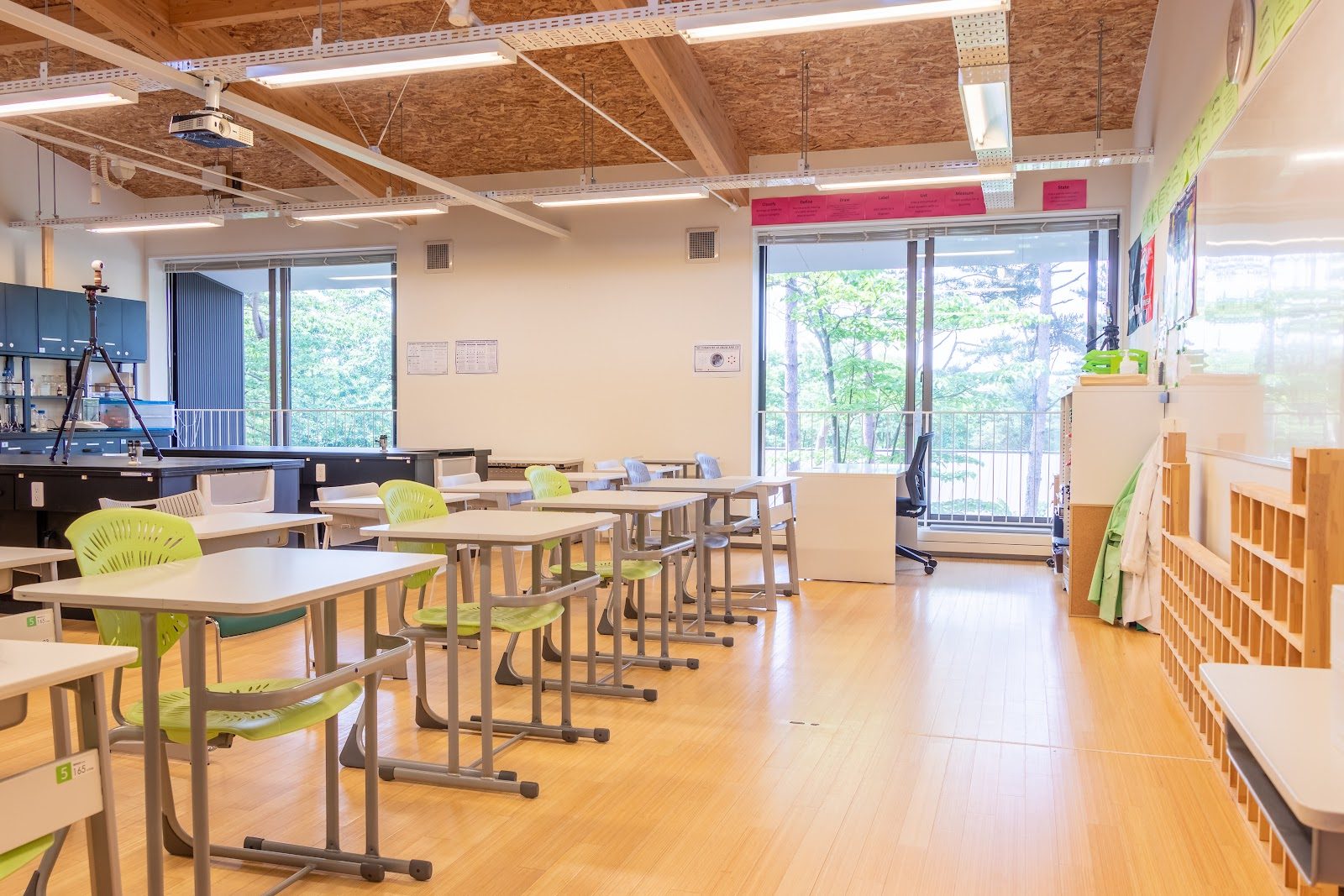
UWC ISAK Japan
Karuizawa · Japan
Japan's only UWC campus, tucked on Mount Asama, where seven in ten students study on need-based scholarship.
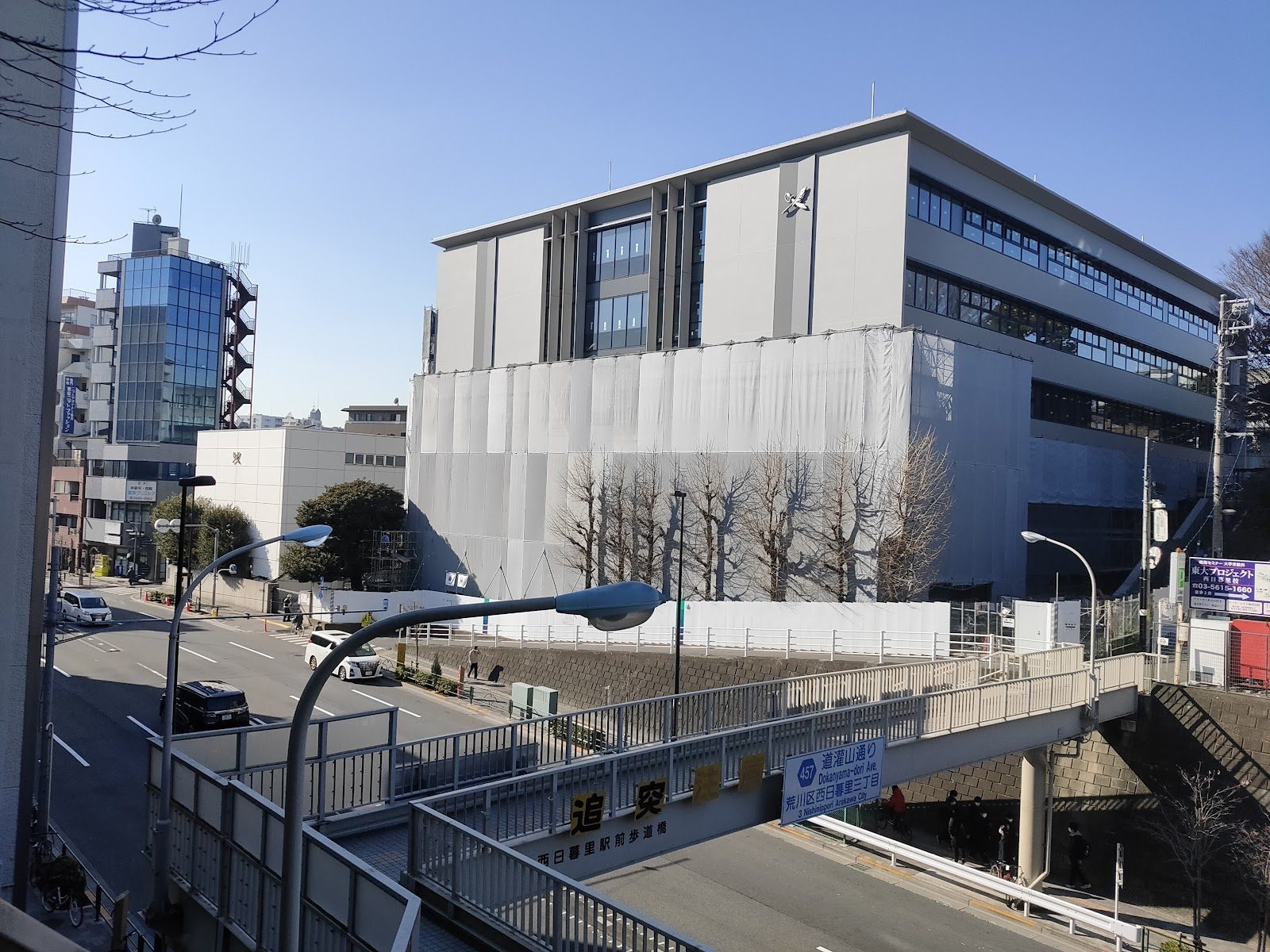
Kaisei Academy
Tokyo · Japan
An 1871 all-boys day school in one of Tokyo's densest wards, a perennial University of Tokyo feeder now adding IB and AP tracks abroad.
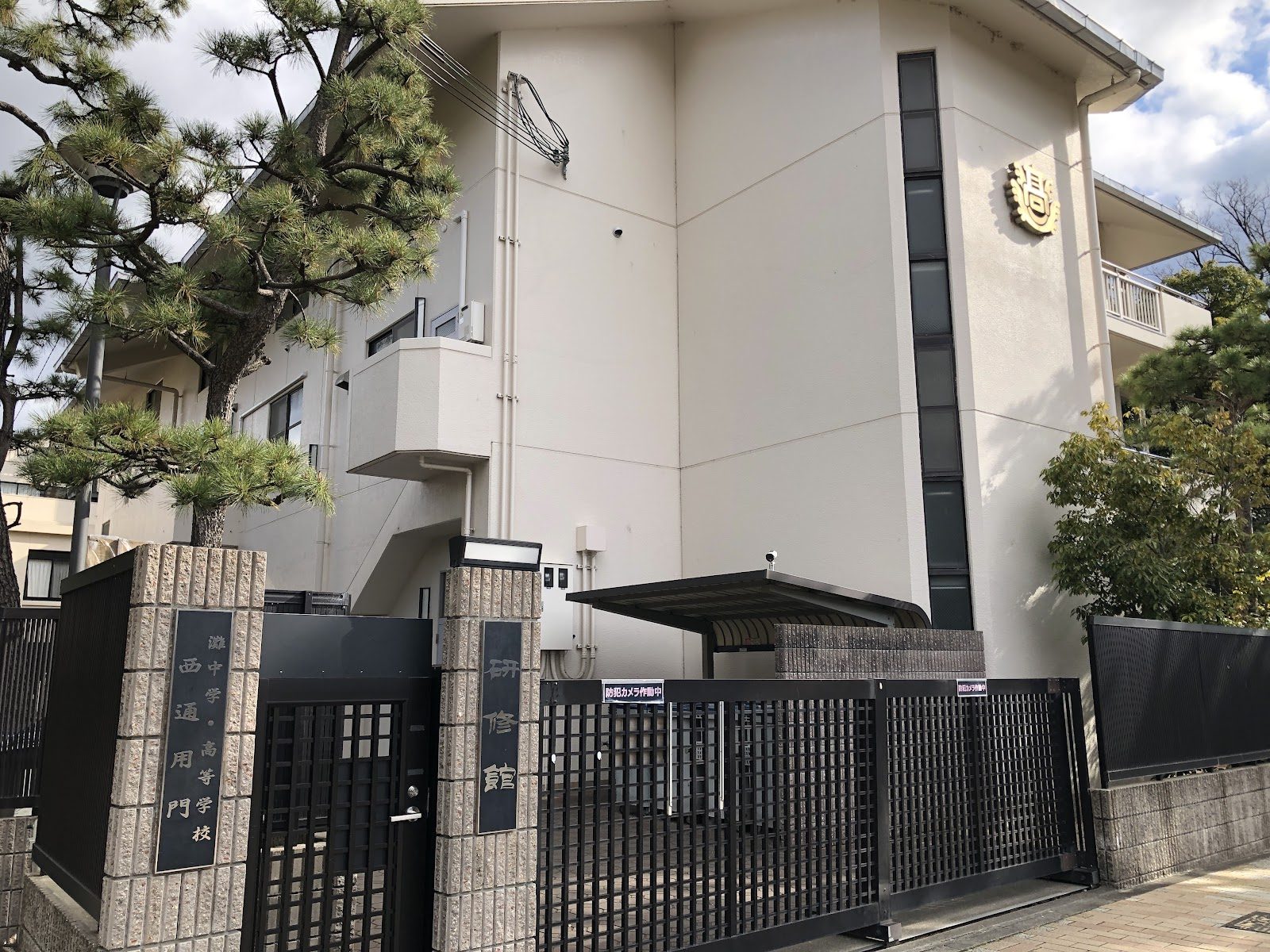
Nada High School
Kobe · Japan
Founded by Kobe sake brewers with judo's creator as an advisor, this uniform-free campus channels students straight into Tokyo and Kyoto University.
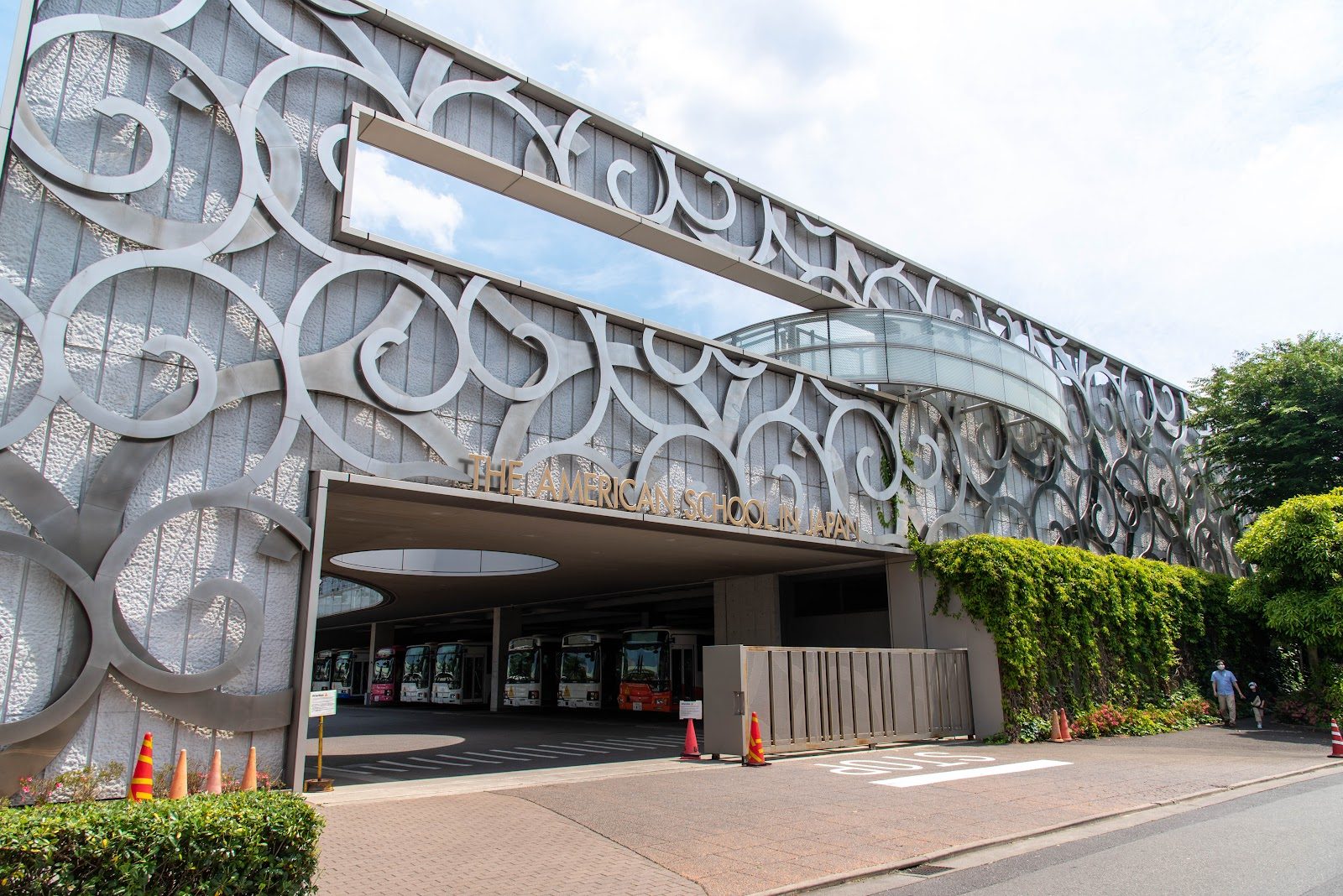
The American School in Japan
Tokyo · Japan
Rooted in Chofu since 1902, its early campus plans once drew sketches from Frank Lloyd Wright himself.
Same country and curriculum — closest matches within ±10 points either way