
Abu Dhabi
The Sheikh Zayed Private Academy for Girls
medium confidence· 4/6 cats · 2.5 avg sourcesMassachusetts Common Core meets Emirati heritage, holding the sole top ADEK rating among Abu Dhabi's American-curriculum schools.
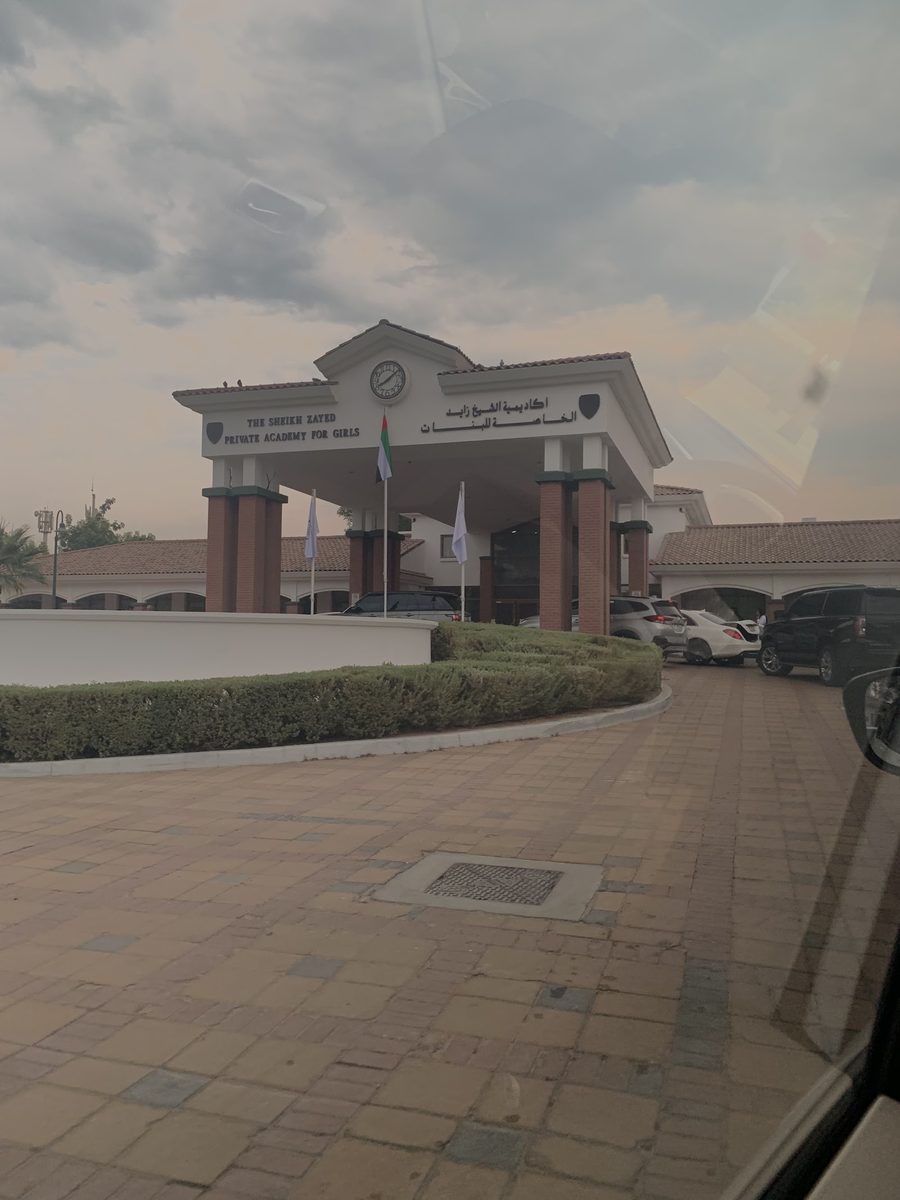
Photo © A A via Google Maps
Type
Day
Ages
3–18
Curriculum
American
Qualifications
US High School Diploma · AP
Ratio
10:1
The Verdict
Editor's commitment
Right for
Families wanting an American curriculum with Emirati grounding, backed by ADEK’s sole Outstanding rating among Abu Dhabi’s American schools.
Wrong for
Parents chasing bargain fees, co-education or boarding: this is a girls-only day school, averaging AED 56,421 a year.
Watch out for
NEASC, CIS and a 10:1 ratio signal quality, but high-performing girls still need a culture that fits beyond credentials.
Ranking breakdown
The Sheikh Zayed Private Academy for Girls · # of 1591
Composite score 68.3. 8 weighted criteria.
By criterion
Academic Outcomes
Weight 20%
#449
of 1529 scored
University Placement
Weight 16%
#516
of 1529 scored
Prestige & Heritage
Weight 12%
#805
of 1571 scored
Alumni Network
Weight 12%
#791
of 1530 scored
Facilities
Weight 12%
#172
of 1534 scored
Transparency & Communications
Weight 8%
#288
of 1532 scored
Peer & Industry Review
Weight 10%
#640
of 1548 scored
Admissions Selectivity & Demand
Weight 8%
#1123
of 1529 scored
Peer & Industry Review
How The Sheikh Zayed Private Academy for Girls is regarded in the sector
78
Strong · high confidence
Sheikh Zayed Private Academy for Girls carries some of the strongest institutional prestige of any all-girls school in Abu Dhabi, with WhichSchoolAdvisor calling it "probably one of the most prestigious schools in Abu Dhabi" and noting its pull among the daughters of the capital's most important families. SchoolsCompared's Abu Dhabi American-curriculum rankings place it firmly in the city's top tier, describing it as a "large, confident, all-through girls' school" that has been elevated further by its Outstanding ADEK rating. Both trackers have followed its inspection trajectory closely, from three consecutive Very Good verdicts through to the more recent Outstanding grading, evidence of a school that peers and inspectors treat as a genuine benchmark rather than a marketing story. The one caveat flagged by SchoolsCompared is softer external benchmark performance in some MAP strands, a reminder that reputation here rests more on prestige and structure than uniformly flawless data.
Evidence sources
Editors' overview
The Sheikh Zayed Private Academy for Girls occupies a rare slot in Abu Dhabi: an American-curriculum school with an unusually strong local identity and the regulator’s highest verdict. Its 2023/24 ADEK rating is Outstanding, and that matters more here than branding language or campus gloss. The school teaches in English and Arabic, serves girls aged 3 to 18, and pairs Massachusetts Common Core with Emirati heritage in a way that gives it a sharper profile than the generic “US curriculum in the Gulf” offer. Add NEASC and CIS accreditation, and the academic framework has external scrutiny as well as local approval.
The numbers reinforce the point. A 10:1 student-teacher ratio is strong for a full-through school, and it gives the academy room to deliver a more attentive, structured experience than many larger-volume operators. The average annual day fee across the full age range is AED 56,421, which places it in the upper-middle to premium bracket without pushing into the most expensive tier of Abu Dhabi’s private-school market. That combination — top ADEK rating, recognised accreditations, and fees below the city’s costliest names — gives the school a serious competitive edge. Parents paying close attention to value rather than theatre will notice it.
What is special here is not novelty; it is coherence. This is a girls’ day school, founded in 2009, with a clear brief and a defined audience. Families who want an American curriculum but do not want a culturally thin import will find a more grounded proposition here. Families who care about inspection outcomes will also find something concrete: among Abu Dhabi’s American schools, an Outstanding ADEK grade is a hard claim, not a soft aspiration. The school belongs on a shortlist for parents who want academic structure, strong oversight, and a setting built expressly for girls rather than adapted as an afterthought.
The pupil who will want this school is the one who thrives in a focused, well-supervised environment and does not need the social mix of a co-educational campus to flourish. It suits ambitious girls and families who want clear standards, bilingual exposure, and a school identity tied to Abu Dhabi rather than borrowed wholesale from abroad. It is less compelling for parents chasing a British curriculum, a boarding option, or a deliberately loose, progressive atmosphere. For the right family, though, this is a high-functioning and distinctive choice.
Academic Performance
The school’s academic case rests more on external oversight than on published exam transparency. Its regulator has given it the top grade in the local system, which carries real weight in Abu Dhabi and places it in a small, serious cohort of schools that clear that bar. That verdict matters because many American schools in the emirate operate with far less distinction in inspection. It tells parents that teaching quality, student progress, leadership and safeguarding have all met a demanding standard. What it does not do is replace hard outcome data. The school does not publish aggregate AP, SAT or university-destination figures in the public domain, and that leaves a clear gap in the academic picture.
Relative to peers, that makes the academy strong on regulatory validation and weaker on public-facing results disclosure. Some rival American schools in Abu Dhabi put headline exam scores and destination lists front and centre; this one does not. Parents who rank transparency on outcomes as highly as inspection grades will notice that absence. Parents who trust the regulator’s judgement more than selective school marketing will read the position differently. The balance of evidence still places the school in the city’s top academic tier for its segment, but with a caveat: its standing rests on inspection strength and institutional quality controls, not on a published stream of headline exam numbers.
Facilities
The school’s facilities matter because they support a tightly defined brief rather than a sprawling all-things-to-all-families offer. The standout asset is the scale of access implied by its 10:1 staffing ratio: in practice, that points to teaching spaces, specialist rooms and student support set up for close supervision and orderly use, not the crowded churn that weakens many mid-market campuses. As a girls’ school running from the early years through sixth form, it also needs a full spread of age-appropriate provision across science, arts, sport and social spaces. That is the baseline in this fee bracket, not a luxury. Against peer American schools in Abu Dhabi, the academy’s edge lies less in headline architecture and more in a disciplined, purpose-built feel aligned to its educational model.
There is also a limit to how far parents can assess the estate from the public domain. The school does not publish a detailed facilities inventory with the granularity that top-tier competitors sometimes provide: no clear public breakdown of laboratories, performance venues, sports infrastructure or specialist innovation spaces. That weakens direct comparison with rivals that document every hall, studio and pitch. So the facilities case rests on institutional credibility rather than showroom effect. For some families, that will read as refreshingly serious. For others, it leaves too much unanswered. In peer terms, this is not a campus selling itself on flash; it competes on controlled environment, operational seriousness and the expectation that the physical setup is there to serve learning first.
The Sheikh Zayed Private Academy for Girls occupies a rare slot in Abu Dhabi: an American-curriculum school with an unusually strong local identity and the regulator’s highest verdict
Prestige
Prestige here comes from scrutiny and scarcity, not social flash. In Abu Dhabi’s American-school market, the academy sits in a rarefied bracket: it holds the regulator’s top judgement while many direct competitors do not. That matters more than polished branding or inflated claims about excellence. The school also benefits from a clear identity that carries weight with local families: a girls’ education rooted in Emirati culture rather than a generic imported model. For parents who value seriousness, order and institutional discipline, that gives the school real standing. The low 10:1 staffing ratio strengthens that impression. It signals a school built to teach closely, not just to fill classrooms efficiently.
Its prestige is therefore earned rather than theatrical. The average annual fee of AED 56,421 places it below the city’s most stratospheric names, which strips away any lazy equation of price with status. What lifts it is the combination of elite local inspection status, external accreditation, and a mission with sharper definition than the usual all-purpose American offering. There is one limit. The school does not publish the kind of headline exam and destinations data that cements unquestioned academic prestige in the eyes of globally mobile families. So this is not the most internationally conspicuous badge in the market. It is, instead, a high-status local choice with strong institutional credibility and less international trophy-display than some rivals.
That combination — top ADEK rating, recognised accreditations, and fees below the city’s costliest names — gives the school a serious competitive edge
Communications
Parent communication looks competent rather than expansive. The school’s public face gives families the essentials: term dates, admissions routes, contact points, leadership access and day-to-day school information sit where parents expect them. That matters in a market where some schools bury practical information under brand language. Here, the tone is more institutional than glossy, which suits a school built on order and oversight. The low staffing ratio also carries a practical implication: parents can expect a more direct line of sight between home and school than in high-volume campuses where communication gets lost in layers. The school does not flood the public domain with performance dashboards, published destination lists or a dense stream of news designed to manufacture buzz. That keeps the message clean, but it also narrows what prospective parents can verify independently.
For current families, that pattern points to communication that is strongest on operational clarity and weaker on public transparency. Schools with the regulator’s top grade do not get there with chaotic parent engagement; inspection strength depends in part on reliable systems, clear expectations and consistent follow-through. That gives this academy a serious presumption of competence in routine communication. The weaker point is strategic openness. Families who want regular public proof points on outcomes, enrichment and student destinations will find less than they get at some rival American schools. So the verdict is clear: communication here is disciplined, functional and credible, but not richly evidential. It serves enrolled families better than it courts undecided ones.
Uniqueness
What sets this academy apart is the way it welds a global school model to a clearly local centre of gravity. Plenty of schools in the Gulf add heritage as ceremony: a flag here, a national day there, Arabic cordoned off from the main academic engine. This school does something harder. It builds girls’ education around Emirati identity without reducing ambition or academic seriousness. That gives it a sharper cultural logic than the standard international-school template. For students, the gain is concrete: they do not have to choose between high expectations and belonging. They study in an environment where local values are not decorative, and where the school’s purpose is coherent rather than improvised.
The other point of difference is the combination of a girls-only setting with exceptional regulatory standing. In a market crowded with interchangeable American schools, that makes this academy distinctive in substance, not branding. The top inspection grade gives weight to the model; this is not a niche concept running on sentiment. For students, that mix can be powerful. Girls who work best without the noise and social posturing that co-educational settings can bring get a more focused, self-possessed environment in which leadership, participation and classroom voice are harder to surrender to others. The low 10:1 staffing ratio strengthens that advantage. So does the fee level: an average of AED 56,421 buys entry to a school with a very specific identity, not a generic premium campus with a borrowed story.
For the right family, though, this is a high-functioning and distinctive choice
Student Profile
This is a school for girls who work well within structure and do not need a campus built around display, looseness or social churn. The best fit is the student who likes clear expectations, close adult oversight and a culture where effort carries public weight. Ambitious pupils who want to speak up, take responsibility and compete on substance will find room here. So will girls from families who want education tied to local identity rather than detached from it. The all-girls setting matters: for many students, it creates a more focused daily rhythm, fewer performative distractions and a stronger sense that leadership is theirs to claim. The staffing profile — 10:1 — reinforces that by making anonymity harder and support easier to access.
The less natural fit is just as clear. Girls who want a free-form, highly experimental school culture, or who thrive on the social energy of co-education, will find this environment too tightly managed. The school suits families who respect authority, routine and institutional standards; it suits students who can handle being known well by staff and held to account. It also fits parents willing to pay a serious fee for that combination of supervision and status: the average annual cost sits at AED 56,421. In temperament, this is a school for the self-possessed, the diligent and the culturally anchored — not for families chasing fashionable looseness or campus theatre.
In Abu Dhabi’s American-school market, the academy sits in a rarefied bracket: it holds the regulator’s top judgement while many direct competitors do not
Co-curricular strengths
Arts & sport, on a separate axis
Overall 6.8/10
Scored 0-10 from the school's own published evidence. This axis is editorial-only — it does not feed the main WTS ranking.
Sports
7.8/10
Basketball, Volleyball and Swimming, showing multiple named sports with visible participation.
Drama
7.2/10
Theatre productions, and recurring named productions meet the 6-floor for notable strength even though no theatre facility or department is cited.
Dance
5/10
Music
6.8/10
School choir in the extracurriculars.
Visual Arts
7.2/10
Art club.
Editor-verified · 8/5/2026
Official inspection · Abu Dhabi
ADEK report · 2023/24
Official · ADEKInspectorate
Department of Education & Knowledge
Abu Dhabi's mandatory education regulator; Irtiqa'a six-standard framework.
Curriculum
American
Improved vs previous cycle
Full report
ADEK private-school directoryRating history
Strengths
- +Outstanding ADEK rating
- +American curriculum with regulator attestation
- +All-through provision covering ages 3–18
- +Bilingual English and Arabic instruction
- +Dual NEASC and CIS accreditation
Considerations
- −Day school only, with no boarding provision
- −Girls-only, so no coeducational option
- −Single-sex structure may not suit families wanting a socially mixed environment
Availability
Primary entry gate & tests
MAP / Internal Assessment (Girls)
Gallery
Photo © Mohammad Tanjied via Google Maps
Photo © Marsel Dzharkas via Google Maps
Parent reviews
Have you sent your child here?
Voice reviews carry the strongest trust badge — we transcribe them for you to tidy up before they go live. Prefer to type? A written review is fine too.
Add your voice
In 60 seconds, tell other parents: what's the best thing about The Sheikh Zayed Private Academy for Girls, and what surprised you when your child joined?
We ask for a Google sign-in so every review has a real face behind it — no anonymous drive-by attacks on schools, and no faked positive reviews. Your email is never shown publicly.
Send this profile to a friend
International parents rely on word-of-mouth. Share this review with someone weighing the same decision.
Schools with places
Similar schools to The Sheikh Zayed Private Academy for Girls with places available now.
American International School in Abu Dhabi
Abu Dhabi · United Arab Emirates
- 2026-27
- WAITPOOLSpace-dependent
- 2027-28
- WAITPOOL2027/28 timetable TBC
Emirates National Schools - Abu Dhabi Campus
Abu Dhabi · United Arab Emirates
- 2026-27
- PLACES OPENApps open / space-dependent
- 2027-28
- WAITPOOL2027/28 timetable TBC
Availability first, then country, area, curriculum, price, co-curricular
Consider also
Also worth looking at alongside The Sheikh Zayed Private Academy for Girls.
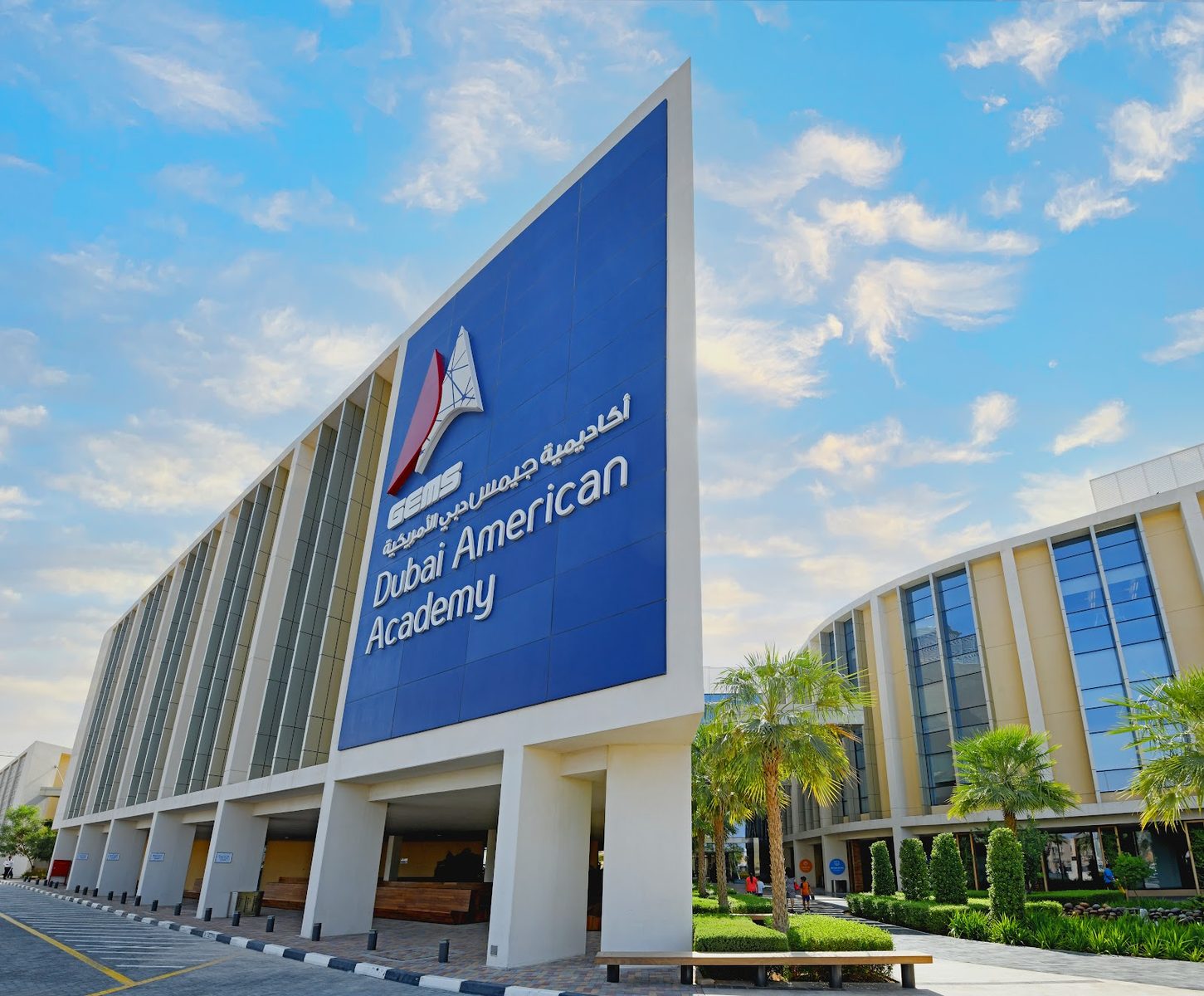
GEMS Dubai American Academy
Dubai · United Arab Emirates
The only American-curriculum school in Dubai to hold KHDA's Outstanding rating in every inspection since 2011, running US diplomas alongside the IB.
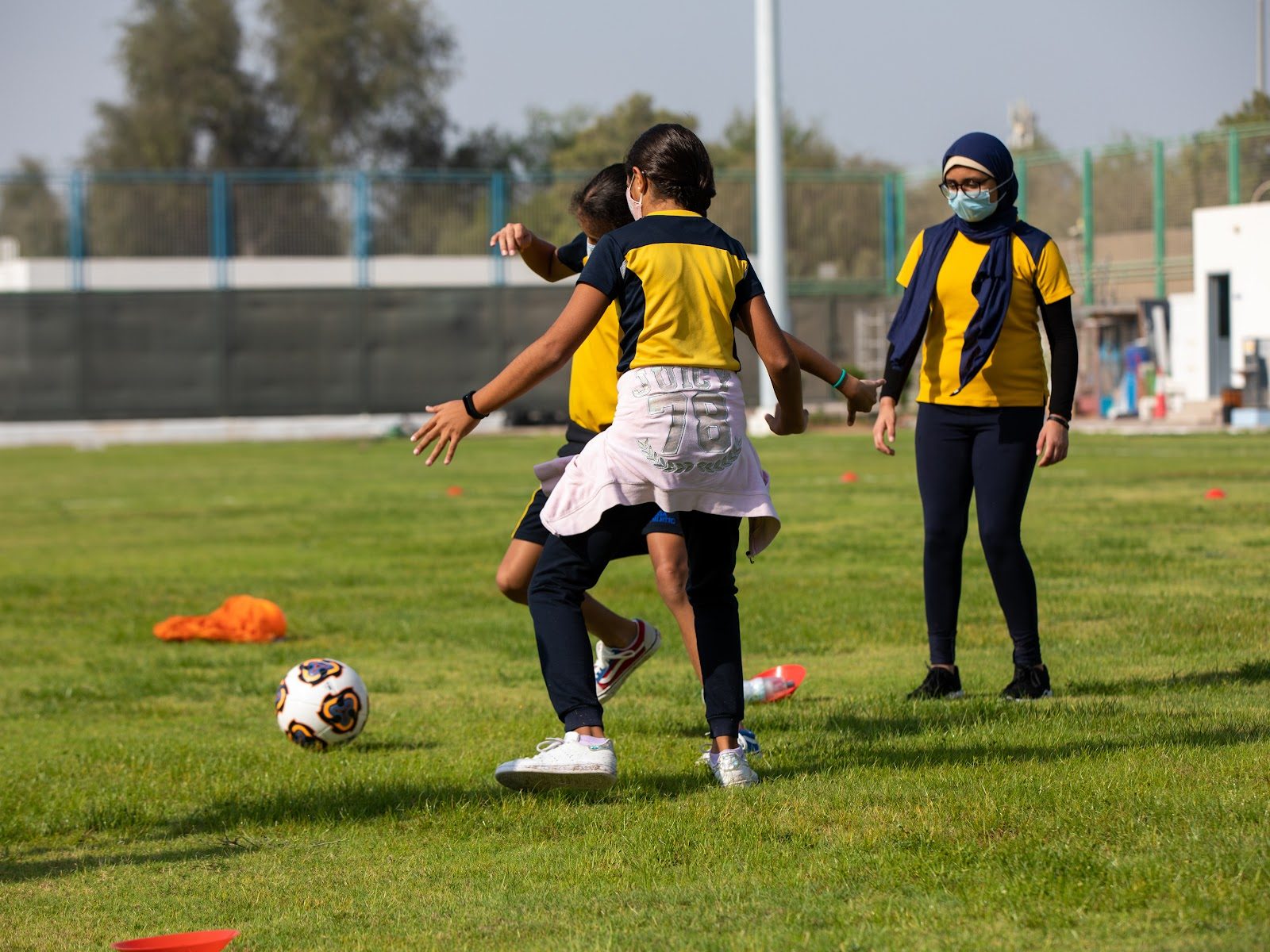
American International School in Abu Dhabi
Abu Dhabi · United Arab Emirates
Where American Common Core meets IB inquiry, having pioneered the UAE's first IB Diploma classroom back in the 1990s
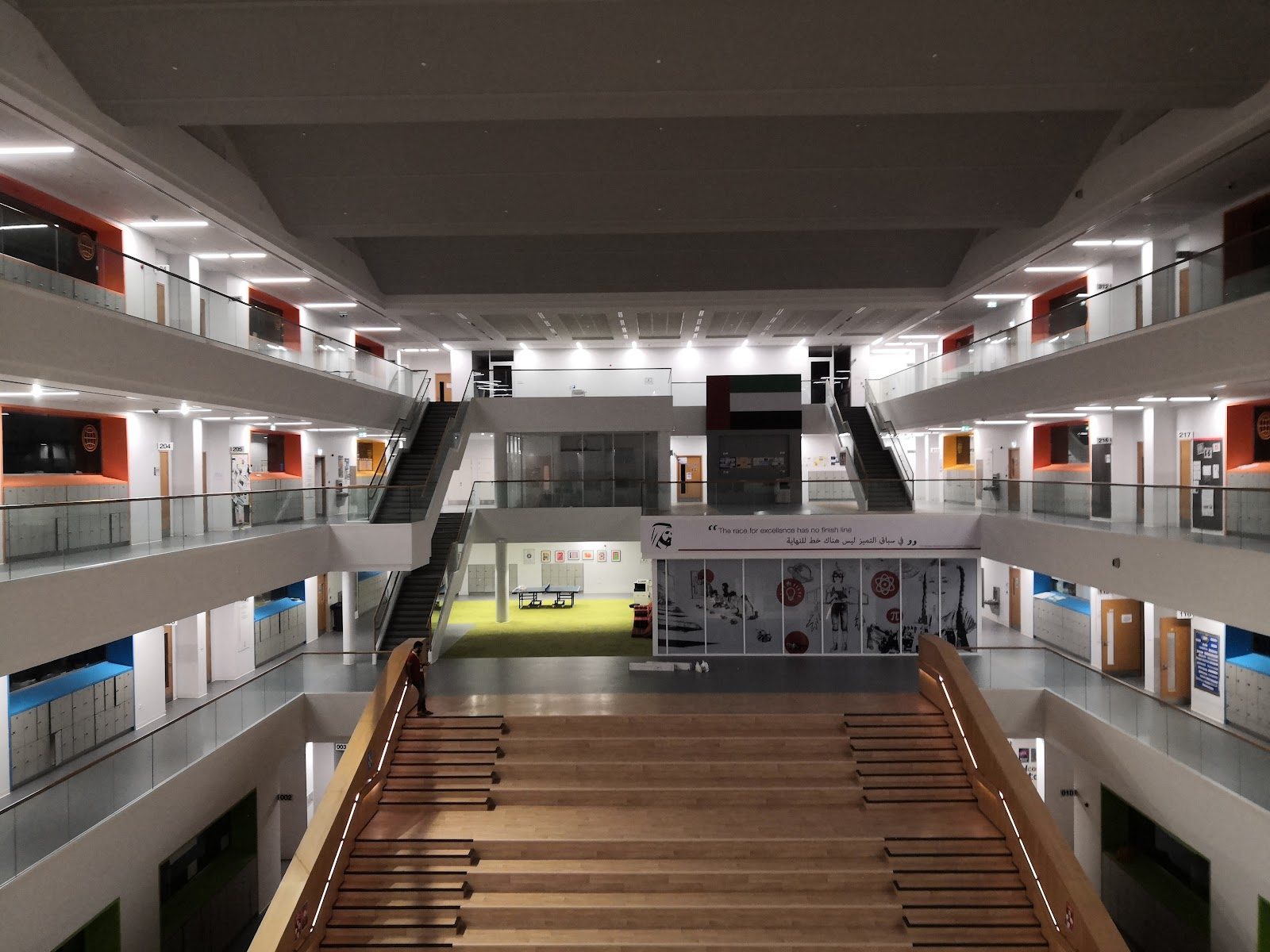
Swiss International Scientific School Dubai
Dubai · United Arab Emirates
The largest Swiss school outside Switzerland, running a bilingual IB continuum along Dubai Creek in French or German.
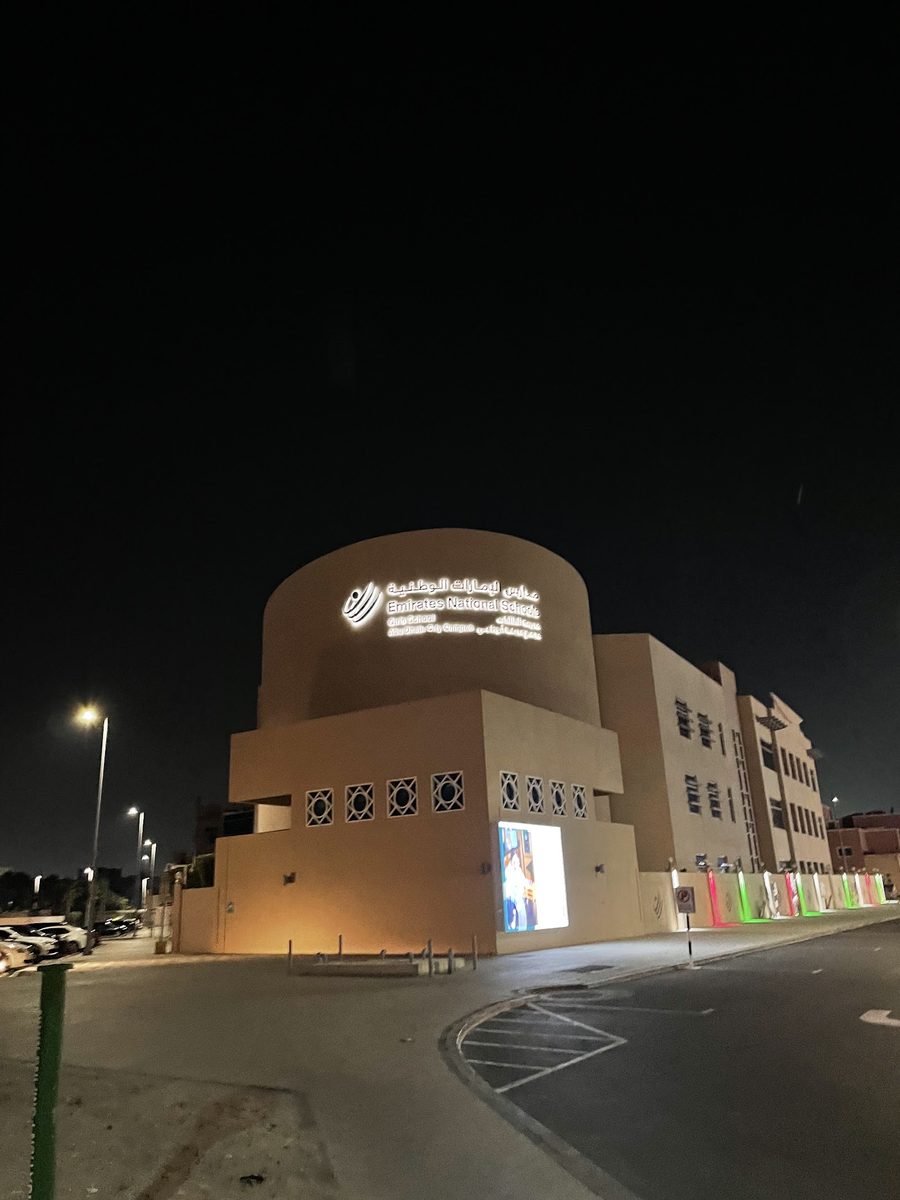
Emirates National Schools - Abu Dhabi Campus
Abu Dhabi · United Arab Emirates
American Common Core curriculum meets the IB Diploma and AP pathways, framed by mandatory Arabic and Islamic studies.
Same country and curriculum — closest matches within ±10 points either way