
Lagos State
American International School of Lagos
high confidence· 5/6 cats · 3 avg sourcesOn Victoria Island since 1964, where Shell, ExxonMobil and Chevron reserve seats on the board overseeing dual American-IB diplomas.
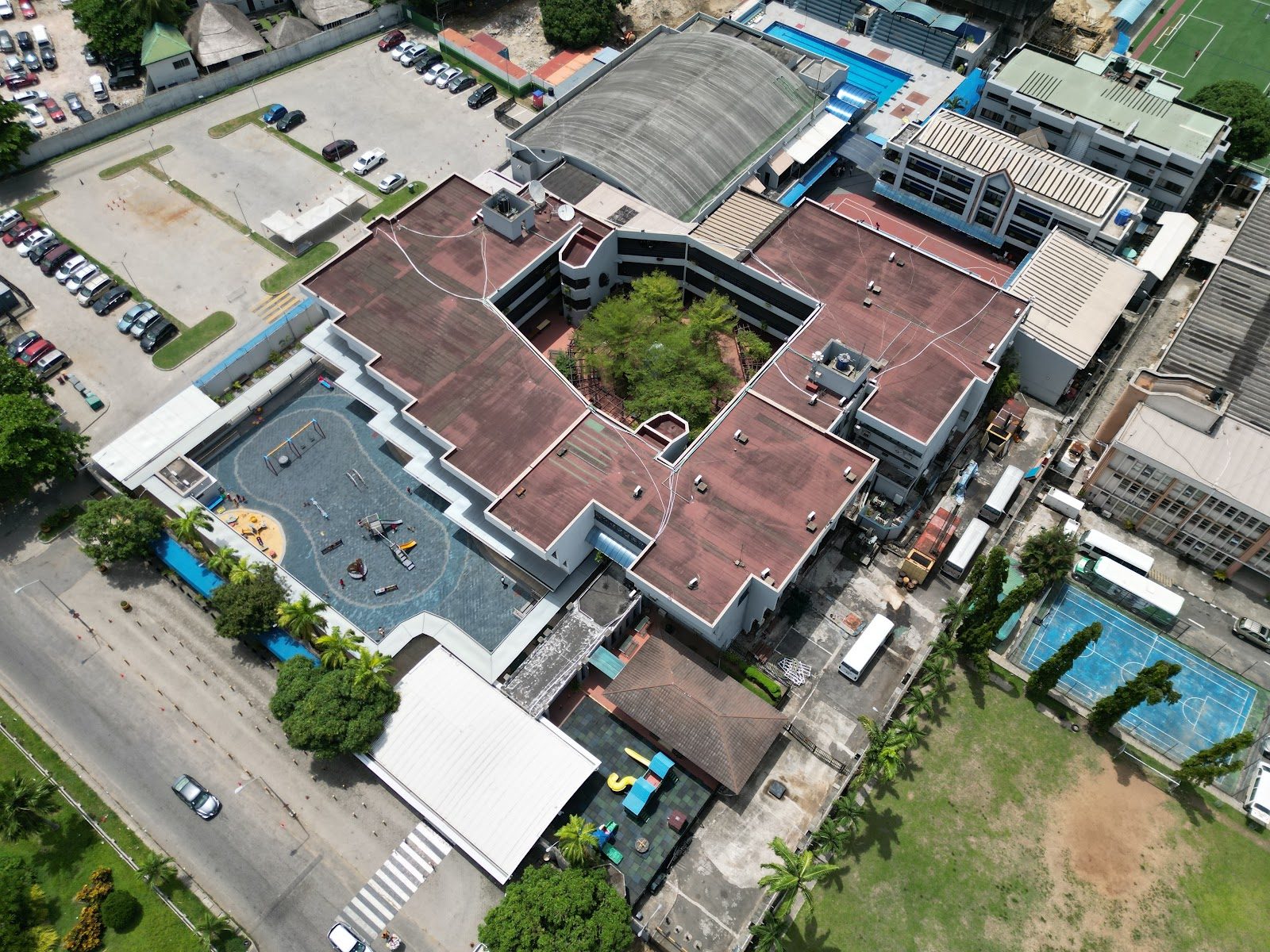
Photo © American International School of Lagos via Google Maps
Type
Day
Ages
3–18
Curriculum
American · IB
Ratio
—
The Verdict
Editor's commitment
Right for
Families on Victoria Island wanting a 1964-established day school with American and IB pathways, under CIS accreditation and corporate-board oversight.
Wrong for
Parents chasing bargain schooling or religious ethos: AISL is non-religious, day-only, and the average annual fee is US$22,000.
Watch out for
University outcomes skew to Brock, Carleton and Lakehead; if you want headline-name destinations, the published leavers' list does not deliver them.
Ranking breakdown
American International School of Lagos · # of 1591
Composite score 68.3. 8 weighted criteria.
By criterion
Academic Outcomes
Weight 20%
#667
of 1529 scored
University Placement
Weight 16%
#649
of 1529 scored
Prestige & Heritage
Weight 12%
#678
of 1571 scored
Alumni Network
Weight 12%
#427
of 1530 scored
Facilities
Weight 12%
#654
of 1534 scored
Transparency & Communications
Weight 8%
#722
of 1532 scored
Peer & Industry Review
Weight 10%
#640
of 1548 scored
Admissions Selectivity & Demand
Weight 8%
#489
of 1529 scored
Score history
American International School of Lagos · 2026
Movement across 2024–2026. Peer average overlaid.
Overall — 2024–2026
68.3/ 100
▲ +30.7 vs 2025
year on year
Peer & Industry Review
How American International School of Lagos is regarded in the sector
60
Respected · low confidence
AISL is widely known among Lagos expat communities as one of the longest-established American curriculum schools in Nigeria, frequently mentioned in expat parent forums (e.g., InterNations, Expat Exchange) and relocation guides as a top choice alongside British International School Lagos. It is accredited by the Middle States Association and holds membership in the Association of International Schools in Africa (AISA), lending credible peer-network standing, though it lacks the level of specialist press coverage (Tatler, Good Schools Guide) seen for top-tier international schools globally.
Evidence sources
Editors' overview
American International School of Lagos has occupied Victoria Island since 1964, with its current 2.4-hectare campus open since 1981, and that long foothold matters. In Lagos, where school choice at the international end of the market can turn on stability as much as academics, AISL offers a rare combination: an American curriculum and the IB under one roof, from age 3 to 18, in English, and as a non-religious day school. The governance detail in your tagline is the point parents should notice. A board with reserved seats for Shell, ExxonMobil and Chevron gives the school a corporate-expat backbone that few rivals can match. That does not make it warm or progressive by default; it does make it institutionally durable.
Its market position is clear. At an average annual day fee of 22,000 USD, AISL sits in Lagos’s premium international bracket, and it earns shortlist status for families who want a school built for mobile, internationally minded households rather than for a narrow local exam market. CIS accreditation adds external scrutiny, and the dual American-IB structure gives students two recognisable leaving routes. The recent university destinations listed here — Brock University, Carleton University and Lakehead University — are respectable, but not headline-grabbing. That matters. Parents looking for a school that trades on a relentless Oxbridge-Ivy narrative will not find the evidence here. Parents looking for a credible, portable education with North American alignment will.
The right student for AISL is the one who will use that portability: children of expatriate families, returnees, globally mobile Nigerian families, and students who want an English-medium education without a religious frame. It also suits pupils who benefit from a campus and community with deep corporate links and a long-established international identity. It suits less well the family chasing a hard-edged academic hothouse or a school whose public university outcomes dominate the conversation. AISL’s strongest argument is not mystique. It is continuity, recognisable curriculum architecture, and a Lagos address that has carried international families for 1964 to the present.
Academic Performance
Academic performance is where the public picture turns thin. The school offers both American and IB leaving routes, but it does not publish the aggregate examination data that lets parents place a school cleanly against serious peers: no full IB average, no diploma pass rate, no breakdown of top scores, and no consistent run of destination outcomes that would compensate for that opacity. That matters in a market where stronger operators put headline results into the public domain and invite scrutiny. Without that disclosure, AISL does not earn a place in the results-first tier on evidence.
That does not make it weak; it makes it hard to verify. The recent destinations listed here are modest rather than prestige-driven, with 2 students heading to Brock University and single placements at Carleton and Lakehead. Those are legitimate outcomes, but they do not signal a school dominating the top end of selective admissions. Relative to Lagos peers, AISL fits best as a steady, internationally legible option for families who value continuity and portability over public exam bravado. Parents chasing a hard-charging academic brand, with published IB numbers and a louder university record, need sharper proof than AISL currently provides.
Facilities
The campus footprint matters more than glossy adjectives here. At 2.4 hectares, AISL has enough room to operate as a proper all-through school rather than a vertical city-campus compromise, and that still counts in Lagos. For parents, the key advantage is practical: space for age separation, outdoor movement and the kind of daily rhythm younger children and teenagers both need. By peer standards, that landholding is serious rather than extravagant. It does not put AISL into the league of the vast green campuses found on cheaper suburban land elsewhere in Africa or the Gulf, but on Victoria Island it gives the school a genuine operational edge. The question is not whether the site is large by local urban standards; it is. The question is whether the school shows families the specialist teaching spaces, sports provision and performing arts infrastructure that justify a premium expectation. On that front, public detail is thin.
That gap matters because premium international schools compete on visible hardware as well as ethos. Strong peers publish clear evidence of libraries, labs, courts, studios, pools, maker spaces and sixth-form study areas; AISL does not put that level of facility detail front and centre. So the verdict stays measured: the school has the fundamentals of a substantial established campus, and that alone gives it more physical credibility than many cramped urban rivals. But families comparing it with the best-resourced schools in the segment need a visit and hard questions. The site has scale; the public case for what fills it lacks sharpness.
Those are legitimate outcomes, but they do not signal a school dominating the top end of selective admissions
Prestige
AISL carries real prestige in Lagos, but it is a specific kind of prestige. It rests on longevity, corporate confidence and institutional staying power, not on a glamorous public results profile or a conveyor belt into elite universities. The board structure matters here: reserved seats for multinationals give the school a boardroom-backed seriousness that few local competitors can match, and that matters to expatriate employers choosing where to place staff families. The fee level — an average of 22,000 USD a year — reinforces that status. This is an expensive school with an entrenched place in the international market, and families pay for stability as much as for pedagogy.
That prestige has limits. AISL does not command the rarefied academic aura of schools that publish standout IB outcomes and dominate selective admissions chatter. Its recent destinations point to solid, workmanlike progression rather than elite cachet, and its public academic story lacks the sharpness that lifts a school from respected to coveted. So the rating sits in the upper-middle band: strong name recognition, trusted by major employers, and socially credible among internationally minded families, but not a school whose status rests on scholastic firepower. In plain terms, AISL is prestigious because it is established, expensive and trusted. It is not prestigious because it is academically dazzling.
American International School of Lagos has occupied Victoria Island since 1964, with its current 2.4-hectare campus open since 1981, and that long foothold matters
Communications
AISL’s parent communications have to do a hard job: serve families who move in and out of the school, answer to demanding corporate employers, and keep a broad age range aligned. That context usually produces systems rather than charm, and AISL reads as a school where institutional discipline matters more than warmth. The public-facing information does the basics, but it does not excel at the things exacting parents now expect from a premium school: granular academic reporting, rich detail on day-to-day school life, and a clean, searchable window into how the campus actually operates. When core performance data stays undisclosed, communication loses force. A school cannot claim trust on pastoral continuity alone; it needs hard information, delivered clearly and routinely.
That said, there is a case for the school’s communication culture being steady and board-led rather than improvisational. A school at an average fee of 22,000 USD a year, with high-profile corporate stakeholders in governance, faces little tolerance for muddle. Parents choosing AISL can expect formal channels, regular notices and an organised administrative tone. What they should not expect is a radically transparent public narrative. The pattern here is functional communication with limits: credible for current families who can access internal channels, less persuasive for prospective families trying to assess standards from the outside. In editorial terms, AISL communicates competently, but not with the openness or evidential sharpness that the strongest international schools now treat as standard.
Uniqueness
What sets AISL apart is not novelty but institutional architecture. In a city where many schools depend on a founder’s force of personality or a family business model, AISL sits under a board with reserved seats for major multinationals. That gives it a corporate spine rare in the market. For students, the benefit is stability: steadier governance, stronger continuity when expatriate populations shift, and a school culture built around internationally mobile families rather than a single national or religious identity. The result is a community that understands arrivals, departures and re-entry. Children who have already moved countries, or expect to, get an education designed for that reality rather than forced to work around it.
Its other distinguishing feature is age range and continuity. An all-through school from the early years to graduation can keep friendships, pastoral knowledge and academic records intact across the whole journey. That matters more than brochure language admits. In a mobile city, a family can keep siblings on one campus and avoid repeated transitions. The university destinations listed here are not prestige theatre, and that is part of the school’s identity too: AISL is built for portability over posturing. The notable alumni floor of 3 is modest in public record terms, but the school’s real uniqueness lies elsewhere — in being a durable international institution that treats mobility as normal and gives students a framework sturdy enough to absorb it.
The governance detail in your tagline is the point parents should notice
Student Profile
AISL fits children who are already used to movement, adjustment and a social mix shaped by international business. The strongest fit is the pupil who will not be rattled by classmates arriving mid-year or leaving after a posting changes, and who is comfortable building friendships in a community where transience is normal. That makes it a strong option for expatriate families, returnees and Nigerian households with an outward-looking frame of reference. It also suits students who do well in orderly, adult-run environments with clear expectations and less appetite for theatrics. Children who need a school to perform intimacy or constant hand-holding may find the culture formal rather than cosy.
Socially, this is not the obvious home for families chasing old-money local cachet or a hyper-competitive pack mentality. The school’s corporate governance and premium fee level — 22,000 USD on average each year — point to a parent body that values reliability, portability and institutional steadiness. Students who thrive here are the ones who can make use of that structure without needing the school to sell them a grand myth about itself. The weaker fit is the teenager who wants a results-obsessed atmosphere with public academic chest-beating and a high-volume elite admissions culture. AISL works best for grounded, adaptable students who want an international education that travels well and a peer group shaped less by show than by mobility.
A board with reserved seats for Shell, ExxonMobil and Chevron gives the school a corporate-expat backbone that few rivals can match
Co-curricular strengths
Arts & sport, on a separate axis
Overall 7.4/10
Scored 0-10 from the school's own published evidence. This axis is editorial-only — it does not feed the main WTS ranking.
Sports
8/10
Basketball, Football and Volleyball as extracurriculars.
Drama
7.5/10
Drama club is explicitly named in the extracurricular list.
Dance
6.5/10
Music
7.5/10
Choir is explicitly listed as an extracurricular and specialist rooms for music, but gives no concrete detail on ensembles, staff, performances or dedicated music facilities.
Visual Arts
7.5/10
Specialist rooms for visual art.
Editor first-pass · editor-reviewable · 7/28/2026
Outcomes & destinations
Where students go next
Top destinations
303 placements
- Brock University· 2
- Carleton University· 1
- Lakehead University· 1
- McGill University· 1
- McMaster University· 2
- Mount Allison University· 1
- Toronto Metropolitan University· 2
- Trent University· 2
- University of British Columbia, Okanagan· 1
- University of British Columbia, Vancouver· 3
- University of Calgary· 2
- University of Prince Edward Island· 3
- University of Toronto· 10
- University of Waterloo· 5
- Western University· 2
- York University· 3
- Maastricht University· 2
- Queen Margaret University· 1
- Rotterdam University of Applied Sciences· 1
- Royal College of Surgeons Ireland· 1
- Ecole hôtelière de Lausanne· 1
- IE University· 1
- Jacob's University· 1
- Leiden University· 3
- Aston University, Birmingham· 1
- Cardiff Metropolitan University· 1
- Cardiff University· 1
- City University of London· 2
- Concordia University· 1
- Coventry University· 1
- Hartpury University· 1
- King's College London· 2
- London Metropolitan College· 1
- Loughborough University· 2
- Manchester Metropolitan· 1
- Newcastle University· 2
- Queen Mary, University of London· 1
- Royal Holloway, University of London· 1
- SOAS University of London· 1
- St. Mary's University· 1
- Swansea University· 1
- University· 2
- University College London· 1
- University of Bath· 3
- University of Birmingham· 1
- University of Bradford· 1
- University of Brighton· 1
- University of Edinburgh· 1
- University of Essex· 2
- University of Exeter· 1
- University of Glasgow· 1
- University of Kent· 1
- University of Leeds· 3
- University of Leicester· 1
- University of Lincoln· 1
- University of Manchester· 2
- University of Northampton· 1
- University of Nottingham· 1
- University of Salford· 1
- University of Sheffield· 1
- University of Southampton· 3
- University of Stirling· 1
- University of Strathclyde· 2
- University of Surrey· 2
- University of Sussex· 2
- University of the West of England· 1
- University of Warwick· 3
- University of West London· 1
- University of Westminster, London· 1
- University of Winchester· 1
- University of Worcester· 2
- University of York· 1
- York St. Jogn University· 1
- Tilburg University· 1
- VU Amsterdam· 1
- Webster University, Geneva· 1
- WHU, Beisheim School of Management· 1
- American University· 1
- Arizona State University (Tempe)· 1
- Baylor University· 2
- Becker College· 1
- Beloit College· 1
- Bemidji State University· 1
- Bentley University· 2
- Boston College· 1
- Boston University· 4
- Brown University· 1
- Cal Poly, Pomona· 1
- California Institute of Architecture· 1
- California State University· 1
- Case Western Reserve University· 2
- Colorado State University· 1
- Cornell University· 1
- DePaul University· 1
- DePauw University· 1
- Drexel University· 3
- Duke University· 3
- Embry-Riddle Aeronautical University· 1
- Emory University· 1
- Florida Institute of Technology· 1
- Fordham University· 2
- Fort Collins· 1
- George Mason University· 1
- George Washington University· 1
- Georgetown University· 1
- Georgia Institute of Technology· 1
- Georgia State University· 1
- Hult International Business School· 1
- Illinois Institute of Technology· 1
- Illinois State University· 1
- Indiana University (Bloomington)· 1
- Iowa State University· 1
- Ithaca College· 1
- Kalamazoo College· 1
- Long Beach· 1
- Loyola University Chicago· 1
- Marist College· 2
- Marshall College· 1
- University of California, Berkeley· 5
- University of California, Davis· 4
- University of California, Irvine· 2
- University of California, Los Angeles· 1
- University of California, Riverside· 1
- University of California, San Diego· 6
- University of California, Santa Barbara· 1
- University of Chicago· 1
- University of Cincinnati· 1
- University of Delaware· 2
- University of Florida· 1
- University of Houston· 2
- University of Illinois, Urbana-Champaign· 2
- University of Iowa· 1
- University of La Verne· 1
- University of Massachusetts, Amherst· 1
- University of Massachusetts, Boston· 1
- University of Miami· 2
- University of Michigan· 1
- University of Michigan, Ann Arbor· 3
- University of Minnesota Bemidji· 1
- University of Nebraska, Lincoln· 1
- University of Nebraska, Omaha· 1
- University of North Dakota· 1
- University of Rochester· 1
- University of San Diego· 1
- University of San Francisco· 2
- University of South Carolina· 1
- University of Southern California· 1
- University of St. Thomas, Minnesota· 1
- University of Texas, Austin· 1
- University of Washington· 1
- University of Washington (Seattle Campus)· 1
- University of Wisconsin, Eau Claire· 1
- University of Wisconsin, Madison· 2
- Washington University, St. Lois· 2
- Wesleyan University· 1
- Western Michigan University· 1
- Whitman College· 1
- Worcester Polytechnic Institute· 1
- Marymount University· 1
- Mesa Community College· 1
- Miami University (Oxford)· 1
- Miami University Ohio· 1
- Michigan State University· 3
- Michigan Technological University· 1
- New Jersey Institute of Technology· 1
- New York Institute of Technology· 2
- New York University· 2
- North Carolina State University· 2
- Northeastern University· 3
- Northwestern University· 1
- Ohio Wesleyan University· 1
- Pennsylvania State University· 4
- Purdue University· 5
- Reed College· 1
- Rhodes College· 1
- Rice University· 1
- Rochester Institute of Technology· 3
- Rutgers University, Camden· 1
- Rutgers University, New Brunswick· 2
- Siena College· 1
- Southwestern University· 1
- St. Cloud University· 1
- St. John's University, New York· 1
- St. Olaf College· 2
- Stephen F Austin State University· 1
- Suffolk University· 1
- SUNY, Albany· 1
- Swarthmore College· 1
- Syracuse University· 4
- Temple University· 1
- Texas A&M University· 2
- Texas State University· 1
- The New School· 1
- The Ohio State University· 2
- The University of Tampa· 1
- The University of Texas at Dallas· 1
- The University of Texas at San Antonio· 1
- Tufts University· 1
- Tulane University· 1
Reported by the school. Confirm with admissions.
Strengths
- +Founded in 1964; long-established in Lagos.
- +American and IB curricula through age 18.
- +Victoria Island campus on 2.4 hectares.
- +10:1 student-teacher ratio; average class size 18.
Considerations
- −Day school only; no boarding option.
- −Annual day fees reach 22,000 USD.
- −Only CIS accreditation listed.
Availability
Primary entry gate & tests
Academic Record
Gallery
Photo © Mayowa Muyide via Google Maps
Photo © Mohamad Fouani (Junior) via Google Maps
Photo © Mohamad Fouani (Junior) via Google Maps
Photo © Mohamad Fouani (Junior) via Google Maps
Photo © American International School of Lagos via Google Maps
Photo © Leye Olalere via Google Maps
Photo © Leye Olalere via Google Maps
Photo © AISL Communications Office via Google Maps
Photo © Olusola Olateju via Google Maps
Parent reviews
Have you sent your child here?
Voice reviews carry the strongest trust badge — we transcribe them for you to tidy up before they go live. Prefer to type? A written review is fine too.
Add your voice
In 60 seconds, tell other parents: what's the best thing about American International School of Lagos, and what surprised you when your child joined?
We ask for a Google sign-in so every review has a real face behind it — no anonymous drive-by attacks on schools, and no faked positive reviews. Your email is never shown publicly.
Send this profile to a friend
International parents rely on word-of-mouth. Share this review with someone weighing the same decision.
Schools with places
Similar schools to American International School of Lagos with places available now.
American Community Schools Athens
Athens · Greece
- 2026-27
- WAITPOOLSpace-dependent
- 2027-28
- PLACES OPENRolling
The Sheikh Zayed Private Academy for Girls
Abu Dhabi · United Arab Emirates
- 2026-27
- WAITPOOLSpace-dependent
- 2027-28
- OPENS SOONOpens early Nov '26
Canadian Academy
Kobe · Japan
- 2026-27
- WAITPOOLSpace-dependent
- 2027-28
- OPENS SOONExpected ~Sept '26 (one-year-ahead policy)
The British School of Paris
Paris · France
- 2026-27
- WAITPOOLSpace-dependent
- 2027-28
- PLACES OPENRolling
Availability first, then country, area, curriculum, price, co-curricular
Consider also
Also worth looking at alongside American International School of Lagos.

Qatar Academy Doha
Doha · Qatar
Anchored in Education City, this IB continuum school was Qatar's first authorized to run all three Baccalaureate programmes.
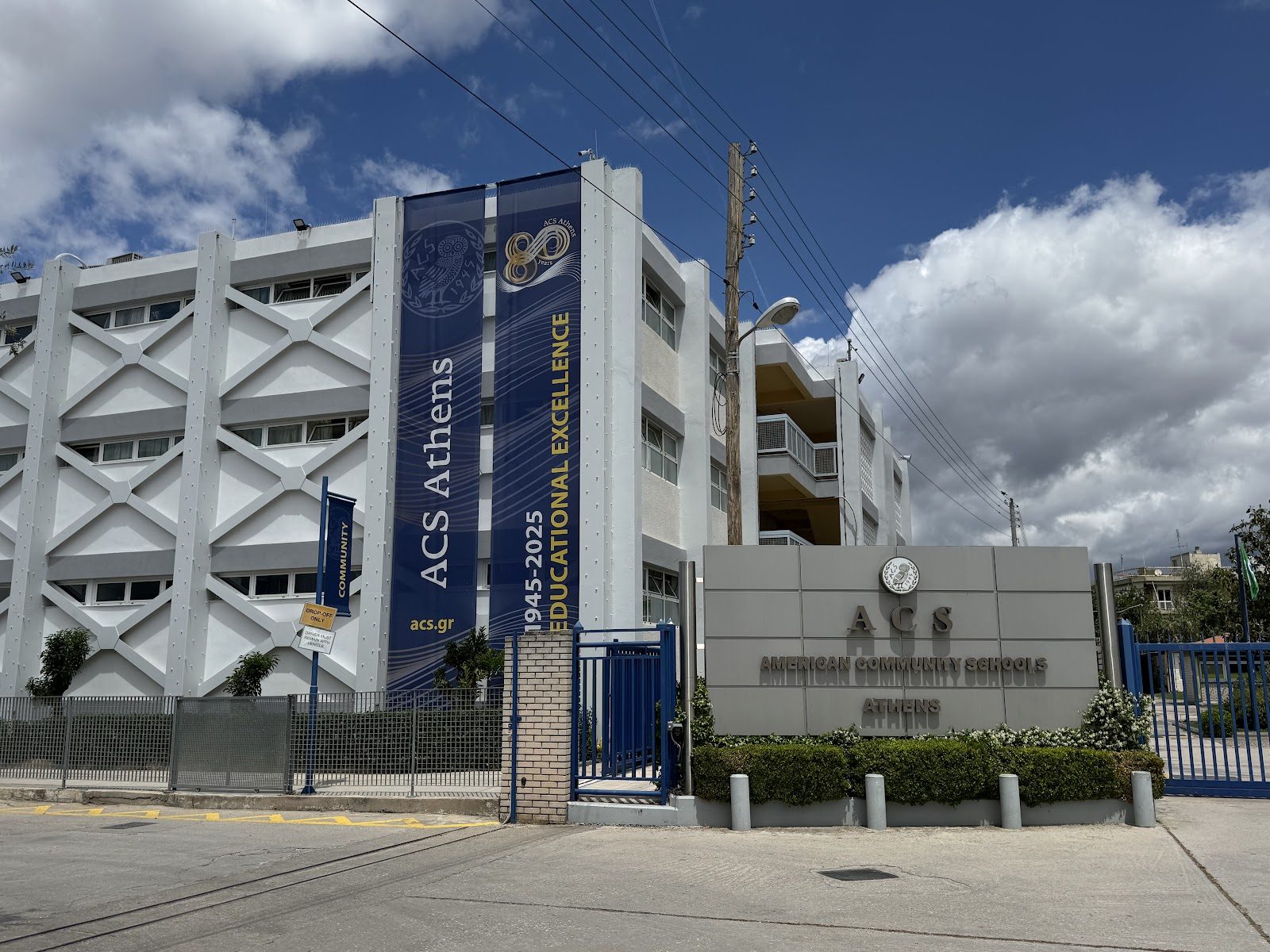
American Community Schools Athens
Athens · Greece
Introduced Greece's first IB Diploma Programme in 1976, pairing American rigor with an Athenian hillside campus.
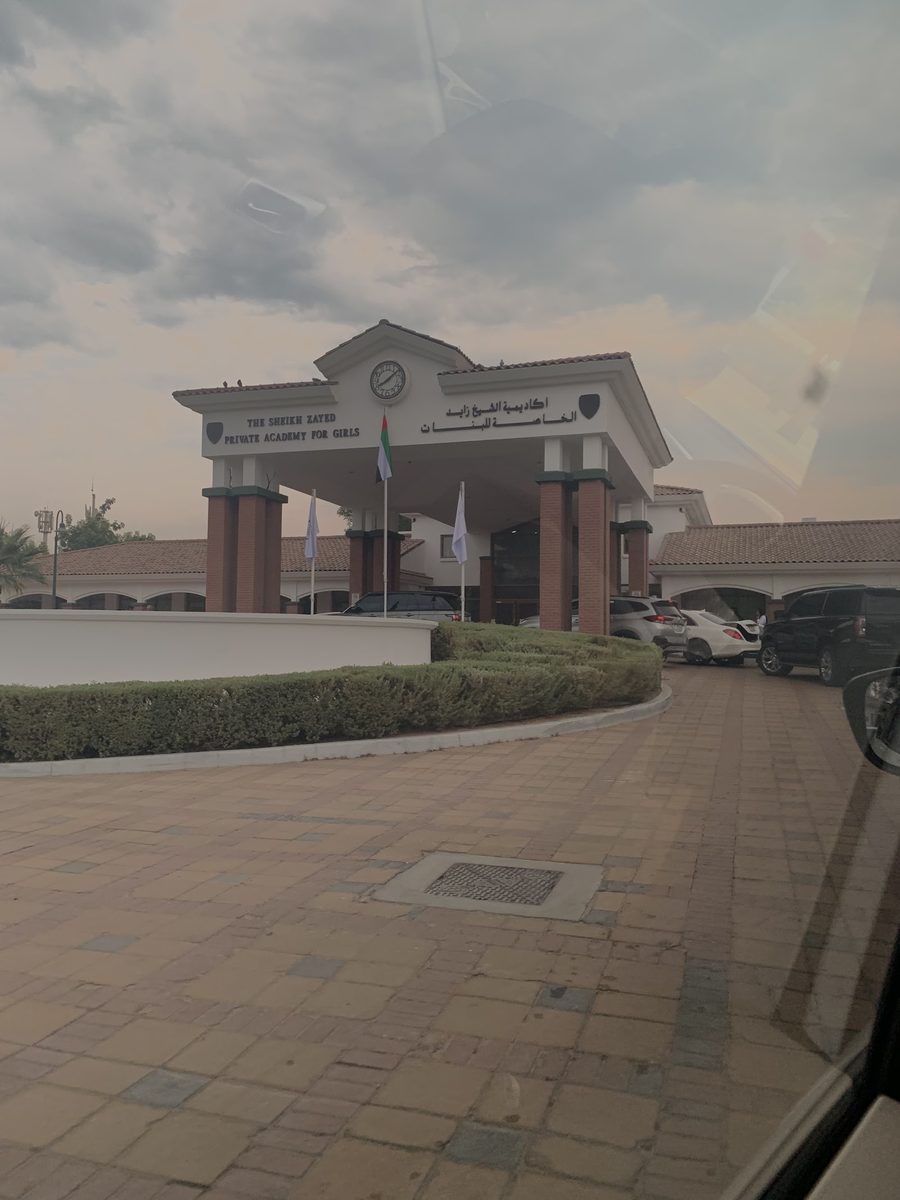
The Sheikh Zayed Private Academy for Girls
Abu Dhabi · United Arab Emirates
Massachusetts Common Core meets Emirati heritage, holding the sole top ADEK rating among Abu Dhabi's American-curriculum schools.
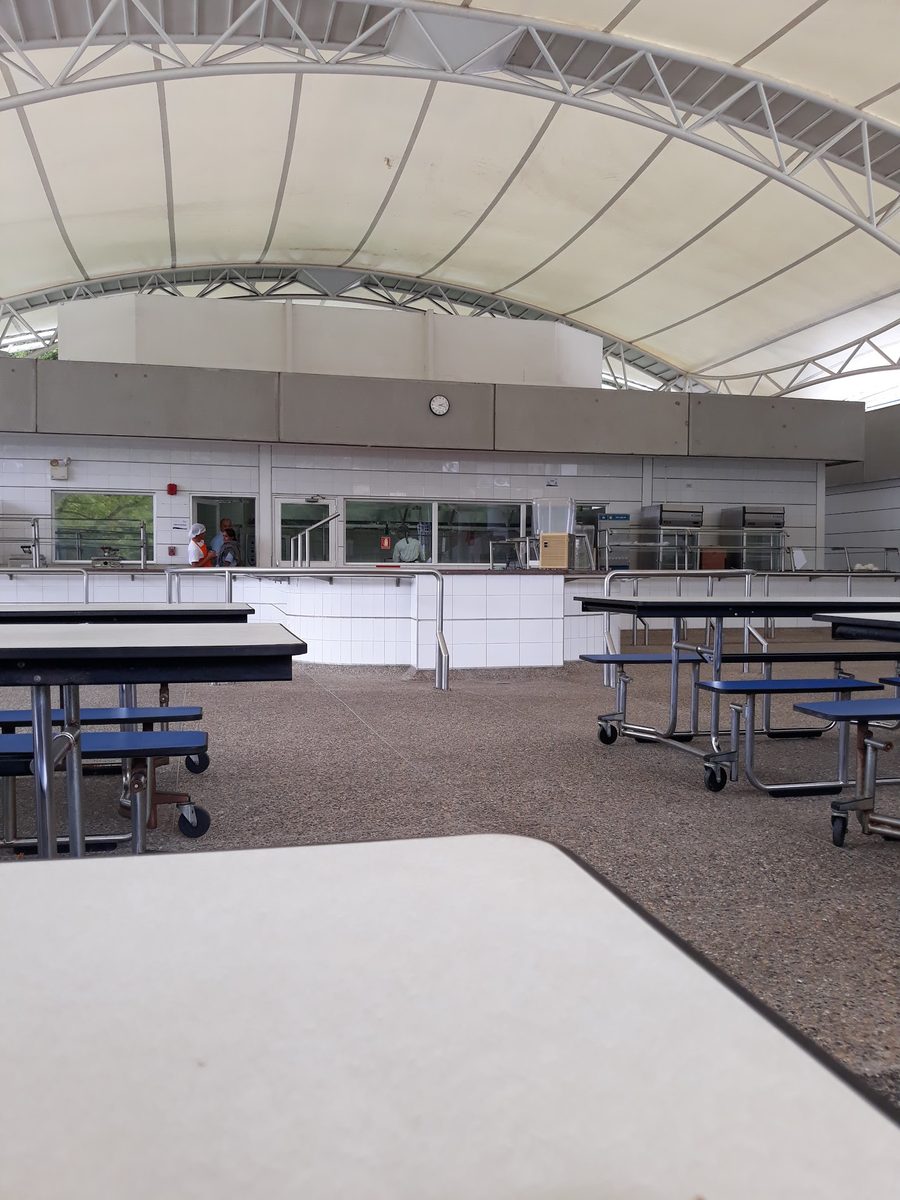
Escuela Campo Alegre
Caracas · Venezuela
Since 1937, a US-embassy-linked campus in Las Mercedes pairing American college-prep rigor with an IB diploma and Venezuelan history studies
Same country and curriculum — closest matches within ±10 points either way