
La Marsa
American Cooperative School of Tunis
low confidence· 4/6 cats · 1 avg sourcesIn Tunis since 1959, this American day school holds a singular distinction: the only IB World School in Tunisia.
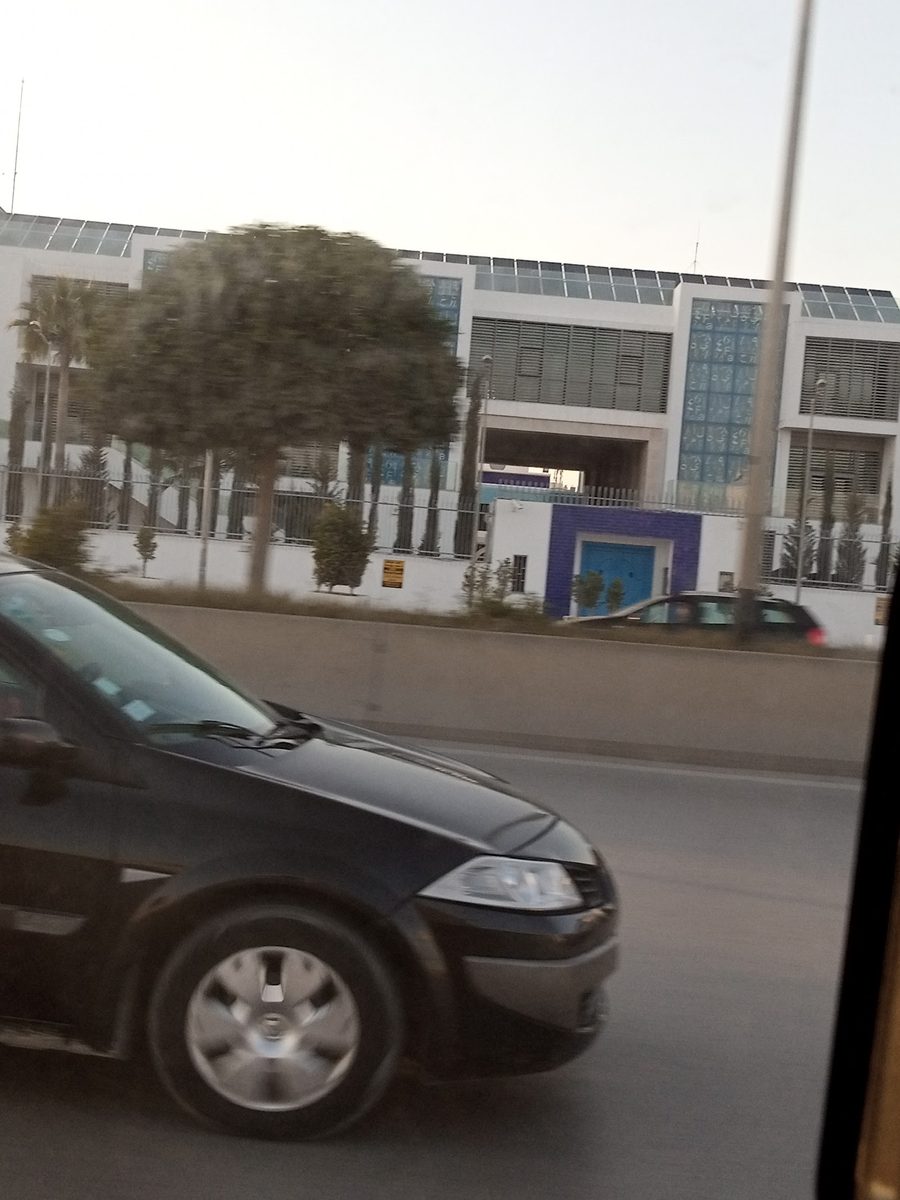
Photo © Abdoulaye Sow via Google Maps
Type
Day
Ages
3–18
Curriculum
American
Qualifications
AP · US High School Diploma
Ratio
—
The Verdict
Editor's commitment
Right for
Families in Tunis who want an English-medium American day school founded in 1959, with the IB Diploma Programme and Middle States accreditation.
Wrong for
Parents wanting boarding, a religious ethos, or a cheaper option: this non-profit private day school averages US$18,861 a year.
Watch out for
Its singular draw is clear: the only IB World School in Tunisia. That edge narrows fast if you do not need the IB Diploma.
Ranking breakdown
American Cooperative School of Tunis · # of 1591
Composite score 61.8. 8 weighted criteria.
By criterion
Academic Outcomes
Weight 20%
#1049
of 1530 scored
University Placement
Weight 16%
#1057
of 1529 scored
Prestige & Heritage
Weight 12%
#995
of 1571 scored
Alumni Network
Weight 12%
#623
of 1530 scored
Facilities
Weight 12%
#993
of 1534 scored
Transparency & Communications
Weight 8%
#1073
of 1532 scored
Peer & Industry Review
Weight 10%
#891
of 1548 scored
Admissions Selectivity & Demand
Weight 8%
#837
of 1529 scored
Peer & Industry Review
How American Cooperative School of Tunis is regarded in the sector
50
Credible · low confidence
American Cooperative School of Tunis is recognized as the primary US-curriculum international school in Tunis and appears in the US State Department's Office of Overseas Schools directory as an assisted school, and is occasionally referenced in expat parent forums (e.g., InterNations, ExpatExchange) as the go-to American school for diplomatic and NGO families in Tunisia. However, it lacks coverage in major independent rankings like Tatler, Good Schools Guide, or specialist education press, and there is minimal alumni network visibility beyond its own community.
Evidence sources
Editors' overview
The point that matters first is simple: American Cooperative School of Tunis is the only IB World School in Tunisia. That gives it a market position with no direct domestic equivalent. It is an American day school in Tunis, founded in 1959, teaching in English from ages 3 to 18, with authorisation for the IB Diploma Programme and accreditation from Middle States, the US State Department’s Office of Overseas Schools, and AASSA. For internationally mobile families, embassy households, and Tunisian parents who want an English-medium route with an American base and an IB finish, that combination is genuinely distinctive. In a market where choice at this level is thin, exclusivity matters.
What stands out is not scale or mystique, but function. This is a non-religious, non-profit private school in El Aouina with a long institutional memory and a clear brief: serve an international and local community in one place. The school says students come from around the world and speak many languages; that fits the profile of a school built for diplomatic, expatriate and globally minded local families rather than a narrowly national intake. The average annual day fee across the full age range is US$18,861, which places ACST in an interesting middle ground: expensive by local standards, restrained by comparison with many capital-city American international schools. Parents are paying for scarcity here as much as for facilities or brand.
This is a strong shortlist school for families who need portability, English-medium teaching, and a sixth-form pathway with international currency. It suits students who thrive in a close-knit, internationally mixed setting and want academics, sport, arts and service taken seriously in the same week. It also suits families who value formal accreditation and governance over glossy positioning. The limit is equally clear. Parents chasing a large-school social scene, a vast menu of pathways, or published headline outcomes will not find much public detail here; the school does not publish aggregate exam results in the information we have seen. ACST’s appeal is structural rather than theatrical: 1959 gives it depth, 3–18 gives it continuity, and its singular IB status in Tunisia gives it real market weight.
Academic Performance
Academic transparency is the constraint here. ACST does not publish aggregate IB Diploma scores, pass rates, subject distributions, SAT profiles, or university admission lists in the public domain. That leaves parents without the headline data used to place an international school cleanly against peer groups. The one firm external marker is authorisation for the IB Diploma Programme, which gives older students access to a globally recognised leaving qualification and sets a baseline of academic seriousness. Beyond that, public claims rest on programme architecture rather than outcomes. For a school with a singular national position, that is a real weakness. Exclusive status in-country does not exempt a school from publishing results; it makes disclosure more important.
Relative to peers, ACST sits in an opaque middle ground. It carries more external academic credibility than schools offering only a local or lightly internationalised route, but it provides less performance evidence than the stronger data-publishing American and IB schools in major regional capitals. Families can infer a broad academic ambition from the school’s stated emphasis on academics alongside arts, athletics and service, yet inference is not evidence. The market fact that matters is simple: there is no domestic like-for-like comparator for the IB route, so ACST competes less on published outcomes than on access and continuity. That makes it a pragmatic choice for families who need that pathway, but not an easy school to rank on raw attainment.
Facilities
Facilities are framed in the school’s own language as “modern and ever-improving”, which tells parents two things at once: ACST has a competent campus, and it is still a work in progress. The school also points families towards a campus master plan, which adds weight to that reading. This does not read like a legacy site trading on grandeur; it reads like a practical international school that has invested enough to support a full student life across academics, sport, arts and service. For parents, the important point is functional breadth rather than spectacle. A school serving children from the early years to graduation needs labs, arts spaces, sports provision and age-appropriate classrooms that work across the day. ACST signals that range, even if it does not publish the kind of room-by-room inventory that would let outsiders test every claim. That leaves the campus credible rather than dazzling, serviceable rather than showy.
Against peers, that places ACST in a solid middle tier. It does not carry the public-facing facilities theatre of the wealthiest Gulf campuses with oversized theatres, elite aquatic centres and headline architecture. Nor does it read like a cramped city school making do with too little space. For Tunisia, where the premium international market is thinner and choice is narrower, a modern campus with a live improvement plan matters. Parents who want flashy hardware will find stronger visual statements elsewhere in the region. Parents who want a campus that supports daily school life without vanity-project excess will find ACST’s offer easier to respect.
The point that matters first is simple: American Cooperative School of Tunis is the only IB World School in Tunisia
Prestige
Prestige here comes from scarcity, continuity and constituency, not from glamour. This school holds a singular national niche: for families in Tunisia who want an American education with an IB end-point, there is no domestic equivalent. That matters. In international schooling, monopoly of category confers status of its own, especially in a capital where diplomatic and mobile professional families need a school that travels well on paper. The non-profit structure also carries weight with a certain parent audience; it signals an institution built to serve a community rather than a brand built to harvest a market. At an average annual fee of US$18,861, ACST occupies a serious but not stratospheric bracket, which gives it a form of prestige rooted in access to a rare pathway rather than price theatre.
That said, this is functional prestige, not elite spectacle. ACST does not project the aura of a grand old British boarding name, nor the high-gloss dominance of the richest international schools in the Gulf. Its status rests on trust, longevity, governance and the kind of parent network that forms around embassies, international organisations and globally minded local families. For the right household, that is quietly powerful. For families who equate prestige with published university destinations, lavish campuses or famous alumni, the case is thinner. The school’s standing is strongest inside its immediate market and among internationally literate parents who understand what a school with 65 years of operation and the country’s sole IB World School status actually offers.
For a school with a singular national position, that is a real weakness
Communications
Parent communication looks organised, regular and institutional rather than charismatic. The school runs a full public calendar with open houses and board meetings visible in advance, which matters: a school that publishes governance dates is telling parents where decisions sit and when they happen. The site structure also does useful practical work. Families are directed clearly to governance, faculty and staff, learning, campus life, the school profile and the campus master plan, so the main channels are easy to find. That creates a clean administrative feel and a sense that the school values process over spin. For internationally mobile families, that matters more than glossy storytelling. The message is: this is a school that wants parents to navigate it without fuss.
The limitation is depth. We can see the framework of communication, but not much of its texture. There is no rich public archive of newsletters, head’s letters, parent briefings, schoolwide performance reporting or policy updates that would let outsiders judge candour under pressure. Nor does the school publish the kind of academic results data that turns communication from reassuring to fully accountable. So the verdict is mixed but clear: operational communication looks competent, orderly and easy to follow; strategic communication is thinner. Parents will get structure, dates and signposts. Whether they get hard-edged transparency on outcomes and school performance is another matter. The school’s public voice does the essentials well, but it stops short of full disclosure.
Uniqueness
ACST’s uniqueness is not cosmetic. It sits in a category of one inside its home market: the sole school in the country with IB World School status. That matters because it gives families a route that combines an American school structure with an internationally recognised diploma exit, without forcing a move abroad or a switch into a different local system at the top end. For students, that creates rare continuity. Children can start young, stay in one institution, and finish with a qualification that travels. In a thinner market, that kind of through-line is genuinely valuable. The school’s non-profit basis sharpens the distinction further. This is not a franchise import or a prestige outpost trading on borrowed branding; it is a long-standing community school with a practical brief and a constituency that spans both international and Tunisian families.
The benefit to students is a school culture shaped less by scale than by mixture. ACST states that its students come from around the world, speak many languages, and learn alongside local peers. That gives the place an unusually international social education in a national context where that blend is scarce. The school also says more than 5,000 students have passed through its doors over its history, which points to institutional memory without the sprawl of a giant system. Students get a setting that values academics, sport, the arts and service in the same frame. For the right child, that produces a grounded, outward-facing education rather than a narrow exam factory.
This school holds a singular national niche: for families in Tunisia who want an American education with an IB end-point, there is no domestic equivalent
Student Profile
The pupil who fits here is internationally minded without needing a giant, high-drama campus to validate that identity. ACST states that students come from around the world and speak many languages, so the social mix suits children who are comfortable crossing cultures, joining established friendship groups with tact, and learning alongside both expatriate and Tunisian peers. This is not the obvious home for status-chasers or teenagers who want the anonymous freedom of a vast senior school. It suits families who value a close-knit international crowd, practical globalism and a school community that reads more diplomatic than tribal. The school’s own emphasis on academics, athletics, the arts and service also points to a child who is happiest as an all-round participant rather than a narrow specialist.
Because the school spans the full age range and has served more than 5,000 students over time, there is institutional memory here without mass-market sprawl. That tends to work well for steady, adaptable children who benefit from continuity and from adults knowing them properly. It also works for newly arrived families who need a school used to transition. The weaker fit is clear. Students who need a hyper-competitive academic culture, a huge peer pool, or a broad menu of niche pathways will find the setting constrained. Children who prefer a grounded, mixed community and can make good use of a school where service, sport and the arts carry real weight will do well.
The school’s public voice does the essentials well, but it stops short of full disclosure
Co-curricular strengths
Arts & sport, on a separate axis
Overall 8.46/10
Scored 0-10 from the school's own published evidence. This axis is editorial-only — it does not feed the main WTS ranking.
Sports
9/10
Drama
9/10
Dance
6.5/10
Music
8.8/10
Visual Arts
9/10
Editor first-pass · editor-reviewable · 7/30/2026
Strengths
- +One of the longest-established American curriculum schools in North Africa, tracing its origins back to 1959 and serving the Tunis expatriate and diplomatic community.
- +Holds accreditation from a recognised US-based accrediting body (Middle States Association), giving external validation of academic standards.
- +Offers a full PreK-to-Grade-12 American curriculum pathway, allowing continuity for expatriate families without needing to change schools mid-career posting.
- +Small school size means low student-to-teacher ratios and a close-knit community, useful for families new to Tunisia seeking quick integration.
- +Located in Tunis, giving access to embassy and NGO networks that often anchor the school's community and provide informal support for relocating families.
Considerations
- −Very small overall enrolment compared to major international school hubs, which narrows the range of AP/elective subjects, sports leagues and extracurricular depth on offer.
- −Limited international name recognition outside Francophone North Africa and US diplomatic circles, which may matter for families targeting highly selective global universities.
- −Tunisia's periodic political and security volatility is a background consideration for any school in the country, independent of the institution's own management.
- −As a niche market school, resale value of an ACST diploma in terms of peer group and alumni network is modest next to larger regional international schools.
Availability
Primary entry gate & tests
Academic Record
Gallery
Photo © Abdoulaye Sow via Google Maps
Photo © Yassin via Google Maps
Photo © Chaffoteaux Tunisie via Google Maps
Photo © Chaffoteaux Tunisie via Google Maps
Parent reviews
Have you sent your child here?
Voice reviews carry the strongest trust badge — we transcribe them for you to tidy up before they go live. Prefer to type? A written review is fine too.
Add your voice
In 60 seconds, tell other parents: what's the best thing about American Cooperative School of Tunis, and what surprised you when your child joined?
We ask for a Google sign-in so every review has a real face behind it — no anonymous drive-by attacks on schools, and no faked positive reviews. Your email is never shown publicly.
Send this profile to a friend
International parents rely on word-of-mouth. Share this review with someone weighing the same decision.
Schools with places
Similar schools to American Cooperative School of Tunis with places available now.
Boston University Academy
Boston · United States
- 2026-27
- CLOSEDRegular cycle closed
- 2027-28
- OPENS SOONOpens Sept '26
Ashbury College
Ottawa · Canada
- 2026-27
- CLOSEDRegular cycle closed
- 2027-28
- PLACES OPENDay Dec / Boarding rolling
Nishimachi International School
Tokyo · Japan
- 2026-27
- WAITPOOLSpace-dependent
- 2027-28
- PLACES OPENRolling
Shawnigan Lake School
Shawnigan Lake · Canada
- 2026-27
- CLOSEDRegular cycle closed
- 2027-28
- PLACES OPENActive now
Availability first, then country, area, curriculum, price, co-curricular
Consider also
Also worth looking at alongside American Cooperative School of Tunis.
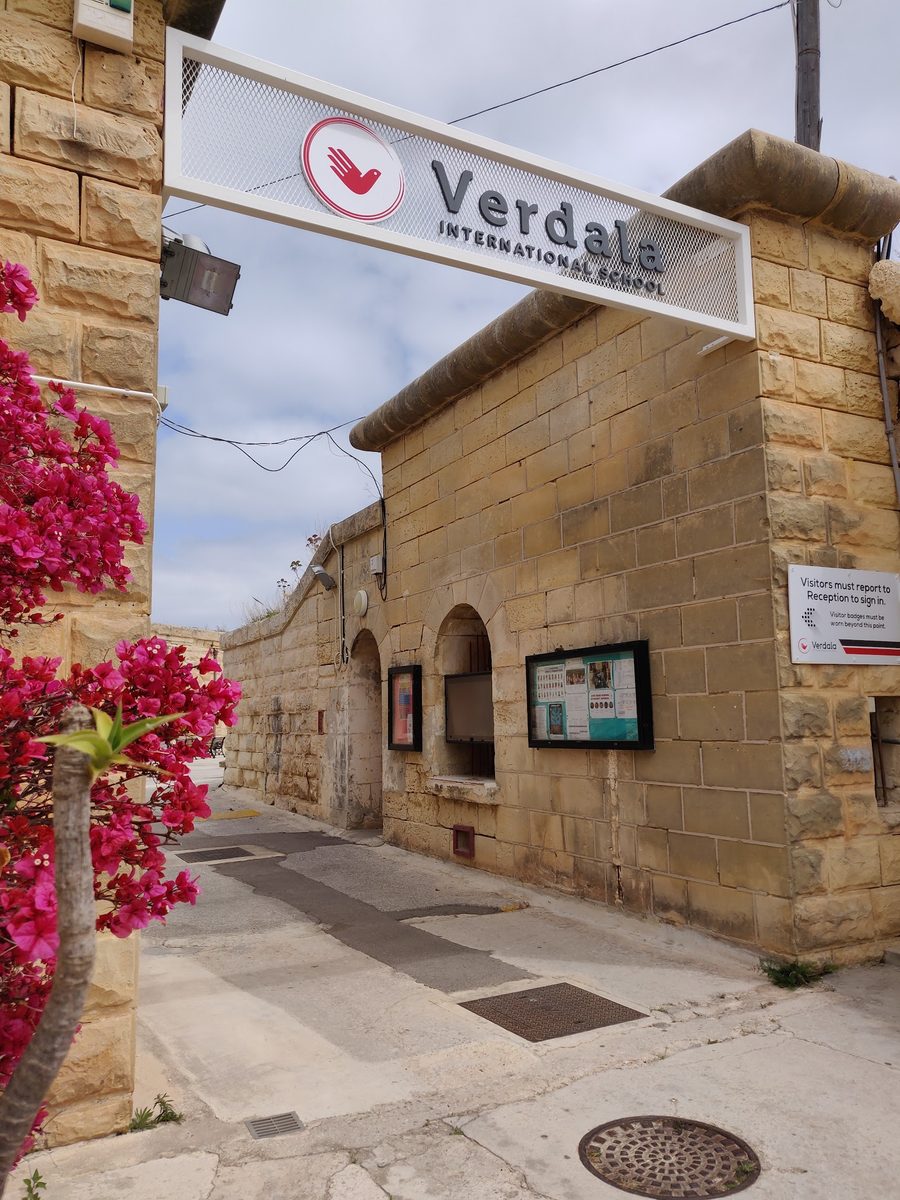
Verdala International School
Pembroke · Malta
American college-prep classes unfold within the ramparts of a 19th-century hexagonal fort on Malta's coast.
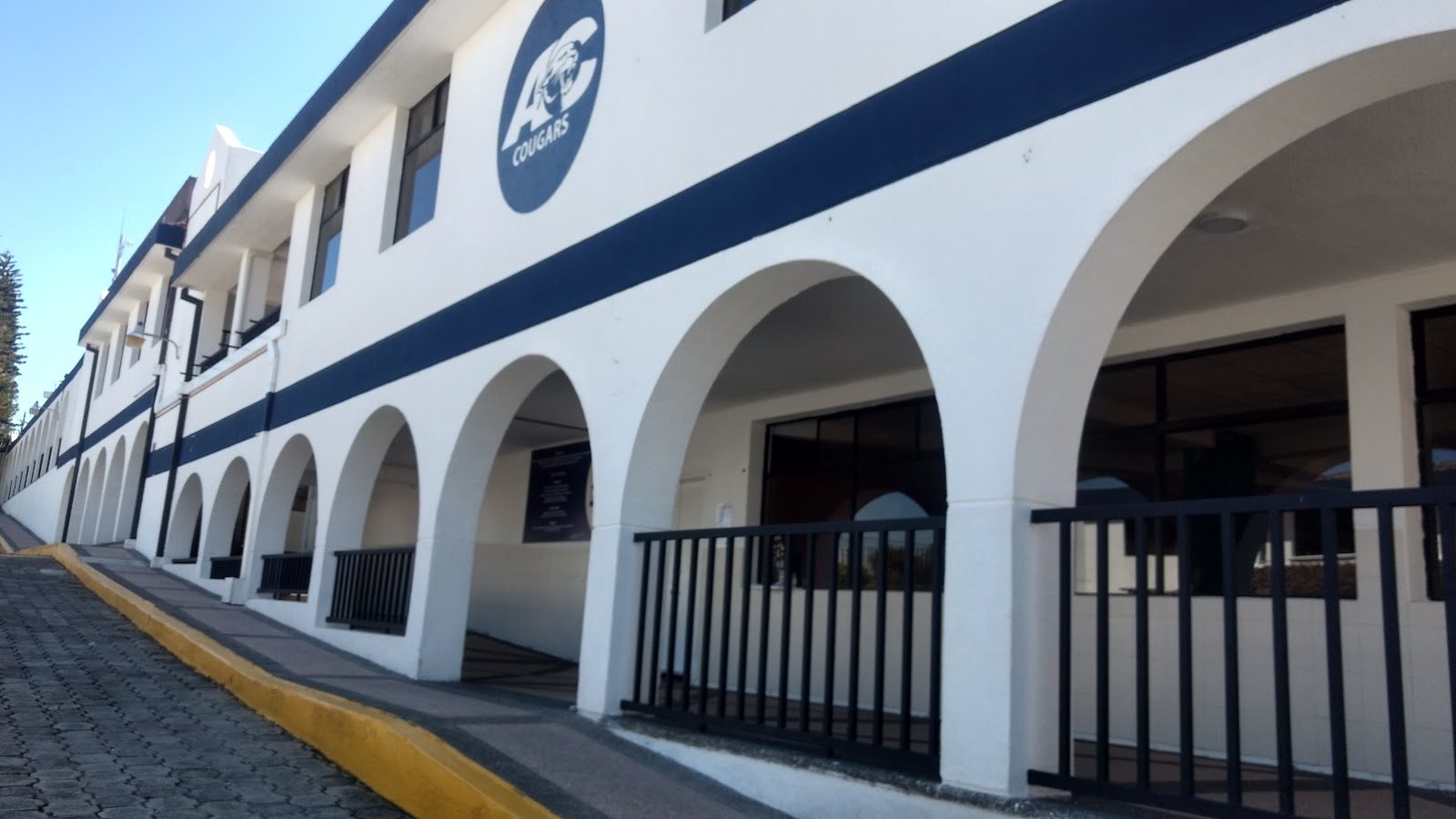
Academia Cotopaxi
Quito · Ecuador
High above Quito at 2,850 meters, this campus became Ecuador's first IB Diploma school back in 1982.
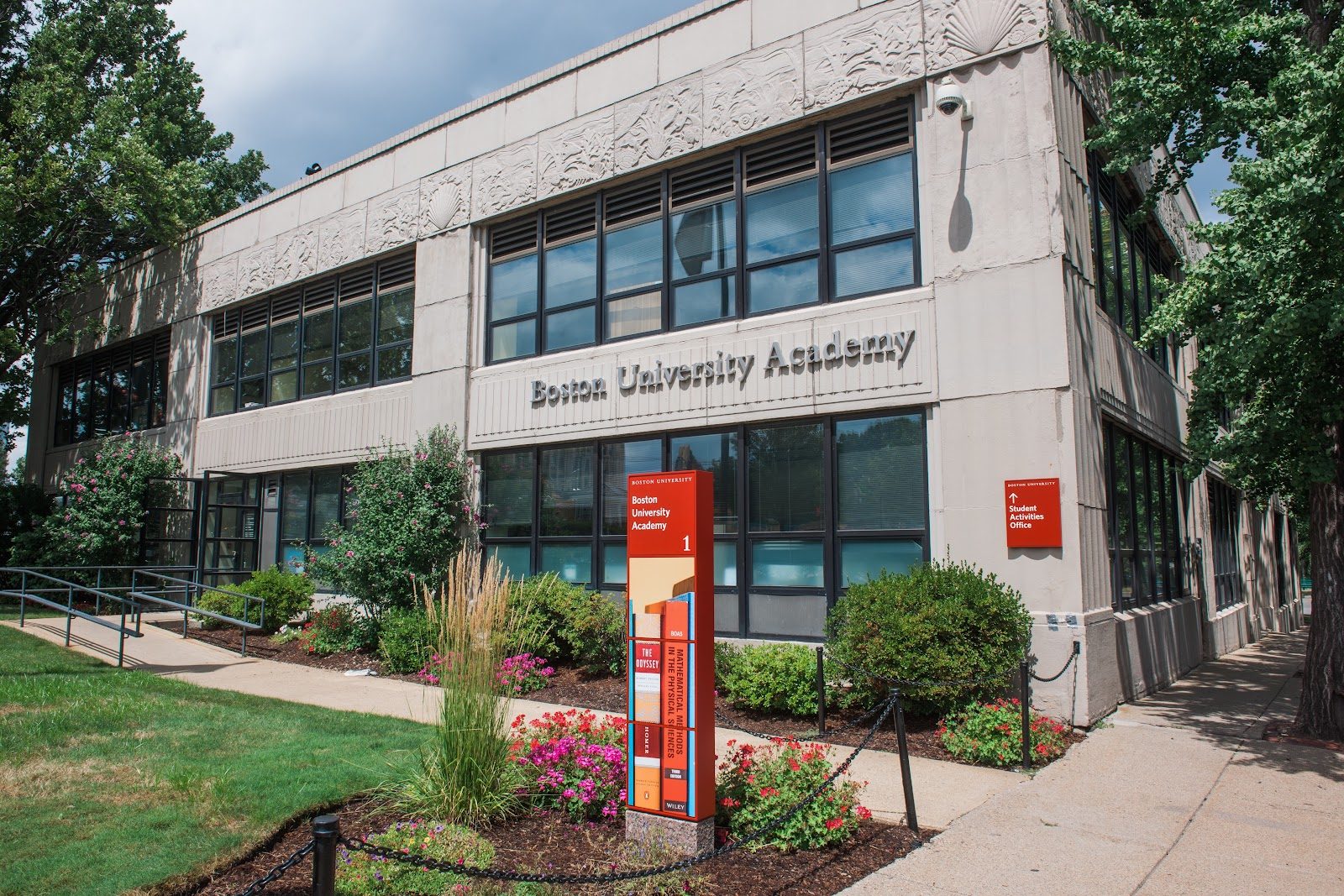
Boston University Academy
Boston · United States
Upperclassmen trade study halls for Boston University lecture halls, banking college credit before graduation.
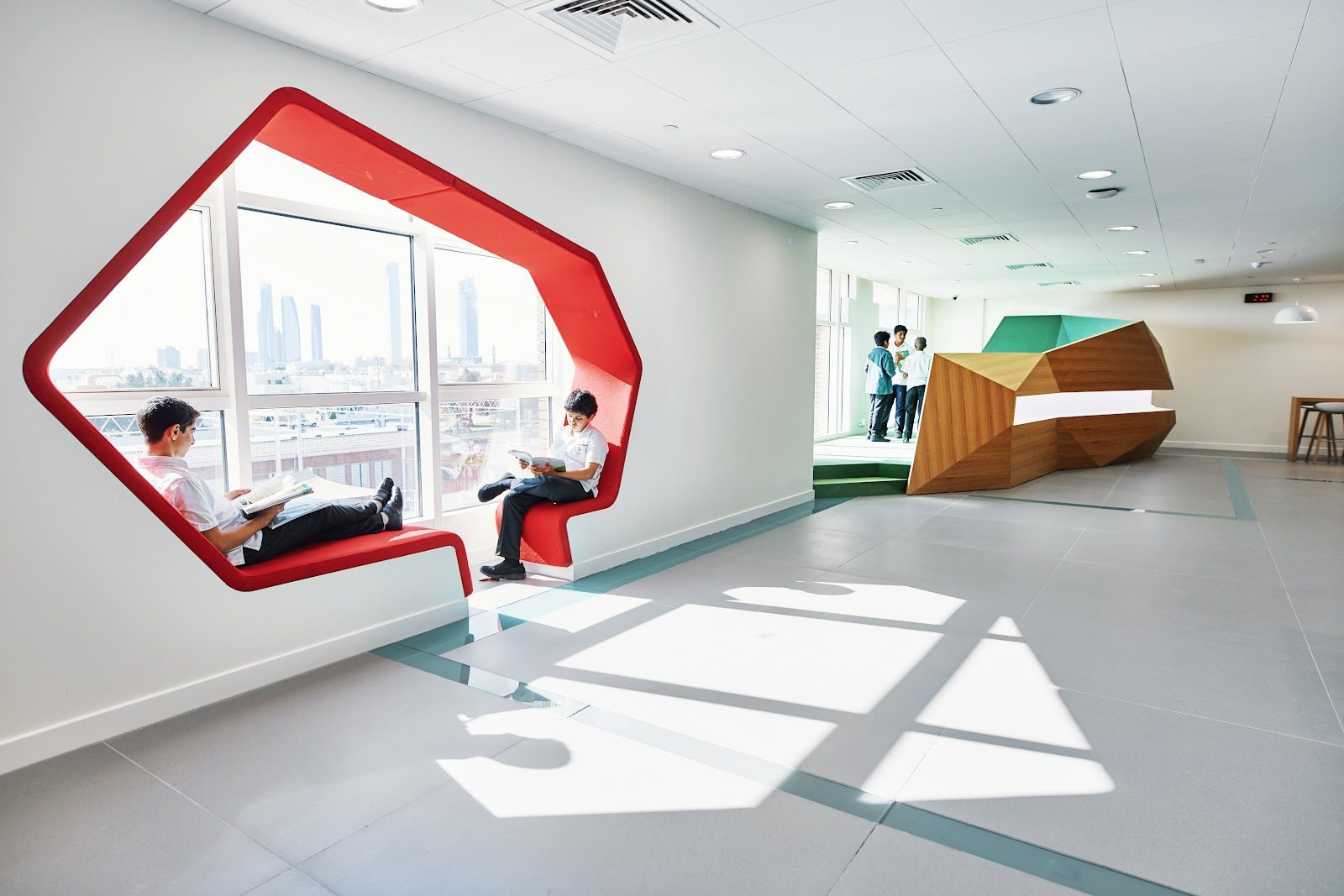
The Sheikh Zayed Private Academy for Boys
Abu Dhabi · United Arab Emirates
Massachusetts Common Core meets a UAE Armed Forces leadership programme, forging Emirati identity into an American diploma.
Same country and curriculum — closest matches within ±10 points either way