
Pichincha
Academia Cotopaxi
high confidence· 5/6 cats · 3.15 avg sourcesHigh above Quito at 2,850 meters, this campus became Ecuador's first IB Diploma school back in 1982.
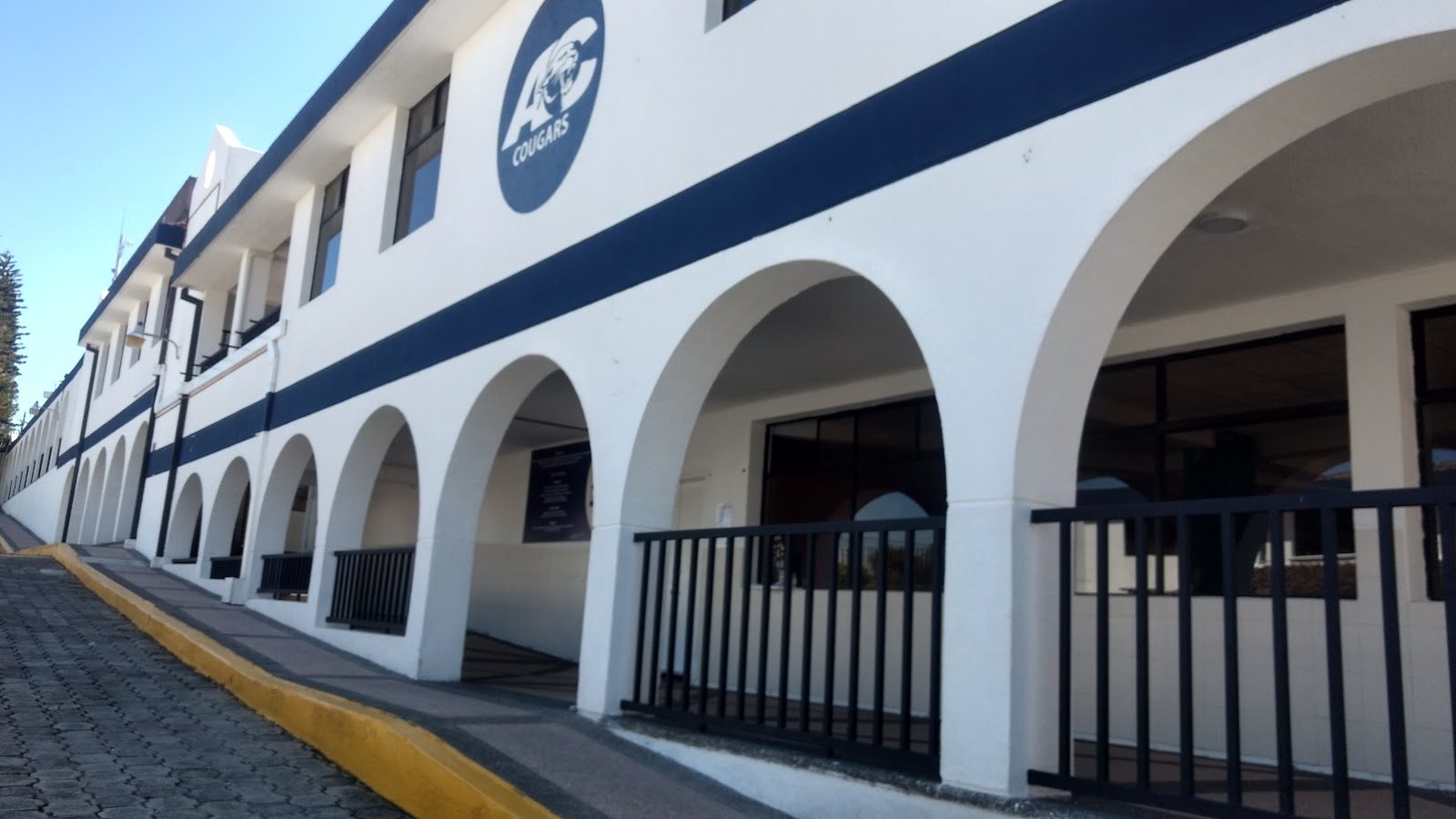
Photo © MATEO V-V via Google Maps
Type
Day
Ages
3–18
Curriculum
American
Qualifications
AP · IB Diploma
Ratio
—
The Verdict
Editor's commitment
Right for
Families in Quito who want an English-language, non-profit day school with the IB World School badge and a 1959 pedigree.
Wrong for
Parents seeking boarding, Spanish-medium teaching or a broad spread of elite destinations; recent named offers top out at one each to Boston University, Arizona State and American University.
Watch out for
The American curriculum label and IB World status tell only part of the story; the school does not publish aggregate IB results, and Quito sits at 2,850 metres.
Ranking breakdown
Academia Cotopaxi · # of 1591
Composite score 61.8. 8 weighted criteria.
By criterion
Academic Outcomes
Weight 20%
#1049
of 1529 scored
University Placement
Weight 16%
#1057
of 1529 scored
Prestige & Heritage
Weight 12%
#995
of 1571 scored
Alumni Network
Weight 12%
#623
of 1530 scored
Facilities
Weight 12%
#994
of 1534 scored
Transparency & Communications
Weight 8%
#1073
of 1532 scored
Peer & Industry Review
Weight 10%
#891
of 1548 scored
Admissions Selectivity & Demand
Weight 8%
#837
of 1529 scored
Score history
Academia Cotopaxi · 2026
Movement across 2024–2026. Peer average overlaid.
Overall — 2024–2026
61.8/ 100
▲ +12.4 vs 2025
year on year
Peer & Industry Review
How Academia Cotopaxi is regarded in the sector
65
Respected · low confidence
Academia Cotopaxi is widely recognized among expat and international-school communities in Quito as the premier IB World School and long-standing American international school in Ecuador, frequently mentioned in expat parent forums (e.g., InterNations, ExpatExchange, International School Community discussions) as the top choice for diplomatic and expatriate families. It lacks coverage in major specialist rankings like Tatler or Good Schools Guide, which focus primarily on UK/US/Euro-centric institutions, but is consistently referenced in regional 'best international schools in Ecuador' listings and IB World School directories, indicating solid regional peer recognition without global elite status.
Evidence sources
Editors' overview
Academia Cotopaxi occupies a rare place in Ecuador’s market: an English-language, independent, non-profit day school with an American curriculum and the IB Diploma on top. Its headline distinction is simple and important. Founded in 1959, it became Ecuador’s first IB Diploma school in 1982. That matters because longevity in international education is not cosmetic; it signals institutional memory, stable systems and a clearer sense of what the school is for. Parents looking in Quito will find many schools promising global pathways. Few carry this combination of age, non-profit status and long IB tenure. The school’s altitude — 2,850 metres above sea level — also gives it a literal and cultural setting unlike lower-density expatriate hubs: high-altitude intensity, a serious academic climate, and a campus experience tied closely to Quito rather than sealed off from it.
Why shortlist it? Because it offers a clean proposition. English is the language of instruction, the school runs from ages 3–18, and it covers the full arc from early years to university entry within one institution. For internationally mobile families, binational families and Ecuador-based parents who want an English-medium education without boarding, that coherence counts. The non-profit structure also deserves attention. It does not guarantee excellence, but it does change the school’s logic: the case for fees rests on programme, staffing and facilities, not shareholder return. Recent destinations listed publicly are modest in number — American University, Arizona State University and Boston University, each with 1 student — which tells parents two things at once. First, the school sends graduates into the US higher education system. Second, it does not publish the kind of broad outcomes data that would let families judge university placement depth at a glance. That opacity is a weakness.
The right student for Academia Cotopaxi is academically purposeful, internationally minded and comfortable in an English-speaking environment from an early age. This suits children who want continuity, not churn; students who will use both the American curriculum and the IB Diploma as a route to universities abroad; and families who value institutional steadiness over fashion. It also fits pupils who thrive in a school with earned credibility rather than a glossy sales pitch. Students who need a highly specialised niche school, extensive public exam data, or a boarding structure need to look elsewhere. For the right family, though, Academia Cotopaxi offers something more durable: long-range academic preparation in a school with deep roots in Quito and a clear international function.
Academic Performance
Academic performance is hard to judge with confidence because the school does not publish the exam data parents need. We have not seen aggregate IB Diploma averages, pass rates, score distributions, subject breakdowns, SAT or ACT ranges, or multi-year university placement patterns. That is a material gap. For a school with a long-established diploma programme, public outcomes reporting should be routine. Without it, families cannot place Academia Cotopaxi cleanly against Quito competitors or against stronger international schools in Latin America that publish full result sets and destination depth. The small public destination list — 1 student each to three named US universities — confirms movement into American higher education, but it does not establish academic reach across a cohort. This is opaque by serious-school standards.
That does not mean weak results; it means unproven results in the public domain. The school’s age, non-profit structure and long institutional track record give it earned credibility, but credibility is not the same thing as evidence. Relative to peers, Academia Cotopaxi sits in the category of established international schools whose reputation still does part of the work. Parents comfortable with that may accept the trade. Data-led families will want harder proof: cohort IB outcomes, score trends over several years, and a fuller destinations table. Until the school publishes them, its academic standing remains under-documented, not top-tier transparent.
Facilities
Facilities are hard to assess fully because the school does not publish a clear, detailed public account of its campus assets. That matters. Parents comparing serious international schools expect a straightforward inventory: specialist science labs, performing arts spaces, libraries, sports provision, early years areas, design or technology rooms, and the condition and scale of each. Academia Cotopaxi does not make that comparison easy. The strongest facility fact in the public domain is the setting itself: a campus at 2,850 metres, which shapes daily school life in practical ways, from outdoor sport and endurance to weather, air quality and the feel of the school day. For some families that reads as distinctive and energising; for others, physically demanding.
Against peer schools, that leaves Cotopaxi at a disadvantage on transparency, not necessarily on substance. Established international schools at this level normally show parents what they have, room by room and programme by programme. Here, the public picture is thin. We have not seen enough to judge whether the school’s facilities are merely adequate, genuinely strong, or a point of competitive advantage in Quito. That is a real weakness in the school’s public case. If facilities matter to your child — science, arts, sport, early years, learning support — insist on a campus tour and ask direct questions. At present, the school asks parents to trust its reputation more than its published evidence.
The right student for Academia Cotopaxi is academically purposeful, internationally minded and comfortable in an English-speaking environment from an early age
Prestige
Academia Cotopaxi has real standing in Ecuador’s international-school market, but its prestige is institutional rather than glamorous. The school carries the weight of longevity, non-profit governance and a long-running IB pathway; that combination gives it serious local credibility with families who know Quito well and want a school with roots rather than a fashion brand. In a market where many schools trade on aspiration, Cotopaxi’s status rests on continuity and recognised purpose. That matters. Prestige built on durability tends to travel better than prestige built on marketing. For internationally minded families in Ecuador, an English-based school that has sustained this model across decades commands respect.
The limit is clear: prestige without published outcomes data has a ceiling. Among schools with strong regional or global cachet, reputation is reinforced by visible exam performance, destination breadth and a clearer public account of what students achieve at the end of school. Cotopaxi does not provide that level of proof. That leaves it with earned status at home, but not the full-spectrum prestige of the most transparent international schools in Latin America. The public destination snapshot — 1 student to each of three named US universities — adds some validation, but not enough to establish elite university reach across a cohort. My rating is therefore respectable, established, but capped: a school with genuine stature in its own setting, and an underpowered public case beyond it.
Relative to peers, Academia Cotopaxi sits in the category of established international schools whose reputation still does part of the work
Communications
Academia Cotopaxi’s parent communication is functional, not exemplary. The school gives families the essentials of identity and basic public facts, but the pattern across its public-facing information is consistent: when detail matters, disclosure thins out. That matters for communication because good schools do not just announce themselves; they explain themselves. Here, key areas that parents use to judge quality — outcomes, facilities, and destination breadth — remain under-explained. That creates a communications style built on institutional trust rather than hard-edged clarity. For families already inside the community, that may work perfectly well. For prospective parents making a serious comparison, it is a weak public discipline.
The test of school communication is simple: can a parent understand what the school offers, how well it performs, and what daily life looks like without chasing answers offline? At present, not fully. We have not seen the level of published detail that top-tier international schools treat as routine, and that limits confidence in the school’s responsiveness to parent scrutiny. The through-school age span of 3–18 raises the bar further: communication needs to serve early years families, primary parents and university-facing households with equal precision. Academia Cotopaxi does not meet that standard in public. My reading is blunt: communication is serviceable, reputation-led and too dependent on direct contact, campus visits and insider familiarity.
Uniqueness
What sets Academia Cotopaxi apart is not novelty but combination. In Quito, schools can offer international branding, local rootedness, or academic continuity; Cotopaxi brings those strands together inside one institution. It is independent, non-profit and English-based, with a through-school structure from the earliest years to university entry. That gives students a coherent educational spine rather than a sequence of disconnected phases. Add its status as Ecuador’s first IB Diploma school, and the distinction sharpens: this is a school with deep institutional memory about preparing students for an international exit point, not a late adopter bolting on a diploma for status. For families who value steadiness over fashion, that is a serious point of difference.
The setting also matters more than the brochure version admits. A school high above sea level in the Andes does not offer a generic expatriate bubble; it gives students a daily experience tied to place, climate and physical conditions that shape routine, sport and stamina. That can produce a more grounded internationalism than schools that float above their host city. The benefit for students is clear: continuity, a stable peer culture, and an education that links local life to outward-facing ambition. The trade-off is clear too. Cotopaxi’s uniqueness rests on enduring substance, not public gloss, and families must accept that some of the school’s strongest claims still rely on trust rather than published proof.
Academia Cotopaxi has real standing in Ecuador’s international-school market, but its prestige is institutional rather than glamorous
Student Profile
The best fit here is the student who can handle a school with serious academic intent without needing constant spectacle. This suits children who are comfortable in an international peer group, can work independently as they move through the upper years, and value continuity from the early stages to university entry. Families choosing Cotopaxi are not buying novelty; they are choosing a school with a settled identity and a clear educational route across ages 3–18. That points to students who do well with structure, steady expectations and a community that prizes institutional stability over trend. It also fits binational and internationally mobile families who want an education anchored in Quito but aimed outward.
The weaker fit is just as clear. Children who need a highly specialised environment, a visibly high-octane public culture, or a school that broadcasts every success may find this place too restrained and too trust-based. The public picture does not show a flashy ecosystem of niche pathways or headline-chasing extracurricular theatre. Students who thrive here are more purposeful than performative: academically engaged, adaptable, and able to make use of a school whose strengths lie in consistency rather than noise. For families who want exhaustive public proof before committing, the match is harder. For students who want a grounded international education inside a stable day-school setting, the fit is strong.
Academia Cotopaxi’s parent communication is functional, not exemplary
Co-curricular strengths
Arts & sport, on a separate axis
Overall 8.18/10
Scored 0-10 from the school's own published evidence. This axis is editorial-only — it does not feed the main WTS ranking.
Sports
7.8/10
Soccer, Volleyball and Swimming, showing multiple sports with visible participation.
Drama
8.4/10
Drama Productions, which goes beyond a bare mention of drama by evidencing recurring productions.
Dance
8/10
Music
8.2/10
Choir and Jazz Band, indicating more than one structured music ensemble, but provides no dedicated facility, department, specialist staff or notable results.
Visual Arts
8.5/10
Editor first-pass · editor-reviewable · 7/27/2026
Outcomes & destinations
Where students go next
Class of 2025
Top destinations
26 placements
- American University· 1
- Arizona State University· 1
- Boston University· 1
- Brandeis University· 1
- Case Western Reserve University· 1
- Christopher Newport University· 1
- Colorado College· 1
- Colorado State University· 1
- Emerson College· 1
- Florida International University· 1
- George Mason University· 1
- George Washington University· 1
- Indiana University Bloomington· 1
- James Madison University· 1
- Louisiana State University· 1
- Loyola University Chicago· 1
- Loyola University New Orleans· 1
- Michigan State University· 1
- Northern Arizona University· 1
- Rensselaer Polytechnic Institute· 1
- Southern Methodist University· 1
- Stony Brook University· 1
- Suffolk University· 1
- Syracuse University· 1
- Texas A&M University - College Station· 1
- Texas Christian University· 1
Reported by the school. Confirm with admissions.
Strengths
- +English instruction throughout ages 3–18
- +American curriculum may suit US-bound families
- +IB World School offers international diploma pathway
- +Non-profit, non-religious independent day school
Considerations
- −Day school only; no boarding option
- −English-only instruction may not suit all families
- −American curriculum may not suit other systems
Availability
Primary entry gate & tests
Academic Record
Gallery
Photo © MATEO V-V via Google Maps
Photo © MATEO V-V via Google Maps
Photo © MATEO V-V via Google Maps
Photo © MATEO V-V via Google Maps
Photo © MATEO V-V via Google Maps
Parent reviews
Have you sent your child here?
Voice reviews carry the strongest trust badge — we transcribe them for you to tidy up before they go live. Prefer to type? A written review is fine too.
Add your voice
In 60 seconds, tell other parents: what's the best thing about Academia Cotopaxi, and what surprised you when your child joined?
We ask for a Google sign-in so every review has a real face behind it — no anonymous drive-by attacks on schools, and no faked positive reviews. Your email is never shown publicly.
Send this profile to a friend
International parents rely on word-of-mouth. Share this review with someone weighing the same decision.
Schools with places
Similar schools to Academia Cotopaxi with places available now.
Boston University Academy
Boston · United States
- 2026-27
- CLOSEDRegular cycle closed
- 2027-28
- OPENS SOONOpens Sept '26
Ashbury College
Ottawa · Canada
- 2026-27
- CLOSEDRegular cycle closed
- 2027-28
- PLACES OPENDay Dec / Boarding rolling
Nishimachi International School
Tokyo · Japan
- 2026-27
- WAITPOOLSpace-dependent
- 2027-28
- PLACES OPENRolling
Shawnigan Lake School
Shawnigan Lake · Canada
- 2026-27
- CLOSEDRegular cycle closed
- 2027-28
- PLACES OPENActive now
Availability first, then country, area, curriculum, price, co-curricular
Consider also
Also worth looking at alongside Academia Cotopaxi.
Colegio Alberto Einstein
Quito · Ecuador
Founded by Ecuador's Jewish community in 1973, its full IB continuum now unfolds on a Harvard-advised Puembo campus.

Colegio Menor San Francisco de Quito
Quito · Ecuador
A university-linked liberal arts school in Cumbaya, built on the founding creed of Goodness, Beauty and Truth
Verdala International School
Pembroke · Malta
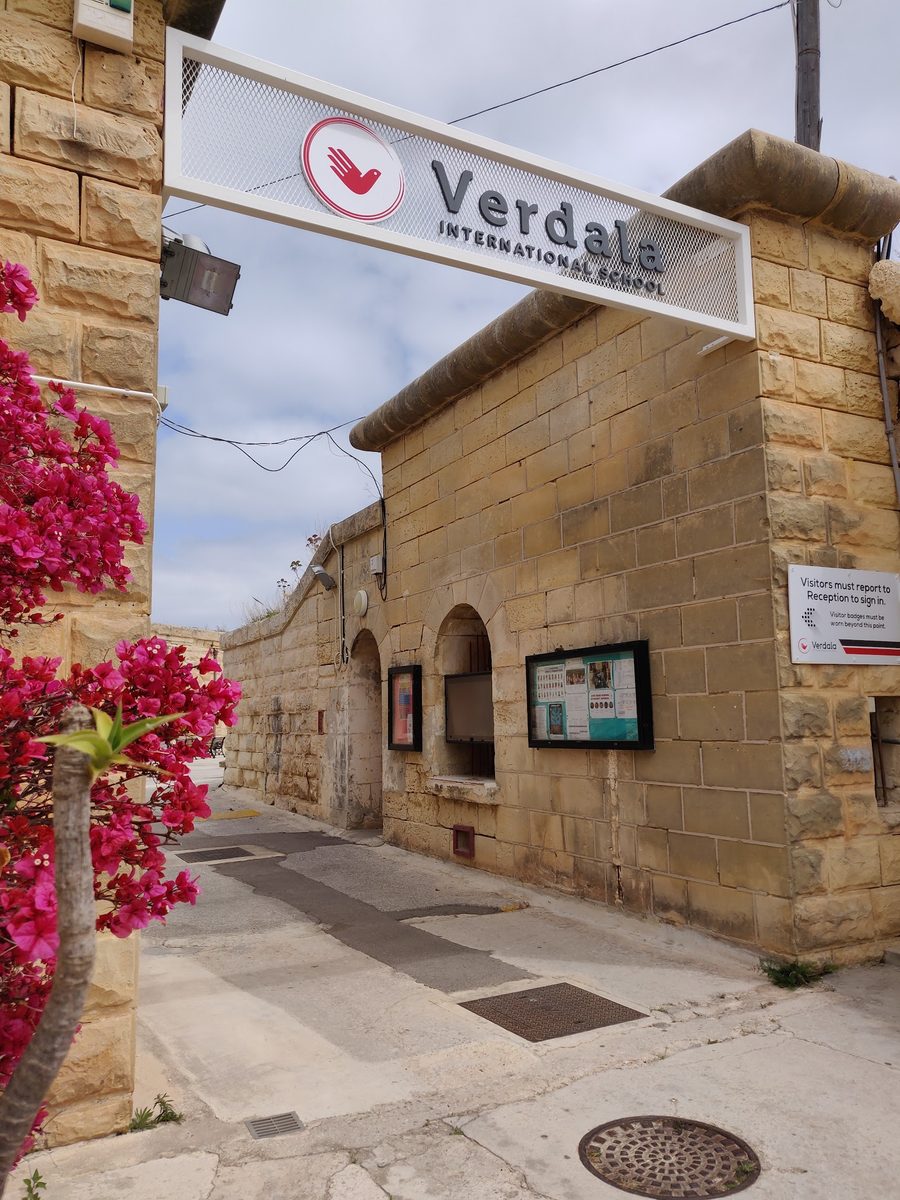
American college-prep classes unfold within the ramparts of a 19th-century hexagonal fort on Malta's coast.
Boston University Academy
Boston · United States
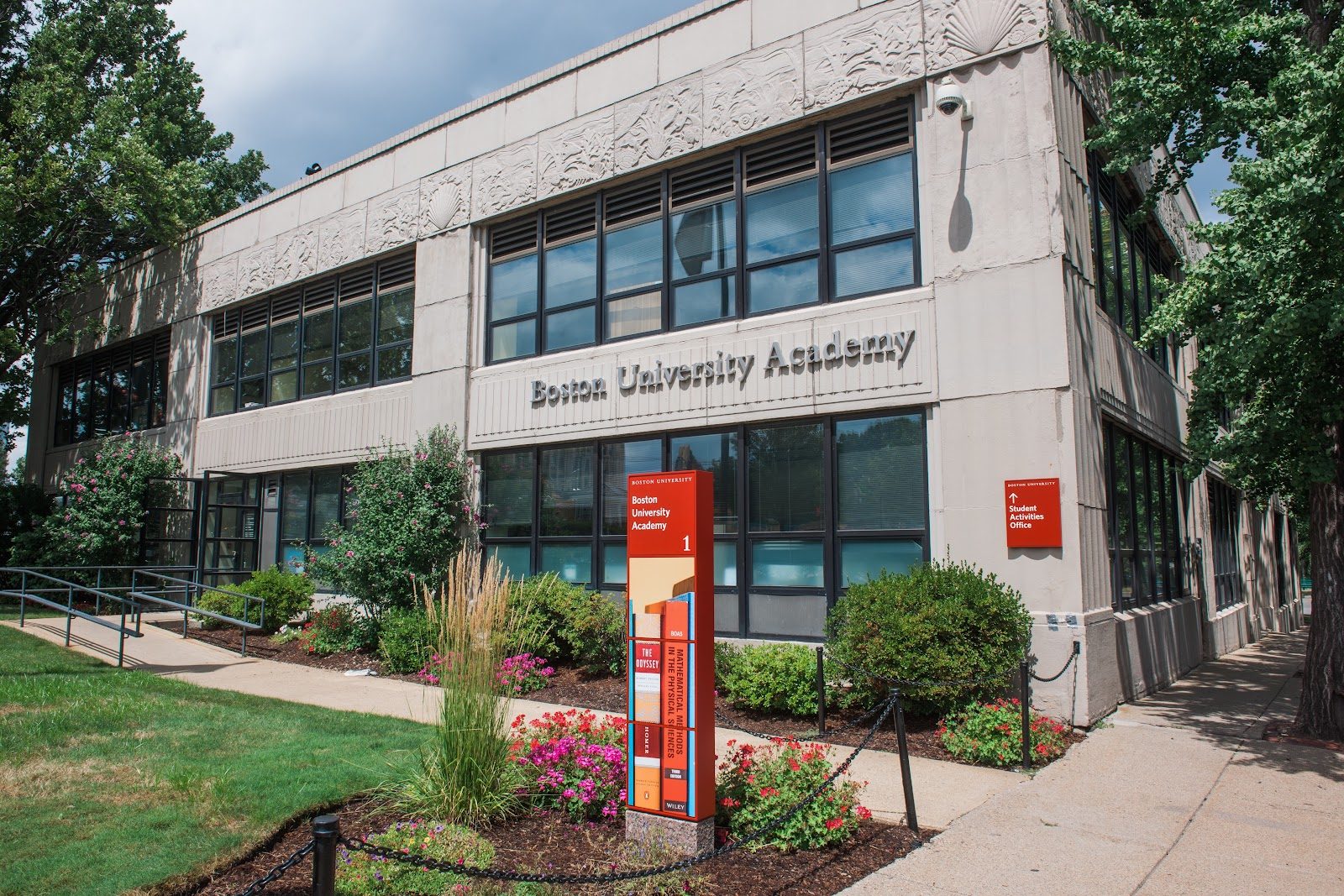
Upperclassmen trade study halls for Boston University lecture halls, banking college credit before graduation.
Same country and curriculum — closest matches within ±10 points either way