
Malta
Verdala International School
medium confidence· 4/6 cats · 3.21 avg sourcesAmerican college-prep classes unfold within the ramparts of a 19th-century hexagonal fort on Malta's coast.
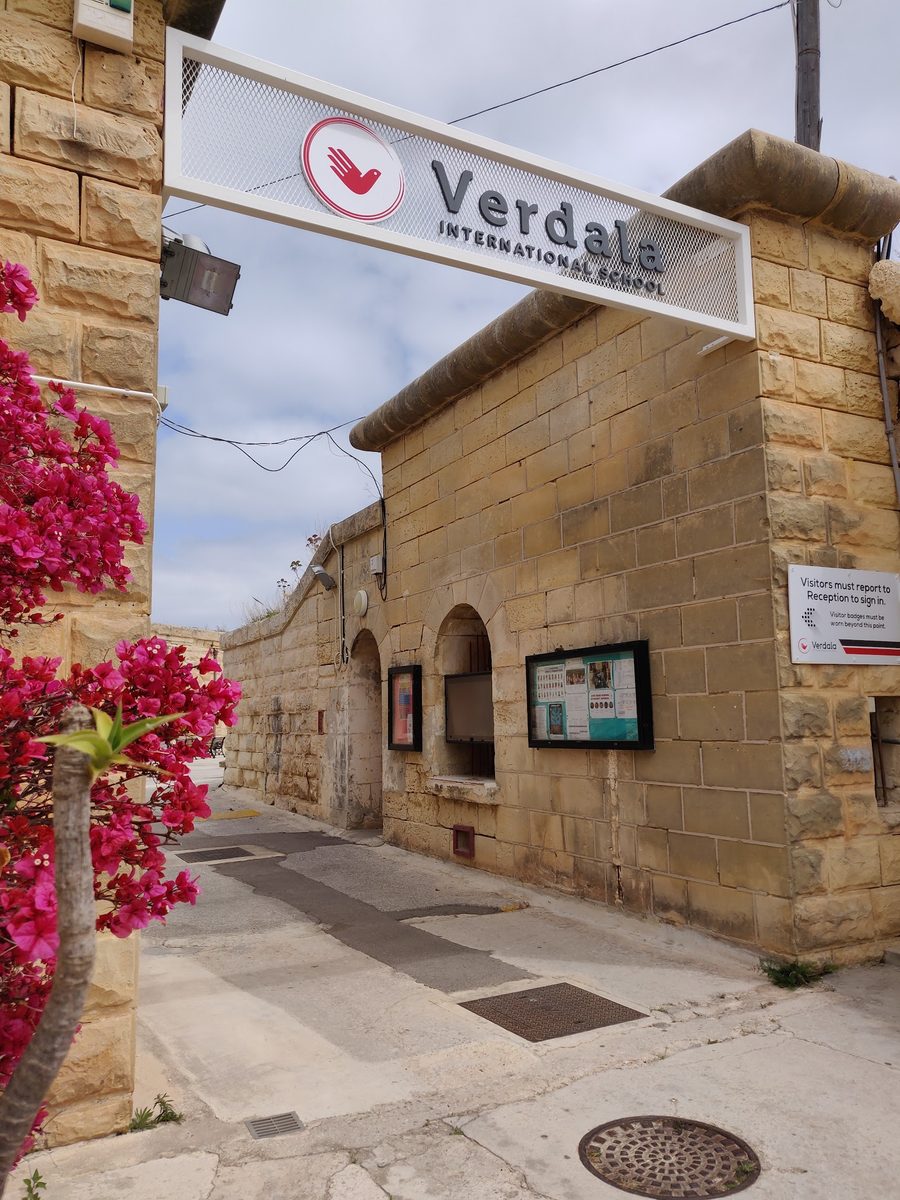
Photo © Verdala International School via Google Maps
Type
Boarding
Ages
3–18
Curriculum
American
Qualifications
AP
Ratio
—
The Verdict
Editor's commitment
Right for
Families in Malta wanting English-medium education from ages 3–18, with boarding and an American curriculum under MSA accreditation.
Wrong for
Parents seeking IB, British exams or religious schooling; Verdala is non-religious, American-curriculum, and boarding in Pembroke.
Watch out for
The headline asset is Fort Pembroke, built 1875–1878; dramatic setting aside, the school does not publish outcome data here.
Ranking breakdown
Verdala International School · # of 1591
Composite score 61.8. 8 weighted criteria.
By criterion
Academic Outcomes
Weight 20%
#1049
of 1529 scored
University Placement
Weight 16%
#1057
of 1529 scored
Prestige & Heritage
Weight 12%
#995
of 1571 scored
Alumni Network
Weight 12%
#623
of 1530 scored
Facilities
Weight 12%
#994
of 1534 scored
Transparency & Communications
Weight 8%
#1073
of 1532 scored
Peer & Industry Review
Weight 10%
#891
of 1548 scored
Admissions Selectivity & Demand
Weight 8%
#837
of 1529 scored
Score history
Verdala International School · 2026
Movement across 2024–2026. Peer average overlaid.
Overall — 2024–2026
61.8/ 100
▲ +24.0 vs 2025
year on year
Peer & Industry Review
How Verdala International School is regarded in the sector
55
Credible · low confidence
Verdala International School is generally known within Malta's expat community as one of the established IB-curriculum international schools, often mentioned alongside QSI Malta and other international schools in expat parent forums (e.g., Malta-based Facebook groups, InterNations, Expat.com threads) discussing schooling options. However, I could not identify substantive coverage in specialist education press (Good Schools Guide, Tatler Schools Guide, Sunday Times School of the Year rankings) or independent peer benchmarking sources, as these publications rarely cover Maltese international schools in depth. This suggests credible local reputation but limited third-party validation beyond word-of-mouth expat networks.
Editors' overview
Verdala International School occupies a niche few schools can match: an American curriculum school in Malta, taught in English, with boarding, set inside a British-built coastal fort from 1875–1878. That setting is not a gimmick. It gives the school a physical identity that most international schools lack: stone ramparts, sea-facing grounds, and a campus with real historical weight. Founded in 1976, Verdala has had time to establish itself as Malta’s best-known international school option for families who want an English-speaking education without the scale or anonymity of a big-city campus.
Its market position is clear. Verdala suits internationally mobile families who want an American college-prep route in Europe, but not the churn, traffic and sprawl that come with larger expat hubs. The boarding offer matters here. In Malta, that makes Verdala more than a day school with an international intake; it gives it reach beyond the immediate local market. The combination of ages 3–18, boarding, and MSA accreditation creates a through-school proposition that appeals to diplomats, corporate families and parents who need continuity across postings. The school’s strongest selling point is not glamour. It is coherence: one campus, one language of instruction, one curriculum, and a fortress setting that is instantly memorable.
Why shortlist it? Because Verdala offers something rare: a compact, distinctive international school experience in a Mediterranean location, without a religious frame and without confusion about what it is. It is an American school in Malta. Parents who value clarity, community and a campus with real character will take that seriously. The school will appeal to students who do well in smaller, close-knit environments and who like the idea of living or studying in a place with a strong sense of place rather than a generic glass-and-steel campus. It will also suit boarders who want independence without being swallowed by a huge institution.
The right student for Verdala is adaptable, internationally minded, and comfortable in a school where the setting is part of the daily experience. A child who wants endless scale, huge spectator sports culture or the machinery of a mega-campus will find stronger options elsewhere. A student who values close community, unusual surroundings and an English-medium American education on Malta’s coast will find Verdala compelling. That is why it belongs on a serious shortlist: not because it tries to be everything, but because it offers a specific and memorable proposition.
Academic Performance
Verdala’s public profile on academic performance is thin. We have not seen aggregate external examination results, no cohort-wide pass rates are in the public domain, and the school does not publish the kind of headline attainment data that lets parents place it cleanly against stronger-reporting international competitors. That matters. In the American-school market, serious peers disclose SAT or AP patterns, university destinations with enough detail to test quality, or at least a consistent run of senior outcomes. Verdala does not give parents that level of evidence. The result is an opaque picture: families must judge academic strength through fit, scale and reputation rather than hard comparative data.
That lack of disclosure places Verdala at a disadvantage against schools that publish hard-edged results. It does not condemn the academic programme; it limits confidence in it. The school’s through-school structure and established presence in Malta give it credibility, but credibility is not the same thing as proof. For parents comparing international schools across Europe, Verdala sits in the group where outcomes may be solid yet remain under-evidenced. If you want a school that can demonstrate external examination performance in black and white, Verdala is not that school. If you are comfortable probing directly and asking for recent senior results, score distributions and university matriculation lists, you will get a clearer read than the public domain currently allows.
Facilities
The defining facility here is the campus itself: classrooms and school life set inside a British-built polygonal fort whose thick stone walls and ramparts give Verdala a singular physical identity. That counts for more than atmosphere. Historic military buildings create memorable assembly, circulation and outdoor social spaces, and they give older pupils a campus with real character rather than the anonymous feel of an office-park school. The sea-facing Pembroke setting adds another asset: open air, coastal light and grounds that feel far removed from the boxed-in urban sites many international schools occupy. Against peers, that makes Verdala stronger on setting than on raw infrastructure. Plenty of competitors can offer newer sports halls, shinier specialist blocks or bigger theatres; very few can offer a campus that students will remember for decades.
What we have not seen is a public inventory of standout specialist facilities: no clear published list of major laboratories, performing arts venues, elite sports provision or high-spec maker spaces that would place Verdala at the top of the regional pack on capital investment. That absence matters. Parents should not assume a fortress campus translates into cutting-edge academic or athletic infrastructure. The school’s boarding status raises the stakes further, because boarders need more than a picturesque site; they need well-run residential, study and recreational spaces that stand up to daily use. Verdala’s facilities case rests on place, distinctiveness and atmosphere. Its case on breadth and modernity needs sharper proof.
Verdala’s facilities case rests on place, distinctiveness and atmosphere
Prestige
Verdala carries niche prestige, not top-tier international-school cachet. Its standing rests on recognisability within Malta, longevity, and a campus that no parent forgets after a first visit. A school housed inside a coastal fort built between 1875 and 1878 has instant symbolic weight; that matters in a market where many schools occupy interchangeable blocks or business-park sites. The school also benefits from scarcity value. Malta does not have a deep bench of internationally known schools, so Verdala has long held a clear place in the local hierarchy. For families who want an established international option on the island, it sits near the front of the conversation. That gives it local clout and a distinct identity.
That said, prestige here is context-specific, not global. Verdala does not command the automatic international recognition of the biggest British, Swiss or North American names, and its thin public reporting on senior outcomes caps its academic authority. Prestige in this case comes more from permanence, setting and market position than from published results or a famous alumni network. That is not trivial; schools build reputations in different ways. But parents need to read the signal correctly. Verdala offers memorable status in Malta and a credible established name for expatriate families. It does not offer the kind of prestige that travels effortlessly across continents or settles every academic question on sight.
Verdala carries niche prestige, not top-tier international-school cachet
Communications
Verdala’s parent communication has to do more work than at a standard day school, because families are trusting the school with children across a wide age range and, for some, across national borders. That raises the bar on clarity, speed and routine. We have not seen a rich public communications ecosystem around the school: no strong evidence of extensive news output, deep academic reporting, or the kind of detailed parent-facing transparency that the best international schools use to reduce friction and build confidence. Public-facing communication, in other words, does the basics but not much more. For prospective parents, that creates a thin public picture. You can grasp the school’s identity quickly; you cannot test its day-to-day operational sharpness nearly as easily.
That matters because communication quality is not cosmetic at a school like this. Parents need timely practical information, clear academic reporting, and confidence that residential and pastoral matters reach them without delay or fog. Verdala’s distinctive campus and established name do not remove that requirement. If anything, they make plain, disciplined communication more important, because the school trades on character and community rather than on a huge public data trail. The verdict: functional, but not best-in-class. Families who prize high-transparency parent communication, with constant updates and hard detail, need to ask direct questions before enrolment and test how quickly and concretely the school responds.
Uniqueness
Verdala’s uniqueness starts with the obvious and goes deeper than the obvious. Many schools trade on location; few operate inside a former coastal defence fort with the geometry and enclosure that shape daily life. That gives students more than a postcard backdrop. It creates a campus with hard edges, historical gravity and a physical logic unlike a standard purpose-built school. Children grow up with thick stone walls, exposed sea air and the sense that school occupies a place with a prior life, not a blank commercial shell. For some pupils, that sharpens attachment to school and gives memory a stronger hook: lessons, friendships and routines tie themselves to a setting that feels genuinely singular.
The benefit is cultural as much as visual. A school in a fort cannot pretend to be a sprawling modern super-campus, and that constraint works in its favour when matched with the right child. Students get a more contained, close-quarter experience of school life, with fewer chances to disappear into anonymity. The setting also gives the school a clear internal mythology: daily movement through ramparts and defended spaces reinforces identity, continuity and shared reference points in a way generic campuses do not. The trade-off is plain. Families wanting acres of gleaming specialist infrastructure will find stronger offers elsewhere. Families wanting a school whose environment leaves a lasting imprint on how children experience education will find Verdala unusually compelling.
Verdala’s distinctive campus and established name do not remove that requirement
Student Profile
Verdala suits students who thrive in a school with a strong internal community and a campus that shapes daily life. The fit is best for children who do not need the social scale or relentless activity menu of a very large international school. New arrivals who adapt quickly, make friends across year groups and tolerate a degree of institutional closeness will do well here. Boarders, in particular, need a measure of self-direction: this is a school for pupils who can manage shared routines, live constructively with others and find interest in a setting that is more idiosyncratic than slick. Families drawn to polished status culture or heavy social display will find the tone elsewhere; Verdala fits students who are comfortable in a more grounded, less performative environment.
The school also suits internationally mobile families who want continuity from the early years to the end of school without moving children between separate institutions. The right student is curious, independent and happy in a place with real physical character rather than endless new-build convenience. Children who need anonymity, huge peer pools or the buzz of mass participation school spirit will feel constrained. So will students who measure school quality by spectacle alone. Verdala works for pupils who value belonging, can live with a more contained rhythm, and respond well to a school that is distinctive, close-knit and not for the faint-hearted if your child prefers the safety of blending into the crowd.
Verdala’s uniqueness starts with the obvious and goes deeper than the obvious
Co-curricular strengths
Arts & sport, on a separate axis
Overall 7.48/10
Scored 0-10 from the school's own published evidence. This axis is editorial-only — it does not feed the main WTS ranking.
Sports
7.8/10
The extracurriculars explicitly list Basketball, Football, and Swimming, indicating a solid multi-activity sports offering.
Drama
7.5/10
Drama productions, which goes beyond a bare club listing by evidencing recurring staged activity, though no theatre, department, or specialist staff are described.
Dance
6.5/10
Music
7.8/10
Choir, showing an explicit structured music activity, but there is no mention of a music department, specialist staff, facilities, or wider ensemble programme.
Visual Arts
7.8/10
Visual arts appears as a named extracurricular.
Editor first-pass · editor-reviewable · 7/27/2026
Strengths
- +Boarding option in Pembroke, Malta
- +Covers ages 3–18 on one campus
- +English-language instruction throughout
- +MSA accreditation provides external oversight
Considerations
- −Only American curriculum is stated
- −Boarding details are not published here
- −Campus is housed within Fort Pembroke
Availability
Primary entry gate & tests
Academic Record
Gallery
Photo © Verdala International School via Google Maps
Photo © Verdala International School via Google Maps
Photo © Chantal Bugeja via Google Maps
Photo © Chantal Bugeja via Google Maps
Photo © Chantal Bugeja via Google Maps
Parent reviews
Have you sent your child here?
Voice reviews carry the strongest trust badge — we transcribe them for you to tidy up before they go live. Prefer to type? A written review is fine too.
Add your voice
In 60 seconds, tell other parents: what's the best thing about Verdala International School, and what surprised you when your child joined?
We ask for a Google sign-in so every review has a real face behind it — no anonymous drive-by attacks on schools, and no faked positive reviews. Your email is never shown publicly.
Send this profile to a friend
International parents rely on word-of-mouth. Share this review with someone weighing the same decision.
Schools with places
Similar schools to Verdala International School with places available now.
Boston University Academy
Boston · United States
- 2026-27
- CLOSEDRegular cycle closed
- 2027-28
- OPENS SOONOpens Sept '26
Ashbury College
Ottawa · Canada
- 2026-27
- CLOSEDRegular cycle closed
- 2027-28
- PLACES OPENDay Dec / Boarding rolling
Nishimachi International School
Tokyo · Japan
- 2026-27
- WAITPOOLSpace-dependent
- 2027-28
- PLACES OPENRolling
Shawnigan Lake School
Shawnigan Lake · Canada
- 2026-27
- CLOSEDRegular cycle closed
- 2027-28
- PLACES OPENActive now
Availability first, then country, area, curriculum, price, co-curricular
Consider also
Also worth looking at alongside Verdala International School.
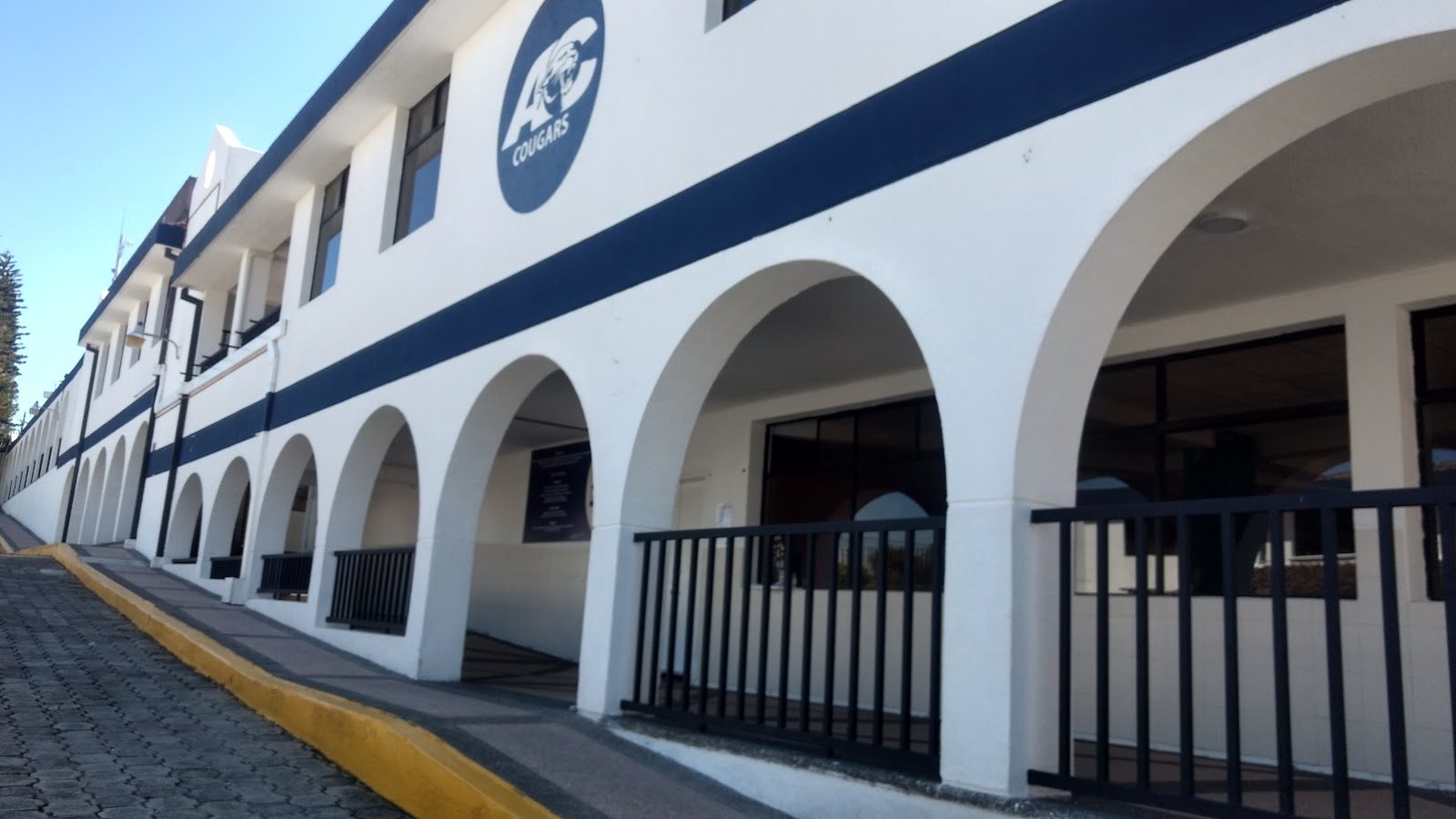
Academia Cotopaxi
Quito · Ecuador
High above Quito at 2,850 meters, this campus became Ecuador's first IB Diploma school back in 1982.
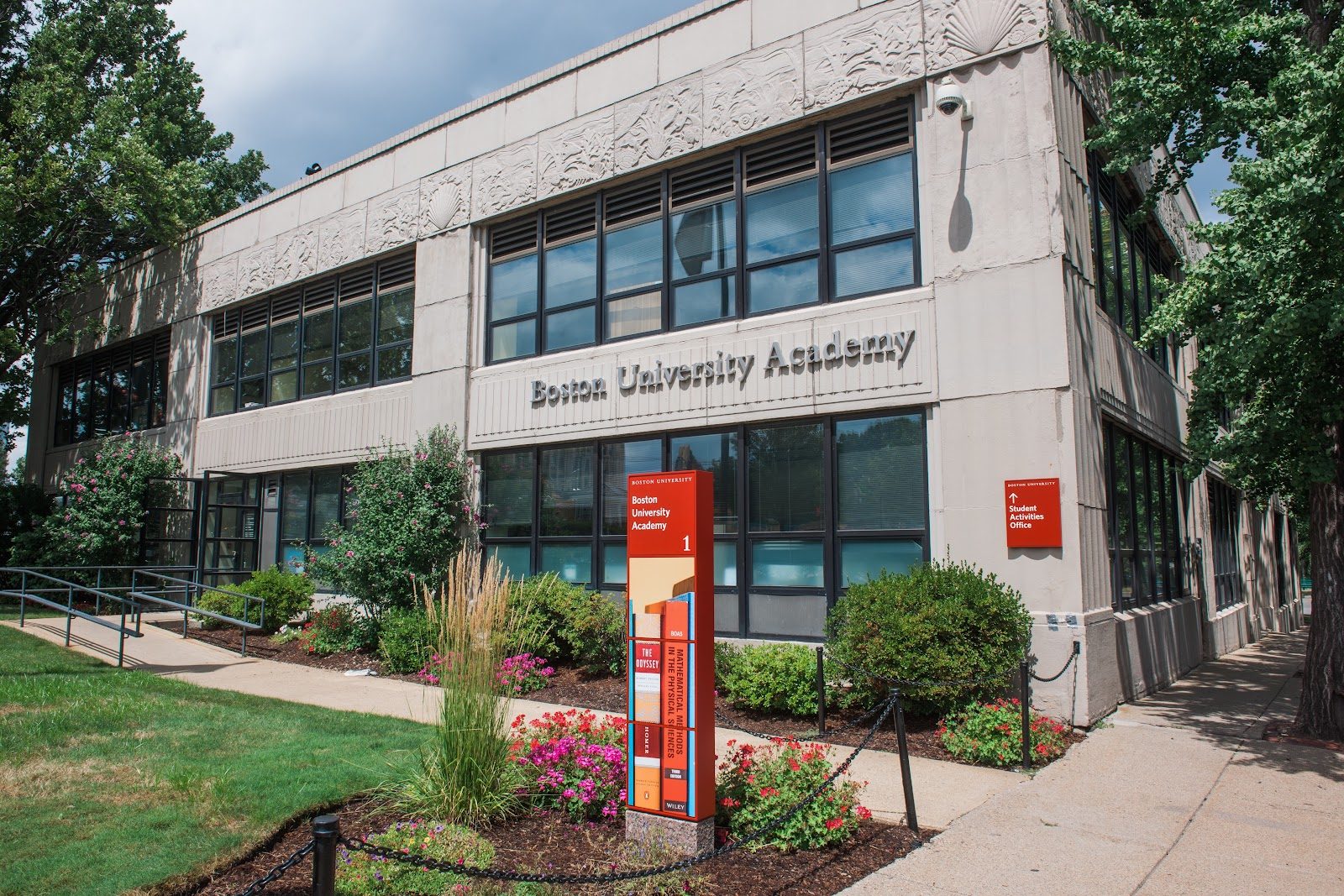
Boston University Academy
Boston · United States
Upperclassmen trade study halls for Boston University lecture halls, banking college credit before graduation.
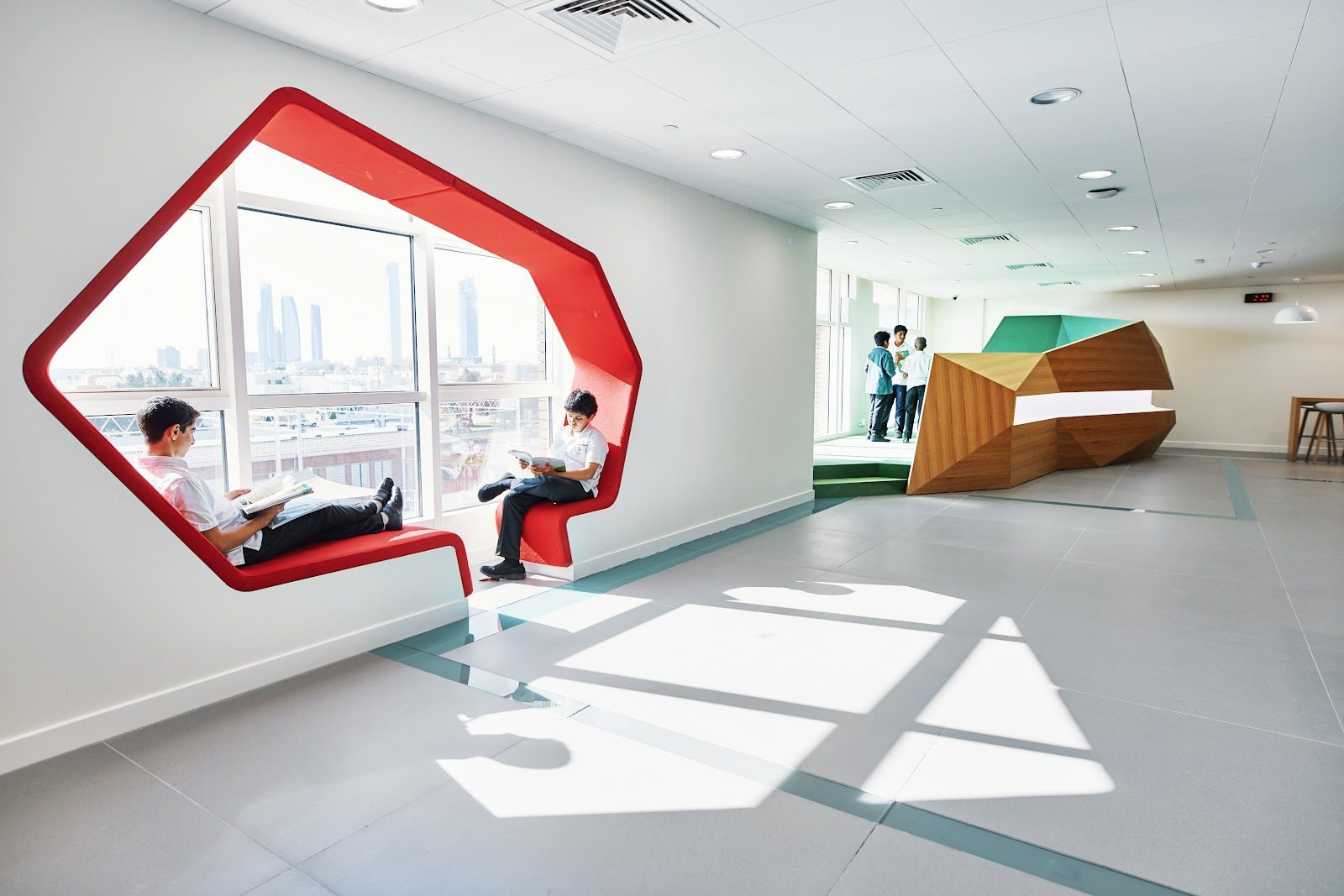
The Sheikh Zayed Private Academy for Boys
Abu Dhabi · United Arab Emirates
Massachusetts Common Core meets a UAE Armed Forces leadership programme, forging Emirati identity into an American diploma.
Zurich International School
Zurich · Switzerland
On Lake Zurich's shore, a 1963-founded day school pairs American diplomas and the IB with a bilingual German-English track from age three.
Same country and curriculum — closest matches within ±10 points either way