
Pennsylvania
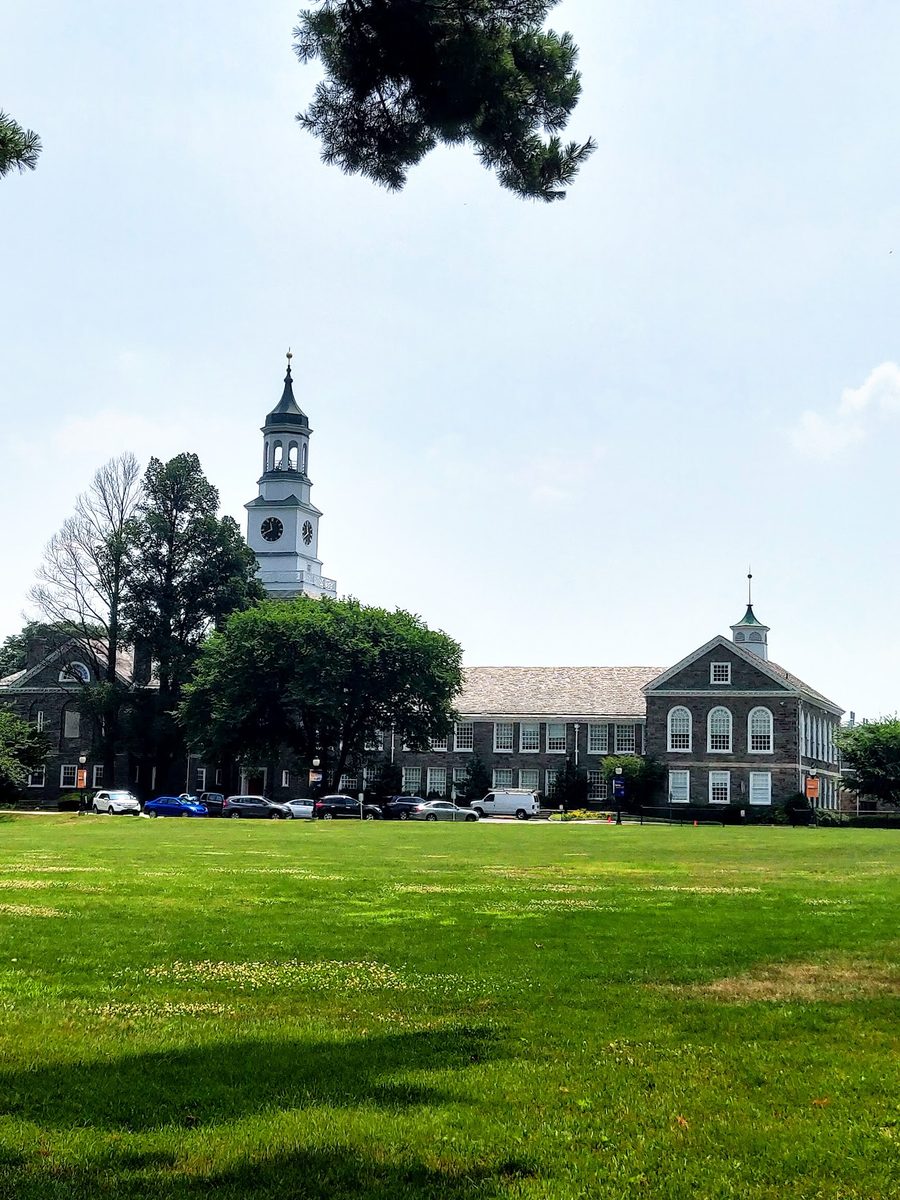
Founded in 1689, this East Falls Quaker campus still runs the nation's oldest continuous schoolboy football rivalry.
Type
Day
Ages
3–18
Curriculum
American
Qualifications
US High School Diploma
Ratio
5:1
The Verdict
Editor's commitment
Right for
Families who want a 1689 Quaker day school on 47 East Falls acres, with a 5:1 ratio and serious academics, arts and athletics.
Wrong for
Parents seeking boarding, a non-American curriculum, or a secular ethos; Penn Charter is day-only, American and explicitly Quaker from age 3 to 18.
Watch out for
At an average annual fee of $39,938, you are paying for history, space and intensity; the school's oldest-rivalry sports culture will not suit every child.
Ranking breakdown
William Penn Charter School · # of 1591
Composite score 72.3. 8 weighted criteria.
By criterion
Academic Outcomes
Weight 20%
#385
of 1529 scored
University Placement
Weight 16%
#398
of 1529 scored
Prestige & Heritage
Weight 12%
#289
of 1571 scored
Alumni Network
Weight 12%
#192
of 1530 scored
Facilities
Weight 12%
#395
of 1534 scored
Transparency & Communications
Weight 8%
#513
of 1532 scored
Peer & Industry Review
Weight 10%
#527
of 1548 scored
Admissions Selectivity & Demand
Weight 8%
#334
of 1529 scored
Peer & Industry Review
How William Penn Charter School is regarded in the sector
70
Respected · medium confidence
Among Philadelphia's Inter-Ac League schools - Episcopal Academy, Germantown Academy, The Haverford School, Springside Chestnut Hill Academy - Penn Charter is regarded as a peer of comparable academic and athletic standing, with rivalries covered regularly in local sports and education press. As a Quaker school, it also sits within the Friends Council on Education network, giving it a distinct affiliation absent from most Inter-Ac rivals. Independent rating aggregators such as Niche.com consistently place it among the top private schools in the Philadelphia metro area, and it features in regional outlets like Philadelphia Magazine's private-school coverage. Its graduates matriculate to a broad range of selective American universities, consistent with a strong regional day school rather than a nationally recruiting boarding institution. Because UK-oriented outlets such as WhichSchoolAdvisor or the Good Schools Guide do not cover U.S. day schools, the more relevant press signals are American guides (Niche, Forbes' occasional private-school features) and local Philadelphia media, where Penn Charter's reputation is solid, historic and regionally prominent rather than globally benchmarked.
Editors' overview
Penn Charter trades on substance, not polish. A 1689 foundation matters here because the school still carries the weight of that history in a live way: this is the oldest Quaker school in the world, on a 47-acre campus in East Falls, and part of one of the country’s oldest prep-school rivalries. The Quaker identity is not decorative. Weekly Meeting for Worship sits inside school life, and the language of simplicity, peace, integrity, community, equality and stewardship runs straight through the mission. Parents looking for a secular-prestige school with a thin ethical veneer should look elsewhere. This is a values-driven school with a serious moral centre.
The academic proposition is strong and broad rather than narrowly exam-drilled. Penn Charter offers an American curriculum from age 3 to 18, with a 5:1 student-teacher ratio that signals unusual adult access by any standard. The school talks openly about a vigorous programme across academics, arts and athletics, and the detail supports that: hands-on science and inquiry in the middle years, an Idea Lab and Discovery Room for younger children, a performing arts programme with real space for growth, and athletics tied explicitly to character formation. That breadth will suit students who want intensity without premature specialisation. It will not suit families hunting for a results-factory or a school that defines ambition in test-prep terms alone. Penn Charter does not publish the kind of headline outcomes data that hard-driving comparison shoppers now expect, and that opacity matters.
The market position is clear: this is an expensive, top-tier Philadelphia day school, with an average annual fee of $39,938 across the full age range. What puts it on a shortlist is the combination of age, mission and resources: pre-K to 12 continuity, a large urban campus, a deep-rooted Quaker ethos and enough institutional confidence to invest in the arts, sport, civic engagement and environmental sustainability alongside scholarship. The right child for Penn Charter is bright, engaged and comfortable in a school culture that asks for reflection as well as performance. The ideal fit is not a child who wants anonymity or a purely transactional education, but one who will thrive in a high-expectation, community-minded environment where intellect, character and participation all count.
Academic Performance
Penn Charter does not publish the external-results data that serious comparison requires. We have not seen aggregate SAT or ACT profiles, AP score distributions, National Merit totals, matriculation breakdowns, or any other public outcomes set that would let parents place the school cleanly against Philadelphia’s top independent peers. That matters. In this market, schools at the top end of fees and selectivity need to show where their students land academically, not just describe programme breadth. Penn Charter advertises 80+ advanced courses, certificate programmes and independent studies, and it has 156 classroom teachers, but course volume is not the same thing as measured attainment. On academic performance, the school is opaque where it should be exact.
That does not mean weak outcomes; it means unproven ones in public. The ingredients are strong: a very low staffing ratio, heavy faculty qualification levels, and the scale to offer advanced study beyond a standard college-prep menu. That profile places Penn Charter in the serious academic tier of US day schools rather than the merely well-rounded one. Still, relative position against direct competitors remains hard to verify because the school withholds the numbers that would settle the question. Parents who rank transparency highly will find that frustrating. Parents who trust institutional reputation and care as much about intellectual culture as scoreboard data will be less troubled.
Facilities
Penn Charter’s facilities track the needs of a full-spectrum day school rather than a narrow academic hothouse. The standout assets are the specialist spaces named across divisions: the Discovery Room for the youngest children, the Lower School Idea Lab, and dedicated settings for middle-school science, music and art. That matters because it points to purpose-built provision, not children being folded into generic classrooms and asked to improvise. The arts footprint also reads as serious: students work across charcoal, acrylic, watercolour, plaster, clay and papier-mâché, which implies proper studio provision and storage, while the performing arts programme has enough infrastructure to support sustained participation rather than token productions. For a school of this stature, that is properly equipped, educationally coherent and well above the baseline.
The larger competitive advantage is the breadth of campus life those spaces support. Athletics are clearly embedded, and the school’s long-standing rivalry culture indicates substantial playing provision and institutional commitment to sport. Weekly Meeting for Worship also requires a space built for communal stillness rather than assembly-hall noise, which gives the campus a distinctive spiritual centre few peer schools can match. Against top independent day-school competitors, the facilities picture is strong on range and integration: science, arts, making, sport and reflection all have a visible place. What Penn Charter does not flaunt is the arms-race language of headline architecture or lavish specialist centres. Some parents will read that as restraint; others will want more hard detail. Still, this is not a campus short on substance. It is mature, well resourced and built for whole-school use, not brochure spectacle.
The market position is clear: this is an expensive, top-tier Philadelphia day school, with an average annual fee of $39,938 across the full age range
Prestige
Penn Charter carries real old-establishment weight in Philadelphia. The name has civic and social recognition beyond education circles, and the school’s place in the Inter-Academic League reinforces that standing. Prestige here does not rest on glossy international branding or a flood of public results data. It rests on permanence, selectivity, institutional confidence and a constituency that treats the school as part of the city’s independent-school top table. A campus of 47 acres, more than 1,000 students and 156 classroom teachers gives it the scale of a major operation rather than a niche boutique school, while 40% of students on need-based financial aid tempers the old-guard image with a degree of socioeconomic reach.
What lifts Penn Charter above the merely prominent is the coherence between status and culture. The Quaker frame is not an add-on for prospectuses; it shapes worship, service and the school’s language of conduct. That gives the place a distinctive moral seriousness that many elite American day schools lack. It also stops prestige from tipping into pure social theatre. The caveat is clear: this is *high prestige without full public accountability on outcomes*. For some families, reputation, resources and cultural depth will be enough. For others, especially those who want prestige backed by published academic proof, the school’s standing rests too heavily on trust and inherited esteem.
In this market, schools at the top end of fees and selectivity need to show where their students land academically, not just describe programme breadth
Communications
Penn Charter communicates with the confidence of an old institution that knows what it wants to say. The public-facing message is disciplined: Quaker practice, service, reflection, difference, and a rigorous life across academics, arts and sport. That coherence matters. Parents do not get a muddled stream of slogans or a school trying to be all things at once. The site is rich in concrete detail about day-to-day school life — the Discovery Room, Idea Lab, hands-on middle-school science, visual arts media, Meeting for Worship, service days — and the “fast facts” block does useful work with headline measures such as 80+ advanced courses and 40% on need-based aid. Communication is strongest when it explains culture and lived experience. On that front, it is clear, self-possessed and substantial.
Where communication weakens is in accountability. The school says a great deal about values and programme, and far less about outcomes. That imbalance leaves parents with a vivid picture of ethos but an incomplete one of academic delivery. For a school charging an average of $39,938 a year, that is a serious omission, not a minor gap. Families who care most about community, moral formation and the texture of school life will find the message convincing and internally consistent. Families who want hard comparative data alongside the rhetoric will find it frustratingly selective. In short: strong on identity, good on operational texture, weak on published proof.
Uniqueness
Penn Charter’s distinctiveness starts with continuity of ethos. Plenty of old schools keep a founder’s name and lose the founder’s habits; this one still organises school life around Quaker practice. Weekly Meeting for Worship is not decorative, and neither is the SPICES framework of simplicity, peace, integrity, community, equality and stewardship. That gives students more than a chapel slot or a values poster. It gives them a school culture that prizes silence, reflection, service and restraint alongside competition and achievement. In an American independent-school market crowded with high-gloss ambition, that is genuinely unusual. The effect on students is concrete: they learn to speak with intention, listen without performance, and treat leadership as responsibility rather than display.
The second point of difference is breadth without fragmentation. Penn Charter runs a full age-range school on one campus and does it with the resources of a major operation: 80+ advanced courses, certificate programmes and independent studies, specialist spaces for younger children, and a student body large enough to sustain serious arts and athletics at the same time. Add the Inter-Academic League setting and one of the country’s oldest school rivalries, and students get a rare blend of institutional memory, competitive energy and moral framing. That combination will suit children who want a deep-rooted, high-expectation education with real room to range. It will not suit families who want a school stripped of ceremony, inwardness or ethical demands.
It rests on permanence, selectivity, institutional confidence and a constituency that treats the school as part of the city’s independent-school top table
Student Profile
The Penn Charter student is not a narrow grinder. This school suits children who can handle strong academics while taking the arts, sport, service and communal expectations seriously at the same time. The rhythm of school life asks for more than performance: students sit in weekly worship, reflect in silence, and work inside a community that talks openly about integrity, equality and stewardship. That will fit thoughtful children who are comfortable with introspection, moral language and visible participation. It will grate on students who want a purely transactional education or who regard school culture as background noise. With more than 80 advanced courses and a 1/3 share of upper-school students involved in both athletics and the arts, the school backs range, commitment and follow-through.
Socially, the fit is broader than the old Philadelphia stereotype but still demanding. The school draws from a wide spread of neighbourhoods and offers meaningful financial aid, so the student body is not a closed club. Even so, the culture carries old-school confidence and expects students to join in rather than hang back. Children who thrive here tend to be articulate, community-minded and willing to test themselves across several fronts without needing constant display. The least comfortable fit is the child who wants anonymity, resists reflection, or prefers a school with fewer ethical claims on daily life. This is a place for students with inner ballast, not just polish.
That gives the place a distinctive moral seriousness that many elite American day schools lack
Co-curricular strengths
Arts & sport, on a separate axis
Overall 8.58/10
Scored 0-10 from the school's own published evidence. This axis is editorial-only — it does not feed the main WTS ranking.
Sports
9/10
Absolute Inter-Ac athletic powerhouse; fields nationally dominant baseball, track, and lacrosse programs across state-of-the-art turf grounds.
Drama
8.8/10
The school's performing arts tracks function like a professional conservatory environment, mounting elite, large-scale theater productions.
Dance
7.5/10
Offered primarily as a movement asset within theatrical physical training rather than an independent classical track.
Music
8.8/10
Exceptional music wing supporting top-tier youth orchestras, chamber groups, and elite choirs with deep civic pipelines.
Visual Arts
8.8/10
Highly disciplined fine arts track emphasizing technical portfolio mastery and advanced graphic design suites.
WTS 300 badge
William Penn Charter School is one of the World's Top 300 Schools. Claim your listing to add it to your site →
Strengths
- +Founded by Philadelphia Quakers in 1689 and first chartered by Penn in 1701, it is the oldest continuously operating Friends school in the world.
- +Located on 47 acres in the East Falls section of Philadelphia, the school enrolls roughly 1,000 co-educational students from pre-K through grade 12.
- +Students can participate in both athletics and the performing arts, with 80 sports teams in Middle and Upper School and 17 student ensembles in performing arts.
- +About 40% of students receive some level of financial aid, and Penn Charter imposes no income ceiling or minimum for families applying, with most aided families paying less than half of tuition.
- +Penn Charter is a member of the Inter-Academic League (Inter-Ac), the nation's oldest high school league, and shares the nation's oldest continuous football rivalry with Germantown Academy.
Considerations
- −As a Day school only, families relocating to Philadelphia must secure local housing rather than relying on a boarding option.
- −Upper School tuition reaches roughly the high-$40,000s per year by the mid-2020s, a significant recurring cost even before ancillary fees.
- −The acceptance rate is around 31%, lower than the national average, and older applicants typically must sit the SSAT or ISEE, adding a formal testing hurdle.
- −A weekly Meeting for Worship for quiet spiritual reflection is woven into school life, a Quaker practice that families seeking a strictly secular day school should weigh.
Availability
Primary entry gate & tests
ISEE/SSAT + Interview
Gallery
Parent reviews
Have you sent your child here?
Voice reviews carry the strongest trust badge — we transcribe them for you to tidy up before they go live. Prefer to type? A written review is fine too.
Add your voice
In 60 seconds, tell other parents: what's the best thing about William Penn Charter School, and what surprised you when your child joined?
We ask for a Google sign-in so every review has a real face behind it — no anonymous drive-by attacks on schools, and no faked positive reviews. Your email is never shown publicly.
Send this profile to a friend
International parents rely on word-of-mouth. Share this review with someone weighing the same decision.
Schools with places
Similar schools to William Penn Charter School with places available now.
The Baldwin School
Bryn Mawr · United States
- 2026-27
- CLOSEDRegular cycle closed
- 2027-28
- OPENS SOONOpens 1 Sept '26
The Hill School
Pottstown · United States
- 2026-27
- CLOSEDRegular cycle closed
- 2027-28
- OPENS SOONOpens Sept '26
The Haverford School
Haverford · United States
- 2026-27
- CLOSEDRegular cycle closed
- 2027-28
- OPENS SOONOpens Sept '26
Germantown Friends School
Philadelphia · United States
- 2026-27
- CLOSEDRegular cycle closed
- 2027-28
- OPENS SOONOpens Sept '26
Availability first, then country, area, curriculum, price, co-curricular
Consider also
Also worth looking at alongside William Penn Charter School.
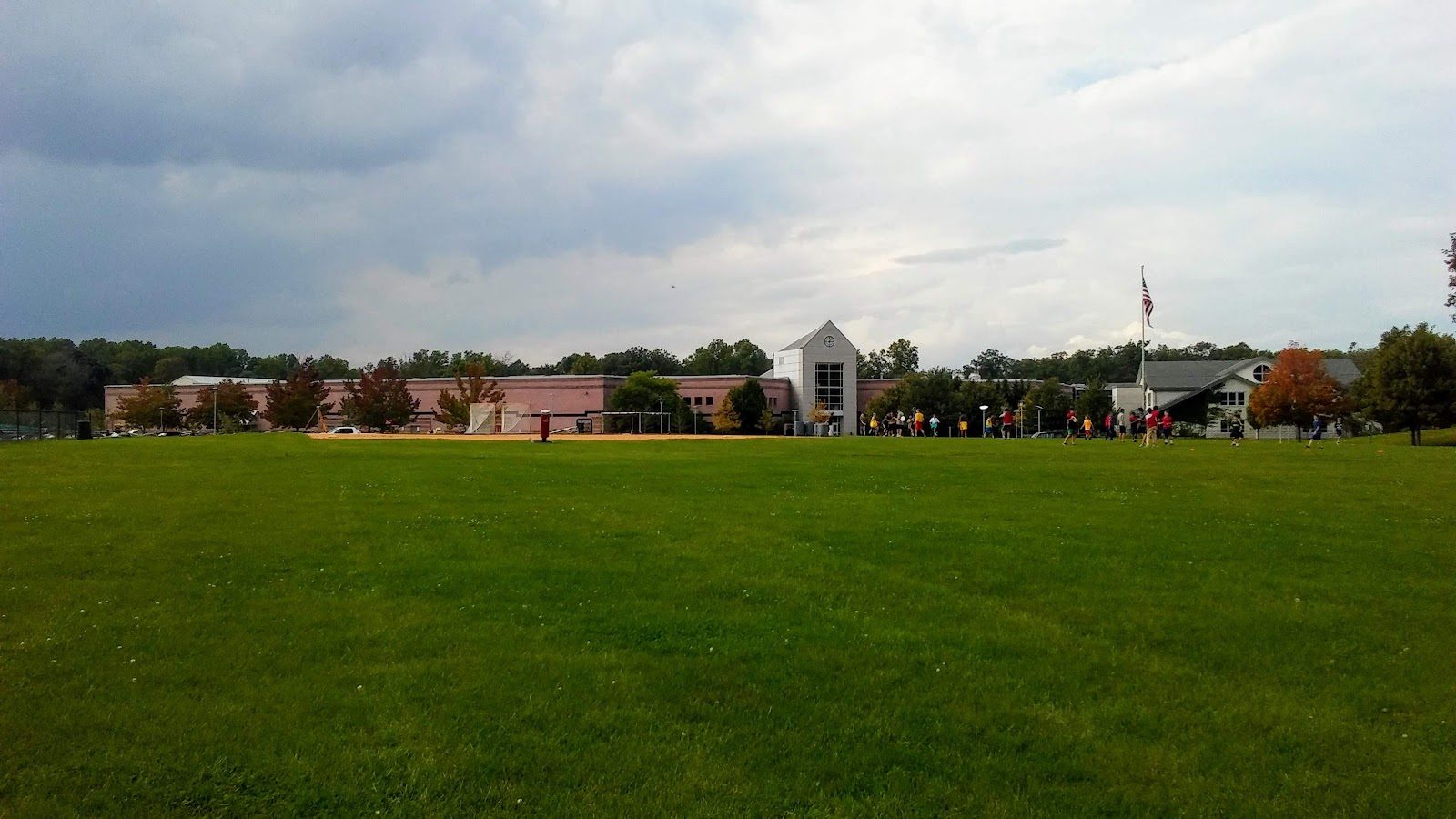
The Pingry School
Basking Ridge · United States
A 1861-founded New Jersey day school whose soccer pitches were deemed fit to host Morocco's 2026 World Cup training camp.
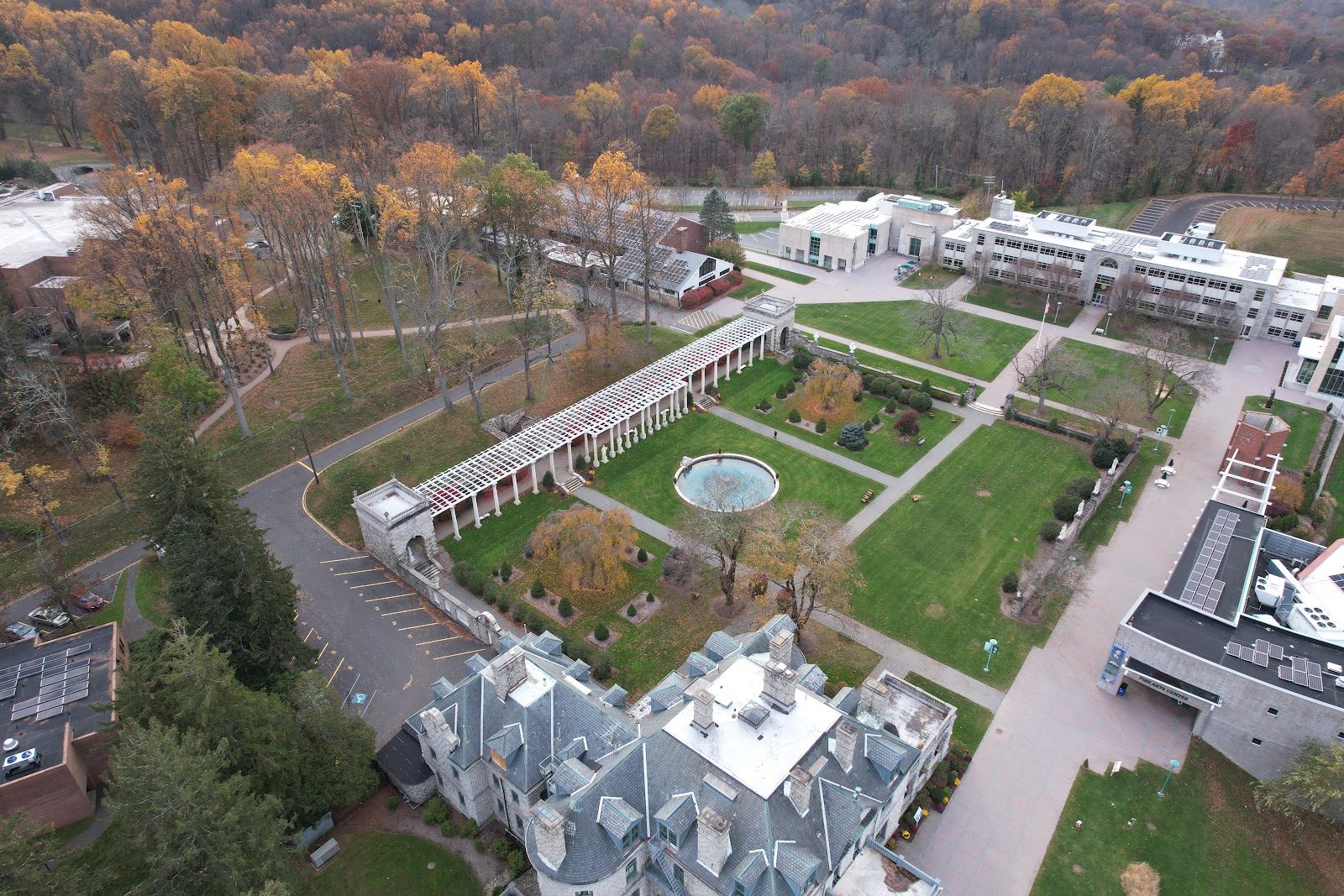
Delbarton School
Morristown · United States
On a 187-acre abbey campus outside Morristown, Benedictine monks still guide a rigorous, near-1,500-year-old liberal arts tradition.
Newark Academy
Livingston · United States
Founded in 1774, this Livingston day school remains New Jersey's only private IB Diploma provider
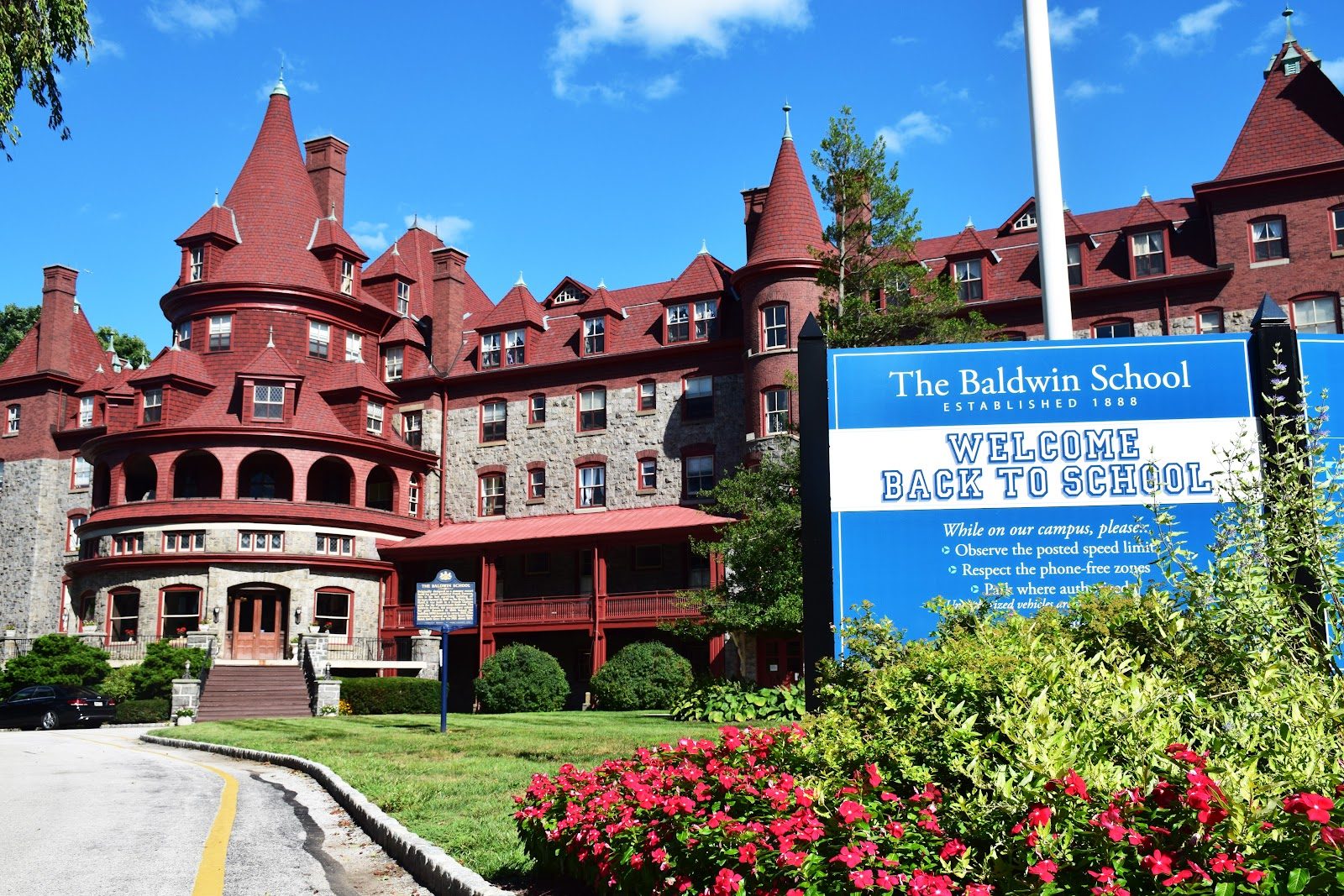
The Baldwin School
Bryn Mawr · United States
Since 1888, a single-sex college-prep tradition on Philadelphia's Main Line, housed in Frank Furness's landmark former Bryn Mawr Hotel.
Same country and curriculum — closest matches within ±10 points either way