
California
Westridge School
low confidence· 2/6 cats · 2 avg sourcesFounded in 1913 by a woman architect, this all-girls Arroyo Seco campus pairs Caltech research internships with aerospace engineering.
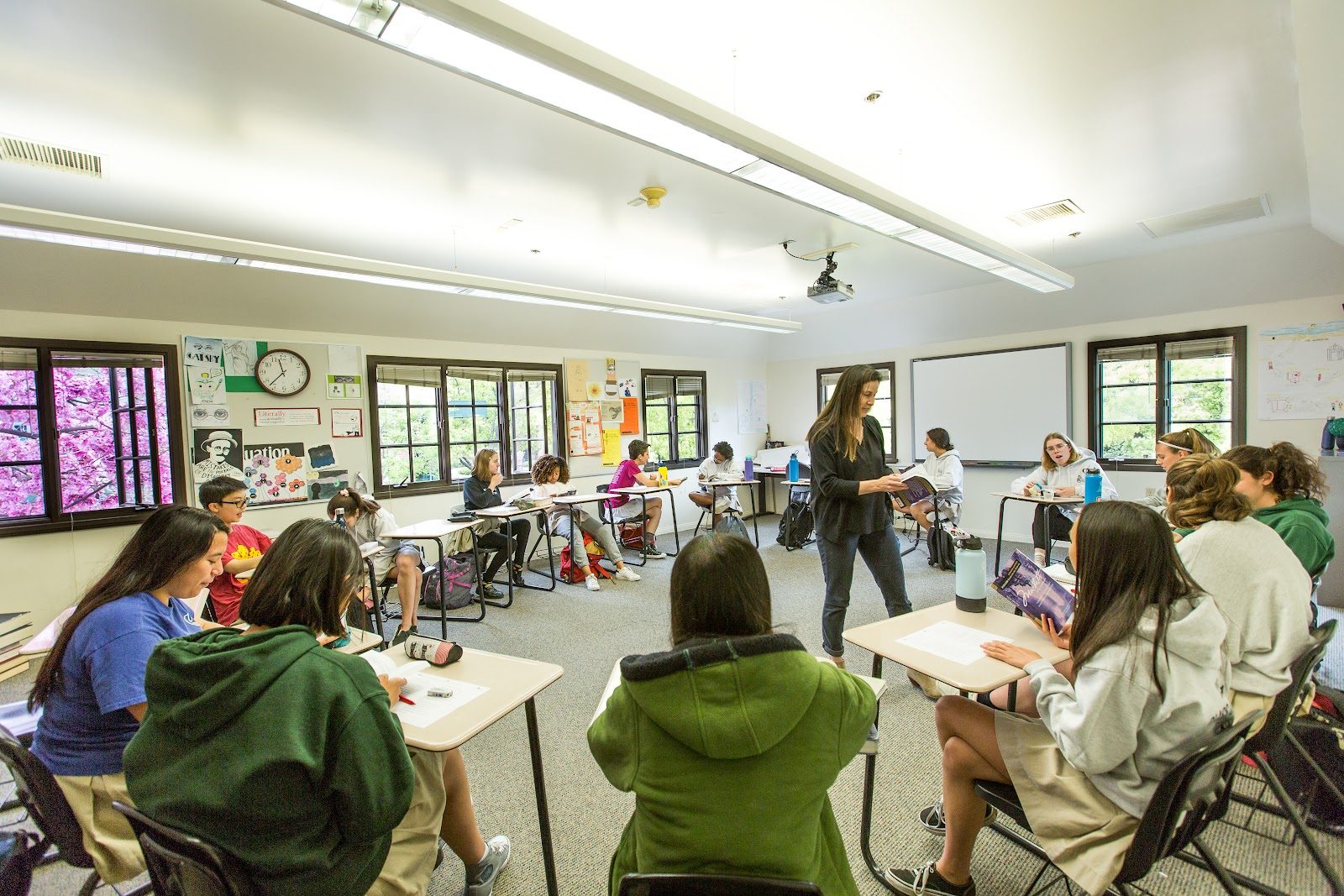
Photo © Westridge School via Google Maps
Type
Day
Ages
8–18
Curriculum
American
Qualifications
AP
Ratio
8:1
The Verdict
Editor's commitment
Right for
Girls 8–18 who want an all-girls day school founded in 1913, an 8:1 ratio, and discussion-led American teaching.
Wrong for
Families wanting co-education, boarding, religious formation or a cheaper route; the average annual fee is $48,922.
Watch out for
NAIS accreditation and Pasadena polish do not equal radical breadth: this is a focused girls' day school, in English, on one model.
Ranking breakdown
Westridge School · # of 1591
Composite score 68.3. 8 weighted criteria.
By criterion
Academic Outcomes
Weight 20%
#667
of 1529 scored
University Placement
Weight 16%
#649
of 1529 scored
Prestige & Heritage
Weight 12%
#678
of 1571 scored
Alumni Network
Weight 12%
#389
of 1530 scored
Facilities
Weight 12%
#721
of 1534 scored
Transparency & Communications
Weight 8%
#592
of 1532 scored
Peer & Industry Review
Weight 10%
#640
of 1548 scored
Admissions Selectivity & Demand
Weight 8%
#647
of 1529 scored
Peer & Industry Review
How Westridge School is regarded in the sector
68
Respected · medium confidence
Within Southern California's tightly networked independent-school world, Westridge is seen as a serious, if narrowly scaled, player alongside Marlborough, Flintridge Sacred Heart and its Pasadena neighbor Polytechnic School, with which it competes and collaborates through California Association of Independent Schools circuits. Its STEM emphasis and Caltech-adjacent culture earn quiet respect from science-minded admissions readers, and the school sends graduates to a solid spread of selective liberal-arts colleges and research universities, though it lacks the outsized Ivy-feeder profile of larger Los Angeles schools like Harvard-Westlake. International education press coverage is thin - Westridge sits below the radar of outlets such as the Good Schools Guide or WhichSchoolAdvisor, which focus more heavily on UK and international schools - reflecting its status as a well-regarded regional institution rather than a nationally ranked brand. Recognition among peers is real but local: strong in Pasadena and the San Gabriel Valley, modest beyond it.
Editors' overview
Westridge School is a long-established all-girls day school in Pasadena, founded in 1913 by architect and educator Mary Lowther Ranney. That origin matters. The school has had more than a century to refine a clear proposition: girls taught in an environment built around their voices, their leadership and their academic confidence. The public message is explicit, and the structure backs it up — girls lead student initiatives, discussion drives classroom life from Grade 4 onward, and the school frames intellectual ambition as a daily expectation, not a branding line. In a crowded US independent-school market, that gives Westridge a precise position: an academically serious girls’ school with a strong sense of mission, a human scale and a conspicuous refusal to dilute its focus. The 1:8 student–teacher ratio reinforces that intimacy.
What puts Westridge on a shortlist is not grandiosity but coherence. The school offers the American curriculum in an all-girls setting for ages 8–18, on a campus in Pasadena that places students within reach of elite universities, research institutions and southern California’s engineering economy. Your editorial tagline points to one of the clearest differentiators: Caltech research internships and aerospace engineering. That combination is unusually sharp. Plenty of girls’ schools talk about STEM; fewer can connect it to real institutional proximity and programme design in a way that feels serious, purposeful and forward-looking. Set against that, Westridge also leans hard into reflection, communication and the female perspective across the curriculum. Parents looking for a school that treats intellectual life and girls’ education as connected, not separate, will find that argument compelling.
The school will suit girls who want to speak up, test ideas in class and take visible responsibility in the life of the school. It is a strong fit for students who thrive in lively, discussion-based lessons rather than anonymous lecture-room teaching, and for those who want academic challenge without the social distortions that mixed environments can still produce for adolescent girls. It will also appeal to families who value a non-religious setting, a defined mission and a campus culture that prizes self-knowledge as much as attainment. Girls who want a huge, impersonal school with every conceivable pathway under the sun may find Westridge too contained. Girls who want intellectual stretch, confident leadership and a community where girls occupy the centre of the frame will understand its appeal at once.
Academic Performance
Westridge does not publish the kind of hard outcome data that would let parents place it cleanly against the strongest US independents. We have not seen aggregate SAT or ACT profiles, AP score distributions, matriculation breakdowns, or any other year-on-year attainment table in the public domain. That matters. In the American private-school market, the most academically confident schools either publish headline results or disclose enough university-destination detail to make performance legible. Here, the picture is opaque. The school’s own academic language is ambitious and discussion-driven, but the external proof points are thin.
That does not place Westridge in a weak academic tier; it places it in a category that asks parents to trust institutional reputation, selectivity and programme design more than published results. Its all-girls focus, low staffing ratio and links to serious STEM opportunities point to a school with real intellectual intent, not a soft progressive refuge. Relative to peers, then, Westridge sits in the group of academically serious girls’ schools whose reputation is stronger than their public data trail. For families comfortable with that, the absence of published exam metrics will not be decisive. For families who want forensic clarity on external performance, it is a clear weakness and one worth pressing in admissions conversations.
Facilities
Westridge’s facilities matter less for spectacle than for fit. This is not the kind of American independent school that tries to win parents with a vast suburban plant, an arena-sized sports complex or a shopping-list campus tour. Its public identity points instead to classrooms built for discussion, student voice and close academic exchange, with the campus functioning as a deliberate working environment rather than a monument. That aligns with the school’s educational model. For families weighing peers, the comparison is clear: Westridge offers a more intellectually tuned physical set-up than schools whose facilities lead with brute scale, but it carries less of the grand, all-things-to-all-students infrastructure that the biggest and richest day schools advertise.
The more distinctive asset sits beyond bricks and mortar. The school’s proximity to Caltech and the programme line around research internships and aerospace engineering give Westridge access to opportunities many girls’ schools cannot match, however polished their science blocks may be. That external ecosystem functions as an extension of the campus and lifts the school’s STEM offer into serious territory. Parents should still ask hard questions. The school does not publish the level of facility detail that top independents often provide: no clear public accounting of specialist labs, performing arts spaces, athletic provision or design/technology resources. Against peers, that leaves the picture under-described. The advantage is intellectual access and focused use of space; the weakness is a thin public account of what sits on site.
Westridge School is a long-established all-girls day school in Pasadena, founded in 1913 by architect and educator Mary Lowther Ranney
Prestige
Westridge carries real prestige within the US independent-school landscape, though it is a specific kind of prestige rather than the chest-thumping variety. The school’s standing rests on three things: a long-established identity, a tightly defined mission as a girls’ school, and the social and intellectual pull of its local ecosystem. The low 1:8 staffing ratio matters here. It signals resource, selectivity and a level of adult attention associated with expensive, high-status independents. The school also benefits from a founder story with texture and distinction, not a generic legacy narrative, and from a public identity that is coherent, self-possessed and resistant to educational fashion. That gives it more cachet than newer schools still trying to explain what they are.
The ceiling on that prestige is straightforward. Westridge does not publish the hard performance data that would place it beyond argument among the most formidably academic US day schools. Nor does the school trade on mass scale, headline athletics or institutional sprawl. Its reputation is stronger with families who know girls’ education, selective independents and the Pasadena academic orbit than with those chasing instant global name recognition. That does not diminish the status of a Westridge education; it defines it. This is serious, old-line, cultivated prestige — the kind that reads clearly to informed parents and university-facing educators, but carries less brute-force brand power than the handful of American schools whose results and public profile dominate every conversation.
Many schools claim to build confidence in girls; Westridge structures the whole day around girls speaking, leading and arguing their case
Communications
Westridge communicates with parents in the same register it uses to define the school itself: clear, mission-led and tightly controlled. The public-facing messaging is polished, concise and consistent. Parents are told, without clutter, what the school values — girls’ voices in class, student leadership, active discussion, self-knowledge and intellectual ambition. That coherence counts. Schools with muddled communications usually have a muddled sense of self; Westridge does not. The admissions-facing pages do the essentials well, and the presence of a dedicated parent portal, myWestridge, points to a more structured internal communications system than the public site alone can show. For a day school serving families across multiple age groups, that kind of organised channel matters.
The limitation is depth. Westridge communicates identity very effectively; it communicates operational detail less well. The website gives parents a strong feel for ethos and educational philosophy, but thinner public detail on outcomes, facilities and the mechanics of school life than the best-run independents provide. That creates a selective opacity. Parents who want to know what the school believes will get an answer quickly. Parents who want granular evidence — aggregate test data, fuller programme architecture, clearer practical information — will need to push harder in conversation with the school. So the verdict is mixed but firm: Westridge is disciplined and confident in tone, strong on message control, weaker on disclosure. For many families that will read as reassuringly purposeful; for tougher-minded parents, it leaves unanswered questions.
Uniqueness
What marks Westridge out is the tightness of its proposition. Many schools claim to build confidence in girls; Westridge structures the whole day around girls speaking, leading and arguing their case. From the first years on campus, classroom life is discussion-based, and the school states plainly that girls lead every student initiative. That produces a culture where female authority is not an occasional theme or a prefect badge but the default condition of school life. For students, the gain is concrete: more practice in public thought, more expectation of intellectual ownership, and fewer of the social evasions that let quieter pupils disappear into the margins. In a market full of schools trying to be everything at once, that focus is strikingly disciplined.
The second point of difference sits in the school’s local academic ecosystem. The Caltech research internships and aerospace engineering strand give Westridge a rarely matched STEM identity for a girls’ day school of this scale. Plenty of schools advertise coding, robotics or science enrichment; fewer can connect girls to serious research institutions and an engineering economy in a way that feels hard-edged rather than decorative. That matters for students who want science taught not as a slogan but as a field of real work, real method and real ambition. Combined with the school’s low 1:8 staffing ratio and its insistence on self-knowledge and reflection, the result is a distinctive mix: intellectual confidence, female-centred leadership and STEM opportunity without the sprawl or impersonality of a much bigger school.
What puts Westridge on a shortlist is not grandiosity but coherence
Student Profile
The pupil who fits Westridge is not a passive high-achiever waiting to be directed. She needs to tolerate visibility, speak up in class and take ideas apart in front of other people. The school’s own language centres discussion, analysis, connection-making and student-led initiative from the lower years onward; that points to girls who gain energy from intellectual exchange rather than private seatwork alone. A shy student can still do well here, but she must be willing to grow into public participation. Girls who want to disappear into a large crowd, or who prefer a more anonymous, less verbally demanding academic culture, will find Westridge exposed, intense and not especially forgiving of passivity. The low 1:8 ratio strengthens that dynamic: adults will know who is contributing and who is holding back.
There is also a clear values fit. Westridge suits girls who respond to a female-centred environment, who want leadership to be ordinary rather than ceremonial, and who take reflection seriously instead of treating it as pastoral wallpaper. The strongest fit is a student with genuine academic appetite, good verbal confidence, and an interest in linking classroom work to larger questions about identity, responsibility and impact. The Caltech and aerospace line adds another clue: this is a strong home for girls who want STEM without giving up discussion, writing or the humanities. It is a serious school for girls with intellectual backbone and a taste for purposeful engagement, not for those seeking a socially easy ride.
Set against that, Westridge also leans hard into reflection, communication and the female perspective across the curriculum
Co-curricular strengths
Arts & sport, on a separate axis
Overall 8.86/10
Scored 0-10 from the school's own published evidence. This axis is editorial-only — it does not feed the main WTS ranking.
Sports
8.8/10
Drama
9/10
Dance
8.5/10
Music
9/10
Visual Arts
9/10
Strengths
- +Girls-only day school for ages 8–18
- +Discussion-based learning from grade 4 onward
- +Student initiatives led by girls across the school
- +NAIS-accredited, non-religious Pasadena school
Considerations
- −Day school only; no boarding option
- −Girls-only model will not suit every family
- −American curriculum only, not IB or British
Availability
Primary entry gate & tests
ISEE/SSAT + Interview (Girls)
Gallery
Photo © Westridge School via Google Maps
Photo © Westridge School via Google Maps
Photo © Westridge School via Google Maps
Photo © Westridge School via Google Maps
Photo © Westridge School via Google Maps
Parent reviews
Have you sent your child here?
Voice reviews carry the strongest trust badge — we transcribe them for you to tidy up before they go live. Prefer to type? A written review is fine too.
Add your voice
In 60 seconds, tell other parents: what's the best thing about Westridge School, and what surprised you when your child joined?
We ask for a Google sign-in so every review has a real face behind it — no anonymous drive-by attacks on schools, and no faked positive reviews. Your email is never shown publicly.
Send this profile to a friend
International parents rely on word-of-mouth. Share this review with someone weighing the same decision.
Schools with places
Similar schools to Westridge School with places available now.
Head-Royce School
Oakland · United States
- 2026-27
- CLOSEDRegular cycle
- 2027-28
- OPENS SOONOpens Sept '26
The Webb Schools
Claremont · United States
- 2026-27
- CLOSEDRegular cycle closed
- 2027-28
- PLACES OPENPortal live
The Branson School
Ross · United States
- 2026-27
- CLOSEDRegular cycle
- 2027-28
- OPENS SOONOpens Sept '26
Crystal Springs Uplands School
Hillsborough · United States
- 2026-27
- CLOSEDRegular cycle
- 2027-28
- OPENS SOONOpens Sept '26
Availability first, then country, area, curriculum, price, co-curricular
Consider also
Also worth looking at alongside Westridge School.
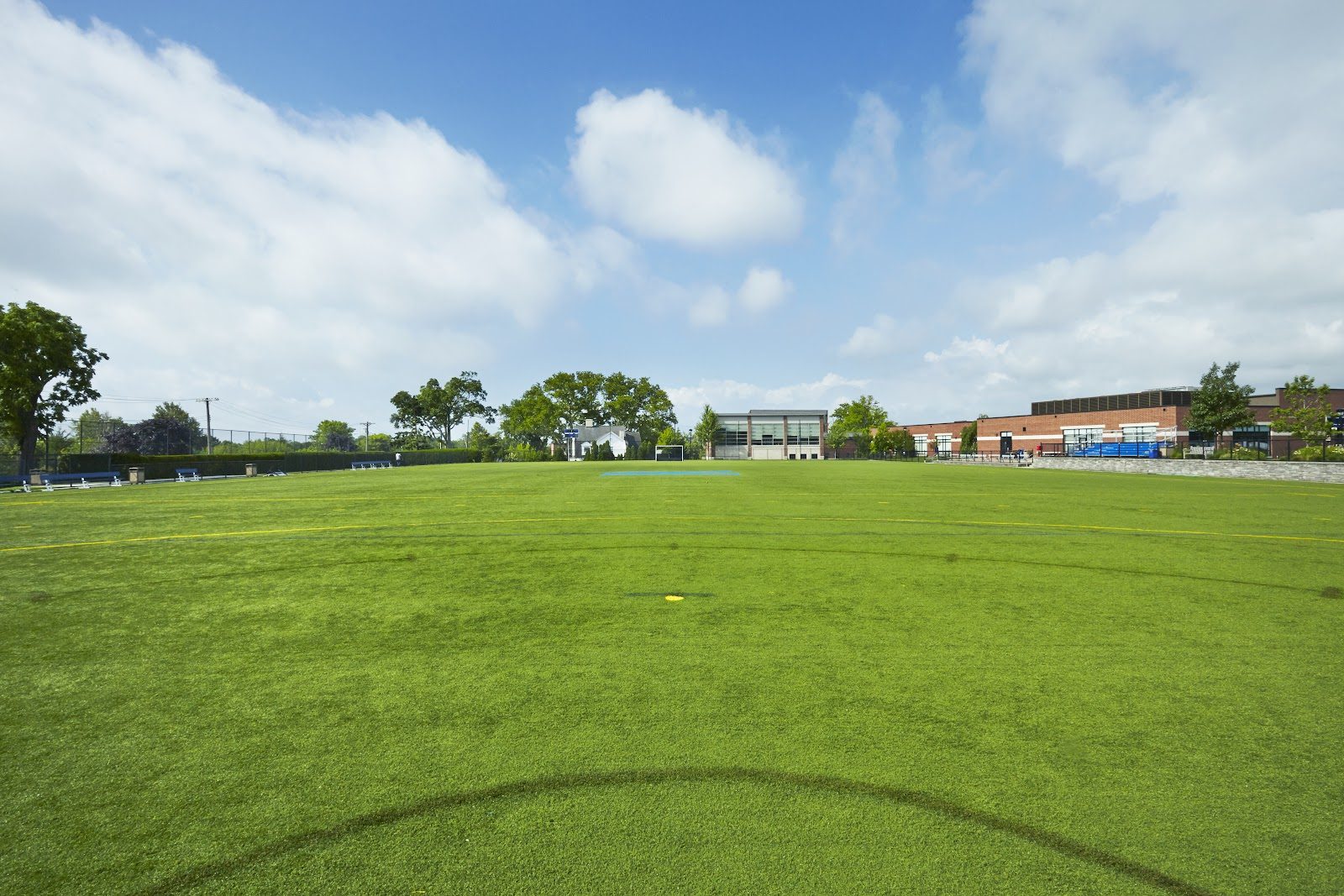
Rye Country Day School
Rye · United States
Founded in 1869 as a girls' seminary in Westchester, this campus still measures success by its motto: not for self, but for service.
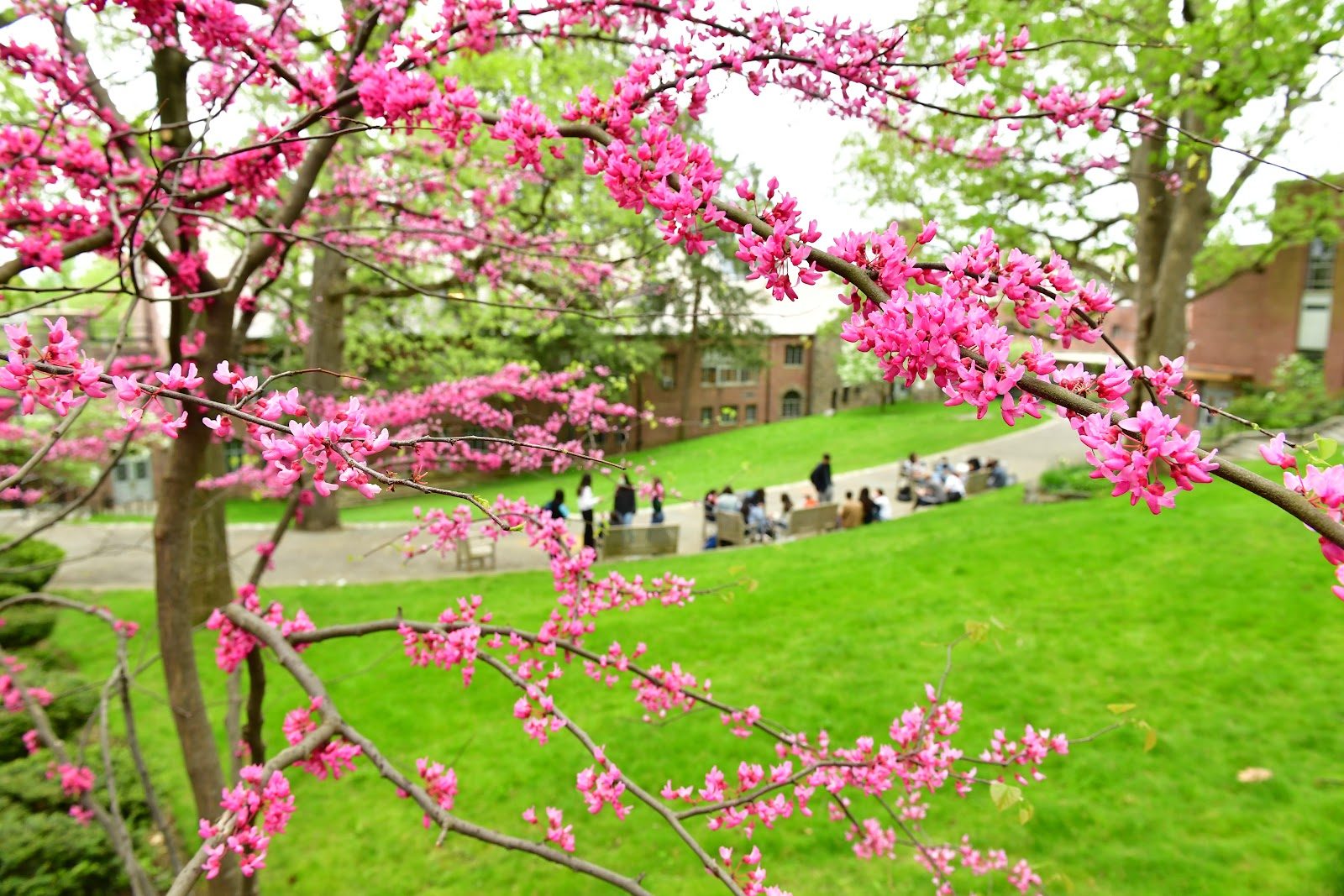
Ethical Culture Fieldston School
New York City · United States
Rooted in Felix Adler's 1878 Ethical Culture movement, its wooded Riverdale hilltop campus still anchors progressive American pedagogy.
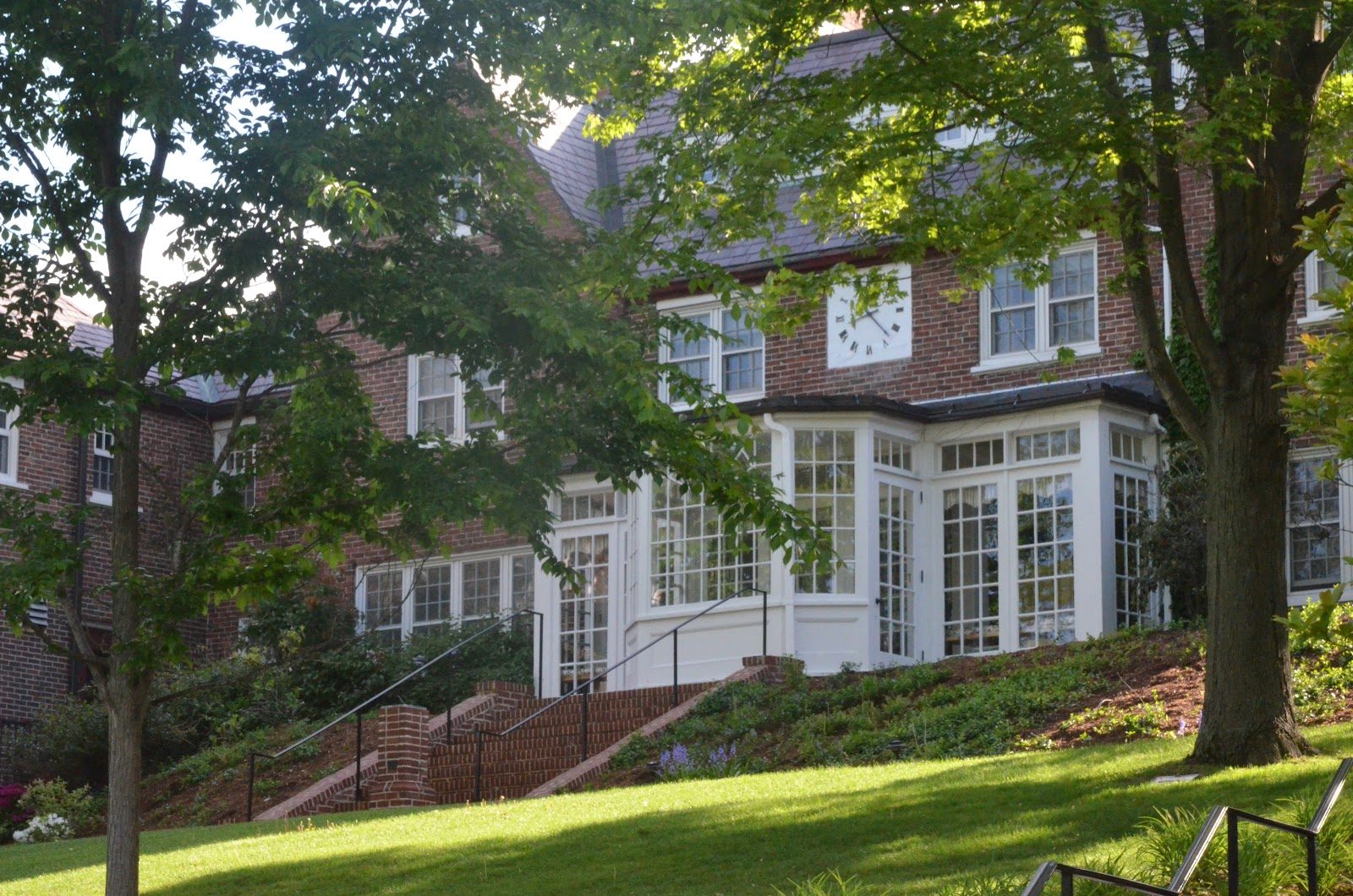
Belmont Hill School
Belmont · United States
A hilltop day school outside Boston, where jacket-and-tie ritual and family-style lunch anchor a century-old all-boys formation.

Pine Crest School
Fort Lauderdale · United States
Born as a 1930s tutoring practice for winter visitors, this Fort Lauderdale day school now tops the nation's Challenge Index rankings.
Same country and curriculum — closest matches within ±10 points either way