
Utah
Rowland Hall
low confidence· 2/6 cats · 2.25 avg sourcesTracing its roots to 1867, Utah's oldest independent school pairs Wasatch Mountain views with a senior-year program built on self-directed research.

Photo © Rowland Hall via Google Maps
Type
Day
Ages
3–18
Curriculum
American
Qualifications
AP
Ratio
9:1
The Verdict
Editor's commitment
Right for
Families wanting Utah’s oldest independent school, founded in 1867, with American curriculum, Episcopal roots and a 9:1 student-teacher ratio.
Wrong for
Parents after boarding, religious neutrality or bilingual teaching: Rowland Hall is day-only, teaches in English, and keeps its Episcopal identity.
Watch out for
At an average annual fee of $29,139 for ages 3–18, you are paying for independence and small classes, not published headline outcomes.
Ranking breakdown
Rowland Hall · # of 1591
Composite score 68.0. 8 weighted criteria.
By criterion
Academic Outcomes
Weight 20%
#511
of 1529 scored
University Placement
Weight 16%
#649
of 1529 scored
Prestige & Heritage
Weight 12%
#845
of 1571 scored
Alumni Network
Weight 12%
#510
of 1530 scored
Facilities
Weight 12%
#721
of 1534 scored
Transparency & Communications
Weight 8%
#455
of 1532 scored
Peer & Industry Review
Weight 10%
#791
of 1548 scored
Admissions Selectivity & Demand
Weight 8%
#686
of 1529 scored
Peer & Industry Review
How Rowland Hall is regarded in the sector
67
Respected · medium confidence
Among Utah and Mountain West independent schools, Rowland Hall is generally treated as the benchmark day school, cited alongside Waterford School as the state's most academically serious options; heads of newer independents in the region routinely reference its early-childhood and experiential curriculum as a model. It holds NWAIS and NAIS accreditation, keeping it inside the same professional and conference circuit as larger West Coast independents, though it is rarely mentioned in national league-table journalism, which skews toward Northeastern boarding schools. University admissions offices in the Mountain West and West Coast know the school's transcript and grading conventions well, given consistent annual applicant volume, but it does not register as a recognizable 'brand' to Ivy League admissions readers the way elite Northeastern feeders do. Independent education press coverage is thin and mostly regional (Salt Lake Tribune, Utah Business), rather than from bodies like Good Schools Guide or WhichSchoolAdvisor, which focus primarily on UK and international markets. Its reputation is solid, respected, and regionally dominant rather than nationally prestigious.
Editors' overview
The distinctive feature at Rowland Hall is not the mountain backdrop or the longevity, though Utah’s oldest independent school has both. It is the way the school pushes autonomy into the senior years through Advanced Research, a programme that gives seniors room for ambitious, self-directed work; AR Physics is now the sixth strand. That matters because plenty of American independent schools talk about inquiry, while far fewer build named, visible structures for it. Rowland Hall also has the scale and staffing to support that ambition: a 9:1 student-teacher ratio points to close adult attention, and the age range of 3–18 gives families a full through-school rather than a loose collection of divisions.
This is an Episcopal day school in Salt Lake City, taught in English and following an American curriculum. The average annual day fee across the full ladder is $29,139, which places it in the serious private-school bracket without pushing into the most punishing US day-school pricing. NAIS accreditation gives it a standard independent-school marker, but the more telling detail is the school’s own public emphasis on programme substance: advanced research, early mathematics refinement in the Beginning School, and repeated evidence of strong science engagement, including 19 student awards at the 2026 University of Utah Science & Engineering Fair. Those are concrete indicators of a school that values intellectual self-command over polished slogans.
Rowland Hall belongs on a shortlist for families who want an academically engaged, purposeful day school with enough structure to support children from nursery through sixth form equivalent, but enough freedom at the top end to let serious students range. It will suit the pupil who enjoys close contact with teachers, has the discipline to use independence well, and wants a school where scholarship can extend beyond set coursework into sustained projects. It will also appeal to sporty students who notice the school’s skiing links. It is less convincing for families hunting for a vast metropolitan campus culture, heavy boarding traditions, or a brand built on published headline outcomes; the school does not publish aggregate exam results or university placement data here. What it does offer is clear academic intent, continuity across the years, and a senior experience with more intellectual latitude than many peers.
Academic Performance
Rowland Hall does not publish the standard external-performance dashboard that many American independents now use to prove academic strength. We have not seen aggregate AP results, SAT or ACT profiles, IB data, or consolidated university destinations in the public domain. That leaves parents without the clean comparative grid they would get from more data-forward peers, and it makes precise benchmarking harder than it needs to be. The school’s public case for academic quality rests instead on programme architecture and selected student distinctions: a visible Advanced Research strand in the senior years, now running across multiple subject areas, and strong science-fair recognition, including 19 student awards and 4 international qualifiers in one recent cycle. Those are serious signals, but they are not a substitute for full outcomes reporting.
Relative to peers, Rowland Hall reads as a school with real academic intent and enough stretch for self-motivated students, but with an opaque results profile. Families comparing elite US day schools on published exam metrics will find stronger disclosure elsewhere. Families who care more about whether bright students get to do demanding work, pursue independent projects, and compete successfully beyond the classroom will find better evidence here. The school’s external-performance story is therefore credible but incomplete: convincing on intellectual culture, less convincing on published proof.
Facilities
The practical shape of Rowland Hall’s estate matters more than any postcard setting. The school operates across separate sites, with the Beginning and Lower School on Guardsman Way, the Middle School on East 800 South, and the Upper School alongside Rowmark Ski Academy on Lincoln Street. That gives each division its own age-appropriate base, and it also fragments the through-school experience. Peers with a single unified campus deliver easier day-to-day continuity, simpler logistics, and a stronger sense of one institution. Rowland Hall is now working toward one campus, which reads as an admission that the current arrangement has limits. For families, this is a functional but split estate rather than a sweepingly integrated one.
The more interesting facility signal sits in specialist provision. Housing the Upper School with Rowmark Ski Academy marks out a genuinely distinctive athletics asset that few conventional day schools can match, and the school’s visible investment in Advanced Research points to spaces that support sustained project work rather than just standard classroom delivery. We also see repeated emphasis on arts, safety, and early-years mathematics, which indicates a campus built to serve different age bands seriously, not cheaply. What we do not get is the full independent-school property brochure: no published master list of theatres, labs, pools, turf fields, maker spaces, or performing-arts venues. Against peers, that leaves the estate less legible than it should be. The facilities story has clear strengths, but the school does not document them with enough precision.
The distinctive feature at Rowland Hall is not the mountain backdrop or the longevity, though Utah’s oldest independent school has both
Prestige
Rowland Hall has real local standing and a credible independent-school pedigree, but its prestige sits in a specific lane. In Utah, the school carries weight: it is old, established, and clearly woven into the state’s educational landscape. The public record also points to scale and continuity, with about 1,000 pupils across its age range and a through-school structure that gives families a single institutional home rather than a fragmented set of divisions. That matters for prestige because continuity builds loyalty, alumni attachment, and community memory. The Episcopal roots add another layer of inherited identity, even if the school no longer trades on church affiliation as its main claim. This is substantial regional prestige, not a glossy national celebrity brand.
The limit is straightforward. Rowland Hall does not publish the kind of headline outcomes data that elevate a school from respected to undeniably elite in the eyes of globally mobile parents. Nor does the public picture here point to a national-name admissions machine or a school whose status rests on raw selectivity. Its reputation instead grows from programme seriousness, visible intellectual ambition, and distinctive niches such as Advanced Research and the skiing connection. That produces a school with earned esteem rather than hype: impressive, well regarded, and culturally secure in its market, but not in the tiny group of American independents whose prestige is instantly legible far beyond their home region.
Rowland Hall does not publish the standard external-performance dashboard that many American independents now use to prove academic strength
Communications
Rowland Hall communicates with more discipline than many independent schools. The public-facing site is busy, but it is not vague: leadership changes, programme additions, parent-association restructuring, safety appointments, student distinctions and campus planning all get explicit treatment. That matters. Schools with divided sites and a through-school structure need to explain who is leading what, where things are happening, and how families fit into the institutional picture. Rowland Hall does that in a way that feels operational rather than ornamental. The appointment news is frequent, the stories are dated, and the school gives parents a clear line of sight into current priorities. Even the “one campus” transition is addressed directly, which counts in its favour; a school earns trust when it spells out structural change instead of hiding it behind uplift. The visible phone contact and named leadership also support a competent, grown-up communications culture.
There are limits. The school publishes plenty of narrative and human-interest content, but less hard performance reporting than exacting parents deserve. If you want a communications model built around dashboards, outcome tables and forensic disclosure, this is not it. The strongest signals here are programme updates and community messaging, not a ruthlessly transparent data brief. Still, for day-to-day parent communication, the volume and specificity are convincing: regular stories, direct explanations of change, and concrete examples of student work and achievement, including 19 science-fair award winners and 4 international qualifiers. The result is warm but not woolly: strong on institutional life, weaker on measurable outcomes.
Uniqueness
What separates Rowland Hall from the crowded field of American independents is not heritage on its own but the way it turns inquiry into a named senior-school structure. Advanced Research is not a decorative elective bolted onto the timetable; it is a visible route for pupils to pursue serious independent work with scope, depth, and public identity. The addition of AR Physics as a sixth strand matters because it shows expansion, not tokenism. For students, that brings something genuinely rarer than the standard honours-class uplift: the chance to frame questions, sustain long-form projects, and work with a degree of intellectual ownership that many schools praise but few organise well. The skiing link also adds an unusual edge. Rowmark gives the school a specialist athletic dimension that pulls it away from the template of the conventional urban day school.
The other distinctive feature is structural. This is a through-school with enough scale to offer range, but a staffing model tight enough to keep pupils from getting lost; the 9:1 ratio still stands out. Combined with an Episcopal inheritance that now functions more as institutional character than confessional branding, that produces a school with a clear internal identity rather than a generic private-school sheen. Students get continuity, close adult attention, and room to grow into more self-directed habits as they move up the school. The payoff is real intellectual confidence: not just high achievement, but the ability to manage freedom, pursue demanding interests, and do ambitious work without constant scaffolding.
Relative to peers, Rowland Hall reads as a school with real academic intent and enough stretch for self-motivated students, but with an opaque results profile
Student Profile
Rowland Hall suits the student who wants more than tidy compliance. The best fit is a child who likes close contact with adults, can handle challenge without constant prompting, and gains energy from turning curiosity into actual work. The school’s low 9:1 staffing ratio points to a setting where pupils are known and where passivity is harder to hide. By the senior years, the culture rewards intellectual independence and self-command; pupils who want every task tightly prescribed will find that stretch uncomfortable. The science-fair success and the visible Advanced Research structure also indicate a cohort that includes serious academic operators, not just pleasant all-rounders collecting activities.
Socially, this fits families who want a contained, relationship-heavy community rather than an anonymous big-school scene. Children who value continuity, teacher access, and a school identity that runs from the earliest years to graduation will do well here. So will sporty pupils who take skiing seriously, and artists or researchers who want their interests treated as central rather than decorative. The weaker fit is clear too: students chasing a vast campus social machine, a highly performative prestige culture, or constant public proof of outcomes may find the school too inward-facing. Rowland Hall works best for pupils who are bright, steady, and ready to use freedom well.
The practical shape of Rowland Hall’s estate matters more than any postcard setting
Co-curricular strengths
Arts & sport, on a separate axis
Overall 8.92/10
Scored 0-10 from the school's own published evidence. This axis is editorial-only — it does not feed the main WTS ranking.
Sports
8.8/10
Drama
8.8/10
Dance
9/10
Music
8.8/10
Visual Arts
9.2/10
Strengths
- +Founded 1867; unusual institutional continuity for Utah.
- +Episcopal identity offers clear values framework.
- +Day-only model suits families already settled locally.
- +Notable ski and arts programmes distinguish extracurricular offering.
Considerations
- −Day-only school; no boarding for overseas families.
- −American curriculum only; no IB or British pathway.
- −English-only instruction may limit non-native speakers.
Availability
Primary entry gate & tests
ISEE/SSAT + Interview
Gallery
Photo © Rowland Hall via Google Maps
Photo © Rowland Hall via Google Maps
Photo © Rowland Hall via Google Maps
Photo © Mary Patricia via Google Maps
Photo © Mary Patricia via Google Maps
Parent reviews
Have you sent your child here?
Voice reviews carry the strongest trust badge — we transcribe them for you to tidy up before they go live. Prefer to type? A written review is fine too.
Add your voice
In 60 seconds, tell other parents: what's the best thing about Rowland Hall, and what surprised you when your child joined?
We ask for a Google sign-in so every review has a real face behind it — no anonymous drive-by attacks on schools, and no faked positive reviews. Your email is never shown publicly.
Send this profile to a friend
International parents rely on word-of-mouth. Share this review with someone weighing the same decision.
Schools with places
Similar schools to Rowland Hall with places available now.
Rye Country Day School
Rye · United States
- 2026-27
- CLOSEDRegular cycle
- 2027-28
- PLACES OPENActive now (Opened 1 Aug)
Ethical Culture Fieldston School
New York City · United States
- 2026-27
- WAITPOOLLimited late availability
- 2027-28
- OPENS SOONOpens post-Labor Day '26
Belmont Hill School
Belmont · United States
- 2026-27
- CLOSEDRegular cycle
- 2027-28
- PLACES OPENApplication route live
Pine Crest School
Fort Lauderdale · United States
- 2026-27
- CLOSEDRegular cycle closed
- 2027-28
- OPENS SOONOpens Sept '26
Availability first, then country, area, curriculum, price, co-curricular
Consider also
Also worth looking at alongside Rowland Hall.
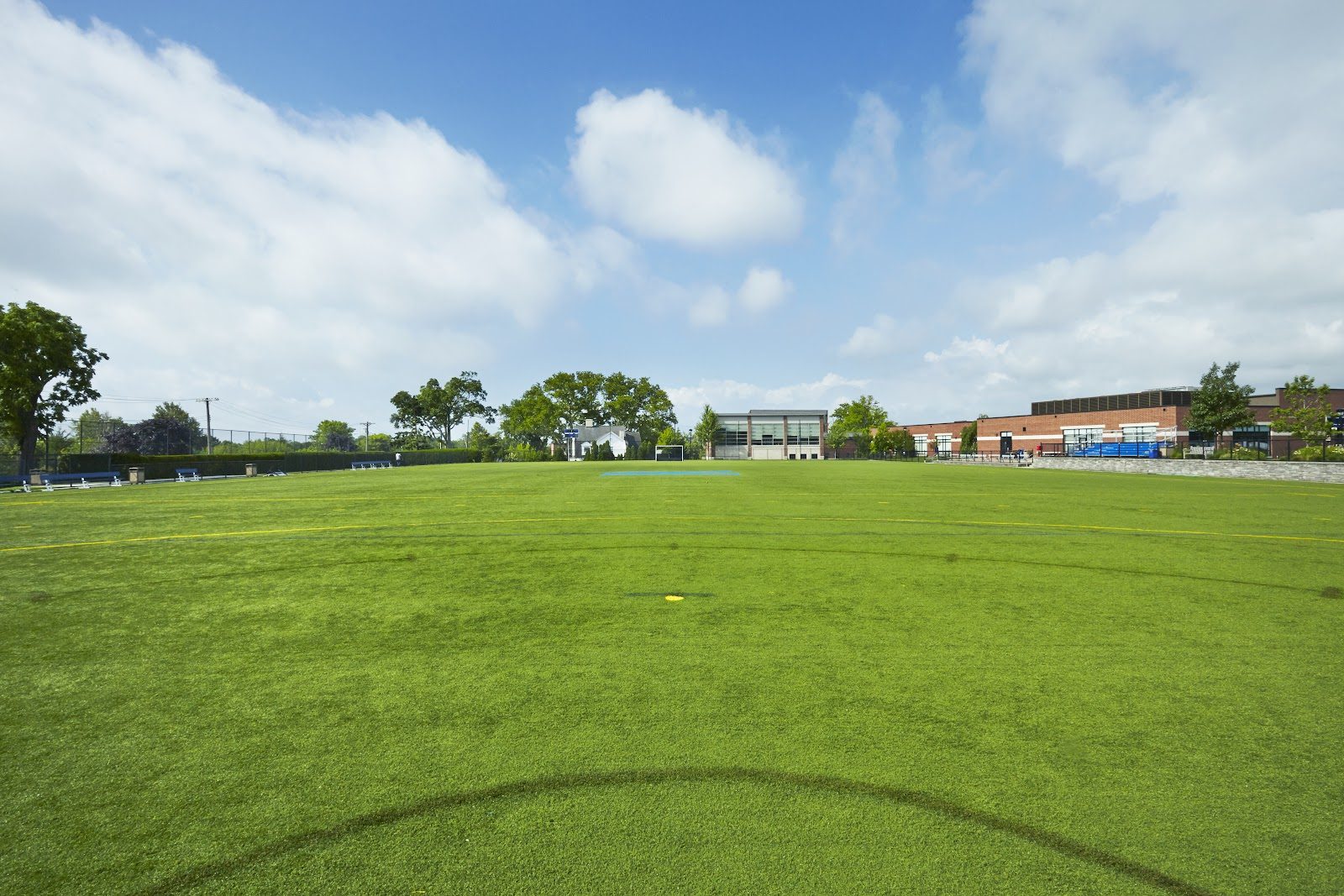
Rye Country Day School
Rye · United States
Founded in 1869 as a girls' seminary in Westchester, this campus still measures success by its motto: not for self, but for service.
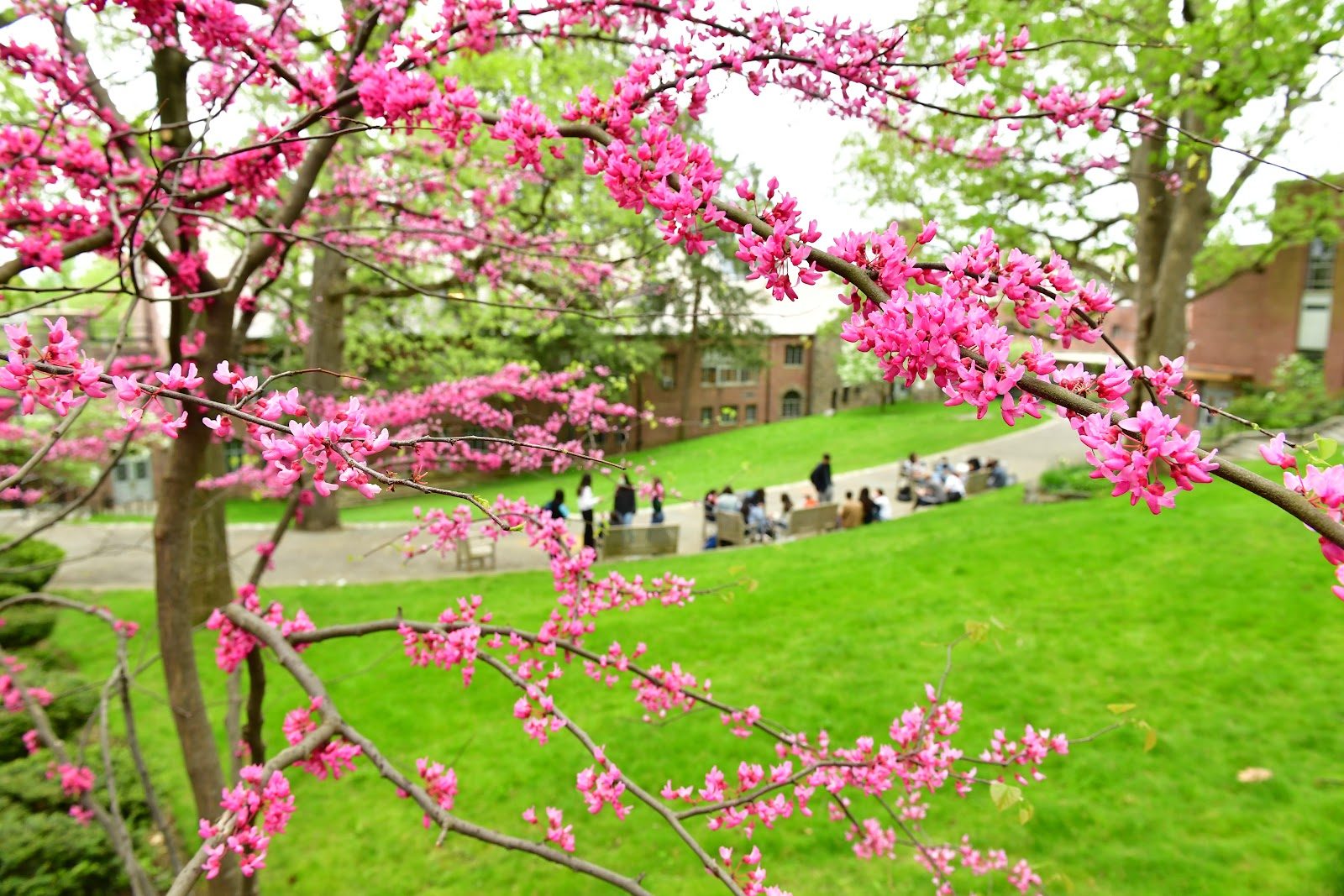
Ethical Culture Fieldston School
New York City · United States
Rooted in Felix Adler's 1878 Ethical Culture movement, its wooded Riverdale hilltop campus still anchors progressive American pedagogy.
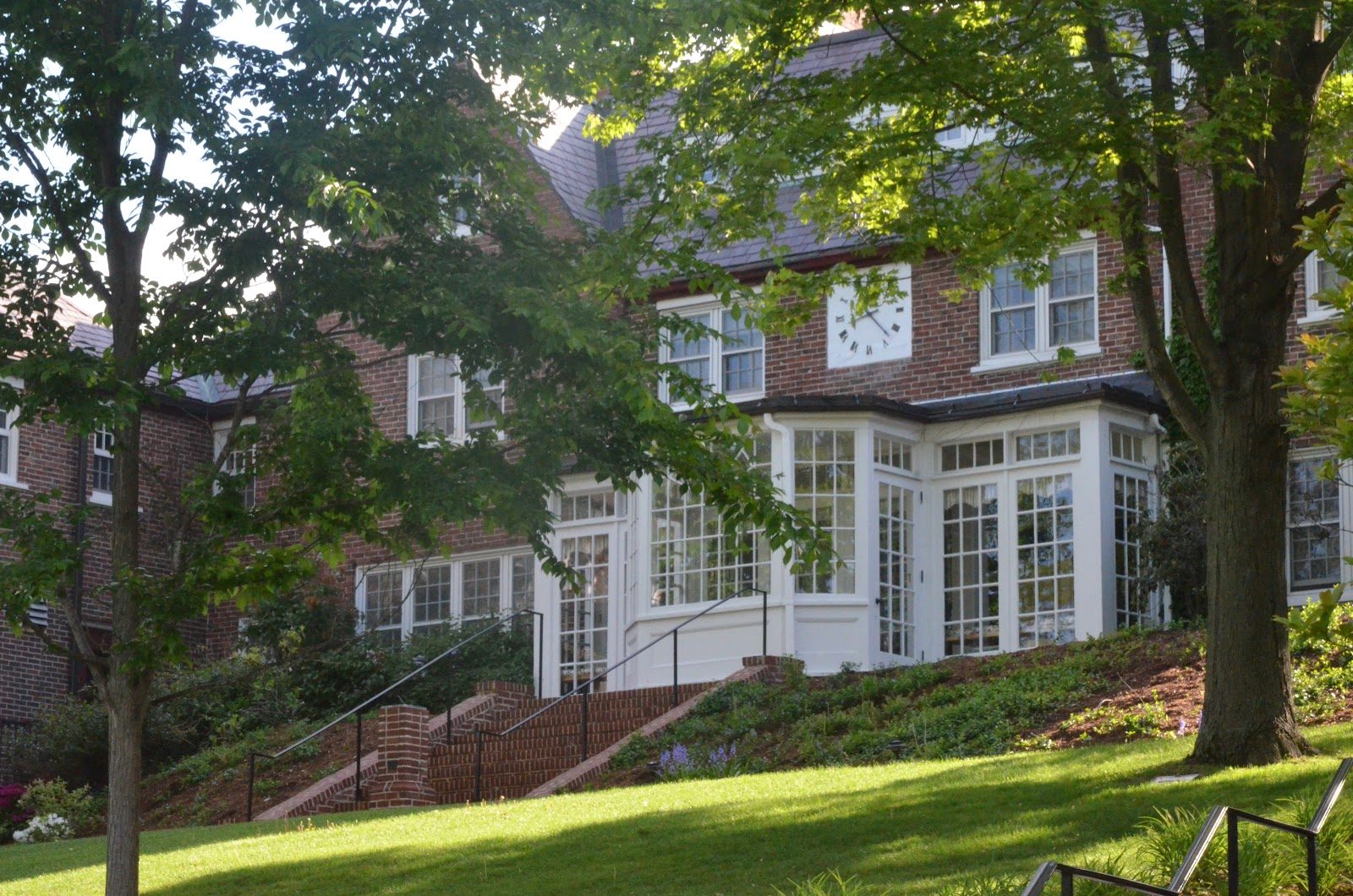
Belmont Hill School
Belmont · United States
A hilltop day school outside Boston, where jacket-and-tie ritual and family-style lunch anchor a century-old all-boys formation.
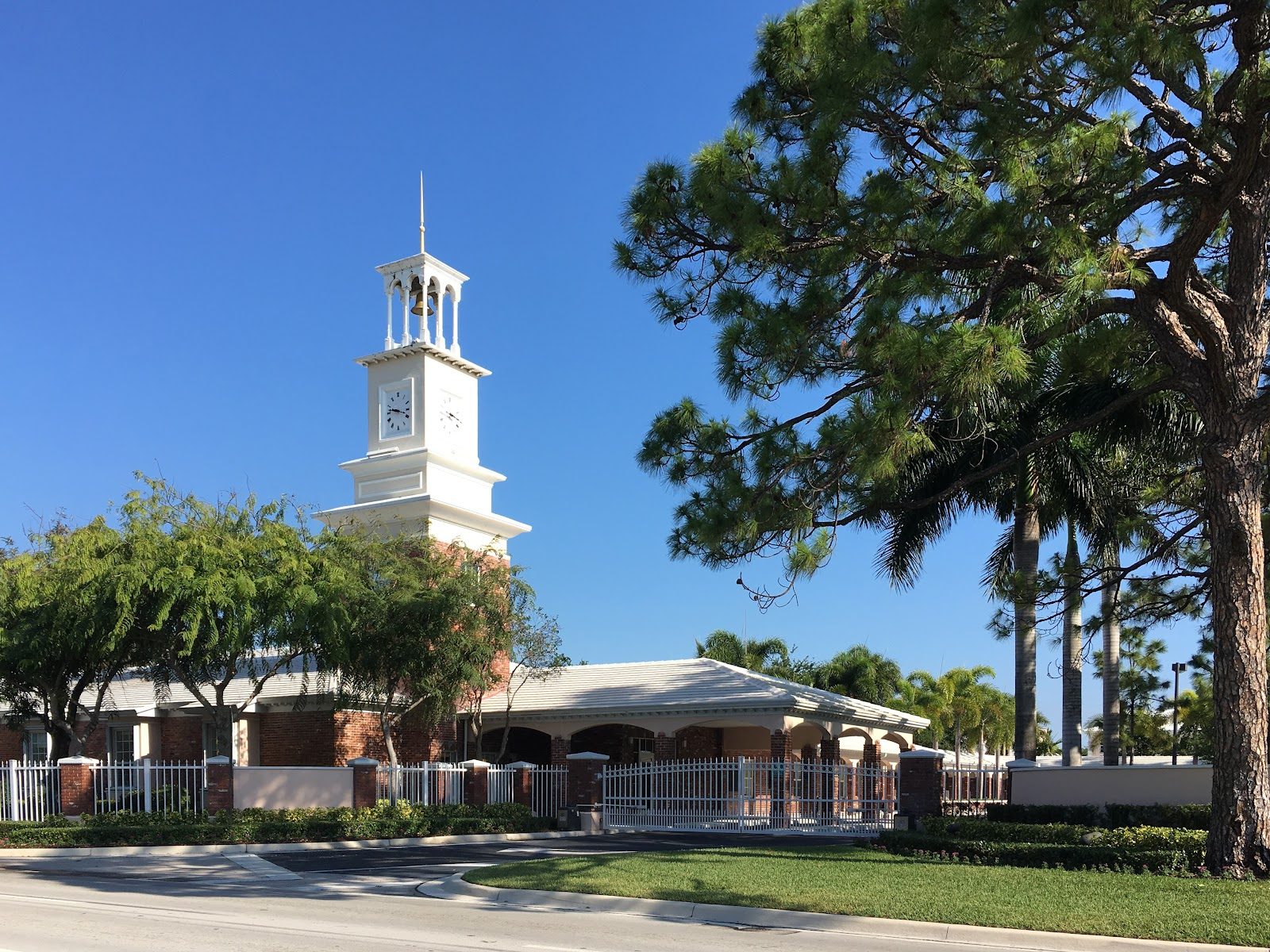
Pine Crest School
Fort Lauderdale · United States
Born as a 1930s tutoring practice for winter visitors, this Fort Lauderdale day school now tops the nation's Challenge Index rankings.
Same country and curriculum — closest matches within ±10 points either way