
Greater London
Sandwiched between Parliament and the Abbey, its Latin prayers and ancient halls send close to half of leavers on to Oxford or Cambridge.
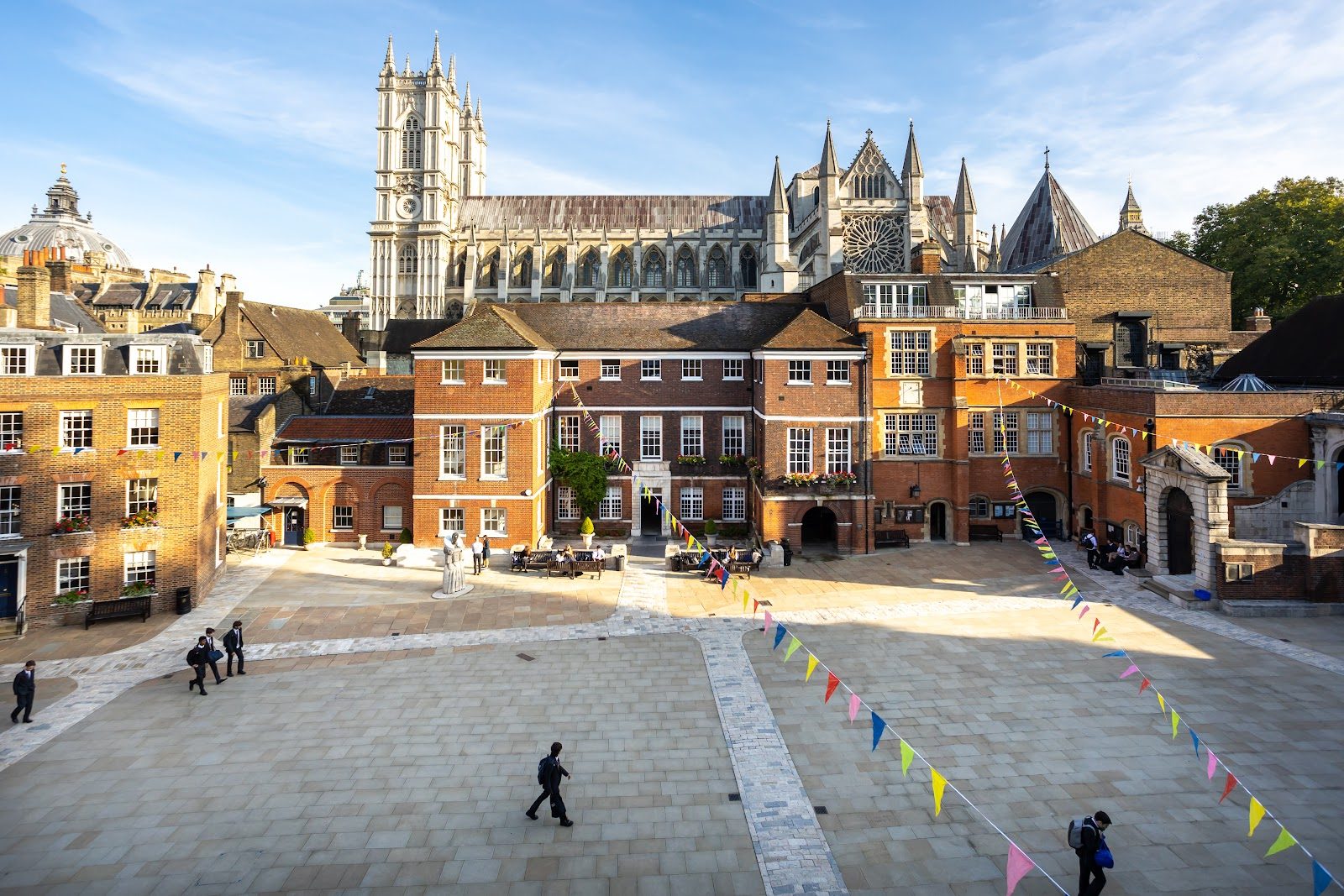
Photo © Westminster School via Google Maps
Type
Both
Ages
13–18
Curriculum
British
Qualifications
A-Level
Ratio
10:1
The Verdict
Editor's commitment
Right for
Ambitious 13–18s who want central London, a 10:1 ratio, and a school that sent 53 leavers to Oxbridge in 2024.
Wrong for
Families wanting a gentler sixth form or broader university spread; 95% of 172 leavers went to top-100 universities, led by Cambridge and Oxford.
Watch out for
This is expensive at an average £51,000 a year day and £69,000 boarding, with Westminster Abbey services and a conspicuously academic culture.
Ranking breakdown
Westminster School · # of 1591
Composite score 82.2. 8 weighted criteria.
By criterion
Academic Outcomes
Weight 20%
#67
of 1533 scored
University Placement
Weight 16%
#4
of 1529 scored
Prestige & Heritage
Weight 12%
#27
of 1580 scored
Alumni Network
Weight 12%
#111
of 1530 scored
Facilities
Weight 12%
#320
of 1541 scored
Transparency & Communications
Weight 8%
#93
of 1549 scored
Peer & Industry Review
Weight 10%
#15
of 1565 scored
Admissions Selectivity & Demand
Weight 8%
#120
of 1529 scored
Score history
Westminster School · 2026
Movement across 2024–2026. Peer average overlaid.
Overall — 2024–2026
82.2/ 100
▲ +16.4 vs 2025
year on year
Peer & Industry Review
How Westminster School is regarded in the sector
96
Top-tier · high confidence
Westminster School sits at the very top of the UK's independent school hierarchy, with WhichSchoolAdvisor describing it as one of the most prestigious and academically rigorous schools in the country and noting it consistently serves as a leading gateway to Oxbridge. Tatler's 2026 verdict is emphatic, quoting a parent who calls it "the best private school in London (and probably the country) by a clear mile." Independent Oxbridge league tables corroborate this standing: Westminster topped the 2025 admissions table with 96 offers from 179 applicants, a result UniAdmissions notes made it "the standout performer overall" among UK schools. The Good Schools Guide adds critical texture, calling it "a school without a ceiling, glass or otherwise" while flagging its highly selective intake and imminent shift to full coeducation. Coverage across Telegraph, Spear's 500 and Ivy Education rankings is unanimous in placing it among Britain's handful of true benchmark schools.
Award

Elite Science & Research 58
World's Top School · The Global Ranking
Westminster School is featured on our Global Top 58 ranking at #55. This seal is available for the school's marketing team to use on their website, prospectus and social channels.
Award
Elite Entrepreneurship, Economics & Finance 60
World's Top School · The Global Ranking
Westminster School is featured on our Global Top 60 ranking at #5. This seal is available for the school's marketing team to use on their website, prospectus and social channels.
Editors' overview
Sandwiched between Parliament and the Abbey, Westminster trades on something few schools can match: intellectual theatre built into the daily setting. Pupils speak in weekly services in Westminster Abbey, run societies, plays and Model UN events, and study in a school founded in 1179 that still expects sharp argument rather than polished compliance. This is a British school for ages 13–18, Anglican in foundation, co-educational, and fiercely academic in tone. The operating model is intimate by London standards — a 10:1 student-teacher ratio and average class size of 18 — and that matters, because Westminster’s culture rests on discussion, scrutiny and students carrying a good deal of the intellectual weight themselves.
The school’s real distinction is not history, though it has that in excess, but outcomes and the kind of pupils those outcomes attract. In the 2024 leavers’ cohort of 172, 95% went to top-100 universities; 53 went to Oxbridge, with 28 to Cambridge and 25 to Oxford. Another 53 went to Russell Group universities, and 13 to the Ivy League. Those are not decorative statistics; they confirm a school built for ambitious, academically confident teenagers who want to test themselves against strong peers. Westminster also keeps a serious foothold beyond the classroom, with more than 40 music rehearsals in its weekly calendar, hundreds of instrumental lessons, two afternoons of sport, and trips ranging from CERN to Berlin and US college visits. ISI and HMC accreditation place it firmly in the top tier of the British independent sector; the average annual fee sits at £51,000 for day pupils and £69,000 for boarders, which puts it in expensive, uncompromising territory.
Why shortlist it? Because Westminster offers a rare mix of ancient institutional heft, central London access and hard-edged academic ambition. It sends a clear signal to the right family: this is a school for students who enjoy ideas, argument, independence and pressure, not for those who need spoon-feeding or a softer, more buffered school experience. The pastoral provision is substantial — housemasters, tutors, matrons, counsellors, a nursing sister and a chaplain all feature in the structure — but this remains a place where the intellectual tempo runs high. The student who will thrive here is self-propelled, articulate, curious and unbothered by competition; the student who wants a warmer, slower, more protective sixth-form experience should look elsewhere.
An Elite Science & Research 58 school
Westminster School, in the heart of London beside Westminster Abbey, holds its elite science standing because its Chemistry Olympiad pipeline has produced individual IChO medallists across a decade almost without a gap: Ravi Shah won bronze in 2013, a pupil took silver in 2015, Ryan Kang won gold in 2018 as part of the UK's record-breaking team, and Kiran Desai-Kinvig took silver at Zurich in 2023. Sustained international medal output at this frequency, not a single standout year, is what anchors the specialism.
The specialism is built into the Robert Hooke Science Department, staffed by a large team with separate heads of Biology, Chemistry and Physics. Every Sixth Form chemist undertakes an independent research project to build practical skills beyond the syllabus, biologists complete a Sixth Form research project and essay, and physicists have used the department's seismometer, solar telescope and observatory to produce work that has occasionally been published in journals. The pupil-led Huxley Society and Hooke science magazine extend this into a genuine research culture rather than a bolt-on enrichment club, while a bespoke interdisciplinary science course scaffolds scientific thinking from the earliest point in the school. The school's own material confirms pupils enter international biology, chemistry, mathematics and linguistics Olympiads with great success.
Alumni of the science tradition include Daniel Wolpert, who trained at Westminster before becoming a Fellow of the Royal Society and Professor of Neurobiology at Columbia University's Zuckerman Institute. The recent Olympiad medallists named above represent the current generation, alongside the school's founding scientific lineage through Robert Hooke and Christopher Wren.
International openness has firm limits worth knowing before applying. Overseas boarders can only join at 16+ entry into the Sixth Form; Child Student visa sponsorship is offered exclusively at that point, and international pupils under 16 must have UK-resident parents to apply. Boarding fees run to £55,000 a year, and English fluency is required, with testing for EAL candidates. Families targeting Westminster for a science-focused Sixth Form should register well ahead of the November entrance exams and ensure GCSE science and maths grades are at the level the school expects.
An Elite Entrepreneurship, Economics & Finance 60 school
Westminster School, in the heart of London next to Westminster Abbey, holds its elite standing in economics and finance on concrete evidence: the school's Hooke Investments team fought past more than 6,000 other teams worldwide to reach the 2026 Global Finale of the Wharton Global High School Investment Competition in Philadelphia, doing so as the only Year 11 team in a field otherwise made up of sixth formers, and reaching the final round against American, Brazilian, Indian and one other British school.
The academic architecture centres on Economics, taught to A Level, with pupils able to extend their study through an Extended Project Qualification that produces an independent dissertation-style piece of research. The differentiator, however, is the Wharton pipeline: the Hooke Investments squad built a Python program to interrogate real-time market data and developed an interventionist strategy to manage a simulated $500,000 portfolio for the competition's real-world client. There is no evidence of a dedicated Business A Level, startup incubator or student-run investment fund, so the specialism rests specifically on this competitive investment track record rather than on a broader venture-creation curriculum.
Notable alumni give the specialism historical depth. Nigel Lawson, Chancellor of the Exchequer from 1983 to 1989 and architect of the Thatcher government's tax-cutting and privatisation programme, was educated at Westminster, as was Christopher Coleman, an investment banker who became managing director and group head of banking at N M Rothschild & Sons and chairman of Randgold Resources.
International openness has firm limits worth knowing in advance. Overseas candidates can only join as boarders at 16+ entry, since the school considers itself unsuitable for boarders under 16 whose parents live abroad and cannot sponsor Child Student visas below that age; the 16+ process otherwise mirrors that for UK candidates. Fees run to £30,000 a year for day places and £55,000 for boarding, with means-tested bursaries available. Parents targeting Westminster for a finance-minded child should plan around the 16+ entrance exams and interviews a full year ahead, since Sixth Form boarding is the only international route in.
Academic Performance
Westminster sits in the top academic bracket of British independent schools. The school itself states that pupils achieve exceptional exam results, and the destination pattern confirms that this is not empty rhetoric: close to half of the most recent leavers secured places at Oxford or Cambridge, with the balance concentrated heavily in other highly selective universities in the UK and the US. That puts Westminster in the company parents already know — the London and south-east schools that feed elite universities year after year — but with a record that is hard to dismiss even in that field. This is not a school that relies on a handful of star candidates to flatter the averages; the volume of top-end university destinations points to depth across the cohort.
Relative to peers, Westminster’s strength lies in sustained academic conversion: bright pupils arrive, and a striking proportion leave with offers from the most competitive institutions available. We have not seen the school publish a full public breakdown of A-level or GCSE grade distributions in the source material here, which limits fine-grained comparison on raw exam tables alone. Even so, the leavers’ data are strong enough to place it among the most academically demanding senior schools in the country. Parents should read that as both endorsement and warning. Westminster suits pupils who relish pace, argument and intellectual pressure; weaker self-managers get exposed fast.
Facilities
Westminster’s facilities trade breadth for setting. Parents expecting a vast edge-of-town campus with theatres, boathouses and acres of playing fields will not find that here. The school’s defining asset is its singular urban footprint: ancient buildings in the Abbey precincts, teaching and daily life embedded in one of the most politically and culturally charged corners of London. That gives pupils access to spaces and experiences few peers can replicate, but it also means the physical plant lacks the sweep and ease of larger boarding schools. Sport is the clearest compromise. The school owns playing fields and tennis courts at Vincent Square, a 13-acre site in central London, which is valuable by city standards, but it does not deliver the expansive on-site sporting infrastructure available at rural heavyweights.
Where Westminster is stronger than many peers is in the facilities that support its intellectual and cultural life. The school runs a serious co-curricular machine: 40-plus music rehearsals in a weekly cycle, hundreds of instrumental lessons, pupil-led societies, plays, MUN events and regular talks. Weekly services in Westminster Abbey are not a decorative extra; they give speaking, music and ceremony an institutional stage that other schools cannot manufacture. The result is less conventionally plush than some rival independents, but more distinctive. For families prioritising polished sports centres and large modern campuses, Westminster falls short. For families who value atmosphere, access and cultural weight over acreage, its facilities are formidable.
In the 2024 leavers’ cohort of 172, 95% went to top-100 universities; 53 went to Oxbridge, with 28 to Cambridge and 25 to Oxford
Prestige
Westminster sits in the top rank of British independent schools because its prestige rests on three things that carry weight with well-informed families: age, location and results. The school occupies a singular patch of national life, inside the Abbey precincts and beside Parliament, and it uses that setting rather than merely advertising it. Pupils speak in weekly Abbey services, lead their own societies and public events, and grow up in direct contact with the civic and cultural life of the capital. That gives Westminster a rare institutional gravity even among old London schools. The alumni footprint reinforces it. Wikidata alone records 1170 notable former pupils, with deep representation in politics, scholarship, writing and the arts. Few schools can match that breadth of public-life inheritance.
Prestige here also carries a sharper edge than at schools that trade on polish, sport or social cachet. Westminster’s reputation comes from serious intellectual status. University outcomes drive that reputation in the present tense, and the recent Oxbridge tally keeps it there. Families choose Westminster when they want a name that opens doors without needing explanation, but also a sixth-form culture that rewards argument, independence and academic nerve. That is why the school commands respect across the sector: it combines old establishment credentials with live academic force. The downside is plain. Westminster is high-pressure and exacting, and its prestige is inseparable from that demand.
Westminster sits in the top academic bracket of British independent schools
Communications
Westminster communicates with parents in the same way it runs the school: with confidence, structure and an assumption that families can keep up. The public-facing website is clear on ethos, pupil life, pastoral architecture and the shape of the co-curricular week. That matters, because schools with this much history can lapse into mystique; Westminster does not. It tells parents what pupils actually do — societies, Abbey speaking, volunteering, music, sport, talks and trips — and that gives a usable picture of daily life rather than a cloud of heritage language. The school also sets out who holds pastoral responsibility, from house staff to counsellors and chaplaincy, which is a strong sign of operational seriousness. For a school charging an average of £51,000 a year for day places and £69,000 for boarding, anything less would be inadequate.
The limitation is not clarity but texture. Westminster publishes plenty on opportunity and institutional character, yet less on the ordinary mechanics parents also judge hard: how quickly concerns are answered, how much academic tracking is shared, how transparent the school is when things go wrong, and how much sixth-form independence leaves parents outside the loop. That gap matters in a school with a fast-moving, high-pressure culture. Families choosing Westminster are buying into a place that expects maturity from pupils and a measure of trust from parents. For confident families, that reads as brisk and adult. For parents who want frequent hand-holding, it will feel thin.
Uniqueness
What makes Westminster distinctive is not age alone, nor prestige alone, but the way place, ritual and intellect are fused into ordinary school life. Very few schools can put pupils inside the Abbey for weekly services, beside Parliament for the daily business of national life, and then expect them to use that setting as part of their education rather than as backdrop. Pupils lead societies, plays, Model UN events and cultural celebrations; they speak publicly in a setting that carries real institutional weight; they volunteer with local primary schools and hospitals. That combination produces a school with serious civic texture. Westminster does not isolate adolescence from the adult world. It pushes pupils towards it, early and without much sheltering.
That brings clear advantages for the right student. Westminster trains teenagers to argue, question, organise and perform under scrutiny. The co-curricular offer reinforces that: more than 40 music rehearsals in a weekly cycle, hundreds of instrumental lessons, academic talks, competitions, exchanges and trips from CERN to US college visits. The result is a high-voltage intellectual culture with unusual reach beyond the classroom. Students gain confidence in public speaking, sharper independence and a stronger sense that ideas matter outside exams. The cost of that distinctiveness is plain. Westminster suits young people who are *self-directed, verbally agile and resilient*; pupils who want anonymity, hand-holding or a gentler institutional rhythm will find it a hard fit.
The result is less conventionally plush than some rival independents, but more distinctive
Student Profile
The Westminster pupil is bright, quick and self-propelled. This school rewards teenagers who like ideas enough to argue about them, test them in public and carry them beyond the timetable into societies, debates, productions and voluntary work. It suits students with intellectual confidence, verbal fluency and a strong internal motor. Pupils do not get hidden here. They are expected to speak in front of others, organise things, cope with scrutiny and take full advantage of a weekly programme that includes 40-plus music rehearsals, talks, competitions and trips with real academic purpose. A teenager who enjoys vigorous discussion, writes well, reads widely and can manage a crowded life will fit. A student who needs repeated prompting, low stakes or a quieter peer group will not.
Socially, Westminster fits pupils who can handle a high-pressure, high-attainment environment without turning brittle. The school talks about an inclusive and diverse community, and the mix of day pupils, boarders, bursary holders and international entrants broadens the social range. Even so, the dominant currency is achievement and engagement. The right student is not just clever but robust, outward-facing and comfortable around other ambitious teenagers. Pastoral structures are in place, and families should take that seriously, but they support an exacting culture rather than soften it. If your child thrives on pace, argument and visible standards, Westminster is a strong fit. If they want anonymity or a more protected adolescence, look elsewhere.
What makes Westminster distinctive is not age alone, nor prestige alone, but the way place, ritual and intellect are fused into ordinary school life
Co-curricular strengths
Arts & sport, on a separate axis
Overall 8.3/10
Scored 0-10 from the school's own published evidence. This axis is editorial-only — it does not feed the main WTS ranking.
Sports
9/10
Focuses heavily on traditional sports like football and "Water" (rowing) on the River Thames, using nearby London fields.
Drama
8.5/10
Exceptional theatrical training centered around the Millicent Fawcett Hall, feeding directly into Britain's top acting academies.
Dance
7/10
Utilized primarily to construct movement and synchronization ensembles for large-scale performance showcases.
Music
8.5/10
World-class musical tradition; students routinely perform massive symphonic concerts inside Westminster Abbey and Barbican Hall.
Visual Arts
8.5/10
Sun-drenched studios directly looking onto the Houses of Parliament, driving exceptional fine art and architecture portfolios.
Editor-verified · 8/7/2026
Outcomes & destinations
Where students go next
Editorial estimateClass of 2024
172 graduates
A-Level & Pre-U distribution
100% covered
- A*60%
- A28%
- B9%
- C3%
Top destinations
121 placements
- Cambridge· 28
- Oxford· 25
- Yale· 4
- Harvard· 4
- Columbia· 3
- Princeton· 2
- MIT· 2
- UCL· 16
- Imperial College London· 14
- LSE· 10
- Durham· 8
- Warwick· 5
Historically the highest Oxbridge admission rate in the UK by percentage. Figures approximate the school's rolling destinations report.
Editor-approximated from the school's own leavers report. Awaiting school-attested figures.
Notable alumni · Wikidata
1,170notable alumni
Includes
945 historic (born pre-1930) · 41 modern (born post-1970)wikidata:2026-07-28 How we source this
The story in one line
68% achieved ≥ AAB in 2+ facilitating subjects·ISI Routine Inspection 2024
AAB with 2 facilitating subjects is the Department for Education's published predictor of admission to a top-third UK university: the pupil has scored high grades in at least two of the classic Russell-Group subjects (maths, sciences, English, history, geography, or a modern language). Independent schools don't appear in the state-only HE-destinations dataset, so this is the strongest DfE-verified sixth-form signal available. Source: DfE 16-18 school and college performance data · 2023/24.
DfE-verified statistics
Official GCSE data · 2024/2025
Progress 8
—
Value-added score. State-schools only; 0 = expected progress, +1 = one grade above.
Attainment 8
48.6
Average grade across 8 GCSEs (score out of 90). National ≈ 46.
EBacc average score
2.92
Avg grade across the 5 EBacc pillars (English, Maths, Sciences, Language, Humanity).
EBacc slots filled
1.6
How many of the 5 EBacc pillars pupils typically enter (max 5).
A-Level attainment
Cohort · 2023/24
Avg A-Level grade
A+
APS per entry: 53.91
Best 3 grade
A
Best-3 APS: 51.10
≥ AAB + 2 fac.
67.5%
Russell-Group predictor.
Progress (value-added)
+0.14
Above average
Read with care. Independent schools frequently sit IGCSEs or Pre-U qualifications instead of standard GCSEs — DfE data only counts standard GCSEs, so these numbers may reflect a partial cohort. For a fuller picture, cross-check with the school's own annually-published results.
URN 101162Verified · DfE 2024/2025
Official inspection
ISI report · 2024
Inspectorate
Independent Schools Inspectorate
The Government-approved inspectorate for English independent schools.
Latest report
27 February 2024
Routine Inspection
Report history
Verified · Independent Schools InspectorateSource-of-truth
WTS 300 badge
2026/27 editionWestminster School is one of the World's Top 300 Schools for 2026/27. Claim your listing to add it to your site →
Strengths
- +The 2024 A-level cohort achieved strong results, with 60% of grades at A* and 88% at A* or A on the published grade bands.
- +At GCSE in 2025, Westminster's 122 candidates recorded 94% of grades at 9 or 8 and 98% at grade 9 to 7.
- +In 2024, 95% of leavers progressed to top-100 universities, with 53 to Oxbridge and offers extending to Ivy League and other leading US institutions.
- +The school sits in the precincts of Westminster Abbey, founded in 1179 and refounded by Elizabeth I in 1560, giving it exceptional historic and civic standing.
- +The school runs a substantial means-tested bursary programme, with awards reaching up to 100% of fees alongside King's Scholarships for academic merit.
- +Old Westminsters include architect Christopher Wren, physicist Robert Hooke, historian Edward Gibbon and composer Lord Lloyd-Webber.
Considerations
- −Westminster sits in the ultra-premium fee bracket, with day fees of £30,000 and boarding fees of £55,000 a year.
- −The school does not accept international boarders under 16 and sponsors Child Student visas only at 16+, limiting the international boarding route to the Sixth Form.
- −Admission is highly competitive: 13+ entry attracts around 500 applicants, of whom roughly half are invited to interview.
- −Facilities are compact and central-London based rather than expansive, so families wanting extensive on-site pitches or a sprawling campus will find provision comparatively limited.
Availability
Primary entry gate & tests
13+ ISEB / 16+ Subject Exams
Gallery
Photo © Westminster School via Google Maps
Photo © Westminster School via Google Maps
Photo © Westminster School via Google Maps
Photo © Westminster School via Google Maps
Photo © Jörg Bozenhard via Google Maps
Photo © Mo ElFar via Google Maps
Photo © Brad Fishman via Google Maps
Photo © Chris Burgess via Google Maps
Photo © Westminster School via Google Maps
Recommended reading
Independent write-ups of this school from editorial outlets we trust.
- Westminster School reviewGood Schools Guide
Parent reviews
Have you sent your child here?
Voice reviews carry the strongest trust badge — we transcribe them for you to tidy up before they go live. Prefer to type? A written review is fine too.
Add your voice
In 60 seconds, tell other parents: what's the best thing about Westminster School, and what surprised you when your child joined?
We ask for a Google sign-in so every review has a real face behind it — no anonymous drive-by attacks on schools, and no faked positive reviews. Your email is never shown publicly.
Send this profile to a friend
International parents rely on word-of-mouth. Share this review with someone weighing the same decision.
Schools with places
Similar schools to Westminster School with places available now.
St Paul's Girls' School
London · United Kingdom
- 2026-27
- CLOSEDStandard route
- 2027-28
- PLACES OPEN11+ Nov 6 / 16+ Sept 25
King's College School, Wimbledon
London · United Kingdom
- 2026-27
- CLOSEDStandard route
- 2027-28
- PLACES OPEN11+/16+ Active (Closes Oct)
St Paul's School
London · United Kingdom
- 2026-27
- CLOSEDStandard route
- 2027-28
- PLACES OPEN11+/16+ Active; 13+ Closed
City of London School
London · United Kingdom
- 2026-27
- CLOSEDStandard route
- 2027-28
- PLACES OPEN11+/16+ Active
Availability first, then country, area, curriculum, price, co-curricular
Consider also
Also worth looking at alongside Westminster School.
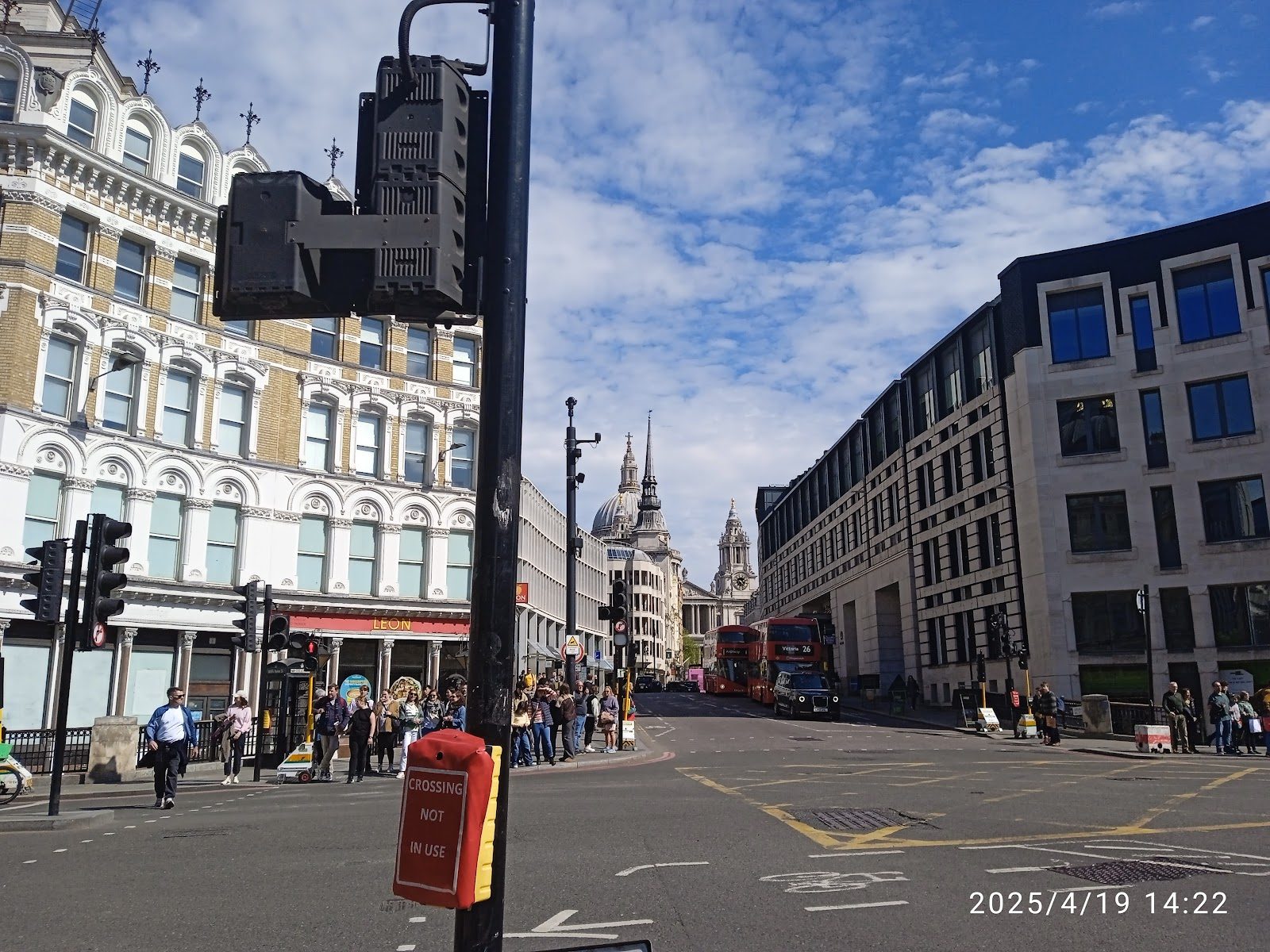
St Paul's Girls' School
London · United Kingdom
A Hammersmith day school where admission itself is the only scholarship, and GCSE results already top the national table.
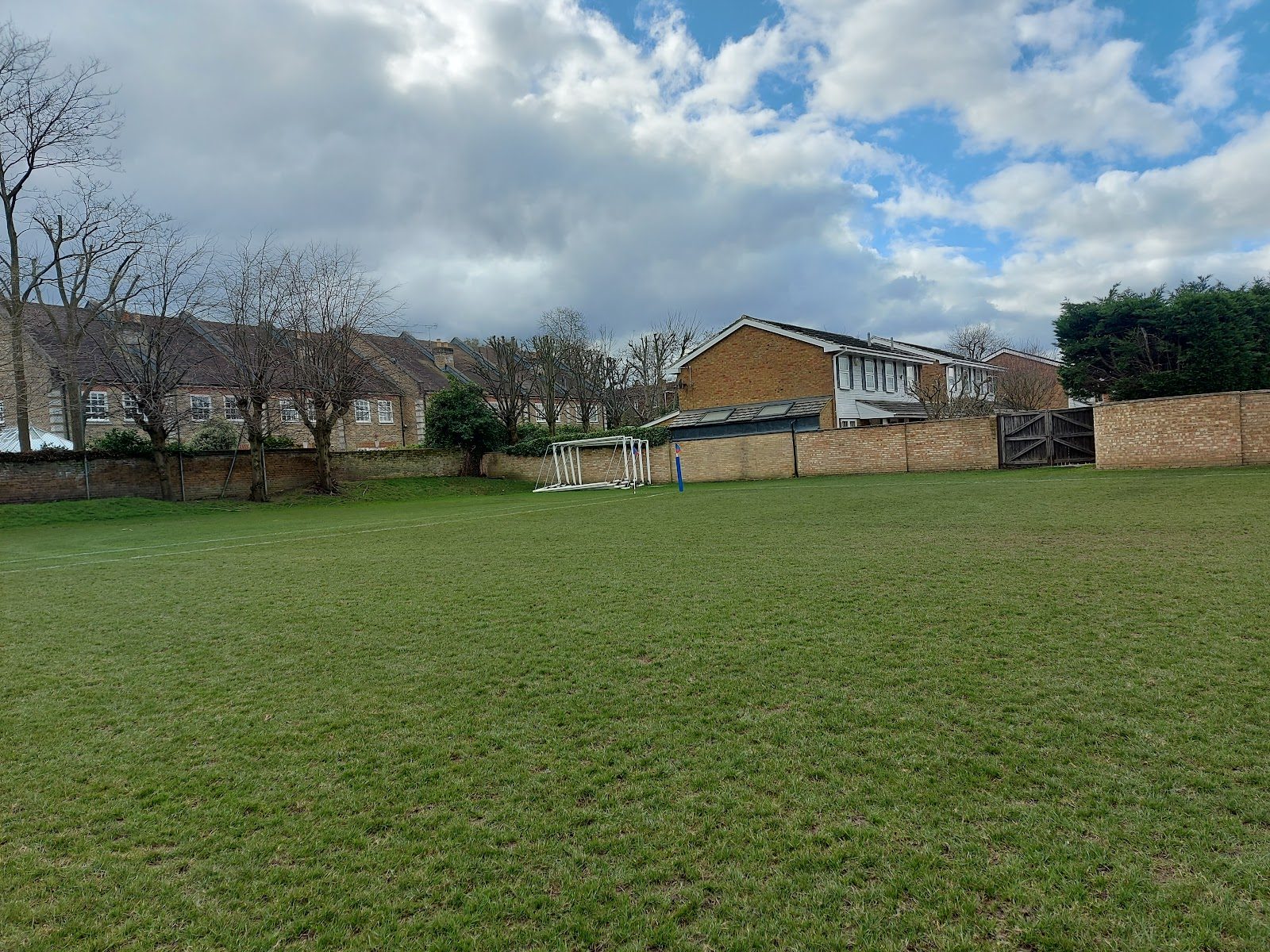
King's College School, Wimbledon
London · United Kingdom
Beside Wimbledon Common, a Royal Charter school where sixth-formers choose A-levels or the IB and rank among England's very best in both.
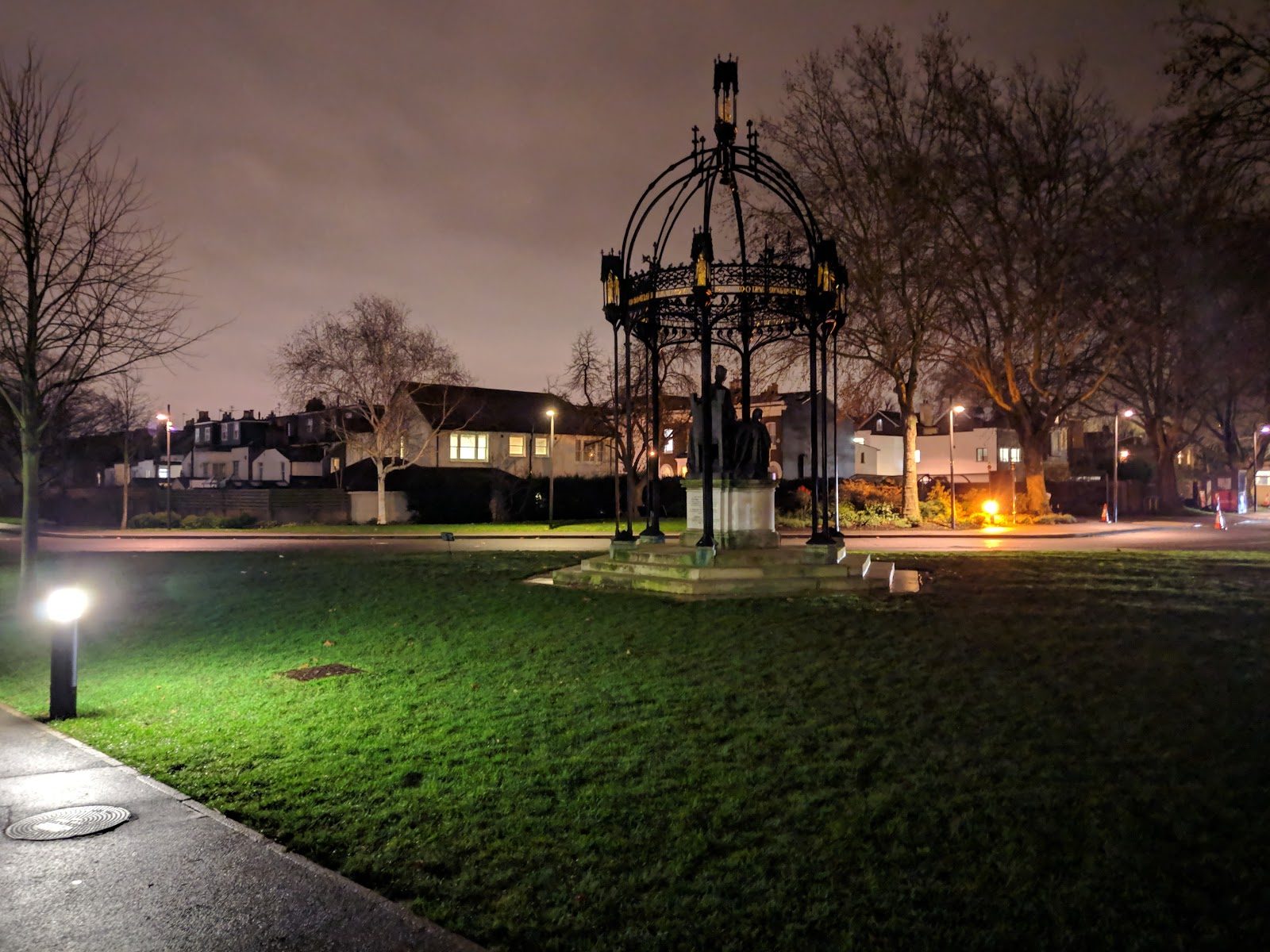
St Paul's School
London · United Kingdom
A 1509 founding charter to teach boys 'from all nacions and countres indifferently' still anchors this riverside Barnes campus on the Thames.
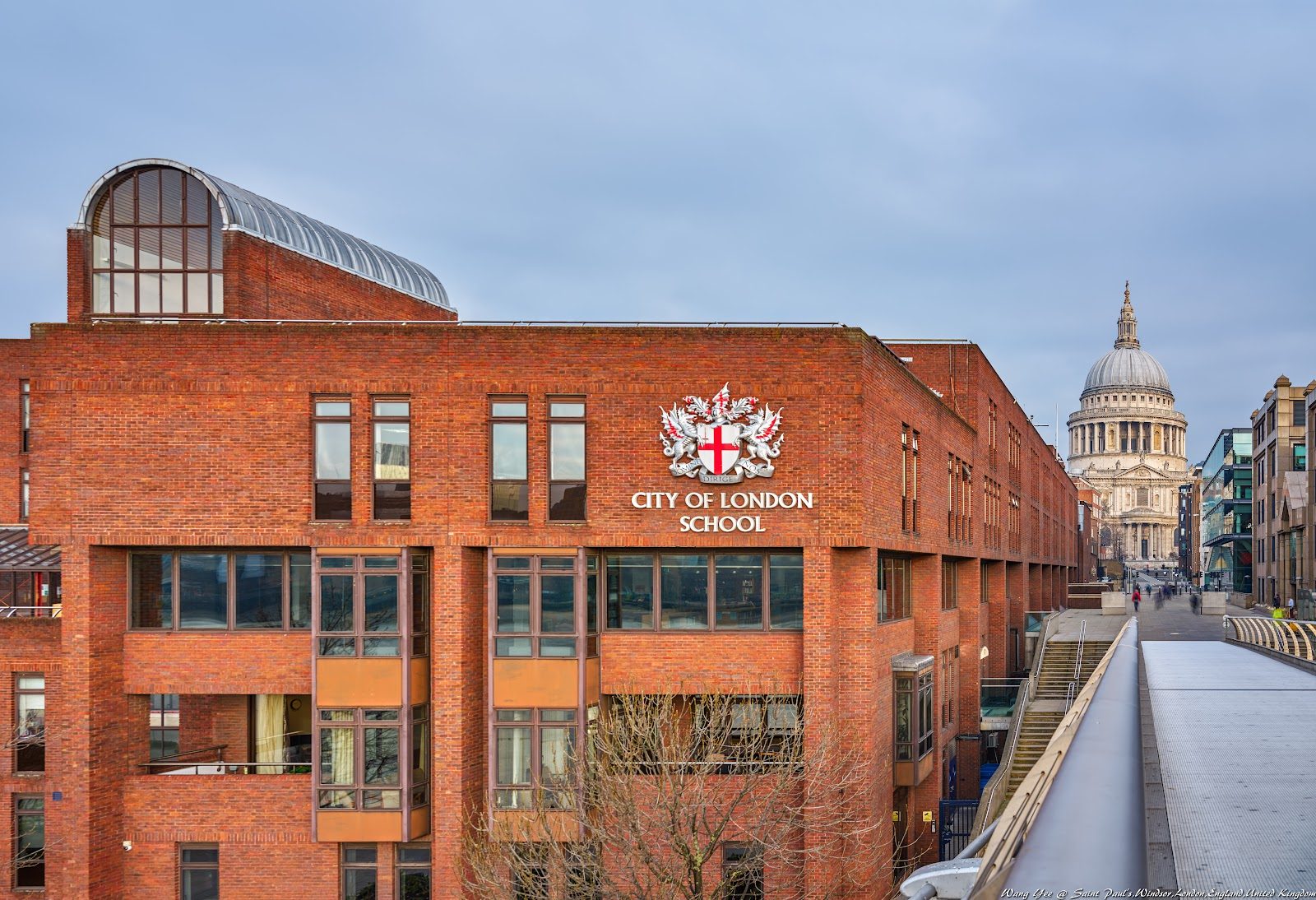
City of London School
London · United Kingdom
A 1442 bequest from the City's own Town Clerk still funds this rigorous day school perched on the Thames at Blackfriars.
Same country and curriculum — closest matches within ±10 points either way