
New Jersey
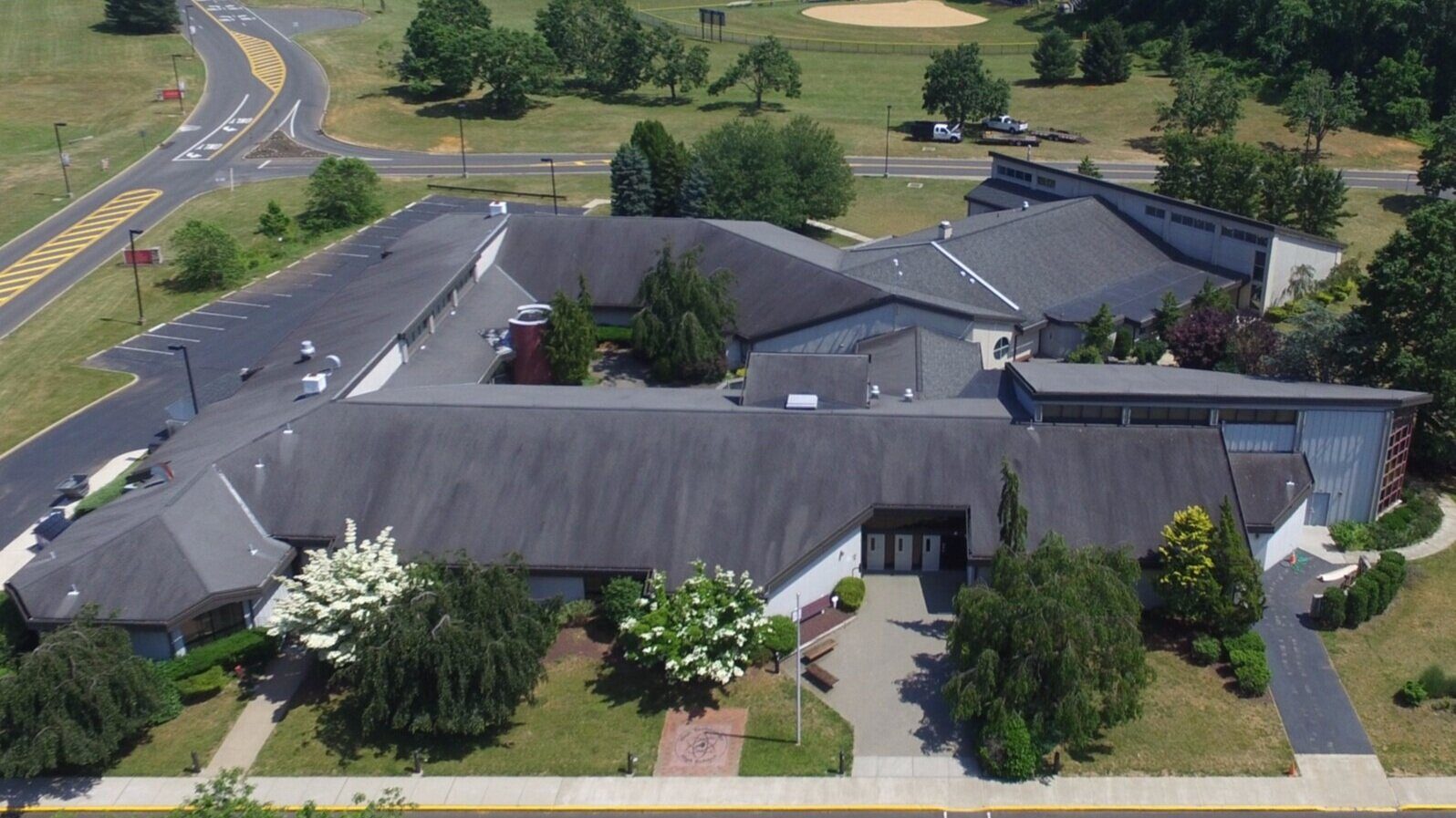
A 284-student engineering magnet in Monmouth County where civil design and digital electronics substitute for standard electives.
Type
Day
Ages
14–18
Curriculum
American · AP
Ratio
1:12
The Verdict
Editor's commitment
Right for
Students who want engineering from age 14, with 284 pupils, a 1:12 ratio, and AP inside a public magnet.
Wrong for
Teenagers who want a broad elective menu or arts-led schooling; this 1991 pre-engineering academy replaces breadth with technical focus.
Watch out for
Average class size is 24, and the school does not publish aggregate AP results; Middle States accreditation confirms standards, not outcomes.
Ranking breakdown
High Technology High School · # of 1591
Composite score 78.0. 8 weighted criteria.
By criterion
Academic Outcomes
Weight 20%
#31
of 1529 scored
University Placement
Weight 16%
#59
of 1529 scored
Prestige & Heritage
Weight 12%
#438
of 1571 scored
Alumni Network
Weight 12%
#289
of 1530 scored
Facilities
Weight 12%
#478
of 1534 scored
Transparency & Communications
Weight 8%
#84
of 1532 scored
Peer & Industry Review
Weight 10%
#205
of 1548 scored
Admissions Selectivity & Demand
Weight 8%
#50
of 1529 scored
Score history
High Technology High School · 2026
Movement across 2024–2026. Peer average overlaid.
Overall — 2024–2026
78.0/ 100
▲ +29.2 vs 2025
year on year
Peer & Industry Review
How High Technology High School is regarded in the sector
90
Top-tier · high confidence
High Technology High School in Lincroft, NJ consistently ranks among the top public high schools nationally in U.S. News & World Report's Best High Schools rankings and Niche.com rankings, frequently placing in the top 10-20 nationally and often #1 in New Jersey. It is a magnet school within the Monmouth County Vocational School District known for extremely selective admissions and strong STEM outcomes, with graduates regularly matriculating to elite universities, giving it a strong regional and national reputation in specialist education press.
Evidence sources
Award
Elite Science & Research 58
World's Top School · The Global Ranking
High Technology High School is featured on our Global Top 58 ranking at #32. This seal is available for the school's marketing team to use on their website, prospectus and social channels.
Award
Elite Computing & AI 60
World's Top School · The Global Ranking
High Technology High School is featured on our Global Top 60 ranking at #39. This seal is available for the school's marketing team to use on their website, prospectus and social channels.
Editors' overview
High Technology High School is not a conventional American high school with a STEM badge attached. It is a 284-student public magnet built for pre-engineering from the ground up, founded in 1991 and run in partnership with Brookdale Community College. That partnership matters: it gives the school a more technical setting than a standard district campus and reinforces its identity as a specialist institution rather than a generalist comprehensive. The headline distinction is curricular. Where many schools bolt robotics or coding on top of a broad elective menu, High Technology High School replaces standard options with engineering pathways such as Introduction to Engineering and Design, Exploring Engineering, and Principles of Engineering. For the right student, that is a serious academic proposition.
Its market position is clear. This is a selective public option for families who want an American and AP education with a hard tilt towards engineering, mathematics and applied problem-solving, not a broad liberal-arts experience with a bit of STEM enrichment on the side. The school’s 1:12 student-teacher ratio and average class size of 24 support that focused model. So does its scale: small enough to feel specialised, large enough to sustain a coherent technical programme. Accreditation through the Middle States Association adds baseline institutional credibility; membership of the National Consortium for Specialized Secondary Schools of Mathematics, Science and Technology places it in a recognised niche. Parents should shortlist it for clarity of mission, technical seriousness and a structure that treats engineering as core work, not extracurricular decoration.
The trade-off is just as clear. Students who want maximum choice across humanities, arts and athletics will find a narrower offer than at a large suburban high school. This school suits teenagers who enjoy mathematics, design processes, systems thinking and sustained project work; it does not suit students who are undecided, casually interested in STEM, or eager for a sprawling all-round American high school experience. The best fit is the student who wants peers with the same obsessions, likes solving concrete problems, and finds intellectual pressure energising rather than draining. For that child, High Technology High School offers a focused runway into engineering and technical study.
An Elite Science & Research 58 school
High Technology High School in Lincroft, New Jersey, sits at rank thirty-two on the Elite Science & Research 58. The single fact that anchors this placement is that Business Insider ranked it at the top of its 2014 list of the 25 best public high schools in the United States, and the school was named a National Blue Ribbon School again in 2023, a status it first earned in 1998. Run jointly with Brookdale Community College since 1991, this small public magnet of roughly 280 students converts its size into research intensity rather than course-catalog breadth.
The specialism is pre-engineering research delivered through a mandatory senior mentorship in place of coursework: every student completes a one-semester placement working directly alongside an engineer, scientist, or researcher at a university, research institution, or company across New Jersey, New York, or Pennsylvania, then presents findings at a closing colloquium. A 2002 building expansion added a dedicated engineering lab, presentation space, and a research wing specifically for these projects. College credit runs through partnerships with Rochester Institute of Technology, Georgian Court University, and on-campus Brookdale coursework taken junior and senior year, while outside placements have included federal facilities such as the Ohmsett oil-spill-response test center.
Notable alumni are still emerging into public-facing careers, so the stronger evidence is the competition record the mentorship model produces: Daniel Adam Handlin was named an Intel Science Talent Search finalist for a project proving an inexpensive optical satellite-tracking network could match state-of-the-art radar accuracy, and Rohan Arni was named a 2026 Regeneron Science Talent Search finalist for research distinguishing repeating from non-repeating fast radio bursts. Published destination data show graduates enrolling at Princeton, MIT, Cornell, Columbia, and Stevens Institute of Technology.
International openness is essentially absent, and families should know this plainly. As a public magnet run by the Monmouth County Vocational School District, admission requires that eighth-grade applicants be full-time Monmouth County residents at the application deadline, with no out-of-county or overseas pathway, no boarding option, no ESL track, and no visa arrangement, since it is a tuition-free school for local residents only. There is no realistic international admissions route here; a family would need to establish full-time Monmouth County residency at least a year ahead of the eighth-grade application cycle, and should not plan around this school as an overseas destination.
An Elite Computing & AI 60 school
High Technology High School in Lincroft, New Jersey sits at rank thirty-nine on the Elite Computing & AI 60 because it is a tuition-free public magnet school that was ranked the number-one best public school in the state of New Jersey by U.S. News and World Report and the 24th best overall public high school in the United States, built inside a pre-engineering career academy of only about 280 students on the campus of Brookdale Community College. That density of high-achieving computing-minded pupils inside a tiny cohort, rather than any single flagship contest result, is what anchors its position.
The specialism is delivered through a dedicated Computer Programming major that starts with AP Computer Science Principles before moving into Python, JavaScript and Java, alongside a separate AP Computer Science A course sitting within the school's wider engineering-centric curriculum of civil engineering, computer-integrated manufacturing and digital electronics. Students can bank college credit for core coursework through partnerships with Rochester Institute of Technology, Georgian Court University and Brookdale Community College. What differentiates the school is this structured, project-based pathway rather than any documented Olympiad-in-Informatics or ICPC pipeline, which this ranking could not independently verify.
Notable alumni with a specific computing or AI achievement are still emerging in public records. What is verifiable is the destination pattern: a 2010 cohort sent graduates on to MIT, Princeton, Cornell and Columbia, and current graduates cite Carnegie Mellon, the University of Pennsylvania, Princeton and MIT among their most popular computer-science destinations, alongside Rutgers and Stevens Institute of Technology.
International openness is limited and families should know this going in. Admission is restricted by law to full-time Monmouth County residents applying in eighth grade through an information session, an entrance exam in mathematics and English, and a competitive composite score; there is no out-of-county or overseas applicant route, no boarding provision, no ESL programme and no school-sponsored student visa. Annual tuition is $0 for eligible residents. This is not a relocation destination for an international family seeking a computing pathway; it is a genuine county asset for families already resident in or planning a permanent, multi-year move to Monmouth County well before the eighth-grade application deadline.
Academic Performance
High Technology High School sits in a rarefied part of the American public-school market: the specialist magnet whose reputation rests on academic selectivity, technical focus and post-school trajectories, yet whose hard exam data remain strikingly opaque. The school declares an AP pathway, but it does not publish aggregate AP participation, average scores, share of top grades or subject-by-subject outcomes in the public domain. That absence matters. In the US context, strong schools that want credit for external results usually give parents at least a headline set of figures. Here, families are asked to infer academic strength from the school’s specialist status, its admissions profile and its institutional partnerships rather than from disclosed examination performance. For a school with only 284 students, that opacity is a real weakness.
Relative to peers, then, High Technology High School fits best in the category of academically serious STEM magnets with clear intellectual intent but limited public results reporting. The available evidence supports confidence in the calibre of intake and the technical ambition of the programme; it does not support precise claims about AP outcomes against top New Jersey magnets, exam-led independents or the strongest suburban publics, many of which publish far more. Its Wikidata alumni floor — 4 notable alumni, including 3 scientists or scholars — adds a modest signal that the school produces students who travel well into advanced academic fields. That is useful context, not a substitute for published results.
Facilities
The key facility asset is not a grand standalone campus but the school’s setting within a college partnership and a programme built around engineering. That matters more than glossy architecture. For a pre-engineering magnet, parents should care first about access to design, technical and laboratory spaces that support civil design, digital electronics and hands-on problem solving; this school’s identity depends on those environments functioning as daily teaching spaces rather than occasional enrichment rooms. Against peer STEM magnets, that is the right priority. Families choosing between specialist public options and broad suburban high schools need to recognise the trade-off: High Technology High School offers purpose-built academic utility, not the sprawling sports, arts and leisure infrastructure of a large comprehensive.
The limitation is public detail. The school does not publish the kind of granular facilities inventory that strong independent schools and some top magnets now provide: no clear public breakdown of engineering labs, maker equipment, research spaces, athletic provision or performing arts infrastructure. That leaves parents with a thinner picture than they need. In benchmarking terms, the school reads as functionally strong for technical teaching and narrow by design outside that core, with campus value tied to specialist use rather than breadth. For the right student, that is a serious advantage: fewer ornamental facilities, more spaces aligned to the school’s mission. For families wanting the full American high-school estate, it is a constraint, not a footnote.
High Technology High School is distinctive because it narrows the road on purpose; for the right student, that focus is liberating
Prestige
High Technology High School carries real specialist prestige, but it is niche prestige rather than broad social cachet. In the American market, selective public magnets in mathematics, science and engineering earn status from difficulty of entry, depth of peer group and seriousness of purpose. This school has all three. Its partnership structure with a community college gives it a more technical frame than a standard district high school, and its membership of the National Consortium for Specialized Secondary Schools of Mathematics, Science and Technology places it inside a recognised national ecosystem of elite specialist schools. That matters to informed families, university admissions officers and STEM educators. It does not deliver the instant brand recognition of a famous private school, but within its lane it carries credible academic weight.
The rating stops short of the very top tier for one reason: public evidence of outcomes is thin. Prestige built on reputation alone has limits, and parents cannot verify external performance with the same precision they can at stronger-reporting competitors. Even so, the school’s profile is more exacting than decorative. This is not a comprehensive school with a flashy engineering lab; it is a technical magnet with a defined intellectual identity and a student body of 284 built around that mission. The verified alumni floor — 4 notable alumni, including 3 scientists or scholars — adds a useful signal of downstream academic seriousness. Net assessment: high prestige in specialist STEM circles, moderate prestige outside them.
High Technology High School is not a conventional American high school with a STEM badge attached
Communications
High Technology High School communicates with parents in the way many specialist public magnets do: function first, polish second. The core messages are clear enough. The school’s public-facing information states what the school is for, who it serves and what kind of academic life families are buying into without paying private-school fees. That clarity helps. Parents do not have to decode a vague “innovation” pitch; they get a direct account of a technical school with a defined remit. The problem sits elsewhere. Communication lacks depth where discerning families need it most. There is no strong public habit of publishing outcome data, rich programme detail or a granular picture of day-to-day student experience. For a school with only 284 pupils, that is an avoidable gap. Small specialist schools need crisp, disciplined communication because every unanswered question carries more weight.
So: effective on identity, weaker on accountability. Families can grasp the mission quickly, but they get a thin evidential trail when they try to test how that mission translates into results, pastoral rhythm, enrichment, or the practical realities of the parent experience. The low staffing ratio of 1:12 helps on the ground; schools of this scale can sustain more direct parent contact than sprawling comprehensives. But personal responsiveness is not the same thing as institutional transparency. High Technology High School communicates its purpose with technical confidence. It does not communicate performance and lived experience with the same rigour. For exacting parents, that imbalance is the central weakness.
Uniqueness
What sets High Technology High School apart is not STEM branding but structural commitment. This is a magnet where engineering displaces the loose elective buffet that defines most American high schools. Courses such as Introduction to Engineering and Design, Exploring Engineering, and Principles of Engineering are not decorative add-ons; they shape the school’s daily academic logic. The cooperative arrangement with Brookdale Community College sharpens that difference. Students study in a setting tied to a tertiary partner, which gives the school a more adult academic frame and a clearer technical identity than a standard district campus. Membership of a national consortium for specialist maths, science and technology schools reinforces the point: this is a school built for a narrow purpose and judged inside that specialist world.
For students, that brings benefits and trade-offs in equal measure. The benefit is early professional direction: teenagers interested in design, systems and applied problem-solving get a peer group and timetable aligned to those interests from the start, not after years of generic schooling. The small scale — 284 pupils — also supports a tighter intellectual culture, where technical seriousness is normal rather than eccentric. The trade-off is reduced breadth. Students who want to keep several identities in play at once — engineer, actor, all-round athlete, humanities generalist — get less room to do that here than at a larger comprehensive. High Technology High School is *distinctive because it narrows the road on purpose*; for the right student, that focus is liberating.
For that child, High Technology High School offers a focused runway into engineering and technical study
Student Profile
The right student for High Technology High School is not a dabbler. This school suits teenagers who want engineering to shape the week, not decorate it. They need to enjoy mathematics, design constraints, sequential problem-solving and the discipline of building things that work rather than merely talking about them. A pupil who likes clear intellectual structure, can tolerate academic pressure and prefers specialist peers to a broad social mix will fit well. The school’s scale and staffing model — 1:12 — also favour students who are comfortable being known closely by teachers and measured against a capable cohort. This is a place for the technically minded, the purposeful, and the student who finds satisfaction in precision.
The weaker fit is just as clear. Students who want to keep their options wide, sample many elective identities or treat STEM as one interest among several will find the model constraining. So will teenagers who need a big-campus social scene, a deep humanities culture or expansive arts provision to feel fully engaged. The average class size of 24 points to a standard seminar-free American classroom rhythm rather than tutorial-style intimacy, so this is not a haven for students who need tiny classes at every turn. The strongest candidates are self-directed, resilient and not easily bored: children who want a school organised around hard technical work and are happy for that focus to crowd out part of the usual high-school sprawl.
High Technology High School carries real specialist prestige, but it is niche prestige rather than broad social cachet
Co-curricular strengths
Arts & sport, on a separate axis
Overall 5.1/10
Scored 0-10 from the school's own published evidence. This axis is editorial-only — it does not feed the main WTS ranking.
Sports
4.5/10
Drama
5.5/10
Dance
4.5/10
Music
5.5/10
Visual Arts
5.5/10
Arts, and the alumni note explicitly indicates 0 verified star-tier laureates, which does not anchor a score.
Editor first-pass · editor-reviewable · 7/28/2026
WTS 300 badge
2025/26 editionHigh Technology High School is one of the World's Top 300 Schools for 2025/26. Claim your listing to add it to your site →
Strengths
- +Ranked #27 nationally and #1 in New Jersey in U.S. News & World Report's Best High Schools rankings, and previously named the nation's top STEM high school multiple times.
- +Engineering-centric curriculum includes civil engineering and architecture, computer-integrated manufacturing, and digital electronics rather than a generic science syllabus.
- +Students can earn college credit through formal partnerships with Rochester Institute of Technology, Georgian Court University, and Brookdale Community College.
- +Small scale (around 284 students across grades 9-12) with a student-teacher ratio near 13:1, and near-universal AP participation and pass rates in recent U.S. News data.
- +Recognized as a National Blue Ribbon School by the U.S. Department of Education in 2023.
Considerations
- −Admission is legally restricted to full-time residents of Monmouth County, New Jersey, so relocating or international families cannot enroll without first establishing county residency.
- −Highly selective lottery-style admissions: only about 75 places are offered each year from a pool of over 300 applicants drawn from 45-plus local districts.
- −Curriculum is narrowly STEM-focused; student reviews note there is no formal art class and limited provision for arts- or humanities-oriented learners.
- −Students describe a highly competitive academic climate that can create stress, with guidance and mental-health support receiving mixed reviews from the student body.
Availability
Primary entry gate & tests
Entrance Exam (NJ Residents)
Parent reviews
Have you sent your child here?
Voice reviews carry the strongest trust badge — we transcribe them for you to tidy up before they go live. Prefer to type? A written review is fine too.
Add your voice
In 60 seconds, tell other parents: what's the best thing about High Technology High School, and what surprised you when your child joined?
We ask for a Google sign-in so every review has a real face behind it — no anonymous drive-by attacks on schools, and no faked positive reviews. Your email is never shown publicly.
Send this profile to a friend
International parents rely on word-of-mouth. Share this review with someone weighing the same decision.
Schools with places
Similar schools to High Technology High School with places available now.
Peddie School
Hightstown · United States
- 2026-27
- CLOSEDRegular cycle
- 2027-28
- PLACES OPENApplication portal live
The Lawrenceville School
Lawrenceville · United States
- 2026-27
- CLOSEDRegular cycle
- 2027-28
- PLACES OPENInterviews underway
The Pingry School
Basking Ridge · United States
- 2026-27
- CLOSEDRegular cycle closed
- 2027-28
- PLACES OPENActive now
Delbarton School
Morristown · United States
- 2026-27
- CLOSEDRegular cycle closed
- 2027-28
- OPENS SOONOpens Sept '26
Availability first, then country, area, curriculum, price, co-curricular
Consider also
Also worth looking at alongside High Technology High School.
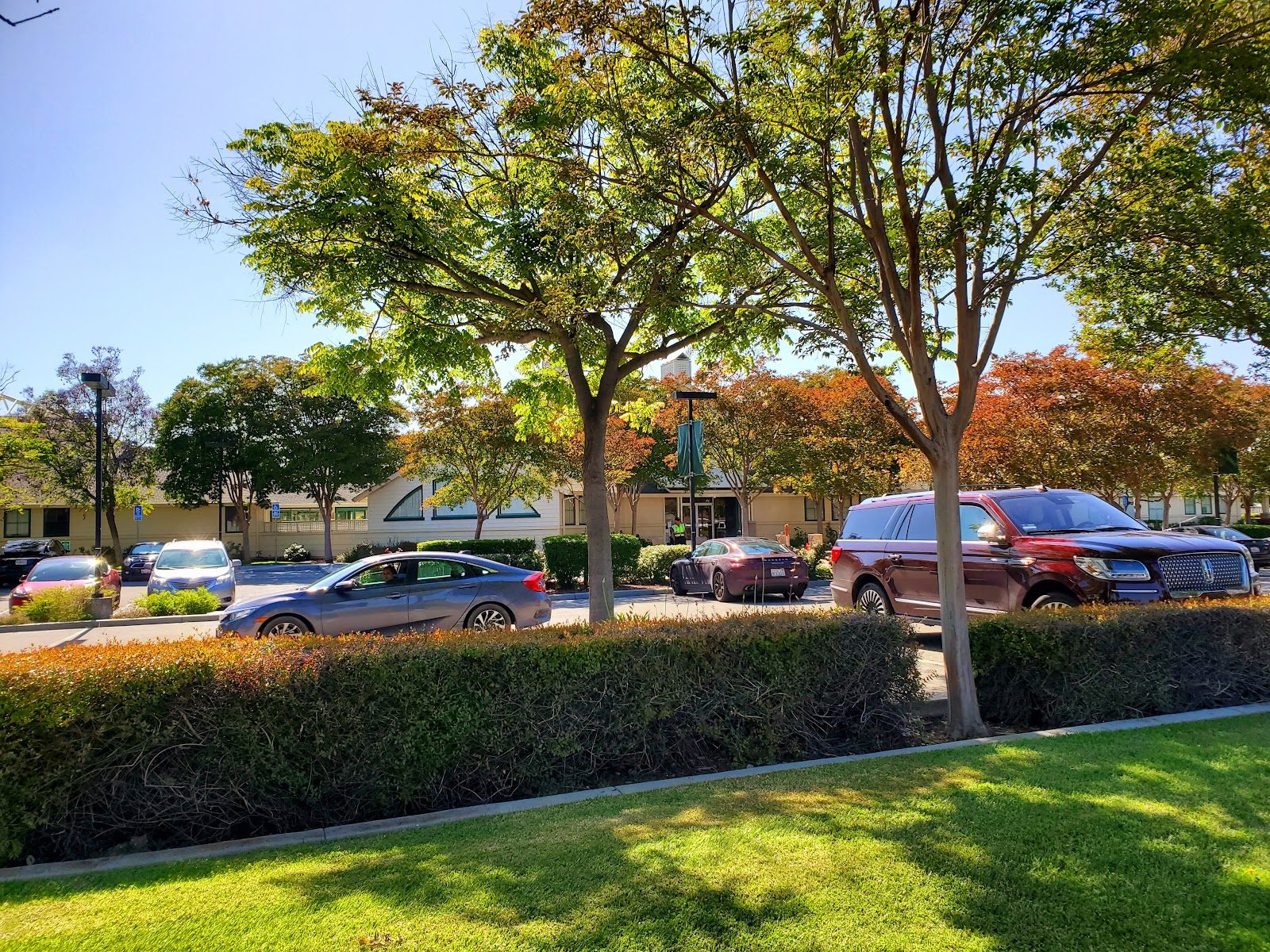
The Harker School
San Jose · United States
In Silicon Valley's backyard, a student-run research symposium turns science fair projects into published papers.
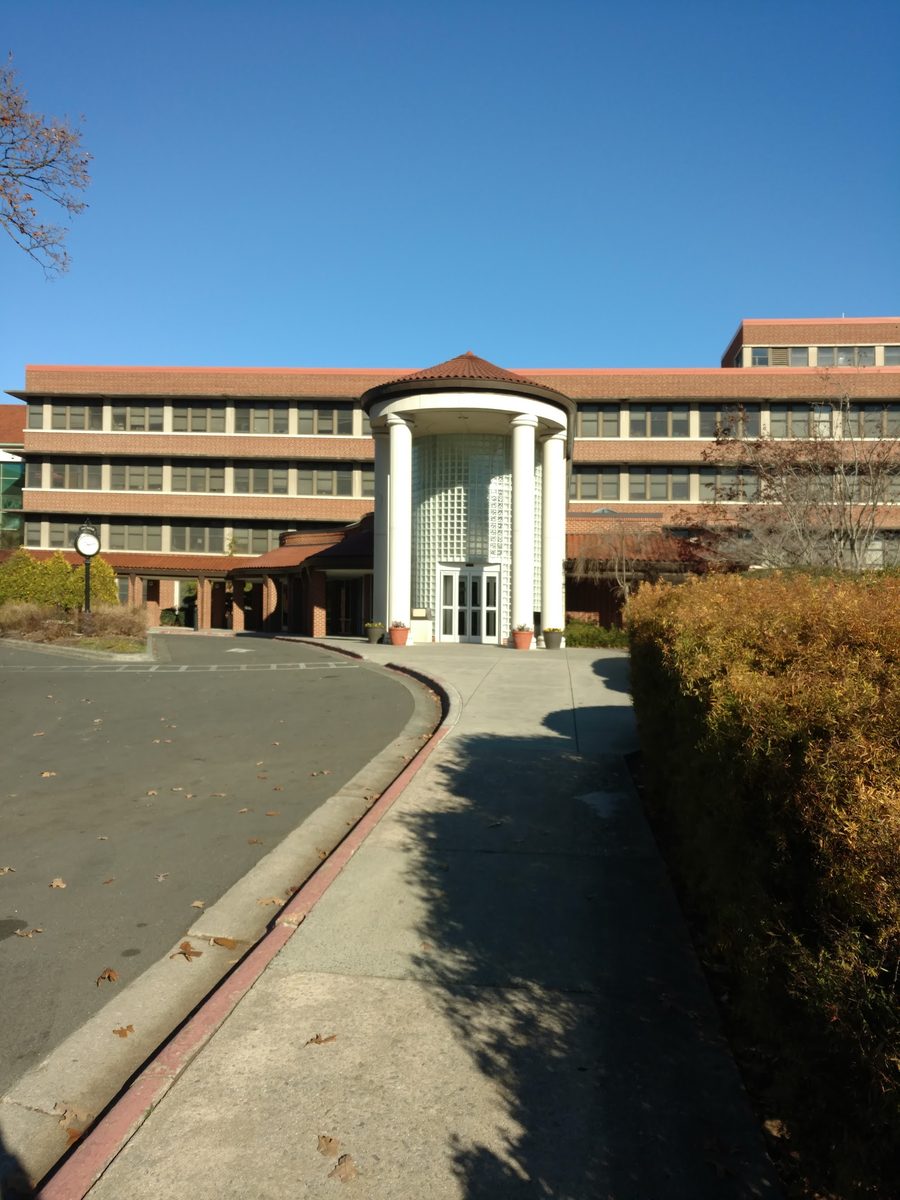
North Carolina School of Science and Mathematics
Durham · United States
America's first public residential STEM high school, a Durham model tuition-free program now replicated by eighteen sister schools worldwide.
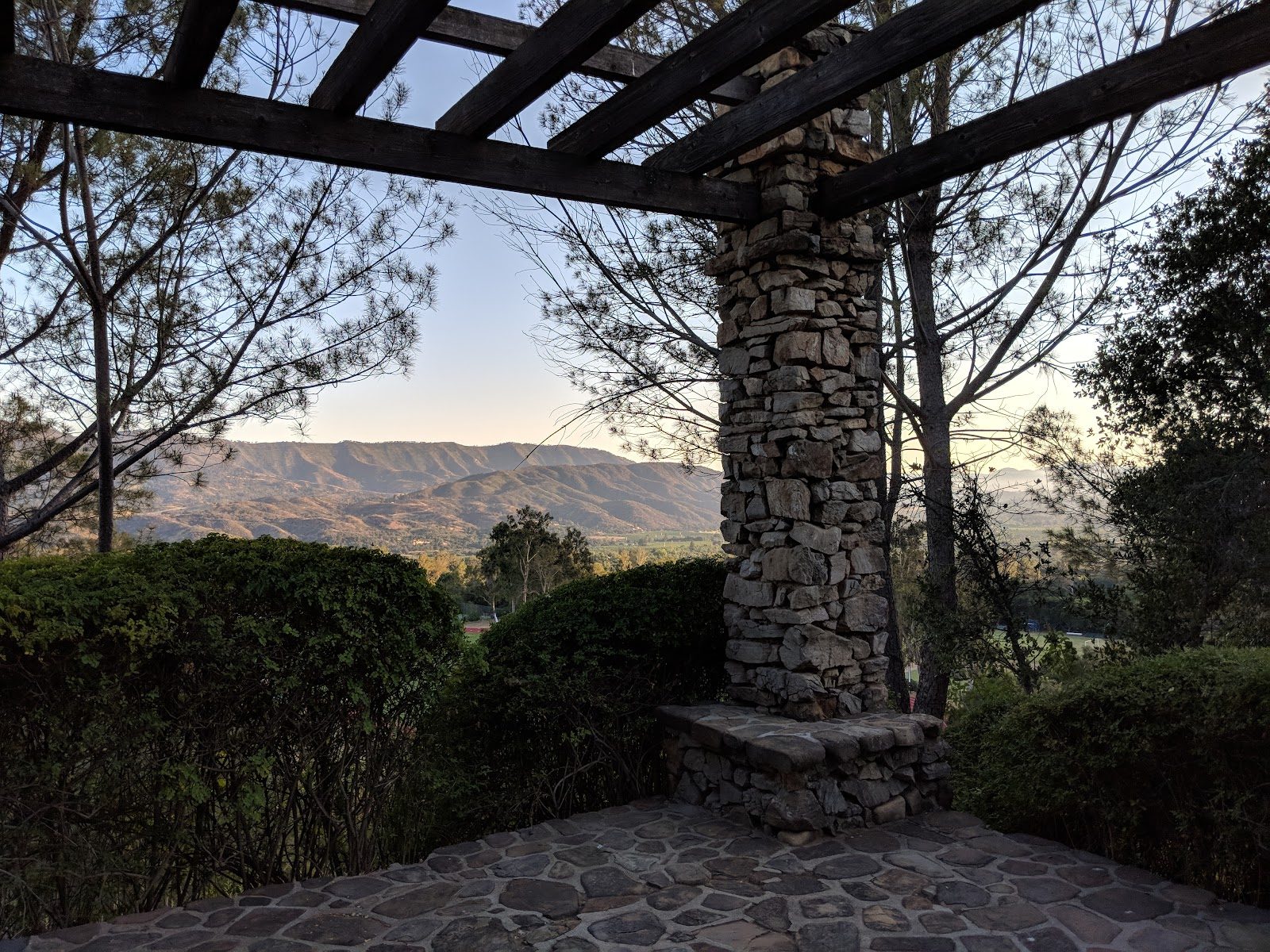
The Thacher School
Ojai · United States
Every freshman is assigned a horse to feed, saddle and ride daily in the foothills above Ojai
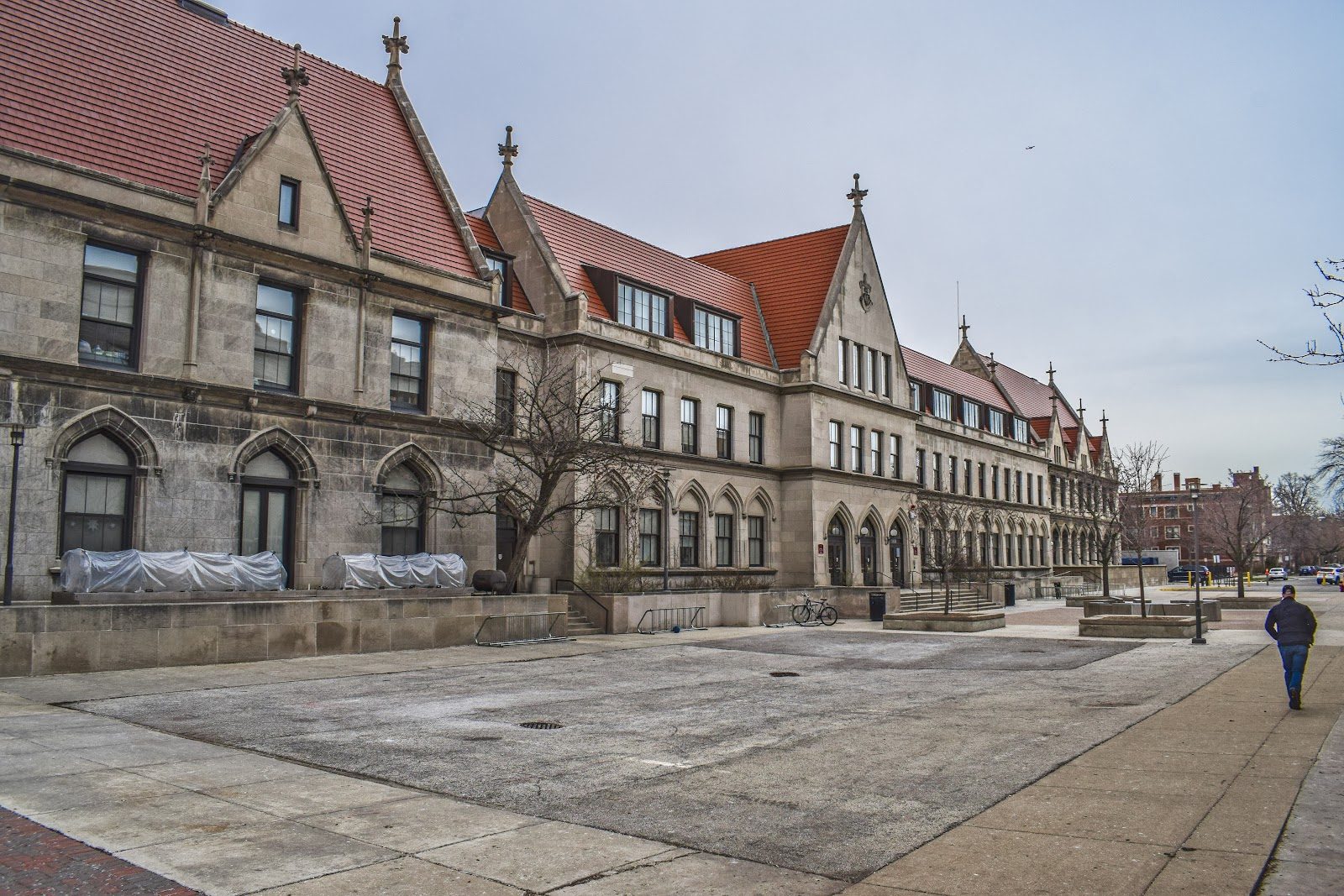
University of Chicago Laboratory Schools
Chicago · United States
Born from John Dewey's 1896 experiment in progressive education, still testing ideas in Hyde Park classrooms today
Same country and curriculum — closest matches within ±10 points either way