
Abu Dhabi
American International School in Abu Dhabi
medium confidence· 5/6 cats · 1.75 avg sourcesWhere American Common Core meets IB inquiry, having pioneered the UAE's first IB Diploma classroom back in the 1990s
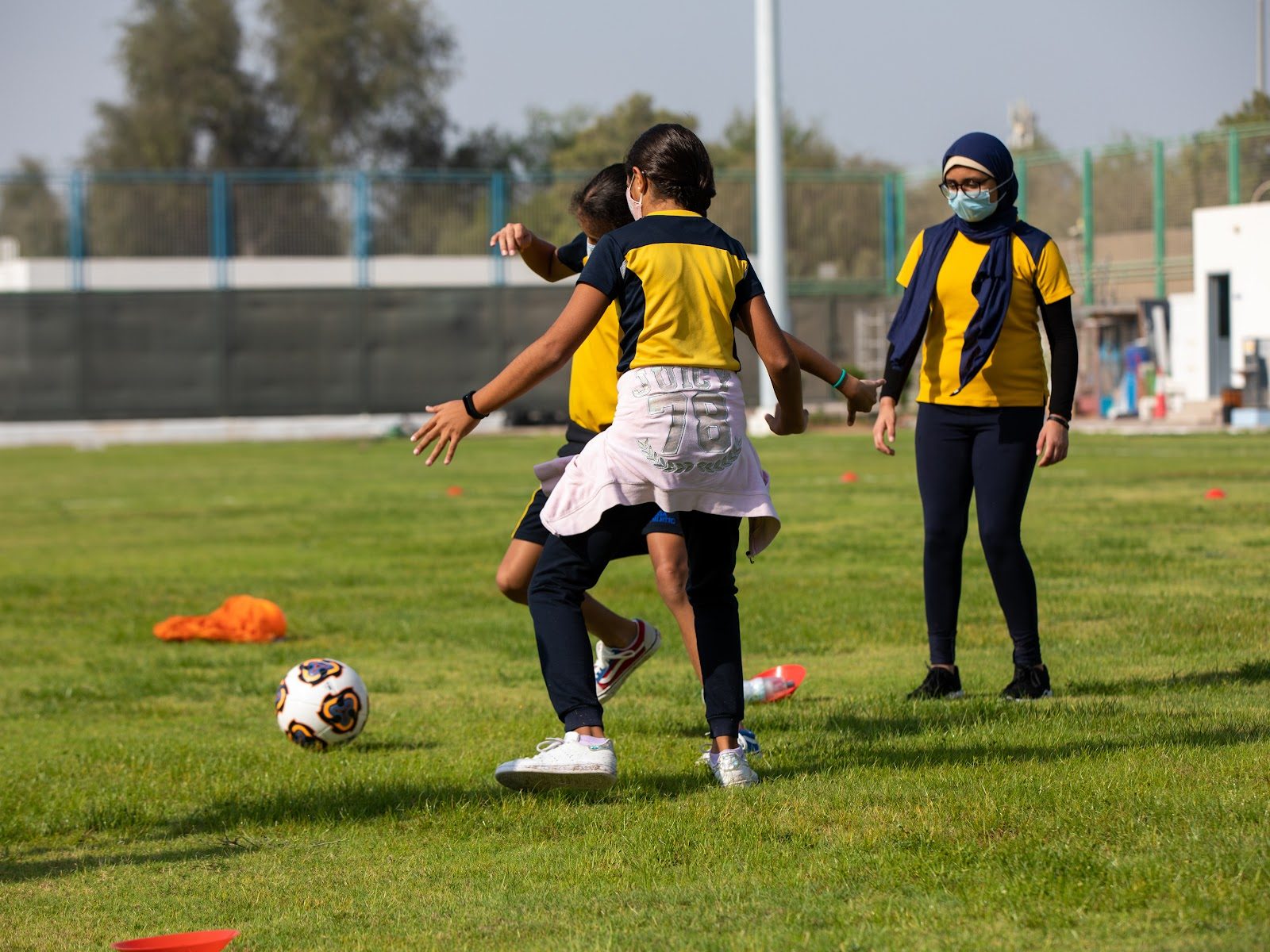
Photo © American International School in Abu Dhabi via Google Maps
Type
Day
Ages
3–18
Curriculum
American · IB
Qualifications
IB Diploma
Ratio
—
The Verdict
Editor's commitment
Right for
Families wanting an American school, ADEK-rated Very Good, with IB at both ends: PYP to Grade 5 and Diploma in Grades 11–12.
Wrong for
Parents set on one coeducational model from age 3 to 18; secondary is gender-segregated despite the school’s day-school, Kindergarten–Grade 12 span.
Watch out for
AISA trades on real firsts — 1995 founding, UAE’s first IB Diploma classroom, Abu Dhabi’s first PYP authorisation — but publishes no outcome data here.
Ranking breakdown
American International School in Abu Dhabi · # of 1591
Composite score 68.6. 8 weighted criteria.
By criterion
Academic Outcomes
Weight 20%
#451
of 1533 scored
University Placement
Weight 16%
#459
of 1529 scored
Prestige & Heritage
Weight 12%
#728
of 1580 scored
Alumni Network
Weight 12%
#742
of 1530 scored
Facilities
Weight 12%
#187
of 1540 scored
Transparency & Communications
Weight 8%
#358
of 1547 scored
Peer & Industry Review
Weight 10%
#636
of 1564 scored
Admissions Selectivity & Demand
Weight 8%
#1077
of 1529 scored
Peer & Industry Review
How American International School in Abu Dhabi is regarded in the sector
62
Respected · medium confidence
American International School in Abu Dhabi carries three decades of standing as one of the emirate's original US-curriculum providers and the first in the UAE to layer in the IB Diploma Programme, a pedigree both specialist publishers treat as central to its identity. WhichSchoolAdvisor notes the school had held a Very Good ADEK rating from 2015-16 through 2021-22 before it came as a surprise when it was downgraded to Good in a February 2025 inspection. SchoolsCompared's review is candid about the cause, attributing the slip to governance uncertainty that drove 47% staff turnover, leaving the school unable to sustain its prior performance level, particularly in Arabic-medium provision. AISA still positions itself credibly as the steady, portable option for globally mobile families, but the recent regulatory setback tempers what was previously a stronger peer reputation.
Editors' overview
American International School in Abu Dhabi has a clear historical claim in this market: it opened in 1995 and introduced the UAE’s first IB Diploma classroom, then became the first school in Abu Dhabi authorised for the IB Primary Years Programme. That matters. In a city crowded with schools that bolt together curricula for marketing effect, AISA has long experience of running an American pathway with IB at both ends of the age range. The result is a school that suits families who want American Common Core structure without giving up IB inquiry and breadth. The regulatory verdict also carries weight: ADEK rates it Very Good for 2023/24. Accreditation from Middle States and CIS adds external scrutiny that parents should expect at this fee level and in this segment. This is pedigree with substance, not a new-school sales line.
What sets AISA apart is the combination of continuity and specialisation. It teaches in English, runs from age 3–18, and serves a broad international and local intake, but the more distinctive point is its operating model: co-educational in the elementary years, then gender-segregated in secondary. For some families, that is a decisive advantage; for others, a clear reason to look elsewhere. Either way, it is not a footnote. Parents need to judge it in full view, because school culture changes with that structure. The school’s for-profit status will also matter to some buyers in this market. That does not disqualify it, but it does sharpen the question every parent should ask: where does the school put its money, and how visible is that in staffing, teaching quality and student support? That is where substance beats branding.
AISA belongs on a shortlist for families who want a proven American school with an IB spine, and who value institutional memory over fashion. It will appeal to students who thrive in a more traditional, academically directed environment rather than a loose progressive one; students who want a serious route to university; and younger children whose parents like the PYP’s emphasis on inquiry before the curriculum narrows in the upper years. It also suits families who want a settled school with regional history rather than a campus still inventing itself. Students who need a fully co-educational model through the teen years, or families who want complete public transparency on outcomes data, will need to interrogate the school hard. AISA’s strengths are real: first-mover credibility, curricular range with purpose, and *a long-established place in Abu Dhabi’s international-school market*.
Academic Performance
AISA does not publish the exam data that would let parents judge academic performance properly. We have not seen aggregate IB Diploma averages, subject scores, pass rates, university destinations by cohort, or AP results in the public domain. That matters. In Abu Dhabi’s upper tier, serious comparison starts with hard outcomes, not institutional history. Without those figures, AISA sits in the category of schools with opaque results reporting. That does not mean weak performance; it means parents must ask directly for recent leavers’ data, score distributions, and destination lists rather than accept general claims about college preparation. At this price point, opacity is a fault.
What can be said with confidence is structural rather than statistical. The school has long experience running an American programme alongside IB at key stages, and that gives it a more academically coherent profile than schools that tack on post-16 options without depth. The secondary model, with separate provision for boys and girls, also signals a more traditional, directed academic culture than the freer, seminar-style ethos found in some rivals. Relative to peers, then, AISA has a credible academic shape but not publicly verifiable headline outcomes. That places it behind the most transparent schools in the market on evidence, even if classroom performance is strong. Parents who value clean accountability will press hard here.
Facilities
AISA does not trade on a vast, destination-campus facilities story, and parents should calibrate expectations against newer Abu Dhabi competitors built to impress on first tour. We have not seen a published inventory detailed enough to verify specialist labs, performing arts infrastructure, aquatics, or standout sports provision. That absence matters because peer schools in this bracket now spell out exactly what they have, room by room, court by court. Here, the clearest operational clue sits elsewhere: the split between co-educational elementary and gender-segregated secondary provision. That demands duplicated or carefully timetabled teaching and recreation spaces, and it shapes daily use of the campus in ways families need explained plainly. If you are comparing AISA with more recently built schools, expect less spectacle, more function unless a visit proves otherwise.
The more persuasive facilities case lies in fit rather than flash. A school with a long run in this market tends to have the practical spaces required to deliver its programme capably, but not the architectural theatre that now dominates premium-school marketing. For younger children, the key question is whether classrooms and shared areas support inquiry, movement and display well; for older students, it is whether science, arts and exam-year study spaces feel serious rather than improvised. On facilities evidence alone, AISA sits behind peers that publish rich visual and technical detail. Parents should ask for a direct tour of libraries, labs, sports areas and secondary social spaces, and judge whether the campus feels workmanlike or underpowered for the fees.
For families who want that progression, AISA offers something genuinely hard to replicate
Prestige
AISA has real standing in the UAE market, but it is not prestige in the British-brand sense. Its status rests on institutional firsts, regulatory approval, and longevity in a crowded sector, not on imported heritage or social cachet. That distinction matters. For families who value educational substance over badge value, AISA carries serious local credibility. The regulator’s Very Good judgement gives it external weight, and the school’s role as an early mover with IB in the Emirates still counts. Schools that shape a market keep a residue of authority long after newer campuses open with shinier buildings and louder marketing. AISA benefits from that. So does its long-established position with both expatriate and local families.
That said, prestige here is earned rather than glamorous. The school does not sit in the category of institutions whose name alone confers elite social signalling across every international market. Its secondary gender segregation also narrows its appeal: for some families that reads as values-led seriousness; for others, dated. The bigger constraint on prestige is transparency. Top-tier reputation now depends on published outcomes as much as history, and AISA does not publish the academic data that would convert respect into unqualified confidence. So the rating lands in the upper-middle band: a school with durable regional esteem, clear educational legitimacy, and a stronger claim to substance than spectacle.
The result is a school that suits families who want American Common Core structure without giving up IB inquiry and breadth
Communications
AISA’s parent communication reads as serviceable rather than exemplary. The public-facing website does the basic job: key structural facts are easy to find, admissions routes are clear, and there is a named prompt to contact the admissions team directly. That matters for transient international families who need fast answers. The weakness is depth. The school does not publish the kind of detailed operational and academic information that turns communication into real accountability: richer leadership visibility, fuller day-to-day life on campus, and hard performance reporting remain thin in public view. For a school serving ages 3–18, that leaves too much to the tour, the enquiry form and private follow-up.
That does not make communication poor; it makes it selective. Parents can extract the essentials, but they must work for the substance. The split between elementary and secondary organisation raises practical questions about daily routines, student movement, supervision and culture, and the school needs to answer those with plain operational clarity, not broad reassurance. The same applies to older students’ academic pathways and outcomes. Strong school communication is not glossy; it is specific, prompt and candid. AISA clears the first hurdle on access and basic orientation. It falls short on full public transparency. Families who value directness should test this early: send detailed questions, judge the speed and precision of the reply, and see whether the school gives clean answers or admissions polish.
Uniqueness
AISA’s clearest point of difference is structural, not cosmetic. Very few schools in this market can claim to have helped set the pattern that others later adopted, and fewer still have kept that identity intact. Here, the distinctive feature is a school model that starts with a mixed elementary setting and then shifts into separate provision in the older years, while still keeping a continuous academic journey from 3–18. That creates a very specific culture: younger children grow up in a broad, socially mixed environment, then move into a secondary phase with sharper boundaries, more directed routines and a more formal sense of school life. For families who want that progression, AISA offers something genuinely hard to replicate. For families who want one co-educational ethos all the way through, it does not.
What this brings to students is consistency with a clear internal logic. The school is not trying to be everything to everyone. Its long-running mix of American schooling and IB at selected stages gives children a route that starts with inquiry and then tightens into a more exam-conscious, university-facing framework. That suits students who benefit from clear academic framing rather than loose experimentation. It also gives parents a school with an established educational identity instead of the pick-and-mix feel found in newer operators. The trade-off is obvious: this is a more defined and directional experience, with fewer of the lifestyle flourishes and softer edges that some rival schools use to widen their appeal.
The regulatory verdict also carries weight: ADEK rates it Very Good for 2023/24
Student Profile
The students who fit AISA best are those who can handle a school with clear structure and a more traditional social framework in the older years. This is not a loose, student-led environment built around endless choice and self-invention. It suits children who work well with boundaries, respond to teacher direction, and do not need a highly informal campus culture to thrive. The school’s age range — 3–18 — also gives it a family-school feel: children who start young can grow up within one system, and parents who value continuity over repeated school moves will find that attractive. In the secondary phase, the gender-segregated model changes the student experience in a material way. Families need to want that, not merely tolerate it.
In temperament, the best fit is a student who is academically steady, adaptable across cultures, and comfortable in a community that serves both local and expatriate families. Children who like clear expectations, routine, and a school culture with fewer performative flourishes will settle more easily here than those chasing a highly progressive or overtly lifestyle-driven experience. This also suits parents who want their children in a setting with serious classroom intent rather than a campus built around social cachet. The weaker fit is obvious: teenagers who want a fully co-educational social world, or students who need a very open, highly personalised, low-constraint atmosphere, will find the model restrictive.
Accreditation from Middle States and CIS adds external scrutiny that parents should expect at this fee level and in this segment
Co-curricular strengths
Arts & sport, on a separate axis
Overall 8.48/10
Scored 0-10 from the school's own published evidence. This axis is editorial-only — it does not feed the main WTS ranking.
Sports
9/10
Basketball and volleyball are offered, but there is no further detail on teams, seasons, facilities, or competitive results.
Drama
8.5/10
Drama Production is explicitly named in the extracurriculars, with no additional information about productions, staff, or theatre facilities.
Dance
7.5/10
Music
8.7/10
Concert Band and Choir are explicitly listed, showing more than a bare mention through named ensembles, but there is no evidence of specialist facilities, staff, or notable performances.
Visual Arts
8.7/10
Editor first-pass · editor-reviewable · 7/27/2026
Official inspection · Abu Dhabi
ADEK report · 2023/24
Official · ADEKInspectorate
Department of Education & Knowledge
Abu Dhabi's mandatory education regulator; Irtiqa'a six-standard framework.
Curriculum
American
Held vs previous cycle
Full report
ADEK private-school directoryRating history
Strengths
- +ADEK Good rating
- +American curriculum combined with IB Diploma and IB Primary Years Programme
- +IB World School accreditation and Cognia accreditation
- +Established in 1995 with long IB institutional experience
- +World-class sports and elite music, drama and visual arts provision
- +Well-equipped campus: two gyms, two pools, six science labs and a regulation soccer field
Considerations
- −ADEK rating is Good, not the highest-tier
- −We could not independently verify published examination results
- −Curriculum spans American, IB PYP and IB DP, which some families may find less coherent than a single pathway
Availability
Primary entry gate & tests
Academic Record + Assessment
Gallery
Photo © Shazin VK via Google Maps
Parent reviews
Have you sent your child here?
Voice reviews carry the strongest trust badge — we transcribe them for you to tidy up before they go live. Prefer to type? A written review is fine too.
Add your voice
In 60 seconds, tell other parents: what's the best thing about American International School in Abu Dhabi, and what surprised you when your child joined?
We ask for a Google sign-in so every review has a real face behind it — no anonymous drive-by attacks on schools, and no faked positive reviews. Your email is never shown publicly.
Send this profile to a friend
International parents rely on word-of-mouth. Share this review with someone weighing the same decision.
Schools with places
Similar schools to American International School in Abu Dhabi with places available now.
The Sheikh Zayed Private Academy for Girls
Abu Dhabi · United Arab Emirates
- 2026-27
- WAITPOOLSpace-dependent
- 2027-28
- OPENS SOONOpens early Nov '26
Raha International School
Abu Dhabi · United Arab Emirates
- 2026-27
- PLACES OPENApps open / space-dependent
- 2027-28
- WAITPOOL2027/28 timetable TBC
The British International School Abu Dhabi
Abu Dhabi · United Arab Emirates
- 2026-27
- WAITPOOLSpace-dependent
- 2027-28
- OPENS SOONOpens Sept '26
Cranleigh Abu Dhabi
Abu Dhabi · United Arab Emirates
- 2026-27
- WAITPOOLSpace-dependent
- 2027-28
- OPENS SOONOpens Sept '26
Availability first, then country, area, curriculum, price, co-curricular
Consider also
Also worth looking at alongside American International School in Abu Dhabi.
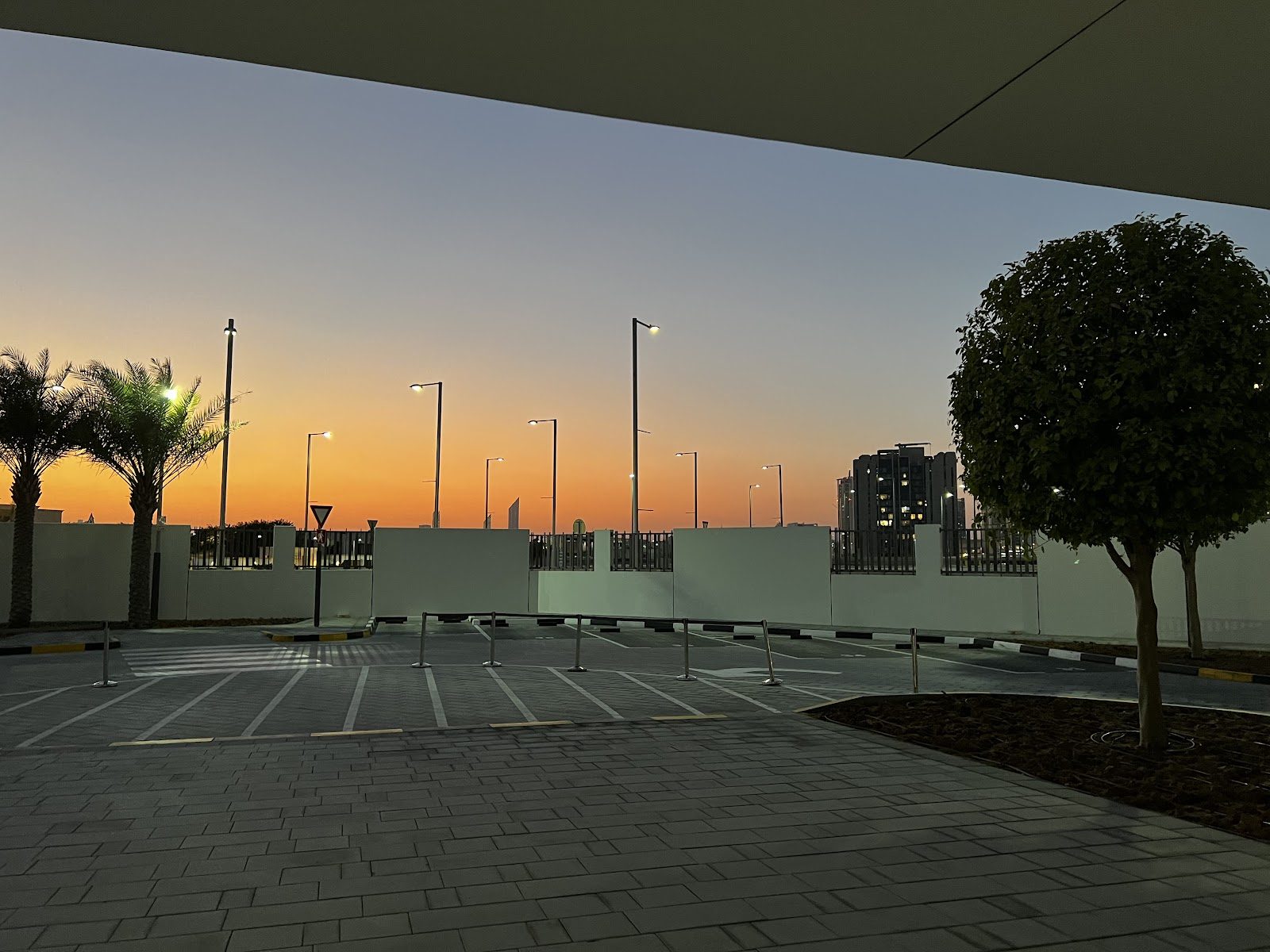
GEMS World Academy – Abu Dhabi
Abu Dhabi · United Arab Emirates
A purpose-built Al Reem Island campus pairs IB inquiry with England's National Curriculum, IGCSEs folded into the MYP.
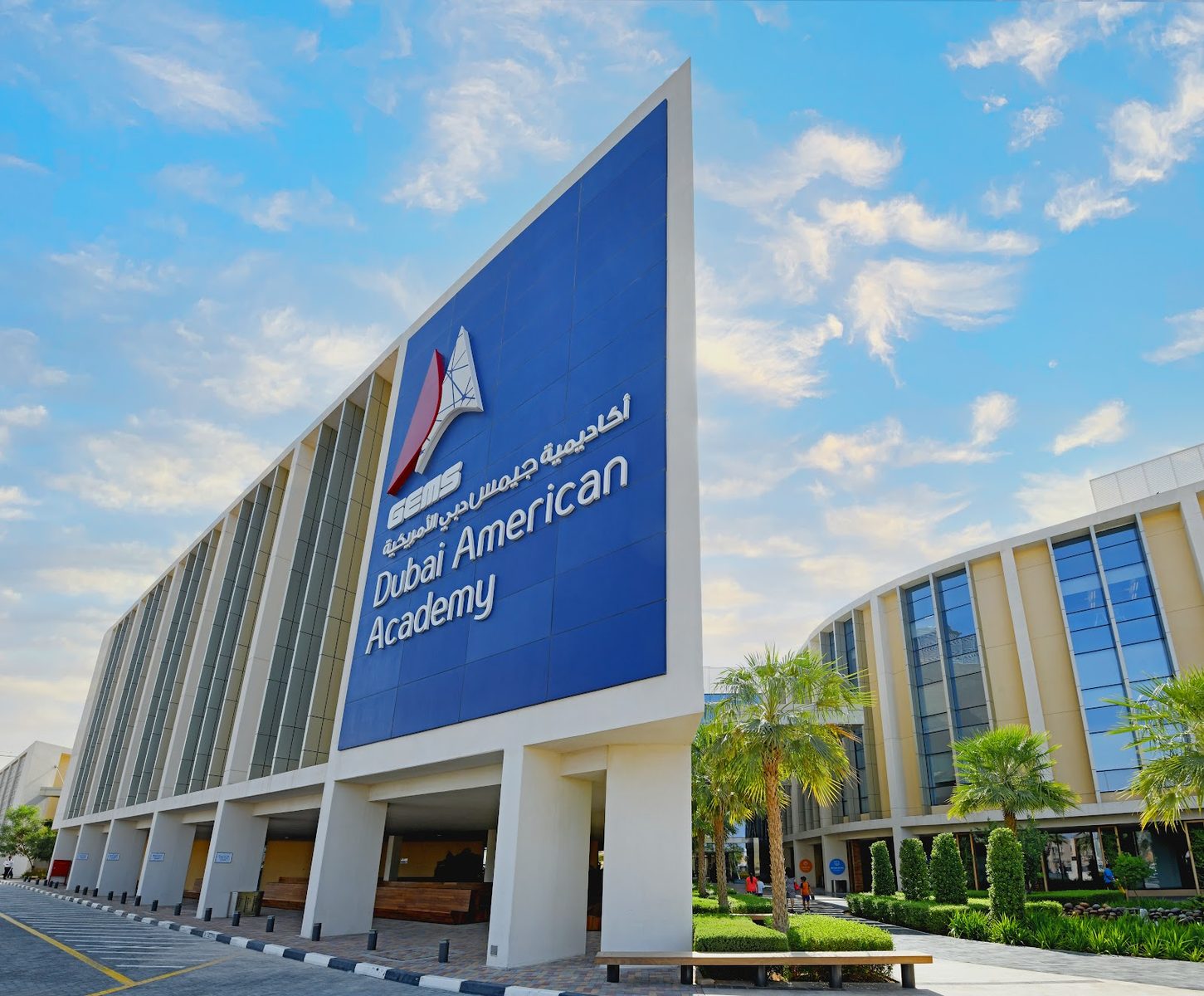
GEMS Dubai American Academy
Dubai · United Arab Emirates
The only American-curriculum school in Dubai to hold KHDA's Outstanding rating in every inspection since 2011, running US diplomas alongside the IB.
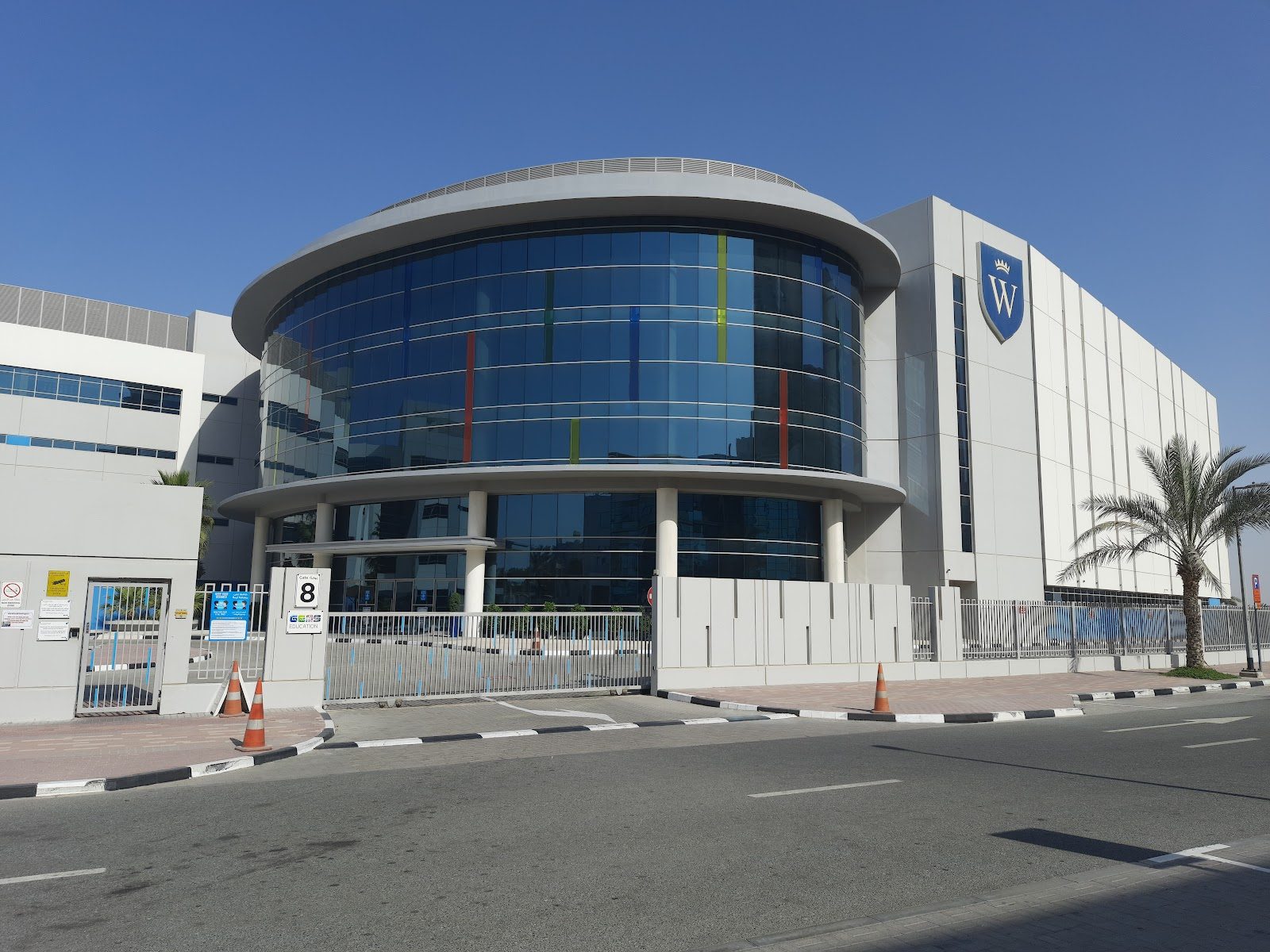
GEMS Wellington Academy - Silicon Oasis
Dubai · United Arab Emirates
Set inside Dubai Silicon Oasis's tech park, this all-through school pairs IB and British pathways with a dedicated performing arts centre.
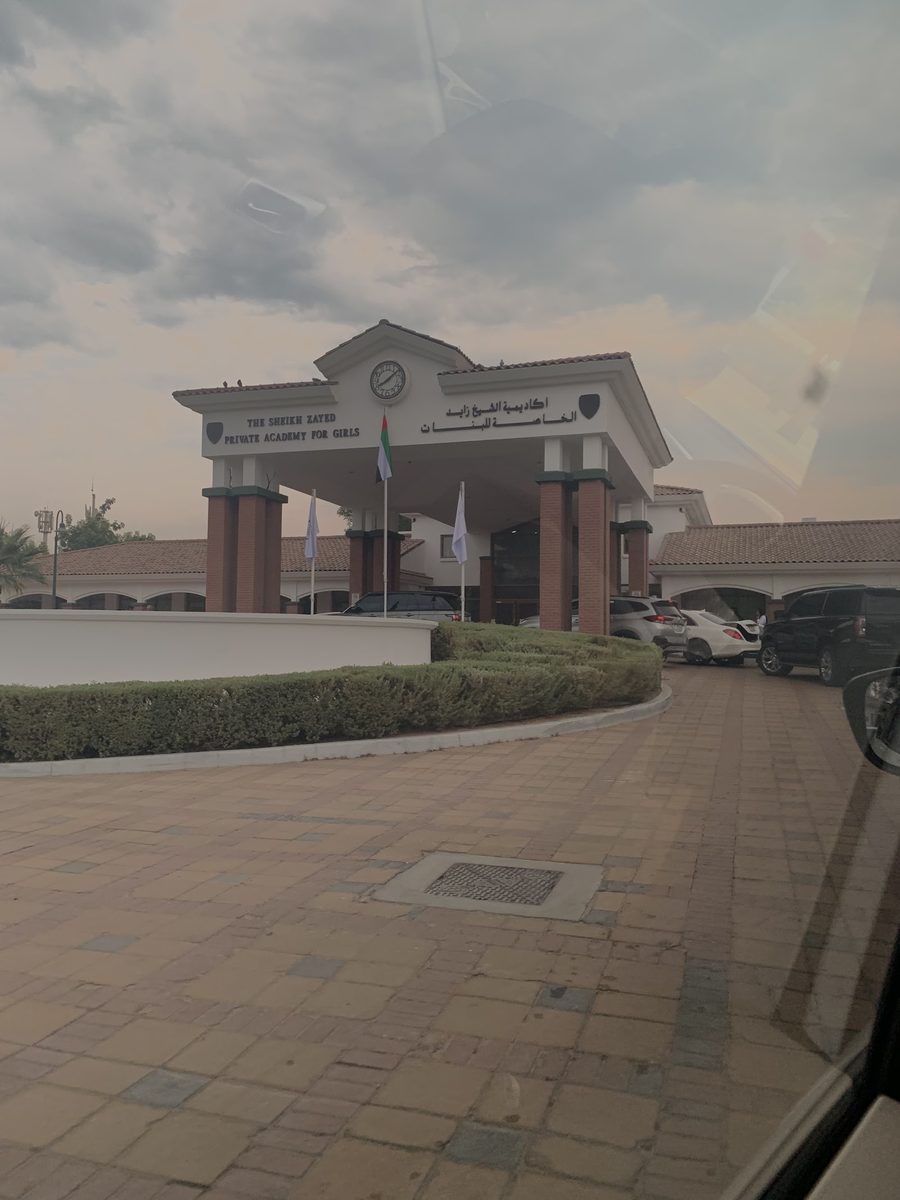
The Sheikh Zayed Private Academy for Girls
Abu Dhabi · United Arab Emirates
Massachusetts Common Core meets Emirati heritage, holding the sole top ADEK rating among Abu Dhabi's American-curriculum schools.
Same country and curriculum — closest matches within ±10 points either way