
Uttarakhand
At the Himalayan foothills since 1935, this all-boys boarding school helped launch India's post-independence mountaineering movement.
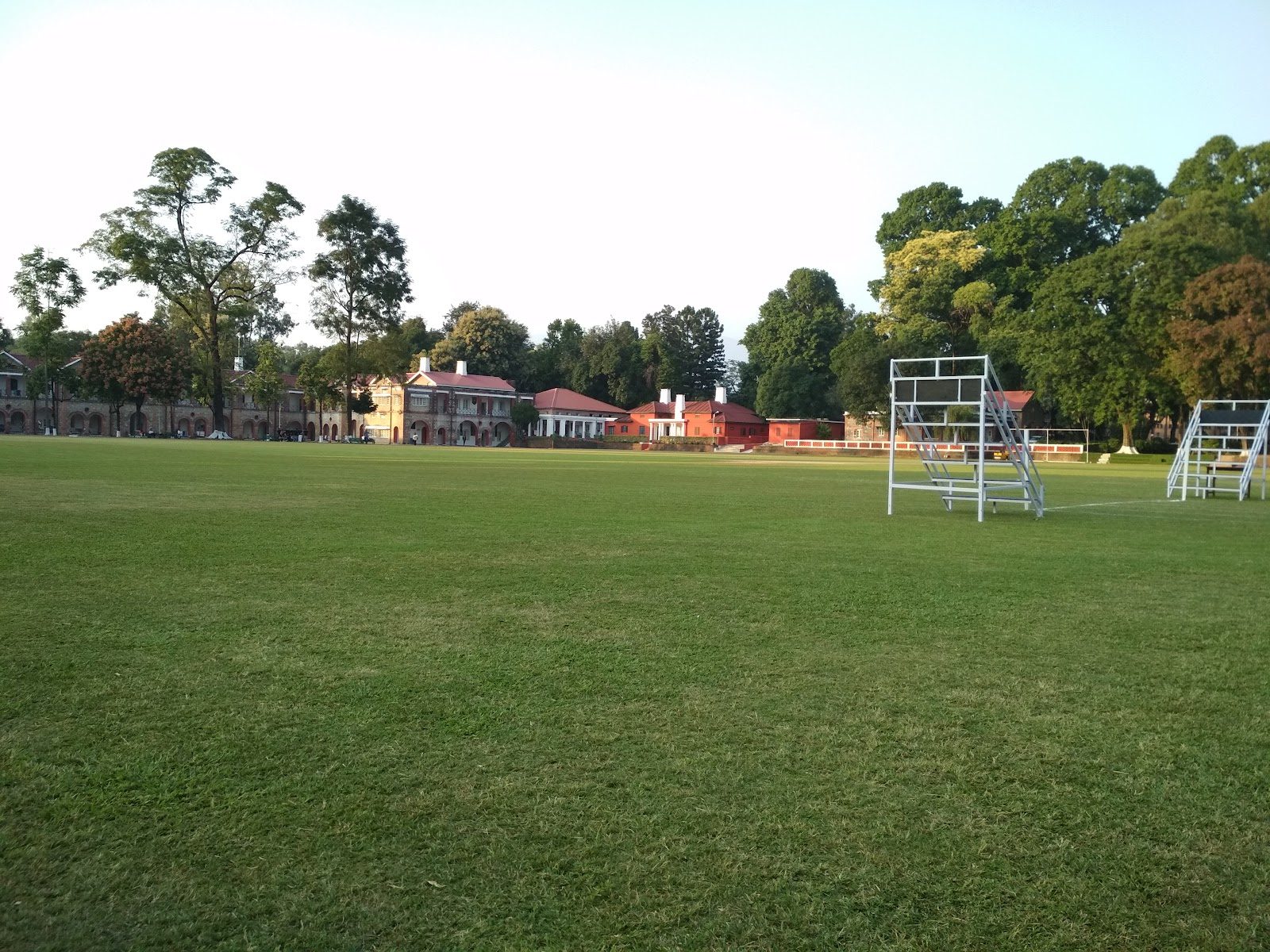
Photo © Rajan Gupta via Google Maps
Type
Boarding
Ages
12–18
Curriculum
IB · Indian National · British
Qualifications
ISC · IGCSE · IB Diploma
Ratio
8:1
The Verdict
Editor's commitment
Right for
Boys, 12–18, who want full boarding, English-medium teaching and a rare IB, Indian National and British curriculum mix.
Wrong for
Families wanting day school, co-education or a faith setting; Doon is non-religious, boarding-only, all-boys, with classes averaging 25.
Watch out for
Boarding averages INR 1,520,667 a year, and recent destinations listed here are modest: Ashoka, Azim Premji and BITS Pilani, one each.
Ranking breakdown
The Doon School · # of 1591
Composite score 78.2. 8 weighted criteria.
By criterion
Academic Outcomes
Weight 20%
#293
of 1529 scored
University Placement
Weight 16%
#305
of 1529 scored
Prestige & Heritage
Weight 12%
#35
of 1571 scored
Alumni Network
Weight 12%
#9
of 1530 scored
Facilities
Weight 12%
#70
of 1534 scored
Transparency & Communications
Weight 8%
#288
of 1532 scored
Peer & Industry Review
Weight 10%
#205
of 1548 scored
Admissions Selectivity & Demand
Weight 8%
#229
of 1529 scored
Score history
The Doon School · 2026
Movement across 2024–2026. Peer average overlaid.
Overall — 2024–2026
78.2/ 100
▲ +16.8 vs 2025
year on year
Peer & Industry Review
How The Doon School is regarded in the sector
92
Top-tier · high confidence
The Doon School is consistently cited as India's most prestigious boys' boarding school, often called the 'Eton of India,' with alumni including Rajiv Gandhi, numerous business leaders, and civil servants, giving it an exceptionally strong old-boys network (the Doon School Old Boys Society). It is a fixture in Indian and international press coverage (Financial Times, The Guardian, Forbes India) as the benchmark against which other elite Indian schools are compared, and it holds Round Square membership placing it among globally networked elite institutions.
Evidence sources
Editors' overview
At the Himalayan foothills since 1935, The Doon School remains the reference point for Indian boarding: old, male, residential, and unapologetically formative. What sets it apart is not a glossy claim to globalism but a rare combination of national heft and intellectual range. The school declares a three-strand academic offer — IB, Indian National and British — and that breadth matters for families who want options without giving up a distinctly Indian institution. It also carries serious external validation through IBO, CIS and IPSC accreditation. The staffing profile is strong at 8:1 and classes average 25, which gives boys room to be known without turning the school into a boutique enclave.
There is also a specific cultural shape here. Doon has long occupied a commanding place in India’s elite educational landscape, and its alumni record backs that up: 83 notable alumni catalogued in Wikidata, including politicians, business leaders, scholars, writers and artists. That does not make it a finishing school for the establishment, but it does mean the network is real and the school’s reach into public life is unusually deep. The school’s own public emphasis on robotics, artificial intelligence, innovation and sustainability adds a more contemporary layer to an institution often read only through its history. Parents should still keep a clear head: this is an all-boys boarding school with a strong inherited identity. Boys who need a softer, more flexible or less tradition-bound environment will find it too enclosed.
The boarding fee averages INR 1,520,667 a year across the full ladder, which places Doon in the expensive end of the Indian market and confirms its status as a premium, high-expectation choice. It belongs on a shortlist for families who want full boarding, scale, structure and institutional muscle, and who value the social education that comes from living on campus as much as the formal curriculum. It will suit boys who are robust, outward-facing and competitive: students who enjoy community life, can handle hierarchy and routine, and want access to peers headed towards serious universities, including recent destinations such as Ashoka University, Azim Premji University and BITS Pilani. This is not a school for drift. It is for boys who want to be stretched, watched closely and absorbed into a very durable tradition.
Academic Performance
The difficulty with judging Doon’s academic performance is simple: the school does not publish consolidated external examination results in the public domain. No headline IB average, no subject-by-subject breakdown, no national-board score profile, no university-offer table that lets parents benchmark it cleanly against India’s strongest boarding schools or against academically transparent international schools. That is a real weakness in a market where serious families expect evidence, not atmosphere. For a school with this level of status and selectivity, results opacity is below par. Parents can infer that the academic floor is solid from the school’s selectivity, its longstanding reputation and the calibre of destinations it sends boys towards, but inference is not the same as proof.
Relative to peers, then, Doon sits in an oddly split position: high-prestige, clearly demanding, yet not publicly measurable in the way the best-run data-conscious schools now are. The school’s own emphasis on science conferences, robotics, AI, innovation and sustainability points to an academic culture that values intellectual breadth beyond rote exam preparation, which is a strength. It also signals a school that wants boys to build things, compete and think across disciplines. That matters. Still, without published aggregates, Doon cannot claim the exam-transparency advantage held by schools that put their IB and board outcomes plainly on record. In academic performance, its standing rests on institutional weight and destination quality, not on hard-edged published score evidence.
Facilities
Facilities are strongest where boarding schools earn their keep: breadth of use, not showroom gloss. Doon’s public-facing evidence points to a campus that supports serious hands-on work in science and technology, with robotics, artificial intelligence, programming and build-based competition woven into school life rather than parked as an occasional club. The annual student science conference matters here because it implies the underlying infrastructure for making, testing and presenting work at scale: labs, workshop-style spaces, computing access and enough staff organisation to run technically demanding events. That puts Doon ahead of heritage schools that still trade on playing fields and tradition while treating engineering and applied computing as peripheral. If your benchmark is the best-resourced new international campuses, though, the school is less legible. We have not seen the kind of granular public inventory — specialist centres, maker-space specifications, theatre technical detail, aquatic provision — that top operators now publish.
Against Indian boarding peers, the more important point is that the campus supports a full residential education with institutional depth and high-usage communal life. Schools of this type need houses, dining, sports provision, assembly space and enough everyday infrastructure to keep boys occupied beyond lessons; Doon has the weight and history of a place built for that rhythm. Parents should still separate substance from mystique. The facilities profile reads robust rather than flashy: strong where community, competition and practical work matter most, less transparent on whether it matches the arms-race extravagance now visible at some premium rivals.
At the Himalayan foothills since 1935, The Doon School remains the reference point for Indian boarding: old, male, residential, and unapologetically formative
Prestige
Doon carries top-tier national prestige. In India, its name functions as social shorthand: rigorous selection, elite boarding, and entry into an old network that reaches deep into public life. That network is not a myth. Wikidata alone records 83 notable alumni, with heavy representation in politics, business, scholarship, media and the arts. Few schools in the country can match that spread. Prestige here does not rest on marketing gloss or a single examination statistic; it rests on sustained influence, the durability of the institution, and the fact that families, universities and employers already know what a Doon education signifies. For boys who thrive in high-status, high-scrutiny environments, that brand carries real weight.
The rating stops short of unqualified praise because prestige at Doon is powerful but narrowly coded. It is an all-boys institution with a strong internal culture, a clear sense of hierarchy and a legacy that still draws heavily from the idea of the British public school adapted for Indian ambitions. That gives it distinction; it also gives it establishment baggage. Some families will read that as formidable continuity. Others will read it as social conservatism wrapped in institutional confidence. Either way, the school’s standing is undeniably high: expensive, selective, and woven into India’s upper professional and political class in a way that very few competitors are.
That does not make it a finishing school for the establishment, but it does mean the network is real and the school’s reach into public life is unusually deep
Communications
Parent communication reads as functional rather than expansive. The school maintains a public website and gives families a clear enough window into selected parts of school life, especially organised events, competitions and student-facing initiatives in science and technology. That tells you something important: Doon knows how to frame activity, celebrate intellectual enterprise and project institutional energy. It does less to publish the hard operational and outcome data that demanding parents now expect. We have not seen a strong public culture of disclosure around aggregate exam results, destination patterns beyond a handful of examples, or the kind of routine dashboard information that makes a school easy to scrutinise. For a school charging an average of INR 1,520,667 a year, that is a serious communications gap.
The effect is mixed. Existing families inside the system may get what they need through direct channels, house structures and established routines; old residential schools often rely on that internal rhythm. But for prospective parents, the outward communication is less transparent than it should be. The school communicates identity, confidence and activity well. It communicates measurable performance less well. That imbalance matters because strong communication is not just about tone or frequency; it is about publishing the facts that let parents judge value and fit without relying on prestige. On that standard, Doon is credible but guarded: strong on atmosphere, weaker on evidence, and still too willing to let reputation do work that clear information should do.
Uniqueness
What makes Doon distinct is not heritage alone but the way heritage, national influence and residential intensity lock together. Plenty of schools borrow the grammar of the British public school; few translated it so decisively into an Indian institution with its own social force. That matters for students because the school offers more than lessons and house life: it inducts boys into a high-pressure civic culture in which debate, leadership, competition and self-command carry weight every day. The alumni footprint underlines that reach. Even the verified public record captures 83 notable alumni across politics, business, scholarship, media and the arts, which tells parents this is not a niche old boys’ network but a national pipeline of influence. For the right student, that brings serious social capital, demanding peers and a sharper sense of public ambition than most schools can provide.
There is another strand to its distinctiveness. Doon does not sit still as a museum of elite schooling; the school’s public emphasis on robotics, artificial intelligence, innovation challenges and sustainability work gives the place a more restless, contemporary edge than its reputation alone implies. Students benefit from that mix of old institutional discipline and practical technological work: they are pushed to build, test, present and compete, not just to absorb content. That combination is rare in India’s boarding market. The trade-off is plain. Such a school can be intense, enclosed and exacting. Boys who flourish here gain resilience, confidence and a durable network. Boys who need looser structures or a less coded environment will feel constrained.
The rating stops short of unqualified praise because prestige at Doon is powerful but narrowly coded
Student Profile
The boy who fits here is bright, durable and comfortable with pressure. He does not need constant soothing, and he does not wilt inside a strongly codified community. The staffing ratio of 8:1 gives adults a close view of how boys work and behave, which suits students who can handle scrutiny and use it well. Class sizes averaging 25 also matter: this is not an anonymous campus where a quiet underperformer disappears for years. The strongest fit is a boy with intellectual appetite, competitive instincts and enough self-command to live productively among equally able peers. The school’s public emphasis on robotics, AI, innovation tasks and science competition points towards students who like building, testing, arguing and solving, not just memorising. It will reward boys who are self-starting, thick-skinned and energised by challenge.
The weaker fit is just as clear. A boy who needs a loose atmosphere, low social pressure or a more emotionally buffered culture will find this place hard-edged. Its all-boys setting and old institutional habits create a highly coded environment, with status, confidence and participation carrying weight in daily life. That can be formative; it can also be unforgiving. Families should not choose Doon for a shy boy in the hope that prestige will do the work of fit. It suits boys who want full immersion, can live alongside hierarchy and routine, and are ready to grow up fast inside an intense, watchful school community.
What sets it apart is not a glossy claim to globalism but a rare combination of national heft and intellectual range
Co-curricular strengths
Arts & sport, on a separate axis
Overall 8.52/10
Scored 0-10 from the school's own published evidence. This axis is editorial-only — it does not feed the main WTS ranking.
Sports
9/10
Cricket and Hockey, and the editorial review mentions extensive playing fields, courts, a swimming pool, and a strong culture of sport, activities and service, indicating a solid multi-sport offering without named competitive results or specialist sports facilities.
Drama
8.5/10
Notable drama-related alumni such as playwright Vikram Seth and Mahmood Farooqui, which supports a meaningful drama pedigree, but the provided profile gives no direct description of an on-campus drama programme, productions, staff or facilities.
Dance
7.8/10
Music
8.8/10
Music is explicitly listed in extracurriculars and dedicated spaces for music, supporting a solid programme though no ensembles, specialist staff, productions or achievements are named.
Visual Arts
8.5/10
Dedicated spaces for art and design, indicating a clear visual arts provision, but there is no evidence here of named studios, specialist staff, exhibitions, or major recognition.
Editor first-pass · editor-reviewable · 7/28/2026
Outcomes & destinations
Where students go next
Class of 2025
Top destinations
53 placements
- Ashoka University· 1
- Azim Premji University· 1
- BITS Pilani· 1
- BML Munjal University· 1
- Christ University· 1
- Indian School of Hospitality· 1
- Kirori Mal College· 1
- Krea University· 1
- Manipal Institute of Technology· 1
- Narsee Monjee Institute of Management Studies· 1
- National Law University, Lucknow· 1
- OP Jindal Global University· 1
- Plaksha University· 1
- Shiv Nadar University· 1
- SRM University, KTR Campus· 1
- St. Joseph's University· 1
- Symbiosis International University· 1
- Vellore Institute of Technology· 1
- Berklee College of Music· 1
- Brown University· 1
- Dartmouth College· 1
- Duke University· 1
- Embry Riddle Aeronautical University· 1
- Georgia Institute of Technology· 1
- Indiana University, Bloomington· 1
- Loyola Marymount University· 1
- Muskingum University· 1
- New York University· 1
- Northeastern University· 1
- Northwestern University· 1
- Purdue University· 1
- Stanford University· 1
- University of California-San Diego· 1
- University of Illinois- Urbana Champaign· 1
- University of Michigan-Ann Arbor· 1
- University of North Carolina- Chapel Hill· 1
- University of San Francisco· 1
- University of Southern California· 1
- Williams College· 1
- Durham University· 1
- Kings College London· 1
- Queen Mary University of London· 1
- University College London· 1
- University of Edinburgh· 1
- University of Warwick· 1
- Queens University· 1
- University of Waterloo· 1
- University of Toronto· 1
- National University of Singapore· 1
- American University Dubai· 1
- University of New South Wales· 1
- University of Melbourne· 1
- University of Sydney· 1
Reported by the school. Confirm with admissions.
Notable alumni · Wikidata
83notable alumni
13 historic (born pre-1930) · 19 modern (born post-1970)wikidata:2026-07-28 How we source this

WTS 300 badge
2025/26 editionThe Doon School is one of the World's Top 300 Schools for 2025/26. Claim your listing to add it to your site →
Strengths
- +The Doon School is a private boarding school for boys only, located in Dehradun, founded in 1935, giving it nearly nine decades of continuous operating history and an established institutional identity.
- +The school is affiliated with the International Baccalaureate (IB), and Cambridge International Examinations (CIE) alongside the Indian CISCE board, giving families a choice of academic exit routes.
- +Notable alumni include former Indian Prime Minister Rajiv Gandhi and novelist Vikram Seth, and Abhinav Bindra's accomplishment of being the first Indian to win an individual Olympic gold medal in shooting in 2008 stands as a monumental milestone.
- +The school has a faculty of 70 for an enrollment of roughly 500 students, pointing to a comparatively favourable staff-to-pupil ratio for a boarding institution.
- +The 72-acre campus sits on Mall Road in Dehradun in the foothills of the Himalayas, supporting an outdoor and adventure-oriented co-curricular programme.
Considerations
- −Admission is open exclusively to boys, so the school is not an option for families wanting co-education or with daughters to place.
- −No admissions are offered into Class IX or above under any circumstances, meaning families relocating with an older child cannot enrol him regardless of ability.
- −The nearest airport is roughly 30km from the school, and Delhi, the main international gateway, is over 200km away with a rail journey of around seven hours, adding logistical friction for overseas parents visiting or during exeats.
- −Annual tuition runs to approximately Rs 1,362,000 for Indian students and Rs 1,702,500 for international students, a substantial recurring cost even before travel, uniform and incidental expenses.
Availability
Primary entry gate & tests
Doon Entrance Exam (Boys)
Gallery
Photo © Arun Pandhi via Google Maps
Photo © Puja Raj via Google Maps
Photo © Arun Pandhi via Google Maps
Photo © Admission via Google Maps
Photo © Wamiq Siddiqui via Google Maps
Photo © Admission via Google Maps
Photo © The Doon School via Google Maps
Photo © Wamiq Siddiqui via Google Maps
Photo © crazy people via Google Maps
Parent reviews
Have you sent your child here?
Voice reviews carry the strongest trust badge — we transcribe them for you to tidy up before they go live. Prefer to type? A written review is fine too.
Add your voice
In 60 seconds, tell other parents: what's the best thing about The Doon School, and what surprised you when your child joined?
We ask for a Google sign-in so every review has a real face behind it — no anonymous drive-by attacks on schools, and no faked positive reviews. Your email is never shown publicly.
Send this profile to a friend
International parents rely on word-of-mouth. Share this review with someone weighing the same decision.
Schools with places
Similar schools to The Doon School with places available now.
Woodstock School
Mussoorie · India
- 2026-27
- CLOSED
- 2027-28
- OPENS SOONOpens 17 Aug '26
Welham Girls' School
Dehradun · India
- 2026-27
- WAITPOOLSpace-dependent
- 2027-28
- PLACES OPENRolling
Availability first, then country, area, curriculum, price, co-curricular
Consider also
Also worth looking at alongside The Doon School.
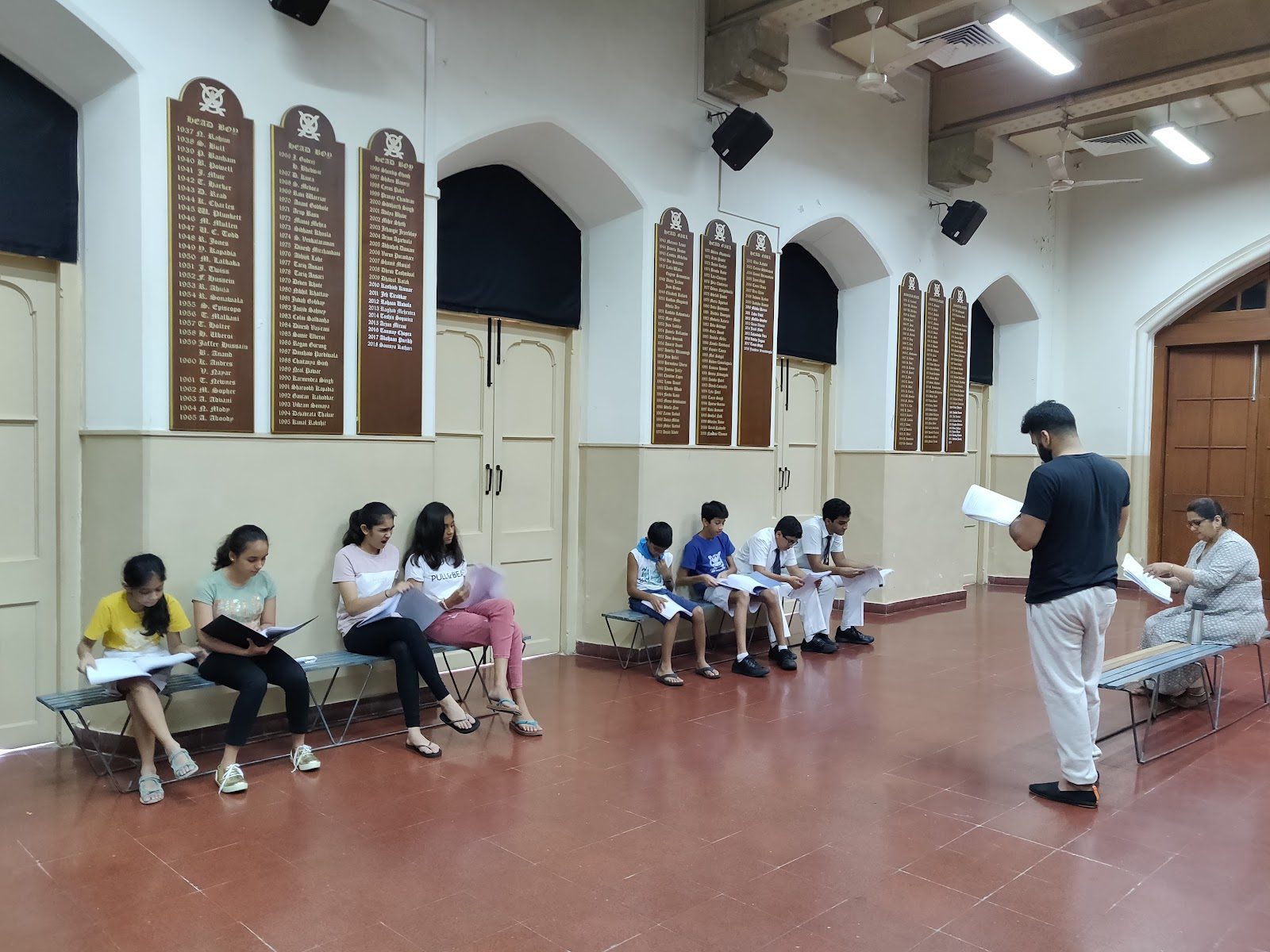
The Cathedral and John Connon School
Mumbai · India
Founded in 1860 to sing for a 300-year-old cathedral, now pairing IB rigor with India's original student-run Model UN in Fort Mumbai.
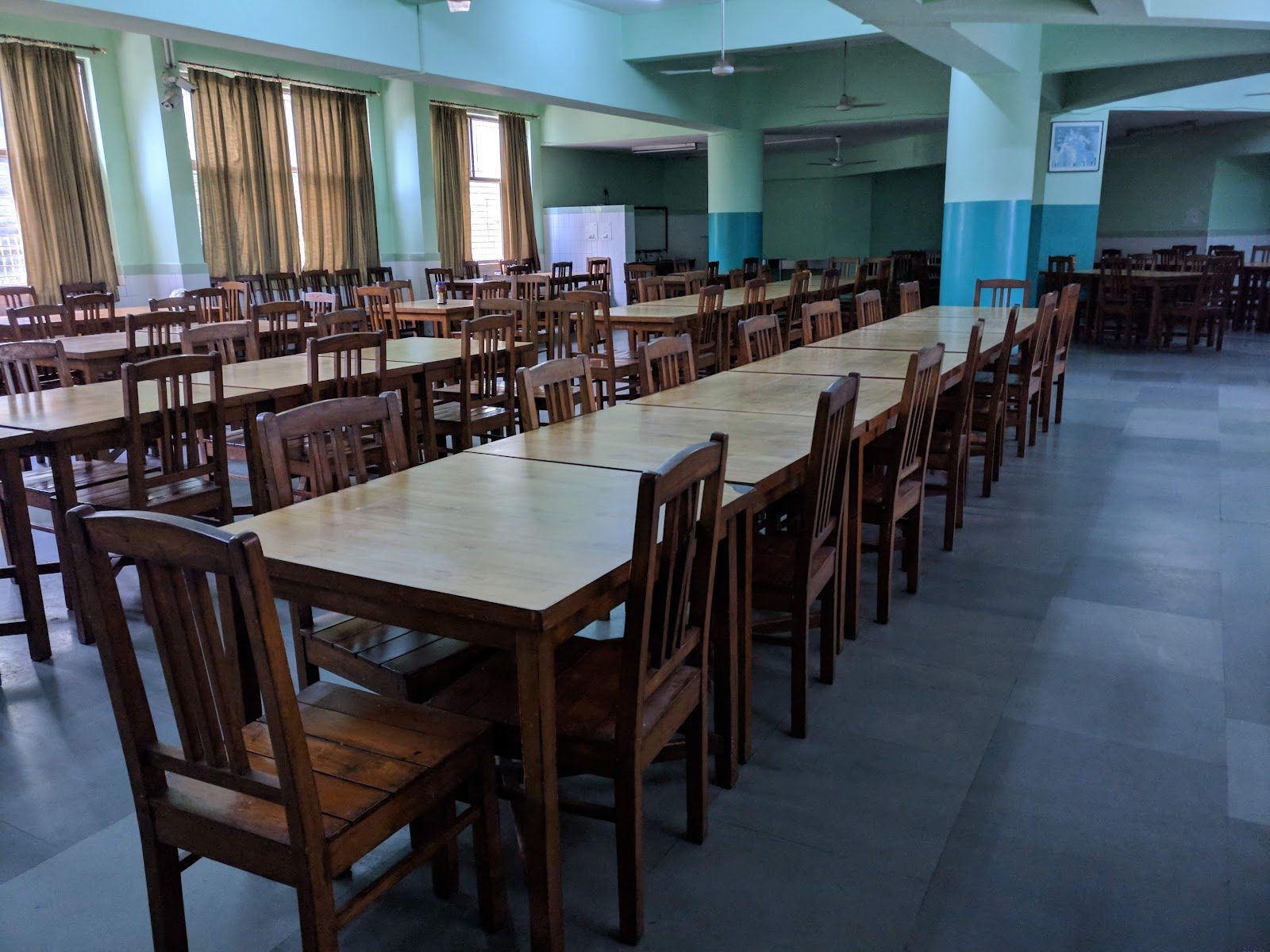
Delhi Public School R.K. Puram
New Delhi · India
Founded in 1972 as the DPS Society's flagship, this South Delhi campus has long been a magnet for CBSE toppers.
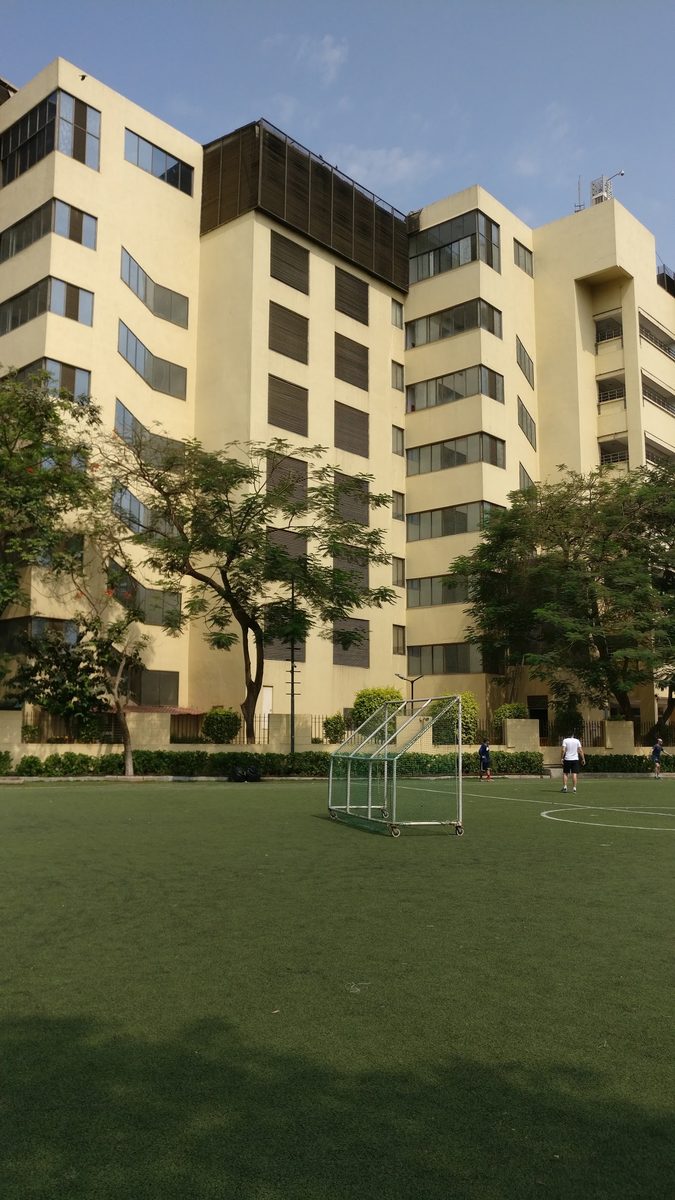
Dhirubhai Ambani International School
Mumbai · India
In the heart of Bandra-Kurla Complex, three curricula converge to produce some of India's highest IB Diploma averages.
UWC Mahindra College
Pune · India
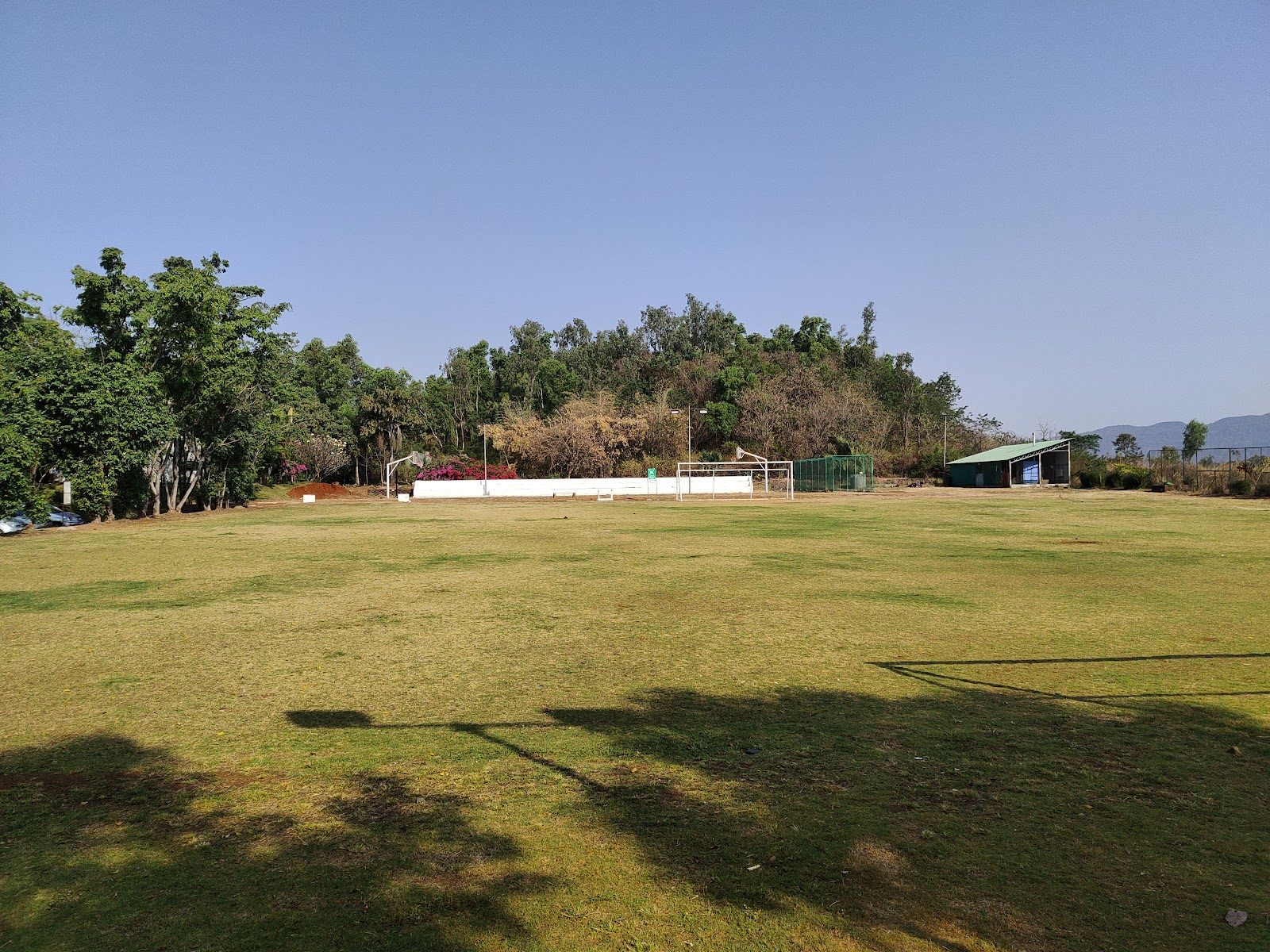
South Asia's only United World College, its 170-acre Western Ghats campus reforested tree by tree by its own students.
Same country and curriculum — closest matches within ±10 points either way