
Uttarakhand
Welham Boys' School
medium confidence· 4/6 cats · 1.71 avg sourcesFounded in 1937 in the Doon Valley, its four houses bear the names of India's great rivers within a Round Square boarding tradition.
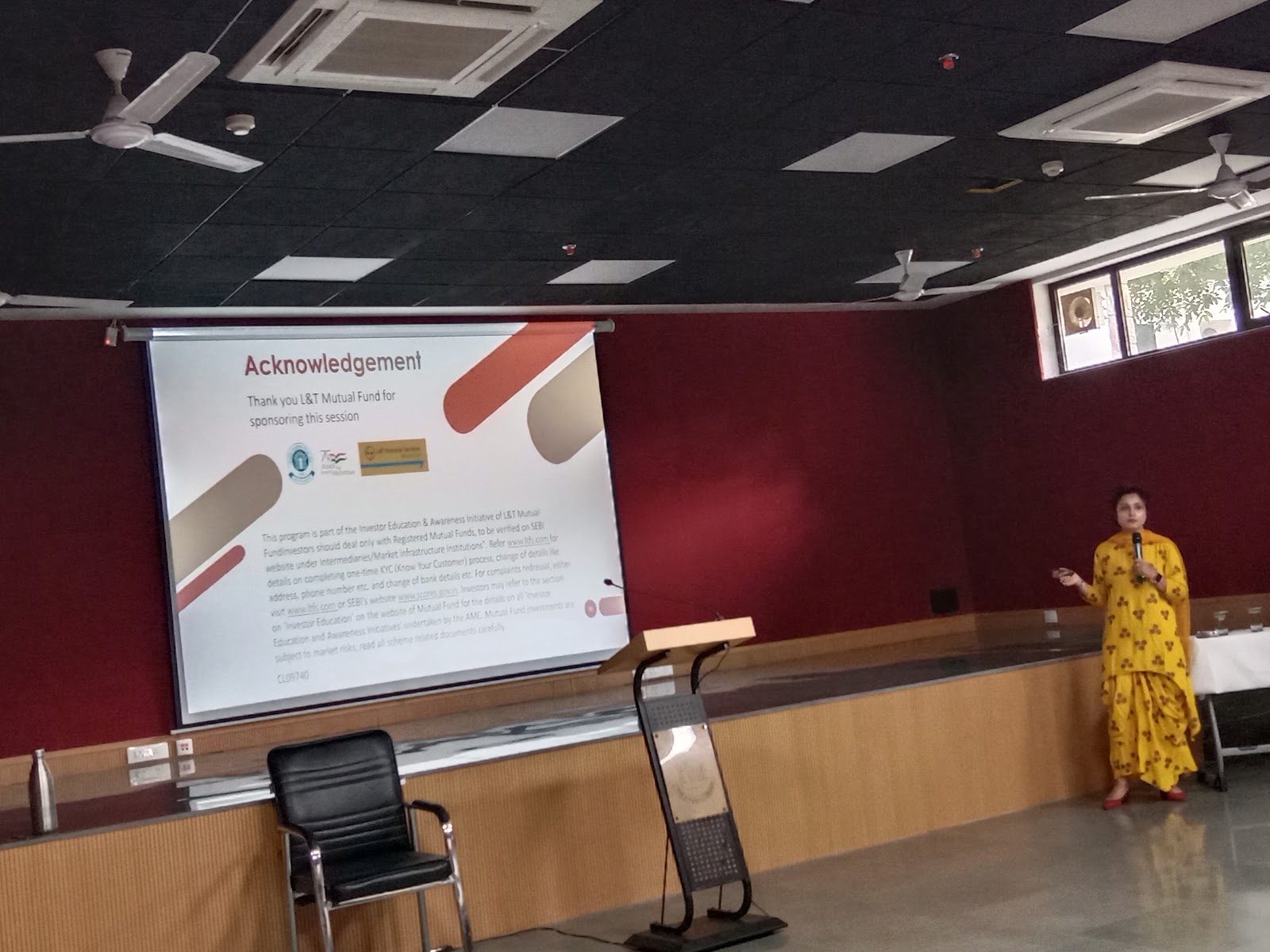
Photo © Anchal Kamlia via Google Maps
Type
Boarding
Ages
8–18
Curriculum
Indian National
Qualifications
ICSE · ISC
Ratio
—
The Verdict
Editor's commitment
Right for
Boys aged 8–18 who want full boarding in Dehradun, English-medium teaching and a 1937 school with a defined house system.
Wrong for
Families wanting co-education, day schooling or a non-Indian curriculum: Welham is all-boys, boarding, and school-declared Indian National.
Watch out for
The facts are muddled: the context lists CISCE accreditation, Wikipedia says CBSE, and public exam outcomes are not published here.
Ranking breakdown
Welham Boys' School · # of 1591
Composite score 66.2. 8 weighted criteria.
By criterion
Academic Outcomes
Weight 20%
#855
of 1529 scored
University Placement
Weight 16%
#848
of 1529 scored
Prestige & Heritage
Weight 12%
#597
of 1571 scored
Alumni Network
Weight 12%
#389
of 1530 scored
Facilities
Weight 12%
#848
of 1534 scored
Transparency & Communications
Weight 8%
#927
of 1532 scored
Peer & Industry Review
Weight 10%
#791
of 1548 scored
Admissions Selectivity & Demand
Weight 8%
#647
of 1529 scored
Peer & Industry Review
How Welham Boys' School is regarded in the sector
65
Respected · medium confidence
Welham Boys' School is consistently included in independent 'best boarding schools in India' rankings and education-industry roundups (e.g., Education World India School Rankings, various Indian education press features on Doon-based elite schools), and it is frequently referenced alongside The Doon School and Welham Girls' as part of Dehradun's historic boarding-school ecosystem with a notable alumni network in Indian politics, business and sport. However, it receives little to no coverage in Western specialist outlets like Tatler or the Good Schools Guide, limiting global peer visibility.
Evidence sources
Editors' overview
Welham Boys’ School occupies a distinct corner of the Indian boarding market: an old, established, full-boarding boys’ school with real cultural weight in Dehradun. Founded in 1937, it trades on continuity, ritual and institutional discipline rather than novelty. The school’s setting in the Doon Valley matters; so does the house structure, with four houses named after India’s great rivers, which gives daily life a strong internal identity. This is a school for families who want boarding in the classic Indian mould, a serious sense of order and an environment where school life extends well beyond lessons. It also carries the cachet of a long-standing independent school name in North India, which keeps it firmly on shortlist territory for parents comparing traditional boarding options.
What sets Welham Boys’ apart is not curricular experimentation or glossy internationalism, but the durable appeal of a boys-only residential education built around routine, competition, loyalty and community. The Round Square connection adds an outward-facing strand, but the core proposition remains conventional: pastoral structure, house allegiance and character formation through shared boarding life from ages 8–18. The school teaches in English and runs an Indian national curriculum, so it suits families who want academic continuity within the Indian system rather than an IB or British-curriculum pathway. Parents should also note a basic point of transparency: the public profile leans heavily on heritage and reputation, while aggregate academic outcome data are not prominent in the public domain. That does not diminish the school’s standing, but exacting parents will ask for current results, university destinations and detail on pastoral staffing.
The boys who thrive here are the ones who want a tightly organised boarding life, strong house belonging, regular sport and a campus culture that prizes participation over individual eccentricity. This is not the right fit for a child who needs a highly flexible, progressive or visibly personalised school experience. It is a strong fit for a boy who is resilient, sociable, comfortable with tradition and ready for the demands of residential schooling. For that student, Welham offers deep-rooted institutional confidence and *the full immersion of a historic boarding school*—the kind of experience that still holds real value when it is done with consistency and conviction.
Academic Performance
Welham Boys’ has public prestige, but the hard academic picture is *less transparent than exacting parents need*. The school does not publish a clear run of whole-cohort board results, subject-by-subject strength, or comparative score distributions in the public domain. That matters. In a competitive Indian boys’ boarding market, serious schools earn confidence by showing how pupils perform in external examinations across the full ability range, not by relying on institutional reputation alone. The one headline claim in public circulation is its placement at No. 1 in an Education World boys’ boarding ranking for 2022. That speaks to market standing and brand power; it does not answer the narrower academic question of examination performance.
Relative to peers, Welham fits the group of high-status legacy schools whose academic reputation remains strong enough to attract families without publishing the level of outcome detail that top-tier international schools now treat as routine. That does not place it in a weak academic bracket; it places it in an opaque one. Parents comparing Welham with other established boarding schools should press for recent board averages, top grades by subject, university destinations over multiple years, and evidence of value added beyond the strongest pupils. Until those figures are disclosed clearly and consistently, Welham’s academic standing rests on institutional cachet and selective public signals rather than a fully evidenced academic record.
Facilities
Facilities are the least documented part of Welham Boys’ public profile, and that limits a clean comparison. We have not seen the kind of granular campus inventory that stronger communicators now publish: no detailed breakdown of science provision, specialist arts spaces, indoor sports infrastructure or boarding-house layouts. For a school of this standing, that is a real weakness. Parents can infer the basics of a long-established residential campus — playing fields, house-based boarding, assembly and dining provision, and the operational backbone needed for boys from prep years through senior school — but inference is not the same as disclosure. In this market, families paying for a full-immersion boarding life deserve to know what laboratories, studios, performance venues and health facilities actually look like.
Against peer Indian boarding schools, that leaves Welham in an unusual position: institutionally confident, but thin on published facility detail. Some competitors now use campus transparency to prove breadth, maintenance standards and investment priorities. Welham relies on reputation instead. That works up to a point, but not with exacting parents. The four-house structure gives facilities a social function as well as a practical one, anchoring competition and belonging across daily life. That matters. Still, if facilities will influence your decision, ask direct questions and insist on a proper campus visit. This is a school whose physical environment carries serious weight in the pupil experience, yet the public picture remains more opaque than it should be.
That ranking is not the same thing as academic proof, but it does confirm Welham’s place in the top public tier of name recognition
Prestige
Welham Boys’ carries old-school Indian boarding prestige of a high order. The name has reach far beyond its immediate catchment, and that matters in India’s traditional independent-school market, where reputation compounds over generations. This is not prestige built on glossy global branding or aggressive data publication. It rests on social recognition, longevity, selectivity of reputation and the enduring status of a well-known boys’ boarding school in the Doon circuit. The school also benefits from a public ranking claim — No. 1 in an Education World boys’ boarding table for 2022 — which reinforces visibility with families who track Indian school hierarchies. That ranking is not the same thing as academic proof, but it does confirm Welham’s place in the top public tier of name recognition.
Why rate it highly? Because in this segment, prestige is not only about exam metrics. It is also about institutional memory, intergenerational trust, alumni networks and the social weight a school name carries in conversations about established Indian education. Welham has that weight. At the same time, its prestige is more domestic than international. Families seeking a school with broad overseas profile, heavy publication of destination data or a polished global-facing narrative will find less to work with here. In plain terms: Welham is *high-status, traditional and nationally recognisable*; its authority comes from standing and history, not from modern transparency.
Founded in 1937, it trades on continuity, ritual and institutional discipline rather than novelty
Communications
Welham Boys’ communicates with parents in the manner of many entrenched Indian boarding schools: authority first, detail second. The public-facing voice carries confidence and institutional pride, but it does not work hard enough at practical clarity. We have not seen a strong culture of publishing the kind of parent-facing information that reduces friction — clear academic reporting frameworks, routine pastoral updates, rich departmental news, or a detailed window into day-to-day boarding life. That does not mean communication inside the school is poor; it means the external standard of transparency is behind the market. For current families, much of the real communication load in a school like this often sits in direct contact with house staff, tutors and school leadership. Prospective parents need to test that system hard.
Effectiveness, then, rests less on polished digital communication than on whether the school answers direct questions promptly, plainly and in full. That is a high-trust, low-disclosure model. Some families are comfortable with it, especially if they value tradition and institutional authority over constant information flow. Others will find it too opaque and needlessly old-fashioned. A school with this level of standing can still insist on deference; modern parents still need evidence, access and responsiveness. Ask how progress is reported across the year, who contacts parents when concerns arise, how boarders’ welfare is communicated, and how quickly staff reply. If those answers are crisp, the communication model works. If they are vague, the school’s public reserve becomes a serious operational weakness.
Uniqueness
What marks Welham Boys’ out is the combination of old-guard boys’ boarding culture with a house system that carries more symbolic charge than the standard pastoral sorting device. The river houses give school life a distinct internal mythology: belonging, rivalry and status are organised through identities that feel inherited rather than manufactured. That has real effects on students. Boys do not just attend classes and return to dorms; they live inside a highly codified communal structure where competition, loyalty and routine shape the day. Add the Round Square strand and the school gains an outward-facing frame without losing its traditional core. That balance is unusual. Many schools either cling to heritage or chase international vocabulary. Welham does both, but on its own terms.
For the right child, that produces a strong formative pressure. Boys learn to handle hierarchy, shared standards, group accountability and the friction that comes with constant proximity to peers. They also gain the confidence that comes from repeated participation in house life, sport and collective responsibility. The cost is clear: this is not a haven for a boy who wants anonymity, loose structure or a highly individualised school experience. Welham’s distinctiveness lies in its full-throttle institutional culture — a school that asks students to fit into something larger than themselves, and rewards those who can do it with deep allegiance and a durable sense of place.
That does not diminish the school’s standing, but exacting parents will ask for current results, university destinations and detail on pastoral staffing
Student Profile
The boy who fits Welham best is robust, socially game and comfortable living under scrutiny from peers and adults. He does not need endless personal tailoring to stay steady. He can take correction, absorb routine and recover fast when house life turns competitive or noisy. This is a school for boys who gain energy from teams, contests and collective identity, not for boys who guard their privacy closely or need long stretches of unstructured space. Entry from age 8 also matters: some pupils will grow up inside the institution’s codes for years, and that favours boys who settle into shared expectations early rather than resist them at every turn.
Temperament counts as much as intellect here. The strongest fit is a boy with social resilience, a decent appetite for sport and a willingness to join in even when he is not the star performer. He does not need to be extrovert in the crude sense, but he does need to be thick-skinned and ready for a communal life that leaves little room for drift. Families who want a highly individualised or therapeutically soft environment should look elsewhere. Welham suits boys who like structure, respect hierarchy and can carry themselves within an old-guard institutional culture without constant negotiation. For that child, the school offers belonging, discipline and a durable sense of tribe.
This is not the right fit for a child who needs a highly flexible, progressive or visibly personalised school experience
Co-curricular strengths
Arts & sport, on a separate axis
Overall 7.48/10
Scored 0-10 from the school's own published evidence. This axis is editorial-only — it does not feed the main WTS ranking.
Sports
8.8/10
Drama
7.8/10
Dance
4.5/10
Music
8/10
Visual Arts
8.3/10
Editor first-pass · editor-reviewable · 7/30/2026
Strengths
- +All-boys boarding school in Dehradun, a city with a long-established concentration of Indian residential schools.
- +Follows the CISCE board (ICSE/ISC), giving a nationally recognised and portable qualification within India.
- +Founded in the 1930s, giving it a long institutional history compared to many newer Indian boarding schools.
- +Functions as a junior/preparatory boarding school, giving younger boys a structured introduction to residential life before senior school.
- +Single-sex, small-scale setting is often cited by parents as fostering close peer and staff supervision at younger ages.
Considerations
- −Single-sex institution, so families wanting co-educational schooling will need to look elsewhere.
- −Curriculum is limited to the Indian CISCE board; no IB or A-Level pathway is offered, which matters for families planning an international university route.
- −Dehradun is several hours from major Indian airports and international hubs, adding travel time and cost for relocating expat families.
- −As a junior boarding school, boys typically move on to a separate senior school around age 13-14, meaning families must plan for a second school transition.
Availability
Primary entry gate & tests
Academic Record
Gallery
Photo © Anchal Kamlia via Google Maps
Photo © Gary Everett via Google Maps
Photo © Amit singh via Google Maps
Photo © Amit singh via Google Maps
Photo © Amit singh via Google Maps
Parent reviews
Have you sent your child here?
Voice reviews carry the strongest trust badge — we transcribe them for you to tidy up before they go live. Prefer to type? A written review is fine too.
Add your voice
In 60 seconds, tell other parents: what's the best thing about Welham Boys' School, and what surprised you when your child joined?
We ask for a Google sign-in so every review has a real face behind it — no anonymous drive-by attacks on schools, and no faked positive reviews. Your email is never shown publicly.
Send this profile to a friend
International parents rely on word-of-mouth. Share this review with someone weighing the same decision.
Schools with places
Similar schools to Welham Boys' School with places available now.
Woodstock School
Mussoorie · India
- 2026-27
- CLOSED
- 2027-28
- OPENS SOONOpens 17 Aug '26
Welham Girls' School
Dehradun · India
- 2026-27
- WAITPOOLSpace-dependent
- 2027-28
- PLACES OPENRolling
The Doon School
Dehradun · India
- 2026-27
- CLOSEDStandard route
- 2027-28
- PLACES OPENAutumn '26 Exam
Availability first, then country, area, curriculum, price, co-curricular
Consider also
Also worth looking at alongside Welham Boys' School.
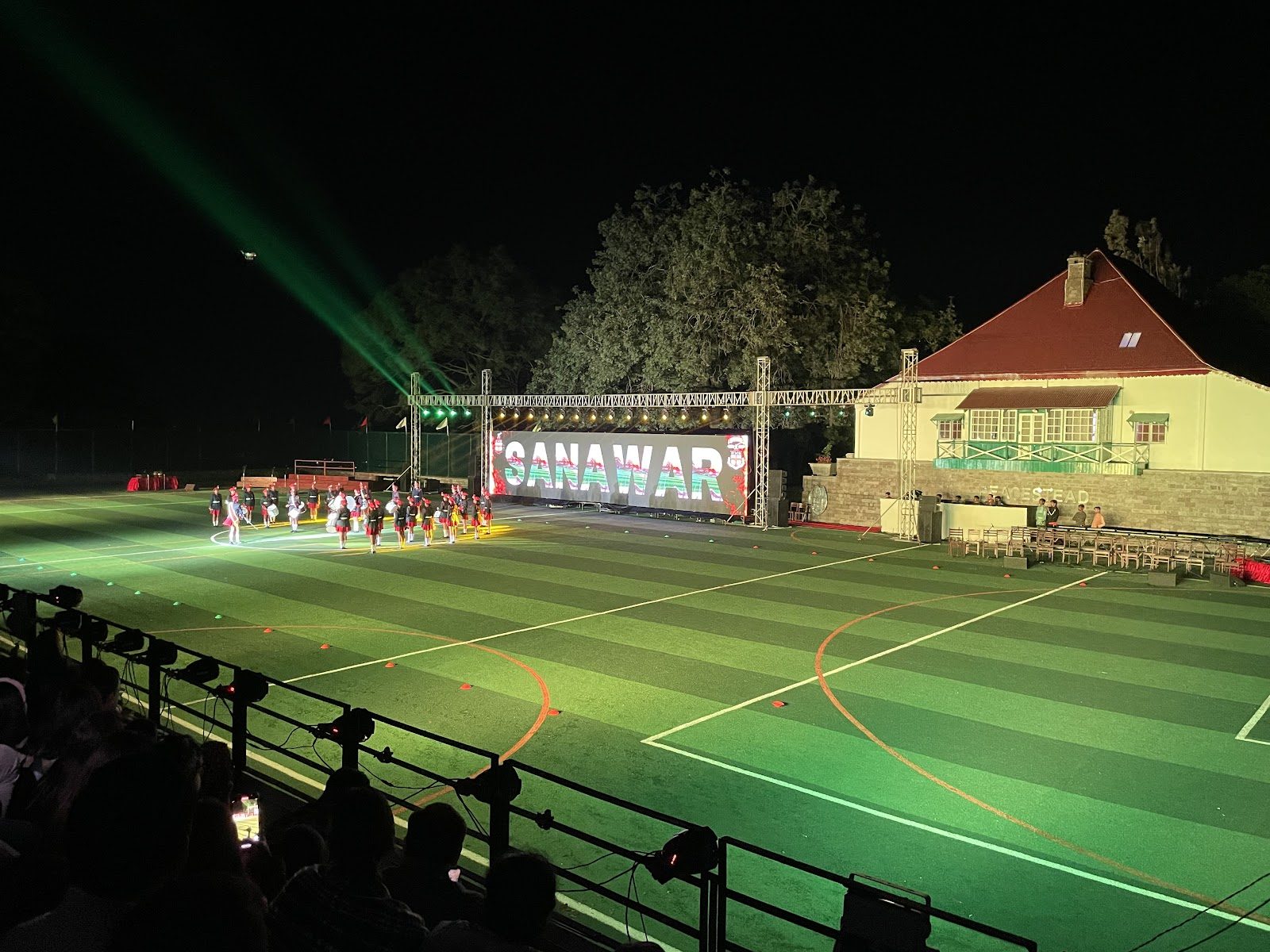
The Lawrence School, Sanawar
Solan · India
Perched at 1,750 metres in the Shivaliks, Asia's oldest co-educational boarding school sent the first team to summit Everest in 2013.
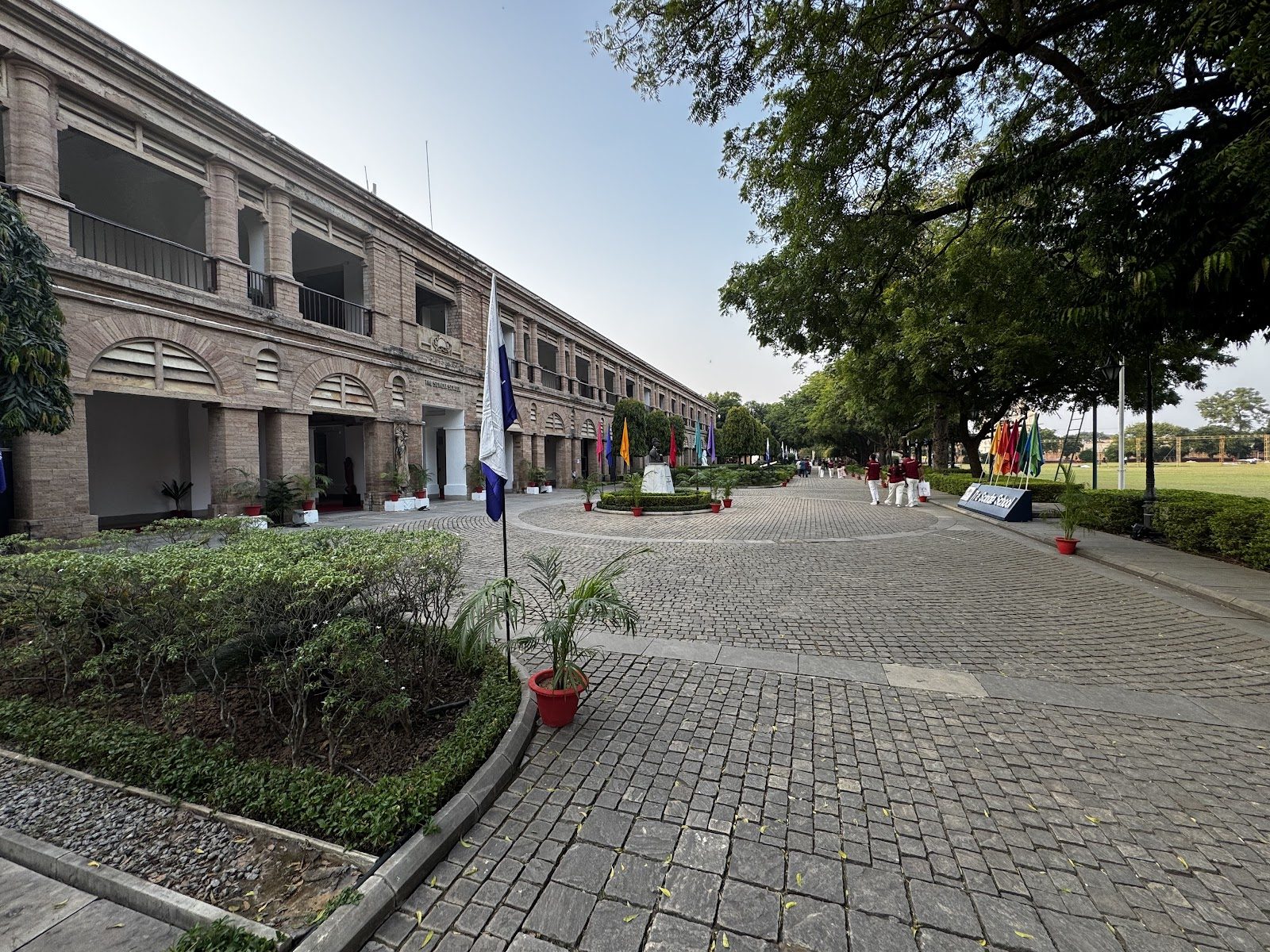
The Scindia School
Gwalior · India
Storied boys' boarding school inside Gwalior Fort, delivering a CBSE curriculum with a British public-school ethos.
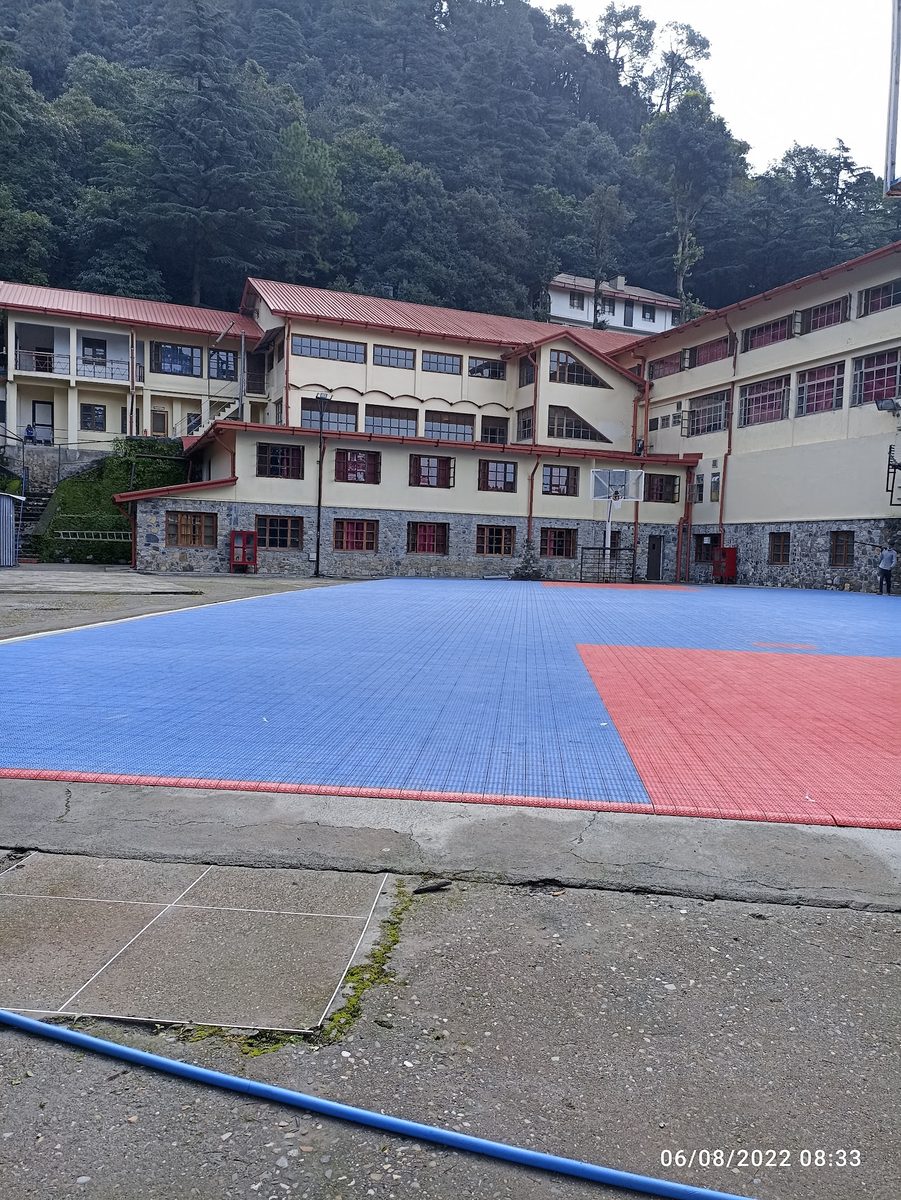
Woodstock School
Mussoorie · India
IB, American Diploma and Cambridge boarding amid the Himalayan foothills since 1854
Kodaikanal International School
Kodaikanal · India
Founded in 1901 at 6,998 feet in the Palani Hills, it became India's first IB school and runs its own 135-acre wilderness campus for outdoor learning.
Same country and curriculum — closest matches within ±10 points either way