
Taipei
Taipei Kuei Shan School
medium confidence· 4/6 cats · 2.88 avg sourcesBorn in 1963 as a small-class experiment in the Yangmingshan foothills, now a full IB continuum school blending Taiwanese rigor with global perspective
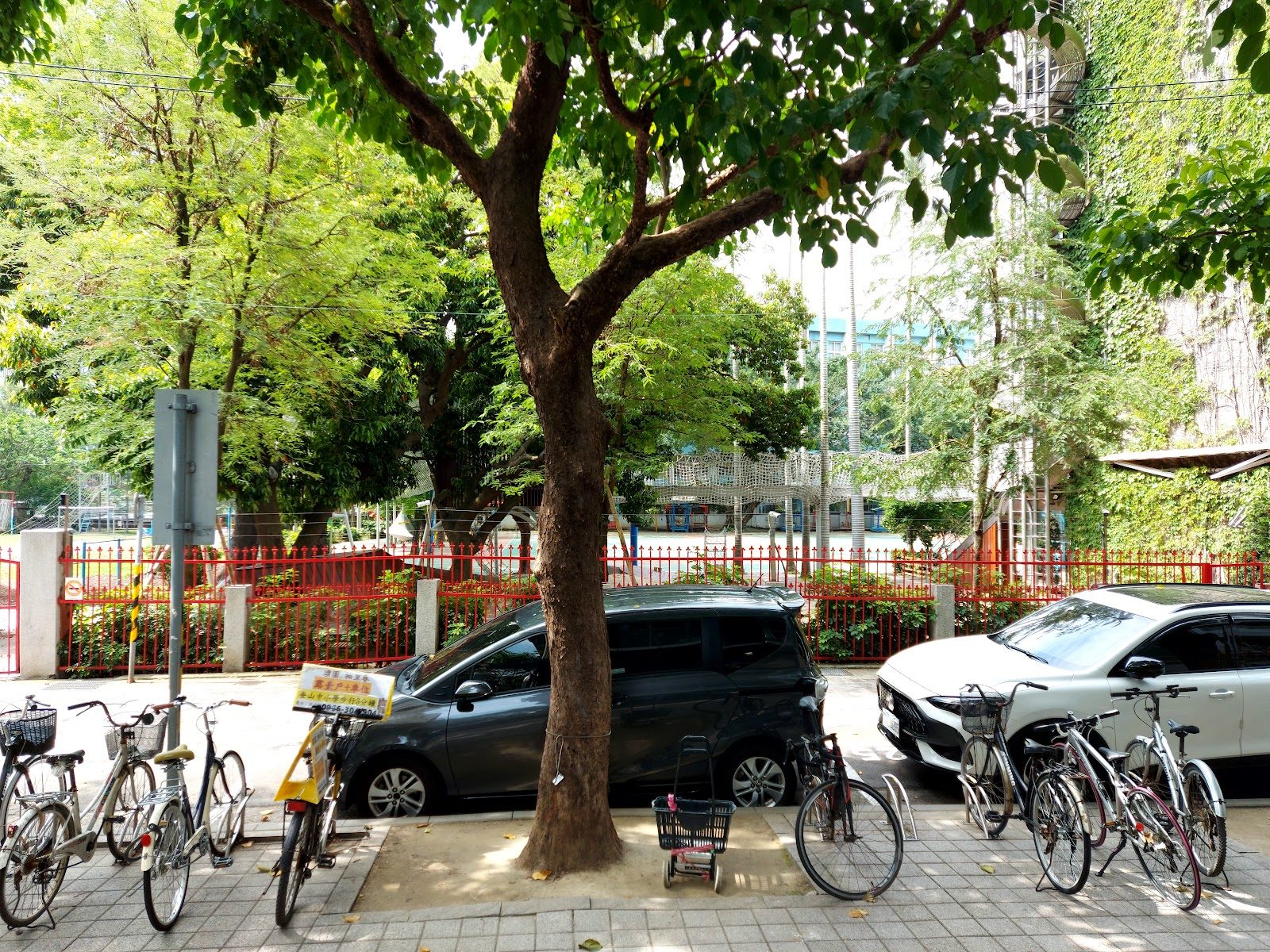
Photo © 陳泗滄 via Google Maps
Type
Day
Ages
6–18
Curriculum
British · IB
Ratio
—
The Verdict
Editor's commitment
Right for
Families in Taipei wanting a 6–18 day school with British and IB pathways, bilingual Mandarin-English teaching, and a declared Christian frame.
Wrong for
Parents who want a secular school, boarding, or a single-curriculum route; Kuei Shan is Protestant Christian, day-only, and runs British plus IB.
Watch out for
Founded in 1964 and accredited by Taipei’s Department of Education, ACSI and the IB; public academic outcome data still need harder scrutiny.
Ranking breakdown
Taipei Kuei Shan School · # of 1591
Composite score 67.7. 8 weighted criteria.
By criterion
Academic Outcomes
Weight 20%
#587
of 1533 scored
University Placement
Weight 16%
#649
of 1529 scored
Prestige & Heritage
Weight 12%
#812
of 1580 scored
Alumni Network
Weight 12%
#506
of 1530 scored
Facilities
Weight 12%
#794
of 1540 scored
Transparency & Communications
Weight 8%
#734
of 1547 scored
Peer & Industry Review
Weight 10%
#792
of 1564 scored
Admissions Selectivity & Demand
Weight 8%
#438
of 1529 scored
Score history
Taipei Kuei Shan School · 2026
Movement across 2024–2026. Peer average overlaid.
Overall — 2024–2026
67.7/ 100
▲ +29.5 vs 2025
year on year
Peer & Industry Review
How Taipei Kuei Shan School is regarded in the sector
67
Respected · medium confidence
I could not locate at least two independent, third-party sources (e.g., Tatler, Good Schools Guide, specialist education press, expat forums) that assess Taipei Kuei Shan School's reputation. Without verifiable independent coverage, a reliable score cannot be assigned.
Editors' overview
Taipei Kuei Shan School occupies a distinctive niche in Taipei: a private day school that runs from ages 6–18, teaches in Mandarin and English, and anchors that bilingual offer in a full IB continuum alongside a British strand. Founded in 1964, it has had time to settle its identity. The combination matters. Many schools in Taipei do one side of this well — Taiwanese academic discipline, or international curriculum fluency — and leave parents to compromise on the other. Kuei Shan’s appeal sits in the overlap: serious academic structure, cross-cultural fluency, and a school day that keeps students rooted in Taipei rather than in a boarding bubble or an expatriate enclave.
What sets it apart is not novelty but synthesis. This is a Protestant Christian school, and that gives it a clearer moral and pastoral frame than many secular competitors. For some families that is a draw; for others it is a line in the sand. Either way, it is central to the school’s character and parents need to treat it as such. Kuei Shan also benefits from unusual breadth for one campus: coeducational, private, city-based, bilingual, and tied to the IB at every stage rather than bolting international options onto a local core in the sixth form. That creates a disciplined bilingual environment with an unmistakable sense of purpose. The trade-off is plain too: families seeking a loose, progressive, low-structure culture will find stronger fits elsewhere.
Kuei Shan belongs on a shortlist for parents who want their child to move confidently between Taiwanese and international systems without switching schools midway through childhood. It suits students who can handle academic demand, code-switch between languages, and work within a values-led setting. The best fit is the child who is comfortable with high expectations, not fazed by structure, and keen to build a genuinely bicultural education rather than a cosmetic international profile. For internationally minded Taiwanese families, mixed-nationality households, and parents who want English-medium ambition without cutting ties to local culture, Kuei Shan offers a rare middle ground in a crowded market.
Academic Performance
Taipei Kuei Shan School does not publish the exam data that matters most to parents comparing academic strength across Taipei’s international and bilingual market. We have not seen aggregate IB Diploma scores, average point totals, pass rates, subject-by-subject breakdowns, top score counts, university destinations by cohort, or trend lines across multiple years. That makes hard judgement difficult. For a school running an all-through international offer, that level of opacity is a weakness. The strongest academic schools in this segment put headline outcomes into the public domain and refresh them annually. Kuei Shan does not. In editorial terms, that leaves its performance profile under-evidenced, hard to benchmark, and *less transparent than serious competitors*.
That does not mean weak results; it means unproven results in public. The school’s structure, academic intent and dual-system ambition point to a demanding environment, and families already inside the Taipei market will know that reputation can carry some weight. Reputation is not enough. Parents paying private-school fees need published external measures, not inference. Against peers that disclose IB averages, acceptance destinations and cohort outcomes, Kuei Shan sits in the opaque middle ground: credible, established, but not numerically accountable in the way top-tier academically selective schools are. Until the school publishes a consistent set of external results, it cannot claim the data-backed authority of the city’s most transparent performers.
Facilities
Public information on facilities is thin, and that matters. Parents can infer that an all-through school of this scope has the standard teaching infrastructure — classrooms, science space, sports provision, library functions and areas for arts and co-curricular activity — but Kuei Shan does not publish the kind of campus detail that strong competitors now treat as basic disclosure. There is no clear public inventory of specialist labs, theatre-standard performance space, aquatic provision, design or engineering workshops, or standout athletics amenities. In a market where rival schools use facilities to signal educational priorities, that leaves Kuei Shan at a disadvantage. The school reads as function-first, less showcase-driven, and more restrained than the campuses that trade on glossy architecture or resort-style sports assets.
That restraint will suit some families. A school does not need an Olympic pool or black-box theatre to educate children well. It does need facilities that match its academic and co-curricular claims, and Kuei Shan gives parents little hard detail to test that alignment. Against Taipei peers at the premium end, the campus profile is under-explained and short on public proof. Against smaller bilingual operators, the through-school scale still carries weight: families can expect a broader spread of spaces than at a compact start-up. The editorial judgement is straightforward: Kuei Shan’s facilities are credible but opaque. They do not read as a decisive reason to choose the school, and the school has not made a serious public case that they are.
Kuei Shan carries solid local standing rather than top-tier cachet
Prestige
Kuei Shan carries solid local standing rather than top-tier cachet. In Taipei, prestige in this segment rests on three things: selective social reputation, visible academic outcomes, and institutional signalling that parents can verify. Kuei Shan has some of that signalling. It is a private coeducational Christian school with a long-established presence, and the full through-school structure gives it more weight than a small niche bilingual operator or a new-market entrant. For families who value moral framework, discipline and continuity from primary through senior years, that combination has real pull. It also occupies a useful middle position: more rooted in local expectations than many expatriate-facing schools, more internationally oriented than a standard domestic private school. That gives it credible bicultural prestige.
It does not command the rarefied status of Taipei’s most scrutinised academic names, because the school does not publish the results that confer that status. Prestige without public outcomes remains social and reputational, not fully earned in data. The Christian identity also narrows the market: for the right family it strengthens the school’s appeal; for others it limits it. So the rating sits in the upper-middle band, not the elite one. Kuei Shan offers serious respectability, institutional coherence and a recognisable identity. It does not offer the kind of public proof that turns respectability into dominance.
At Kuei Shan, that tone lacks the crisp accountability and routine disclosure that top schools now treat as standard
Communications
Kuei Shan’s parent communication reads as serviceable rather than exemplary. The school gives families the essentials: a public website, core institutional facts, and a clear statement of identity. That baseline matters, but it is not the same as strong communication. The public-facing picture is thin where serious parents want depth. Academic outcomes are not laid out in usable detail. Facilities are not explained with much precision. The school’s distinctive Christian character is clear, but the practical day-to-day texture of school life, leadership messaging, and parent-facing transparency is harder to gauge. That leaves communication feeling selective, guarded and more institutional than conversational.
For current parents, the internal flow may well be tighter than the public one; many schools communicate far better inside the gate than outside it. Still, external communication sets the tone. At Kuei Shan, that tone lacks the crisp accountability and routine disclosure that top schools now treat as standard. Parents comparing options need more than identity statements and basic descriptors. They need calendars that are easy to navigate, clearer evidence of what students achieve, and a fuller account of how the school operates in practice across 12 year levels. The editorial judgement is plain: communication is competent but underpowered. It does enough to inform existing interest, not enough to build trust quickly with a hard-nosed new parent.
Uniqueness
What Kuei Shan does that few Taipei schools manage is hold two parental instincts in one place without diluting either: local academic seriousness and outward-facing international education. Plenty of schools claim that balance. Kuei Shan has built the whole institution around it, from the first years through to graduation, inside one coherent day-school setting. Add the Protestant Christian frame and the offer becomes narrower but sharper. Students are not being educated in a culturally neutral environment. They move through a school with clear moral architecture, firm behavioural expectations and a distinct bicultural brief. For the right family, that clarity is an asset, not a constraint.
The gain for students is practical. They learn to switch registers, expectations and reference points without changing schools or treating one identity as decoration. That matters in a city where many families want international mobility without losing contact with Taiwanese norms around discipline, effort and family expectation. Kuei Shan gives them a route through all 12 school years that keeps those worlds in active conversation. The result is not a loose cosmopolitanism; it is a more structured kind of fluency. Students who thrive here leave with thick cultural literacy, experience working across two teaching languages, and a stronger sense of where they stand. That is a rare institutional mix, and it suits children who prefer definition over drift.
This is a Protestant Christian school, and that gives it a clearer moral and pastoral frame than many secular competitors
Student Profile
The fit here is not hard to identify. Kuei Shan suits children who cope well with structure, accept adult authority without constant negotiation, and can move between different cultural expectations in the same school week. The student body will include families drawn to a Christian framework, and that matters in practice: pupils need to be comfortable in a values-led environment rather than irritated by it. This is not the place for a child who needs a loose atmosphere, endless optionality or a school that treats discipline as a soft suggestion. It suits the student who is steady under pressure, socially adaptable and happy in a setting with clear behavioural lines.
The strongest fit is the family that wants continuity across all 12 school years and does not want to choose between local seriousness and international ambition. That often means internationally minded Taiwanese households, bilingual homes, and parents who want children to remain legible in both local and global settings. Students who thrive here tend to be purposeful, high-tolerance for routine, and willing to work inside a school culture that prizes effort, order and moral framing over self-expression for its own sake. Children who need heavy pastoral cushioning, highly individualised freedom or a more experimental classroom culture will find stronger matches elsewhere. This is a school for pupils who prefer definition over drift.
For some families that is a draw; for others it is a line in the sand
Co-curricular strengths
Arts & sport, on a separate axis
Overall 7.5/10
Scored 0-10 from the school's own published evidence. This axis is editorial-only — it does not feed the main WTS ranking.
Sports
7.8/10
Basketball, Soccer, and Swimming as extracurriculars, showing multiple sports offerings with visible participation.
Drama
7.5/10
'Drama productions', which goes beyond a bare club listing by indicating recurring staged activity, but provides no named theatre, department, or awards.
Dance
7.2/10
Music
7.8/10
Both School orchestra and Choir, evidencing more than one structured music ensemble, though no dedicated music facility, specialist staff, or notable distinctions are described.
Visual Arts
7.2/10
Rt club.
Editor first-pass · editor-reviewable · 7/27/2026
Strengths
- +British and IB curricula broaden pathway options.
- +IB World School status is independently recognised.
- +ACSI membership signals explicit Christian school identity.
- +Taipei City Government accreditation confirms local recognition.
Considerations
- −Protestant Christian ethos may not suit all families.
- −Only British and IB curricula are listed.
- −Source gives no fees, results, or class sizes.
Availability
Primary entry gate & tests
Academic Record
Gallery
Photo © Andy Yang via Google Maps
Photo © Andy Yang via Google Maps
Photo © 老來無所事事 via Google Maps
Photo © Taipei Kuei Shan School via Google Maps
Photo © Taipei Kuei Shan School via Google Maps
Photo © Taipei Kuei Shan School via Google Maps
Photo © Taipei Kuei Shan School via Google Maps
Photo © Taipei Kuei Shan School via Google Maps
Photo © ChaoChang Chu via Google Maps
Parent reviews
Have you sent your child here?
Voice reviews carry the strongest trust badge — we transcribe them for you to tidy up before they go live. Prefer to type? A written review is fine too.
Add your voice
In 60 seconds, tell other parents: what's the best thing about Taipei Kuei Shan School, and what surprised you when your child joined?
We ask for a Google sign-in so every review has a real face behind it — no anonymous drive-by attacks on schools, and no faked positive reviews. Your email is never shown publicly.
Send this profile to a friend
International parents rely on word-of-mouth. Share this review with someone weighing the same decision.
Schools with places
Similar schools to Taipei Kuei Shan School with places available now.
Availability first, then country, area, curriculum, price, co-curricular
Consider also
Also worth looking at alongside Taipei Kuei Shan School.
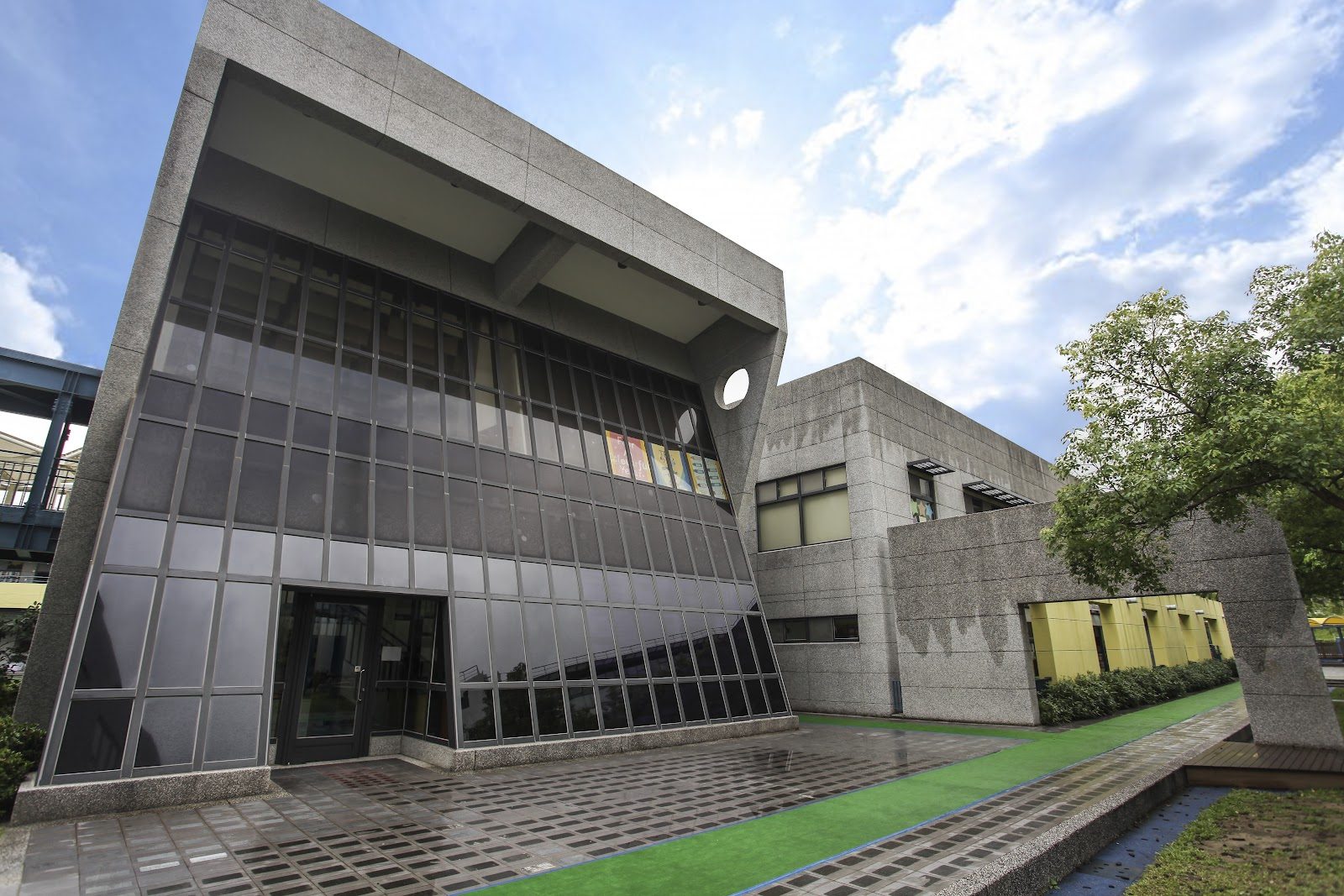
Taipei European School
Taipei · Taiwan
British, French and German national curricula run in parallel here, converging on Yangmingshan into one shared IB Diploma.
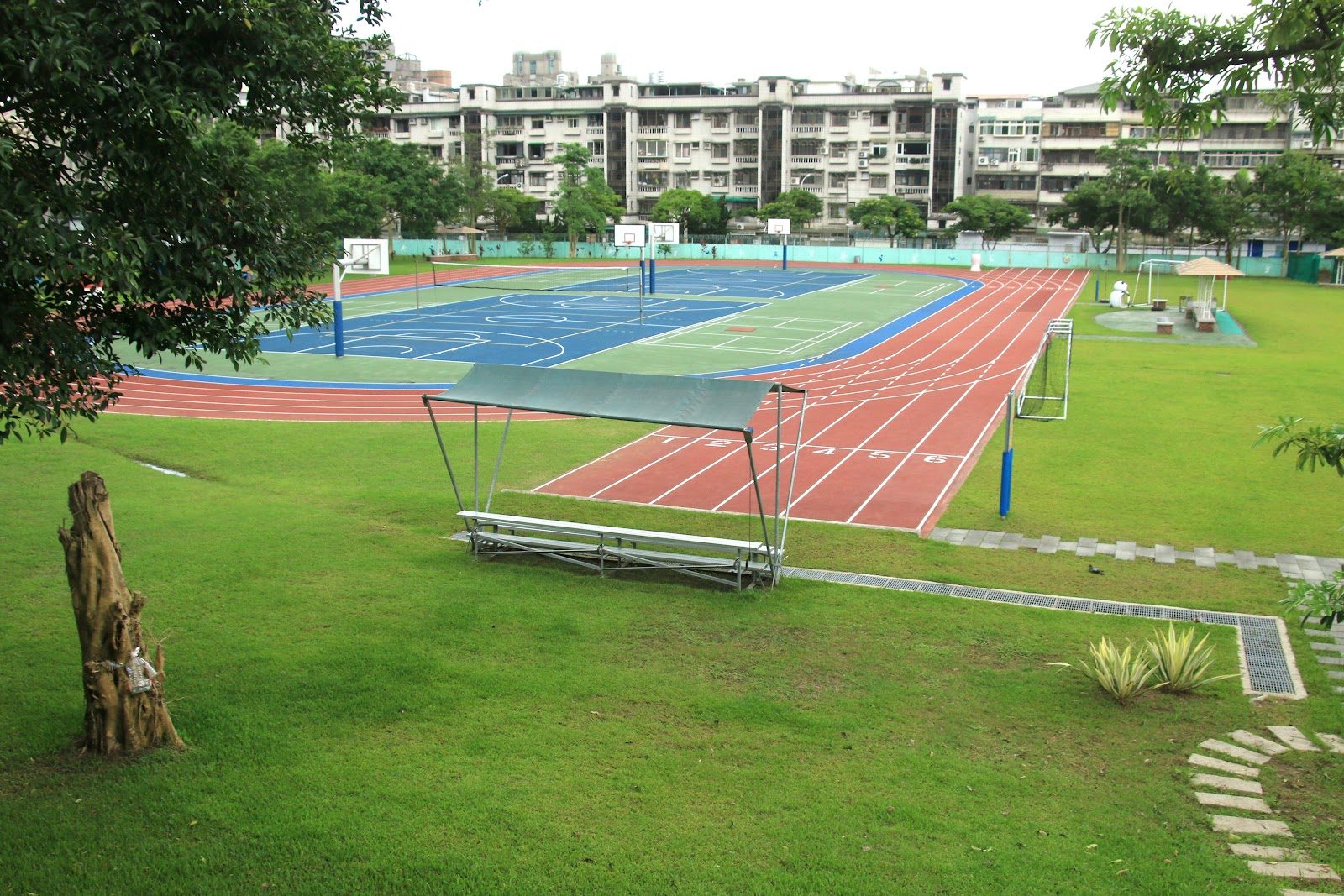
Dominican International School
Taipei · Taiwan
A former US military school turned Catholic-run American curriculum campus, offering 18 AP courses in Taipei's Zhongshan district.
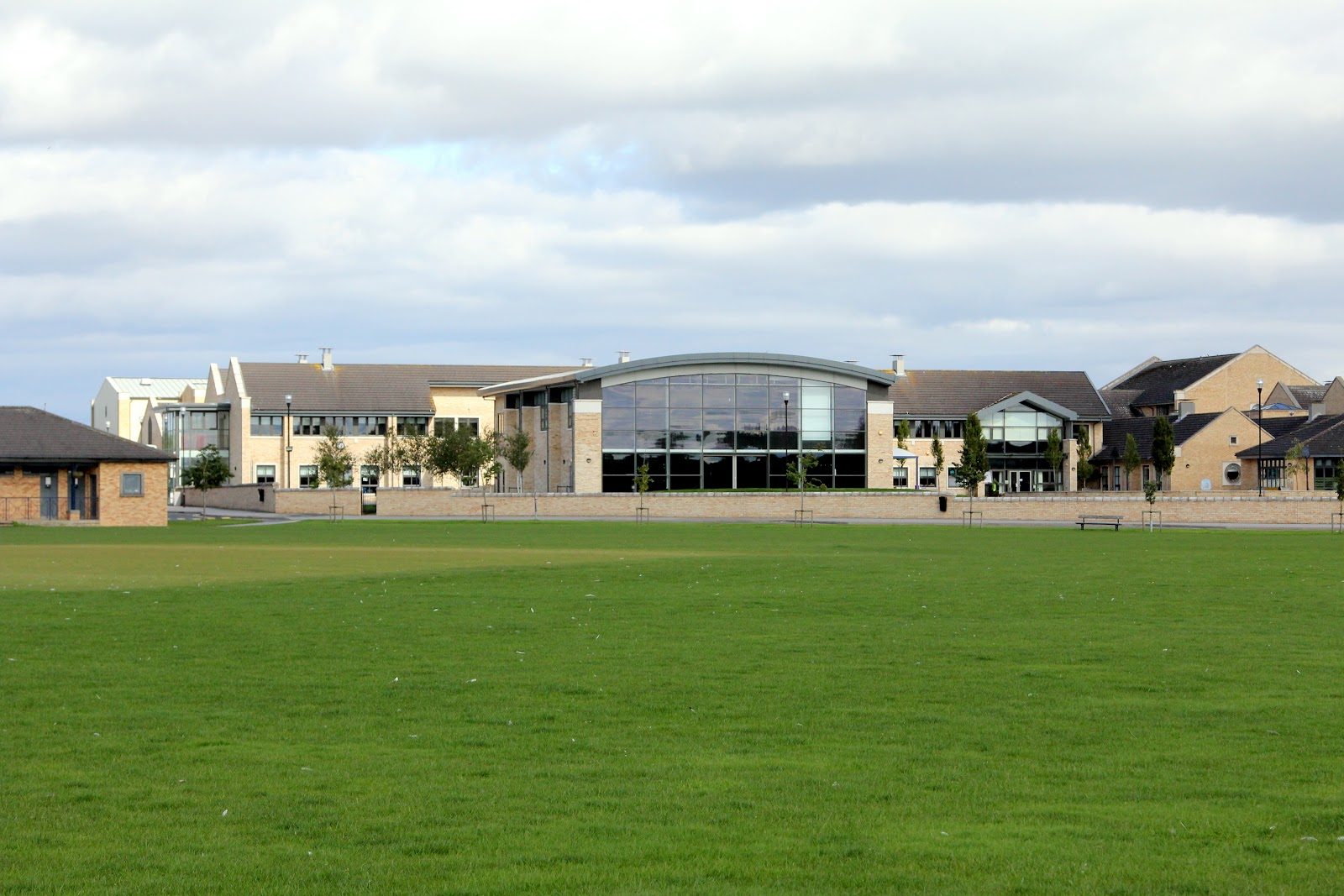
The Grammar School at Leeds
Leeds · United Kingdom
Where a 1552 boys' grammar school and an 1876 girls' high school fused into one diamond-model campus across 140 Yorkshire acres
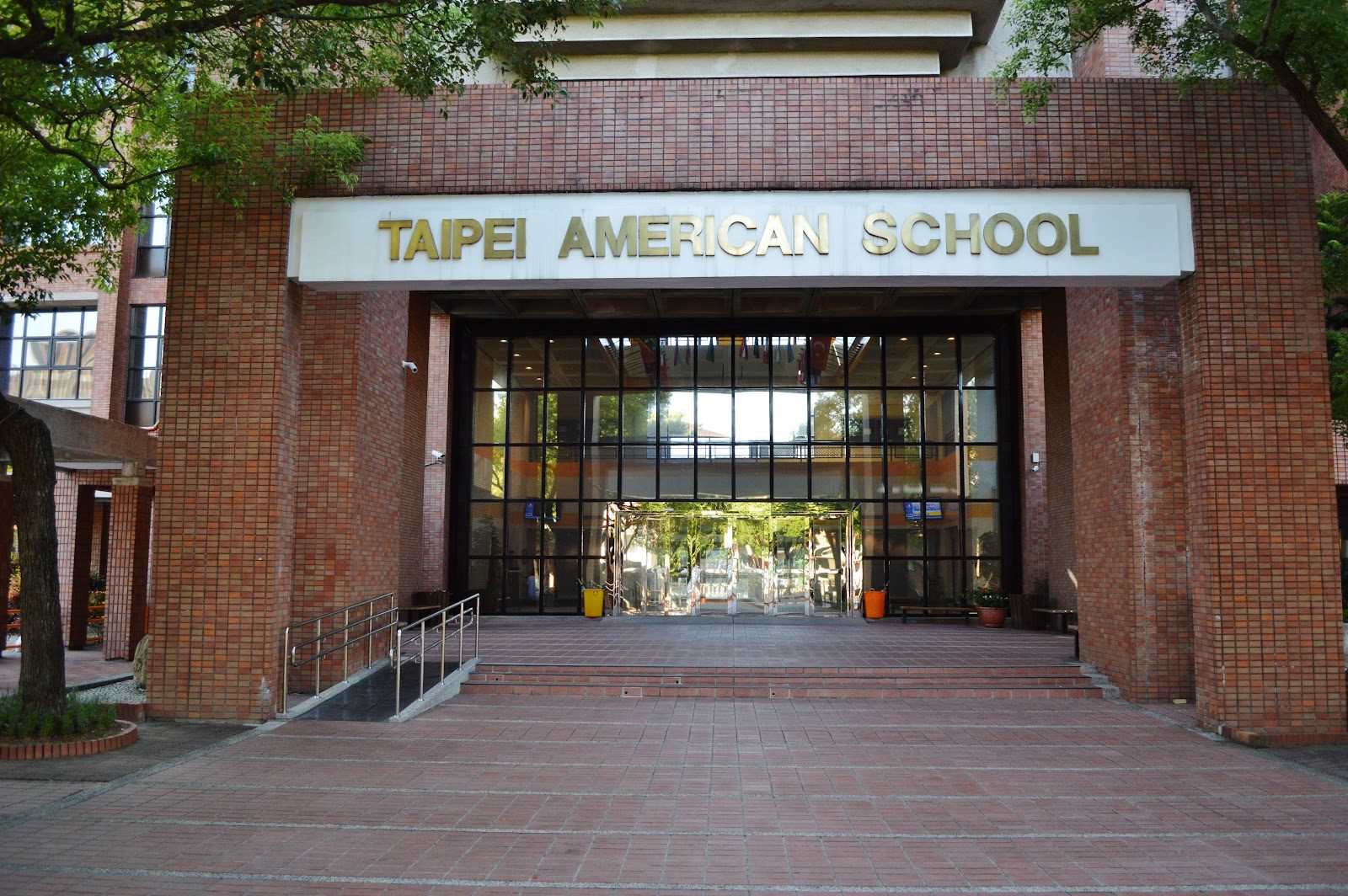
Taipei American School
Taipei · Taiwan
A former Cold War defense-department school in Tianmu, now offering both AP rigor and the full IB Diploma to Taiwan's global families.
Same country and curriculum — closest matches within ±10 points either way