
Taipei
Taipei European School
medium confidence· 4/6 cats · 3.14 avg sourcesBritish, French and German national curricula run in parallel here, converging on Yangmingshan into one shared IB Diploma.
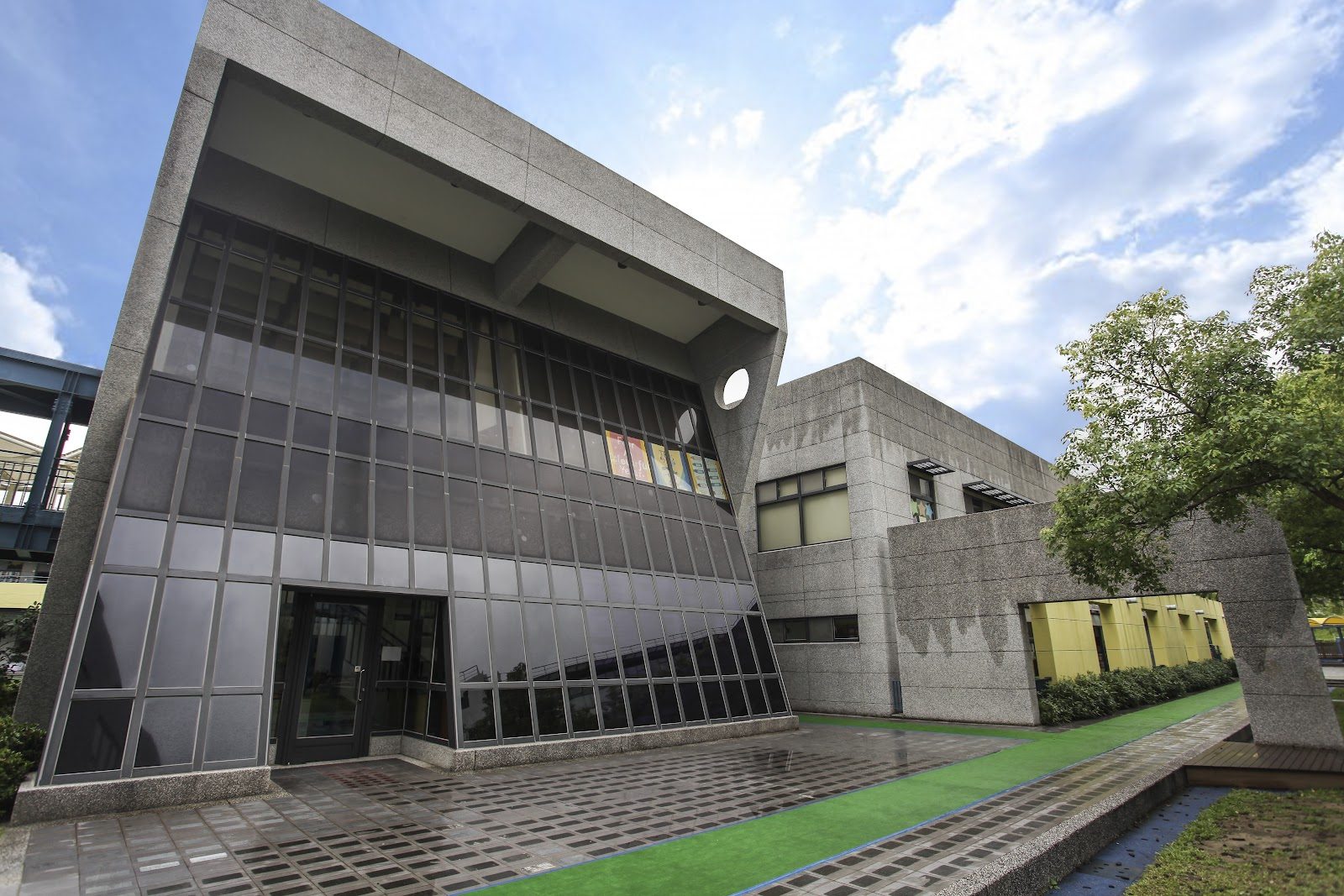
Photo © Dipak Mondal via Google Maps
Type
Day
Ages
3–18
Curriculum
British · IB · French · German
Ratio
—
The Verdict
Editor's commitment
Right for
Families who want British, French and German curricula under one Taipei roof, with an IB World School finish at 3–18.
Wrong for
Parents wanting one coherent national system from start to finish; Taipei European School splits into British, French and German sections.
Watch out for
CIS and IB World School badges matter, but day-only in Shilin District means no boarding fix and a long Yangmingshan commute.
Ranking breakdown
Taipei European School · # of 1591
Composite score 72.1. 8 weighted criteria.
By criterion
Academic Outcomes
Weight 20%
#385
of 1529 scored
University Placement
Weight 16%
#398
of 1529 scored
Prestige & Heritage
Weight 12%
#369
of 1571 scored
Alumni Network
Weight 12%
#231
of 1530 scored
Facilities
Weight 12%
#395
of 1534 scored
Transparency & Communications
Weight 8%
#513
of 1532 scored
Peer & Industry Review
Weight 10%
#527
of 1548 scored
Admissions Selectivity & Demand
Weight 8%
#308
of 1529 scored
Score history
Taipei European School · 2026
Movement across 2024–2026. Peer average overlaid.
Overall — 2024–2026
72.1/ 100
▲ +24.5 vs 2025
year on year
Peer & Industry Review
How Taipei European School is regarded in the sector
65
Respected · medium confidence
Taipei European School is consistently listed among the top international schools in Taiwan in expat parent forums (e.g., InterNations, ExpatFocus discussions) and is one of the largest and longest-established international schools in Taipei, holding accreditation from the Council of International Schools (CIS) and being a member of ECIS/FOBISIA networks, which signals recognized standing among peer institutions. It lacks the level of press coverage (e.g., Tatler, Good Schools Guide rankings) seen for top-tier global international schools, but is regularly referenced in Taiwan-specific 'best international schools' roundups and government/CIS inspection-linked accreditation records, suggesting a solid regional reputation without unanimous top-tier global recognition.
Evidence sources
Editors' overview
Taipei European School occupies a narrow niche and owns it. Few schools in Asia run 3 national systems in parallel — British, French and German — from the early years through secondary, then bring students together for the IB Diploma on one campus in Yangmingshan. That structure is the point. For internationally mobile European families, or for parents who want a child anchored in a national curriculum without losing access to an internationally portable sixth-form exit, TES offers a rare institutional logic. It is not a generic “international school” with a European label attached; it is a federation of sections with distinct academic identities and languages of instruction in English, French and German. Founded in 1989, day-only, and accredited by CIS and the IB, it sits in a market segment that prizes continuity, linguistic depth and a clean route into European and global higher education.
What marks TES out is the tension it manages between separation and convergence. The British, French and German sections preserve their own curricular traditions, which gives families real specificity rather than a diluted middle ground. Then the school converges on the IB Diploma at the senior end, which creates a shared sixth-form destination and broadens university options. That dual model will appeal to parents who dislike curricular vagueness and want a clear academic architecture. It also gives TES a stronger reason to exist than schools that simply stack programmes next to each other for marketing coverage. The trade-off is obvious: this is not the school for families who want one homogeneous culture from nursery to graduation, or for parents who prefer a looser, more American-style comprehensive model. TES asks families to value structure, section identity and academic pathway design.
It belongs on a shortlist for students who thrive in a multilingual environment, who can handle a school shaped by European educational assumptions, and who benefit from belonging to a section before joining a wider senior cohort. Children from French, German or British backgrounds will find curricular continuity; internationally mixed families will find a useful compromise between national tradition and global portability. The strongest fit is the student who likes defined expectations, takes language seriously, and does not need a school to flatten cultural differences into one bland institutional identity. For the right child, TES offers unusual coherence in a crowded Taipei market: European schooling with genuine curricular substance, not just international-school gloss.
Academic Performance
TES does not publish enough hard attainment data to support a strong external-results verdict. We have not seen whole-cohort IB Diploma averages, top-score ranges, pass rates, subject distributions, or a multi-year results series. That matters. In a school with parallel national sections feeding into one senior leaving qualification, parents need more than reassuring anecdotes; they need comparative outcomes. Without them, TES sits in the category of academically credible but opaque schools: the structure is serious, the pathways are clear, but the public results record is thin.
Relative to Taipei’s more results-forward competitors, that lack of disclosure is a weakness. Schools that want to claim academic strength publish the numbers and publish them consistently. TES does not give parents that level of scrutiny in the public domain. That does not mean results are weak; it means the school asks families to trust the institution more than the data. For some European families, curricular continuity and section identity will outweigh that. For parents benchmarking university access and exam performance with cold-eyed precision, the absence of headline metrics is a real drawback. The school’s academic proposition remains serious, but its external performance story is under-evidenced.
Facilities
The key facility here is not one showpiece building but the campus model itself: separate sections housed within one school, with the senior years drawing together. For families who value academic identity, that matters more than a flashy atrium. It gives students a clear institutional shape and preserves distinct sectional life rather than forcing an artificial whole-school sameness. Against Taipei peers, that is a genuine structural advantage. Many international schools can offer strong sports halls, theatres and labs; very few can offer 3 parallel educational sections with enough institutional weight to make each one feel real. If you are buying TES, you are buying that architecture first.
The limitation is equally clear. We have not seen a detailed public account of specialist spaces, capital investment, or standout campus assets that would let TES dominate a facilities comparison on brute infrastructure alone. There is no obvious evidence here of the kind of arms-race campus spectacle that some premium Asian competitors use to signal status. Parents who prioritise performing arts complexes, elite aquatics provision or headline sports infrastructure need to ask direct questions and visit with a cold eye. TES’s facilities proposition rests on functionality, sectional coherence and shared senior integration, not on grand physical theatre. That will suit families who care more about educational design than architectural display; it will disappoint those expecting a lavish hardware-first campus.
We have not seen whole-cohort IB Diploma averages, top-score ranges, pass rates, subject distributions, or a multi-year results series
Prestige
TES carries niche prestige, not mass-market prestige. In Taipei, its status rests on scarcity and fit: there are very few schools that house 3 distinct European sections under one institutional roof and carry enough credibility for families to commit for the long haul. That gives it weight with parents who know exactly what they are buying and do not want a generic international-school package. Among European diplomatic, corporate and internationally mobile families, that counts for a great deal. The school’s name signals a specific social and academic world: educated, mobile, multilingual, and more continental than Anglo-global. That is a real form of prestige, but it is specialist prestige, not universal cachet.
The limit is clear. TES does not command prestige through public academic dominance, selective mystique, or a flood of published outcomes. Its standing comes from institutional design and from serving a discerning constituency that values continuity, section identity and a clean route to a respected senior qualification. That gives it serious parent-to-parent credibility in the right circles. Outside those circles, the brand has less force than schools with louder university-placement stories or stronger results visibility. So the rating here is strong but conditional: high prestige for families who want a European education with substance; less pull for parents chasing raw status signals alone.
The school’s identity is clear enough at the top level, and the sectional model is easy to grasp
Communications
TES has a built-in communications challenge that simpler schools do not face: 3 sections, different parent constituencies, and one shared institutional umbrella. That structure makes clarity non-negotiable. The school’s communication burden is not just volume; it is coordination. Parents need to know what is section-specific, what is whole-school, and when senior-school decisions cut across sectional lines. TES has a structural reason to communicate well, and when schools with this kind of design fall short, confusion spreads fast. The public-facing picture gives a mixed verdict. The school’s identity is clear enough at the top level, and the sectional model is easy to grasp. What we have not seen is the sort of hard-nosed transparency that reassures detail-oriented parents: published whole-school outcomes are thin, and that weakens confidence in the wider information culture.
That does not make TES poorly run; it makes it more trust-based than data-rich. For some families, especially those already committed to one national section, that is acceptable. For parents entering from outside that world, it is a friction point. Strong school communication is not only about warm newsletters and event notices; it is about whether leadership publishes the numbers, explains transitions cleanly, and removes ambiguity before parents need to chase answers. On that test, TES feels competent but not expansive. Expect functional communication with enough clarity to navigate the school, but not the kind of forensic openness that distinguishes the best-administered international schools.
Uniqueness
What makes TES distinctive is not diversity as branding, but parallelism with consequences. The school runs 3 national sections that carry their own educational habits, parent expectations and cultural reference points, then asks students to meet each other inside one institution rather than inside a diluted international-school blend. That gives children something more solid than “global mindedness” wallpaper. A British-family child stays anchored in one academic tradition; a French- or German-family child gets the same continuity; children from mixed households grow up navigating real differences in how schools teach, assess and organise authority. That produces students who are linguistically serious, culturally literate and less prone to the bland sameness that marks much of the international sector.
The payoff is strongest in the older years. Students do not spend their whole school life inside one sealed subsection; they move towards a shared senior destination with peers shaped by different school systems. That matters. It builds cross-cultural fluency without sacrificing academic backbone. TES also offers a rare answer to a common expatriate problem: how to preserve a national educational identity without closing off international university routes. Few schools handle that tension with this level of institutional clarity. The trade-off is plain. This is not a school for families who want one easy, unified culture from the start, or for children who need everything flattened into one style. Its uniqueness lies in being deliberately segmented, then intelligently joined.
What makes TES distinctive is not diversity as branding, but parallelism with consequences
Student Profile
The strongest fit is a child who can live comfortably inside a school split into 3 distinct sections without needing the institution to smooth every edge away. This suits students from British, French or German family backgrounds who want continuity with a national system, and it also suits mixed-nationality households that value real cultural difference over a generic international blend. The social environment will reward children who are adaptable, organised and secure enough not to treat difference as disruption. Students who enjoy clear routines, adult authority and academically structured classrooms will fare well. So will children who take languages seriously and do not expect school life to orbit one dominant Anglo-international culture.
The weaker fit is just as clear. A child who needs one unified school identity from the earliest years, or who struggles when peer groups and parental communities carry different educational assumptions, will find TES less forgiving. This is not the natural home for students who want a looser, more free-form atmosphere or for families who prefer schools to package diversity into an easy, frictionless whole. TES works best for students with intellectual steadiness, social flexibility and a tolerance for institutional complexity. For the right family, that mix is rich and serious. For the wrong one, it will feel segmented, demanding and harder work than a standard international school.
Its uniqueness lies in being deliberately segmented, then intelligently joined
Co-curricular strengths
Arts & sport, on a separate axis
Overall 7.8/10
Scored 0-10 from the school's own published evidence. This axis is editorial-only — it does not feed the main WTS ranking.
Sports
8.5/10
The extracurriculars explicitly list Football, Basketball, Swimming and Tennis, showing a solid multi-sport offering.
Drama
8/10
Drama Club is explicitly named in the extracurriculars.
Dance
6.5/10
Music
8/10
School Orchestra and Choir are explicitly listed, indicating structured music participation beyond a bare mention.
Visual Arts
8/10
'arts rooms' only in broad generic terms, which is vague implicit evidence without any dimension-specific visual arts programme detail.
Editor first-pass · editor-reviewable · 7/27/2026
Strengths
- +Runs four parallel national/international sections (British, French, German, plus a shared High School) on one integrated campus, letting families keep their home curriculum while living in Taiwan.
- +Fully accredited by both the Council of International Schools (CIS) and the Western Association of Schools and Colleges (WASC), giving external verification of standards across sections.
- +Sections funnel into a shared IB Diploma pathway from Year 9/High School onward, so students from different language backgrounds sit the same internationally recognised exit qualification.
- +Established through the 1990s merger of the Taipei British School, Ecole Francaise de Taipei and Deutsche Schule Taipei, giving it a long operating history (formal unification in 2003) rather than being a newer market entrant.
- +Purpose-built facilities on two sites, with a primary campus completed in 2007 and a new secondary-campus building added in 2020.
Considerations
- −Split across two campuses (Shilin for ages 3-11, Yangmingshan hills for 11-18), which adds a commute and complicates logistics for families needing both sites simultaneously.
- −Switching a child between the British, French and German sections mid-programme is difficult because curriculum sequencing, language of instruction and assessment differ, so families must commit early to a track.
- −Fees sit at the upper end of Taipei's international-school market, with published ranges running from roughly NT$537,600 to NT$811,600 a year depending on section and grade, plus a separate application fee.
- −As with other foreign-curriculum schools in Taiwan, enrolment is generally restricted to children holding a foreign passport, closing off the school to many local Taiwanese families.
Availability
Primary entry gate & tests
Academic Record (Passport req.)
Gallery
Photo © Dipak Mondal via Google Maps
Photo © Dipak Mondal via Google Maps
Photo © Dipak Mondal via Google Maps
Photo © Dipak Mondal via Google Maps
Photo © 吳可 via Google Maps
Photo © Gary Lin via Google Maps
Photo © Dipak Mondal via Google Maps
Photo © Dipak Mondal via Google Maps
Photo © Dipak Mondal via Google Maps
Parent reviews
Have you sent your child here?
Voice reviews carry the strongest trust badge — we transcribe them for you to tidy up before they go live. Prefer to type? A written review is fine too.
Add your voice
In 60 seconds, tell other parents: what's the best thing about Taipei European School, and what surprised you when your child joined?
We ask for a Google sign-in so every review has a real face behind it — no anonymous drive-by attacks on schools, and no faked positive reviews. Your email is never shown publicly.
Send this profile to a friend
International parents rely on word-of-mouth. Share this review with someone weighing the same decision.
Schools with places
Similar schools to Taipei European School with places available now.
Availability first, then country, area, curriculum, price, co-curricular
Consider also
Also worth looking at alongside Taipei European School.
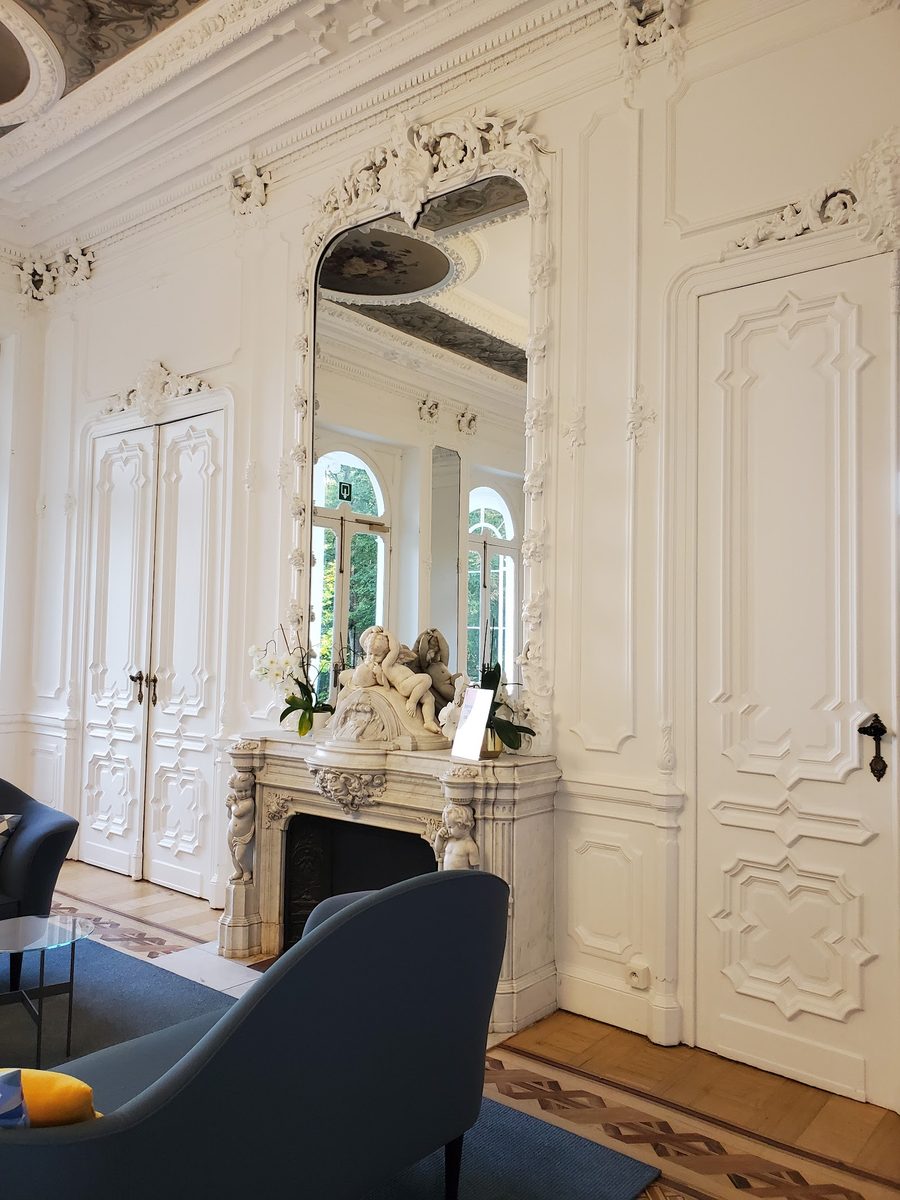
International School of Brussels
Brussels · Belgium
A 40-acre campus tucked into the Foret de Soignes beside a UNESCO site, pairing British roots with one of the world's earliest IB programmes.
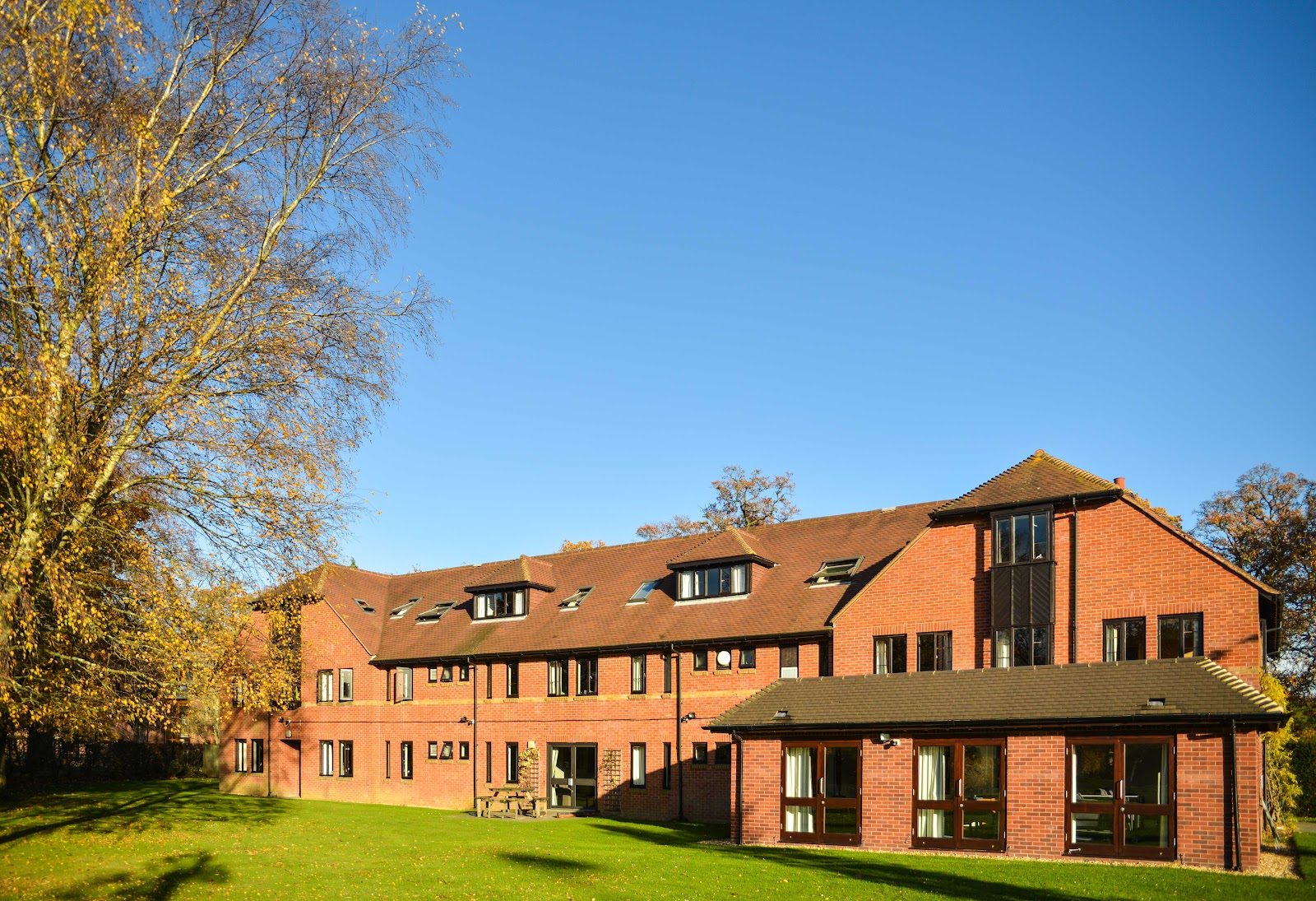
Canford School
Wimborne Minster · United Kingdom
A Sir Charles Barry-designed Grade I manor on the River Stour, home to one of England's last two working real tennis courts.
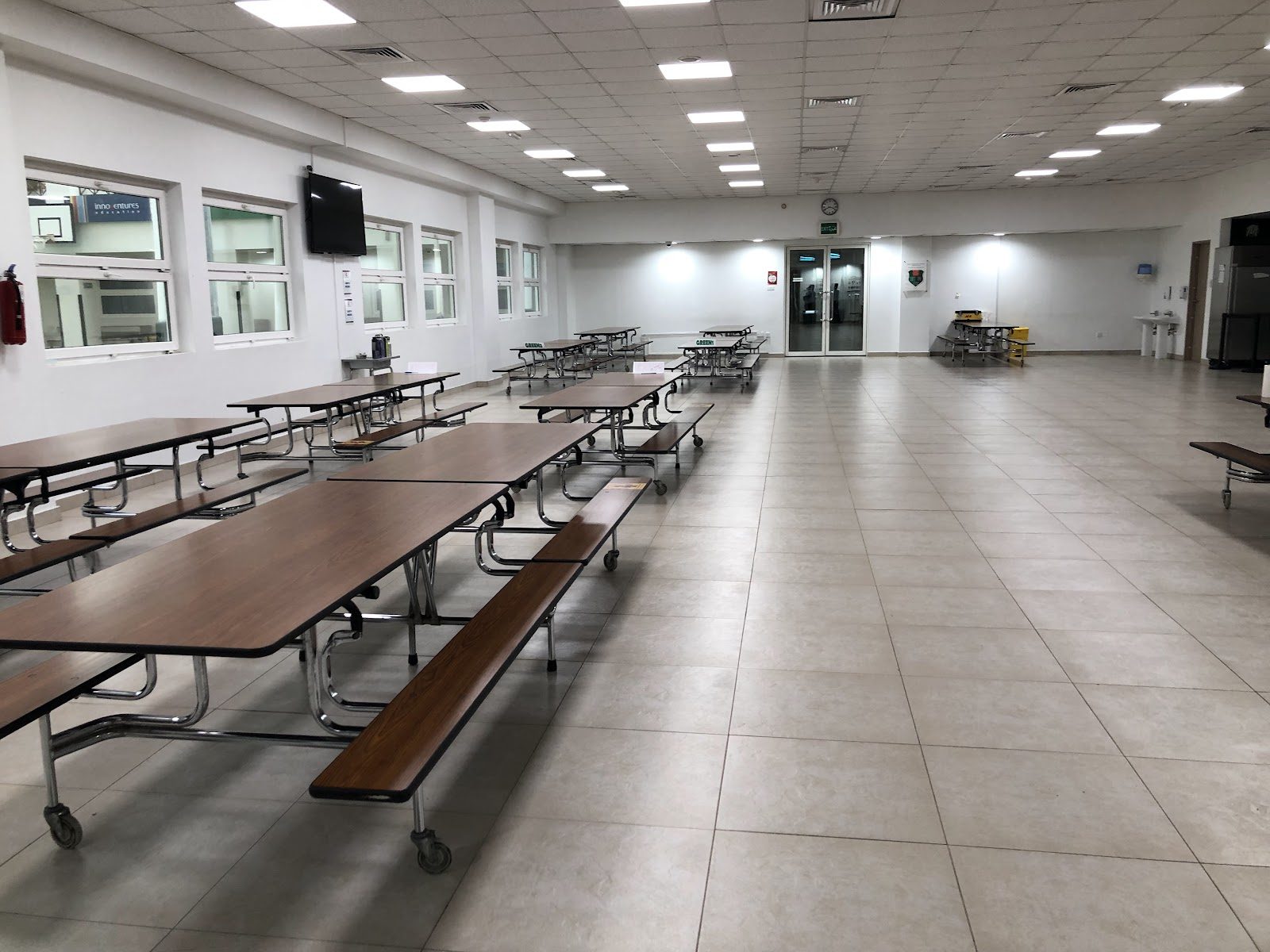
Dubai International Academy Emirates Hills
Dubai · United Arab Emirates
Launched the UAE's first full IB continuum in 2005, and the only Dubai school to win back its top KHDA rating after losing it
King's College, Soto de Viñuelas
Madrid · Spain
On a 12-acre campus between Madrid and the Sierra de Guadarrama, the only school in the capital offering both A-Levels and the IB in English.
Same country and curriculum — closest matches within ±10 points either way