
Taipei
Dominican International School
medium confidence· 4/6 cats · 3 avg sourcesA former US military school turned Catholic-run American curriculum campus, offering 18 AP courses in Taipei's Zhongshan district.
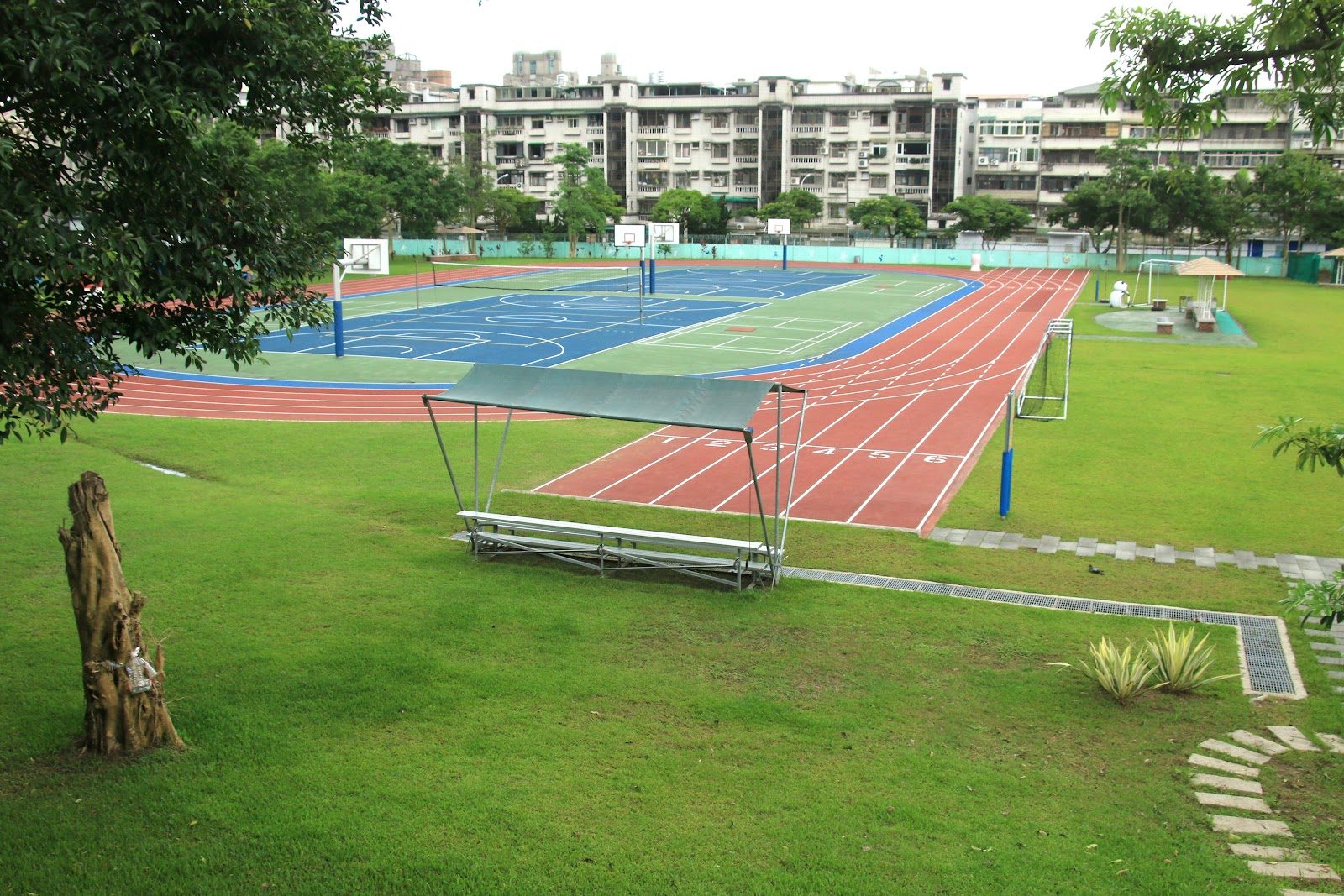
Photo © Frank Lee via Google Maps
Type
Day
Ages
3–18
Curriculum
American · AP
Ratio
—
The Verdict
Editor's commitment
Right for
Families wanting a day school in Taipei with an American curriculum, 18 AP courses, Catholic life, and WASC plus IB World accreditation.
Wrong for
Parents seeking boarding, a secular ethos, or a British programme; this 1957 school is day-only, Catholic, and teaches in English and Mandarin.
Watch out for
The school publishes plenty of events and faith language, but little hard outcome data; 18 AP courses matter less without aggregate results.
Ranking breakdown
Dominican International School · # of 1591
Composite score 61.2. 8 weighted criteria.
By criterion
Academic Outcomes
Weight 20%
#1049
of 1529 scored
University Placement
Weight 16%
#1057
of 1529 scored
Prestige & Heritage
Weight 12%
#1037
of 1571 scored
Alumni Network
Weight 12%
#663
of 1530 scored
Facilities
Weight 12%
#1081
of 1534 scored
Transparency & Communications
Weight 8%
#1099
of 1532 scored
Peer & Industry Review
Weight 10%
#891
of 1548 scored
Admissions Selectivity & Demand
Weight 8%
#837
of 1529 scored
Score history
Dominican International School · 2026
Movement across 2024–2026. Peer average overlaid.
Overall — 2024–2026
61.2/ 100
▲ +16.5 vs 2025
year on year
Peer & Industry Review
How Dominican International School is regarded in the sector
55
Credible · low confidence
Dominican International School Taipei is one of Taiwan's older established international schools and is generally mentioned in expat parent forums (e.g., InterNations, Taipei-based expat Facebook groups) as a solid, credible option, particularly noted for its Catholic ethos and IB/AP pathways, but it lacks substantial coverage in specialist education press like Tatler or Good Schools Guide. There is limited independent third-party benchmarking against other Taipei international schools (e.g., Taipei American School, TES) in available public sources, suggesting a credible but locally-contained reputation rather than a regionally prominent one.
Editors' overview
Dominican International School occupies a distinct niche in Taipei: a 100% Catholic international school delivering an American curriculum with AP, in English and Mandarin, on a day-school model from age 3 to 18. That combination is rare. So is its history. Founded in 1957 and run by the Sisters of the Congregation of the Religious Missionaries of St. Dominic, it carries the bones of an older expatriate institution rather than a start-up international school built for glossy demand. The school’s own messaging leaves no doubt about its priorities: Masses, retreats, feast days, prayer, service, Advent observances and faith formation sit at the centre of school life, not at the margins. For families who want faith woven into the timetable, clear moral structure and an American academic route that culminates in 18 AP courses, DIS belongs on the shortlist.
What sets it apart is not brute scale or conspicuous prestige; it is coherence. DIS has 68 years of operation, a community spanning 40 nationalities, and accreditations from WASC and the IB, yet its public identity stays firmly Catholic rather than drifting into generic international-school language. The calendar points to a school that prizes ritual, service, music, community events and staff development alongside academics. That gives DIS a defined culture, which many schools lack. The trade-off is equally clear: families seeking a secular environment, a loose pastoral framework or a socially anonymous campus will find this too structured, too confessional and too intentional. This is not a neutral school. It is a school with convictions.
The students who thrive here are those who value belonging, routine and adult-guided expectations. Children who do well in communities shaped by shared rituals, visible pastoral care and steady behavioural boundaries will fit. So will families who want English-medium education in Taipei without giving up Mandarin exposure, and who prefer an American pathway over British or bilingual local options. Artistically inclined students, musicians and service-minded pupils have plenty of signals that their interests will be taken seriously; the school broadcasts concerts, art exhibitions, exchanges, fairs, swimming and community service with unusual frequency. A highly independent teenager who wants a broad, impersonal sixth-form atmosphere with minimal religious framing will push against the grain here. A family looking for a tight-knit Catholic community, an orderly campus culture and a school that takes formation as seriously as instruction will not.
Academic Performance
DIS offers an American route with 18 AP courses, but the school does not publish the aggregate exam data that serious comparison requires. We have not seen whole-cohort AP participation rates, mean AP scores, score distributions, SAT or ACT averages, or university matriculation lists with enough depth to judge academic lift year by year. That is a real weakness. In a market where stronger academic operators put headline outcomes in plain view, DIS asks families to trust culture, structure and programme breadth more than hard numbers. For some parents that will suffice; for anyone benchmarking against Taipei’s more data-forward international schools, it will not. The result is an academic picture that stays opaque, hard to rank and less accountable than it should be.
That does not mean weak academics; it means unpublished academics. The visible signals point to a school that takes professional development, student events and institutional life seriously, and the AP menu gives older students a credible level of subject choice. But breadth is not the same as proof of strength. Relative to peers, DIS sits in the group of schools with a clear academic pathway but without the public results culture that marks out top-performing, results-confident competitors. Parents who need external validation in black and white will find this frustrating. Parents who value formation, order and a recognisable American senior-school structure over published score tables will tolerate the gap.
Facilities
The school does not publish the kind of facilities inventory that top-tier competitors now treat as standard, so parents do not get a clean, room-by-room account of specialist spaces, sports provision or campus scale. What is clear is a campus built around community life rather than spectacle. The public face gives repeated weight to the library and learning resources, student art exhibitions, music performance, swimming, safety training, fairs, camps and whole-school liturgical events. That points to facilities that support daily use across the arts, worship, gatherings and basic athletics, not a trophy campus engineered to impress on a first visit. In Taipei terms, that matters: many schools sell bricks and glass; DIS sells ritual, routine and participation. If you want showpiece architecture or a long list of named specialist centres, this offer is plainly less flashy than the market’s more capital-heavy campuses.
Where DIS holds its ground is fit between space and culture. A school that stages concerts, exhibitions, parent events, exchanges and swimming activity with this frequency needs competent shared spaces, functioning arts provision and an orderly campus capable of handling constant communal use. The virtual-tour prompt helps, but the lack of published detail remains a weakness. Against peer schools, DIS reads as functional rather than lavish, *community-first rather than amenity-first*. For families who value chapel-centred identity, student performance opportunities and a campus used hard by the whole school, that is enough. For families benchmarking labs, theatres, maker spaces and elite sports infrastructure line by line, it is not. The headline facility facts stay too opaque.
Founded in 1957 and run by the Sisters of the Congregation of the Religious Missionaries of St
Prestige
DIS carries niche prestige, not city-dominating prestige. Its standing rests on clarity of identity and longevity, not on mass-market glamour or publicly flaunted outcomes. In Taipei, a school that is unapologetically Catholic, tightly governed and culturally coherent occupies a distinct social lane, and that has value. The community breadth — 40 nationalities — adds international credibility, while the school’s visible rhythm of liturgy, service, concerts, exchanges and parent involvement gives it the feel of an institution with habits, not just programmes. For families inside Catholic and church-adjacent networks, that counts for a great deal. For families chasing the most competitive status hierarchy in the international sector, it counts for less.
That is why the prestige here reads as contained, values-driven and more intimate than grand. The alumni floor is respectable rather than commanding: 6 notable alumni catalogued on Wikidata, with strength in the arts rather than in public life, science or business. The school also benefits from an unusual degree of confessional consistency — “100% Catholic” is a strong claim, and DIS lives by it publicly. That creates trust and recognition among the families who want exactly that environment. It also narrows the audience. This is not a school whose name alone unlocks elite cachet across every parent circle in Taipei. It holds serious credibility within its own constituency, but its prestige is specific rather than universal.
Dominic, it carries the bones of an older expatriate institution rather than a start-up international school built for glossy demand
Communications
Parent communication is active, event-heavy and unmistakably values-led. The school pushes a steady drumbeat of notices on its homepage: art shows, early-years events, staff conference attendance, faith gatherings, concerts, sports meets, university fairs, exchange visits, parent induction, safety talks and teacher training all get airtime. That volume matters. It tells parents what the school pays attention to, and it keeps community life visible rather than hidden behind password walls. The site also makes the admissions path plain — inquire, visit, apply, FAQ, virtual tour — which is competent and practical. For existing families, the presence of newsletters, a dedicated school app on iOS and Android, and an archived events trail points to a communications operation with regular cadence rather than ad hoc bursts. In tone, though, it is highly curated, institution-first and steeped in the school’s moral vocabulary.
The weakness is just as clear: communication celebrates activity more than it discloses performance. Parents get warmth, imagery, calendar rhythm and community affirmation; they do not get much hard operational detail beyond the basics. The careers page is a good example — exacting on application procedure and staff expectations, even to the point of contradiction when vacancies are listed and then denied in the same breath. That jars. It hints at a communications culture that is earnest, busy and not always cleanly edited. For families who want frequent updates, ritual visibility and a strong sense of belonging, DIS communicates effectively. For parents who prize concise dashboards, institutional precision and rigorous publication of outcomes, it is less sharp than it needs to be.
Uniqueness
What makes DIS unusual is not a single programme but the tight fit between faith, governance and daily school life. Plenty of international schools add service projects, festivals and pastoral language around the edges. DIS organises the school around them. The public calendar is dense with Masses, retreats, Marian observances, prayer, service, parent induction, safety talks, staff retreats, concerts, camps and fairs. That creates a campus culture with strong adult direction, clear moral framing and very little ambiguity about what the school stands for. The “100% Catholic” claim matters because the school lives it publicly. For students, that brings consistency: expectations do not shift wildly between classroom, assembly, community event and pastoral life. Children who want structure, ritual and belonging get them in full.
The second point of difference is the school’s combination of confessional identity with an international community rather than a narrow parish-school intake. A student body spanning 40 nationalities changes the texture of a Catholic school; it widens the social field while keeping the institutional core disciplined and coherent. Add the visible weight given to music, art, swimming, exchanges and parent participation, and DIS offers more than a narrow academic conveyor belt. Students gain repeated chances to perform, serve, organise and take part in communal life, not just pass through it. That produces graduates shaped by habit, duty and public contribution. It also narrows the fit: teenagers who resist collective routines or dislike overt religious framing will feel constrained.
What sets it apart is not brute scale or conspicuous prestige; it is coherence
Student Profile
The strongest fit is a child who does well with clear guardrails, adult-led routines and a school culture that asks students to join in rather than hang back. DIS is not built for the socially detached or the fashionably ironic. It suits families who want children known by staff, drawn into collective life and expected to take part in assemblies, service, performances, fairs, camps and faith events as a normal part of schooling. The community spans 40 nationalities, so students do not enter a narrow local bubble, but the culture is still tight-knit, orderly and highly intentional. Younger children who like predictability and older students who respond to structure, duty and visible expectations will settle more easily here than peers who need constant personal latitude.
There is also a strong fit for students with artistic or musical leanings, and for those happy to contribute in public. The school gives repeated prominence to concerts, exhibitions, swimming, exchanges, university events and parent-facing community occasions, which points to a student body expected to be present, involved and community-facing. Children who enjoy performing, serving, organising or representing the school will have room to do it. Families seeking a morally explicit environment with a serious Catholic frame will find the student culture coherent. Families who want a secular atmosphere, looser boundaries or a sixth-form experience built around independence first will find the fit too constrained.
The calendar points to a school that prizes ritual, service, music, community events and staff development alongside academics
Co-curricular strengths
Arts & sport, on a separate axis
Overall 7.28/10
Scored 0-10 from the school's own published evidence. This axis is editorial-only — it does not feed the main WTS ranking.
Sports
7.8/10
Basketball, volleyball, soccer, and track and field, and the review also mentions a 24-student swim team, showing a solid multi-sport extracurricular offering without any named dedicated facility, specialist staff, or competitive results.
Drama
6.8/10
Dance
6.5/10
Music
7.8/10
School choir and band ensemble, and the review mentions a Nativity concert and internationally recognised young musicians, indicating visible participation in music but no named facility, department, specialist staff, or recurring elite results.
Visual Arts
7.5/10
The review cites middle and high school art exhibitions and specifically references the Vernal Views exhibit, which shows a clear visual arts programme with public student output but no named studio, department, or major dedicated facility.
Editor first-pass · editor-reviewable · 7/28/2026
Notable alumni · Wikidata
6notable alumni
0 historic (born pre-1930) · 4 modern (born post-1970)wikidata:2026-07-28 How we source this
Strengths
- +American curriculum with AP courses.
- +Clear Catholic identity and faith-based events.
- +Visible arts programme through Vernal Views exhibit.
- +Active sports and music participation documented.
Considerations
- −No published fees in provided sources.
- −No published accreditations in provided sources.
- −Website highlights faith heavily; secular families may hesitate.
Availability
Primary entry gate & tests
Academic Record
Gallery
Photo © Frank Lee via Google Maps
Photo © owhdesign via Google Maps
Photo © owhdesign via Google Maps
Photo © 心心 via Google Maps
Photo © 心心 via Google Maps
Photo © 黃逸進(Kousan) via Google Maps
Photo © Mandy Wen via Google Maps
Photo © Suherlin Renny via Google Maps
Photo © Adrian Bautista “Ian” Crisostomo, Jr. via Google Maps
Parent reviews
Have you sent your child here?
Voice reviews carry the strongest trust badge — we transcribe them for you to tidy up before they go live. Prefer to type? A written review is fine too.
Add your voice
In 60 seconds, tell other parents: what's the best thing about Dominican International School, and what surprised you when your child joined?
We ask for a Google sign-in so every review has a real face behind it — no anonymous drive-by attacks on schools, and no faked positive reviews. Your email is never shown publicly.
Send this profile to a friend
International parents rely on word-of-mouth. Share this review with someone weighing the same decision.
Schools with places
Similar schools to Dominican International School with places available now.
Availability first, then country, area, curriculum, price, co-curricular
Consider also
Also worth looking at alongside Dominican International School.
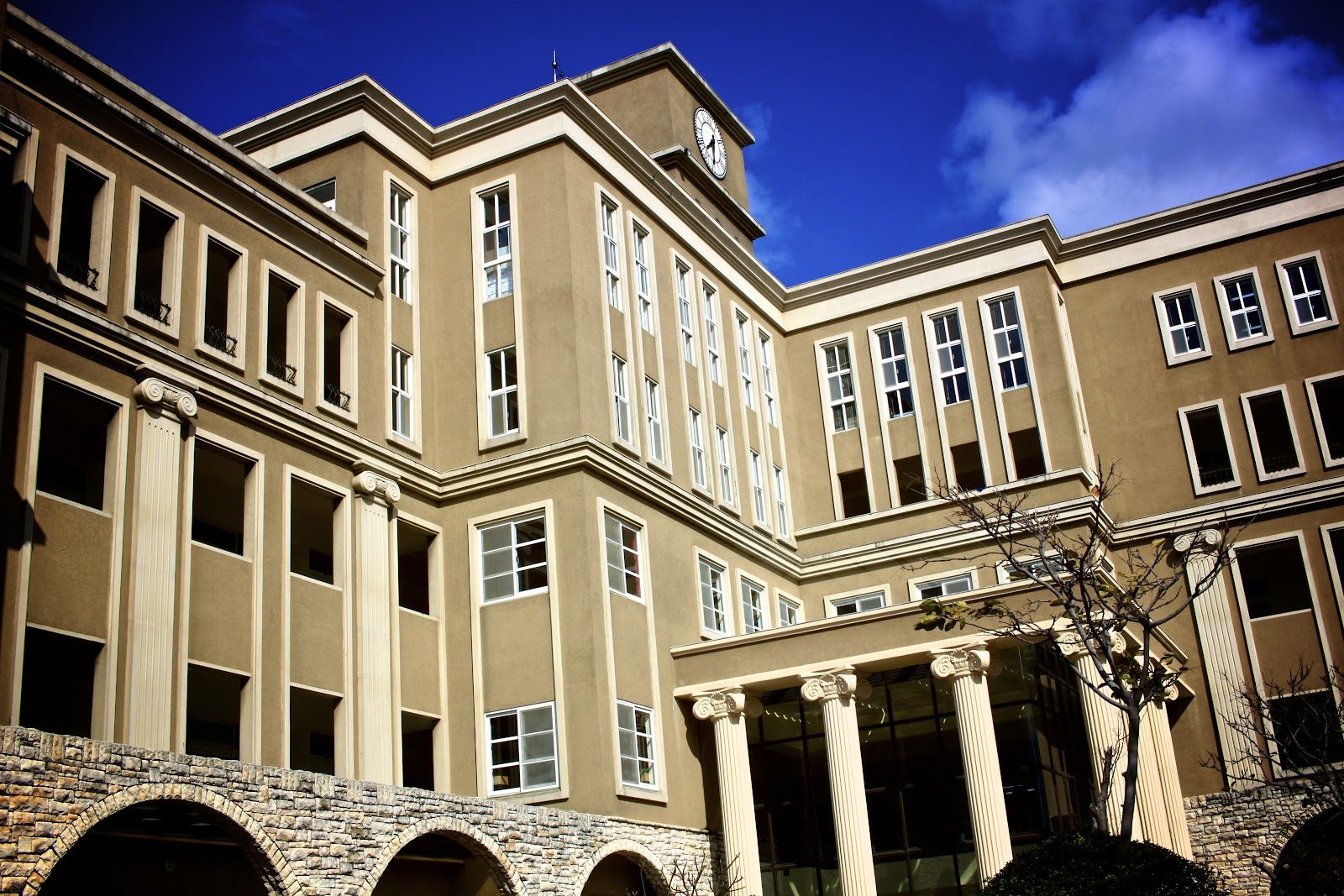
Hsinchu International School
Hsinchu · Taiwan
An American-curriculum day school in Xiangshan District, built to prep Taiwan's Silicon Valley kids for AP-track college admissions.
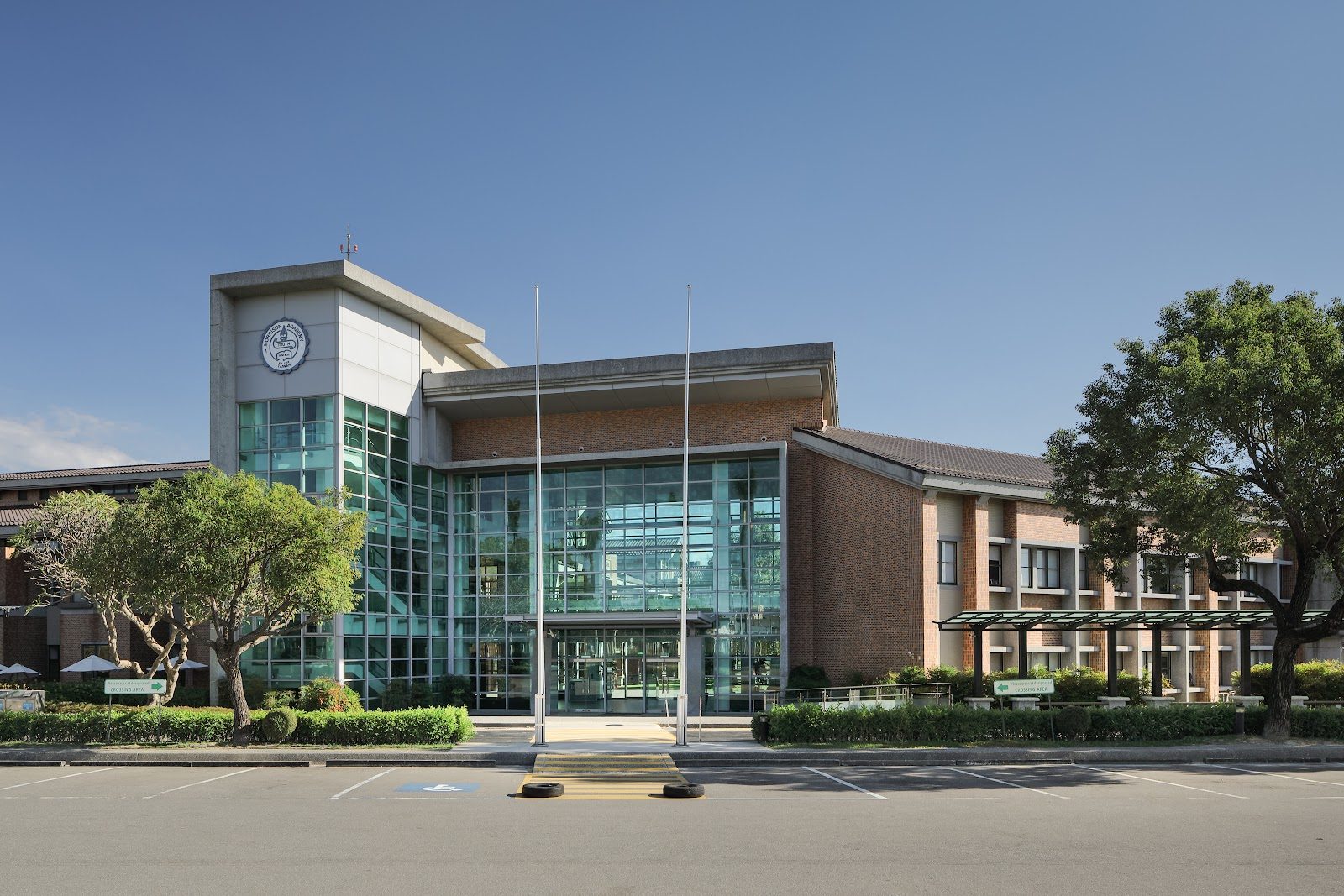
Morrison Academy
Taichung · Taiwan
Born in a 1952 bamboo hut for missionary kids, this Taichung campus now pairs AP rigor with home-style boarding halls.
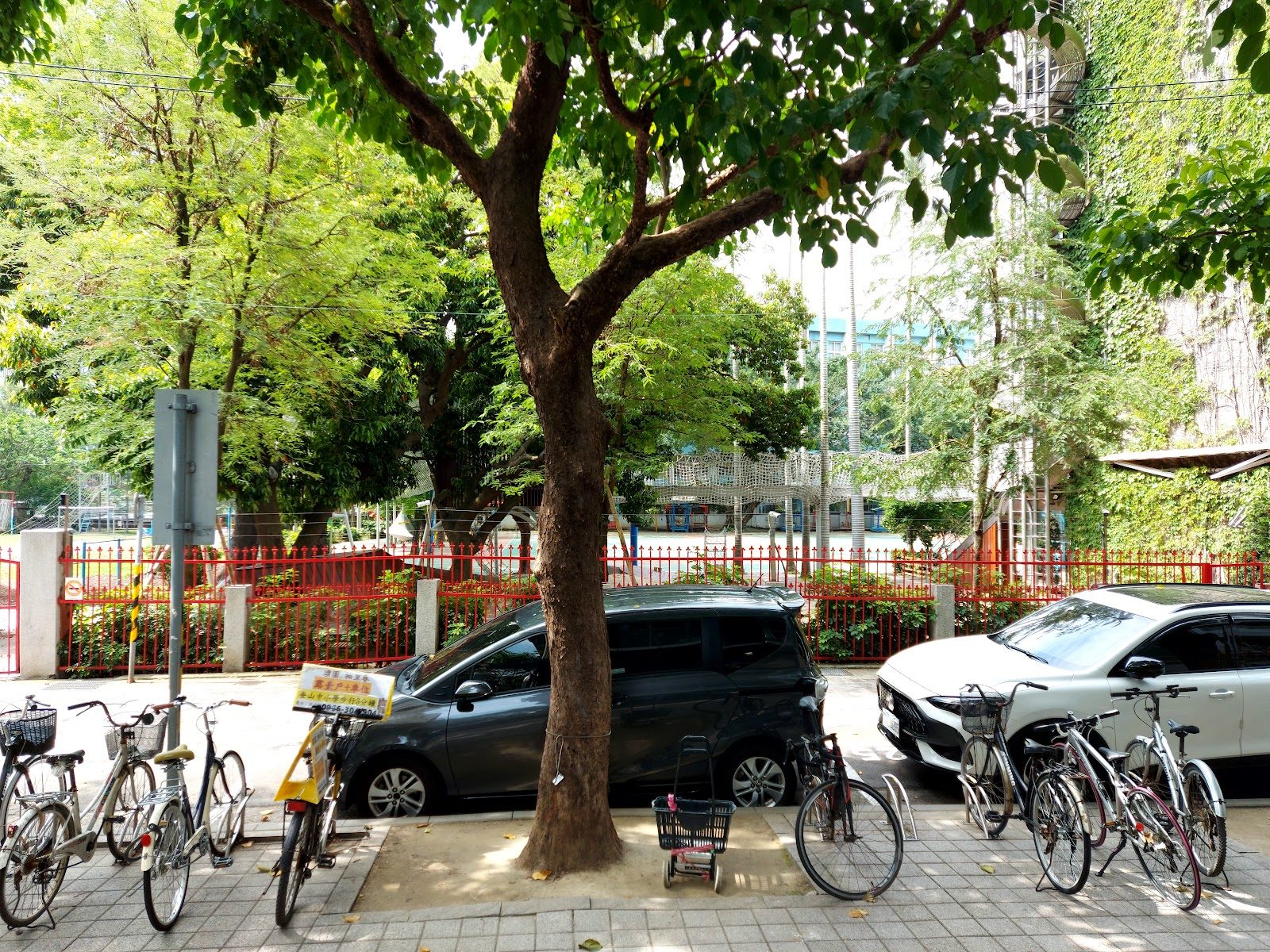
Taipei Kuei Shan School
Taipei · Taiwan
Born in 1963 as a small-class experiment in the Yangmingshan foothills, now a full IB continuum school blending Taiwanese rigor with global perspective
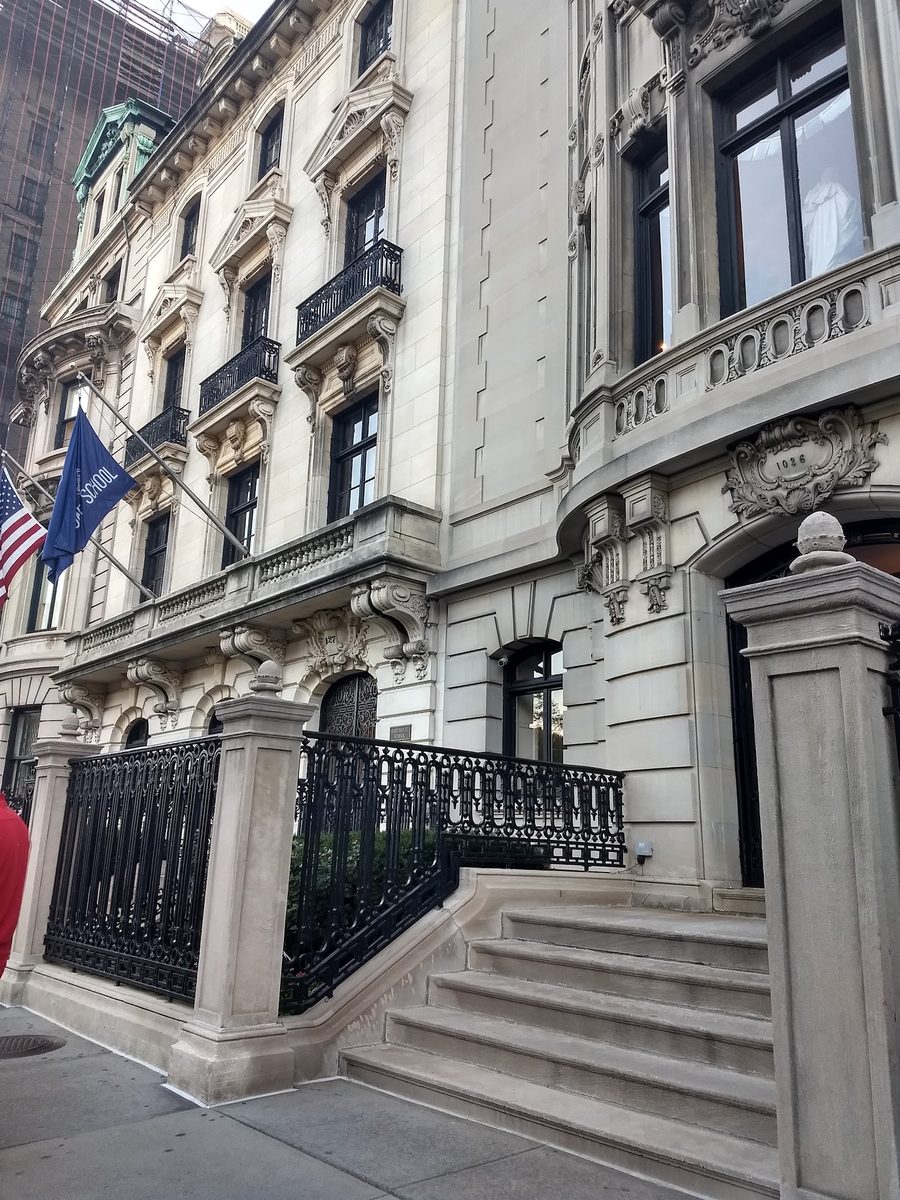
Marymount School of New York
New York City · United States
On Fifth Avenue, landmark mansions give way to Bloomberg terminals and classrooms inside the Met.
Same country and curriculum — closest matches within ±10 points either way