
Brussels-Capital Region
International School of Brussels
high confidence· 5/6 cats · 2.93 avg sourcesA 40-acre campus tucked into the Foret de Soignes beside a UNESCO site, pairing British roots with one of the world's earliest IB programmes.
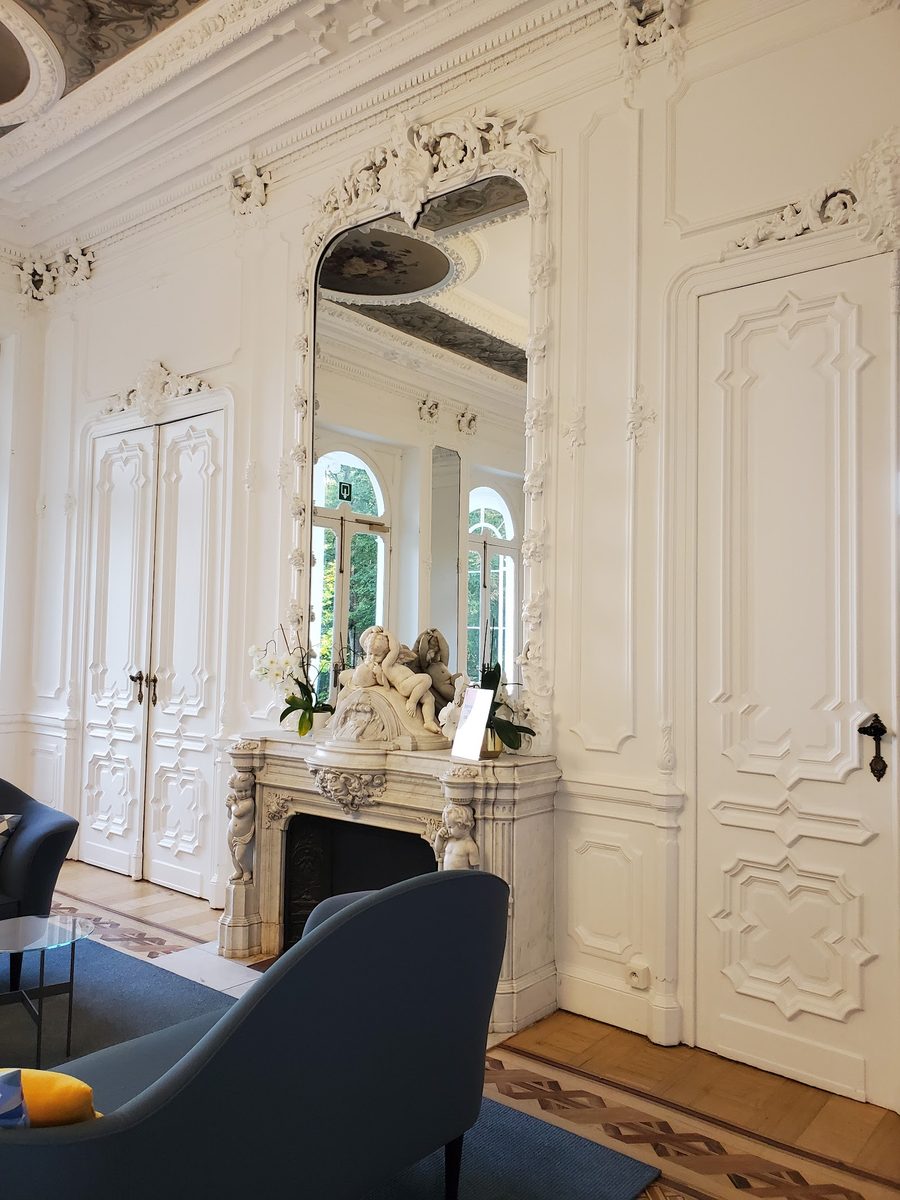
Photo © Ami via Google Maps
Type
Day
Ages
3–18
Curriculum
British · IB
Ratio
—
The Verdict
Editor's commitment
Right for
Families who want British foundations with the IB, on a 40-acre Brussels campus teaching 1,300+ students from 60+ countries.
Wrong for
Parents after low-cost international schooling, religious formation or boarding; ISB is non-religious, day-only, and averages €51,105 a year.
Watch out for
The sales pitch leans hard on personalised pathways and setting; beyond IBO accreditation and destinations like NYU and Cornell, hard outcome data stay thin.
Ranking breakdown
International School of Brussels · # of 1591
Composite score 72.0. 8 weighted criteria.
By criterion
Academic Outcomes
Weight 20%
#385
of 1529 scored
University Placement
Weight 16%
#398
of 1529 scored
Prestige & Heritage
Weight 12%
#438
of 1571 scored
Alumni Network
Weight 12%
#289
of 1530 scored
Facilities
Weight 12%
#329
of 1534 scored
Transparency & Communications
Weight 8%
#513
of 1532 scored
Peer & Industry Review
Weight 10%
#527
of 1548 scored
Admissions Selectivity & Demand
Weight 8%
#308
of 1529 scored
Score history
International School of Brussels · 2026
Movement across 2024–2026. Peer average overlaid.
Overall — 2024–2026
72.0/ 100
▲ +19.6 vs 2025
year on year
Peer & Industry Review
How International School of Brussels is regarded in the sector
82
Strong · medium confidence
The International School of Brussels is consistently cited in expat and relocation press (e.g., Expatica, InterNations forums) as one of the top international schools in Belgium, alongside British School of Brussels and St. John's International School, largely due to its IB and AP offerings and large campus. It is well-known among EU/NATO expat parent communities and corporate relocation guides as a benchmark institution for American-curriculum international education in Brussels, though it receives less specialist UK press coverage (Tatler, Good Schools Guide) than UK-based international schools.
Evidence sources
Editors' overview
The International School of Brussels trades on two assets that few schools can match: a 40-acre campus in the Forêt de Soignes, steps from a UNESCO World Heritage Site, and a long institutional memory that reaches back to 1951. That physical setting matters. Many city international schools ask families to accept cramped urban compromises; ISB offers woodland, space and the sort of grounds that change the texture of a school day. It also pairs British roots with the IB, which gives it a wider academic identity than schools that sit squarely in one national system. For internationally mobile families, that blend has real value.
This is a large, established, non-profit day school with 1,300+ students drawn from 60+ countries, taught in English and French. That scale cuts both ways. The upside is breadth: a deeper peer group, more room for niche interests, and a genuinely international social mix rather than a school that uses “international” as decoration. The trade-off is that parents looking for a tiny, tightly held environment will not get it here. ISB’s own language leans hard on personalised pathways and inclusion; the more important point is that the school has the size and programme range to make individualisation plausible. It is also an IB-accredited school, and its recent university destinations include Cornell, NYU and Columbia, which places it firmly in the bracket of schools whose graduates compete for selective US admissions.
At an average annual day fee of €51,105, ISB sits in the expensive end of the Brussels market. That price buys a rare combination: a substantial campus, a long-running international community and a British-plus-IB framework that suits families who want flexibility without surrendering academic seriousness. The school belongs on a shortlist for students who thrive in a cosmopolitan, full-scale environment and want choice rather than a narrow lane. It will suit self-directed children, internationally minded teenagers and families who value breadth, mobility and a grown-up school culture. It is less compelling for parents who want a small-school feel, heavy hand-holding or a more clearly singular academic identity.
Academic Performance
ISB’s academic reputation rests on scale, longevity and destination strength more than on hard public exam disclosure. The school sends graduates to selective US universities, which signals a cohort with real top-end ambition, but that is not the same thing as publishing a clean results profile. We have not seen aggregate IB Diploma outcomes, subject score distributions, or year-on-year university placement data beyond a short destinations snapshot. That leaves a gap. In a market where the strongest academic schools now treat results transparency as standard practice, ISB is less open than the best comparators. Parents who want headline proof in the form of average point scores, bilingual diploma rates or high-score proportions will not get it here.
That does not place the school in a weak academic bracket; it places it in an opaque one. The combination of a long-established international intake and an all-through structure gives ISB the ingredients for strong outcomes, and the recent destinations cited point to credible university counselling and students who can compete at the top end. But without published aggregate examination data, it is impossible to rank ISB precisely against Brussels rivals or against the fiercely data-driven leading IB schools elsewhere in Europe. The school’s academic standing is therefore best read as high-trust rather than fully evidenced: persuasive to families who value breadth and counselling, less convincing for parents who insist on published results tables.
Facilities
Facilities are one of ISB’s strongest cards. The campus gives the school room to do things that tighter city sites cannot: proper athletics provision, dedicated arts spaces and the kind of circulation that stops a large student body feeling crammed into corridors. The school itself points families to its athletics and arts facilities, and the woodland setting adds more than scenery; it changes breaktimes, outdoor learning and the general pressure level of the day. In Brussels, where many international schools trade space for postcode, that is a serious competitive advantage. Parents choosing between polished but space-starved urban campuses and this site will notice the difference at once.
Against peer schools, ISB sits in the upper tier for physical plant. A 40-acre campus beside the forest is rare capital in any European city, and rarer still in a market where many schools operate on adapted office, villa or compact suburban sites. That does not mean every facility is best-in-class; the school does not publish the kind of forensic specification list that would let parents compare lab count, theatre capacity or elite-level sports infrastructure line by line. But the broad picture is clear: this is a full-scale, properly resourced campus built for range, not improvisation. Families who want intimate charm over breadth will not care. Families who want space, specialist rooms and a campus with real physical authority will.
It is less compelling for parents who want a small-school feel, heavy hand-holding or a more clearly singular academic identity
Prestige
ISB carries real prestige, but it is the prestige of an established international institution, not a social-climbing trophy school. Its standing rests on three things: longevity, scale and the kind of global peer group that elite universities and mobile professional families recognise on sight. A student body of 1,300+ from 60+ countries gives the school weight that smaller operators cannot fake. That matters in Brussels, where many schools claim internationalism but deliver a narrower social and national mix. ISB has the depth, continuity and visibility of a school that has sat near the top of the market for decades. The non-profit structure also helps: it reads as educational seriousness rather than ownership-driven expansion.
The limits to that prestige are also clear. This is not a school with the forensic results transparency that underpins the strongest academic reputations in London, Geneva or Singapore. Its status therefore comes less from published performance data than from institutional confidence, selective university destinations and the hard-to-replicate quality of its setting and community. The average annual fee of €51,105 places it in a bracket where parents expect both cachet and substance; ISB delivers the cachet decisively, and enough substance to justify serious consideration. That makes it high-prestige without being untouchable: a school with genuine international clout, but not one that can rely on brand aura alone in a comparison with the most academically transparent rivals.
ISB has the depth, continuity and visibility of a school that has sat near the top of the market for decades
Communications
ISB communicates like a large, mature institution with a proper parent-facing infrastructure rather than a school run through ad hoc email chains. The public site is active, easy to navigate and visibly updated with a steady stream of school news and calendar items. That matters. Parents can see, at a glance, that daily school life is being recorded and surfaced, not hidden behind a login or left to word of mouth. The existence of a dedicated “My ISB” portal also points to a more structured communications backbone, with separate channels for routine operational information and outward-facing storytelling. For a school serving 1,300+ students and families from 60+ countries, that level of organisation is not a luxury; it is basic institutional competence.
The effectiveness looks strong on logistics and acceptable on transparency, with one clear weakness. News posts across different age groups, events listings and a prominent annual report all indicate a school that understands the need for regular, visible communication. Parents who want to know what is happening on campus will get a consistent flow. The weaker point is disclosure. ISB communicates activity, ethos and community life with professional polish, but it is less exacting when the subject turns to hard comparative data. That gap matters for analytical parents. In short: good at keeping families informed about school life, less rigorous at publishing the academic evidence that the best-run international schools now treat as standard.
Uniqueness
What sets ISB apart is not a single programme or slogan, but a rare combination that very few international schools can assemble: a genuine forest-edge campus, a large and mixed expatriate community, and a long-running institutional confidence that gives the place more heft than the average globally branded school. Plenty of schools offer “international” classrooms; fewer sustain a community of 60+ nationalities at meaningful scale. That breadth changes the student experience. Children do not grow up inside one dominant parent culture with a thin international veneer. They learn early how to operate across difference, how to build friendships that cut across passports, and how to navigate a social environment that is properly international rather than cosmetically so.
The other point of difference is the school’s size and physical setting working together. Large schools can feel anonymous; cramped schools can feel constrained. ISB avoids both traps better than most. A student population of 1,300+ creates choice — in friendships, interests and identity — while the wooded campus gives that scale room to breathe. For students, that brings a daily life that feels less boxed-in, more adult, and better suited to independent minds than the tightly managed atmosphere common at smaller schools. The trade-off is clear: children who need constant supervision or a highly sheltered environment will find more comfort elsewhere. Students who want range, autonomy and a campus with real presence will get something distinctive here.
Students who want range, autonomy and a campus with real presence will get something distinctive here
Student Profile
The students who thrive here are the ones who want room — social, intellectual and literal. In a community of 60+ nationalities and 1,300+ pupils, children meet many kinds of peers and have more than one route to belonging. That suits internationally mobile families, third-culture children and students who do not want their identity fixed by one dominant local clique. It also suits teenagers with independent habits and a taste for choice. A child who wants to build a niche, cross year-group and nationality lines, and test different interests has the scale to do it. A child who needs a tightly contained circle and constant adult orchestration will find the environment harder work.
The best fit is a student who is socially open, self-directed and comfortable in a school that runs on grown-up expectations rather than intensive hand-holding. This is not the place for families chasing a highly cosseted atmosphere or a narrow, exam-factory culture. It fits pupils who enjoy breadth, who can handle a diverse peer group without retreating into one passport tribe, and who value activity beyond the classroom as part of daily life. Creative students, sporty students and internationally minded high achievers all have room here. The weaker fit is the child who wants a tiny school where everybody knows everybody, or who needs heavy structure to stay on track. ISB rewards confidence, curiosity and a degree of social resilience.
It also pairs British roots with the IB, which gives it a wider academic identity than schools that sit squarely in one national system
Co-curricular strengths
Arts & sport, on a separate axis
Overall 9.02/10
Scored 0-10 from the school's own published evidence. This axis is editorial-only — it does not feed the main WTS ranking.
Sports
9.7/10
Capitalizes on its spacious European green campus, balancing traditional competitive field tracking with excellent alpine and field sports.
Drama
9/10
Features spectacular performing arts spaces, staging grand international, multilingual productions and technical theater arts.
Dance
8/10
Strong studio track running technical contemporary, jazz, and synchronization choreography.
Music
9.2/10
Staggering musical infrastructure anchored by world-class on-campus concert setups and global student ensembles.
Visual Arts
9.2/10
Sun-drenched, professional-standard studio workshops specialized for fine art, digital graphic design, and high-end multimedia.
Editor-verified · 8/6/2026
Outcomes & destinations
Where students go next
130 graduates
Top destinations
48 placements
- Cornell University· 2
- NYU· 3
- Columbia University· 1
- Cambridge· 2
- Oxford· 1
- UCL· 4
- Imperial College London· 3
- LSE· 3
- King's College London· 3
- KU Leuven· 8
- Ghent University· 3
- University of Amsterdam· 3
- McGill University· 3
- University of Toronto· 3
- Bocconi University· 3
- Sciences Po· 3
Reported by the school. Confirm with admissions.
Strengths
- +Belgium's oldest international school, founded in 1951 and continuously operating for over seven decades in the Brussels area.
- +Accredited by both the Middle States Association of Colleges and Schools and the Council of International Schools.
- +Set on a 40-acre wooded campus in Watermael-Boitsfort bordering the Foret de Soignes, a UNESCO World Heritage forest.
- +Offers a genuinely broad range of exit pathways, including the full IB continuum (PYP, MYP, DP) alongside AP, BTEC and a US High School Diploma track.
- +Large, long-established expatriate community of roughly 1,300 students drawn from 60 or more nationalities.
Considerations
- −Tuition is among the highest in Brussels, with published estimates running from roughly EUR 23,000 to over EUR 45,000 a year depending on grade level, plus a EUR 2,000 non-refundable application fee.
- −Popular year groups run waiting pools rather than guaranteed places, so families arriving mid-cycle may not get their preferred entry point.
- −As with most large corporate-expat schools, the family population turns over substantially each year, which can affect continuity of friendships and community.
- −Suburban forest-edge location means families based in central Brussels face a longer commute or reliance on the school bus network.
Availability
Primary entry gate & tests
Academic Record
Gallery
Photo © Ami via Google Maps
Photo © Ami via Google Maps
Photo © Ami via Google Maps
Photo © Ami via Google Maps
Photo © tomato samurai via Google Maps
Photo © International School of Brussels via Google Maps
Photo © International School of Brussels via Google Maps
Photo © International School of Brussels via Google Maps
Photo © International School of Brussels via Google Maps
Parent reviews
Have you sent your child here?
Voice reviews carry the strongest trust badge — we transcribe them for you to tidy up before they go live. Prefer to type? A written review is fine too.
Add your voice
In 60 seconds, tell other parents: what's the best thing about International School of Brussels, and what surprised you when your child joined?
We ask for a Google sign-in so every review has a real face behind it — no anonymous drive-by attacks on schools, and no faked positive reviews. Your email is never shown publicly.
Send this profile to a friend
International parents rely on word-of-mouth. Share this review with someone weighing the same decision.
Schools with places
Similar schools to International School of Brussels with places available now.
Availability first, then country, area, curriculum, price, co-curricular
Consider also
Also worth looking at alongside International School of Brussels.

The British School of Brussels
Brussels · Belgium
In woodland Tervuren near Brussels, the only Belgian school pairing A Levels, IB Diploma and BTEC under one roof.

St. John's International School
Waterloo · Belgium
In quiet Waterloo, one of the few Belgian schools running the full IB continuum alongside AP, staged in a 400-seat theatre.
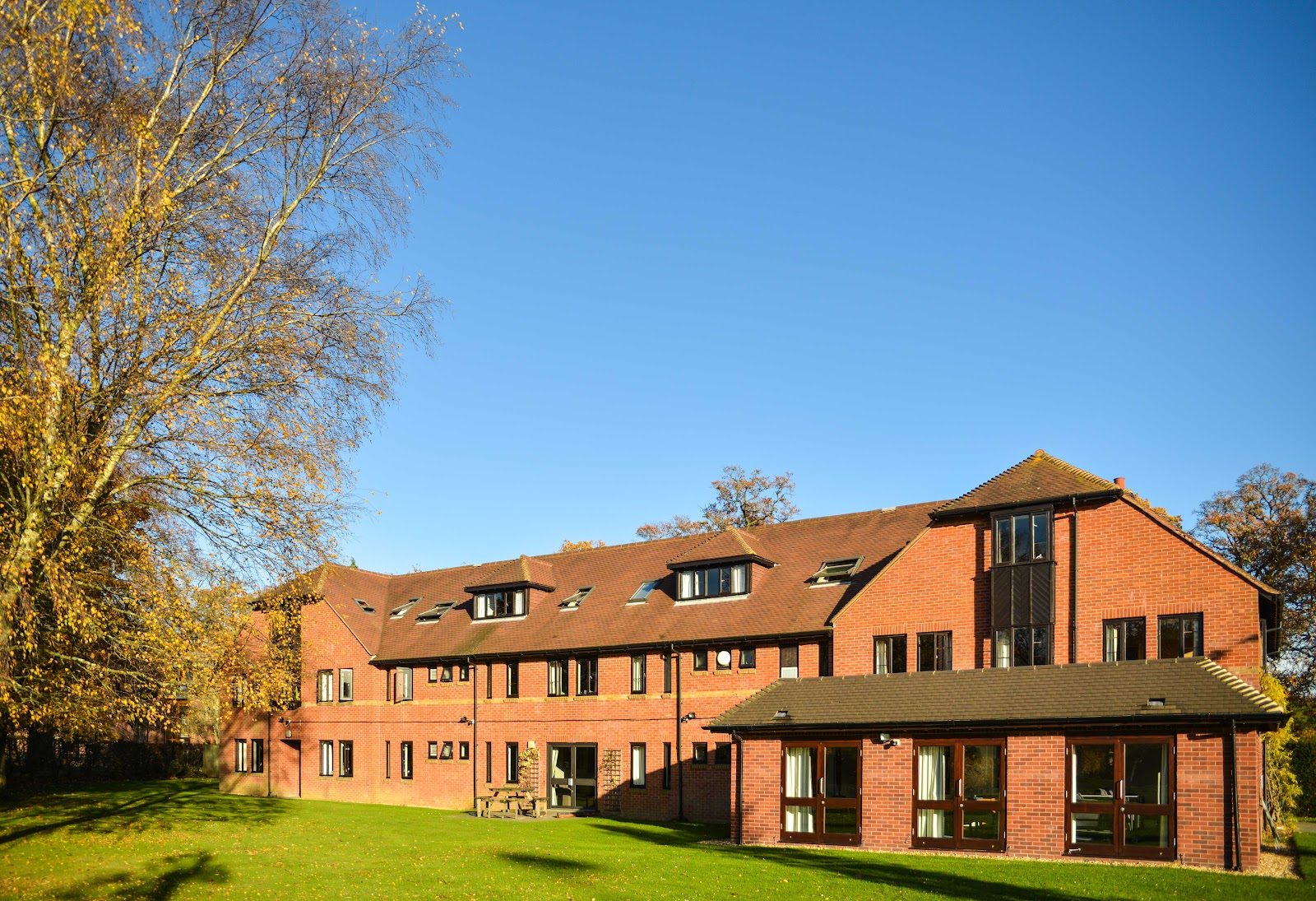
Canford School
Wimborne Minster · United Kingdom
A Sir Charles Barry-designed Grade I manor on the River Stour, home to one of England's last two working real tennis courts.
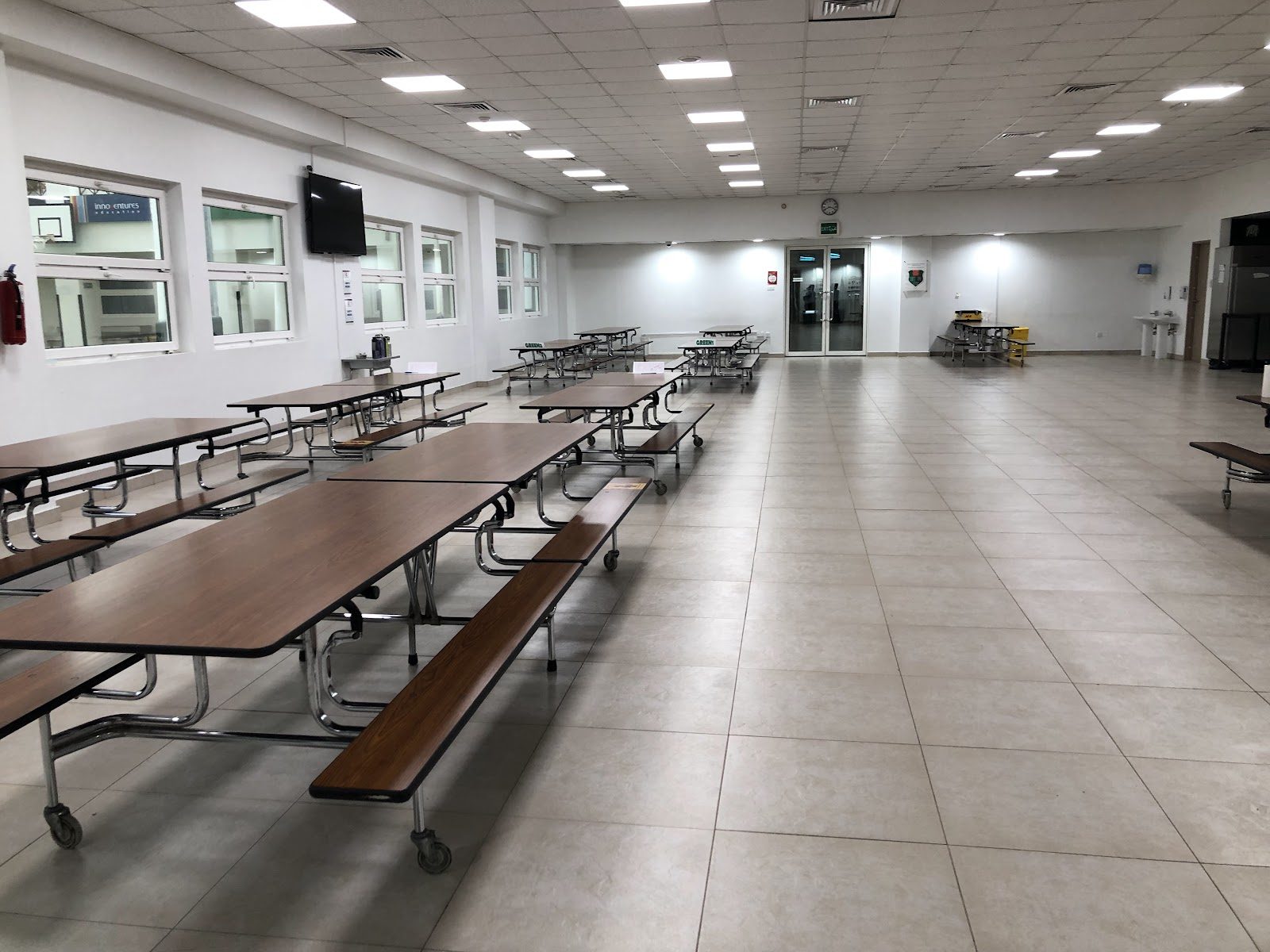
Dubai International Academy Emirates Hills
Dubai · United Arab Emirates
Launched the UAE's first full IB continuum in 2005, and the only Dubai school to win back its top KHDA rating after losing it
Same country and curriculum — closest matches within ±10 points either way