
Florida
St. Andrew's School
An Episcopal boarding tradition near the Atlantic pairs New England house life with IB rigor and a national squash title.
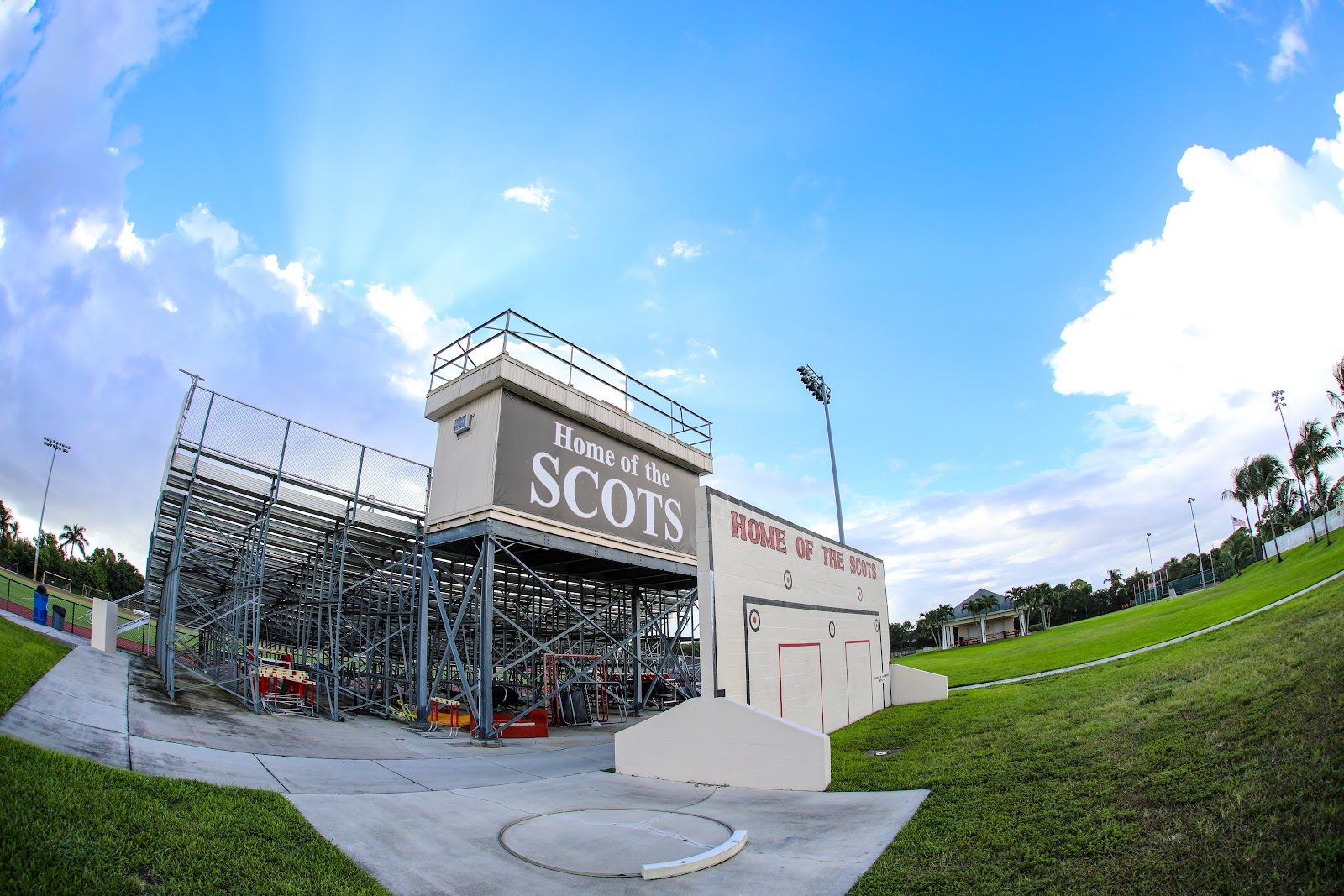
Photo © Saint Andrew's School via Google Maps
Type
Boarding & Day
Ages
11–18
Curriculum
American
Qualifications
AP · IB Diploma
Ratio
8:1
The Verdict
Editor's commitment
Right for
Families wanting Episcopal boarding with New England house life, an 8:1 ratio and three IB programmes on one Boca campus.
Wrong for
Parents after a cheap Florida private school: day averages $44,312 and boarding $79,500, before trips, sport and extras.
Watch out for
The school touts 90% to top-100 colleges and 50+ state titles; it does not publish aggregate exam results.
Ranking breakdown
St. Andrew's School · # of 1591
Composite score 60.1. 8 weighted criteria.
By criterion
Academic Outcomes
Weight 20%
#1084
of 1529 scored
University Placement
Weight 16%
#965
of 1529 scored
Prestige & Heritage
Weight 12%
#1200
of 1571 scored
Alumni Network
Weight 12%
#1029
of 1530 scored
Facilities
Weight 12%
#559
of 1534 scored
Transparency & Communications
Weight 8%
#943
of 1532 scored
Peer & Industry Review
Weight 10%
#1372
of 1548 scored
Admissions Selectivity & Demand
Weight 8%
#991
of 1529 scored
Peer & Industry Review
How St. Andrew's School is regarded in the sector
60
Respected · medium confidence
St. Andrew's School is regarded within Florida independent-school circles as one of the state's stronger college-preparatory boarding-and-day institutions, holding membership in NAIS, TABS, and FCIS, credentials that place it alongside peer institutions like Ransom Everglades and The Benjamin School in professional networking and accreditation forums. Its IB Diploma Programme and boarding presence give it a distinct profile among Boca Raton-area independent schools, drawing cross-admission comparisons with other Florida boarding options such as Admiral Farragut Academy. University-facing signals are modest but positive: the school publishes matriculation lists showing graduates entering a range of respected US universities, and its college counseling office is staffed with NACAC-affiliated counselors who engage in reciprocal campus-visit relationships with admissions offices. Independent education press coverage is limited compared to nationally ranked boarding schools; it does not feature prominently in Good Schools Guide International or WhichSchoolAdvisor rankings, reflecting its regional rather than international reputation. Niche.com and local Boca Raton/Palm Beach media rank it favorably among area private schools. Overall, it is respected as a solid regional college-prep and boarding option rather than a nationally benchmarked elite institution.
Editors' overview
St. Andrew’s trades on a combination that few Florida schools can match: Episcopal boarding tradition, three IB programmes on one campus, and a house-based residential life close to the Atlantic rather than in the New England corridor where this model is more common. Founded in 1961, it runs as a boarding and day school for ages 11 to 18 with English as the language of instruction, and the school’s 8:1 student-teacher ratio signals real adult attention rather than crowd management. The attraction is not novelty but range: an American school structure with an international student body drawn from more than 40 countries, a declared college-preparatory focus, and enough scale to sustain serious co-curricular breadth. For families who want US schooling without a purely local intake or a thin extracurricular offer, that is a distinctive proposition.
The school earns its shortlist place on breadth and texture rather than on transparent academic data. It does not publish aggregate IB or AP outcomes in the public domain, which matters at this price point. Still, there is substance elsewhere. St. Andrew’s carries NAIS and SAIS accreditation, sits within the Episcopal tradition without reading as doctrinaire, and backs its “whole child” language with visible infrastructure: more than 50 student clubs, more than 50 athletic state championships, more than 80 individual state championships, and an award-winning entrepreneurial studies programme. The squash reference in the tagline is not decorative; this is a school where high-level sport has a real place in the culture. Fees place it in the expensive end of the US independent market: an average annual day fee of $44,312 and an average annual boarding fee of $79,500 across the full ladder it covers.
The right student for St. Andrew’s is ambitious, busy and comfortable in a structured environment. Boarders who want a contained campus life, international mix and properly full programme will find a strong fit. So will day pupils who want access to the same academic and extracurricular machinery without the boarding element. This is not the obvious choice for families hunting a small, bohemian school or a place that foregrounds progressive looseness over institutional shape. It suits pupils who value clear standards, strong pastoral scaffolding and the chance to combine academic rigour with competitive sport, arts or leadership. In market terms, St. Andrew’s sits as a polished, high-cost, globally minded American independent school with a genuine boarding identity, not a day school with a few dorms attached.
Academic Performance
Academic performance is the weak point in St. Andrew’s public case, not because standards are low, but because the school does not publish the aggregate numbers that serious parents expect. There are three IB programmes on one campus and the school markets itself as college preparatory, yet no overall IB diploma average, pass rate, subject distribution or multi-year trend sits in the public domain. Nor does the school publish AP aggregates. That omission places St. Andrew’s behind the data-forward end of the US independent market, where peer schools now treat exam disclosure as standard practice rather than optional extra. The available destination claim — 90% of graduates accepted to Top 100 colleges — is useful only in a limited way. Acceptance data is not enrolment data, and “Top 100” is a broad basket that tells parents little about academic depth at the top end of the cohort.
Relative to peers, then, St. Andrew’s sits in an awkward middle ground: ambitious enough to promise rigour, not transparent enough to prove it cleanly through published exam outcomes. That does not make it a weak academic school. A low staffing ratio, a full college-preparatory structure and a student body drawn from more than 40 countries point to serious institutional capacity. But in editorial terms, this remains a school whose academic reputation rests more on programme breadth and university placement claims than on hard, comparable examination data. For families comfortable judging schools through culture, teaching access and destination patterns, that will suffice. For analytically minded buyers, it is a gap.
Facilities
Facilities are one of St. Andrew’s stronger cards. The school has the scale to support a properly built-out programme rather than a token set of specialist rooms, and the public-facing offer points to strength in the areas parents notice first: sport, arts, enterprise and residential life. More than 50 student clubs and an award-winning entrepreneurial studies programme only work if there is real physical provision behind them, and St. Andrew’s has long treated those domains as core rather than decorative. The athletic record points to a campus with serious training infrastructure, not just fields for general participation, while an award-winning arts programme signals dedicated performance and practice space rather than occasional use of multipurpose halls. For boarders, the key facility question is whether boarding feels bolted on or embedded. Here, the answer is embedded: this is a school with a genuine residential centre of gravity, not a day campus with spare beds.
Against peers, that places St. Andrew’s above the many Florida independents that do day schooling well but lack a full boarding ecosystem, and in line with US schools that use facilities to sustain an all-day, all-evening student life. The weakness is not the campus plant but the public explanation of it. The school advertises range more than detail. Parents can infer depth from the breadth of activity and the haul of 50+ athletic state championships and 80+ individual state titles, but they do not get the same forensic clarity on labs, studios, theatres or boarding-house configuration that the best competitor schools now publish.
For families who want US schooling without a purely local intake or a thin extracurricular offer, that is a distinctive proposition
Prestige
St. Andrew’s carries real prestige, but it is a specific kind of prestige. This is not the old-guard New England boarding circuit, nor the ultra-selective US day-school tier whose status rests on Ivy pipelines and immaculate public data. Its standing comes instead from institutional range, international reach and a boarding culture with enough substance to attract families from more than 40 countries. The school has the markers affluent parents recognise: a serious residential offer, membership networks that matter in US independent schooling, a visible Episcopal backbone, and the scale to support an award-winning entrepreneurial studies programme, more than 50 student clubs and a strong arts and athletics platform. Being one of only 20 Round Square schools in the United States adds a useful external signal. That matters because it places St. Andrew’s in a recognised global-minded subset rather than leaving it as a purely local Florida private school.
The limitation is clear. Prestige rises fastest when a school couples breadth, selectivity and publicly legible academic results. St. Andrew’s delivers the first, projects the second, and withholds the third. That keeps it out of the undisputed top bracket. Even so, within the market for families seeking a high-status, internationally mixed American boarding school with polished co-curricular depth and a serious institutional identity, St. Andrew’s has weight. Its reputation is strongest with parents who value environment, access and network as much as published exam tables.
The available destination claim — 90% of graduates accepted to Top 100 colleges — is useful only in a limited way
Communications
St. Andrew’s communicates with parents in the manner of a confident independent school: polished, frequent and controlled. The public site is orderly, easy to navigate and clear on institutional priorities — admissions, student life, values and programme breadth all surface quickly. That matters for busy families, and it reduces the friction that weaker schools create with cluttered navigation or vague copy. The school also projects scale and activity convincingly: more than 50 student clubs, 20+ immersion options and a faculty body above 160 all signal a campus with enough moving parts to require steady parent communication. A school serving families from over forty countries cannot rely on informal corridor chat; it needs systems. St. Andrew’s gives the impression of having them.
The limitation is precision. Communication is strong on tone, community and opportunity, but thinner where hard scrutiny starts. Parents get plenty on ethos, student experience and points of pride; they get far less on academic outcomes in a form that allows clean comparison. That weakens trust with the data-hungry end of the market. The same pattern runs through practical detail: the school conveys institutional confidence well, but not with the forensic transparency that top competitors now treat as standard. For families who want a school to feel warm, organised and purposeful, St. Andrew’s communicates effectively. For families who judge communication by published performance data and granular operational detail, it leaves work to the parent.
Uniqueness
What sets St. Andrew’s apart is not a single headline feature but a rare combination that few American schools assemble on one campus. It marries an Episcopal frame with a genuinely international student body, full residential life and the complete International Baccalaureate continuum, all within a school that still reads as unmistakably American in structure and ambition. That mix gives students a dual fluency: they move through a structured, tradition-conscious environment while working in classrooms shaped by global mobility, cross-cultural exchange and a curriculum built to reward independence rather than rote compliance. Membership of Round Square sharpens that identity further. In practice, this is a school for pupils who want more than local private-school comfort and more than generic “global mindedness” as a slogan.
The benefit to students is range with consequences. A child can live in a house-based boarding culture, study within a demanding academic framework, compete in a sports programme with a serious winning habit, and still find space for enterprise, arts and service without the whole thing feeling pieced together. The entrepreneurial studies programme matters here because it cuts against the old stereotype of Episcopal schools as polished but conventional. So does the breadth implied by students from 40+ countries and more than 50 student clubs: exposure is built into daily life, not reserved for occasional theme weeks. For the right student, that produces a bigger, more outward-facing education than the standard US independent-school model.
Acceptance data is not enrolment data, and “Top 100” is a broad basket that tells parents little about academic depth at the top end of the cohort
Student Profile
The best fit at St. Andrew’s is a student who wants a full timetable and can carry multiple commitments without losing grip. This is a place for children who are comfortable being busy: lessons with academic bite, organised sport, arts, clubs, service and the social demands of a residential community all compete for time. Pupils who thrive here tend to like structure, respond to clear expectations and cope well with adult oversight. The school’s Honor Code and Episcopal frame give the culture a moral spine, and that suits families who want standards reinforced in daily life rather than left vague. With students drawn from 40+ countries and one of only 20 Round Square schools in the United States, the social mix is unusually international for an American independent school and stronger for students who are curious, outward-facing and at ease with difference.
The weaker fit is the child who wants anonymity, loose edges or a niche micro-school culture. St. Andrew’s has too much institutional shape for that. Competitive athletes, especially in sports with a serious performance culture, will find peers and momentum; so will students who like ambitious extracurriculars with visible outcomes. Boarders need enough independence to manage communal living and enough resilience to handle a campus where participation is not optional in spirit, even when it is optional on paper. This suits the driven, well-organised student far better than the wilfully unstructured one.
The school earns its shortlist place on breadth and texture rather than on transparent academic data
Co-curricular strengths
Arts & sport, on a separate axis
Overall 8.74/10
Scored 0-10 from the school's own published evidence. This axis is editorial-only — it does not feed the main WTS ranking.
Sports
8.8/10
Drama
8.9/10
Dance
8.8/10
Music
8.7/10
Visual Arts
8.5/10
Strengths
- +Founded in 1961, St. Andrew's has more than six decades of continuous operation as an Episcopal, coeducational day and boarding school.
- +The 74-acre Boca Raton campus houses facilities including an aquatics center, equestrian program, and dedicated fine arts spaces.
- +Offers a full PK3 through Grade 12 continuum, giving day families a single-school pathway without a change of institution.
- +Boarding is available from the upper grades, attracting an international student cohort alongside South Florida day students.
- +Accredited through recognized independent-school bodies, supporting credit transferability and college-counseling credibility.
Considerations
- −Boarding capacity is comparatively small next to larger flagship US boarding schools, limiting the breadth of dorm life and peer network.
- −Boca Raton is not a traditional New England boarding-school hub, so families should weigh the suburban Florida setting against classic boarding-school imagery.
- −As an Episcopal-affiliated school, chapel and religious observance are part of community life, which may not suit all secular or non-Christian families.
- −Editorial rank (747) and 'rising star' tier indicate it sits outside the most internationally recognized upper tier of US boarding schools.
Availability
Primary entry gate & tests
SSAT/ISEE + Interview
Gallery
Photo © Christopher Hooper (BLUERAVENstudios) via Google Maps
Photo © Christopher Hooper (BLUERAVENstudios) via Google Maps
Photo © Christopher Hooper (BLUERAVENstudios) via Google Maps
Photo © Christopher Hooper (BLUERAVENstudios) via Google Maps
Photo © Christopher Hooper (BLUERAVENstudios) via Google Maps
Photo © Christopher Hooper (BLUERAVENstudios) via Google Maps
Photo © Saint Andrew's School via Google Maps
Parent reviews
Have you sent your child here?
Voice reviews carry the strongest trust badge — we transcribe them for you to tidy up before they go live. Prefer to type? A written review is fine too.
Add your voice
In 60 seconds, tell other parents: what's the best thing about St. Andrew's School, and what surprised you when your child joined?
We ask for a Google sign-in so every review has a real face behind it — no anonymous drive-by attacks on schools, and no faked positive reviews. Your email is never shown publicly.
Send this profile to a friend
International parents rely on word-of-mouth. Share this review with someone weighing the same decision.
Schools with places
Similar schools to St. Andrew's School with places available now.
Pine Crest School
Fort Lauderdale · United States
- 2026-27
- CLOSEDRegular cycle closed
- 2027-28
- OPENS SOONOpens Sept '26
Ransom Everglades School
Miami · United States
- 2026-27
- CLOSEDRegular cycle closed
- 2027-28
- OPENS SOONOpens Sept '26
Availability first, then country, area, curriculum, price, co-curricular
Consider also
Also worth looking at alongside St. Andrew's School.

Germantown Friends School
Philadelphia · United States
Rooted in an 1845 Quaker meeting in historic Germantown, where juniors design a month-long independent study of their own.
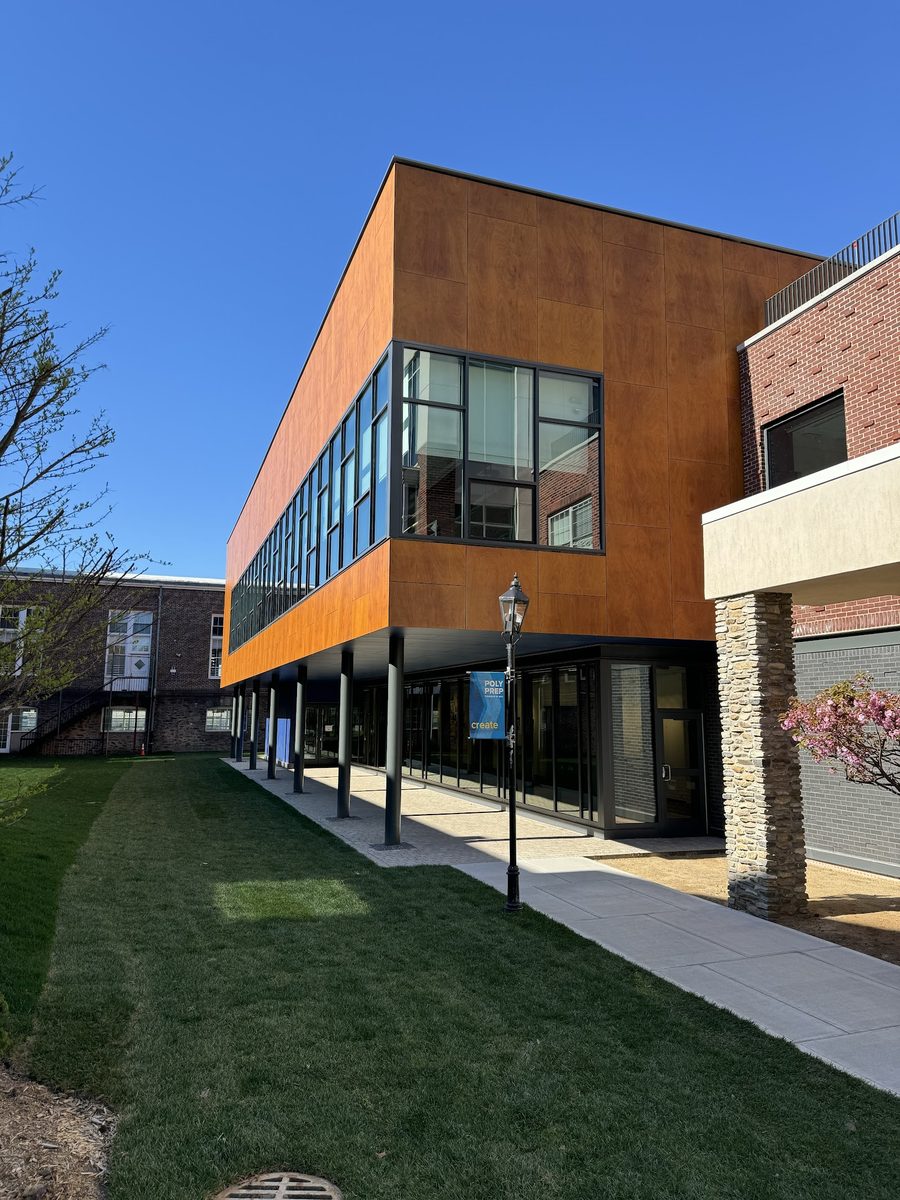
Poly Prep Country Day School
Brooklyn · United States
Founded in 1854 as Brooklyn's first boys' school, this day school pairs a Prospect Park mansion with a 25-acre Dyker Heights campus.
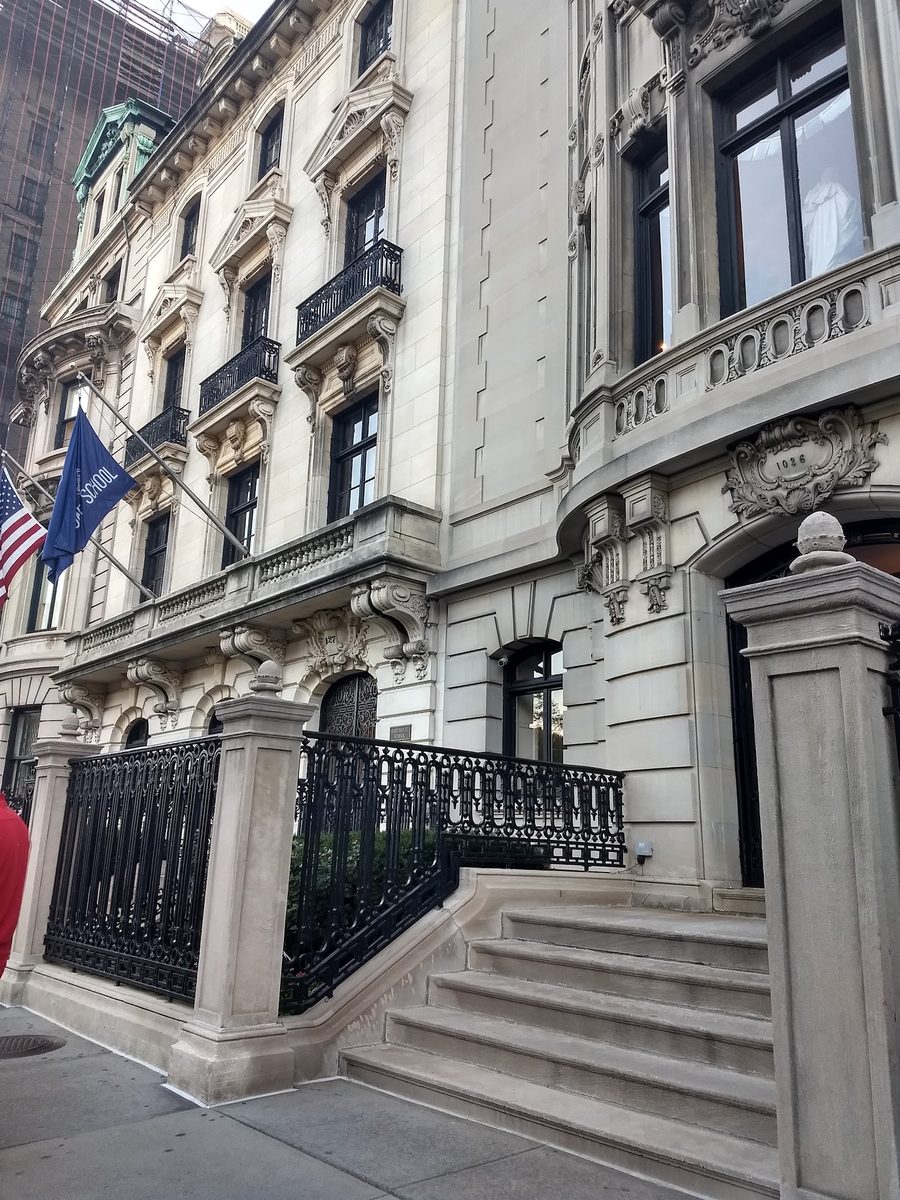
Marymount School of New York
New York City · United States
On Fifth Avenue, landmark mansions give way to Bloomberg terminals and classrooms inside the Met.
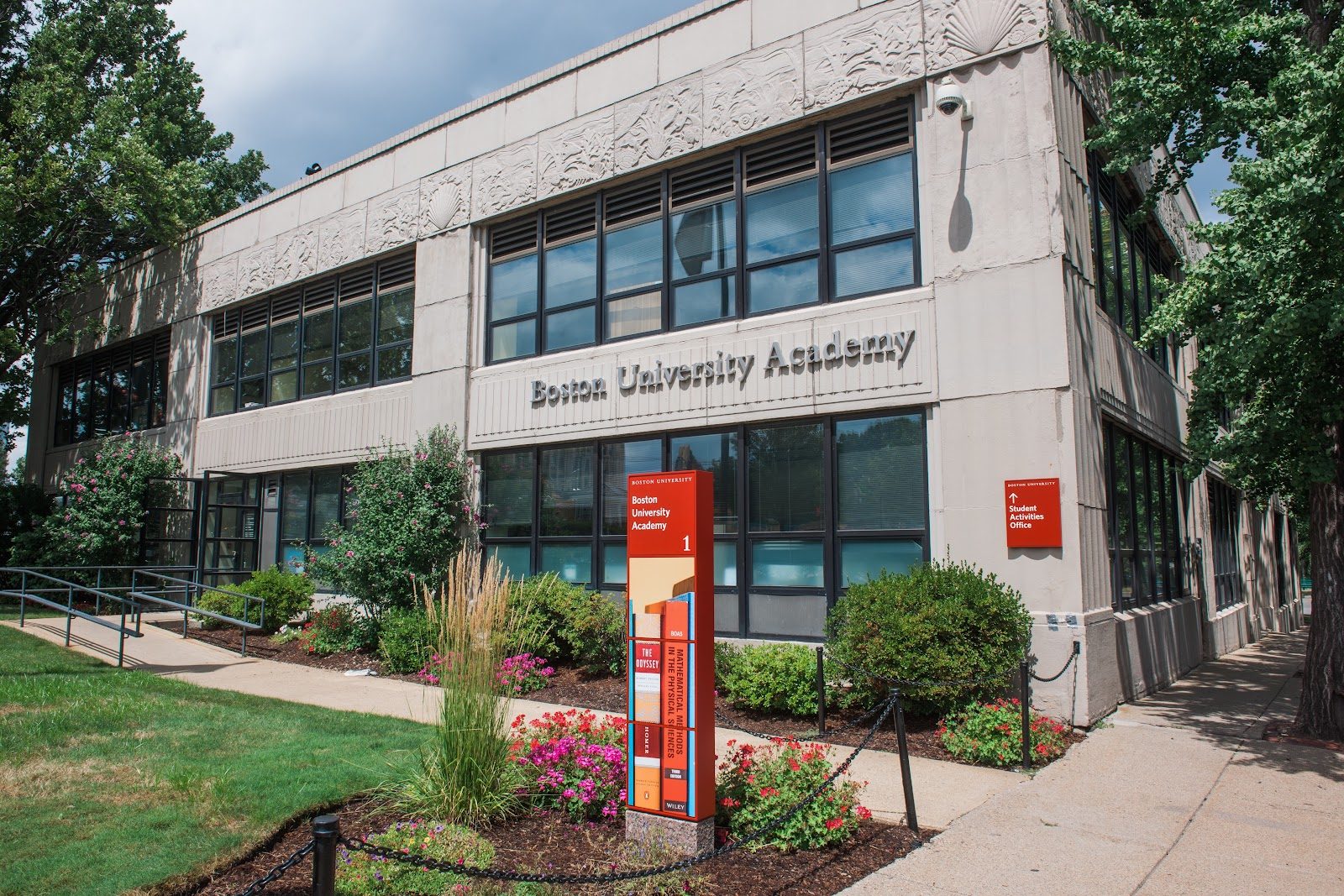
Boston University Academy
Boston · United States
Upperclassmen trade study halls for Boston University lecture halls, banking college credit before graduation.
Same country and curriculum — closest matches within ±10 points either way