
Somerset
Downside School
low confidence· 2/6 cats · 3 avg sourcesRooted in a 1606 Benedictine exile from Douai, four centuries of monastic scholarship shape this Somerset campus.

Photo © Downside School via Google Maps
Type
Both
Ages
11–18
Curriculum
British
Qualifications
A-Level · GCSE
Ratio
—
The Verdict
Editor's commitment
Right for
Families wanting a mixed Catholic school in Somerset with British curriculum teaching, ISI and HMC membership, and boarding from age 11.
Wrong for
Parents who want a secular environment, another curriculum, or a lower-cost option than £27,312 day and £46,548 boarding.
Watch out for
Founded in 1614 and shaped by Benedictine identity, Downside is old-school by design; that culture suits some teenagers and alienates others.
Ranking breakdown
Downside School · #694 of 1591
Composite score 59.4. 8 weighted criteria.
By criterion
Academic Outcomes
Weight 20%
#902
of 1529 scored
University Placement
Weight 16%
#848
of 1529 scored
Prestige & Heritage
Weight 12%
#537
of 1571 scored
Alumni Network
Weight 12%
#1390
of 1530 scored
Facilities
Weight 12%
#666
of 1533 scored
Transparency & Communications
Weight 8%
#779
of 1532 scored
Peer & Industry Review
Weight 10%
#893
of 1548 scored
Admissions Selectivity & Demand
Weight 8%
#837
of 1529 scored
Peer & Industry Review
How Downside School is regarded in the sector
66
Respected · medium confidence
Among surviving Catholic boarding schools - Ampleforth, Stonyhurst, Worth - Downside is viewed with a mix of sympathy and caution: peer heads acknowledge its safeguarding reckoning, documented by IICSA, was among the most severe in the sector, and its recovery is watched as a bellwether for Catholic boarding's wider credibility. University admissions patterns reflect a small sixth form rather than an academically hot-housed cohort, with a modest but steady flow to Russell Group universities and occasional Oxbridge places. Independent guides such as the Good Schools Guide and ISI inspection reports note improved pastoral and safeguarding structures since governance reform, while stopping short of ranking Downside among the sector's academic leaders. National newspaper league tables place it mid-table among Catholic independents, well below Ampleforth's historical standing. Trade press coverage has centred less on academic ranking than on governance and accountability, framing Downside as a case study in institutional reform rather than an academic riser.
- Auberon Waugh — Journalist, Writer
- Piers Paul Read — Novelist, Writer
- David Plunket Greene — Singer, Music
Editors' overview
Downside’s case starts with history and faith, not gloss. Founded in 1614 and rooted in a Benedictine exile from Douai, it offers something rare in the British market: a Catholic boarding and day school with a monastic inheritance that still gives the place its shape. That matters. Plenty of schools borrow the language of values; Downside has a governing tradition behind it. For families who want education tied to moral seriousness, old-world continuity and a clear religious frame, that is its strongest point of difference. The Somerset setting adds to the appeal: this is not an urban, high-pressure school selling metropolitan polish, but a campus built around quiet authority and routine.
Its market position is clear. Downside sits in the group of established English independent schools where heritage, chapel, pastoral structure and full secondary education from 11–18 carry more weight than aggressive brand theatre. The school is mixed, Catholic, taught in English, and inspected within the standard independent-school framework, with 2 accreditations listed here: ISI and HMC. Parents should shortlist it if they want a school where religion is not an optional extra and where the culture has been formed over centuries rather than assembled by marketing staff. They should also go in with open eyes: Downside’s selling point is not novelty, nor a flashy corporate identity, but institutional depth, liturgical life and a sense of ordered community.
The right student for Downside is one who will thrive in a school with structure, tradition and a visible Catholic ethos. Pupils who want constant spectacle, loose boundaries or a relentlessly transactional approach to education will find stronger fits elsewhere. Pupils who value belonging, ritual, music, service and the steadying effect of a settled adult culture will find more here. This is a school for families who want education to do more than deliver grades: they want character, conscience and formation, and they want those things carried by four centuries of memory.
Academic Performance
Downside does not publish headline public exam data in the sources reviewed here, and that is the central problem for any parent trying to place it academically. We have not seen aggregate GCSE outcomes, A-level grade profiles, value-added data, university destination lists or subject-by-subject breakdowns. In a market where serious competitors put at least some of that into the public domain, that leaves Downside in an opaque position. The absence of numbers does not prove weak performance; it does block scrutiny. For a school trading on history, community and moral formation, that may suit its instincts. For parents comparing academic return across expensive independent schools, it is a clear deficit.
Relative to peers, then, Downside sits outside the group of schools that use published results to make an academic case in hard terms. It reads less like an institution competing on league-table muscle and more like one asking families to buy into culture, faith and pastoral shape first. That is a legitimate choice, but it shifts the burden onto admissions conversations. Parents should ask for the last 3 years of GCSE and A-level results, top-grade rates, Russell Group and Oxbridge offers, and retention into sixth form. Until those figures are disclosed, Downside’s academic standing remains unproven in public.
Facilities
The school’s strongest facility asset is not a glossy sports village or a new-build STEM block, at least not in the sources we have seen. It is the campus fabric that comes with a long-established Catholic school tied to a Benedictine setting: chapel life, communal spaces shaped by ritual, and the kind of built environment that supports ordered daily routine rather than spectacle. For the right family, that matters more than architectural novelty. Parents looking for showpiece modernity or a campus sold on design statements will need to ask hard questions on a visit, because the school does not publish a clear, detailed public account of specialist teaching spaces, performance venues, laboratories or boarding-house provision. That silence leaves the facilities picture less transparent than it should be.
Against peer schools, that puts Downside at a disadvantage in presentation. Many competitors now map their estates carefully: sports infrastructure, theatre capacity, music rooms, science suites, sixth-form centres, maker spaces, even photography and design workshops. Downside’s public-facing case is thinner. That does not mean the estate is weak; it means families must inspect it for themselves. The benchmark here is simple: if a school charges independent-school fees, it needs to show where pupils will work, train, rehearse and live. Downside’s advantage is atmosphere and continuity. Its weakness is public detail. In facilities terms, it reads as a school selling place and culture first, bricks-and-mortar proof second.
Parents should ask for the last 3 years of GCSE and A-level results, top-grade rates, Russell Group and Oxbridge offers, and retention into sixth form
Prestige
Downside carries real but niche prestige. In the British independent sector, its standing rests on heritage, Catholic identity and the cultural weight of an old public-school model, not on the brute force of contemporary academic branding. That distinction matters. Among Catholic families, and among parents who value a school with a serious religious centre rather than a token chapel line in the prospectus, Downside has genuine cachet. HMC membership reinforces that status. So does the fact that it remains a recognised name in the small circle of historic Catholic schools. This is not a newcomer trying to manufacture status; it has institutional memory and a social identity that many rivals cannot fake.
Its prestige is narrower outside that circle. Downside does not command the instant mainstream recognition of the biggest Anglican foundations or the academically dominant day schools, and the lack of published headline exam data weakens its authority with hard-nosed international parents. Prestige today needs proof as well as pedigree. On pedigree, Downside is strong. On public academic evidence, it is underpowered. The result is a school with old reputational capital rather than peak-market dominance: respected, distinctive and still capable of attracting families who want faith, continuity and manners, but not operating at the top-table level of British independent-school prestige in the broadest sense.
But the public face stops short of full-spectrum transparency
Communications
Downside’s parent communications read as functional rather than expansive. The navigation itself tells the story: contact routes are easy to find, governance and safeguarding are given visible space, and the school makes room for prospectus material, policies and reports. That is the architecture of a school that understands the basics of accountability. It does not read like a school obsessed with constant digital performance. For some families, that restraint will feel reassuringly old-school. For others, it will feel thin. We have not seen the kind of rich public parent-information ecosystem that stronger operators now provide: detailed academic reporting, calendar depth, regular news flow, or a clear explanation of how day-to-day school life is communicated once a child is enrolled.
Effectiveness, then, is mixed. Downside gives parents the essentials: how to make contact, who leads the school, where to find formal documents, and where safeguarding sits in the institutional structure. That matters, and plenty of schools bury it. But the public face stops short of full-spectrum transparency. The school does not use its website to answer the obvious comparative questions that fee-paying parents ask before they enquire. That gap weakens confidence. In communications terms, Downside projects institutional seriousness and administrative competence, but not the crisp, information-rich clarity that defines the best independent-school parent engagement. Before applying, parents should ask to see sample parent newsletters, reporting cycles, portal access, response-time expectations, and how concerns are escalated across staff and leadership.
Uniqueness
What sets Downside apart is not generic “values” language but the fact that its Catholic identity is tied to a living Benedictine inheritance rather than a branding exercise. That gives the school a different centre of gravity from many independent competitors. The point is not just chapel attendance or formal observance; it is a culture shaped by rhythm, restraint, service and intellectual seriousness. For pupils, that can be deeply stabilising. Adolescence in a school like this is framed by ritual, expectation and a moral vocabulary older than any current educational fad. Families who want a thin, optional faith layer will find this too strong. Families who want education with a serious inner life will find that strength is the whole proposition.
That distinctiveness brings clear gains and clear limits. The gains are community, continuity and a sense that school life answers to something beyond performance metrics and university packaging. Pupils get a setting where belonging carries duties as well as comforts, and where adult authority has more weight than trendiness. That can produce grounded, self-possessed young people who are less buffeted by the usual noise of status competition. The limit is just as plain: this is a tradition-bound environment, and not every child wants that. Downside is unusual because it still asks students to enter a formed culture rather than build one around their preferences. For the right pupil, that is formative in the best sense. For the wrong one, it will feel constraining within 2 terms.
Plenty of schools borrow the language of values; Downside has a governing tradition behind it
Student Profile
The pupils who fit best here are those who can live inside a settled culture without fighting it at every turn. Downside suits adolescents who respond to routine, respect adult authority and do not need school to flatter them with constant novelty. A child with patience for ritual, chapel life, communal expectations and the slower rewards of belonging will do well. So will the student who likes music, service, reading and reflective time more than display. This is a strong match for families who want a school to shape conduct as well as attainment. It is a poor match for the child who treats every rule as a negotiation, wants a relentlessly high-octane social scene, or needs the atmosphere of a hard-driving metropolitan day school. In that sense, Downside is formative, structured and not for the faint-hearted.
Socially, the right pupil is steady rather than performative. Confidence helps, but swagger does not. The school’s Catholic frame gives daily life a moral seriousness that will comfort some pupils and grate on others within 2 terms. Students who want their faith engaged, or who are at least willing to enter that world respectfully, will find more coherence here than at schools where religion sits on the margins. Students who want irony, looseness and maximum personal latitude will not. The best fit is a young person who can accept limits, join in properly and grow inside a community that asks for discipline, reverence and self-command.
For families who want education tied to moral seriousness, old-world continuity and a clear religious frame, that is its strongest point of difference
Co-curricular strengths
Arts & sport, on a separate axis
Overall 9.08/10
Scored 0-10 from the school's own published evidence. This axis is editorial-only — it does not feed the main WTS ranking.
Sports
9.2/10
Drama
9.2/10
Dance
8.5/10
Music
9.5/10
Visual Arts
9/10
Strengths
- +Historic Catholic school founded in 1614 with a distinctive Benedictine ethos.
- +World-class co-curricular provision in sport, music, drama and visual arts.
- +Extensive on-site sports facilities, including a sports hall, swimming pool and multiple pitches.
- +Boarding and day options add flexibility for families near Bath.
- +Publishes its public examination results and reports value-added scores openly.
- +Awarded 'outstanding' across all categories by the Catholic Schools Inspectorate in 2024.
Considerations
- −Non-selective intake means top-grade academic outcomes are not the school's headline.
- −Somerset location is rural, not metropolitan.
- −British curriculum only; no IB offered.
- −Still rebuilding pupil numbers and trust following documented historical safeguarding failings.
Availability
Primary entry gate & tests
Written Exams + Interview
Gallery
Photo © Downside School via Google Maps
Photo © Gregor Gaggero via Google Maps
Photo © Downside School via Google Maps
Photo © Downside School via Google Maps
Photo © Downside School via Google Maps
Parent reviews
Have you sent your child here?
Voice reviews carry the strongest trust badge — we transcribe them for you to tidy up before they go live. Prefer to type? A written review is fine too.
Add your voice
In 60 seconds, tell other parents: what's the best thing about Downside School, and what surprised you when your child joined?
We ask for a Google sign-in so every review has a real face behind it — no anonymous drive-by attacks on schools, and no faked positive reviews. Your email is never shown publicly.
Send this profile to a friend
International parents rely on word-of-mouth. Share this review with someone weighing the same decision.
Schools with places
Similar schools to Downside School with places available now.
Availability first, then country, area, curriculum, price, co-curricular
Consider also
Also worth looking at alongside Downside School.
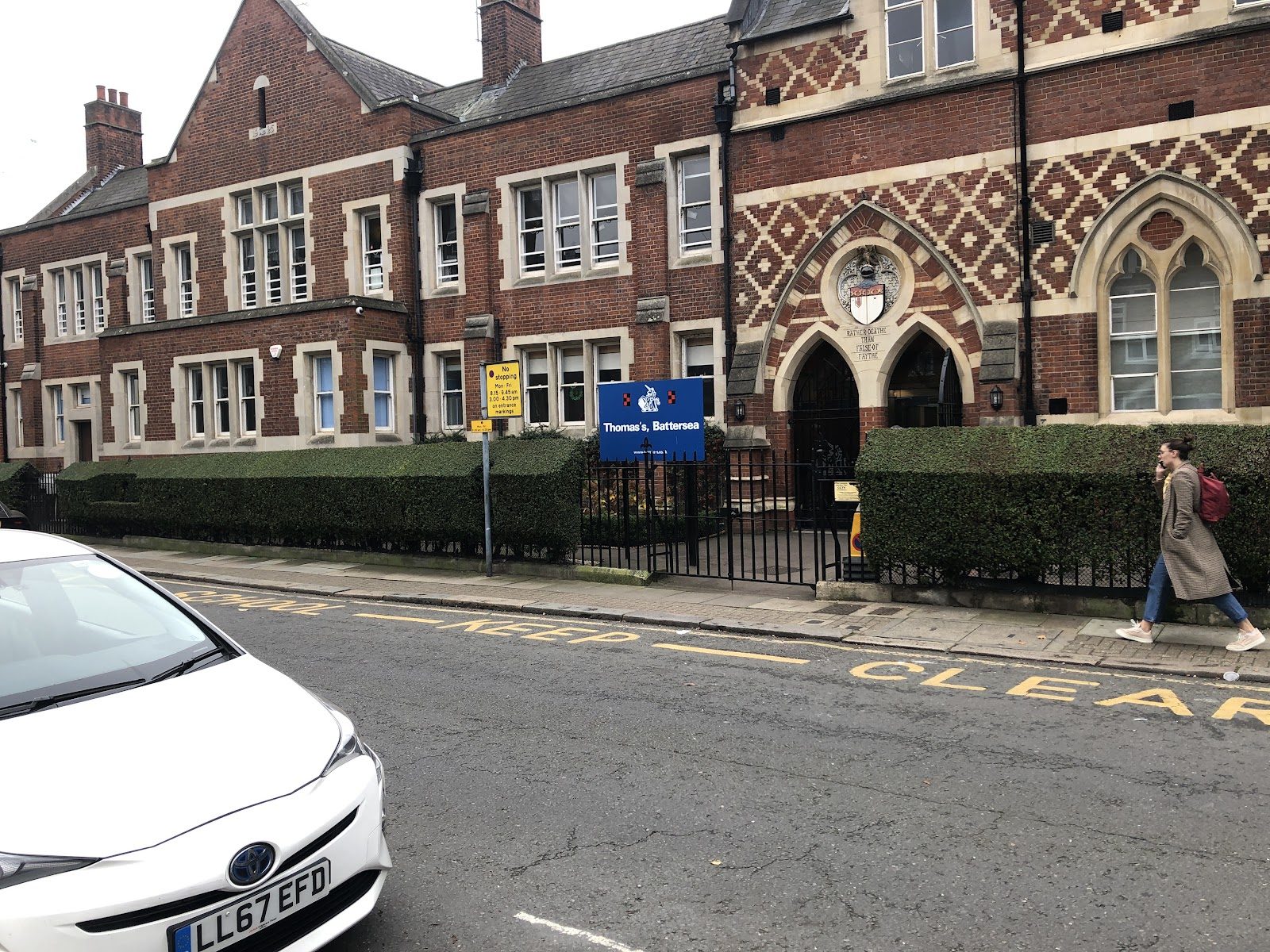
Thomas's Battersea
London · United Kingdom
In a former Victorian art school, an 'enquiry mindset' and a 'Be Kind' ethos feed London's top senior schools.
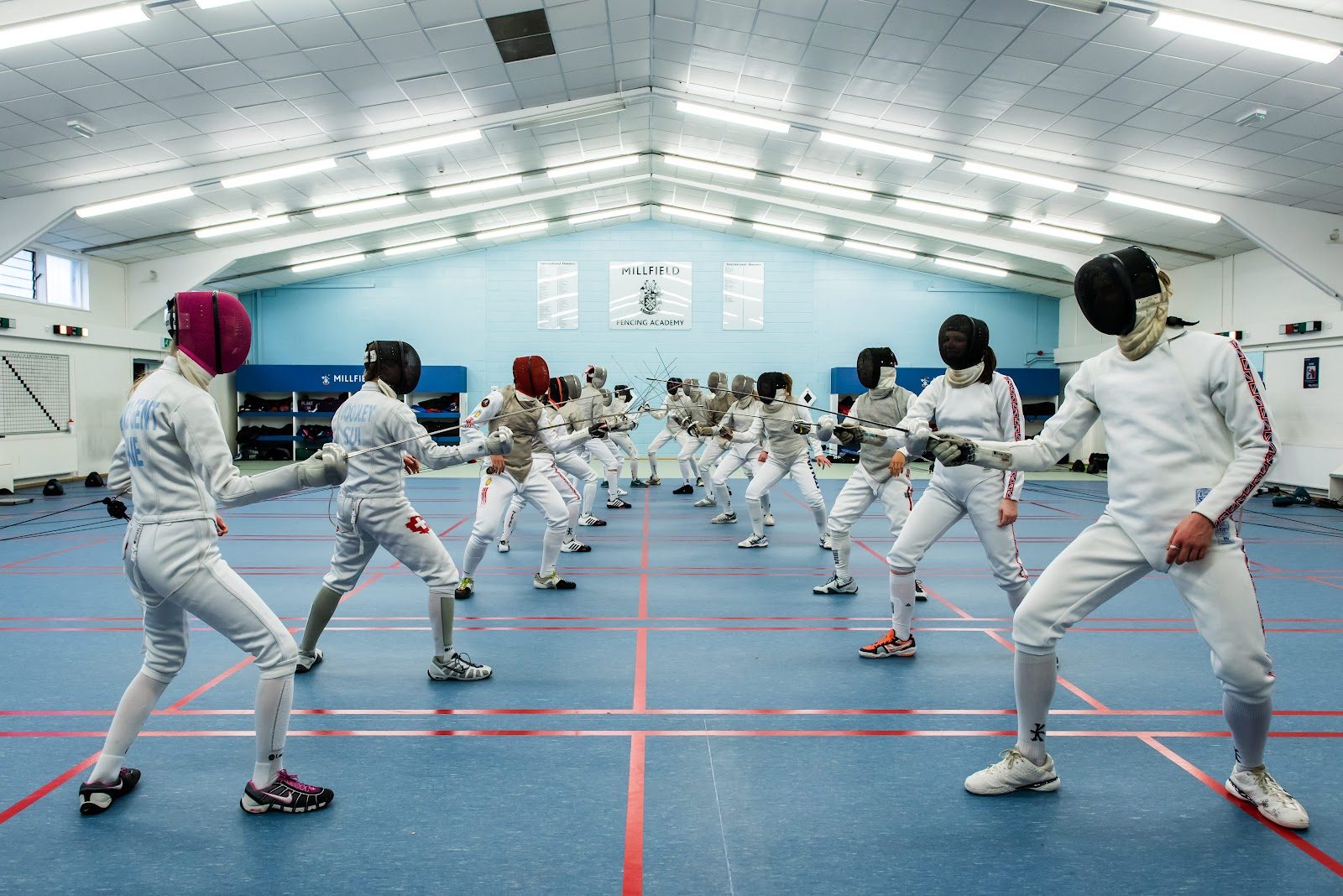
Millfield School
Street · United Kingdom
Sixty-plus sports and an Olympic-length pool anchor a 240-acre Somerset campus built for athletes and scholars alike.
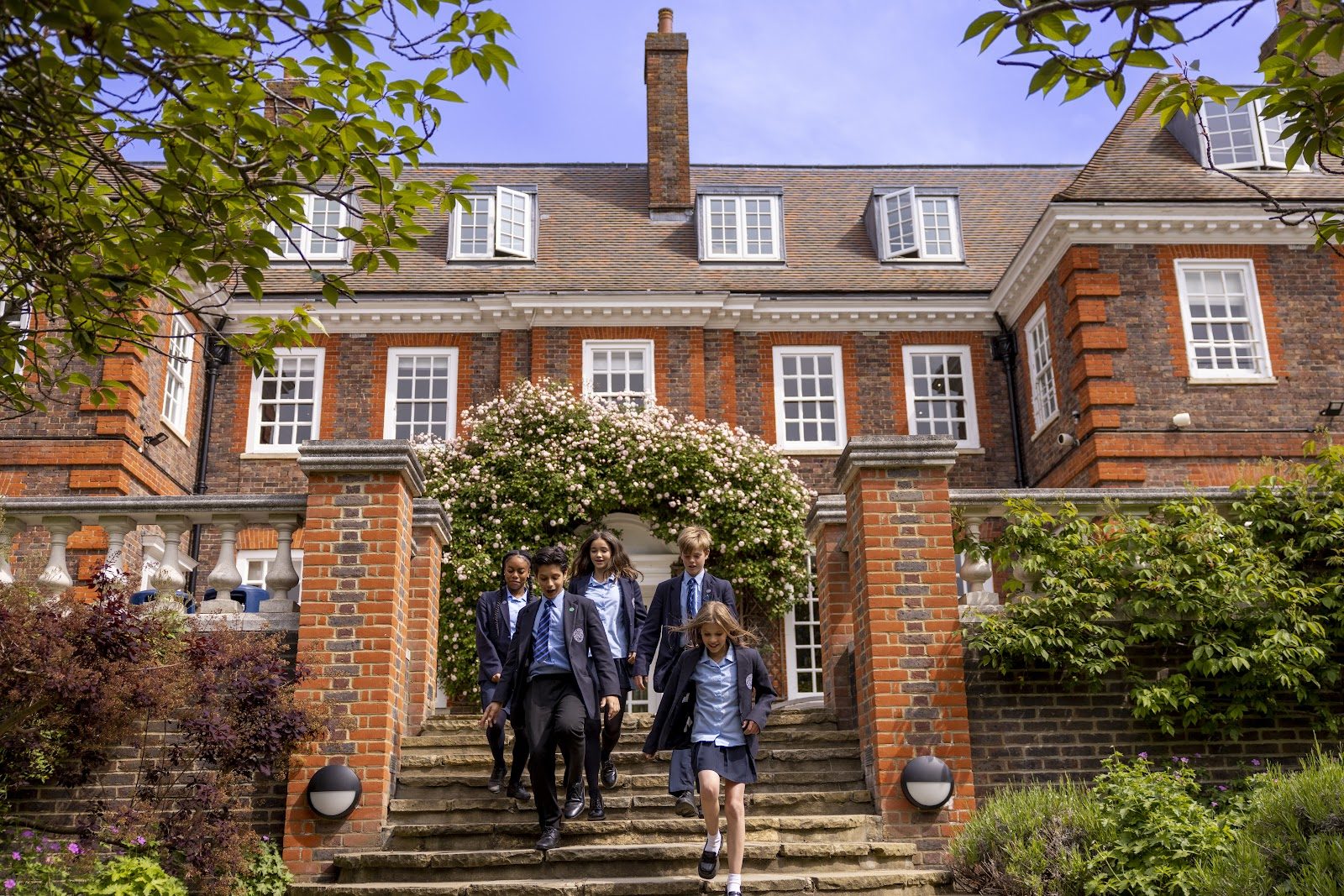
Ibstock Place School
London · United Kingdom
On the fringe of Richmond Park, a Froebel-founded day school has championed co-education since 1894.
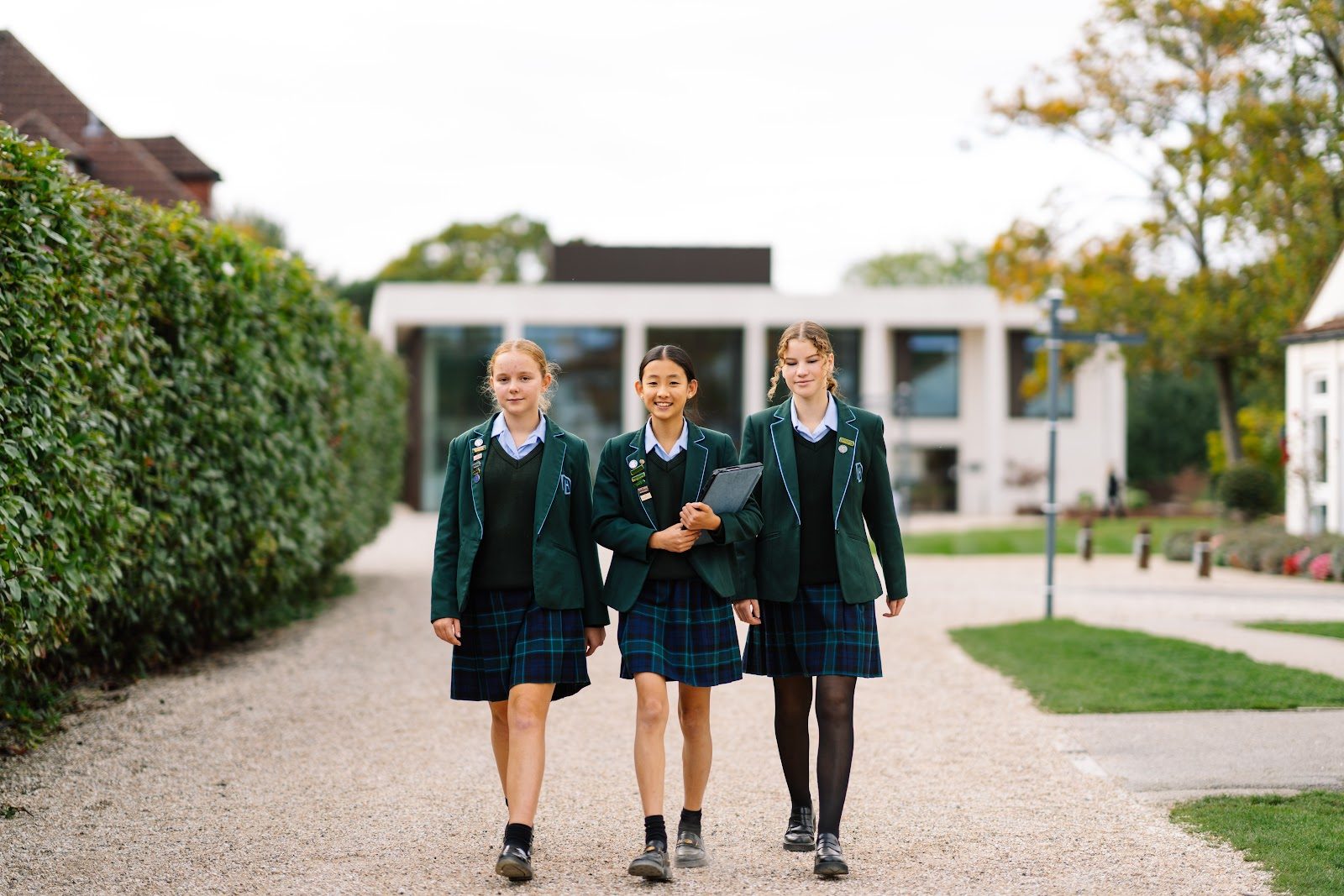
Downe House School
Cold Ash · United Kingdom
Rooted in Charles Darwin's former home, now a 110-acre Berkshire estate where science thrives and Oxbridge ambition runs deep.
Same country and curriculum — closest matches within ±10 points either way