
Shanghai
Shanghai Foreign Language School
A 1963 state-founded language academy in Hongkou, teaching ten tongues from Arabic to Hebrew to shape China's future diplomats.
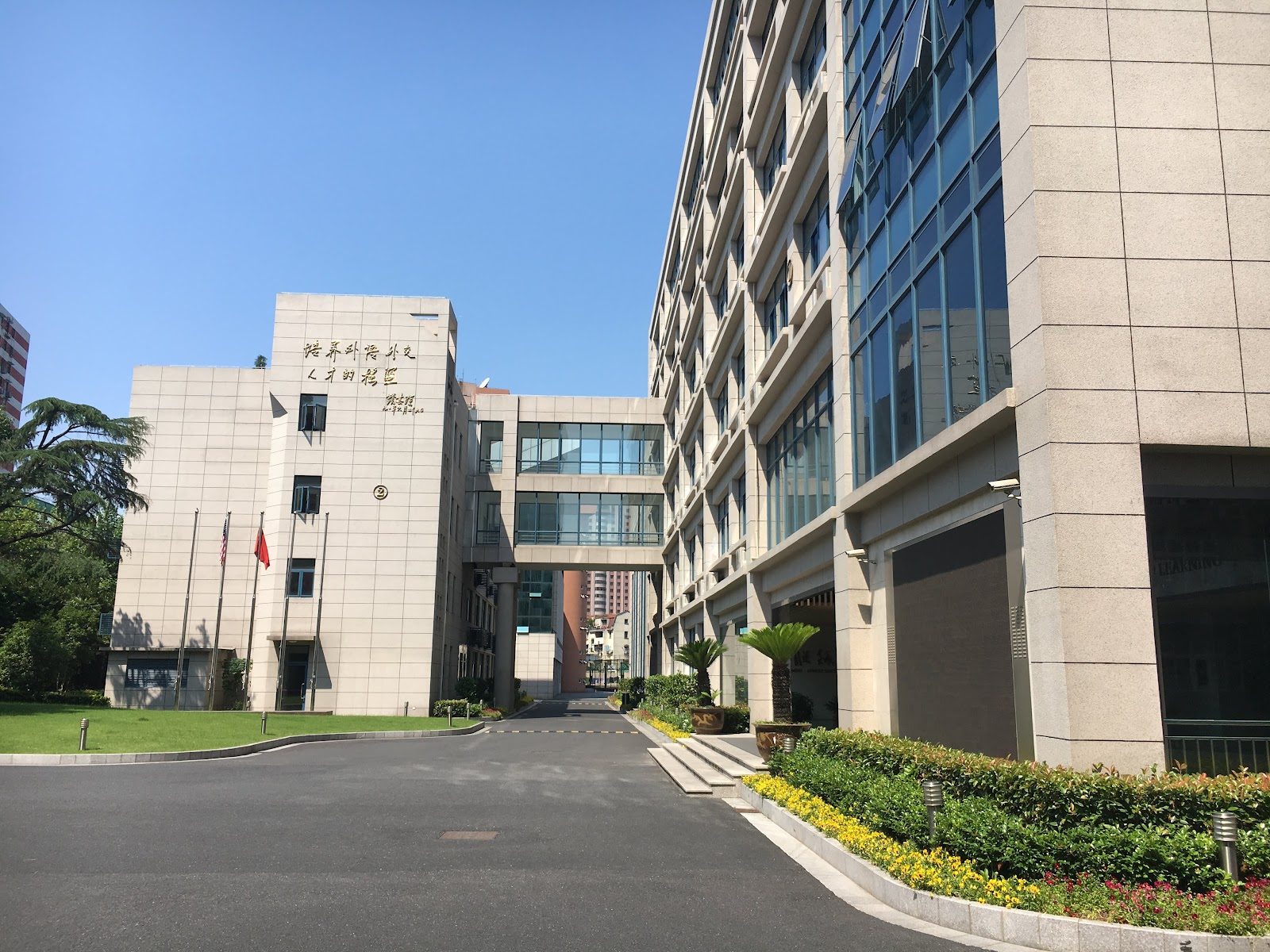
Photo © N Tommy via Google Maps
Type
Day + Boarding
Ages
15–18
Curriculum
Chinese National
Qualifications
Gaokao
Ratio
—
The Verdict
Editor's commitment
Right for
Pupils aged 15–18 who want a state-founded 1963 school in Hongkou with Mandarin, English and a foreign-language specialism.
Wrong for
Families seeking IB, A Levels or a faith school; this is a Chinese National, non-religious school accredited by the Chinese Ministry of Education.
Watch out for
The public case is thin: the school publishes an address, phone number and little substance on outcomes, boarding or sixth-form specifics.
Ranking breakdown
Shanghai Foreign Language School · #693 of 1591
Composite score 59.5. 8 weighted criteria.
By criterion
Academic Outcomes
Weight 20%
#792
of 1529 scored
University Placement
Weight 16%
#516
of 1529 scored
Prestige & Heritage
Weight 12%
#139
of 1571 scored
Alumni Network
Weight 12%
#1487
of 1530 scored
Facilities
Weight 12%
#1110
of 1533 scored
Transparency & Communications
Weight 8%
#1243
of 1532 scored
Peer & Industry Review
Weight 10%
#998
of 1548 scored
Admissions Selectivity & Demand
Weight 8%
#81
of 1529 scored
Peer & Industry Review
How Shanghai Foreign Language School is regarded in the sector
65
Respected · medium confidence
Shanghai Foreign Language School (SFLS) is widely regarded within China as one of the country's premier foreign-language-focused feeder schools, consistently named alongside Shanghai High School, Shanghai Foreign Language School attached to SISU, and other municipal 'key' schools in Ministry of Education and Shanghai Education Commission rankings. Its status as one of only a handful of institutions authorized to run the prestigious 'baosong' (recommended enrollment) pathway to top Chinese universities like Peking, Tsinghua, and Fudan signals strong recognition from higher-education admissions bodies. Overseas, its graduates' regular placement at Oxbridge, Ivy League, and other top-30 global universities is tracked informally through alumni networks and Chinese international-education media (e.g., Sina Education, ThePaper.cn profiles), which frequently cite SFLS as a benchmark for language-track excellence. It is less visible in Western independent-school press (Good Schools Guide, WhichSchoolAdvisor) since it operates within the state system rather than the international/private circuit, limiting direct peer commentary from Western heads or comparative league tables.
- Winter — Singer, member of K-pop group aespa
Editors' overview
Shanghai Foreign Language School occupies a narrow and important niche in Shanghai: a state-founded specialist language school with a long mandate to train pupils for high-level linguistic work. Founded in 1963, it sits in Hongkou and teaches within the Chinese National curriculum, with Mandarin and English as languages of instruction. The distinguishing feature is not a glossy international-school offer, but institutional seriousness: this is a school built around foreign-language study, and that focus still defines its market position. For families who want a conventional international curriculum, this is the wrong shortlist. For families who want a Chinese secondary education with a strong language spine, it deserves attention.
What sets it apart is specialisation. The school’s own public presence is thin, but the core fact is clear: foreign-language teaching is its traditional strength. That gives it a different profile from Shanghai’s many generalist bilingual schools. The appeal lies in depth, not breadth: a clear academic identity, a disciplined state-school ethos, and a specialist route for pupils who do not want their language learning treated as an add-on. The age range here is 15–18, and the school is day and boarding. That boarding element matters for families outside the immediate district, but the school does not publish the detail international parents now expect on boarding life, outcomes, or admissions process. The opacity is a weakness.
The right student for Shanghai Foreign Language School is academically durable, comfortable in a structured environment, and genuinely motivated by languages rather than by the lifestyle packaging of the private international sector. A pupil with intellectual stamina, real linguistic curiosity, and an appetite for rigorous study will get more from this setting than a child seeking broad co-curricular display or a softer pastoral pitch. The school’s value rests in mission density: one campus, one address, one historic purpose. It is not for everyone. It is for the student who wants language learning at the centre of school life, not at the edge of it.
Academic Performance
Academic performance is hard to judge because the school does not publish the external-exam data that serious parents look for: no aggregate gaokao outcomes, no university placement tables, no subject-level score distributions, and no comparative benchmarks against other selective language schools. That is a real editorial problem. A specialist academic institution with a long public mandate in languages needs harder evidence than reputation alone. The public case rests on mission and history, not on disclosed results. For a school serving older secondary students, that leaves families with an opaque picture of attainment at the point where evidence matters most.
Relative to peers, Shanghai Foreign Language School sits in a distinct category: not a private international school competing through IB or A-level score publicity, but a state-linked specialist school whose value lies in selective academic formation and sustained language study. That niche carries weight, but it does not exempt the school from scrutiny. In the Shanghai market, stronger operators publish destination lists, exam averages, or at least headline progression data. This school does not. The consequence is straightforward: parents must judge it by institutional purpose, subject specialism and selectivity, not by disclosed outcomes. That makes it a serious but data-poor option — credible in profile, weak in transparency, and harder to rank cleanly against better-documented competitors.
Facilities
Facilities are the least legible part of Shanghai Foreign Language School’s public case. The school publishes an address and little else. There is no meaningful public account of science labs, arts spaces, sports provision, boarding houses, libraries, performance venues or specialist language infrastructure. For parents, that is not a minor omission; it leaves a striking gap in basic due diligence. A school built around foreign-language study needs to show the rooms, resources and study environments that support that mission — language labs, debating spaces, reference collections, quiet study areas, recording facilities, or exchange-facing hubs. This school does not do that in public. Against peer schools in Shanghai, that places it on the opaque end of the spectrum.
What can be said with confidence is narrow. The school operates from a single published campus address in Hongkou, and its academic identity points more toward classroom seriousness than showcase architecture. That can work perfectly well; many strong state-linked schools prioritise teaching over glossy estates. But peers competing for discerning families still disclose the basics. Here, the absence of detail forces a conservative judgement: facilities may be functional, but the school has not earned credit for anything beyond that. The only concrete standout in public view is its breadth of language study — 10 foreign languages — which raises the bar for the specialist spaces and resources parents should expect to see documented. At present, the facilities story is thin, under-evidenced and *behind the market standard for transparency*.
Facilities are the least legible part of Shanghai Foreign Language School’s public case
Prestige
Shanghai Foreign Language School carries real domestic prestige in a narrow, serious lane: state-sector language specialism. In Shanghai, that matters. This is not the prestige of premium facilities, international branding or public score-marketing. It is the prestige of institutional function — a school associated with high-level foreign-language training and with a reputation built around academic selectivity and specialist purpose. The breadth of language provision strengthens that standing. A school teaching 10 foreign languages, from Arabic to Hebrew, occupies a rare place in the secondary market. That breadth gives it elite academic distinctiveness inside China’s language-education tradition, and it marks the school out from generic bilingual operators whose language offer stops at English plus one European option.
That prestige has limits, and they matter. Outside informed Chinese circles, the name carries far less weight than Shanghai’s better-known private international schools, because the school does not publish the evidence that travels: university destination lists, headline examination data, or a polished global-facing account of what pupils achieve at the end of school. So the prestige here is specialist, not universal; earned, not advertised; high in its niche, weaker beyond it. We rate it strongly on intellectual standing and institutional seriousness, less strongly on public proof and international visibility. For families who value linguistic depth and selective state-school pedigree, that is a substantial asset. For families buying global brand recognition, it is not.
Shanghai Foreign Language School carries real domestic prestige in a narrow, serious lane: state-sector language specialism
Communications
Parent communication is weak by any modern school standard. The public-facing site offers a thin navigation bar, a contact phone number, a postal address and little else of substance; the “About us” page carries “暂无数据” — literally no data — where families would expect a basic institutional explanation. That is not a minor design flaw. It signals a school that does not treat outward communication as part of its duty to parents. For local families already fluent in the system, that gap is inconvenient. For international or cross-city families, it is a serious barrier. There is no clear public admissions pathway, no published parent handbook, no visible calendar structure, no boarding detail, and no meaningful archive that explains day-to-day school life. The result is blunt institutional opacity.
Effectiveness, then, depends on what standard you apply. If the question is whether a motivated parent can find the school’s phone number and address, yes: those basics are there, and repeated. If the question is whether the school communicates with the clarity, completeness and discipline expected by discerning families choosing an older-student school, the answer is no. The communication model is bare-minimum, state-sector functional, and behind the market. A specialist school asking families for trust needs to publish more than 1 phone number and 1 street address. At present, the school gives parents too little to work with.
Uniqueness
What makes Shanghai Foreign Language School distinct is focus. In a market crowded with hybrid bilingual brands and international-curriculum operators, this school is built around one academic proposition: foreign languages as the core discipline, not a decorative extra. The breadth matters. A school teaching 10 foreign languages, including less common options such as Arabic and Hebrew, offers a form of secondary education that few competitors match. That creates a rare specialist environment: pupils study in a setting where language work carries status, institutional time and intellectual weight. For the right student, that is genuinely unusual and academically exacting.
That specialism brings clear gains. Students with real aptitude for languages get more than better timetabling; they get peer culture, teacher attention and a school identity organised around linguistic skill. The result is a sharper route into advanced language competence and a stronger fit for pupils drawn to translation, diplomacy, area studies or other internationally facing fields. It also shapes character. A school centred on sustained language study trains precision, memory, listening and tolerance for complexity. Those are serious academic habits, and they travel well beyond the language classroom. The trade-off is plain: families seeking broad lifestyle polish or a high-visibility international-school experience will find this model narrow by design. That narrowness is also its strength.
What makes Shanghai Foreign Language School distinct is focus
Student Profile
The pupils who fit here are not shopping for a polished international-school adolescence. They are students with serious academic stamina, strong tolerance for repetition, and real interest in language as a discipline rather than a social accessory. In a school where foreign-language study is the historic centre of gravity, the natural fit is a teenager who likes grammar, precision, memorisation, close listening and the slow accumulation of competence. That matters more than extroversion. The strongest match is the student who takes satisfaction in exactness, can handle a selective peer group, and does not need constant affirmation to keep working. With 10 foreign languages in the institutional mix, the school suits pupils who want specialist range, but also those prepared to commit hard to one track rather than dabble widely.
The weaker fit is just as clear. A child who wants broad co-curricular theatre, lifestyle packaging, or a highly hand-held pastoral culture will find this environment too austere. So will students who like languages only when they come easily. This is a better home for the quietly driven than for the conspicuously performative; for the pupil who values substance over display; for the teenager who can thrive inside a disciplined, exacting culture. Families need a child with real resilience and intrinsic motivation. Without that, the school’s specialist strengths turn into pressure rather than opportunity.
For the right student, that is genuinely unusual and academically exacting
Co-curricular strengths
Arts & sport, on a separate axis
Overall 6.2/10
Scored 0-10 from the school's own published evidence. This axis is editorial-only — it does not feed the main WTS ranking.
Sports
6.5/10
Drama
6/10
Dance
4.5/10
Music
7.5/10
Visual Arts
6.5/10
Strengths
- +Founded in 1963, SFLS reports directly to China's Ministry of Education and is one of the country's first seven dedicated foreign-language schools.
- +The school is one of 16 foreign-language schools nationally recognised by the Ministry of Education as eligible to recommend graduates for university 'baosong' admission, bypassing the standard gaokao route for a portion of students.
- +Notable alumni include senior Chinese diplomats such as Yang Jiechi, Wang Guangya and Cui Tiankai, reflecting the school's long-standing role in training foreign-affairs personnel.
- +The school's separate International Division (SFLSID) was authorised to offer the IB Diploma in 2018, giving families a structured route into internationally recognised qualifications alongside the Chinese-curriculum core school.
- +SFLS hosts an annual Model United Nations conference in partnership with the University of Chicago's MUNUC, with the 2023 edition drawing over 400 delegates from 52 schools.
Considerations
- −Entry to the main (publicly funded) school requires a Shanghai household registration, or a Shanghai residence permit with parents meeting a minimum points threshold, which excludes most expatriate families without local status.
- −Because the core school is state-subsidised while the International Division is self-funded, foreign or non-local applicants who do enter typically pay materially higher fees than domestically enrolled peers.
- −The school follows the Chinese National curriculum with gaokao and exam-oriented pacing as the primary track, which suits families committed to the domestic system more than those seeking a purely Western-style academic programme.
- −As a day-and-boarding school built around a seven-year through-train structure from grade 6 to 12, students face an intensive, exam-focused schedule typical of top Chinese public schools rather than a broader extracurricular-first model.
Availability
Primary entry gate & tests
Language Specialized + Zhongkao
Gallery
Photo © N Tommy via Google Maps
Photo © N Tommy via Google Maps
Photo © N Tommy via Google Maps
Photo © Meredith Liu via Google Maps
Parent reviews
Have you sent your child here?
Voice reviews carry the strongest trust badge — we transcribe them for you to tidy up before they go live. Prefer to type? A written review is fine too.
Add your voice
In 60 seconds, tell other parents: what's the best thing about Shanghai Foreign Language School, and what surprised you when your child joined?
We ask for a Google sign-in so every review has a real face behind it — no anonymous drive-by attacks on schools, and no faked positive reviews. Your email is never shown publicly.
Send this profile to a friend
International parents rely on word-of-mouth. Share this review with someone weighing the same decision.
Schools with places
Similar schools to Shanghai Foreign Language School with places available now.
Wellington College International Shanghai
Shanghai · China
- 2026-27
- WAITPOOLSpace-dependent
- 2027-28
- PLACES OPENRolling
Shanghai American School
Shanghai · China
- 2026-27
- WAITPOOLSpace-dependent
- 2027-28
- PLACES OPENRolling
Shanghai High School International Division
Shanghai · China
- 2026-27
- CLOSEDStandard route
- 2027-28
- OPENS SOONOpens Late '26 (Spring '27)
Availability first, then country, area, curriculum, price, co-curricular
Consider also
Also worth looking at alongside Shanghai Foreign Language School.
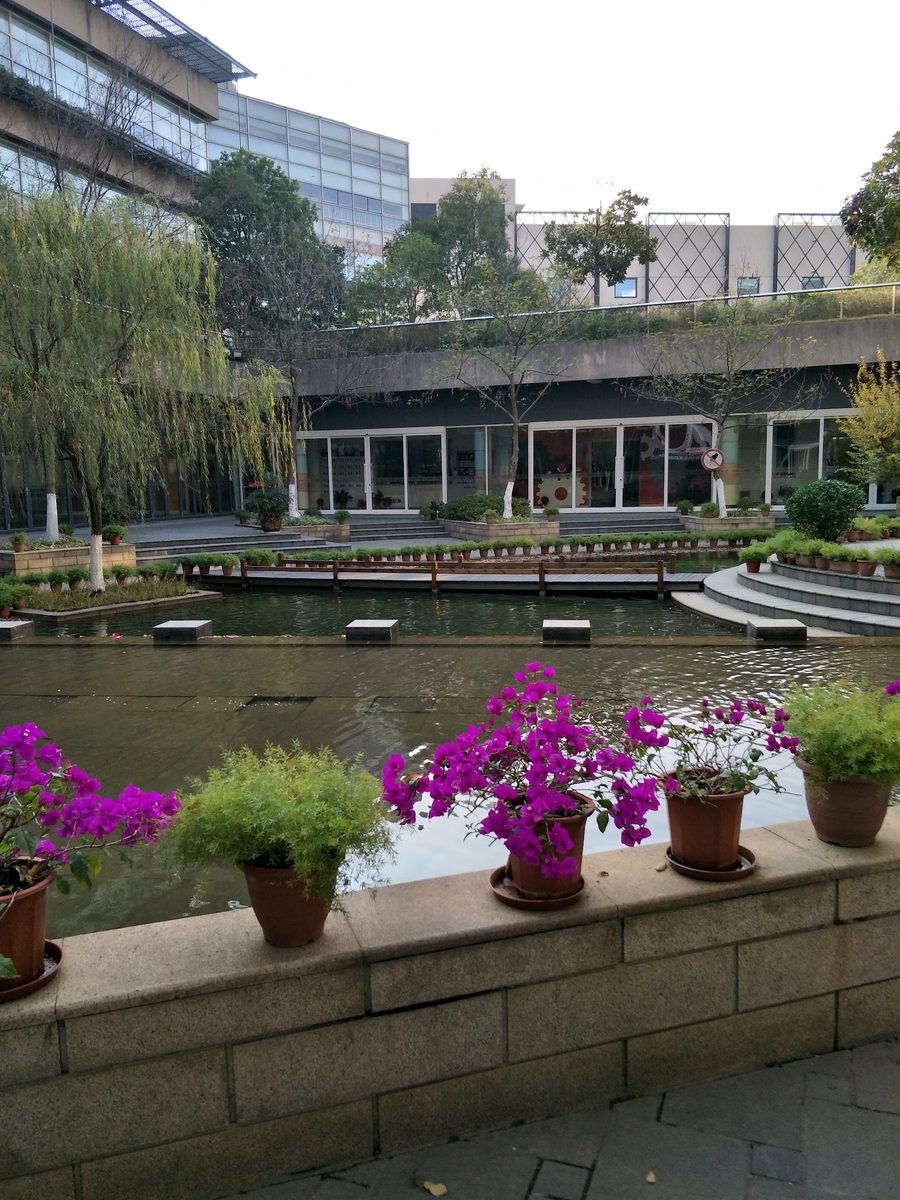
Shanghai Singapore International School
Shanghai · China
Singapore maths rigour anchors an IGCSE-to-IB pathway, threaded with banded Chinese immersion in Minhang's expatriate heartland.
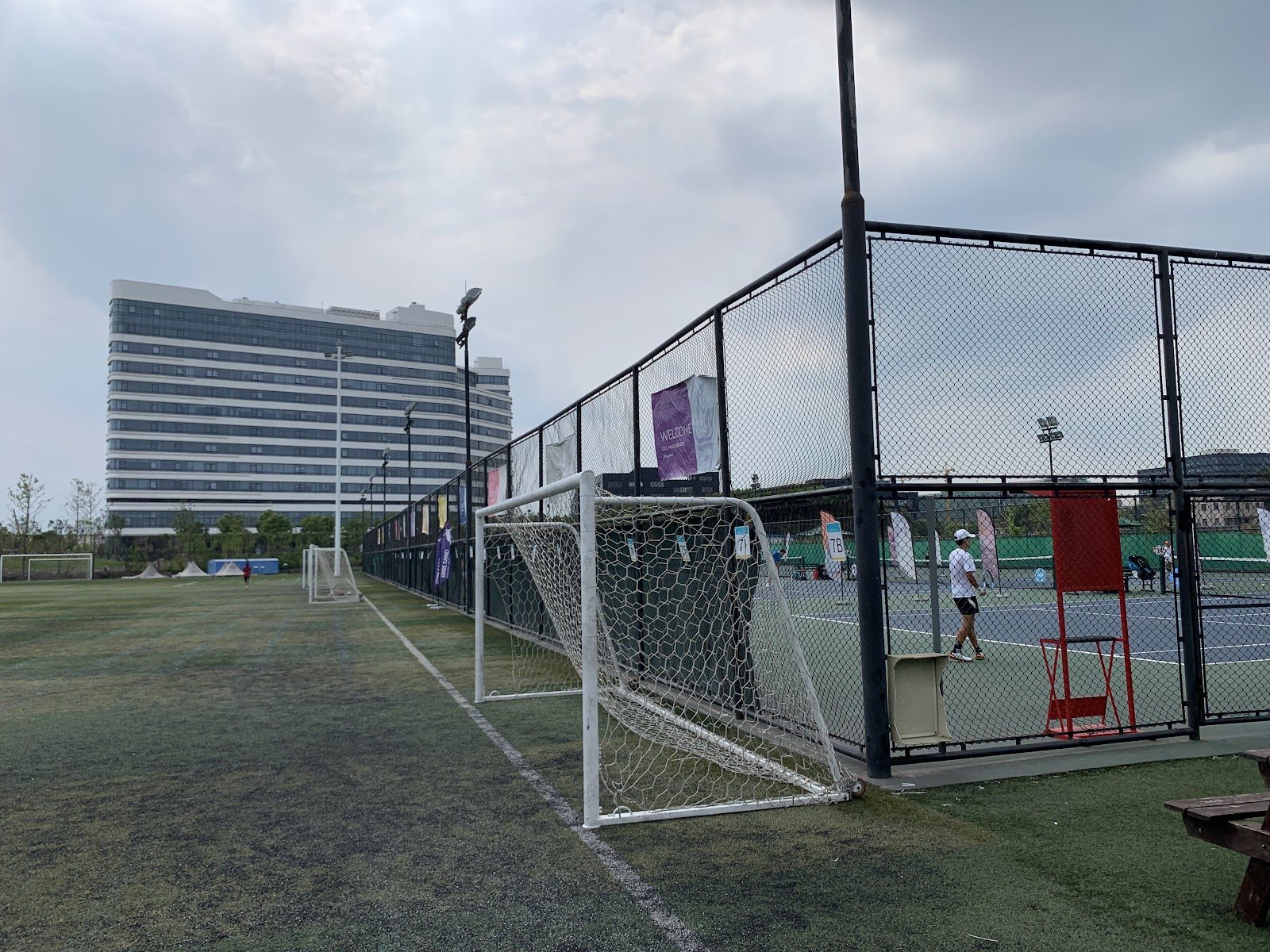
British International School Shanghai, Puxi
Shanghai · China
In Huacao's expat quarter, British curriculum runs through IB alongside a fully integrated Dutch school and UNICEF-linked sustainability projects.
Daystar Academy
Beijing · China
A Chaoyang campus where bilingual immersion tilts from mostly Mandarin to mostly English by senior year, anchored by China's first K-12 social innovation curriculum.
Yew Chung International School of Chongqing
Chongqing · China
Chongqing's first Ministry-registered international school, pairing Chinese and Western co-teachers through IGCSE and the IB Diploma.
Same country and curriculum — closest matches within ±10 points either way