
Wiltshire
Marlborough College
high confidence· 6/6 cats · 3.35 avg sourcesA 4,000-year-old Neolithic mound anchors a Wiltshire campus that pioneered co-education among Britain's boarding schools.
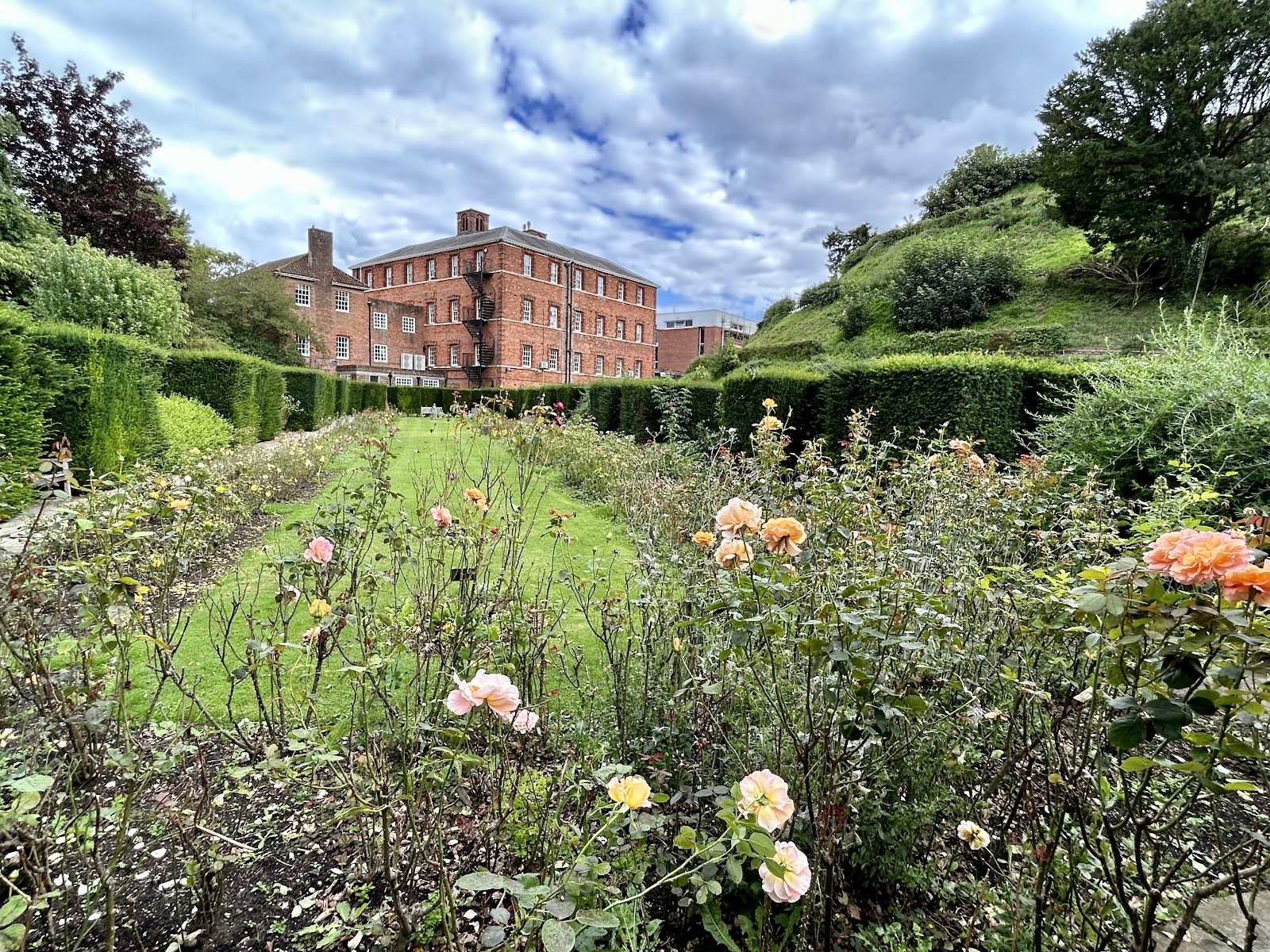
Photo © Igor Mak via Google Maps
Type
Both
Ages
13–18
Curriculum
British
Qualifications
A-Level
Ratio
10:1
The Verdict
Editor's commitment
Right for
Families wanting a full-fat British boarding school with scale: around 1,000 pupils, 10:1 staffing, and 19 Oxbridge offers in 2024.
Wrong for
Children who need intimacy or low-stakes anonymity; 1,000 pupils, 18 per class and a boarding culture leave little room to disappear.
Watch out for
This is expensive at £64,000 boarding and £51,000 day on average, and 86% to top-100 universities sets a hard academic pace.
Ranking breakdown
Marlborough College · # of 1591
Composite score 69.8. 8 weighted criteria.
By criterion
Academic Outcomes
Weight 20%
#667
of 1529 scored
University Placement
Weight 16%
#649
of 1529 scored
Prestige & Heritage
Weight 12%
#289
of 1571 scored
Alumni Network
Weight 12%
#192
of 1530 scored
Facilities
Weight 12%
#478
of 1534 scored
Transparency & Communications
Weight 8%
#722
of 1532 scored
Peer & Industry Review
Weight 10%
#640
of 1548 scored
Admissions Selectivity & Demand
Weight 8%
#489
of 1529 scored
Score history
Marlborough College · 2026
Movement across 2024–2026. Peer average overlaid.
Overall — 2024–2026
69.8/ 100
▲ +16.3 vs 2025
year on year
Peer & Industry Review
How Marlborough College is regarded in the sector
88
Strong · high confidence
Marlborough College sits firmly among the best-known co-educational boarding schools in Britain, a standing WhichSchoolAdvisor confirms by calling it "one of the most prestigious of English co-educational private boarding schools" while noting its distinctly less hot-housed, more liberal character compared with rival names. The Good Schools Guide is similarly emphatic, judging it "one of the finest co-educational full boarding schools in the country" with exceptional teaching and world-class facilities across a 1,000-pupil campus. Independent industry benchmarking reinforces this: Spear's has repeatedly placed Marlborough in its global top-100 private schools index, citing strong GCSE and A-level outcomes and a diverse, wellbeing-focused community. Its educational brand has also proven exportable, with Marlborough College Malaysia trading on the same reputation in Asian rankings. The one caveat sector commentary flags consistently is that its high public profile, not least as the alma mater of the Princess of Wales, occasionally overshadows discussion of its academic substance.
Award

Elite Visual & Fine Arts 76
World's Top School · The Global Ranking
Marlborough College is featured on our Global Top 76 ranking at #49. This seal is available for the school's marketing team to use on their website, prospectus and social channels.
Editors' overview
The 4,000-year-old mound at the centre of Marlborough is not a gimmick; it tells you what the school values. This is an old, self-possessed boarding school that has absorbed change without losing its nerve, including an early move to co-education in a sector that dragged its feet. Founded in 1843 and now educating around 1,000 pupils aged 13 to 18, Marlborough sits in the top tier of the British boarding market on price alone: an average of £64,000 a year for boarders and £51,000 for day pupils across the full ladder. Parents are paying for scale, history and a full boarding-school apparatus, but also for a school that does not feel trapped by its own mythology.
Academically, Marlborough has the numbers that matter and publishes outcomes worth noting. The student-teacher ratio is 10:1, average class size is 18, and the 2024 leavers' destinations were strong: 86% progressed to top-100 universities, with 19 to Oxbridge, 52 to Russell Group institutions and two to the Ivy League. The school holds ISI and HMC status, which places it firmly inside the established independent-school mainstream. This is not a tiny hothouse built around league-table theatrics. It is a serious, high-capacity school with enough breadth to serve pupils who want academic ambition without living inside a pressure cooker every hour of the day.
What marks Marlborough out is the combination of social range, institutional heft and a conspicuous alumni footprint. Wikidata alone catalogues 789 notable alumni, including 122 politicians and statespersons, 102 scientists and scholars, 101 writers and journalists, and 134 elite athletes. That breadth matters. Some schools produce one type of winner and rehearse the same story; Marlborough produces many. The Anglican foundation remains part of the school’s DNA, but the modern proposition is broader than its origins as a school for the sons of clergy. With around 45% girls in 2023, it is now a fully co-educational environment with a settled confidence that many recently co-ed schools still lack.
Marlborough belongs on a shortlist for families who want a big, grown-up British boarding school with pedigree, visible university outcomes and enough scale to accommodate different kinds of able teenager. It suits pupils who are bright, independent and ready to use the school rather than be carried by it. The best fit is not the child who needs constant hand-holding or a narrowly managed route to grades. It is the student who wants room to think, room to compete and room to develop an identity inside a large, old institution that still has real gravitas.
An Elite Visual & Fine Arts 76 school
Marlborough College, in Marlborough, Wiltshire, England, sits at rank forty-nine on the Elite Visual & Fine Arts 76, consistent with the school's world-class visual-arts standing. The anchoring fact is structural: the school runs its own dedicated Art School alongside a separate, purpose-built exhibition space, the Mount House Gallery, and gives Sixth Form pupils weekly Life Classes, a level of standing studio infrastructure uncommon among British boarding schools of comparable size.
The specialism runs across painting, drawing, printmaking, sculpture, ceramics and photography, with the Shell curriculum built around the study of artists and movements and a deliberate focus on the contemporary artists exhibiting in the Mount House Gallery. Pupils take AS and A2 level through OCR Fine Art and OCR Photography, with results strong enough that many go on to leading colleges of art and design. Teaching is led by Edward Twohig RE, a printmaker and Royal Society of Painter-Printmakers member who has headed the department since 2017, building on the long tenure of his predecessor Robin Child, whose pupils went on to careers across the visual arts, including architecture. The college also keeps a practising artist in residence, portraitist Grace Payne-Kumar, in post since September 2023, and holds working links with the British Museum, the Royal Society of Painter-Printmakers, Verso Art Charity, Aberystwyth University, St Barbe Museum and Eames Fine Art.
The deepest alumni credential is William Morris, a pupil at the College between 1848 and 1851, who went on to found the Arts and Crafts Movement and transform Victorian design through wallpaper, textile and stained-glass work. Selwyn Image, another Old Marlburian, became a designer, illustrator and Arts and Crafts figure closely associated with Morris's circle. Contemporary practising-artist alumni from the specialist Fine Art stream are still emerging, but the school's exhibition and residency programme provides a continuous pipeline feeding that tradition.
International openness is genuine but conventional for a British public school. Overseas candidates sit the same entrance papers as UK applicants and must demonstrate command of English, with EAL support delivered through the Learning Support Department; a UK-based guardian is required for every overseas boarder. Marlborough is licensed by UKVI as a child student sponsor and issues CAS references for visa applications. Boarding is full and seven-day-a-week, and a significant minority of pupils live overseas. Boarding fees stand at around GBP 55,000 per annum. Families should start the guardian, visa and entrance-exam process at least a year ahead of 13+ or 16+ entry, and art-focused applicants should prepare a portfolio for scholarship assessment well before deadlines.
Academic Performance
Marlborough’s academic profile sits in the upper reaches of the British independent sector, but not in the tiny cluster of exam-obsessed schools that trade almost entirely on grade tables. That distinction matters. The school’s published destination data point to a sixth form that delivers at scale: 86% of leavers into top-100 universities, with 19 to Oxbridge and a substantial flow into the Russell Group. Those are strong conversion numbers for a large, broad school rather than a narrow results factory. Parents looking for a place where serious academic ambition coexists with a wider boarding-school life will read that as a strength. Parents chasing the most ruthlessly selective hothouses will not. Marlborough competes credibly with major established boarding schools; it does not need league-table theatrics to make its case.
The gap in the picture is exam disclosure. The school does not publish aggregate A-level or GCSE grade distributions here, so a parent cannot benchmark raw attainment against close competitors in the cleanest way. That is a real weakness in transparency. Still, the university outcomes, low staffing ratio and large-scale destination profile place Marlborough in the category of high-performing, heavyweight independents rather than coasting grandees. In peer terms, this is a school with academic muscle and breadth, not a monastic academic enclave. The strongest pupils will find enough challenge; the school’s real distinction lies in combining that challenge with institutional range.
Facilities
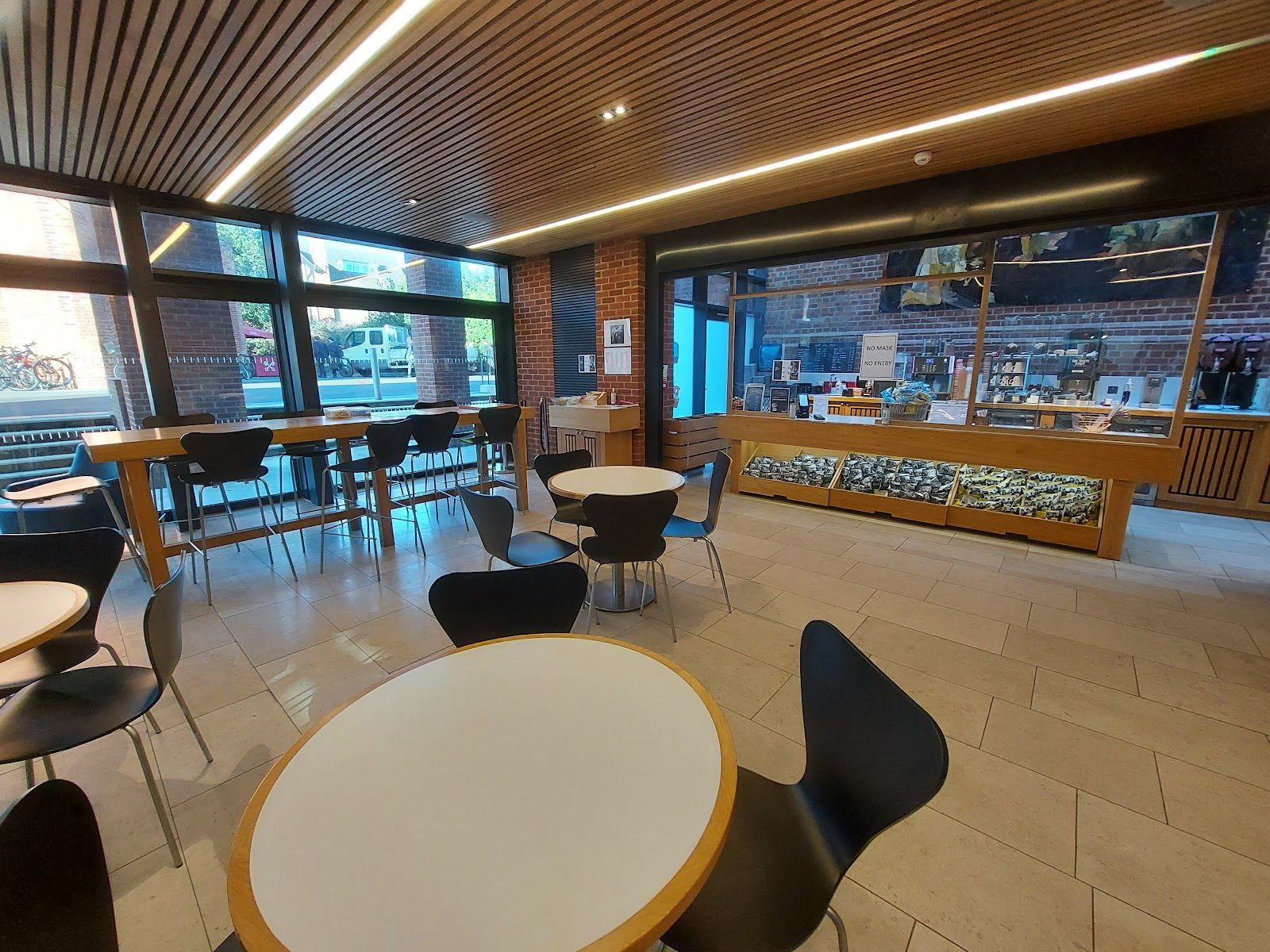
The defining facility at Marlborough is the campus itself. This is not a compact urban school or a stitched-together set of modern blocks; it is a full-blooded boarding estate with the space, permanence and infrastructure that serious public schools still use to separate themselves from day-school competitors. The mound at its centre is the famous visual marker, but the real advantage lies in the school’s ability to support multiple lives at once: academic, sporting, musical, social and residential. For parents benchmarking against peers, that matters. Marlborough operates on the scale of a major boarding school, not a boutique operation, and pupils get the practical benefit of that scale in the form of more room, more specialist spaces and a less cramped daily rhythm than at many high-fee rivals.
Against schools in the same bracket, Marlborough’s facilities strength lies less in one showpiece building than in the breadth of the whole apparatus. Schools with stronger marketing often push a single spectacular theatre, science centre or sports complex; Marlborough’s advantage is a campus that works as a lived-in, high-capacity environment for around 1,000 teenagers. That brings trade-offs. A large historic estate can feel less polished and more operational than newer, design-led campuses, and families wanting the sleek, hotel-grade finish of some international-facing competitors may find Marlborough more grounded than glamorous. For a traditional British boarding school, though, the provision sits where it needs to: substantial, credible and fully in line with what parents paying more than £50,000 a year for day places, and more than £60,000 for boarding, have a right to expect.
The 4,000-year-old mound at the centre of Marlborough is not a gimmick; it tells you what the school values
Prestige
Marlborough sits in the front rank of British independent schools, with the kind of name recognition that travels well beyond the usual boarding-school circuit. That standing rests on three things: age, scale and output. It is old enough to carry inherited status, large enough to matter nationally, and established enough to produce a deep public footprint across politics, public life, sport, scholarship and the arts. The alumni record is the clearest shorthand. Wikidata alone captures 789 notable former pupils, including 122 politicians and statespersons and 134 elite athletes. Those are not vanity figures. They point to a school with long institutional reach and a network that extends into the senior layers of British life. For many families, that is the substance of prestige: not polish, but access, recognition and durable social capital.
This is not the prestige of a tiny, hermetically sealed academic citadel. Marlborough’s cachet is broader and more socially legible than that. It carries the authority of an established public school, but without the museum-piece stiffness that weakens some historic rivals. Its move into co-education gave it a more modern profile earlier than many peers, and that matters for reputation as much as for culture. The result is a school with serious cachet: admired, widely known, and credible with both establishment families and internationally mobile parents who want a British name that opens doors without feeling theatrically old-world.
Parents are paying for scale, history and a full boarding-school apparatus, but also for a school that does not feel trapped by its own mythology
Communications
Marlborough’s parent communication has to serve a complicated audience: day families who see the school frequently, boarding families who live at a distance, and international parents who need clarity without being on site. In that context, the basics matter more than glossy tone. The school benefits from being a large, mature institution with an established rhythm; that usually produces clearer calendars, more predictable reporting points and fewer last-minute surprises than at smaller schools still running on improvisation. The public picture also carries a measured, institutionally confident style rather than the hard sell that weaker schools use to cover operational gaps. That is a strength. Parents choosing a school at an average of £64,035 for boarding or £51,228 for day places are entitled to communication that is orderly, timely and adult in tone.
The limitation is the same one visible elsewhere: Marlborough does not publish the fullest academic data, and that affects trust. A school can be warm, efficient and responsive in day-to-day messaging while still being selective in what it discloses. For parents, those are different tests. On routine communication, Marlborough reads as solid, professional and unlikely to generate needless friction. On strategic transparency, it is less complete than the best operators in its bracket. That does not make communication weak; it makes it competent rather than exemplary. Families who value polished logistics and calm institutional tone will be well served. Families who want maximum public disclosure on outcomes will find a ceiling.
Uniqueness
What Marlborough has that few rivals can match is a campus organised around a prehistoric mound and a school culture that has had to reconcile ancient status with real adaptation. Plenty of old British boarding schools trade on heritage; fewer changed course early enough on co-education to make it feel native rather than bolted on. That matters in daily life. Pupils get the rituals, scale and institutional memory of a major public school without the brittle gender politics or performative antiquarianism that still cling to parts of the sector. The result is a place with deep roots but a less archaic social tone than its age might imply.
The other point of difference is breadth of output. Marlborough does not produce one recognisable house style of success; it sends students into public life, scholarship, sport, writing and business in serious numbers, and that range feeds back into the pupil experience. Teenagers grow up in a school where achievement is not confined to one corridor of excellence and where ambition has more than one acceptable form. In practical terms, that gives able pupils room to be mixed in their strengths: academic but not narrow, sporty without anti-intellectualism, creative without opting out of mainstream school life. For the right child, that is liberating. It makes Marlborough feel less like a single-track machine and more like a large institution in which different futures carry equal weight.
Academically, Marlborough has the numbers that matter and publishes outcomes worth noting
Student Profile
Marlborough suits teenagers who can use freedom well. In a school of this scale, nobody gets the experience spoon-fed to them. The best fit is a pupil with enough self-command to navigate a busy social world, a substantial campus and a lot of opportunity without waiting to be pushed at every turn. That does not mean a hard-edged or relentlessly competitive child. It means one with initiative, stamina and a degree of social confidence. The co-educational balance matters here too: with girls making up about 45% of the pupil body, the culture has moved well beyond the old single-sex public-school mould and lands in a more settled, adult place than at schools still adjusting to that shift.
This is also a strong match for pupils with more than one serious interest. Marlborough has the weight and reach to absorb the student who is academically ambitious but not one-dimensional, sporty without wanting anti-intellectual tribalism, or creative without needing to sit outside the mainstream. Children who need constant monitoring, intense hand-holding or a tightly managed emotional environment will find the place too large and too self-propelling. So will families who want a hothouse monoculture built around exam drilling. The right student is bright, independent and ready to find their lane inside a community of around 1,000 peers, with enough resilience to benefit from a school that expects young people to grow up rather than be over-curated.
The school holds ISI and HMC status, which places it firmly inside the established independent-school mainstream
Co-curricular strengths
Arts & sport, on a separate axis
Overall 9.14/10
Scored 0-10 from the school's own published evidence. This axis is editorial-only — it does not feed the main WTS ranking.
Sports
9.7/10
High-performance co-educational athletic giant; fields nationally dominant rugby, hockey, and cricket programs across state-of-the-art turf grounds.
Drama
9.4/10
The school's performing arts tracks function like a professional conservatory environment, mounting elite, large-scale theater productions inside the Bradleian Theatre.
Dance
7.5/10
Highly active formal dance curriculum running modern, jazz, and classical composition inside custom sprung-floor studios.
Music
9.6/10
Outstanding musical depth; features a unique partnership with the Southbank Sinfonia, providing masterclass tracks for young musicians.
Visual Arts
9.5/10
Breathtaking visual studios producing top-tier design portfolios, digital multimedia creations, and fine art pieces inside the Mount House gallery.
Editor-verified · 8/6/2026
Outcomes & destinations
Where students go next
Editorial estimateClass of 2024
210 graduates
A-Level & IB distribution
98% covered
- A*34%
- A33%
- B25%
- C6%
Top destinations
73 placements
- Oxford· 10
- Cambridge· 9
- Yale· 2
- Durham· 12
- Edinburgh· 11
- Bristol· 9
- Exeter· 8
- UCL· 7
- Warwick· 5
Co-ed Wiltshire boarding; alma mater of the Princess of Wales.
Editor-approximated from the school's own leavers report. Awaiting school-attested figures.
Notable alumni · Wikidata
789notable alumni
Includes
- Evelyn Wood(1838)
600 historic (born pre-1930) · 37 modern (born post-1970)wikidata:2026-07-28 How we source this
The story in one line
32% achieved ≥ AAB in 2+ facilitating subjects·ISI Routine Inspection 2023
AAB with 2 facilitating subjects is the Department for Education's published predictor of admission to a top-third UK university: the pupil has scored high grades in at least two of the classic Russell-Group subjects (maths, sciences, English, history, geography, or a modern language). Independent schools don't appear in the state-only HE-destinations dataset, so this is the strongest DfE-verified sixth-form signal available. Source: DfE 16-18 school and college performance data · 2023/24. Value-added +0.48
DfE-verified statistics
Official GCSE data · 2024/2025
Progress 8
—
Value-added score. State-schools only; 0 = expected progress, +1 = one grade above.
Attainment 8
23.3
Average grade across 8 GCSEs (score out of 90). National ≈ 46.
EBacc average score
1.16
Avg grade across the 5 EBacc pillars (English, Maths, Sciences, Language, Humanity).
EBacc slots filled
1.2
How many of the 5 EBacc pillars pupils typically enter (max 5).
A-Level attainment
Cohort · 2023/24
Avg A-Level grade
A-
APS per entry: 46.38
Best 3 grade
A-
Best-3 APS: 46.40
≥ AAB + 2 fac.
31.6%
Russell-Group predictor.
Progress (value-added)
+0.48
Well above average
Read with care. Independent schools frequently sit IGCSEs or Pre-U qualifications instead of standard GCSEs — DfE data only counts standard GCSEs, so these numbers may reflect a partial cohort. For a fuller picture, cross-check with the school's own annually-published results.
URN 126516Verified · DfE 2024/2025
Official inspection
ISI report · 2023
Inspectorate
Independent Schools Inspectorate
The Government-approved inspectorate for English independent schools.
Latest report
5 December 2023
Routine Inspection
Report history
Verified · Independent Schools InspectorateSource-of-truth
Strengths
- +Marlborough was rated Excellent by the Independent Schools Inspectorate for both academic achievement and personal development, though the relevant full inspection dates to 2018.
- +Marlborough was one of the first traditional boys' boarding schools to admit girls, welcoming them into the Sixth Form from 1968, with full co-education arriving in 1989, making it one of the longer-established mixed full-boarding schools in the UK.
- +The campus sits on around 280 acres of Wiltshire downland, centred on a 4,000-year-old Neolithic mound, giving pupils unusually extensive grounds and heritage-site access.
- +The school reports world-class co-curricular provision, with the strongest bands in sport, music, drama and visual arts.
- +Means-tested bursaries can cover up to 100% of fees based on financial need, widening access beyond the headline fee level.
- +A new fully co-educational day house opens in September 2026, creating a day option that did not previously exist at scale.
Considerations
- −Fees are among the highest in the UK independent sector, at roughly GBP 55,000 per annum for boarding and GBP 30,000 for day places.
- −The school has historically been an almost entirely boarding institution, so families wanting a day-only place have had very few options until the new day house, which is only just launching.
- −Sixth Form entry is sharply selective, with roughly one applicant in four gaining a place and a baseline of six GCSEs at grade 6 or above, and higher demands in mathematics and the sciences.
- −An earlier ISI compliance inspection found that recruitment and safeguarding checks on staff were not always completed before they started work; the school says this has since been addressed.
Availability
Primary entry gate & tests
13+ ISEB / 16+ Exams
Gallery
Photo © Marianna Zavedeeva via Google Maps
Photo © bo Siu via Google Maps
Photo © Marianna Zavedeeva via Google Maps
Photo © bo Siu via Google Maps
Photo © bo Siu via Google Maps
Photo © Nigel Jones via Google Maps
Photo © Igor Mak via Google Maps
Photo © Marlborough College via Google Maps
Photo © Marlborough College via Google Maps
Recommended reading
Independent write-ups of this school from editorial outlets we trust.
- Marlborough College — review on Good Schools GuideGood Schools Guide
Parent reviews
Have you sent your child here?
Voice reviews carry the strongest trust badge — we transcribe them for you to tidy up before they go live. Prefer to type? A written review is fine too.
Add your voice
In 60 seconds, tell other parents: what's the best thing about Marlborough College, and what surprised you when your child joined?
We ask for a Google sign-in so every review has a real face behind it — no anonymous drive-by attacks on schools, and no faked positive reviews. Your email is never shown publicly.
Send this profile to a friend
International parents rely on word-of-mouth. Share this review with someone weighing the same decision.
Schools with places
Similar schools to Marlborough College with places available now.
University College School
London · United Kingdom
- 2026-27
- CLOSEDStandard route
- 2027-28
- PLACES OPEN11+ (9 Nov); 16+ (28 Sept)
Emanuel School
London · United Kingdom
- 2026-27
- CLOSEDStandard route closed
- 2027-28
- PLACES OPEN11+ / 16+ active
Fettes College
Edinburgh · United Kingdom
- 2026-27
- CLOSEDStandard route closed
- 2027-28
- PLACES OPEN
Tiffin School
Kingston upon Thames · United Kingdom
- 2026-27
- CLOSEDStandard route
- 2027-28
- PLACES OPENCloses 1 Sept '26, 12pm
Availability first, then country, area, curriculum, price, co-curricular
Consider also
Also worth looking at alongside Marlborough College.
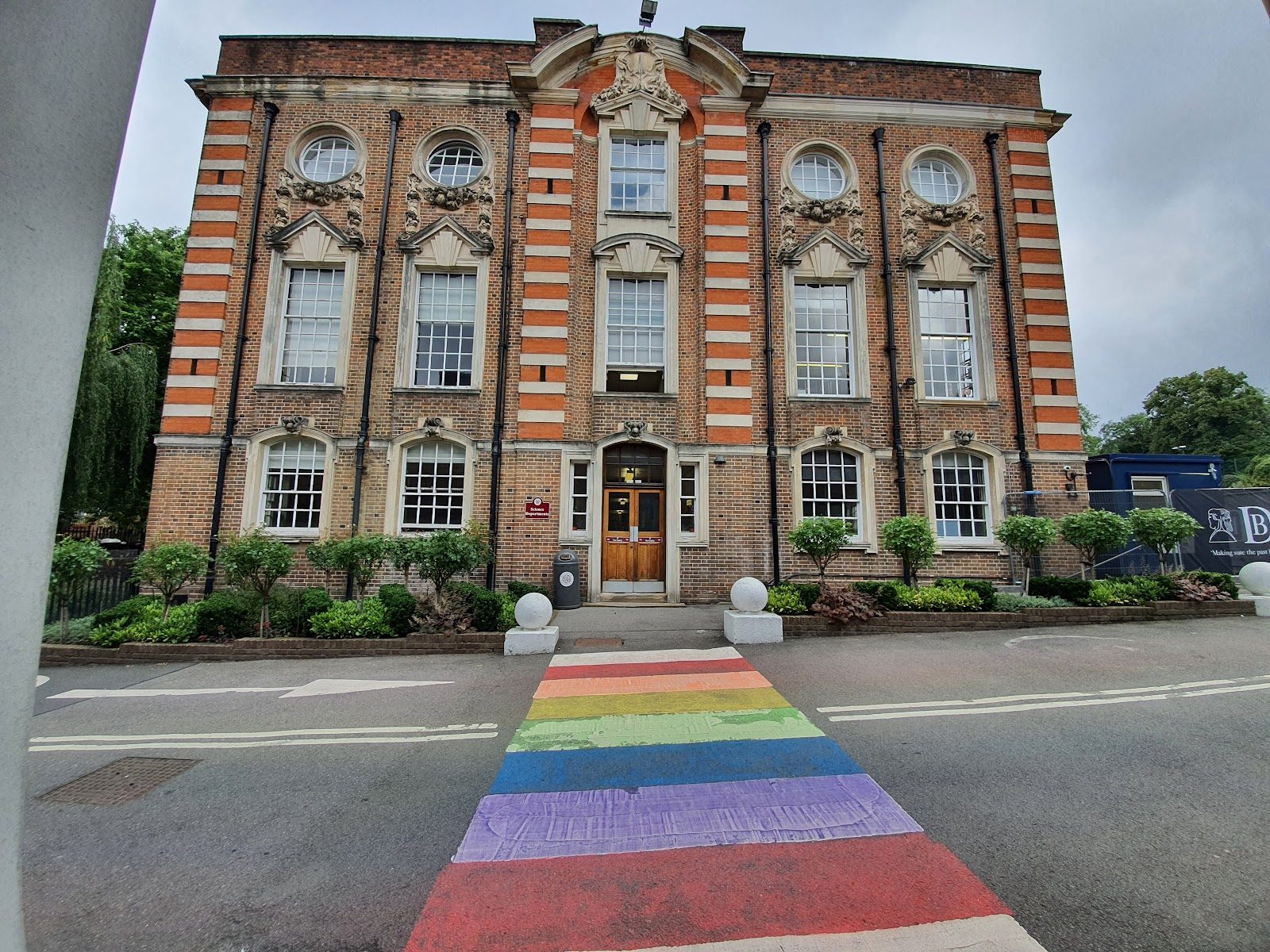
University College School
London · United Kingdom
A Hampstead offshoot of UCL's founding creed, prizing intellectual curiosity and independence of mind over rote drill since 1830.
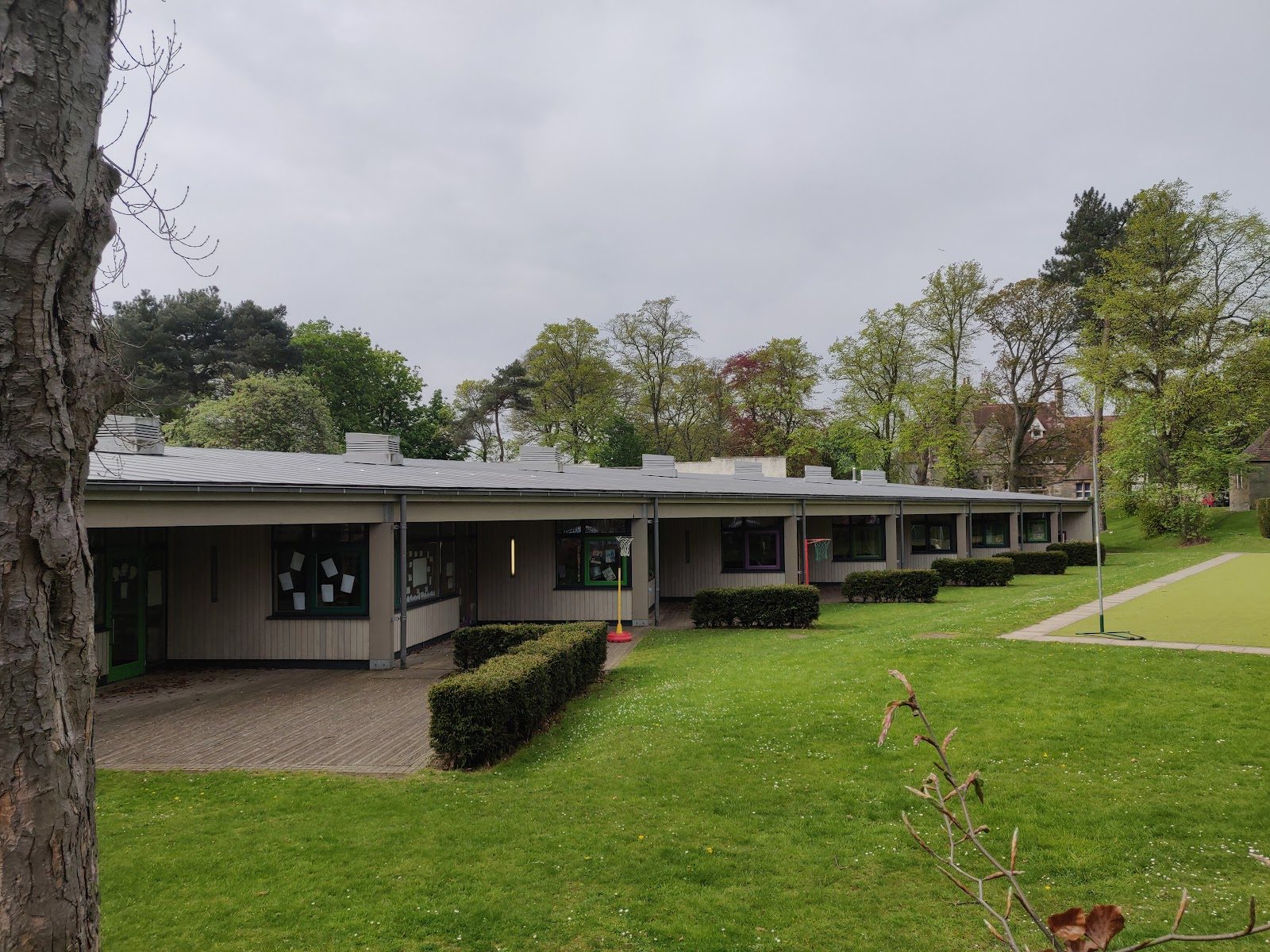
Fettes College
Edinburgh · United Kingdom
Gothic turrets said to have inspired Hogwarts frame Scotland's only sixth form pairing A Levels with a full IB Diploma pathway.
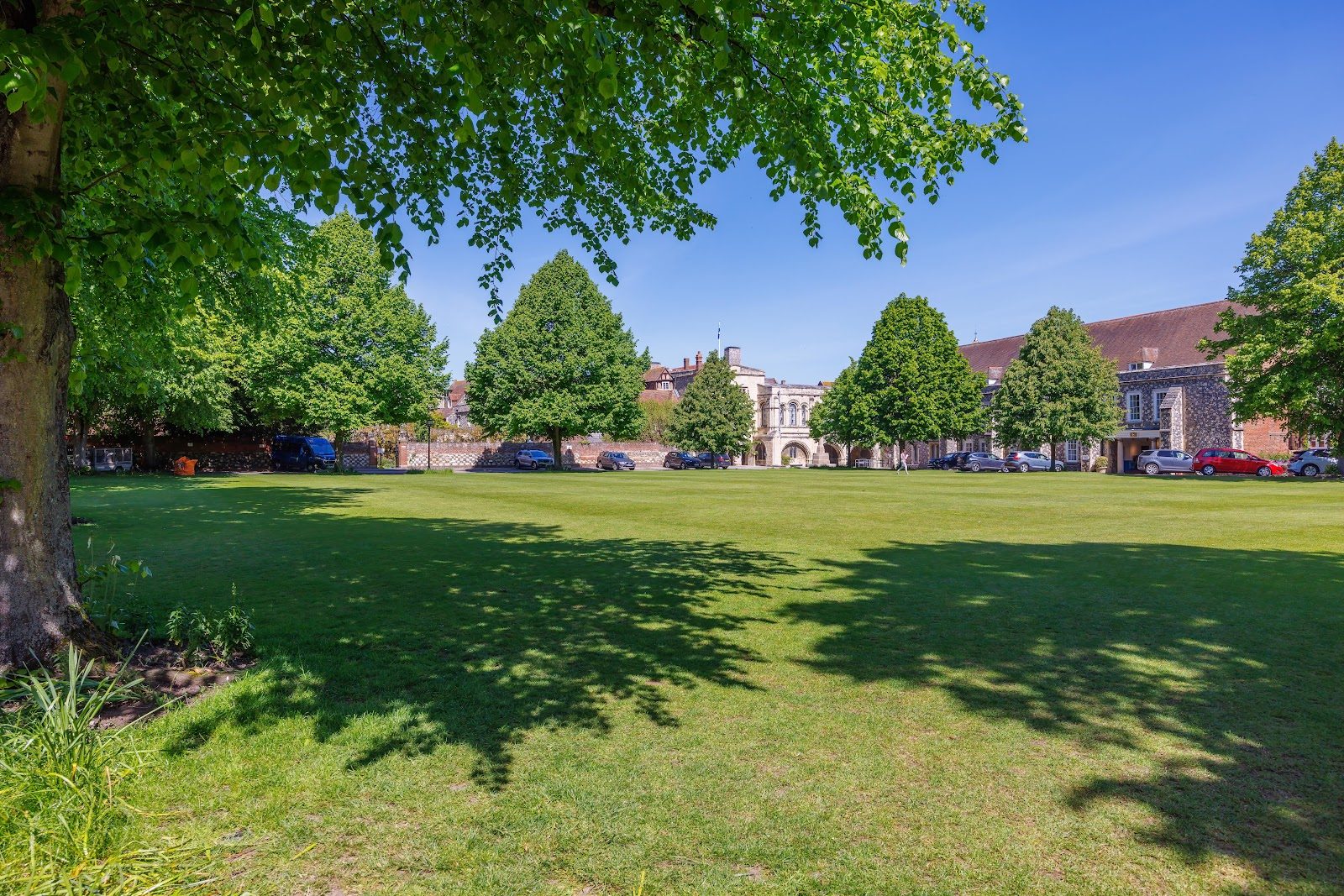
The King's School, Canterbury
Canterbury · United Kingdom
Inside Canterbury Cathedral's UNESCO precincts, lessons have run unbroken since 597 AD, folding King's Week festivities into daily life.
Radley College
Abingdon · United Kingdom
Eleven 'Socials' boarding houses anchor a full-boarding, all-boys community on an 800-acre Oxfordshire estate with its own golf course.
Same country and curriculum — closest matches within ±10 points either way