
Europe
A Christian day school in Mottingham since 1842
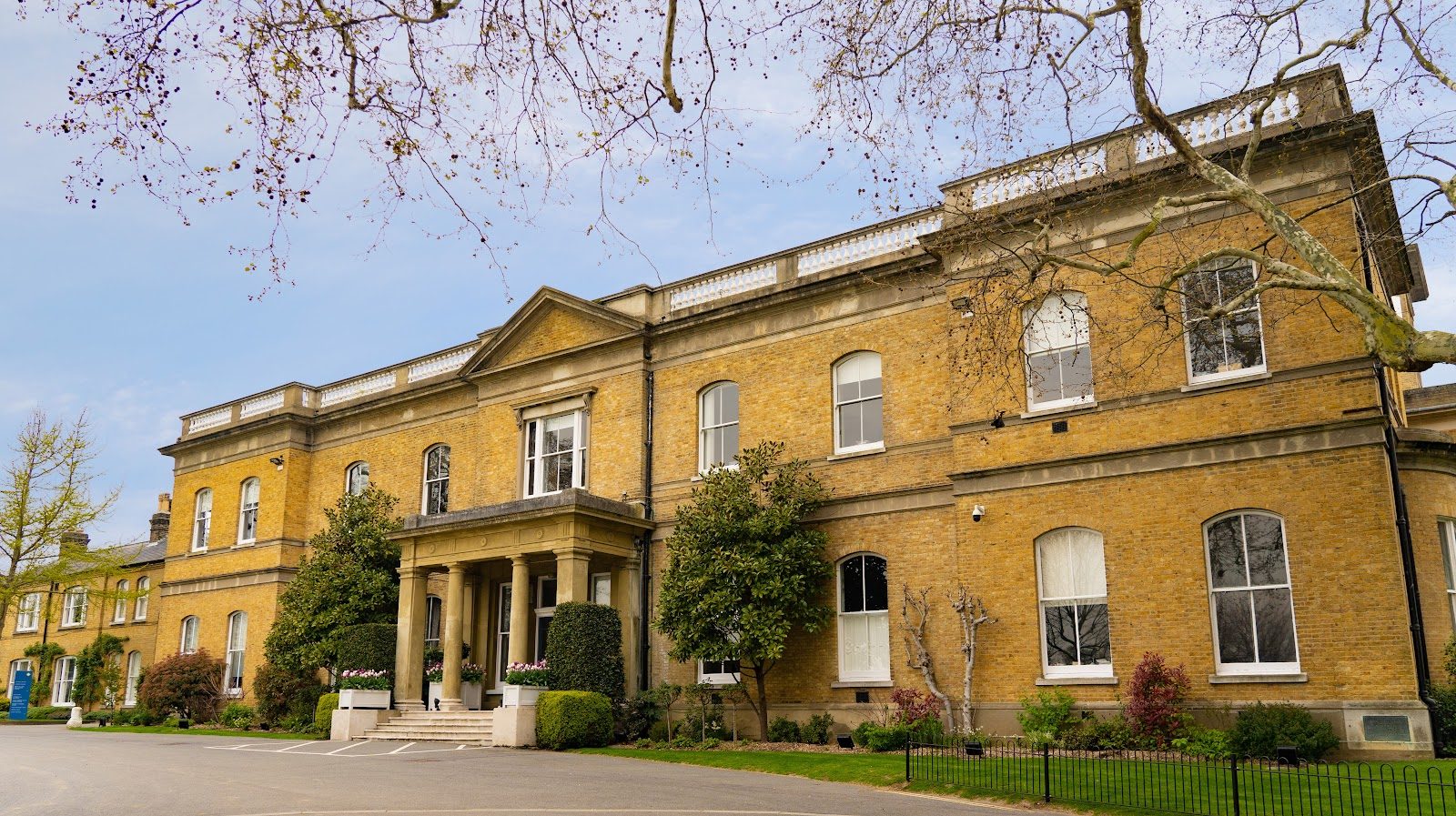
Photo © Eltham College via Google Maps
Type
Day
Ages
7–18
Curriculum
British
Ratio
—
Ranking breakdown
Eltham College · # of 1591
Composite score 69.8. 8 weighted criteria.
By criterion
Academic Outcomes
Weight 20%
#667
of 1529 scored
University Placement
Weight 16%
#516
of 1529 scored
Prestige & Heritage
Weight 12%
#900
of 1571 scored
Alumni Network
Weight 12%
#689
of 1530 scored
Facilities
Weight 12%
#188
of 1534 scored
Transparency & Communications
Weight 8%
#8
of 1532 scored
Peer & Industry Review
Weight 10%
#791
of 1548 scored
Admissions Selectivity & Demand
Weight 8%
#547
of 1529 scored
Peer & Industry Review
How Eltham College is regarded in the sector
Insufficient peer signal
We couldn't find enough independent third-party evidence to score this school's peer & industry standing with confidence. It doesn't mean the school isn't well regarded — only that public reputation sources we trust don't yet cover it. This axis is left blank for now and the composite score is median-imputed from the other six categories.
Editors' overview
Eltham College is an old southeast London independent day school with a clear identity: Christian, academically serious and rooted in Mottingham since 1842. It sits in a crowded London market where many schools sell polish and prestige first. Eltham’s case rests on something sturdier: continuity, discipline and a settled sense of purpose. Membership of HMC places it in the upper tier of British independent schools, but the more important point for parents is practical. This is a 7–18 school, so families can secure one institution for the whole secondary journey rather than gamble on another transition at 11 or 13. The draw is not theatrical reinvention. It is institutional confidence, quiet ambition and a school culture that values substance over display.
What marks Eltham out is the balance. It is a London private school without the churn, noise and self-conscious glamour that can distort school life in the capital. The southeast London setting gives it a more grounded feel than many central London rivals, and that matters. Children who thrive here will value routine, standards and a strong academic core delivered in English within the British system. The Christian foundation shapes the ethos, which will suit families who want moral seriousness and community, not a purely transactional education. For parents building a shortlist, Eltham earns its place because it offers calm order, intellectual rigour and a strong sense of belonging without the social theatre that dominates parts of the independent sector.
The best fit is a student who wants to work hard, join in and stay the course. Eltham suits children who do not need constant novelty or institutional hand-holding, but who benefit from structure and clear expectations. It will appeal to families who want a traditional day school with real coherence from age 7 to 18, and who prefer measured confidence to branding. Children hungry for a more experimental culture, a looser pastoral style or an aggressively cosmopolitan identity will find stronger options elsewhere. For the right student, though, Eltham offers something durable: stability with standards in a part of London where that combination carries real weight.
Academic Performance
Eltham’s academic profile is hard to judge with precision because the school does not publish headline public exam statistics in the source set here. No GCSE or A-level aggregate results are in the public domain from the sources provided, and that matters. In the London independent sector, serious academic schools usually make outcomes easy to find. When a school does not disclose them, parents lose a clean way to benchmark it against direct competitors. HMC membership places Eltham in a cohort where expectations are high, but membership alone does not answer the basic question of how pupils perform at the sharp end.
That does not put Eltham in weak company; it puts it in opaque company. The school’s age range and established market position indicate a full secondary operation with public examinations at the centre, not an experimental model or a niche specialist offer. Still, for a family comparing academically ambitious London day schools, the absence of published top-line data is a real handicap. It blocks clear comparison on attainment, value and sixth-form outcomes. The working assumption is a school with a solid academic core and a serious classroom culture, but assumptions are not enough at this fee level. Any parent considering Eltham should ask for recent GCSE and A-level distributions, university destinations and subject-level strength before treating it as a front-rank academic option.
Facilities
Facilities are hard to assess because the school does not publish a clear public account of them in the source set here. That absence matters. In this market, strong schools usually show parents the practical estate plainly: science labs, sports provision, theatre or music spaces, libraries, sixth-form study areas, and how specialist teaching is housed. Eltham does not make that case here, which leaves an avoidable gap. For a school of this age range and standing, parents should expect a full working campus with dedicated facilities for sciences, sport, the arts and senior independent study. The question is not whether those basics exist, but whether they are competitive, well-kept and fit for ambitious teenagers.
Against London day-school peers, that lack of disclosure puts Eltham on the back foot. Rival independents in the same bracket use facilities to prove seriousness: they show the quality of laboratories, indoor sport, performance spaces and the everyday fabric of pupil life. Eltham asks families to trust the institution more than inspect the estate, and that is a weak editorial position. It does not mean the campus is poor. It means the school does not give parents enough to judge whether the environment is merely functional or genuinely strong. Any family considering Eltham should press for a proper tour and ask direct questions about science teaching space, sports depth, music and drama provision, dining, and sixth-form areas before placing it alongside better-evidenced competitors.
Eltham College is an old southeast London independent day school with a clear identity: Christian, academically serious and rooted in Mottingham since 1842
Prestige
Eltham carries real but bounded prestige. HMC membership matters: it places the school inside one of the few national clubs that still signals seriousness in British independent education. That gives it standing with informed UK families and with universities, employers and schools that know the sector well. The school also benefits from longevity and a settled identity, both of which strengthen reputation over time. This is not a fashionable newcomer trading on architecture, branding or overseas expansion. Its status rests on institutional credibility, old-school confidence and a record of staying power. For parents in southeast London, that counts for a great deal.
The limit is just as clear. Eltham does not command the same instant name recognition as the most famous London independents, and prestige at the top of this market is ruthlessly comparative. A school can be respected, established and selective without entering the uppermost social stratum of the capital’s fee-paying hierarchy. That is where Eltham sits: well-regarded rather than glittering. For many families, that is a strength, not a weakness. The badge carries weight without the performative grandeur or social noise that surrounds some rivals. Still, prestige alone will not close the case here, because the school does not publish the kind of headline exam data that would turn respectable standing into unambiguous academic clout.
Still, for a family comparing academically ambitious London day schools, the absence of published top-line data is a real handicap
Communications
Eltham’s parent communication is hard to rate highly because the public-facing picture is thin. For a school of this standing, parents need more than atmosphere and institutional reputation; they need practical clarity. We have not seen a strong public trail of the basics that matter most to families making comparisons: headline exam outcomes, a concrete account of facilities, or detailed evidence of day-to-day school life. That creates a closed, old-fashioned communications posture. It asks parents to buy into the school before the school has done enough to earn that confidence in public. Some families will read that as quiet assurance. Others will read it as unnecessary opacity, and the second reading carries more force.
That does not mean communication with enrolled parents is poor. Many established independent schools handle direct parent contact competently once families are inside the gate, through routine notices, event information and pastoral channels. The problem is external communication, where Eltham is underpowered against stronger London competitors. In this market, schools need to explain themselves crisply and show their workings. Eltham does not do that well enough. The result is a communications style that feels *institution-first rather than parent-first*: confident in its own identity, but weaker on transparency, proof and comparison. Any parent considering it should test this directly—ask how quickly the school answers questions, how reporting works, and how much substance sits behind the sales conversation.
Uniqueness
Eltham’s distinctiveness lies in combination, not gimmick. Plenty of independent schools offer academic seriousness; plenty claim values. Far fewer hold together a clear Christian foundation, an all-through journey from 7 to 18, and a reputation rooted in one corner of the capital rather than dispersed across multiple campuses or inflated by brand theatre. That gives the school a settled centre of gravity. Children do not move through a conveyor belt of reinvention as they grow older; they stay within one institutional culture long enough for standards, habits and expectations to stick. For the right pupil, that continuity brings real ballast: staff know the school’s own pupils well, older students set the tone for younger ones, and adolescence unfolds inside a community with memory rather than churn.
That has practical consequences. Students get a school life with fewer internal resets, less social posturing and a stronger sense that character counts alongside attainment. The Christian frame adds moral language and communal obligation to daily life, which suits families who want more than a transactional march through exams. Eltham will not suit children who want a flashy, aggressively branded environment or a school built around novelty. Its strength is steadier than that: institutional coherence, earned confidence and a culture that can carry a child from early prep years into sixth form without losing shape. For students who value belonging as much as momentum, that is a serious advantage.
It means the school does not give parents enough to judge whether the environment is merely functional or genuinely strong
Student Profile
The student who fits here is steady, teachable and willing to commit. Eltham suits children who work well inside a framework of rules, routines and adult authority, and who do not need school to feel like a running performance of self-expression. Pupils who value order, clear expectations and serious peer culture will find traction. So will those who want to stay in one place for the long haul rather than treat each phase of schooling as a reset. This is a day school for students who can manage the rhythm of a full academic week, contribute beyond lessons and absorb the benefits of continuity. Families looking for grounded ambition rather than social display will recognise the appeal.
The less suitable profile is just as clear. Children who need a highly informal atmosphere, constant novelty or heavy emotional scaffolding will find the culture a harder fit. So will students who want a more overtly international social mix or a school identity built around fashion, spectacle or relentless personal branding. The Christian character will matter to some families and sit less comfortably with others; that question needs honest thought at the start, not after admission. The best match is a pupil who is self-possessed, community-minded and ready to be known over time, not just coached for the next exam. For that child, the school offers a stable, adult environment with real shape.
It sits in a crowded London market where many schools sell polish and prestige first
Co-curricular strengths
We haven't scored this school on the arts & sport axis yet. Our editorial team is working through the fleet — the school's public evidence will earn its own score, not a guess.
Gallery
Photo © WindyLDN via Google Maps
Photo © Henry Essinghigh via Google Maps
Photo © Edward Dawkins via Google Maps
Photo © Ali Sezgin via Google Maps
Photo © Henry Essinghigh via Google Maps
Photo © Amy via Google Maps
Photo © Henry Essinghigh via Google Maps
Photo © Unknown Assassin via Google Maps
Parent reviews
Have you sent your child here?
Voice reviews carry the strongest trust badge — we transcribe them for you to tidy up before they go live. Prefer to type? A written review is fine too.
Add your voice
In 60 seconds, tell other parents: what's the best thing about Eltham College, and what surprised you when your child joined?
We ask for a Google sign-in so every review has a real face behind it — no anonymous drive-by attacks on schools, and no faked positive reviews. Your email is never shown publicly.
Send this profile to a friend
International parents rely on word-of-mouth. Share this review with someone weighing the same decision.
Schools with places
Similar schools to Eltham College with places available now.
University College School
London · United Kingdom
- 2026-27
- CLOSEDStandard route
- 2027-28
- PLACES OPEN11+ (9 Nov); 16+ (28 Sept)
Emanuel School
London · United Kingdom
- 2026-27
- CLOSEDStandard route closed
- 2027-28
- PLACES OPEN11+ / 16+ active
City of London School
London · United Kingdom
- 2026-27
- CLOSEDStandard route
- 2027-28
- PLACES OPEN11+/16+ Active
Latymer Upper School
London · United Kingdom
- 2026-27
- CLOSEDStandard route
- 2027-28
- PLACES OPENCloses Nov
Availability first, then country, area, curriculum, price, co-curricular
Consider also
Also worth looking at alongside Eltham College.
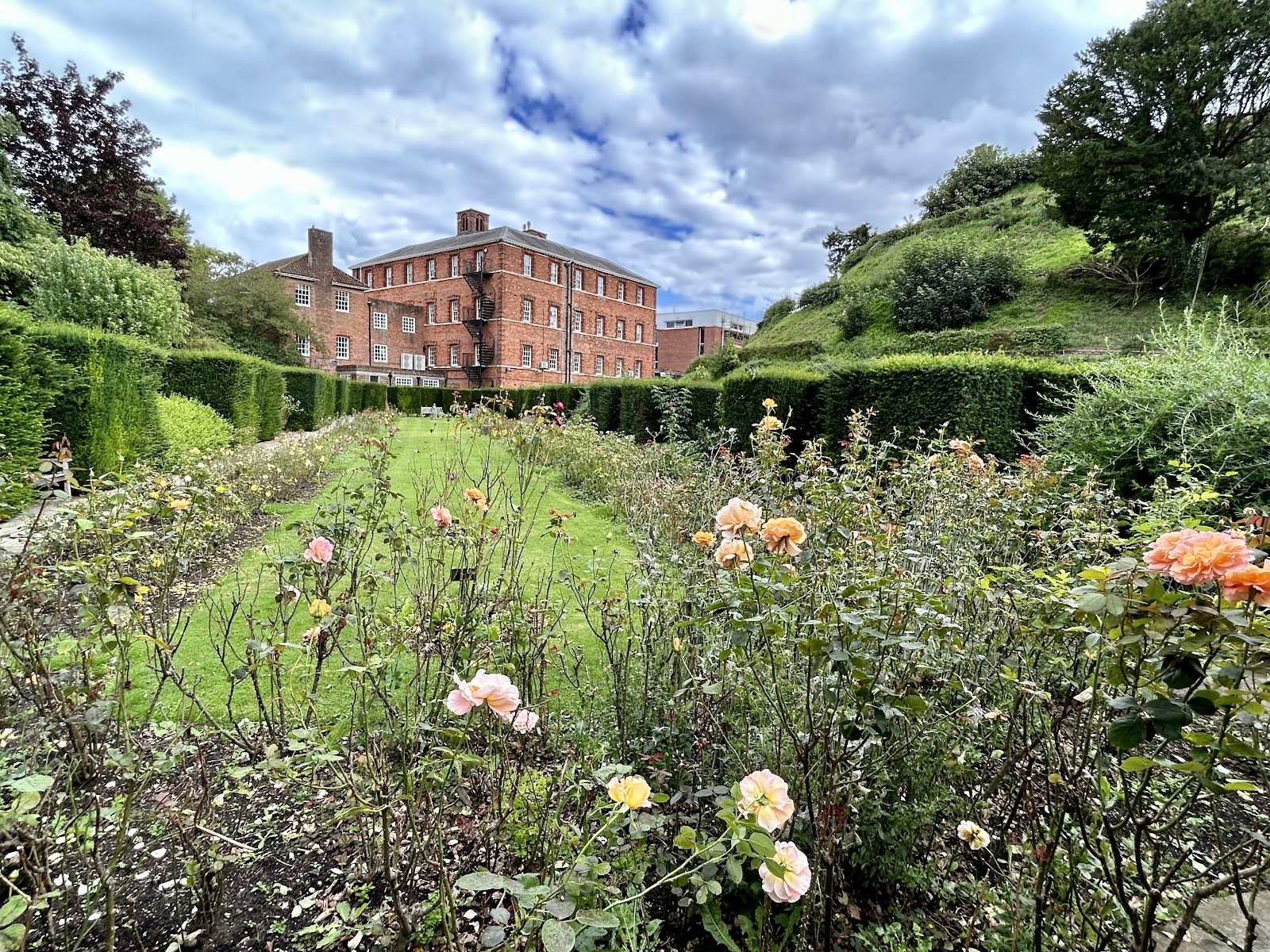
Marlborough College
Marlborough · United Kingdom
A 4,000-year-old Neolithic mound anchors a Wiltshire campus that pioneered co-education among Britain's boarding schools.
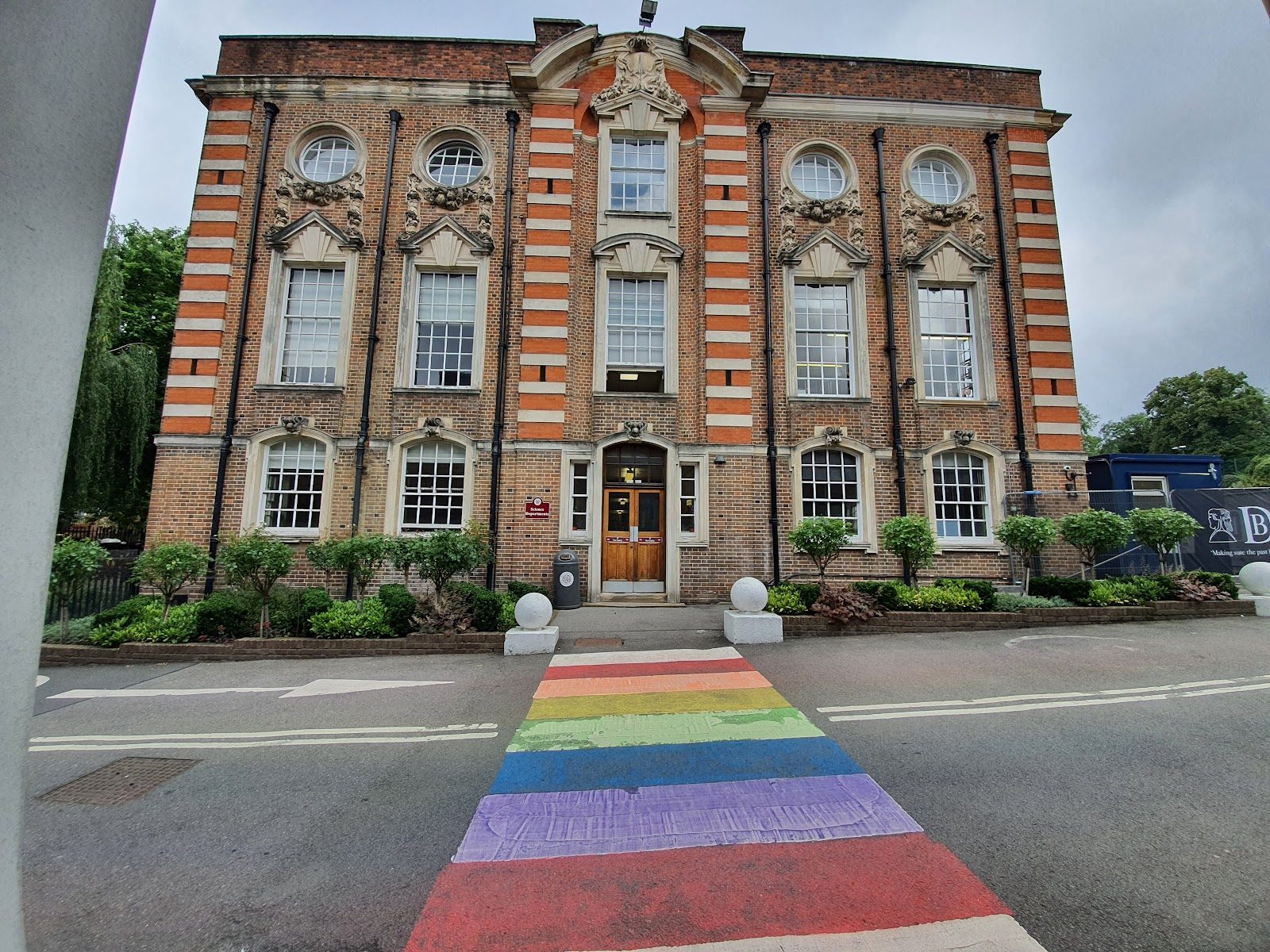
University College School
London · United Kingdom
A Hampstead offshoot of UCL's founding creed, prizing intellectual curiosity and independence of mind over rote drill since 1830.
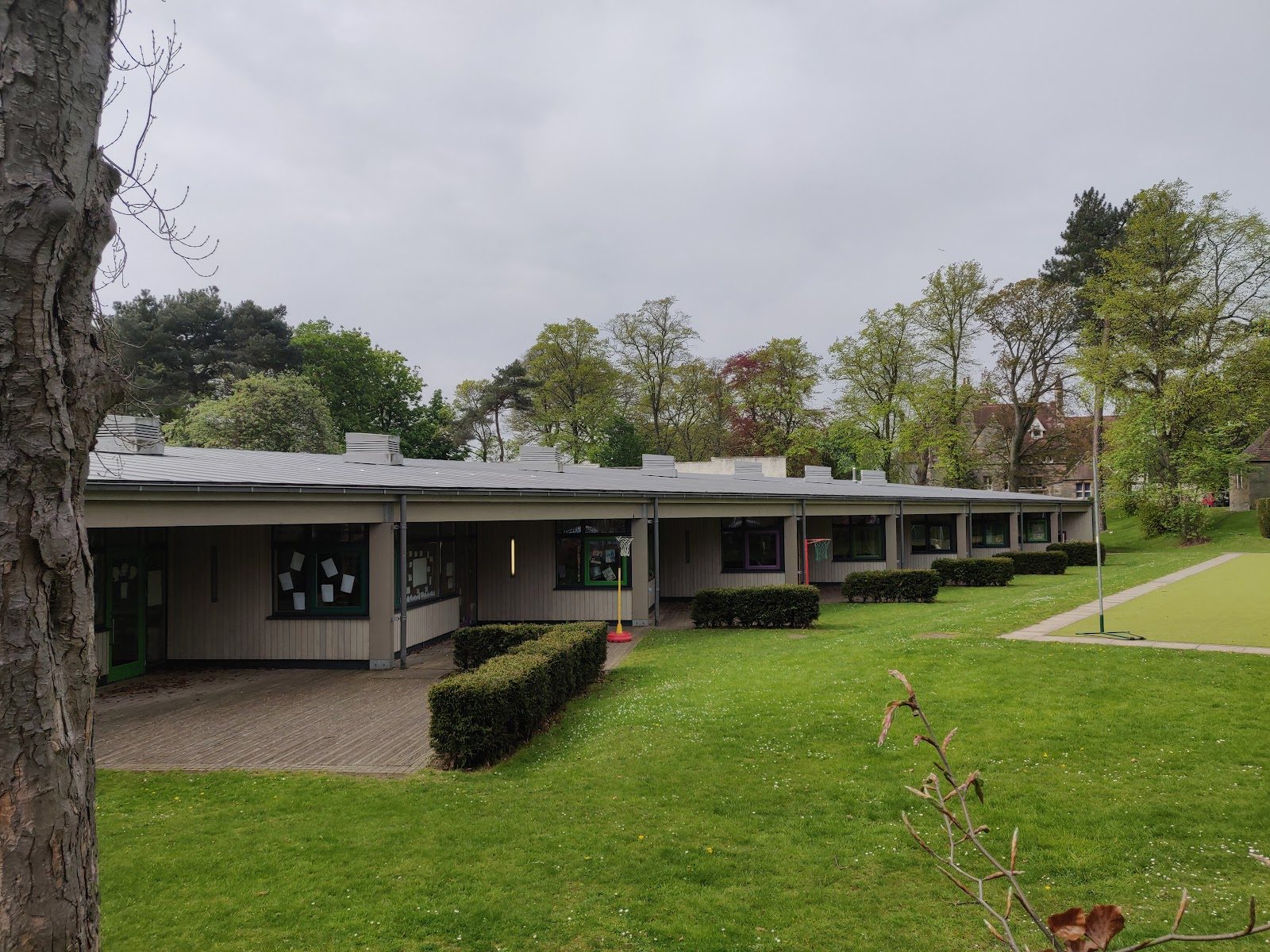
Fettes College
Edinburgh · United Kingdom
Gothic turrets said to have inspired Hogwarts frame Scotland's only sixth form pairing A Levels with a full IB Diploma pathway.
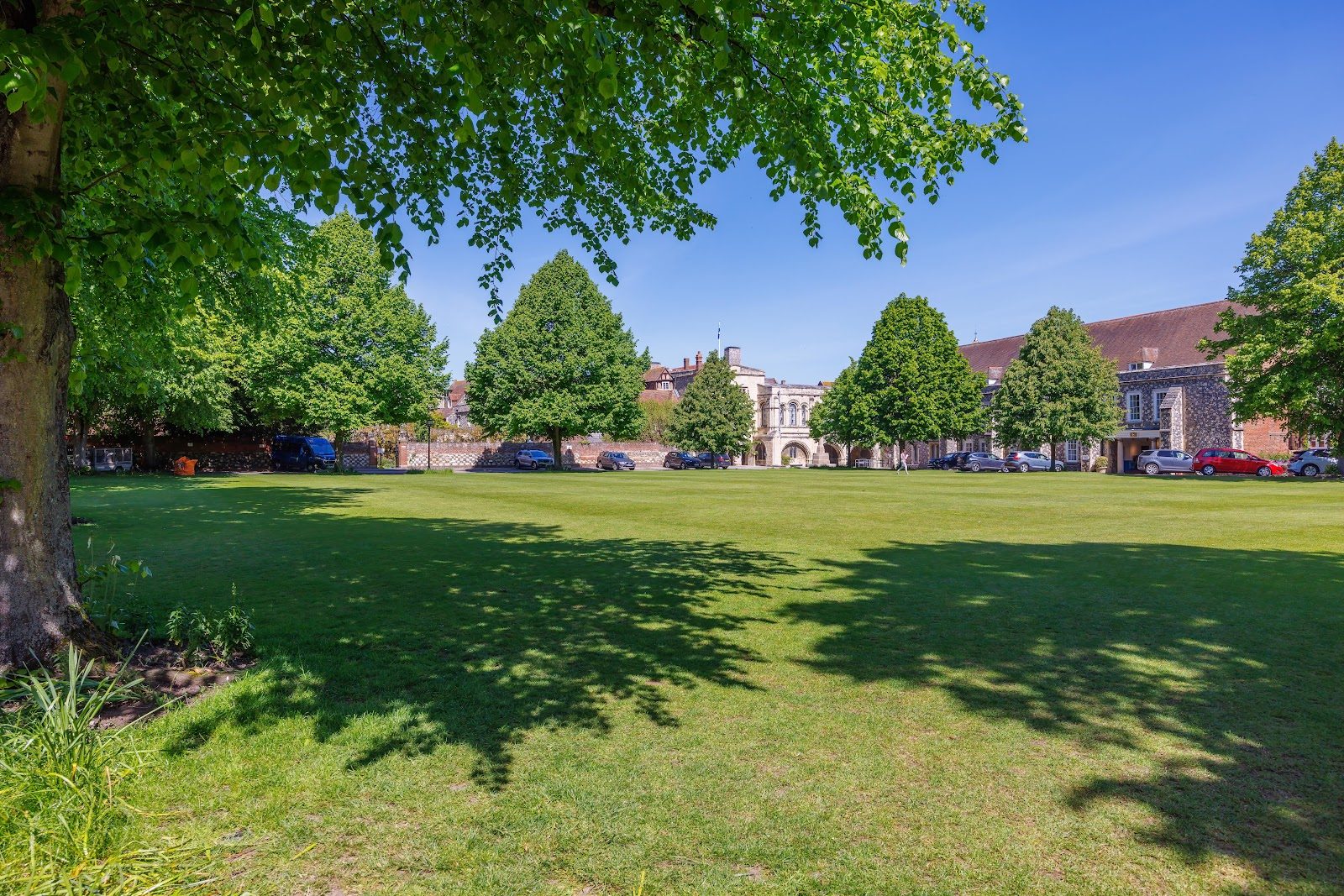
The King's School, Canterbury
Canterbury · United Kingdom
Inside Canterbury Cathedral's UNESCO precincts, lessons have run unbroken since 597 AD, folding King's Week festivities into daily life.
Same country and curriculum — closest matches within ±10 points either way