
Eastern Province
Dhahran Ahliyya Schools
low confidence· 4/6 cats · 1 avg sourcesIn Dhahran's oil-country heartland, a bilingual campus founded in 1977 pairs IB rigor with an Arab and Islamic identity.
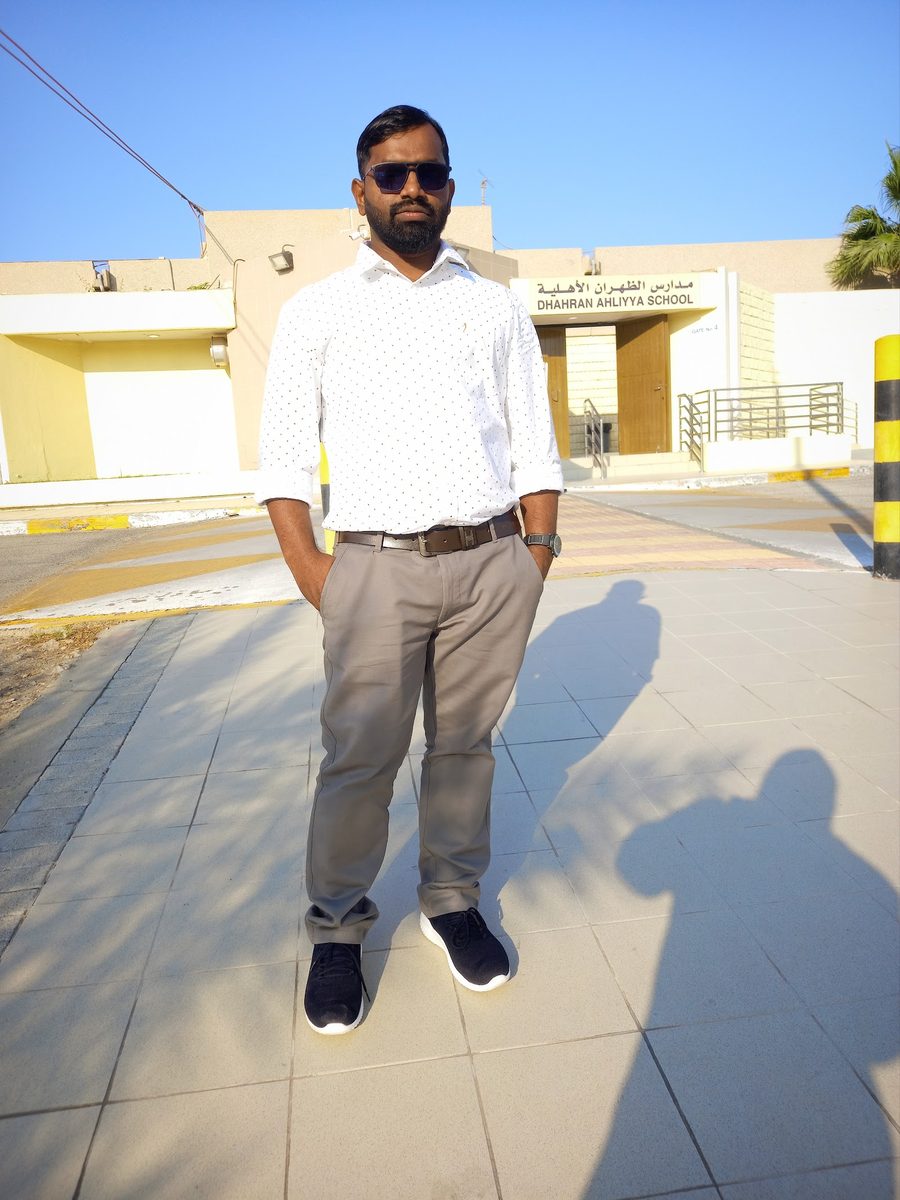
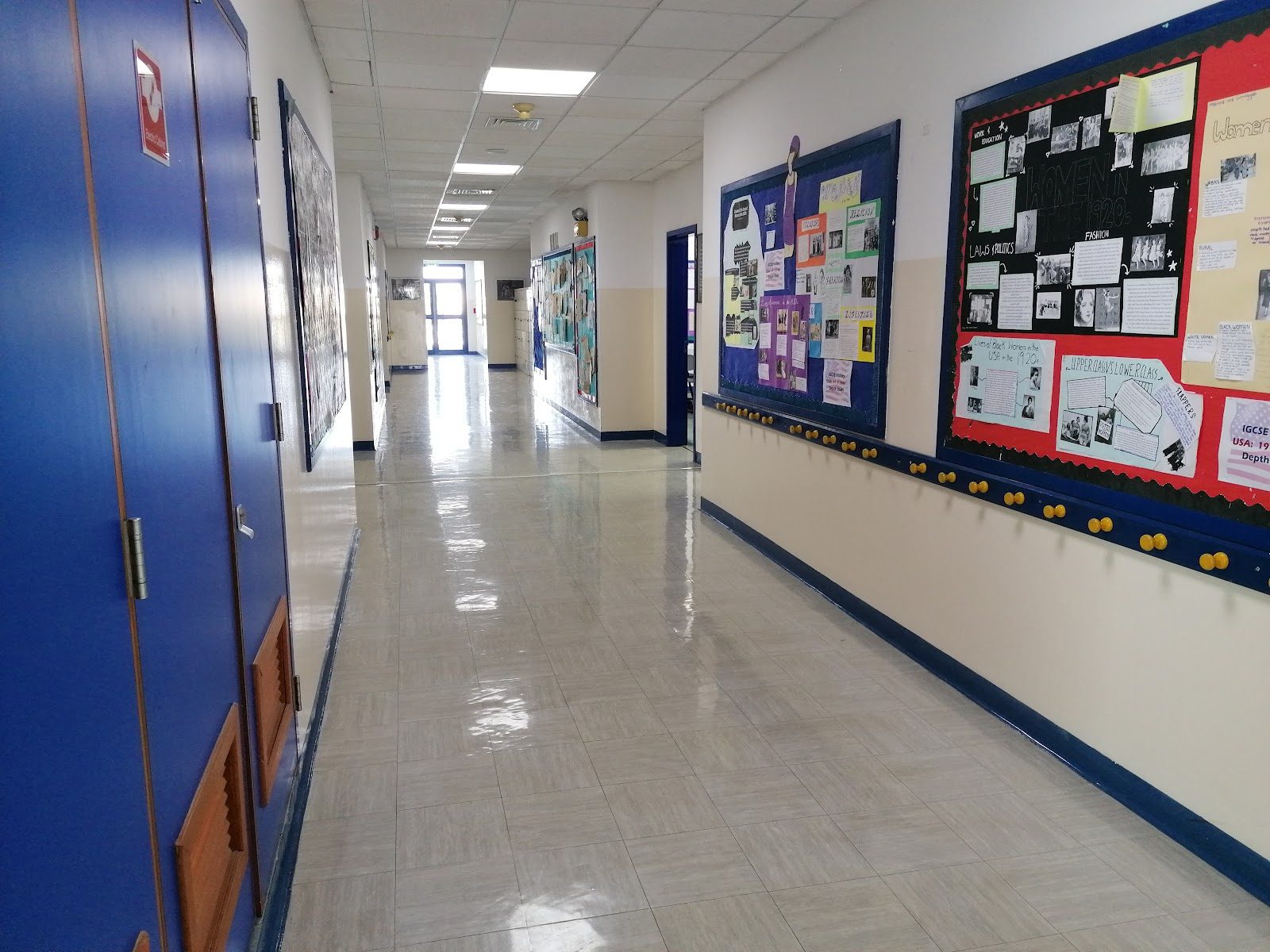
Photo © Shareef kalpally via Google Maps
Type
Day
Ages
3–18
Curriculum
British
Qualifications
IGCSE · A-Level
Ratio
—
The Verdict
Editor's commitment
Right for
Families in Dhahran wanting a Muslim day school, ages 3–18, with Arabic and English teaching and Cambridge International backing.
Wrong for
Parents who need published academic outcomes, a working school website, or clarity beyond Ministry of Education, Cambridge International and CIS badges.
Watch out for
The context says founded in 1941 and school-declared British; the tagline claims IB, and the public website is unrelated insurance copy.
Ranking breakdown
Dhahran Ahliyya Schools · #305 of 1591
Composite score 72.2. 8 weighted criteria.
By criterion
Academic Outcomes
Weight 20%
#450
of 1529 scored
University Placement
Weight 16%
#398
of 1529 scored
Prestige & Heritage
Weight 12%
#296
of 1571 scored
Alumni Network
Weight 12%
#195
of 1530 scored
Facilities
Weight 12%
#406
of 1533 scored
Transparency & Communications
Weight 8%
#388
of 1532 scored
Peer & Industry Review
Weight 10%
#385
of 1548 scored
Admissions Selectivity & Demand
Weight 8%
#547
of 1529 scored
Peer & Industry Review
How Dhahran Ahliyya Schools is regarded in the sector
48
Credible · low confidence
Dhahran Ahliyya Schools carries a solid, well-established local reputation but has not built the kind of specialist sector footprint that defines the Gulf's most closely-watched schools. Neither WhichSchoolAdvisor nor comparable independent review platforms have published a dedicated verdict on DAS, even as they cover neighbouring Dhahran schools such as the ISG American and British Schools in depth. What third-party signal does exist is workplace- and parent-sourced rather than editorial: Glassdoor reviewers note that the school has one of the best reputations in the region and describe strong academic focus and professional leadership, while its long-standing not-for-profit, dual-language model has earned it IB World School authorisation. Parent commentary on Edarabia is warm but anecdotal. As a nearly five-decade-old institution with real community standing, DAS reads as credible and respected locally, though its presence in independent sector press remains modest.
Evidence sources
Editors' overview
Dhahran Ahliyya Schools occupies a distinct niche in Saudi Arabia’s Eastern Province: a bilingual Muslim day school for ages 3–18 that combines a British curriculum with Arabic and English instruction, underpinned by an explicit Arab and Islamic identity. For families in Dhahran who want academic ambition without cultural dilution, that mix matters. This is not an imported international school model with Arabic added at the edges; the attraction lies in a school built to hold both worlds together. The age span also gives it strategic value. A family can place a child at 3 and keep a coherent educational track through to 18, rather than stitching together separate schools at each phase.
What puts it on a shortlist is that combination of continuity, bilingualism and institutional legitimacy. Founded in 1941, it has longevity that few schools in the market can match. It also holds accreditation from Cambridge International and CIS, alongside Saudi Ministry of Education recognition, which gives parents a clear external framework for standards and governance. That said, there is a blunt caveat: the school’s public-facing website is currently unusable for due diligence on the school itself. The homepage content points elsewhere entirely, which leaves parents without the basic published detail a serious school should provide on leadership, facilities, phase structure, academic pathways and outcomes. For a school competing in an expensive, information-heavy market, that is a real weakness, not a cosmetic one.
The students who will thrive here are those who want academic structure and cultural rootedness in equal measure. This suits families who value English fluency and an internationally legible education, but who do not want their children educated in a setting detached from Saudi, Arab and Islamic reference points. It also suits children who benefit from institutional continuity rather than constant transition, and those comfortable moving between Arabic and English across school life. Parents looking for a clear moral frame, a serious bilingual education and a school with deep local standing will find strong reasons to look closely. Parents who need radical transparency, rich public data and polished communications will find the current information gap hard to ignore.
Academic Performance
Public evidence on academic performance is thin to the point of failure. The school does not publish aggregate external exam results, cohort averages, top scores, university destinations, value-added data or subject-by-subject breakdowns. We have not seen GCSE, IGCSE, A Level, IB Diploma or other headline outcomes in the public domain. That makes Dhahran Ahliyya Schools hard to place with precision against serious regional competitors, because the basic comparative tools are missing. In an international market where strong schools publish pass rates, mean scores and destination lists, this level of opacity is a material weakness. Parents cannot test claims of academic strength against hard numbers; they have to rely on reputation, longevity and accreditation rather than measurable attainment.
That does not put the school in a weak academic bracket by default. It does, however, place it in an opaque middle ground where confidence depends on what admissions staff disclose privately rather than what the school publishes openly. Relative to peers, that is a disadvantage. The best-run schools in this segment make outcomes easy to verify and easy to compare. Dhahran Ahliyya does not. For families weighing demanding options, the message is plain: ask for the last 3 years of external exam results, score distributions, university offers and phase-by-phase attainment data before treating the school as a proven academic performer.
Facilities
Facilities are the hardest part of this school to judge because the school does not publish a usable campus overview, and the current website gives parents almost nothing of value on buildings, specialist rooms, sports provision or phase-specific spaces. We have not seen confirmed detail on laboratories, libraries, performing arts venues, early years outdoor areas, indoor sports halls, swimming pools or sixth-form study spaces. That is a serious disclosure failure. In this market, peer schools competing for internationally minded families put their campuses to work in plain sight: they show room stock, specialist provision, photos that match the educational offer, and enough operational detail for a parent to judge whether the environment fits a child. Dhahran Ahliyya does not clear that bar.
That leaves only an indirect judgement. An all-through school serving ages 3–18 needs a campus with genuine range: separate provision for younger children, credible science and exam-year teaching space for older students, and sports and arts facilities that can support a full school week rather than token enrichment. If Dhahran Ahliyya matches serious peers, it will have that infrastructure. If it does not, parents need to know before enrolment. Until the school publishes clear evidence, facilities sit in the trust us category, and that is well below standard for a school asking families to make a long-term commitment. Any visit needs to be probing, not polite: inspect science rooms, libraries, sports areas, prayer spaces and safeguarding arrangements in person.
That makes Dhahran Ahliyya Schools hard to place with precision against serious regional competitors, because the basic comparative tools are missing
Prestige
Dhahran Ahliyya Schools carries real local stature, but not the kind of prestige that travels effortlessly across the global international-school market. Its standing rests on three things: deep roots in the Eastern Province, a clear Muslim identity, and the fact that it offers an all-through education from early years to sixth form under one institutional roof. For families in Saudi Arabia who want a school with cultural authority rather than imported gloss, that has weight. In that sense, the school’s prestige is earned and domestic: it matters in its own community, and it speaks to parents who value seriousness, continuity and social trust over branding. The age range, spanning 3–18, reinforces that status because it allows a family to commit for the long haul rather than treat the school as a temporary stop.
The limit on that prestige is blunt. Outside its home market, the school does not project top-tier international visibility. It does not publish the kind of public academic and destination data that turns reputation into proof, and its website currently damages confidence rather than building it. That matters because prestige in this sector has 2 layers: local regard and external validation. Dhahran Ahliyya has the first; it does not secure the second in any convincing public form. Our rating therefore sits in the solid but circumscribed bracket: respected in-region, credible for families who prioritise identity and continuity, but short of the hard-edged prestige attached to schools that pair heritage with transparent outcomes and polished institutional communication.
Dhahran Ahliyya Schools carries real local stature, but not the kind of prestige that travels effortlessly across the global international-school market
Communications
Parent communication is the school’s weakest public function. The website linked to Dhahran Ahliyya does not function as a school website at all; it lands on unrelated Chinese-language insurance and financial-services content. That is not a minor glitch. It strips parents of the basic information a serious school must keep current: leadership contacts, term dates, admissions process, academic structure, calendars, policies, news and routine updates. For a school serving children across 3 phases of education and up to 18 years of age, that failure is extraordinary. It turns even simple due diligence into guesswork and leaves the school with almost no credible public voice. Any parent judging communication standards from the website alone would conclude that oversight is poor.
That does not prove daily parent communication inside the school is equally weak, but it does establish a clear problem in outward communication and institutional discipline. Schools that communicate well keep public channels accurate because those channels are the front door for current families as much as prospective ones. Here, the front door is effectively broken. We have not seen a working parent-information hub, published leadership messages, accessible policy library or reliable stream of school news in the public domain. That forces families to rely on direct contact with admissions or word of mouth, which is well below par. Any parent considering the school should test communication hard before enrolment: response times, clarity of answers, escalation routes and how the school handles ordinary operational questions.
Uniqueness
What marks Dhahran Ahliyya out is not novelty but synthesis. Plenty of schools in the Gulf offer international academics; plenty also deliver Arabic and Islamic studies as compulsory add-ons. This school’s distinction sits in a tighter integration of the two. It is built for families who do not want a child to live one intellectual life in English lessons and another cultural life everywhere else. The promise, at its best, is a school experience where academic ambition and Muslim identity are not in conflict, not awkwardly compartmentalised, and not treated as a branding exercise. That gives the school a clear social purpose as well as an educational one: it serves students who need fluency across different reference points without asking them to choose between them.
The all-through structure also matters. A child can move from the earliest years to the end of school inside one institution, which gives pastoral and academic continuity that fragmented school journeys rarely match. For the right family, that creates a stable long-view environment with fewer disruptive transitions and a stronger sense of belonging over 15 years of schooling. The benefit to students is cultural steadiness alongside academic progression: they grow up in a setting that keeps faith, language and intellectual expectations in the same frame. The weakness is equally clear. A school with this kind of identity-driven proposition needs crystal-clear execution to prove that the model works in practice, and Dhahran Ahliyya does not publish enough to demonstrate that openly.
The age range, spanning 3–18, reinforces that status because it allows a family to commit for the long haul rather than treat the school as a temporary stop
Student Profile
The best fit here is a student who can live comfortably inside 2 frames at once: academic discipline and a clearly defined Muslim school culture. This suits children who do not chafe at structure, who can handle expectations around conduct and identity, and who benefit from a school life where Arab and Islamic reference points are not peripheral but central. The strongest match is not the child hunting for a loose, ultra-progressive atmosphere or a highly individualised, self-invented school experience. It is the child who values cultural certainty, responds well to clear boundaries, and wants a peer group shaped by families with a serious view of education and upbringing.
It also fits students who prefer continuity over reinvention. In an all-through setting covering ages 3–18, children who like stable friendships, familiar routines and a long institutional memory will settle more easily than those who want repeated change or a fresh social reset every few years. A bilingual environment also favours pupils who can move between different linguistic and cultural codes without treating one as a burden. For internationally minded families with a strong religious and cultural anchor, that can be a powerful alignment. For children who want a more socially liberal, openly experimental or identity-light school culture, it will feel too bounded. The school’s appeal is clear, but it is not universal.
Outside its home market, the school does not project top-tier international visibility
Co-curricular strengths
Arts & sport, on a separate axis
Overall 7.5/10
Scored 0-10 from the school's own published evidence. This axis is editorial-only — it does not feed the main WTS ranking.
Sports
8.5/10
Drama
7/10
Dance
6.5/10
Music
7.5/10
Visual Arts
8/10
Editor first-pass · editor-reviewable · 7/30/2026
Strengths
- +Authorized IB World School delivering the Primary Years and Middle Years Programmes alongside the Saudi Ministry of Education curriculum.
- +Accredited by AdvancED/the North Central Association Commission on Accreditation and School Improvement (NCA CASI), allowing dual Saudi and American diplomas.
- +Bilingual English-Arabic instruction is embedded from the early years, supporting both local and international academic pathways.
- +Long-established, not-for-profit institution founded in 1977 with decades of continuous operation in the Eastern Province.
- +Class sizes are moderate, averaging around 25 students, which supports closer teacher-student contact than larger local alternatives.
Considerations
- −The student body is overwhelmingly Saudi national, with only a small minority of other Arab nationalities and little broader international mix.
- −Admission is competitive at every grade: entrance exams or interviews are required, and seats after the first testing round are scarce.
- −No scholarship programs exist, so all families pay standard tuition regardless of financial circumstance.
- −Non-Aramco applicants can face multi-year waitlists, since half of all seats are structurally reserved for Saudi Aramco employees' children.
Availability
Primary entry gate & tests
Academic Record + Assessment
Gallery
Photo © Sarkar_ Vai via Google Maps
Photo © M F via Google Maps
Photo © محمد العايدي via Google Maps
Photo © Saji Vithura via Google Maps
Photo © Saji Vithura via Google Maps
Parent reviews
Have you sent your child here?
Voice reviews carry the strongest trust badge — we transcribe them for you to tidy up before they go live. Prefer to type? A written review is fine too.
Add your voice
In 60 seconds, tell other parents: what's the best thing about Dhahran Ahliyya Schools, and what surprised you when your child joined?
We ask for a Google sign-in so every review has a real face behind it — no anonymous drive-by attacks on schools, and no faked positive reviews. Your email is never shown publicly.
Send this profile to a friend
International parents rely on word-of-mouth. Share this review with someone weighing the same decision.
Schools with places
Similar schools to Dhahran Ahliyya Schools with places available now.
British International School Riyadh
Riyadh · Saudi Arabia
- 2026-27
- WAITPOOLSpace-dependent
- 2027-28
- PLACES OPENRolling
Jeddah Prep and Grammar School
Jeddah · Saudi Arabia
- 2026-27
- WAITPOOLAdmissions open / availability-dependent
- 2027-28
- PLACES OPENMarketed as open for 2027
Misk Schools
Riyadh · Saudi Arabia
- 2026-27
- PLACES OPENApps open / space-dependent
- 2027-28
- WAITPOOL2027/28 timetable TBC
The British International School of Jeddah
Jeddah · Saudi Arabia
- 2026-27
- PLACES OPENApps open / space-dependent
- 2027-28
- WAITPOOL2027/28 timetable TBC
Availability first, then country, area, curriculum, price, co-curricular
Consider also
Also worth looking at alongside Dhahran Ahliyya Schools.
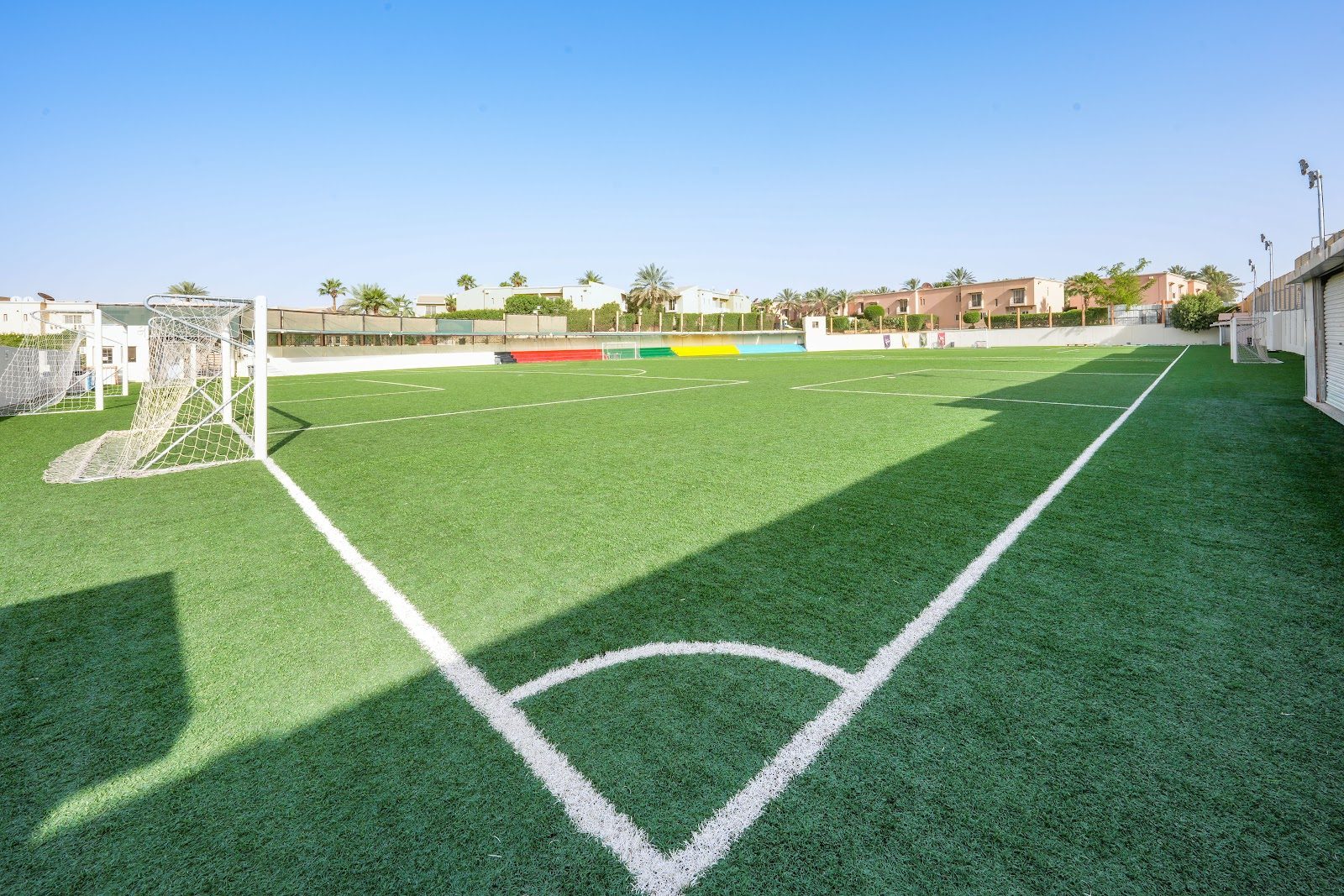
British International School Riyadh
Riyadh · Saudi Arabia
Founded in 1979 amid Riyadh's diplomatic and oil community, this multi-campus day school pairs A-Levels with the IB Diploma.
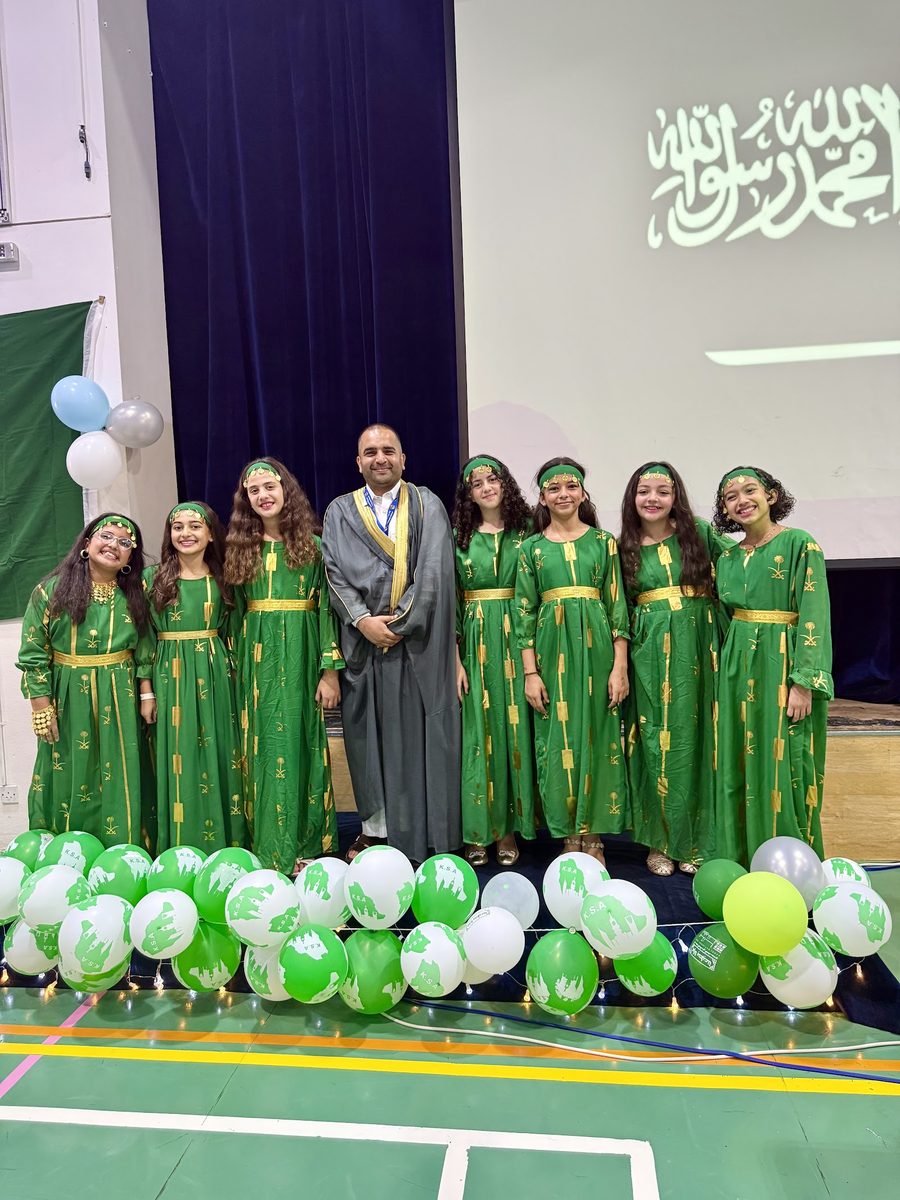
Jeddah Prep and Grammar School
Jeddah · Saudi Arabia
Founded in 1967 as the region's first British school, blending Cambridge rigor with a not-for-profit, fifty-nation community ethos.
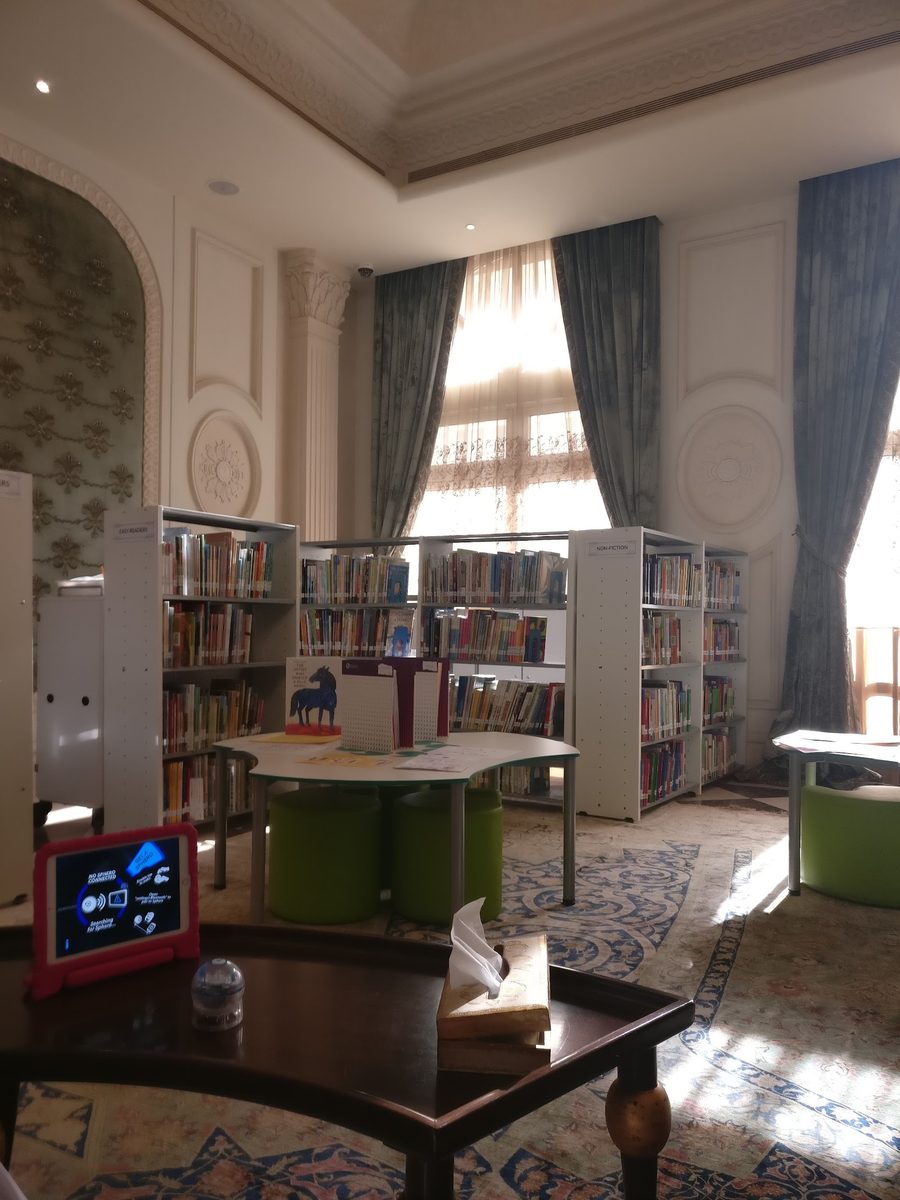
Misk Schools
Riyadh · Saudi Arabia
Nine single-sex academies share one royally founded Riyadh campus, built to engineer Vision 2030's next leaders.
The British International School of Jeddah
Jeddah · Saudi Arabia
Born in a British Embassy room in 1977, this Jeddah 'Conti' became the first British-style school worldwide to earn ECIS accreditation.
Same country and curriculum — closest matches within ±10 points either way