
Makkah Province
The British International School of Jeddah
medium confidence· 4/6 cats · 3 avg sourcesBorn in a British Embassy room in 1977, this Jeddah 'Conti' became the first British-style school worldwide to earn ECIS accreditation.
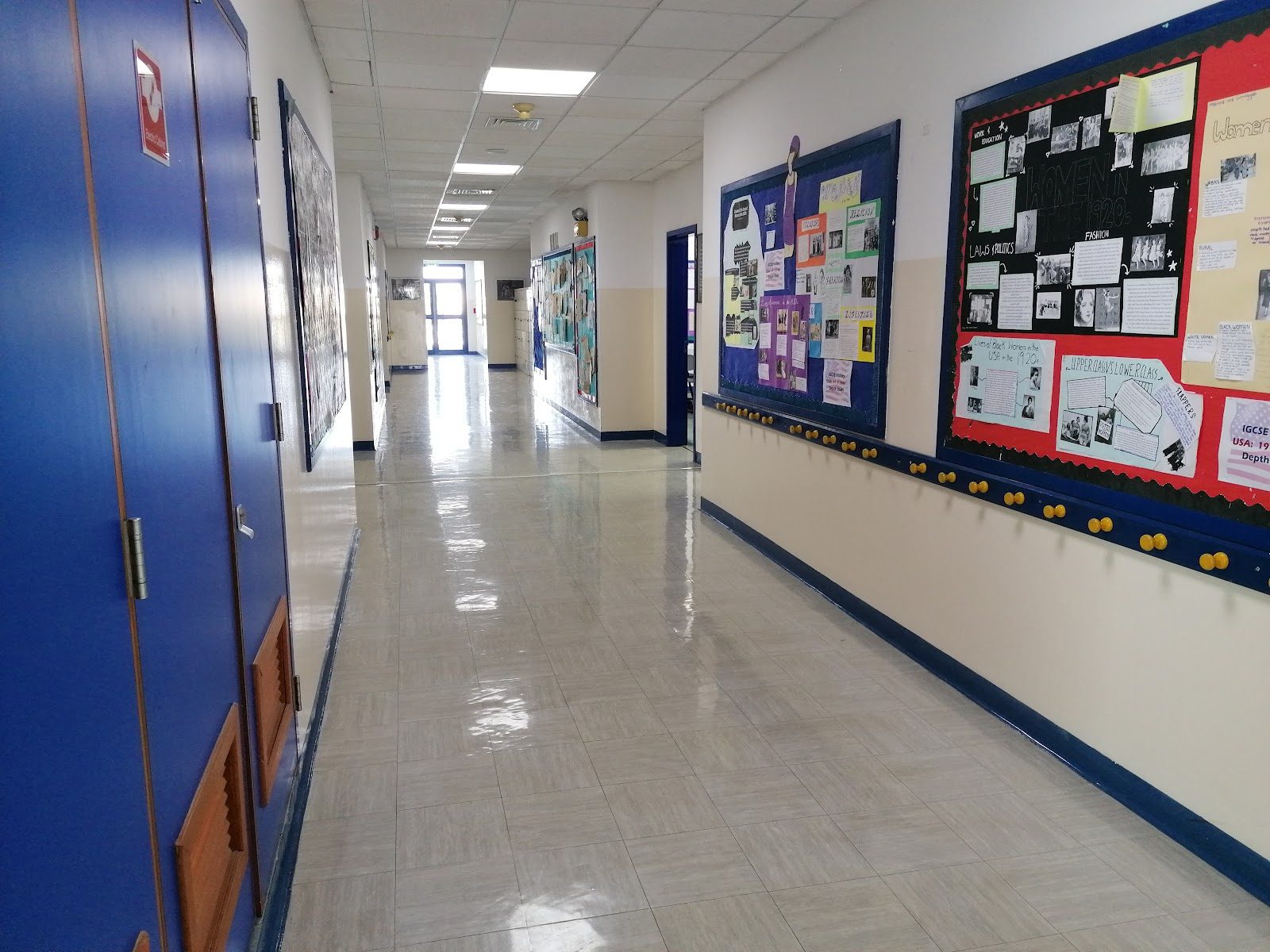
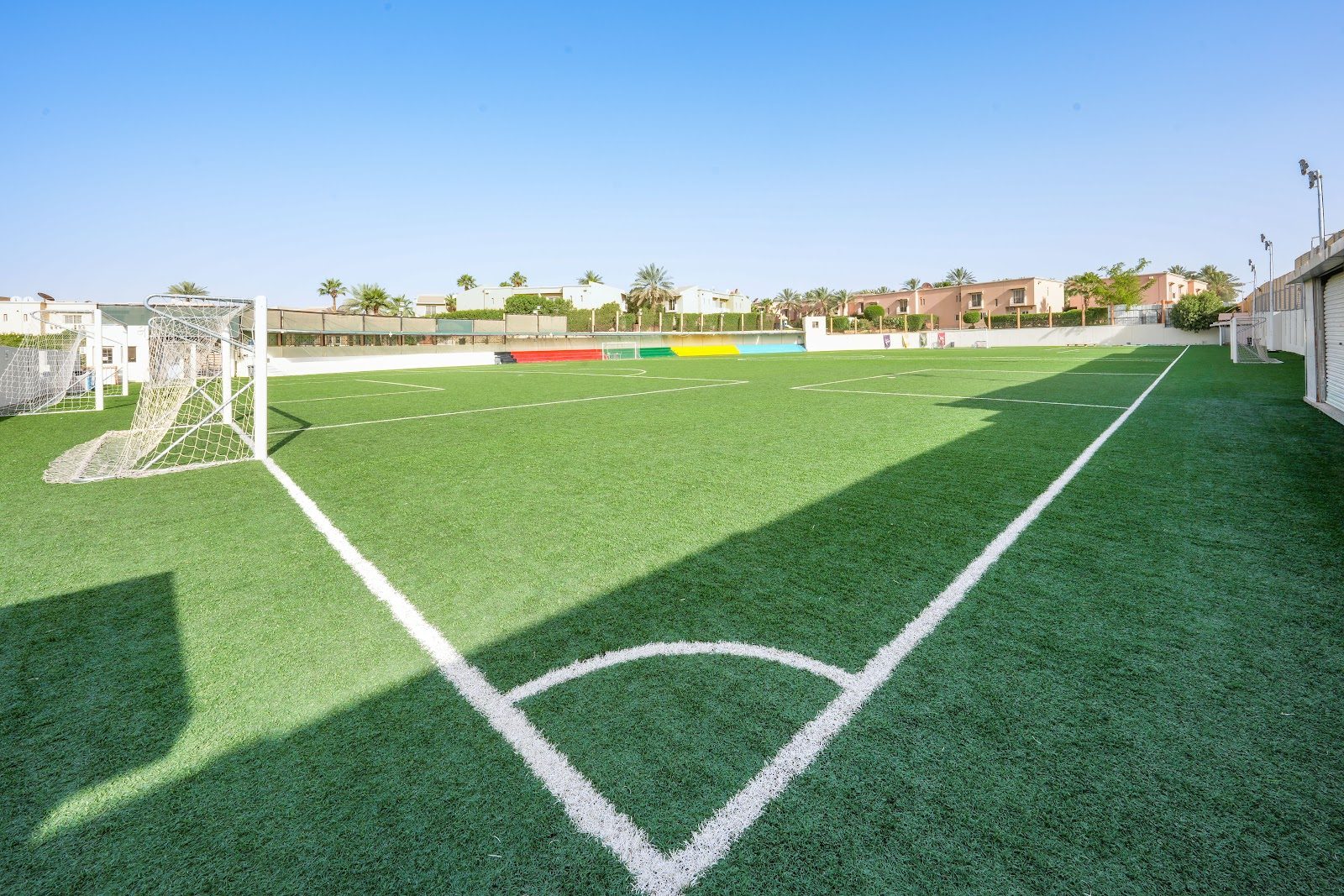
Photo © Jana Osman via Google Maps
Type
Day
Ages
3–18
Curriculum
British
Qualifications
A-Level · IGCSE
Ratio
—
The Verdict
Editor's commitment
Right for
Families wanting a co-educational British day school in Jeddah, founded in 1977, with COBIS and BSO behind the badge.
Wrong for
Parents seeking boarding, a religious ethos or a non-British curriculum; BISJ is day-only, secular and teaches in English.
Watch out for
The average annual day fee is SAR 72,158; for that money, parents should press hard on outcomes the school does not publish here.
Ranking breakdown
The British International School of Jeddah · #803 of 1591
Composite score 66.4. 8 weighted criteria.
By criterion
Academic Outcomes
Weight 20%
#791
of 1529 scored
University Placement
Weight 16%
#793
of 1529 scored
Prestige & Heritage
Weight 12%
#835
of 1529 scored
Alumni Network
Weight 12%
#702
of 1529 scored
Facilities
Weight 12%
#741
of 1529 scored
Transparency & Communications
Weight 8%
#841
of 1529 scored
Peer & Industry Review
Weight 10%
#784
of 1529 scored
Admissions Selectivity & Demand
Weight 8%
#607
of 1529 scored
Score history
The British International School of Jeddah · 2026
Movement across 2024–2026. Peer average overlaid.
Overall — 2024–2026
66.4/ 100
▲ +29.6 vs 2025
year on year
Peer & Industry Review
How The British International School of Jeddah is regarded in the sector
66
Respected · medium confidence
The British International School of Jeddah, universally known locally as 'Conti', carries the standing of Saudi Arabia's most historically established British school, having been the first British-style institution worldwide to secure European Council of International Schools accreditation in 1990, a credential WhichSchoolAdvisor's profile flags alongside subsequent CIS re-accreditations in 2002, 2012 and 2019. Its not-for-profit, trustee-governed structure and IB Diploma culmination are treated by the site as markers of institutional stability rather than commercial school-chain branding. Wider directory coverage, including Wasalt's Jeddah schools guide, consistently places BISJ among the city's standout British-curriculum options, and long-running oversubscription across year groups is cited as evidence of sustained local demand. WhichSchoolAdvisor's own inspection-report field shows "No rating" for the school, however, so its reputation rests more on legacy and community word-of-mouth than on recent independently benchmarked academic data.
Editors' overview
The British International School of Jeddah has an origin story few schools can match: it began in a British Embassy room in 1977 and grew into Jeddah’s long-established “Conti”, a school with real local memory and a durable expatriate reputation. That history matters. In a market full of newer entrants, BISJ offers continuity, recognisable British-style schooling and a co-educational day-school model for ages 3 to 18. It also carries two concrete external markers that parents should take seriously: COBIS membership and BSO accreditation. Those badges do not guarantee brilliance, but they do place the school inside a framework of British international-school norms and scrutiny.
What makes BISJ shortlist material is less novelty than institutional ballast. This is not a flash new campus selling a concept; it is an established English-medium school that has served Jeddah families for decades. The average annual day fee across the full age range is SAR 72,158, which places it in the city’s premium international bracket without pushing into the ultra-luxury end of the market. For parents who want a British curriculum in a non-religious setting, that mix of age range, heritage and accreditation gives BISJ a serious market position. It is also a school with at least some verified alumni footprint beyond Saudi Arabia, with 3 notable alumni catalogued in Wikidata. That is not a league table metric, but it does indicate reach.
The caveat is straightforward: the school does not publish, in the information we have seen, the hard outcome data that would sharpen a verdict further. No public aggregate exam results are here; no destination pattern is published here; no class-size or pupil-teacher-ratio data is in view. That leaves BISJ stronger on profile than on disclosed performance metrics. Parents who prize hard academic evidence will want those figures before signing. Parents who care first about stability, British educational culture and a school with deep roots in Jeddah will keep it firmly on the list.
The pupil who fits BISJ is the one who wants a settled, full-range British-style education rather than a niche specialist environment or an aggressively branded newcomer. It suits expatriate and internationally minded local families who value English as the language of instruction, a co-educational peer group and a school community old enough to have traditions rather than slogans. It is less attractive for families who need published data at every turn or who want a cheaper mid-market option. BISJ’s appeal rests on longevity, structure and trust built over 1977 to the present, not on marketing noise.
Academic Performance
Academic performance is where the public picture turns thin. The school does not publish aggregate IGCSE results, IB Diploma averages, A-level outcomes, university destinations, value-added measures or cohort-wide pass rates in the public domain we have seen. That matters. In the premium international segment, serious peer schools increasingly disclose at least headline external-exam data and often several years of trend lines. BISJ does not give parents that level of hard-edged evidence, so any judgement on attainment has to stop short of the claims a fully transparent school could support.
That does not place the school in an academic vacuum; it places it in an opaque middle ground. Long-standing schools with durable demand can trade on reputation for years, but reputation is not results. Relative to peers, BISJ sits behind the more data-forward operators on published academic accountability and ahead only of schools that disclose almost nothing at all. For a parent comparing options, the key question is simple: ask for the last 3 years of external-exam outcomes by subject, top-grade distribution, cohort size and post-school destinations. If the school can produce a clean, detailed results profile in admissions conversations, the academic case strengthens sharply. If it cannot, the gap is not cosmetic; it is material.
Facilities
Facilities are hard to judge because the school does not publish a clear campus inventory, floorplan, specialist-room list or sport provision in public. That puts BISJ behind better-documented peers, which now give parents a usable map of science labs, libraries, performance spaces, indoor sport, outdoor pitches and early-years areas before the first tour is booked. Here, the public picture stays frustratingly thin. Parents can infer a full age-range campus with the standard mix of teaching spaces required to run a large all-through school, but inference is not disclosure. In a fee bracket averaging SAR 72,158 a year, that lack of specificity is a real weakness.
Against direct competitors, BISJ does not win on published facilities firepower. Some rival international schools in the city market their campuses through atria, theatres, competition pools, design labs and sprawling sports estates. BISJ gives parents less to work with, which shifts the burden onto the school visit. The practical test is simple: inspect the science rooms, library stock, music and art spaces, shaded outdoor areas, canteen, drop-off flow and the quality of indoor sports provision in the heat. If those spaces are well kept, busy and fit for daily use across the whole age range, the school’s long-standing reputation carries more weight. If the site feels tired or undersized, facilities become one of the clearest reasons to look elsewhere.
That is why the prestige rating stops short of the top bracket
Prestige
Prestige here rests on longevity, recognisability and social embed, not on elite mystique. In Jeddah, this is a school people know by name, and that matters. Long-established international schools accumulate trust, family networks and intergenerational loyalty in ways newer operators cannot replicate on launch budgets. BISJ has that institutional weight. Its British-style identity is clear, its co-educational format is straightforward, and its fee level — an average of SAR 72,158 a year — places it in the premium tier of the local market. That buys entry into a well-known expatriate and internationally minded parent circle. It does not, on its own, buy the kind of rarefied prestige attached to the most globally branded schools.
That is why the prestige rating stops short of the top bracket. BISJ has real standing in its city and a durable reputation among families who value continuity and a settled school community. It also has at least 3 verified notable alumni in Wikidata, which gives it some external footprint beyond its immediate market. But prestige at the highest level also depends on visible outcomes, selective scarcity or a global brand halo. BISJ does not publish the first, does not trade on the second, and does not possess the third. The result is solid, earned prestige: substantial in local terms, respectable in international-school terms, and short of the blue-chip status that needs harder public proof.
In a market full of newer entrants, BISJ offers continuity, recognisable British-style schooling and a co-educational day-school model for ages 3 to 18
Communications
BISJ’s parent communication carries the strengths and weaknesses of an established school with a settled name. The strengths are predictability, institutional routine and the fact that families know where the school sits in the market. The weakness is sharper: public-facing communication is thin where it counts. A parent can grasp the broad outline of the school, but not the operational detail that reduces friction in day-to-day family life or the performance data that underpins confidence. We have not seen a strong public trail of the things careful parents check first: clear academic reporting frameworks, detailed calendar architecture, campus specifics, transport clarity, pastoral systems, or a robust bank of practical FAQs. That leaves communication feeling serviceable rather than exacting.
Effectiveness, then, looks mixed. For existing families inside the school community, long habit and word-of-mouth networks may do a lot of the work; older schools can function on community memory as much as polished outward messaging. For prospective parents, that is less convincing. In a premium-fee school charging an average of SAR 72,158 a year, communication needs to do more than reassure; it needs to inform with precision. BISJ does not yet meet that standard in public. The admissions test is straightforward: ask for response times, reporting frequency, examples of parent updates, safeguarding routes and exam-data disclosure. If answers arrive promptly and in detail, confidence rises fast. If they arrive in fragments, communication becomes one of the school’s clearest pressure points.
Uniqueness
What marks BISJ out is not novelty but civic longevity. In an international-school market crowded with imported brands and freshly built promises, this school has grown up with the city’s expatriate life and kept a recognisable identity across decades of churn. The old “Conti” nickname still matters because it signals something newer schools cannot manufacture: institutional memory. Children enter a community with established customs, alumni links and a parent body that knows the school from lived experience, not launch advertising. For students, that translates into a setting with deeper roots and a stronger sense of continuity across the full age range.
Its other point of difference lies in profile rather than spectacle. This is a non-religious, co-educational British-style school in a context where those characteristics carry weight for many international families. The average annual fee of SAR 72,158 places it in a bracket where parents can demand seriousness, and BISJ’s distinctiveness rests on being settled rather than theatrical. It offers a broad all-through structure, long local recognition and at least 3 verified notable alumni in Wikidata — modest in raw number, but still evidence that pupils have carried the school beyond its immediate circle. What students gain from that mix is social stability: a school less driven by reinvention, more anchored in routine, familiarity and a community that already knows what it is.
It also carries two concrete external markers that parents should take seriously: COBIS membership and BSO accreditation
Student Profile
The best fit is a child who values continuity, recognisable routines and a peer group drawn from families that intend to stay the course rather than treat school as a short stopover. In a full-range international day school charging an average of SAR 72,158 a year, the social mix skews towards professionally mobile expatriate households and internationally minded local families who want a non-religious setting without sacrificing structure. This suits pupils who are comfortable in a settled, adult-run environment and who do not need constant novelty to stay engaged. Children who thrive on clear expectations, familiar community rituals and a school name that carries weight in local parent circles fit well here.
The less natural fit is the child who needs a high-intensity hothouse culture, overt selectivity or a campus identity built around public competition wins and visible prestige theatre. BISJ reads as better for steady joiners than for status chasers; better for families who want social reliability than for those hunting a sharply specialised niche. Because the school does not publish the depth of academic and destination data that analytical parents expect, it also asks for a degree of trust from families. That means the strongest match is not only the pupil, but the parent: pragmatic, community-minded and comfortable judging a school by daily experience as much as by spreadsheets. With 3 notable alumni recorded in Wikidata, there is at least some evidence of pupils carrying that education beyond the immediate circle.
Those badges do not guarantee brilliance, but they do place the school inside a framework of British international-school norms and scrutiny
Co-curricular strengths
Arts & sport, on a separate axis
Overall 8.04/10
Scored 0-10 from the school's own published evidence. This axis is editorial-only — it does not feed the main WTS ranking.
Sports
8.3/10
The extracurriculars explicitly list multiple sports—Football, Basketball, Swimming, Volleyball, Athletics and Netball—showing a solid multi-sport offering with visible participation but no named facility, specialist staff or competitive results.
Drama
8.2/10
Drama appears explicitly in the extracurricular list, but only as a bare listing.
Dance
7.5/10
Music
8.2/10
School Choir is explicitly named in the extracurriculars, but there is no further evidence of ensembles, facilities, specialist staff or performance pedigree.
Visual Arts
8/10
Editor first-pass · editor-reviewable · 7/28/2026
Strengths
- +Founded 1978; long-established in Jeddah.
- +British curriculum throughout ages 3–18.
- +English-medium teaching suits internationally mobile families.
- +COBIS and BSO accreditation provide external oversight.
Considerations
- −Day school only; no boarding option.
- −British curriculum may limit non-British pathway choice.
- −English-only instruction may not suit all families.
Availability
Primary entry gate & tests
CAT4 / Assessment
Gallery
Photo © Jana Osman via Google Maps
Parent reviews
Have you sent your child here?
Voice reviews carry the strongest trust badge — we transcribe them for you to tidy up before they go live. Prefer to type? A written review is fine too.
Add your voice
In 60 seconds, tell other parents: what's the best thing about The British International School of Jeddah, and what surprised you when your child joined?
We ask for a Google sign-in so every review has a real face behind it — no anonymous drive-by attacks on schools, and no faked positive reviews. Your email is never shown publicly.
Send this profile to a friend
International parents rely on word-of-mouth. Share this review with someone weighing the same decision.
Schools with places
Similar schools to The British International School of Jeddah with places available now.
Availability first, then country, area, curriculum, price, co-curricular
Consider also
Also worth looking at alongside The British International School of Jeddah.
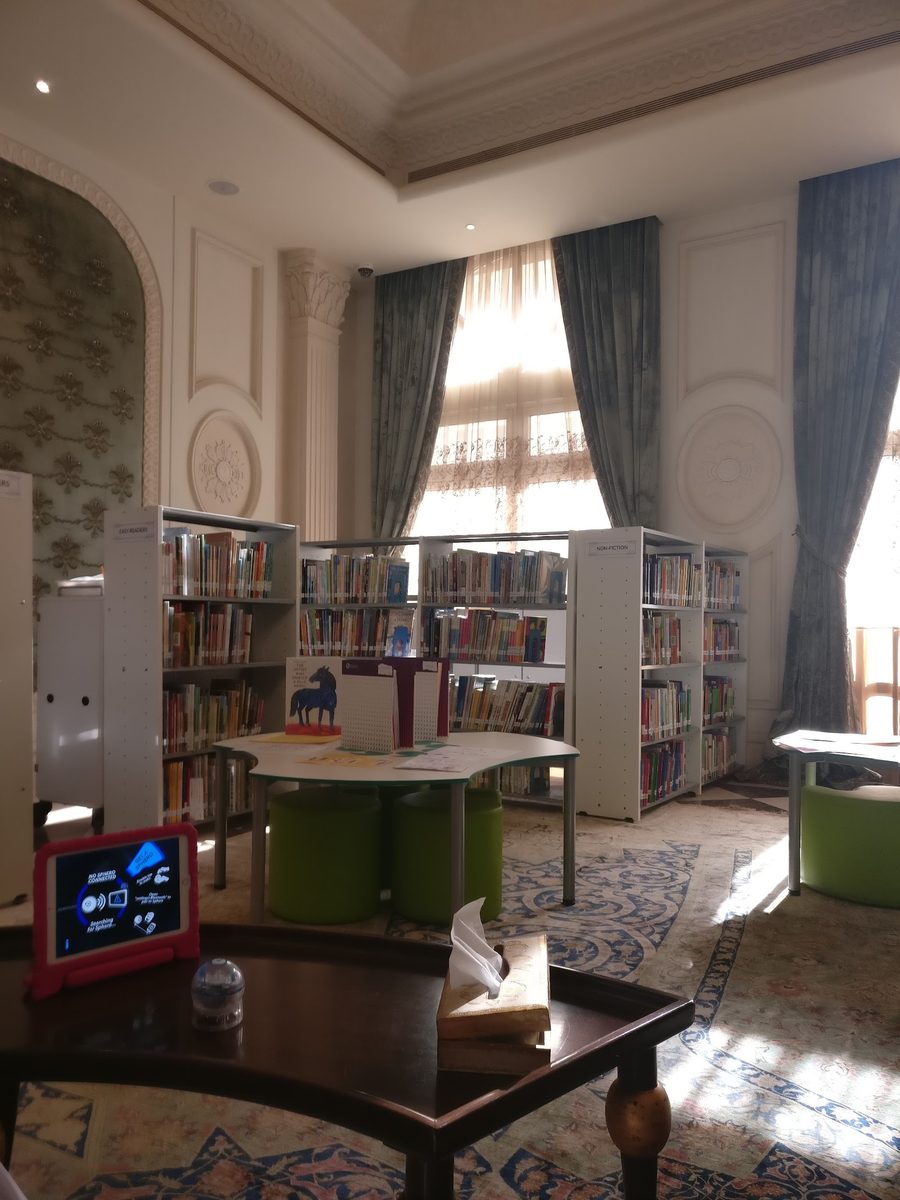
Misk Schools
Riyadh · Saudi Arabia
Nine single-sex academies share one royally founded Riyadh campus, built to engineer Vision 2030's next leaders.
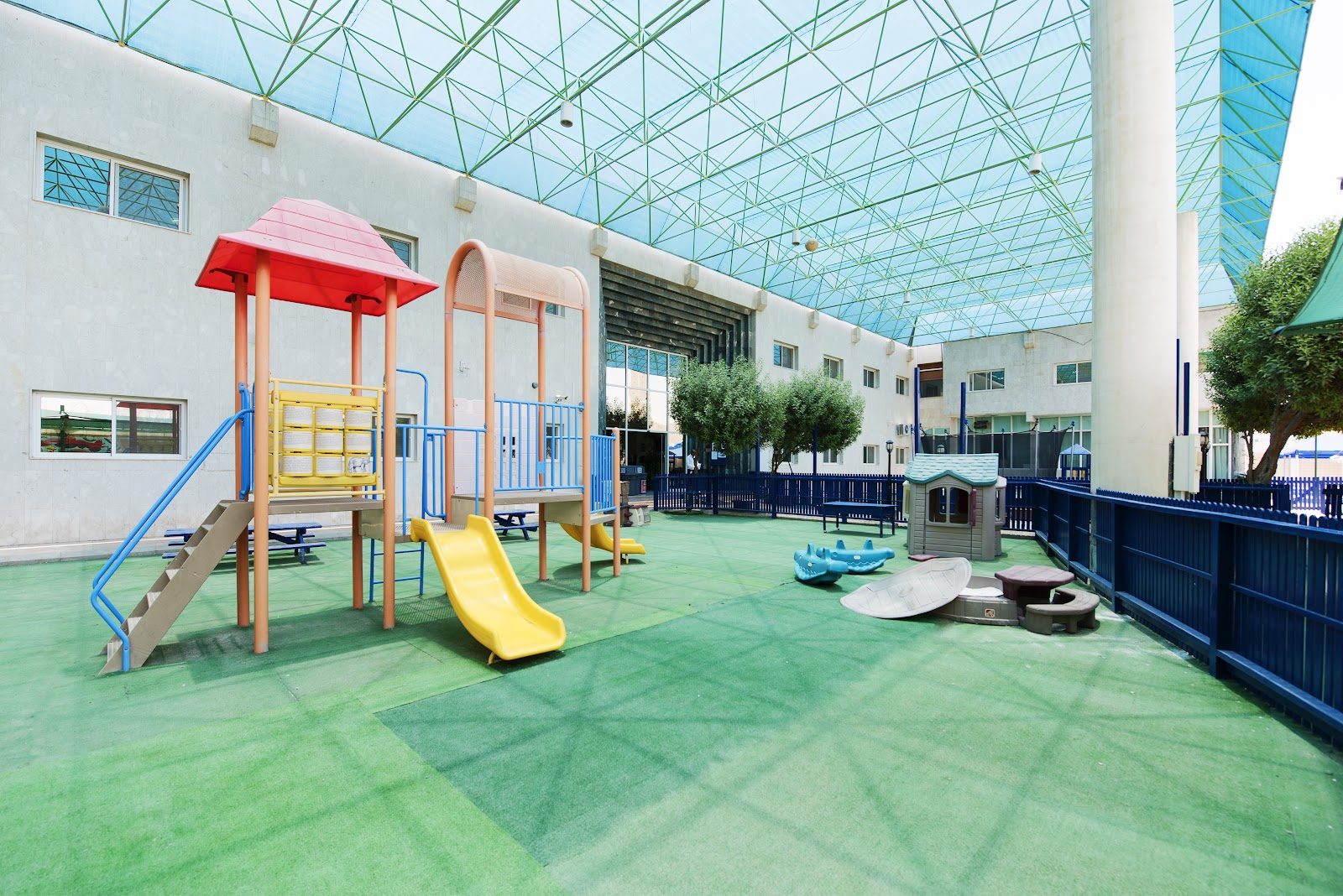
Multinational School Riyadh
Riyadh · Saudi Arabia
A 1998-founded British day school in Riyadh built its reputation on inclusive teaching and one of the region's most developed learning-support programmes.
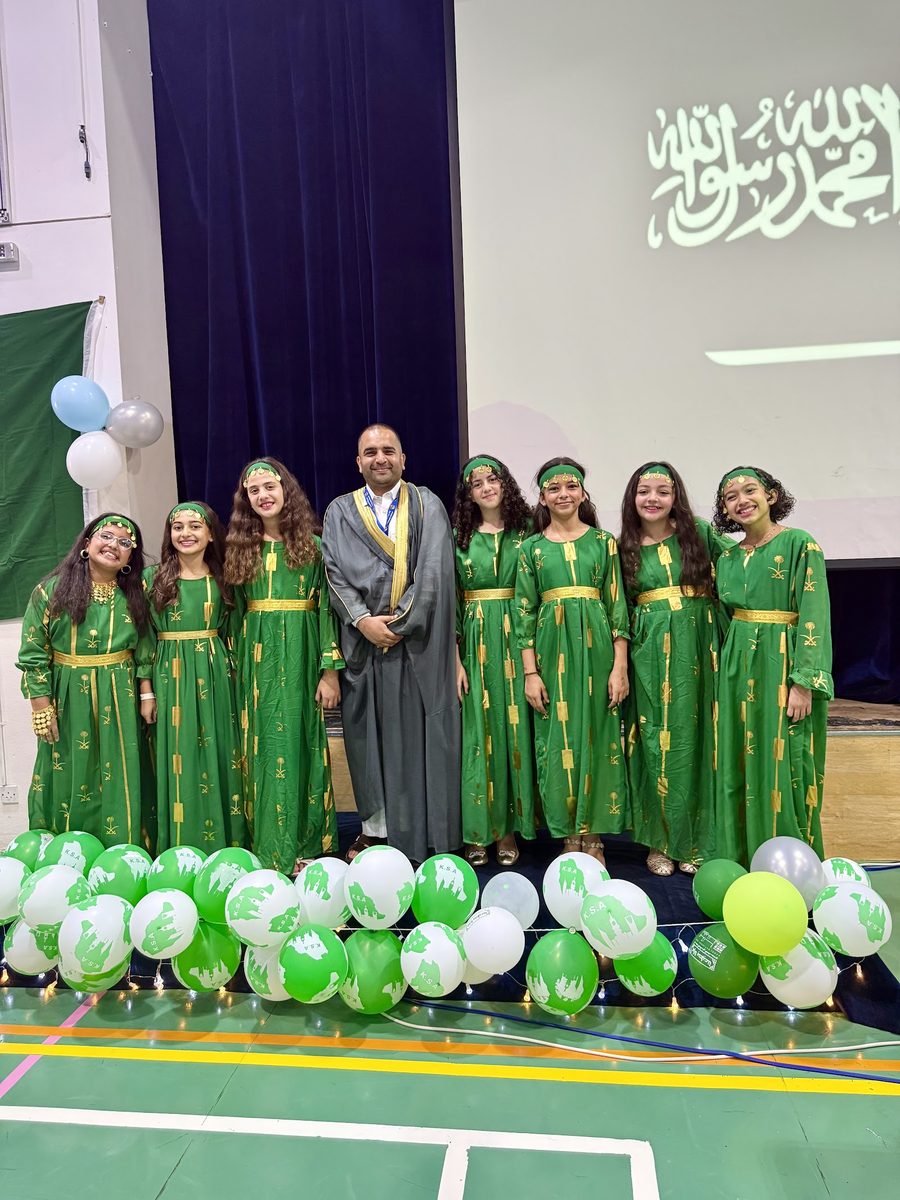
Jeddah Prep and Grammar School
Jeddah · Saudi Arabia
Founded in 1967 as the region's first British school, blending Cambridge rigor with a not-for-profit, fifty-nation community ethos.
British International School Riyadh
Riyadh · Saudi Arabia
Founded in 1979 amid Riyadh's diplomatic and oil community, this multi-campus day school pairs A-Levels with the IB Diploma.
Same country and curriculum — closest matches within ±10 points either way