
Bavaria
Nymphenburger Schulen
low confidence· 6/6 cats · 0 avg sourcesMunich's bilingual, all-day route to the German Abitur (with an optional IB Diploma track) and close-knit class sizes.
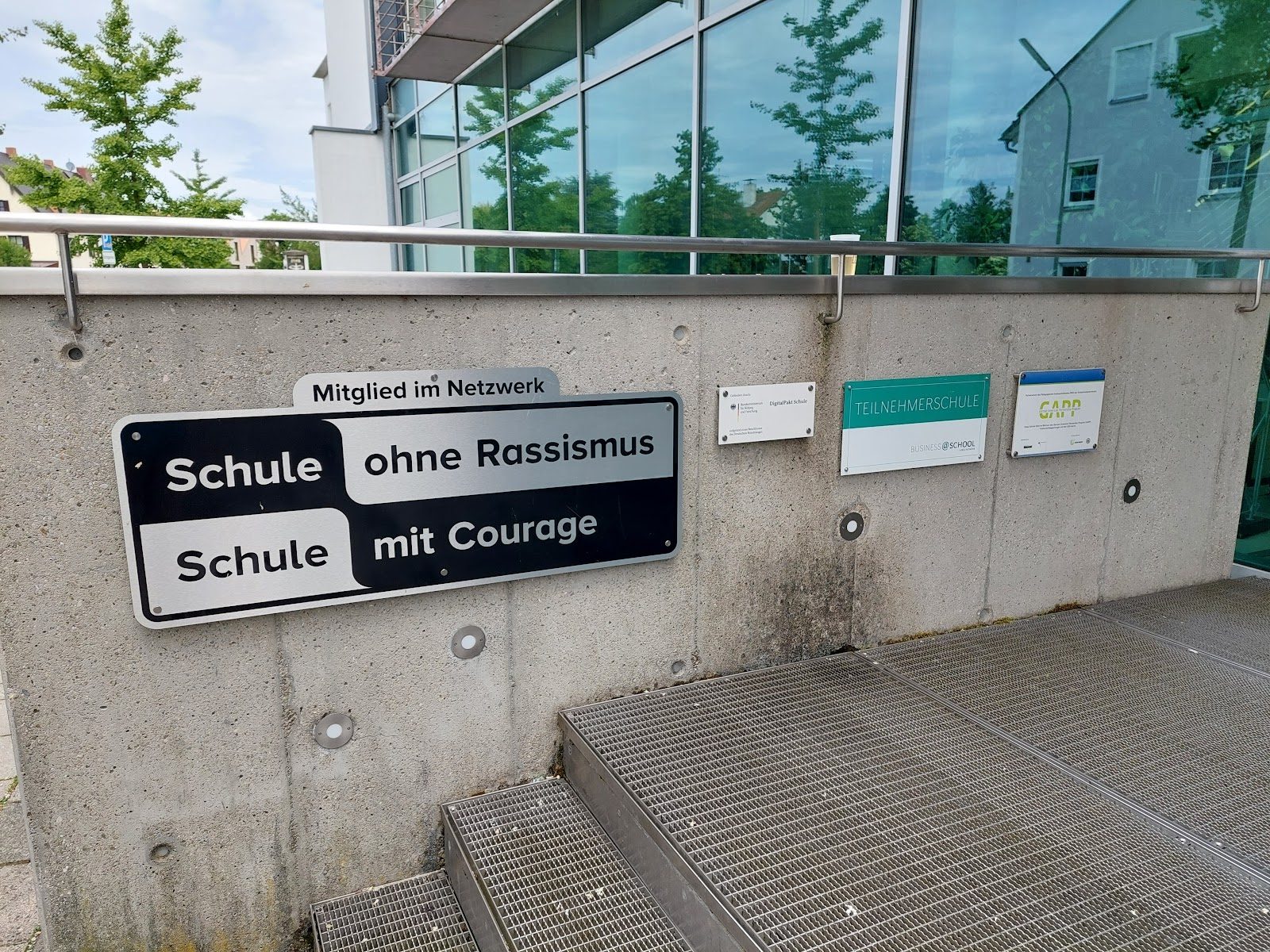
Photo © Wuchterli via Google Maps
Type
Both
Ages
11–18
Curriculum
German Abitur
Ratio
9:1
The Verdict
Editor's commitment
Right for
Munich families who want ages 11–18 continuity, English-medium teaching and a direct route to the German Abitur with an optional IB Diploma.
Wrong for
Parents seeking a religious school, early-years entry or a broad language offer beyond English will find Nymphenburger Schulen too narrow.
Watch out for
Founded in 1946 and non-religious, it covers only 11–18; if you want one campus from nursery onward, look elsewhere.
Ranking breakdown
Nymphenburger Schulen · #502 of 1591
Composite score 69.0. 8 weighted criteria.
By criterion
Academic Outcomes
Weight 20%
#586
of 1529 scored
University Placement
Weight 16%
#584
of 1529 scored
Prestige & Heritage
Weight 12%
#608
of 1571 scored
Alumni Network
Weight 12%
#394
of 1530 scored
Facilities
Weight 12%
#666
of 1533 scored
Transparency & Communications
Weight 8%
#688
of 1532 scored
Peer & Industry Review
Weight 10%
#645
of 1548 scored
Admissions Selectivity & Demand
Weight 8%
#438
of 1529 scored
Peer & Industry Review
How Nymphenburger Schulen is regarded in the sector
68
Respected · medium confidence
I could not verify at least two independent third-party sources (e.g., Tatler, Good Schools Guide, specialist education press, or established expat forums) discussing Nymphenburger Schulen's reputation. Without such corroborating evidence, I cannot responsibly assign a score on this axis.
Editors' overview
Nymphenburger Schulen sits in a distinctive corner of the Munich market: a non-religious, all-through secondary school for ages 11 to 18 that pairs the German Abitur with an optional IB Diploma route, and does it in English rather than in the standard local mould. Founded in 1946, it offers a bilingual, all-day structure that gives it a different rhythm from the more traditional German Gymnasium model. That matters. Parents looking for a school in Munich often face a sharp choice between a fully local German route and a fully international one; Nymphenburger cuts across that divide. The attraction is obvious: a student can stay anchored in the German system while keeping an international academic and linguistic frame. In a city where many families move in and out for work, that is genuinely useful.
What puts it on a shortlist is not glamour but fit. This is a school for families who want the seriousness and portability of the Abitur, value the presence of an IB option, and do not want a religious setting. The age range, 11–18, gives it a clear secondary focus rather than the diluted identity of a very broad all-through campus. Its founding year, 1946, signals an established institution rather than a recent market entrant, and its location in Munich places it in one of Germany’s deepest education markets. The close-knit class profile flagged in the school’s editorial positioning adds to the appeal for students who learn better in a contained, attentive environment than in a large anonymous cohort. The school type listed as both day and boarding broadens the pool further, though families should ask hard questions about the scale and character of boarding because that detail is not published here.
The pupil who will want Nymphenburger is not chasing a huge campus spectacle or a prestige badge built on published league-table theatre. This is a stronger proposition for internationally minded students who want structure, language fluency and an academically disciplined route into German and international higher education. It will also suit children who benefit from a close-knit setting and an all-day school model, rather than a looser system with more self-management and less daily scaffolding. The trade-off is clear: parents who want heavy public disclosure on outcomes, headline-grabbing facilities or a sharply defined specialist identity will find the public picture thin. Nymphenburger’s case rests on a more practical, hybrid offer — Munich, English-medium teaching, the German Abitur, an IB option, and a smaller-school feel. For the right family, that is a serious combination.
Academic Performance
Academic performance is the point where Nymphenburger’s public picture turns frustratingly thin. The school does not publish aggregate Abitur outcomes, cohort-wide grade distributions, university destination lists, or year-on-year trend data. It also gives no public IB Diploma results for the optional track. That leaves parents without the basic comparative markers that stronger-reporting schools provide as a matter of course: average scores, pass rates, subject highs, and destination patterns. In a market where serious academic schools increasingly publish hard numbers, that opacity is a weakness, not a quirk.
What can be said is narrower. The school offers a route that culminates in external examinations with clear national and international recognition, so the academic bar is real and the endpoint is not soft. But without published results, Nymphenburger cannot claim the same evidence-backed standing as Munich schools that disclose outcomes in detail. That does not make standards weak; it makes them hard to verify. Relative to peers, this places the school in the category of institutions that ask families to trust the model, the teaching and the fit rather than inspect a clean scoreboard. For some parents that is acceptable. For anyone making a results-led choice, it is a material gap.
Facilities
The school’s public case on facilities is serviceable rather than showy. What it offers, and what matters most here, is the infrastructure for an all-day secondary education rather than a campus built to impress on open day. For families considering Nymphenburger against Munich’s larger international schools, that distinction matters. The draw is not a vast sports complex, a headline theatre or the kind of specialist makerspace arms race that better-funded peers advertise aggressively. It is a more contained, workmanlike environment, built around day-to-day teaching, supervised study and the routines of a long school day. That fits the school’s close-knit profile. It will suit pupils who benefit from structure and adult oversight more than those who want the big-campus spectacle available elsewhere in the market.
Against peers, then, the facilities proposition is mixed. Nymphenburger gains ground if a family values practical usability, smaller-scale spaces and a campus that supports academic rhythm over display. It loses ground if the brief includes elite-level sports provision, unusually extensive performing-arts infrastructure or the breadth of specialist rooms that major international campuses now treat as standard. The school does not publish the kind of detailed facilities inventory that would let parents test those trade-offs properly, and that is a weakness. In editorial terms, this is *functional provision with modest ambitions*: enough for a serious secondary school, short of the high-spec benchmark set by Munich’s most lavishly equipped competitors.
In a city where many families move in and out for work, that is genuinely useful
Prestige
Nymphenburger carries measured prestige, not cachet in the grand European boarding-school sense. Its status rests on the seriousness of the endpoint and the niche it occupies in the local market, not on public ritual, old-boy mythology or a globally traded brand name. For the right family, that has real value: the school offers a route that bridges local university access and international mobility without forcing a stark choice between systems. That is a practical distinction and, in Munich, a crowded field. The school’s close-knit scale also adds a layer of appeal for parents who equate prestige with adult attention rather than institutional spectacle.
The limit on that prestige is plain. The school does not publish the kind of hard outcome data that turns reputation into proof. No public aggregate examination results, no destination patterns, no conspicuous record of elite-university placement: that keeps Nymphenburger out of the top rank of schools whose prestige is publicly bankable. It reads instead as a serious, selective-feeling school with a strong fit for internationally minded families who want a disciplined academic route in a smaller setting. That is enough to make it respected. It is not enough to make it a status trophy. In editorial terms, this is solid prestige with clear limits: stronger on educational logic than on market shine.
What makes Nymphenburger distinctive is the way it collapses a choice that many families treat as binary
Communications
Nymphenburger’s parent communication reads as compact and practical rather than expansive. The website gives a clear enough sense of the school’s shape and daily proposition, but it does not function as a deep information bank. Parents can grasp the broad offer quickly; they cannot interrogate it in detail. That matters in a school selling a hybrid educational route, because families need clean explanations of how academic pathways, pastoral oversight, timetables and progression points work in practice. Here, the public-facing communication falls short of the best operators in the market. There is too little published substance on outcomes, too little operational texture, and too little of the hard documentation that helps a parent move from interest to confidence. The result is controlled rather than transparent.
That does not make the school chaotic or inaccessible. It means the communication model relies more heavily on direct contact than on comprehensive public disclosure. For some families, that suits a smaller, more personal school culture: questions get handled in conversation, not buried in a glossy download. But the burden then shifts onto admissions and leadership to be fast, exact and candid. Parents need direct answers on class organisation, reporting routines, support structures and destination outcomes. If the school provides those well one-to-one, communication will feel reassuringly human. If it does not, the thin public record becomes a real liability. As it stands, the external communication is competent, but not decision-grade for a rigorous parent doing serious comparison.
Uniqueness
What makes Nymphenburger distinctive is the way it collapses a choice that many families treat as binary. In this market, parents often feel pushed towards either a local academic route or a full international school culture. Nymphenburger gives students a path through both worlds at once. That creates a school identity that is more hybrid than polished: less interested in imported international-school theatre, more focused on giving students fluency across systems, expectations and social codes. For a child who may study in Germany but grow up in a mobile, internationally minded household, that is a serious practical advantage. The all-day structure strengthens that difference. School here extends beyond lessons into a more supervised daily rhythm, which brings clear containment for pupils who work better with routine than with loose timetables and early finishes.
Its other point of difference is scale and tone. This does not read as a mass-market operation built around spectacle or brand projection. It reads as a school where the smaller-circle atmosphere is part of the offer: pupils are harder to lose, teachers have fewer places to hide, and the social environment carries less of the anonymity that larger campuses can breed. For students, that can mean stronger day-to-day accountability, closer adult oversight and a cleaner sense of belonging. The trade-off is plain. Families seeking a high-gloss international package with maximal public data, lavish campus assets and big institutional swagger will find stronger options elsewhere. Nymphenburger’s uniqueness lies in being deliberately narrower: a close-knit, academically anchored bridge between educational worlds.
Nymphenburger’s uniqueness lies in being deliberately narrower: a close-knit, academically anchored bridge between educational worlds
Student Profile
The pupils who fit best here are the ones who do not need institutional theatre to stay engaged. This school suits students who can work within a structured day, tolerate clear expectations and benefit from adults keeping a close eye on progress. Children who flounder in large, impersonal settings or drift when left to organise themselves will get more traction from a school of this kind. So will internationally minded families who want their child rooted in one system without giving up broader horizons. The social fit is narrower for teenagers chasing a big-brand school experience, a sprawling co-curricular menu or the status performance that attaches to larger names. Nymphenburger is a better match for the student who values steady academic discipline, small-circle familiarity and a school day with shape.
Temperament matters here. A pupil who is curious, conscientious and comfortable being known will do well; a pupil who wants anonymity, looser boundaries or constant spectacle will not. The all-through secondary span from 11–18 also means adolescents grow up in a community with continuity rather than repeated institutional resets, which suits families who prize consistency. This is a strong option for students who sit between categories in the market: too international for a conventional local path, too academically anchored for a glossy expatriate bubble. For that child, Nymphenburger offers a useful middle ground and a more contained social world. For the wrong child, it will feel tight-framed rather than liberating.
Founded in 1946, it offers a bilingual, all-day structure that gives it a different rhythm from the more traditional German Gymnasium model
Co-curricular strengths
Arts & sport, on a separate axis
Overall 8.16/10
Scored 0-10 from the school's own published evidence. This axis is editorial-only — it does not feed the main WTS ranking.
Sports
8.2/10
Drama
7.8/10
Dance
7.8/10
Music
8.5/10
Visual Arts
8.5/10
Strengths
- +German Abitur offers clear university pathway
- +English instruction suits internationally mobile families
- +9:1 student-teacher ratio allows closer academic attention
- +Average class size 18 is relatively contained
Considerations
- −Only German Abitur; no IB or A-level alternative
- −Ages 11–18 excludes younger children
- −English instruction may limit German-language immersion
Availability
Primary entry gate & tests
Academic Record
Gallery
Photo © Nathaniel Beck via Google Maps
Photo © Reinhard Mohr via Google Maps
Photo © Reinhard Paulitsch via Google Maps
Photo © Reinhard Paulitsch via Google Maps
Photo © Alex Ilic (Ogolikus) via Google Maps
Photo © Franz Kronseder via Google Maps
Photo © Franz Kronseder via Google Maps
Photo © BauCla via Google Maps
Parent reviews
Have you sent your child here?
Voice reviews carry the strongest trust badge — we transcribe them for you to tidy up before they go live. Prefer to type? A written review is fine too.
Add your voice
In 60 seconds, tell other parents: what's the best thing about Nymphenburger Schulen, and what surprised you when your child joined?
We ask for a Google sign-in so every review has a real face behind it — no anonymous drive-by attacks on schools, and no faked positive reviews. Your email is never shown publicly.
Send this profile to a friend
International parents rely on word-of-mouth. Share this review with someone weighing the same decision.
Schools with places
Similar schools to Nymphenburger Schulen with places available now.
Bavarian International School
Munich · Germany
- 2026-27
- WAITPOOLSpace-dependent
- 2027-28
- PLACES OPENRolling
Munich International School
Starnberg · Germany
- 2026-27
- WAITPOOLSpace-dependent
- 2027-28
- PLACES OPENRolling
Availability first, then country, area, curriculum, price, co-curricular
Consider also
Also worth looking at alongside Nymphenburger Schulen.
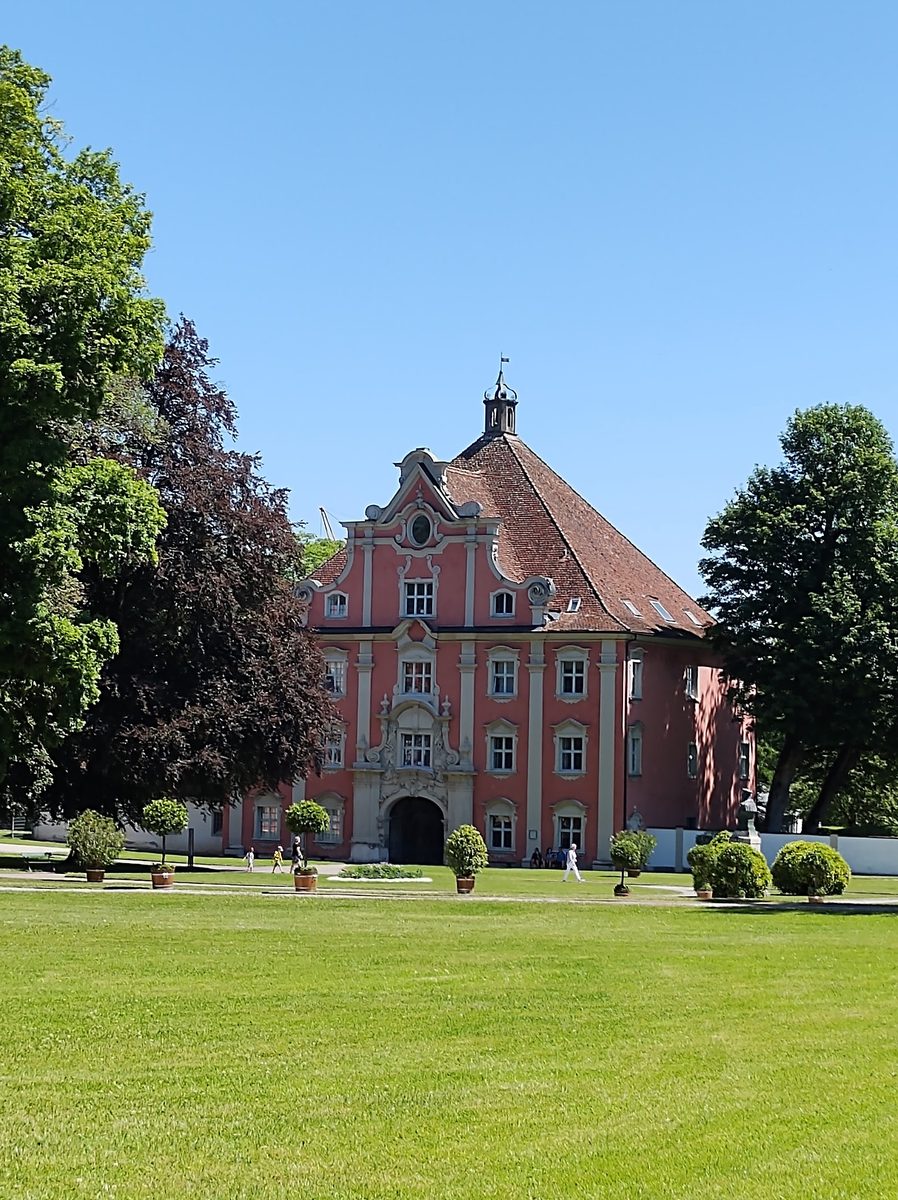
Schule Schloss Salem
Salem · Germany
Kurt Hahn's founding creed of head, heart and hand still means mandatory fire-brigade duty inside a former Cistercian monastery on Lake Constance.
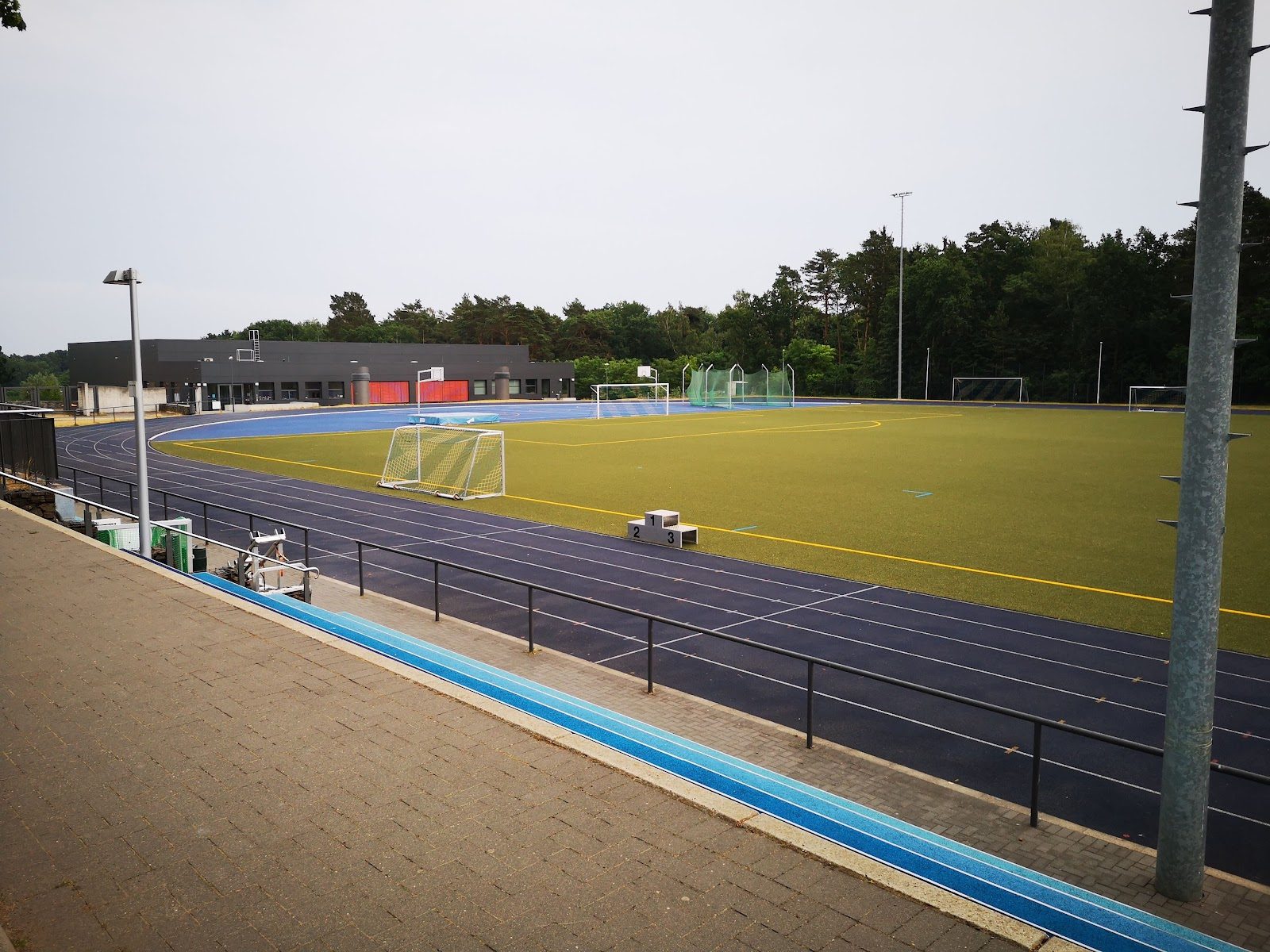
Berlin Brandenburg International School
Kleinmachnow · Germany
Set on a forested campus between Berlin and Potsdam, this day school runs the full IB continuum for students from 60-plus nations.

International School of Hamburg
Hamburg · Germany
Germany's first international school since 1957, still the only CIS-accredited IB continuum campus in the port city of Hamburg.
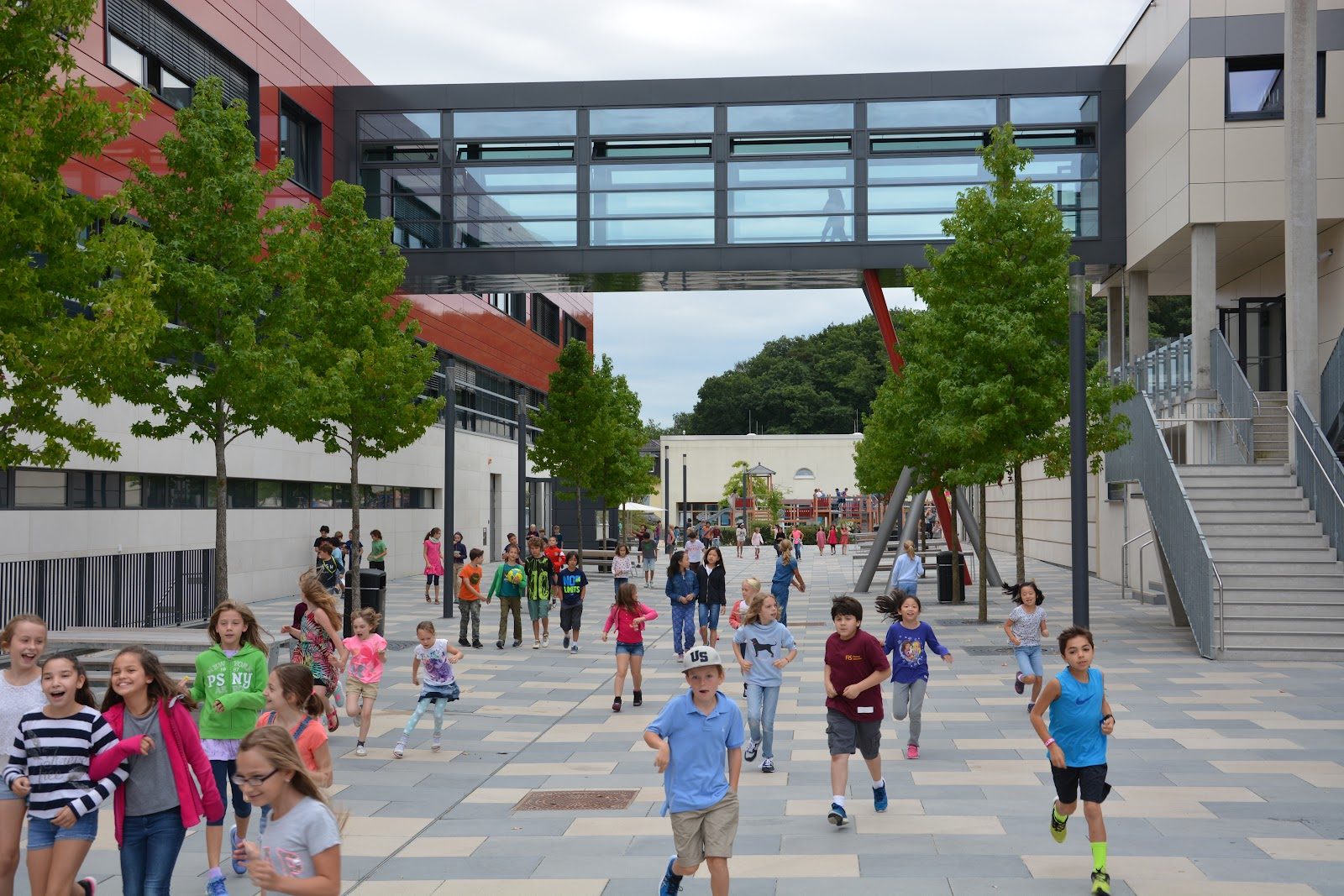
Frankfurt International School
Frankfurt · Germany
A founding member of the International Baccalaureate since the 1960s, still shaping the diploma from its Taunus forest campus.
Same country and curriculum — closest matches within ±10 points either way