
Gauteng
St John's College
high confidence· 6/6 cats · 3.06 avg sourcesFounded twelve years after the Witwatersrand gold rush, this Anglican boarding college blends Herbert Baker quadrangles with a four-house pastoral tradition
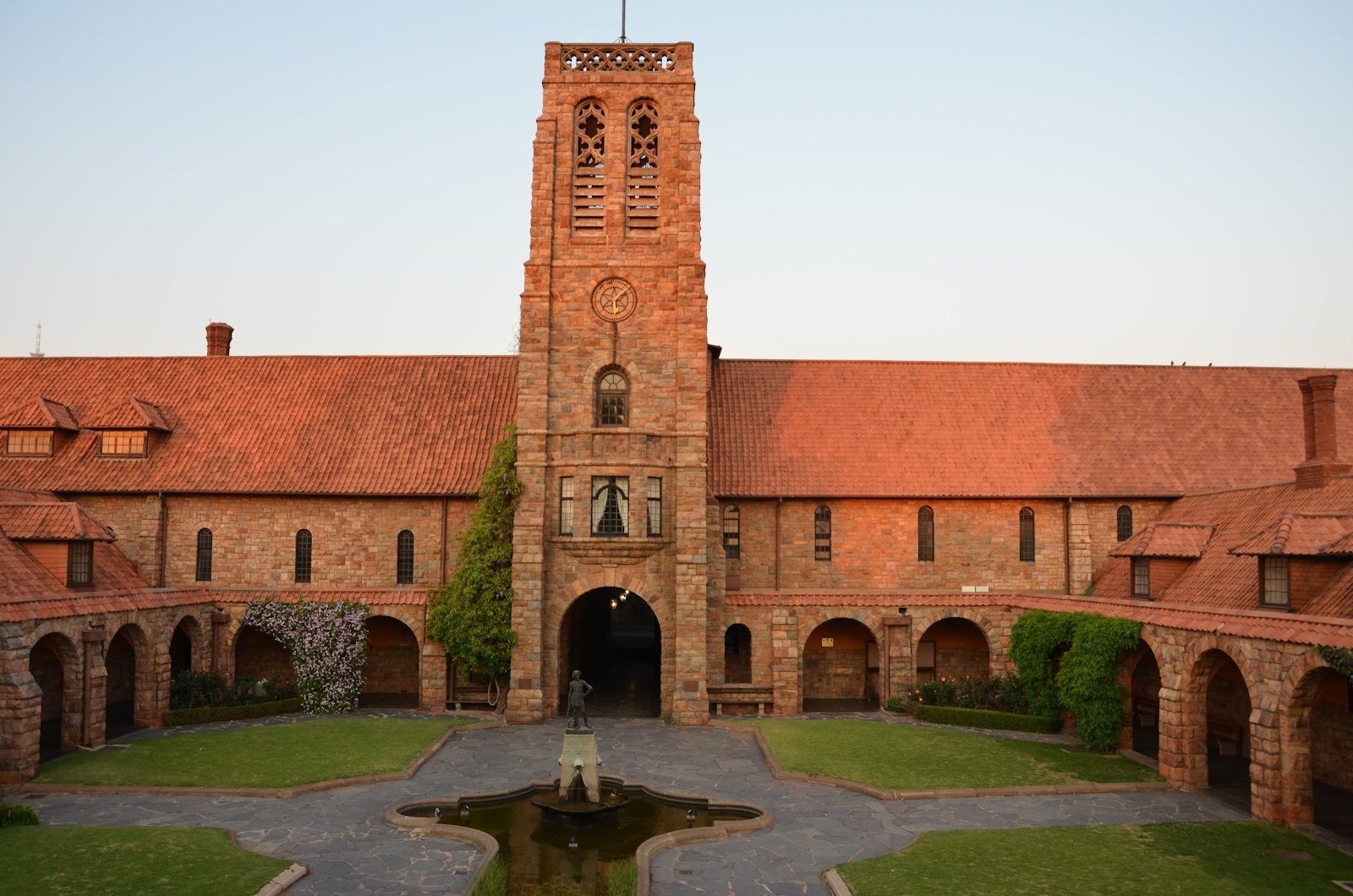
Photo © The Life’s Way via Google Maps
Type
Boarding
Ages
11–18
Curriculum
IB
Ratio
—
The Verdict
Editor's commitment
Right for
Boarders aged 11–18 who want an Anglican college founded in 1898, with Cambridge and IB accreditation in Johannesburg.
Wrong for
Families wanting co-education throughout or a pure IB track; St John’s is boarding, Anglican, and girls enter only in Sixth Form.
Watch out for
Average annual fees run at $12,973 day and $23,243 boarding; this is a serious buy-in for tradition, houses and campus life.
Ranking breakdown
St John's College · # of 1591
Composite score 67.9. 8 weighted criteria.
By criterion
Academic Outcomes
Weight 20%
#745
of 1529 scored
University Placement
Weight 16%
#736
of 1529 scored
Prestige & Heritage
Weight 12%
#526
of 1571 scored
Alumni Network
Weight 12%
#334
of 1530 scored
Facilities
Weight 12%
#721
of 1534 scored
Transparency & Communications
Weight 8%
#844
of 1532 scored
Peer & Industry Review
Weight 10%
#791
of 1548 scored
Admissions Selectivity & Demand
Weight 8%
#547
of 1529 scored
Score history
St John's College · 2026
Movement across 2024–2026. Peer average overlaid.
Overall — 2024–2026
67.9/ 100
▲ +12.2 vs 2025
year on year
Peer & Industry Review
How St John's College is regarded in the sector
78
Strong · medium confidence
St John's College is consistently listed among South Africa's elite private schools (alongside Hilton College, Michaelhouse, and Bishops) in independent 'best schools' rankings and educational directories, and it has a well-documented, active alumni network including notable business and political figures. However, it receives less international specialist press coverage (e.g., Tatler, Good Schools Guide) compared to UK/US-focused institutions, reflecting strong regional but not truly global reputation.
Evidence sources
Editors' overview
Twelve years after the Witwatersrand gold rush, St John’s College opened in Houghton and built the kind of institutional identity that newer schools cannot fake. This is an Anglican boarding school for ages 11 to 18, taught in English, with a campus culture shaped by ritual, houses, chapel and tradition rather than the stripped-back pragmatism of many modern international schools. The school itself stresses character as much as marks, and that matters here: St John’s is not selling a frictionless education. It offers a highly codified school life in which manners, service and pastoral belonging sit alongside academic ambition. For the right child, that produces real depth. For the wrong one, it will feel tight-grained and demanding.
The academic offer is more complicated than the simple “IB school” label in the context implies. St John’s states that pupils can read Cambridge A Levels or complete a post-matric Sixth Form, and it also holds IBO and Cambridge accreditation. That combination puts it in a rare position in the South African market: old-established Anglican boarding culture paired with internationally legible senior pathways. The school does not publish aggregate exam outcomes in the information here, so parents must ask hard questions about results, subject breadth and university destinations rather than rely on heritage alone. Still, the strategic appeal is obvious. This is a school for families who want seriousness, structure and an education that reaches beyond the classroom without collapsing into soft-focus “whole child” rhetoric.
Fees place it firmly in the premium bracket. The average annual day fee across the years covered is $12,973; the average annual boarding fee is $23,243. That does not buy boutique intimacy or progressive experimentation. It buys continuity, infrastructure, and entry into a school community with real social and cultural weight in Johannesburg. St John’s belongs on a shortlist for boys who will thrive in a tradition-heavy, academically purposeful environment, and for sixth-form students who want an established school with international curriculum options. It is not for the faint-hearted, nor for families looking for a casual relationship with school rules, religion or institutional culture. For students who want belonging, challenge and formality in equal measure, it is a serious contender.
Academic Performance
St John’s does not publish the one set of numbers that matters most in any academic judgement: aggregate external exam results. There are no public school-wide pass rates, top-grade distributions, subject-level outcomes or destination data in view. That leaves a conspicuous gap for a school with such an established reputation and a premium fee level. Parents comparing it with stronger-reporting peers need to ask for hard data on A Level results, IB outcomes, university offers and the spread between the top end and the middle of the cohort. Without that, any claim to academic standing rests too heavily on history, brand and anecdote. For an institution of this stature, that opacity is a real weakness.
That said, the academic structure still carries weight. Senior pupils have access to internationally recognised external pathways, which gives families a clearer line of sight to universities than the local market alone. In peer terms, St John’s sits with the serious old-guard schools: high expectation, strong institutional scaffolding, and an academic culture tied to discipline as much as flair. That profile often produces durable results, but often is not enough here; published evidence is the standard. Until the school discloses cohort outcomes, it belongs in the category of academically ambitious schools with underpowered transparency. For some families, heritage and structure will compensate. For rigorous buyers, the absence of school-wide results keeps St John’s off the top tier of academically accountable reporting.
Facilities
The physical fabric matters here. St John’s trades on a deeply rooted sense of place, and the Herbert Baker quadrangles named in the editorial context tell you a great deal before you reach a classroom. This is not a glass-and-chrome campus built to flatter a prospectus; it is an older school environment where architecture, chapel life, houses and boarding all work together to create institutional gravity. The school also points parents to dedicated facilities as a core part of its identity, and that fits the model: schools of this type live or die on the quality of their communal spaces, performance venues, playing fields, dining arrangements and boarding houses, not on a token innovation lab. Against South African and international boarding peers, that gives St John’s a strong advantage in atmosphere and a more cohesive campus experience than many newer premium schools.
The limitation is clarity. St John’s talks confidently about facilities, but it does not publish the kind of hard campus inventory that top comparator schools now provide: no clean public accounting of specialist labs, theatre capacity, music practice provision, boarding-house scale, sports infrastructure or recent capital investment. That leaves parents with heritage and image, but not enough operational detail. In peer terms, the school sits in the camp of architecturally distinguished, pastorally serious campuses with obvious substance, yet with underpowered public disclosure on the practical question parents ask next: exactly what does a pupil get access to, every day, across 7 year groups and in both day and boarding life?
There are no public school-wide pass rates, top-grade distributions, subject-level outcomes or destination data in view
Prestige
St John’s carries serious social and institutional weight. In Johannesburg, that matters. This is one of the city’s entrenched name-schools: old, recognisable, and woven into professional, ecclesiastical and alumni networks that extend well beyond the gates. The architecture, chapel culture, house system and Old Johannian identity all reinforce that standing. So does the school’s own confidence in placing itself among South Africa’s leading schools and linking itself to groups such as the IBSC and the G30. Prestige here does not rest on glossy reinvention. It rests on continuity, ritual and the durability of a brand that families know. The premium fees sharpen that signal: an average of $23,243 for boarding and $12,973 for day pupils puts St John’s in the territory where parents expect status as well as schooling.
That prestige has substance, but it also has limits. St John’s offers a powerful old-school cachet, and for families who value tradition, moral formation and a school community with real long-range reach, that cachet is genuine. Yet top-tier prestige in education also requires transparent academic proof, and St John’s does not provide that publicly. That gap stops it short of the fully evidenced elite category. The name carries weight; the social capital is strong; the institutional identity is unmistakably patrician. But prestige built on heritage and network alone is incomplete. St John’s is prestigious because of its history, culture and standing in its city, not because it publishes the clearest academic case in the market.
For rigorous buyers, the absence of school-wide results keeps St John’s off the top tier of academically accountable reporting
Communications
St John’s communicates in the voice of an institution that expects parents to buy into more than timetable logistics. The public-facing message is clear on ethos, partnership and the moral terms of belonging: families are told that education here is shared work, that values are not extracurricular, and that the school’s Anglican frame matters in daily life. That clarity counts. Parents who want a high-structure, values-forward school can tell quickly what they are signing up for. The weakness sits elsewhere. The communication leans heavily on identity, heritage and aspiration, and gives less practical substance than exacting parents need. There is no public run of hard outcome data, no clean operational picture of day-to-day academic reporting, and limited evidence of the granular transparency that reduces friction between school and home.
So how effective is it? Effective for alignment, weaker for scrutiny. St John’s is good at telling families what the school stands for and what kind of conduct and commitment it expects in return. That makes misunderstandings less easy to plead later. It is less good at publishing the measurable information that lets parents test performance claims against fact. In a school charging an average of $23,243 for boarding, that matters. Premium schools do not earn trust through tone alone; they earn it through disclosure. St John’s communicates with institutional confidence and a strong internal logic. It does not communicate with enough forensic openness for parents who want evidence as well as culture.
Uniqueness
What marks St John’s out is the way it joins old-establishment ritual to an educational arc that is structurally unusual. This is a boys’ school through the main years, but not at either end: girls enter in the nursery phase and again in Sixth Form. That creates a social shape few schools can match. Add the option of a post-matric year and you get a senior pathway with more elasticity than the standard straight-through model. For students, that brings a campus culture that is highly codified without being static: strong house identity, chapel, formal expectations and a clear moral framework, but also a later-stage environment that opens out beyond the conventional boys’ college mould.
The other point of difference is the school’s insistence that character formation sits at the centre, not at the margins. Plenty of schools claim that; St John’s has built it into the grain of daily life, from manners to service to the expectation that families and school act in concert. The result is intensely formative for pupils who respond to structure and communal belonging. It also gives the place a rare institutional coherence: students are not left to assemble an identity from disconnected programmes and slogans. The risk is plain. Children who dislike ceremony, religious framing or rules with social weight will chafe. Those who want serious pastoral anchoring and a school community that extends well past the final term get something more durable than a set of lessons.
So does the school’s own confidence in placing itself among South Africa’s leading schools and linking itself to groups such as the IBSC and the G30
Student Profile
The pupil who fits here is not just academically able, but receptive to structure. St John’s suits boys who gain confidence from clear rules, ceremony, house loyalty and adults who take conduct seriously. It also suits sixth-form students, including girls at that stage, who want a senior environment with institutional weight and a strong sense that school life extends beyond lessons. Boarders who relish routine, communal life and the social intensity of living on campus will find plenty to work with. Pupils who value chapel, tradition, organised sport, music, service and a strongly supervised culture will have a better run here than those who want loose boundaries and constant negotiation.
This is a poor match for the child who dislikes being known, corrected and folded into a collective identity. The school’s own language makes clear that manners, partnership with families and character formation are not optional extras. That creates a tight-grained social world in which entitlement will grate and performative rebellion will wear thin. Equally, families looking for a frictionless, child-led atmosphere should look elsewhere. St John’s works best for students with stamina, social confidence and respect for institutional life across 7 year groups. For the right pupil, that formula builds loyalty and backbone. For the wrong one, it will feel constricting very quickly.
Yet top-tier prestige in education also requires transparent academic proof, and St John’s does not provide that publicly
Co-curricular strengths
Arts & sport, on a separate axis
Overall 3.8/10
Scored 0-10 from the school's own published evidence. This axis is editorial-only — it does not feed the main WTS ranking.
Sports
6/10
Rugby, Cricket, Hockey, Athletics, Swimming and Rowing, and the review refers to 'sports infrastructure expected of a major Anglican boys’ school' with 'enough pitches and courts,' which supports a notable multi-sport programme but names no dedicated centre or competitive results for this Johannesburg school.
Drama
3/10
Drama appears explicitly in the extracurriculars list.
Dance
—
Music
4/10
Choir and Orchestra and also refers to expected 'music facilities,' indicating a solid structured music offering, but it gives no named music department, specialist staff, dedicated building or notable recognition.
Visual Arts
2/10
'art and design rooms' only as an expectation for a school offering three curricula, which is dimension-specific but tentative and lacks confirmed programme detail.
Editor first-pass · editor-reviewable · 7/27/2026
Strengths
- +Offers IEB, IB and Cambridge pathways
- +Boarding available for ages 11–18
- +Average class size is 18
- +Student-teacher ratio is 10:1
Considerations
- −Anglican setting may not suit all families
- −Boarding fee is USD 20,000 annually
- −Day fee is USD 12,000 annually
Availability
Primary entry gate & tests
Internal Assessment
Gallery
Photo © The Life’s Way via Google Maps
Photo © The Life’s Way via Google Maps
Photo © Pierre van der Hoven via Google Maps
Photo © Moshe Medalie via Google Maps
Photo © John Huggett via Google Maps
Photo © St John's College, Johannesburg via Google Maps
Photo © St John's College, Johannesburg via Google Maps
Parent reviews
Have you sent your child here?
Voice reviews carry the strongest trust badge — we transcribe them for you to tidy up before they go live. Prefer to type? A written review is fine too.
Add your voice
In 60 seconds, tell other parents: what's the best thing about St John's College, and what surprised you when your child joined?
We ask for a Google sign-in so every review has a real face behind it — no anonymous drive-by attacks on schools, and no faked positive reviews. Your email is never shown publicly.
Send this profile to a friend
International parents rely on word-of-mouth. Share this review with someone weighing the same decision.
Schools with places
Similar schools to St John's College with places available now.
Availability first, then country, area, curriculum, price, co-curricular
Consider also
Also worth looking at alongside St John's College.
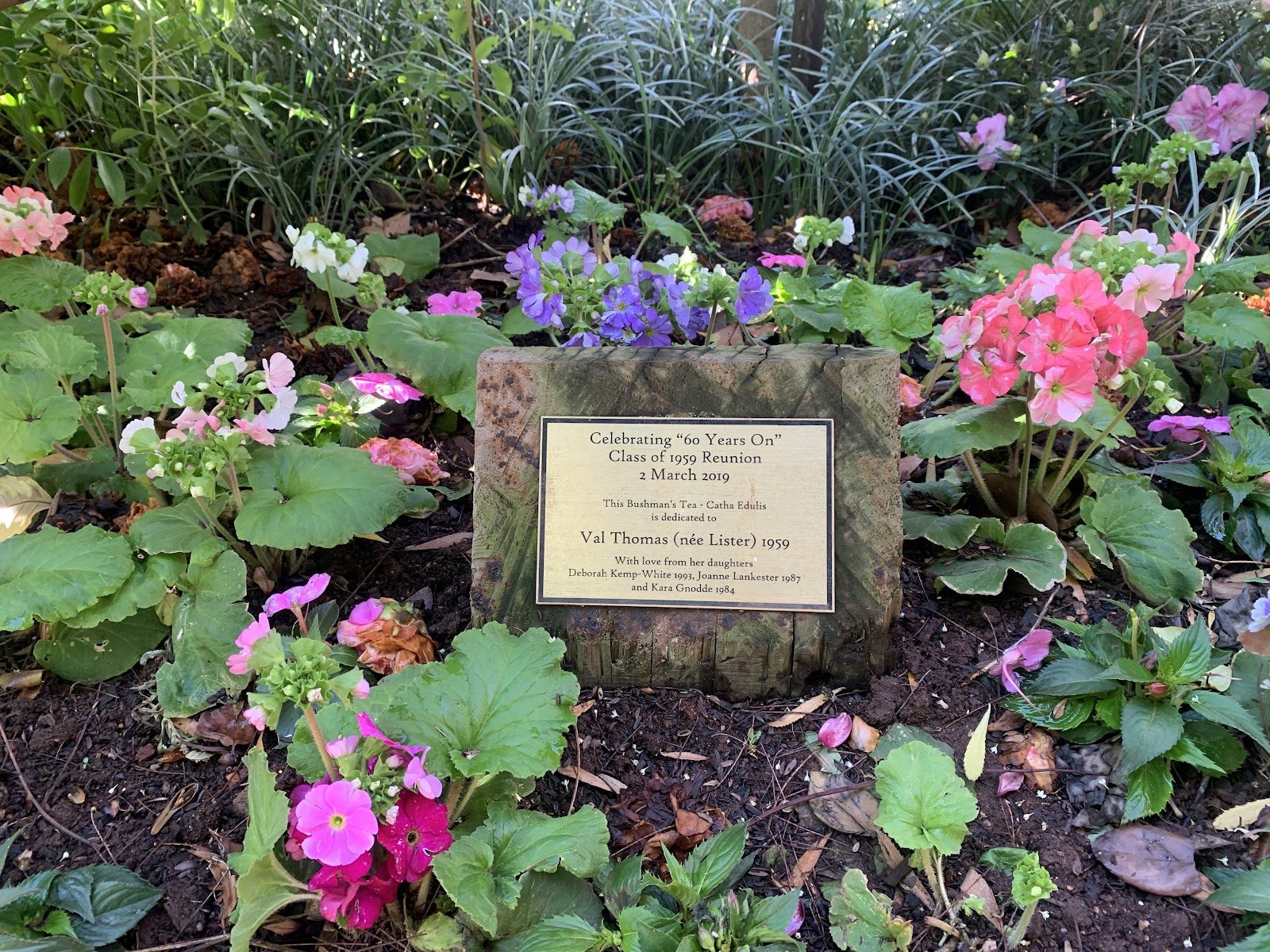
Roedean School South Africa
Johannesburg · South Africa
Founded in 1903 by two Cambridge-educated pioneers, this all-girls boarding school still occupies its original Herbert Baker campus in Parktown.
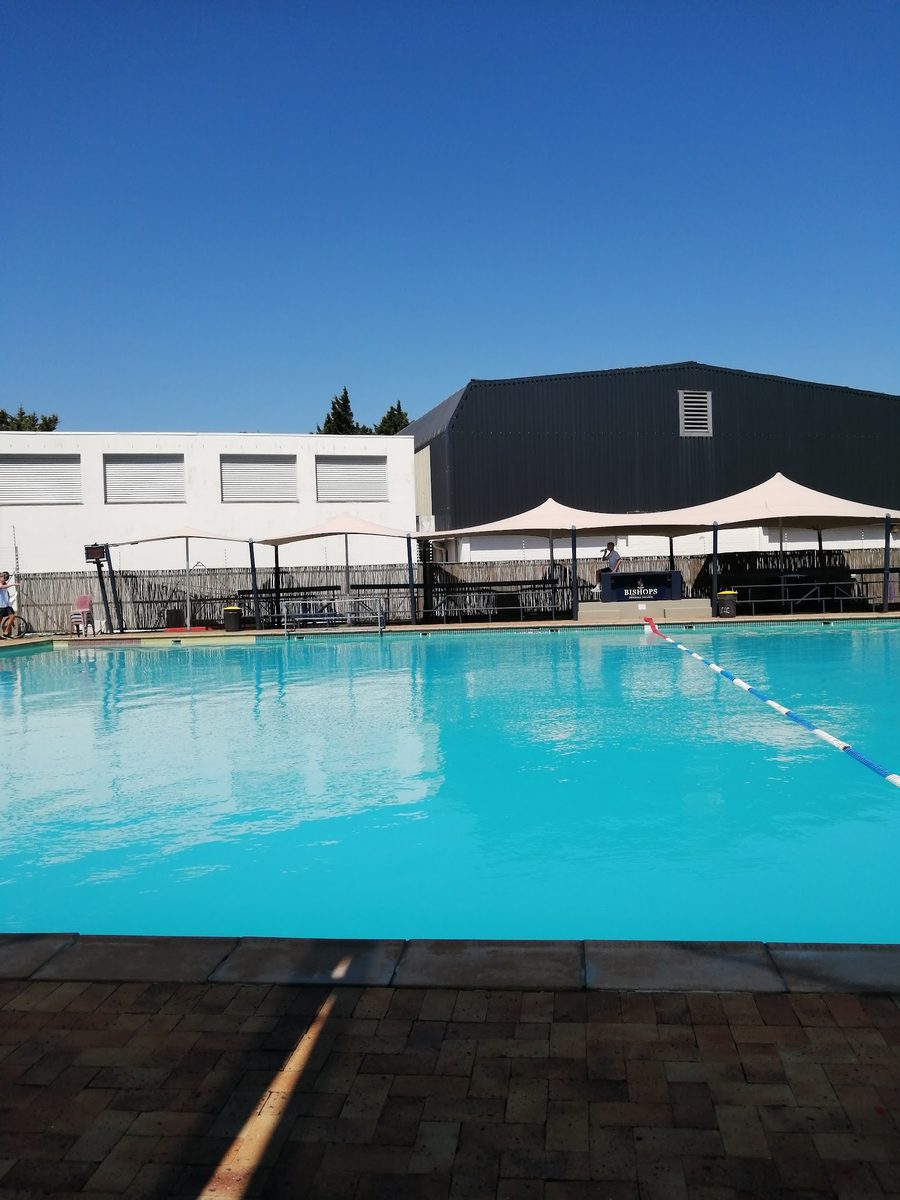
Bishops Diocesan College
Cape Town · South Africa
Founded in 1849 below Table Mountain, home to the oldest rugby field in the southern hemisphere and a storied house system.
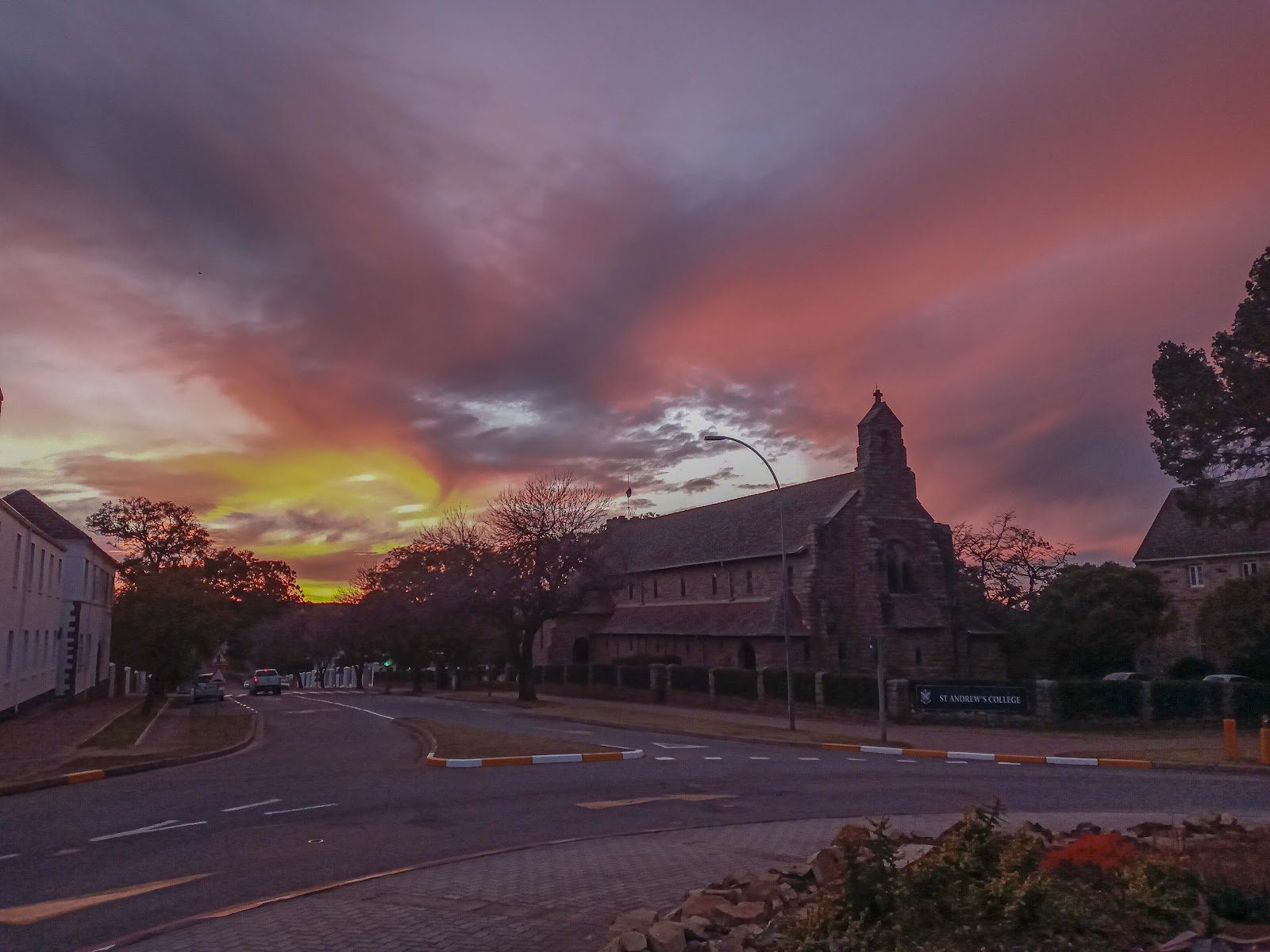
St Andrew's College
Makhanda · South Africa
On the Eastern Cape frontier since 1855, house tradition and shared classes with a sister school shape a distinct boarding life.
Michaelhouse
Balgowan · South Africa
In South Africa's Midlands, one of the world's few remaining all-boys, all-boarding schools borders a rare mistbelt grassland reserve.
Same country and curriculum — closest matches within ±10 points either way