
Gauteng
American International School of Johannesburg
low confidence· 6/6 cats · 0 avg sourcesOn a Bryanston campus with its own wetlands reserve and golf course, one of only three schools in South Africa offering the IB Diploma alongside AP.
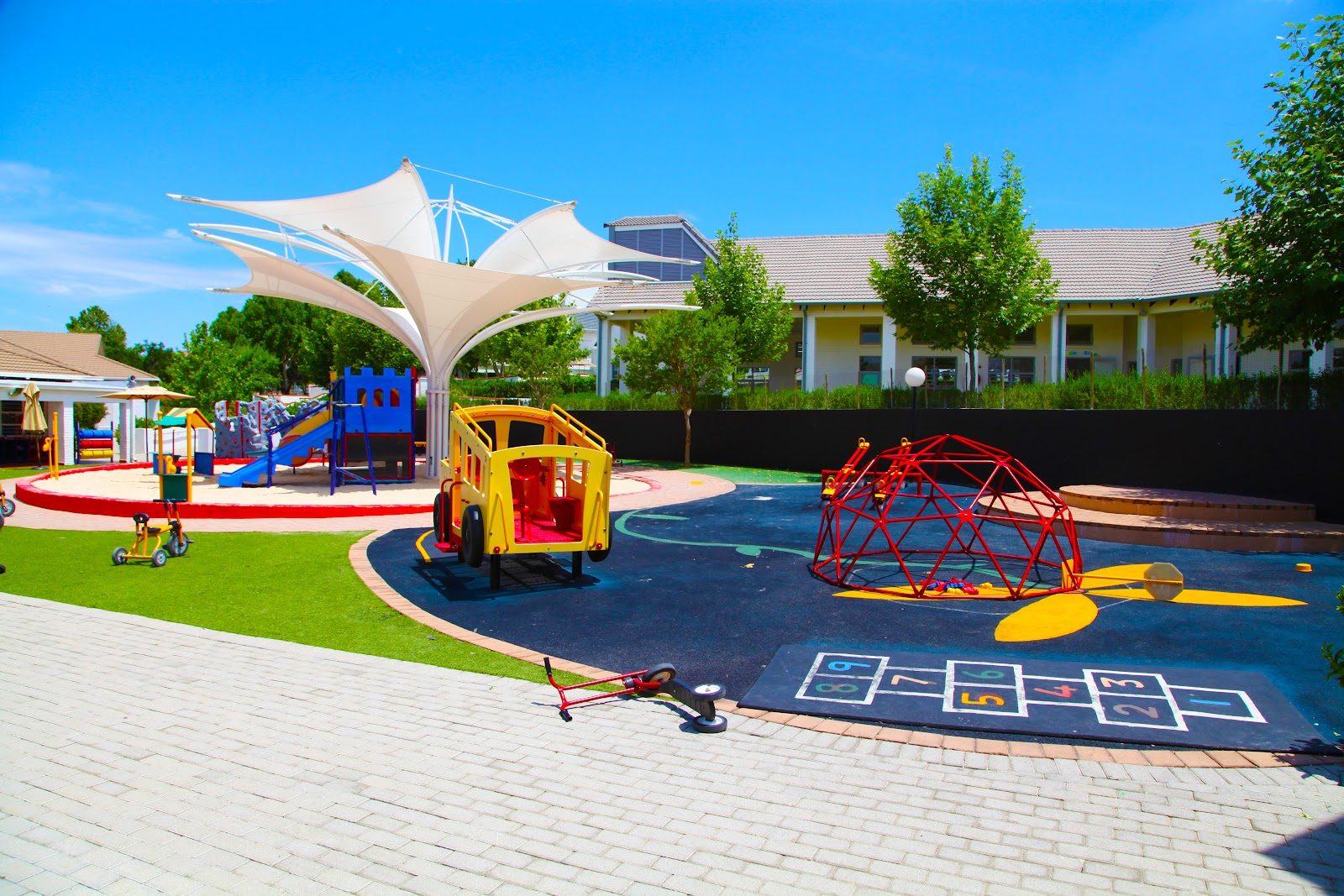
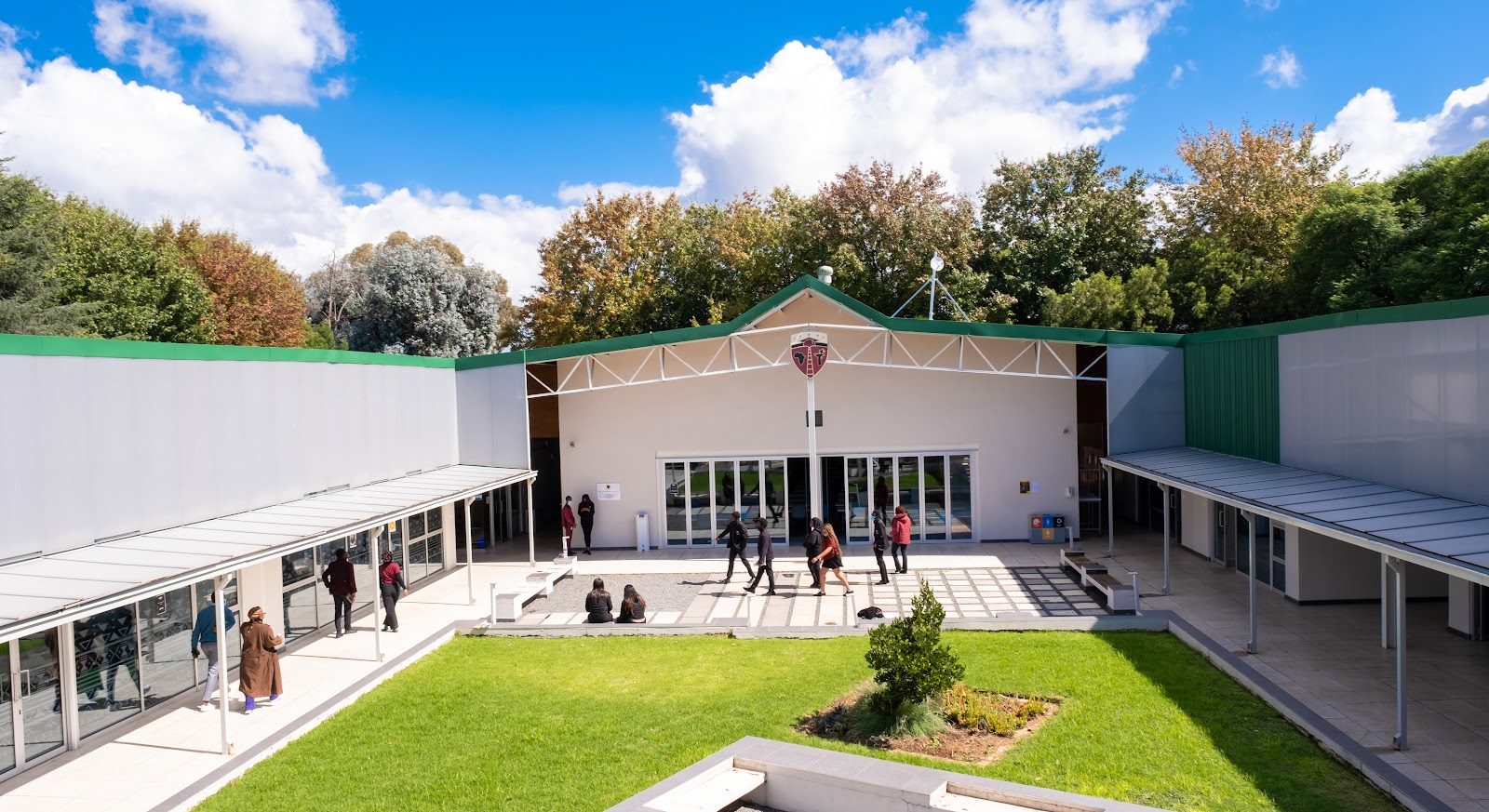
Photo © American International School of Johannesburg (AISJ) via Google Maps
Type
Day
Ages
5–18
Curriculum
American (AP) · IB (Diploma)
Ratio
6:1
The Verdict
Editor's commitment
Right for
Families wanting a non-religious day school in Johannesburg with American AP and the IB Diploma, plus a rare 6:1 student-teacher ratio.
Wrong for
Parents needing boarding on the Johannesburg campus or a school before age 5; this listing covers ages 5–18 only.
Watch out for
Founded in 1982, AISJ has substance, but public detail here is thin; test the AP/IB split and teaching depth yourself.
Ranking breakdown
American International School of Johannesburg · # of 1591
Composite score 70.3. 8 weighted criteria.
By criterion
Academic Outcomes
Weight 20%
#511
of 1529 scored
University Placement
Weight 16%
#516
of 1529 scored
Prestige & Heritage
Weight 12%
#526
of 1571 scored
Alumni Network
Weight 12%
#334
of 1530 scored
Facilities
Weight 12%
#478
of 1534 scored
Transparency & Communications
Weight 8%
#592
of 1532 scored
Peer & Industry Review
Weight 10%
#598
of 1548 scored
Admissions Selectivity & Demand
Weight 8%
#369
of 1529 scored
Peer & Industry Review
How American International School of Johannesburg is regarded in the sector
50
Credible · low confidence
AISJ is consistently recommended on expat-parent forums (e.g., InterNations Johannesburg threads, Expat Exchange South Africa boards) as one of the go-to international/IB schools for diplomatic and corporate expatriate families, and it holds recognized IB World School and CIS/NEASC accreditation, which lends some credibility. However, it rarely appears in mainstream South African 'best schools' rankings (Sunday Times, Financial Mail) which are dominated by traditional private schools like St John's or Roedean, and I could not locate coverage in Tatler, Good Schools Guide, or specialist education press specifically assessing AISJ's standing.
Editors' overview
The Bryanston campus is the draw here: a school set around its own wetlands reserve and golf course has a physical footprint that few urban international schools can match. That matters because American International School of Johannesburg is not selling density, theatre or metropolitan buzz; it is selling space, range and a calmer daily rhythm. The academic offer gives it a sharper edge than the grounds alone. AISJ runs an American programme with AP and also the IB Diploma, and the editorial context places it among only three schools in South Africa offering that combination. For families who want a US-style school without closing off the IB at sixth-form level, that is a genuinely distinctive proposition.
The basics are strong. AISJ is a non-religious day school in Johannesburg, founded in 1982, teaching in English from ages 5 to 18. The published student-teacher ratio of 6:1 points to serious staffing depth and the capacity for individual academic attention. That ratio will appeal to students who need close teacher access, or who want to stretch across advanced courses without getting lost in a large cohort. The school also operates in a market where curriculum choice matters more than branding. Parents choosing between British schools, South African independents and US-style internationals need to know exactly what they are buying here: not a hybrid that drifts between systems, but a clear American pathway with AP and the IB Diploma available at the top.
The trade-off is equally clear. This is not the school for families who want a traditional British atmosphere, a narrow exam factory, or the social coding of an old Johannesburg day school. It will suit internationally mobile children, academically ambitious students who value optionality at 16+, and pupils who do better in a campus with room to breathe than in a compact high-rise school. The Pretoria campus and the Johannesburg boarding provision for Grades 8 to 12 sit in the wider AISJ picture, but this listing is for the Johannesburg day school and its core appeal is breadth without clutter: a long-established 1982 international school, on an unusually expansive campus, with a 5–18 age range and a rare AP-plus-IB combination that earns it a place on any serious Johannesburg shortlist.
Academic Performance
AISJ’s academic performance sits in an awkward category: the course menu is strong, but public results are opaque. We have not seen aggregate AP outcomes, average scores, subject-by-subject grade distributions or university-matriculation data in the public domain. For an internationally mobile school competing with selective independents and other premium internationals, that is a real weakness. Families choosing between US-style and IB routes need hard evidence that the upper school converts breadth into results. Here, the published picture does not do that. The school’s low staffing ratio of 6:1 points to conditions that ought to support strong attainment, but staffing depth is not the same thing as published performance.
Relative to peers, AISJ still holds an academic advantage because very few schools in the country give students both advanced-course optionality and the IB Diploma within one institution. That makes it strategically useful for families who want to keep university destinations open across different systems. But usefulness is not the same as proof. The strongest schools in this bracket publish enough exam data to let parents judge consistency, not just programme breadth. AISJ’s omission leaves its academic standing harder to verify than it needs to be. In plain terms: this is a school with a serious academic proposition, but not a transparent public results record.
Facilities
The facilities story starts with the land. Few urban international schools can offer a campus with its own wetlands reserve and golf course; that gives AISJ a genuinely unusual physical proposition in a market where many rivals work with tighter suburban footprints and far less ecological texture. For children, that translates into room, movement and a school day less hemmed in by concrete and traffic. Against Johannesburg peers, this is a clear competitive advantage: not because acreage alone guarantees quality, but because usable outdoor space changes sport, break times, environmental learning and the general pressure level of campus life. Families who value space over spectacle will rate this highly.
The limits sit in the detail. We have not seen a published facilities breakdown covering specialist science labs, performing-arts spaces, design technology, libraries or indoor sports provision, so the school does not give parents the full technical picture that stronger operators publish as a matter of course. That matters when premium schools ask families to judge whether the hardware matches the academic ambition. Even so, the headline assets are materially stronger than those at many city-campus competitors. The low staffing ratio also means those grounds are not carrying an overcrowded student body, which preserves their value in daily use. In facilities terms, AISJ offers a rare sense of physical ease; what it does not offer is enough public detail on the specialist indoor estate.
For families who want a US-style school without closing off the IB at sixth-form level, that is a genuinely distinctive proposition
Prestige
AISJ has real prestige in the Johannesburg market, but it is specialist prestige, not old-establishment cachet. Its reputation rests on serving an international, mobile, academically purposeful clientele rather than feeding the social hierarchies of the city’s legacy private schools. That distinction matters. For parents who want a school recognised by embassies, multinational employers and universities across systems, AISJ carries weight. The dual upper-school pathway does part of that work, but the stronger prestige signal is structural: very few schools in the country offer that level of post-16 choice under one roof, and the published 6:1 staffing ratio reinforces the sense of a high-investment academic environment. This is not mass-market international schooling.
The limits are clear too. Prestige here does not rest on public exam transparency, nor on the ritualised brand power that some British-heritage schools trade on for decades. It rests on institutional seriousness, international trust and a campus experience that is materially hard to copy. The Bryanston setting gives AISJ a rarefied physical identity, and the school’s age range lets families stay in one system from the early years to graduation, which strengthens loyalty and word-of-mouth. That produces quiet clout among the families who value flexibility, pastoral space and global portability. In blunt terms: AISJ is prestigious within the international-schools world, but it is not Johannesburg’s default status school.
The school gives families a through-school experience on an unusually expansive campus while also preserving genuine academic choice at the top end
Communications
AISJ’s communications have one clear weakness: the public-facing website does not do enough heavy lifting. The “About” page available here is effectively a shell, which is a poor result for a premium school serving mobile families who need quick clarity on ethos, people, routines and decision points. When a school operates across 2 campuses and also has older boarders in the wider institutional picture, clean signposting matters even more. Parents need to grasp fast what belongs to Johannesburg, what belongs elsewhere, and how the day-school experience is structured. On that front, the published presentation is thinner than it should be and *less precise than strong competitors manage*.
That does not mean parent communication inside the school is weak; it means the external evidence is limited. The school’s long-established international profile and very low 6:1 staffing ratio point to an operation built on access and human contact, which often translates into responsive day-to-day communication between families, teachers and division teams. But parents should separate that probable internal reality from the school’s public communications performance. A school with this level of ambition needs a website that answers practical questions without friction and distinguishes clearly between campuses and age groups. AISJ’s communications, judged from the outside, are functional rather than polished, institutionally serious but not fully transparent.
Uniqueness
What sets AISJ apart is not a single headline feature but an uncommon combination that very few schools assemble in one place. The school gives families a through-school experience on an unusually expansive campus while also preserving genuine academic choice at the top end. That matters because many international schools force an early narrowing: one exam system, one institutional style, one way of succeeding. AISJ does the opposite. Students can grow up in a setting with far more breathing room than the standard urban international-school plot and still reach the senior years without hitting a curricular dead end. The existence of a second campus in Pretoria adds another layer to that identity: this is not a one-site boutique school but a larger institution with reach inside South Africa.
For students, the benefit is practical, not abstract. A child who thrives outdoors, dislikes cramped campuses and needs daily space to regulate energy gets a material quality-of-life gain here. A teenager whose university plans shift over time gets rare strategic flexibility instead of being locked into one route too early. The Johannesburg campus also sits inside a wider school structure that includes boarding for older pupils, which changes the social mix and broadens the community beyond a purely local day-school cohort. Add the published 6:1 staffing ratio and the result is a school that offers breadth without impersonality: physical scale, institutional depth and more than one serious way to finish school well.
That matters because American International School of Johannesburg is not selling density, theatre or metropolitan buzz; it is selling space, range and a calmer daily rhythm
Student Profile
AISJ suits children who are already comfortable in mixed-nationality settings or who need a school that does not punish difference. The through-school structure and dual-campus institution create a student body with more movement in and out than a rooted local day school, so the social fit favours adaptable, self-possessed pupils rather than those who rely on fixed friendship circles and inherited school culture. Children from expatriate, diplomatic and internationally employed families will fit naturally. So will South African families who want a less coded environment than the city’s legacy independents. The published 6:1 ratio also points to a school that can carry students who need close adult access, whether that means academic stretch, careful pastoral oversight or a softer landing after relocation. This is a globally minded, high-expectation student mix, not a parochial one.
The best fit is a child who uses space well: sporty, outdoorsy, energetic, or simply calmer in a campus that does not feel compressed. Students who like range, dislike institutional fuss and want serious options later on will do well here. The weaker fit is just as clear. A teenager chasing a hard-edged competitive hothouse, a family that wants old-school Johannesburg social signalling, or a child who thrives on dense urban bustle will find stronger matches elsewhere. AISJ works for pupils who are self-directed, internationally mobile and comfortable in a school with a broader social brief than a conventional local private school.
The academic offer gives it a sharper edge than the grounds alone
Co-curricular strengths
Arts & sport, on a separate axis
Overall 8.6/10
Scored 0-10 from the school's own published evidence. This axis is editorial-only — it does not feed the main WTS ranking.
Sports
9/10
Drama
9/10
Dance
7/10
Music
9/10
Visual Arts
9/10
Strengths
- +AISJ became authorised to offer programmes of the International Baccalaureate (IB) in February 1994, and continues to provide the Primary Years Programme (PYP), Middle Years Programme (MYP) and Diploma Programme (DP), one of only three schools in the country to offer the IBDP.
- +In May 2025, over half the grade (29 students) took the IBDP, with 27 passing, gaining an average of 33 (higher than world average of 30).
- +AISJ is accredited by the Middle States Association of Colleges and Schools (MSA), a member of the Association of International Schools in Africa (AISA), and also a member of the Independent Schools Association of Southern Africa (ISASA).
- +Boarding is offered for Grades 8-12, with private en-suite rooms, 24/7 supervision, meals, medical support, and dedicated routines as part of the program, unusual for a day-school-led international campus.
- +The Johannesburg campus sits on grounds that include an on-site wetlands reserve and golf course, alongside a genuinely international mix reflected in a student body of over 70 nationalities.
Considerations
- −Fees are steep and fixed: US$ 9,800 / R 186,200 (pre-K 3/4) from 2025 entry only to US$ 37,026 / R 703,494 (G11/12), Boarding $20,000 per year extra (from G8), and the fees will not be negotiated under any circumstances.
- −New families face substantial upfront costs beyond tuition, including a non refundable new student capital fee of US$ 11,025 / R 209,475 from kindergarten upwards plus a holding deposit.
- −The two-campus structure means younger children based in Pretoria must transition schools: after grade 8, pupils move up to the high school on the Johannesburg campus, a good 50 minutes away by car, longer on the school bus.
- −The school's finances are exposed to shifts in the expatriate/NGO population it serves; in 2025 it was faced with losing up to 100 students across the two campuses due to the sudden closure of the large local USAID agency (and the knock-on effect on other agencies and charities), school had to make some tough cuts, including to teaching staff.
Availability
Primary entry gate & tests
Academic Record (Expat Priority)
Gallery
Photo © Shako شاكو შაკო Chako Шако شاك via Google Maps
Photo © Kim da Silva via Google Maps
Parent reviews
Have you sent your child here?
Voice reviews carry the strongest trust badge — we transcribe them for you to tidy up before they go live. Prefer to type? A written review is fine too.
Add your voice
In 60 seconds, tell other parents: what's the best thing about American International School of Johannesburg, and what surprised you when your child joined?
We ask for a Google sign-in so every review has a real face behind it — no anonymous drive-by attacks on schools, and no faked positive reviews. Your email is never shown publicly.
Send this profile to a friend
International parents rely on word-of-mouth. Share this review with someone weighing the same decision.
Schools with places
Similar schools to American International School of Johannesburg with places available now.
Availability first, then country, area, curriculum, price, co-curricular
Consider also
Also worth looking at alongside American International School of Johannesburg.
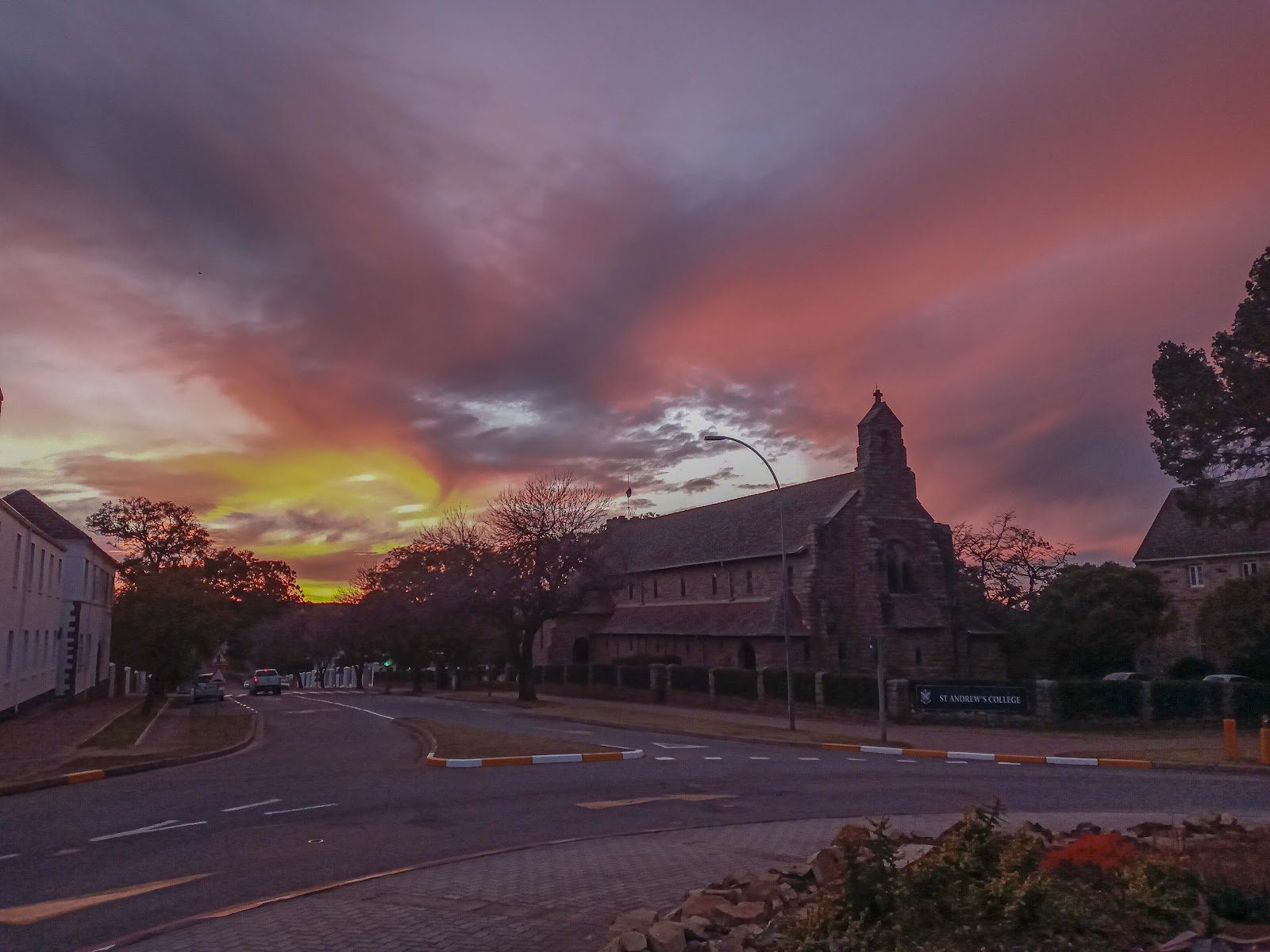
St Andrew's College
Makhanda · South Africa
On the Eastern Cape frontier since 1855, house tradition and shared classes with a sister school shape a distinct boarding life.
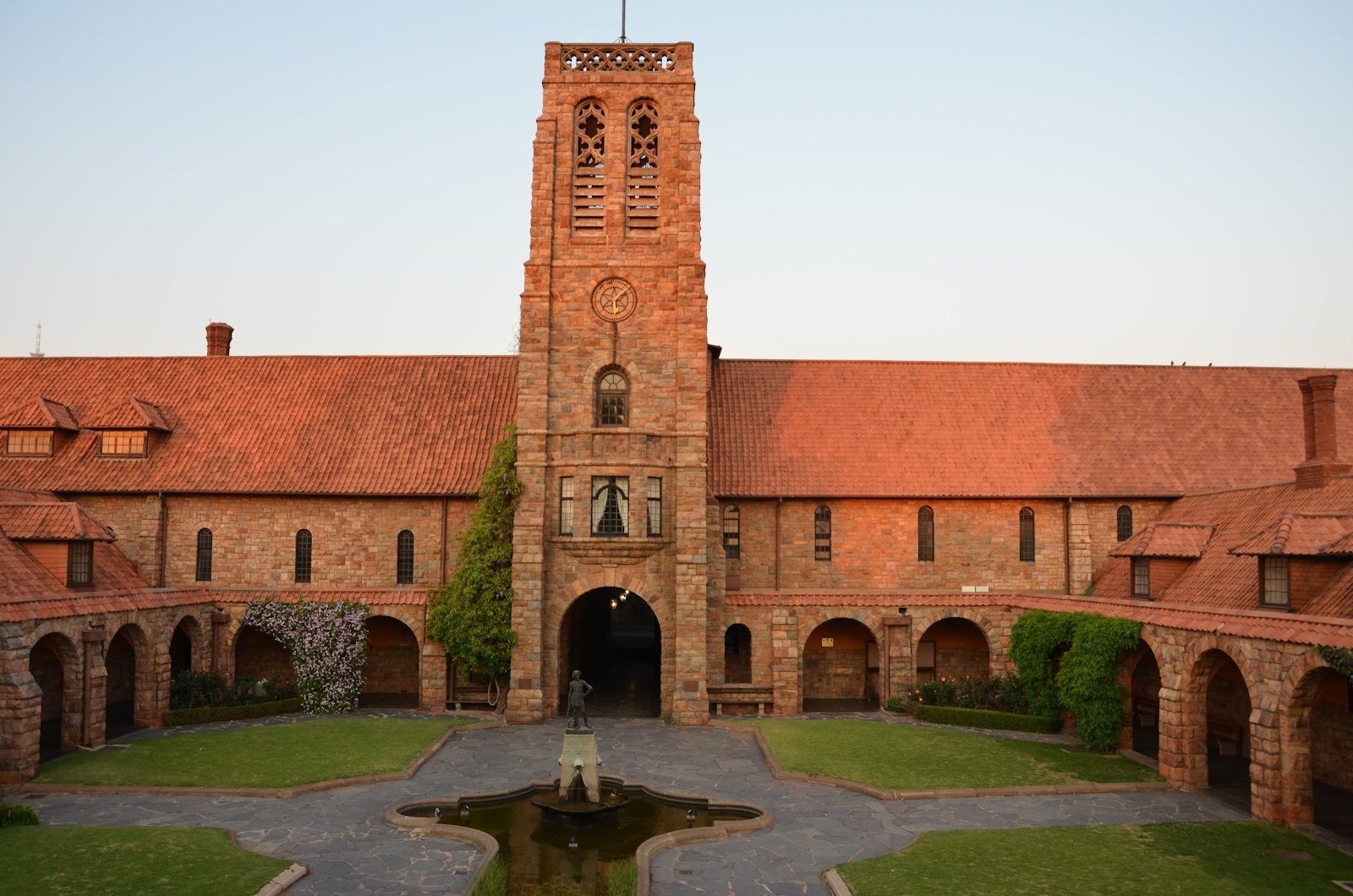
St John's College
Johannesburg · South Africa
Founded twelve years after the Witwatersrand gold rush, this Anglican boarding college blends Herbert Baker quadrangles with a four-house pastoral tradition
Roedean School South Africa
Johannesburg · South Africa
Founded in 1903 by two Cambridge-educated pioneers, this all-girls boarding school still occupies its original Herbert Baker campus in Parktown.
African Leadership Academy
Johannesburg · South Africa
A Johannesburg boarding campus where teens from 47 African nations run real ventures under a pan-African, entrepreneurship-driven curriculum.
Same country and curriculum — closest matches within ±10 points either way