
Singapore
EtonHouse International School
low confidence· 1/6 cats · 2.5 avg sourcesReggio Emilia-rooted learning on Singapore’s Orchard Road
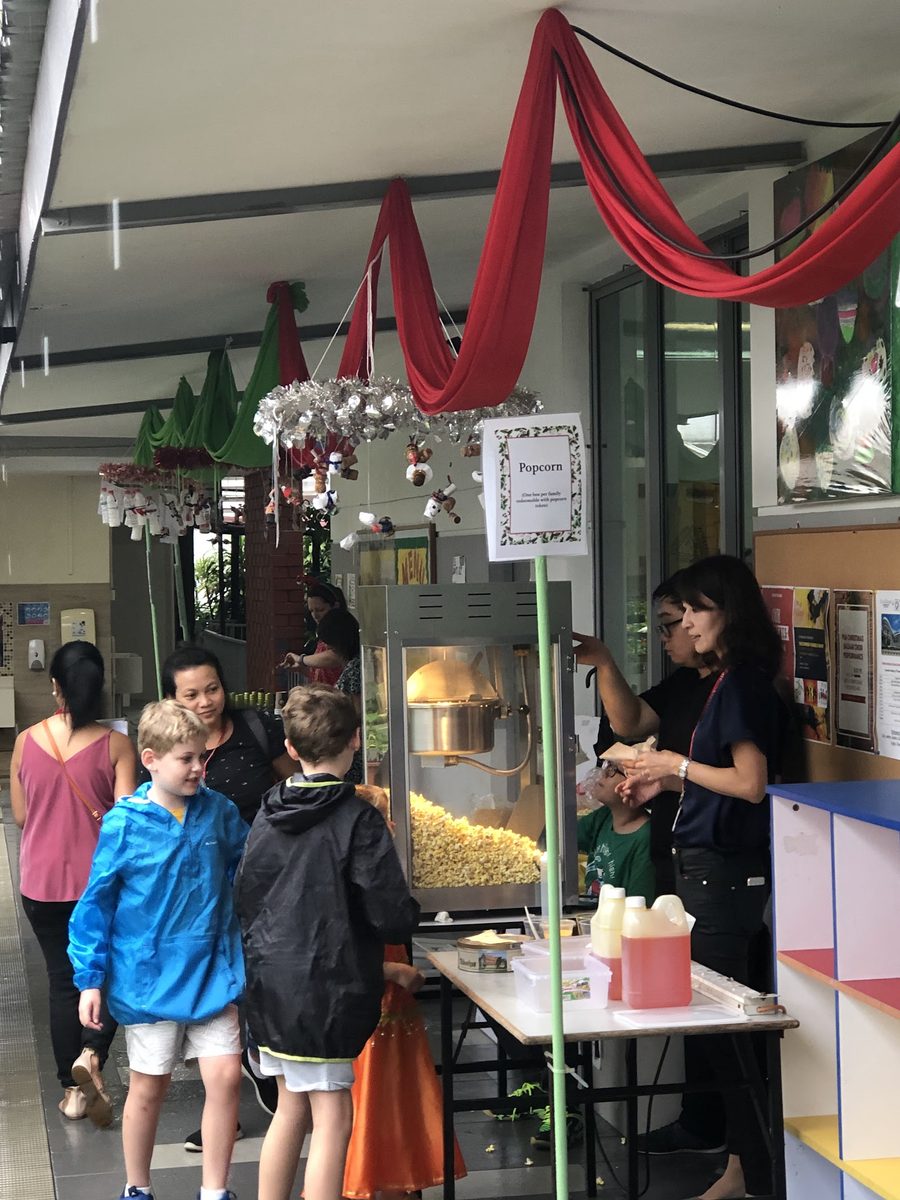
Photo © Candy House via Google Maps
Type
Day
Ages
2–18
Curriculum
IB · British
Qualifications
IGCSE · A-Level
Ratio
—
The Verdict
Editor's commitment
Right for
Families in Singapore who want a day school on Orchard Road with English teaching, British and IB pathways, and CIS accreditation.
Wrong for
Parents after a conventional exam factory, religious framing, or boarding; EtonHouse has none of those, and its inquiry model starts at age 2.
Watch out for
The average annual day fee is SGD 35,047; for that price, families should press hard on published senior outcomes and pathway detail from age 16.
Ranking breakdown
EtonHouse International School · #1521 of 1591
Composite score 47.5. 8 weighted criteria.
By criterion
Academic Outcomes
Weight 20%
#1459
of 1529 scored
University Placement
Weight 16%
#1455
of 1529 scored
Prestige & Heritage
Weight 12%
#1493
of 1571 scored
Alumni Network
Weight 12%
#1181
of 1530 scored
Facilities
Weight 12%
#1382
of 1533 scored
Transparency & Communications
Weight 8%
#1415
of 1532 scored
Peer & Industry Review
Weight 10%
#1472
of 1548 scored
Admissions Selectivity & Demand
Weight 8%
#1456
of 1529 scored
Peer & Industry Review
How EtonHouse International School is regarded in the sector
53
Credible · medium confidence
Among Singapore's international school community, EtonHouse is generally regarded as a credible, fast-growing challenger rather than a peer of the long-established 'big name' schools such as UWCSEA, SAS, Tanglin or Dulwich, whose heads and marketing materials rarely mention it as a direct competitor for senior secondary placement. Its reputation is strongest in early childhood circles, where it is frequently cited in regional education press and ECE conference programming for its Reggio Emilia-influenced approach, and it appears in comparison guides such as WhichSchoolAdvisor primarily in preschool and primary rankings rather than Diploma Programme league tables. University admissions offices have limited independent name recognition of EtonHouse graduates compared with cohorts from Singapore's oldest international schools, reflecting its smaller and newer senior secondary output. Overall, the school's industry standing rests more on thought leadership in early-years pedagogy and network scale across Asia than on a demonstrated, long-run record of elite university placement or senior academic competition results.
Editors' overview
EtonHouse International School occupies a rare niche in Singapore: a through-train day school from age 2 to 18 on Orchard Road, with a serious commitment to inquiry rather than a thin layer of progressive language over a conventional academic model. Founded in 1995, it draws its intellectual identity from Reggio Emilia in the early years and carries that emphasis on student agency, documentation and environment design into the older years. That matters. Plenty of schools talk about child-led learning; few build their classrooms, routines and teacher training around it. The result is a school for families who want curiosity with structure, not rote-heavy schooling dressed up as innovation.
The academic offer combines IB and British pathways, and the through-line is clear: independent thinking, interdisciplinary work and strong pastoral attention inside a large, established group. EtonHouse has scale — more than 100 schools across 8 countries at group level — but the selling point here is not corporate reach. It is the consistency of an educational philosophy that starts early and does not disappear once children hit exam years. The school’s Orchard Road setting also gives it a distinct urban identity. This is not a leafy campus school selling acres of playing fields; it is a central-city school built for families who value access, continuity and a grown-up sense of purpose in the learning environment.
Fees average SGD 35,047 a year across the full age range, which places EtonHouse in the expensive bracket, though not at the very top of Singapore’s international-school market. For that money, parents are buying a coherent philosophy, long age-range continuity and a name with real local visibility. The trade-off is straightforward. Families seeking a traditional, exam-first culture with heavy emphasis on league-table style outcomes will find stronger fits elsewhere. EtonHouse suits children who thrive when adults treat them as active participants in their education: verbal, questioning, collaborative students who respond to thoughtful independence, calm confidence and serious creative energy. For the right child, it is a compelling shortlist school.
Academic Performance
EtonHouse does not publish aggregate public exam results for this campus in any useful level of detail. There are no school-level IB Diploma averages, top-score breakdowns, A-Level grade profiles or year-on-year outcome tables in the public domain. That opacity matters. In Singapore’s international-school market, serious academic operators put headline results into circulation because parents use them to judge sixth-form depth, subject strength and university-readiness. Here, parents are asked to trust the model without the comparative data that would test it. For a school with a full through-school offer, that is a clear weakness in the public academic case.
That does not make EtonHouse academically weak; it makes it hard to verify against direct peers. The educational philosophy points towards strong habits for discussion, independent research and interdisciplinary thinking, and those strengths can translate well into senior assessment. But families comparing it with schools that publish IB and A-Level outcomes school-wide will get a sharper read elsewhere. In performance terms, EtonHouse sits in the harder-to-rank middle ground: credible, established, and philosophy-led, but not transparent enough to claim a place among Singapore’s plainly documented exam leaders. For parents who prize measurable academic proof, that gap is not cosmetic; it is decision-shaping.
Facilities
The crucial facility point here is not acreage; it is design. EtonHouse’s Orchard Road campus gives families a central-city school with spaces built around visibility, student ownership and cross-disciplinary use rather than grandstand architecture. The school talks in concrete terms about classrooms where documentation sits at child-eye level, student work is prominently displayed, and materials are laid out to prompt discussion and exploration. It also states that the older campus was shaped with student input, with an emphasis on creativity, collaboration and community. That matters because many urban international schools in Singapore occupy vertical buildings and then struggle to make them feel educationally coherent. EtonHouse has a clear spatial philosophy and a thought-through environment, which sets it above peers whose facilities are functional but generic.
The limit is just as clear. Families looking for the full resort-campus treatment — vast playing fields, major aquatic provision, or the kind of specialist sports infrastructure found at Singapore’s largest edge-of-city campuses — will not get it here. This is an Orchard Road school, not a sprawling suburban estate. Against peers, EtonHouse is stronger on purposeful learning spaces than on brute physical scale. Its best facilities are the ones that support inquiry, display, collaboration and seamless indoor-outdoor learning, not the ones that make for brochure photography. For parents who value environment as part of pedagogy, that is a real strength. For families judging schools by athletic footprint and sheer square metre count, it is a plain disadvantage.
There are no school-level IB Diploma averages, top-score breakdowns, A-Level grade profiles or year-on-year outcome tables in the public domain
Prestige
EtonHouse carries real name recognition in Singapore, and that counts. This is not prestige in the old, clubbable sense of colonial legacy, elite sport or dynastic alumni networks. It is prestige built on educational identity, urban visibility and group scale. Within the inquiry-led segment, EtonHouse holds a serious reputation: parents know what the brand stands for, teachers know the early-years philosophy, and the Orchard Road address gives it a level of prominence many competitors do not have. A network of more than 100 schools across 8 countries adds weight, and the through-school structure gives families confidence that the model is not a boutique experiment. For parents who value progressive substance over tradition for tradition’s sake, that has status.
The ceiling on that prestige is clear. EtonHouse does not sit in Singapore’s top tier of exam-defined prestige because it does not publish the kind of senior-school outcomes that confer hard academic clout. Nor does it trade on the social cachet of the city’s most entrenched legacy schools. Its standing rests instead on coherence, philosophy and local familiarity: well-known, well-established, and distinctive, but not academically formidable in the public way that the most selective names are. That places it in the strong second band of international-school prestige: a school many families will respect immediately, but not one that closes the conversation on name alone.
The other distinctive feature is scale without philosophical dilution
Communications
EtonHouse communicates with parents in the way a large, organised school group should: through a polished central website, routine admissions calls to action, event notices, a parenting-content stream and a steady emphasis on tours, FAQs and comparison tools. That infrastructure gives families multiple entry points and makes the school easy to navigate at first contact. The public-facing communication is clear, well-drilled and commercially competent. Parents can grasp the educational philosophy quickly, find the relevant campus, and understand the broad shape of the offer without wading through clutter. The group scale — more than 100 schools in 8 countries — also brings consistency. This is not an amateur operation held together by sporadic updates and vague messaging.
The weakness sits in substance, not polish. EtonHouse talks fluently about values, learner identity, environment design and inquiry, but gives parents less hard operational detail than the strongest schools do. We have not seen much by way of concrete academic reporting, deep campus-level performance data or the kind of routine disclosure that helps parents judge day-to-day execution rather than philosophy. That leaves communication strong on narrative and weaker on proof. For families already aligned with the school’s educational approach, that will feel coherent and reassuring. For analytical parents who want specifics on outcomes, systems and accountability, it will feel carefully managed and not fully transparent.
Uniqueness
What sets EtonHouse apart is not a token nod to child-centred learning but a school architecture built around it. The Reggio Emilia influence is visible in the way the school treats environment, documentation and student voice as working parts of education rather than decorative theory. Children’s work sits in public view; classrooms are arranged to provoke conversation and inquiry; older students had input into the design of their own campus spaces. That gives the school a rare internal consistency. Many schools run progressive early years and then snap back into conventional teacher-led habits later on. EtonHouse keeps the thread intact. For students, that brings a genuine sense of ownership: they are expected to ask, test, connect and articulate, not just absorb.
The other distinctive feature is scale without philosophical dilution. This campus belongs to a group with more than 100 schools across 8 countries, yet the central proposition stays tight: personalised support, interdisciplinary learning and a culture that treats children as competent participants. That combination gives students a serious through-line from the nursery years into adolescence. It also suits a specific kind of child. Verbally confident, curious, self-directed students will find room here to grow into themselves. Children who want heavy external structure, constant ranking and an exam-first atmosphere will get less traction. That clarity is part of the school’s value. EtonHouse is unusually coherent, deliberately inquiry-led and *not trying to be all things to all families*.
EtonHouse is unusually coherent, deliberately inquiry-led and not trying to be all things to all families
Student Profile
The best fit here is the child who likes to talk, question, make links and take genuine responsibility for their own work. EtonHouse treats students as capable thinkers and communicators, and that culture rewards children who engage readily with adults, contribute in discussion and cope well with open-ended tasks. It suits students who enjoy learning through projects, conversation and reflection rather than constant drilling or narrow score-chasing. The through-school structure also matters: children who start young and grow up inside one coherent educational approach will get the most from it. In a group that spans more than 100 schools across 8 countries, families also buy into a network with a defined worldview, not a one-off campus with a loose identity.
The weaker fit is just as clear. Children who want firm external direction at every step, heavy routine, relentless ranking and a hard-edged academic pecking order will find this culture frustrating. So will families who equate rigour with frequent public data, competitive atmosphere and visible exam metrics. This is a school for verbally confident, curious, self-propelled students who respond to trust and adult respect; it is less suited to children who need constant correction to stay on task or who prefer learning to be tightly prescribed. In social terms, the school will work best for families comfortable with a progressive, ideas-led culture and a city-school rhythm, rather than a traditionalist campus ethos.
Plenty of schools talk about child-led learning; few build their classrooms, routines and teacher training around it
Co-curricular strengths
Arts & sport, on a separate axis
Overall 6.64/10
Scored 0-10 from the school's own published evidence. This axis is editorial-only — it does not feed the main WTS ranking.
Sports
6.8/10
Drama
6.6/10
Dance
6.2/10
Music
6.8/10
Visual Arts
6.8/10
Strengths
- +Through-train pathway from age 2 to 18.
- +Inquiry-based pedagogy rooted in early years.
- +English-medium, non-religious day school in Singapore.
- +Part of CIS-accredited Singapore school network.
Considerations
- −School-declared curriculum listed only as International.
- −Part of a large group: over 100 schools.
- −Only CIS accreditation listed in provided information.
Availability
Primary entry gate & tests
Academic Record
Gallery
Photo © EtonHouse International School Broadrick via Google Maps
Photo © EtonHouse International School Broadrick via Google Maps
Photo © EtonHouse International School Broadrick via Google Maps
Photo © EtonHouse International School Broadrick via Google Maps
Photo © EtonHouse International School Broadrick via Google Maps
Parent reviews
Have you sent your child here?
Voice reviews carry the strongest trust badge — we transcribe them for you to tidy up before they go live. Prefer to type? A written review is fine too.
Add your voice
In 60 seconds, tell other parents: what's the best thing about EtonHouse International School, and what surprised you when your child joined?
We ask for a Google sign-in so every review has a real face behind it — no anonymous drive-by attacks on schools, and no faked positive reviews. Your email is never shown publicly.
Send this profile to a friend
International parents rely on word-of-mouth. Share this review with someone weighing the same decision.
Schools with places
Similar schools to EtonHouse International School with places available now.
Overseas Family School
Singapore · Singapore
- 2026-27
- WAITPOOLSpace-dependent
- 2027-28
- PLACES OPENRolling
Singapore American School
Singapore · Singapore
- 2026-27
- WAITPOOLGrade-specific / Waitpools
- 2027-28
- PLACES OPENRolling
Tanglin Trust School
Singapore · Singapore
- 2026-27
- CLOSEDNo late apps
- 2027-28
- PLACES OPEN
United World College of South East Asia
Singapore · Singapore
- 2026-27
- CLOSEDStandard route
- 2027-28
- OPENS SOONOpens 1 Sept '26 (Closes 2 Nov)
Availability first, then country, area, curriculum, price, co-curricular
Consider also
Also worth looking at alongside EtonHouse International School.
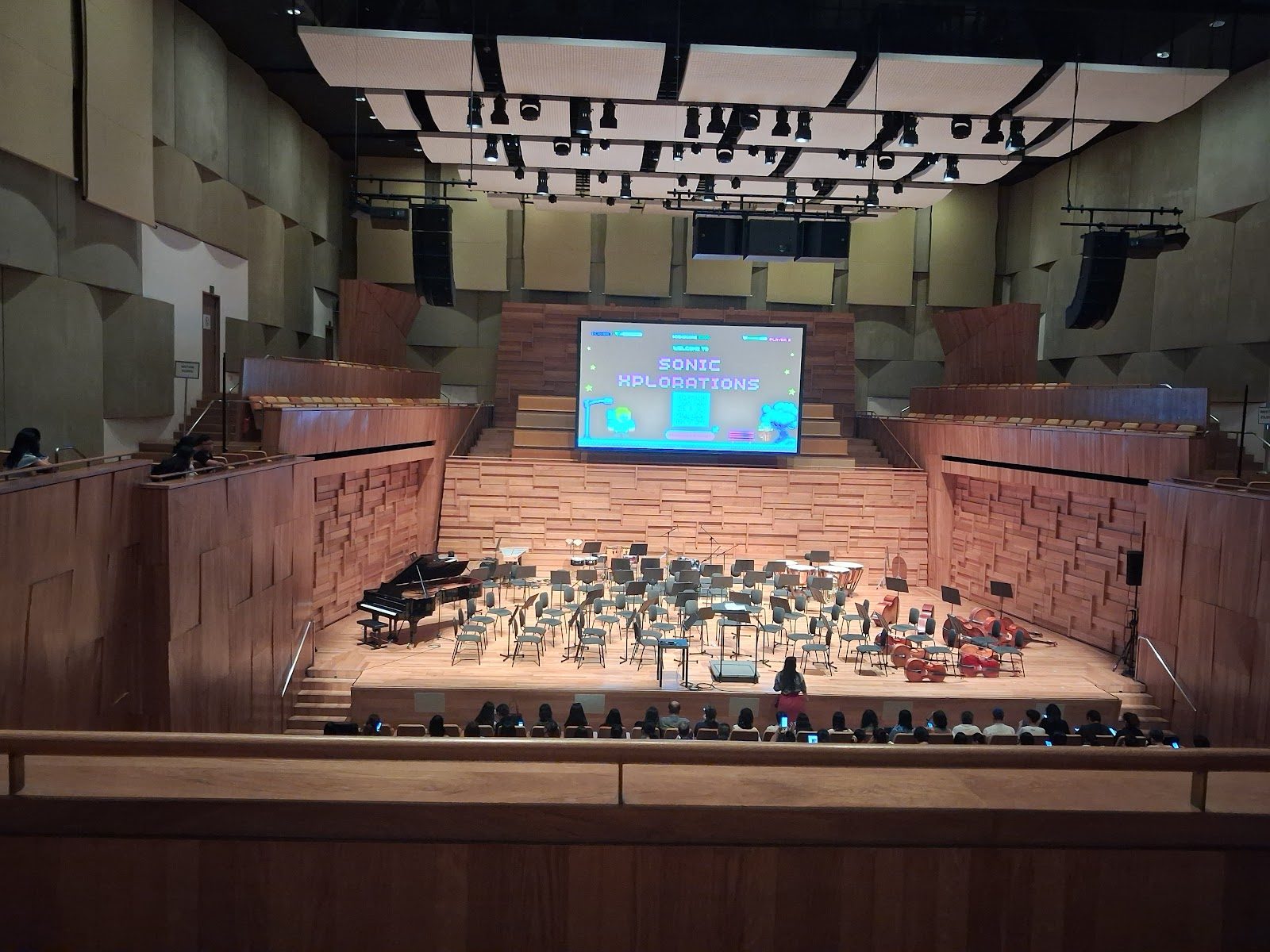
School of the Arts Singapore (SOTA), Theatre
Singapore · Singapore
A six-year IB pathway swaps O-Levels for stage craft, rehearsing theatre talent in Bras Basah's arts quarter
Yew Wah International Education School of Beijing
Beijing · China
Chinese-English co-teaching in every classroom, threading a through-train path from early years to the IB in Yizhuang's tech park

École des Roches
Verneuil-sur-Avre · France
A 1899 Norman chateau where France's first 'new education' experiment still shapes house-based IB and Baccalaureate scholars
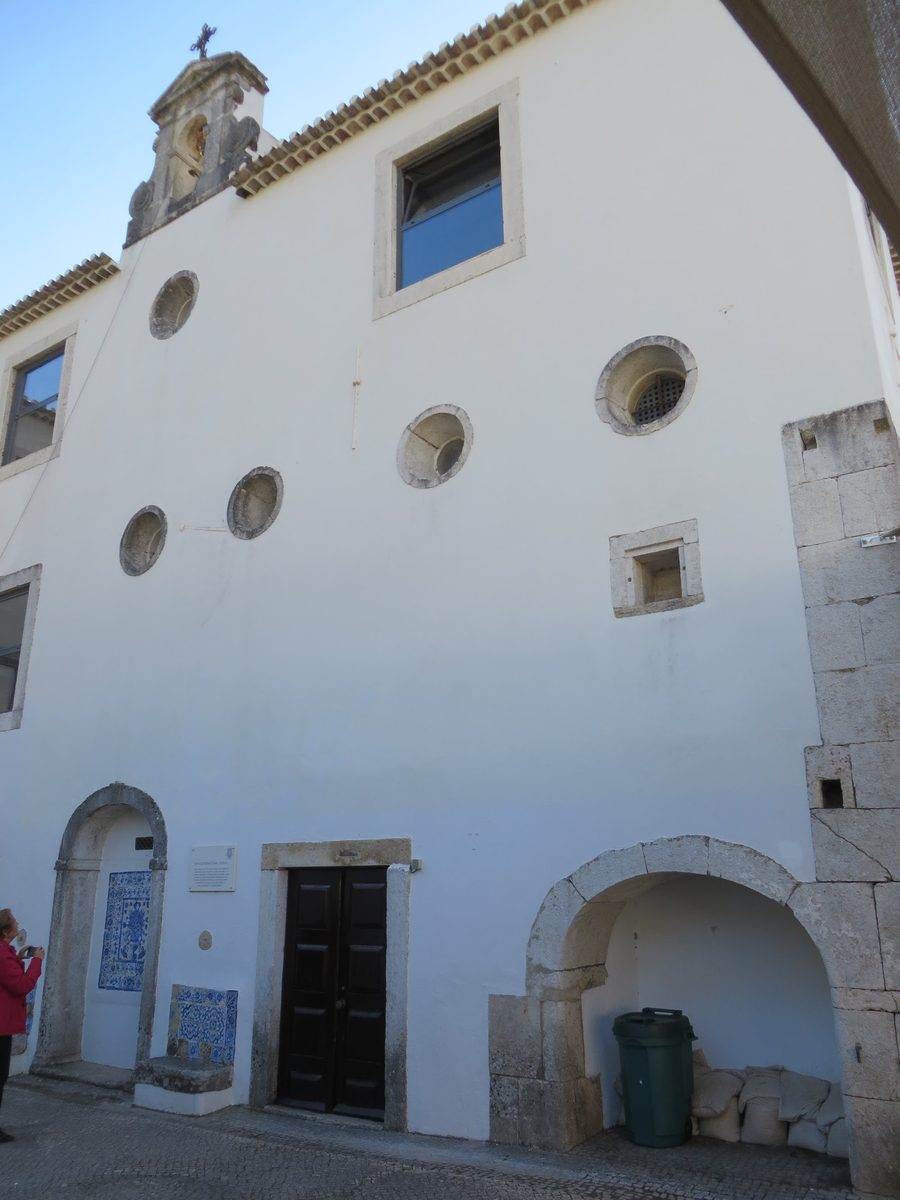
Oeiras International School
Oeiras · Portugal
A 17th-century palace estate near Lisbon runs the full IB continuum on a deliberately non-selective, community-rooted admissions model.
Same country and curriculum — closest matches within ±10 points either way