Hsinchu
Hsinchu International School
medium confidence· 4/6 cats · 3.2 avg sourcesAn American-curriculum day school in Xiangshan District, built to prep Taiwan's Silicon Valley kids for AP-track college admissions.
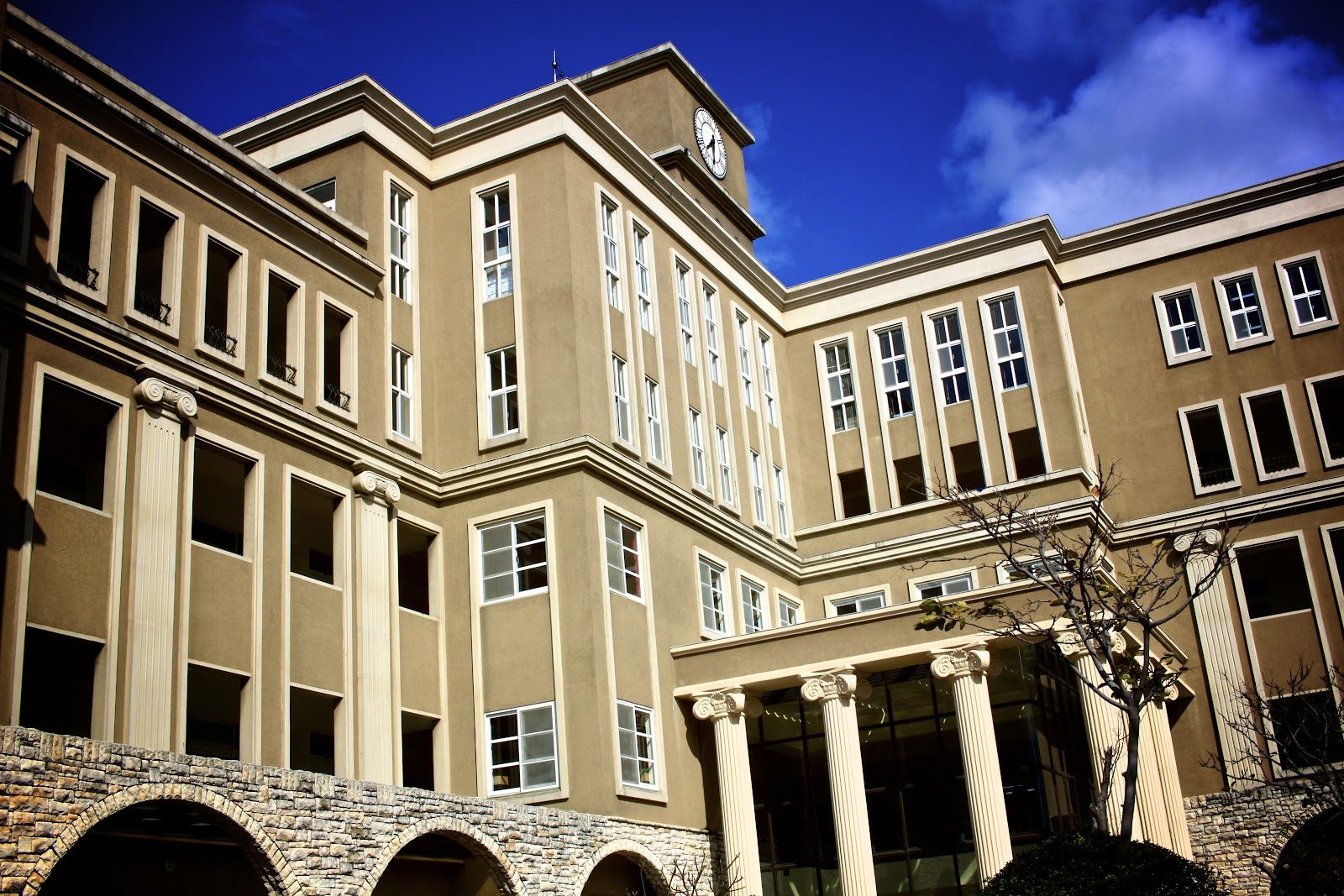
Photo © 新竹荷蘭國際學校 via Google Maps
Type
Day
Ages
3–18
Curriculum
American · AP
Ratio
—
The Verdict
Editor's commitment
Right for
Foreign-passport holders in Hsinchu who want a private international school with an American curriculum and AP pathway.
Wrong for
Taiwanese families without foreign passports, or anyone wanting a British, IB or bilingual curriculum rather than American and AP.
Watch out for
The published facts are thin: beyond private status, Hsinchu location and American/AP, the school gives little hard evidence of outcomes.
Ranking breakdown
Hsinchu International School · #1113 of 1591
Composite score 60.5. 8 weighted criteria.
By criterion
Academic Outcomes
Weight 20%
#1085
of 1529 scored
University Placement
Weight 16%
#1089
of 1529 scored
Prestige & Heritage
Weight 12%
#1115
of 1571 scored
Alumni Network
Weight 12%
#721
of 1530 scored
Facilities
Weight 12%
#1090
of 1533 scored
Transparency & Communications
Weight 8%
#1098
of 1532 scored
Peer & Industry Review
Weight 10%
#893
of 1548 scored
Admissions Selectivity & Demand
Weight 8%
#888
of 1529 scored
Score history
Hsinchu International School · 2026
Movement across 2024–2026. Peer average overlaid.
Overall — 2024–2026
60.5/ 100
▲ +15.3 vs 2025
year on year
Peer & Industry Review
How Hsinchu International School is regarded in the sector
66
Respected · medium confidence
I could not identify at least two independent, third-party sources (e.g., Tatler, Good Schools Guide, expat forums, education press) that substantively discuss Hsinchu International School's reputation. Available information appears limited to the school's own materials or unverifiable directory listings, which do not meet the evidentiary bar for this assessment.
Editors' overview
Hsinchu International School occupies a fairly specific niche: an American-style school in Taiwan’s most internationally minded industrial corridor, serving students aged 3–18 and, according to the source provided, students who hold foreign passports. Founded in 1981, it has longevity on its side, and its location in Hsinchu matters. This is a city shaped by science, engineering and globally mobile families, so the school sits in a market where parents often want continuity with a US-style system rather than a more locally hybrid model. That alone makes it distinctly practical for expatriate families who expect eventual moves, and reassuringly straightforward for those seeking the familiar architecture of an American curriculum with AP at the top end.
What puts it on a shortlist is not mystique but fit. In a Taiwanese market where international options can differ sharply in ethos and structure, Hsinchu International School offers a clearly legible proposition: private, international, American, AP. For families in or around Hsinchu, that clarity is valuable. It is also one of the longer-established names in its segment, with more than 40 years behind it, covering a full age span from 3–18. The likely appeal is to parents who want academic continuity, a recognisable university-prep route and a school community shaped by internationally mobile households rather than by local bilingual demand alone. If your priority is an American educational pathway in Taiwan’s technology hub, this is a serious contender.
The child most likely to thrive here is one who benefits from a structured, English-medium international setting and who may later move into another American or AP-oriented school system. It should suit students from globally mobile, professional families—particularly those linked to Hsinchu’s science and technology economy—who want peers with similar backgrounds and a school that is firmly aligned to an international, rather than national, identity. It may be less compelling for families seeking a broader menu of curricular models or a heavily localised Taiwanese experience. In short: not a romantic outlier, but a clear-eyed, functional choice for parents who value stability, transferability and an American-style academic track in the right city.
Academic Performance
Hsinchu International School presents itself as an American-style school offering AP, but the publicly available evidence on external outcomes is notably thin. We have no verified school-published AP score profile, no confirmed average SAT or ACT figures, and no audited university placement data in the material provided. That makes it difficult to place the school with confidence against Taiwan’s better-documented international schools, where families can often compare participation rates, score distributions and matriculation patterns. On the facts available, HIS should be read as a small-scale AP provider rather than a transparently benchmarked academic standout. The core known markers are straightforward: founded in 1981, serving ages 3–18, and open to students holding foreign passports.
Relative to peers, that lack of disclosed results matters. In the international-schools market, especially for an American/AP pathway, serious comparison depends on external examination transparency. Without it, one cannot fairly describe HIS as high-performing, selectively academic or results-led in the way one might for schools publishing consistent AP data. That does not mean outcomes are weak; it means they are insufficiently evidenced. For parents in Hsinchu, particularly those tied to the science and technology sector, the school may still be a practical local option, but academically it currently sits in the category of hard to benchmark rather than clearly leading the field.
Facilities
Publicly available detail on Hsinchu International School’s campus is thin, which in itself is worth noting. The verified facts establish a private international school in Hsinchu’s Xiangshan District serving foreign-passport holders, with an American/AP academic model for ages 3–18; beyond that, the school does not appear to publish the kind of granular facilities inventory that many peer schools now provide. For parents, that means caution: there is no solid basis here to claim specialist science centres, high-spec performing arts venues, elite sports complexes or extensive boarding infrastructure. What can be said is that a school spanning 3–18 will ordinarily need age-separated classrooms and outdoor space broad enough to serve both early years and secondary students, but the evidence base is limited.
Against regional peer schools in Taiwan and across East Asia, this lack of published specificity places HIS at a disadvantage in presentation, if not necessarily in substance. Stronger comparators typically itemise libraries, laboratories, maker spaces, theatres, indoor sports halls and aquatic provision, often with photos, floorplans or campus maps. HIS may have some or many of these, but they are not clearly documented in the source material provided. In editorial terms, the facilities profile currently reads as functional rather than showpiece, *less transparent than top-tier competitors, and hard to benchmark with confidence*. The school’s main locational asset is Hsinchu itself — Taiwan’s technology hub — but proximity to that ecosystem is not the same as on-campus provision.
Hsinchu International School’s distinctiveness begins with where it sits and whom it serves
Prestige
Hsinchu International School occupies a credible, if not especially rarefied, position in Taiwan’s international-school landscape. Founded in 1981 and serving ages 3–18, it has the advantage of longevity and a clear niche: an American-style school in Hsinchu, the island’s science and technology centre. That gives it a certain practical appeal for internationally mobile families in the semiconductor and engineering sectors. Its status as a private international school for students holding foreign passports also places it within Taiwan’s more tightly defined international-school category, which matters locally. Still, prestige here is best understood as solid rather than glittering, regionally respected and professionally useful, rather than socially dominant or globally famous.
The school’s standing rests less on old-world cachet than on fit, continuity and location. An American curriculum with AP will reassure families seeking a familiar university-preparatory route, and in Hsinchu there is real value in a school that can serve expatriate children from the early years through to graduation in one setting. That said, there is nothing in the available source material to suggest the sort of elite, highly selective aura associated with top-tier schools in larger Asian capitals, nor any published evidence here of exceptional admissions scarcity or brand power beyond Taiwan. In short, this is credible prestige with local weight: meaningful for the families it serves, but not the kind of name that trades on myth.
Hsinchu International School presents itself as an American-style school offering AP, but the publicly available evidence on external outcomes is notably thin
Communications
Hsinchu International School appears to communicate with parents in the standard way for a small private international school: chiefly through its website, and presumably through the routine direct channels families expect from a school serving children aged 3–18. On the evidence provided, the public-facing communication is serviceable rather than expansive. The website gives the basic institutional frame — an American-style school in Hsinchu, founded in 1981, offering an AP pathway — but there is little here to suggest a notably sophisticated or unusually transparent communications culture. That does not mean communication is weak; it means the available evidence points to something functional, not especially rich.
Effectiveness therefore looks *adequate for current families, less convincing for prospective ones*. A school that serves foreign-passport holders in Hsinchu’s international community can rely to some extent on direct word of mouth and established parent networks, especially in a city shaped by the science and technology sector. Still, from the material in hand, one cannot verify how frequently parents are updated, whether there are class apps, portals, bilingual notices, or how quickly concerns are handled. That absence matters. For an international school, strong communication is usually visible in clear, detailed public information as well as private parent contact. Here, the impression is competent but somewhat opaque and more practical than polished.
Uniqueness
Hsinchu International School’s distinctiveness begins with where it sits and whom it serves. Founded in 1981, it is an American-style school in Hsinchu, Taiwan’s science and technology centre, and it is specifically described as serving students who hold foreign passports. That gives it a rather clear brief: not to imitate a local school with some English added, but to provide a genuinely international intake within a city shaped by engineers, researchers and globally mobile families. For students, that usually means peers whose parents’ work is tied to Hsinchu’s industrial and scientific base, creating a school community that is likely to feel outward-looking, highly mobile and academically purposeful.
Its age range, 3–18, also matters. A full-through school can offer continuity that many expatriate families value, particularly in a location where professional postings may be intense and relocation is common. Combined with an American curriculum and AP pathway, this gives students a comparatively coherent route from early years to university preparation, without the curricular breaks that can come with switching systems. The result is not uniqueness in the sense of grand facilities or invented specialisms — none are evidenced here — but in the school’s practical fit for international families in Hsinchu: a clearly defined American-style option in a city whose identity is unusually tied to science, technology and cross-border talent.
Publicly available detail on Hsinchu International School’s campus is thin, which in itself is worth noting
Student Profile
Hsinchu International School serves children from ages 3–18 and, according to the source material, enrols students who hold foreign passports. In practice, that points to a student body shaped by internationally mobile families and by Hsinchu’s technology economy rather than by local Taiwanese schooling pathways. Families looking for an American-style academic structure with AP in the upper years are the natural fit, particularly those who may relocate again and want a system that feels legible beyond Taiwan. The school is likely to suit students who are comfortable in a *small, internationally oriented community* rather than those seeking the scale, breadth and social churn of a very large global campus.
The best match is a child who values clarity and academic direction over educational experimentation. Because the school spans 3–18, it can appeal to families wanting continuity from early years to graduation, but it will especially suit students who are aiming towards university preparation through an American framework. Those who thrive tend to be adaptable, self-managing and at ease among peers from internationally minded households. It is a less obvious choice for families seeking a British, IB or bilingual model, or for those who want a school defined by deep local integration. In short: a sensible option for expatriate or foreign-passport families wanting a straightforward AP route in Hsinchu since 1981.
Hsinchu International School occupies a credible, if not especially rarefied, position in Taiwan’s international-school landscape
Co-curricular strengths
Arts & sport, on a separate axis
Overall 3/10
Scored 0-10 from the school's own published evidence. This axis is editorial-only — it does not feed the main WTS ranking.
Sports
3/10
Basketball and volleyball are offered, but there is no further detail on teams, seasons, facilities, or competitive results.
Drama
3/10
Drama Club is explicitly named in the extracurriculars.
Dance
—
Music
3/10
Choir is offered, but there is.
Visual Arts
—
Editor first-pass · editor-reviewable · 7/27/2026
Strengths
- +American curriculum with AP pathway
- +Located in Hsinchu, a major tech hub
- +Private international school in Hsinchu City
- +Restricted to students holding foreign passports
Considerations
- −Foreign-passport requirement excludes many local families
- −Only American and AP curriculum listed
- −No published accreditations in provided sources
Availability
Primary entry gate & tests
Academic Record
Gallery
Photo © 新竹荷蘭國際學校 via Google Maps
Photo © Eric Chen via Google Maps
Photo © 謝小妤 via Google Maps
Photo © 新竹荷蘭國際學校 via Google Maps
Photo © 新竹荷蘭國際學校 via Google Maps
Photo © 新竹荷蘭國際學校 via Google Maps
Photo © 新竹荷蘭國際學校 via Google Maps
Photo © 新竹荷蘭國際學校 via Google Maps
Photo © 新竹荷蘭國際學校 via Google Maps
Parent reviews
Have you sent your child here?
Voice reviews carry the strongest trust badge — we transcribe them for you to tidy up before they go live. Prefer to type? A written review is fine too.
Add your voice
In 60 seconds, tell other parents: what's the best thing about Hsinchu International School, and what surprised you when your child joined?
We ask for a Google sign-in so every review has a real face behind it — no anonymous drive-by attacks on schools, and no faked positive reviews. Your email is never shown publicly.
Send this profile to a friend
International parents rely on word-of-mouth. Share this review with someone weighing the same decision.
Schools with places
Similar schools to Hsinchu International School with places available now.
Morrison Academy
Taichung · Taiwan
- 2026-27
- WAITPOOLSpace-dependent
- 2027-28
- PLACES OPENRolling
Taipei American School
Taipei · Taiwan
- 2026-27
- WAITPOOLSpace-dependent
- 2027-28
- PLACES OPENRolling
Availability first, then country, area, curriculum, price, co-curricular
Consider also
Also worth looking at alongside Hsinchu International School.
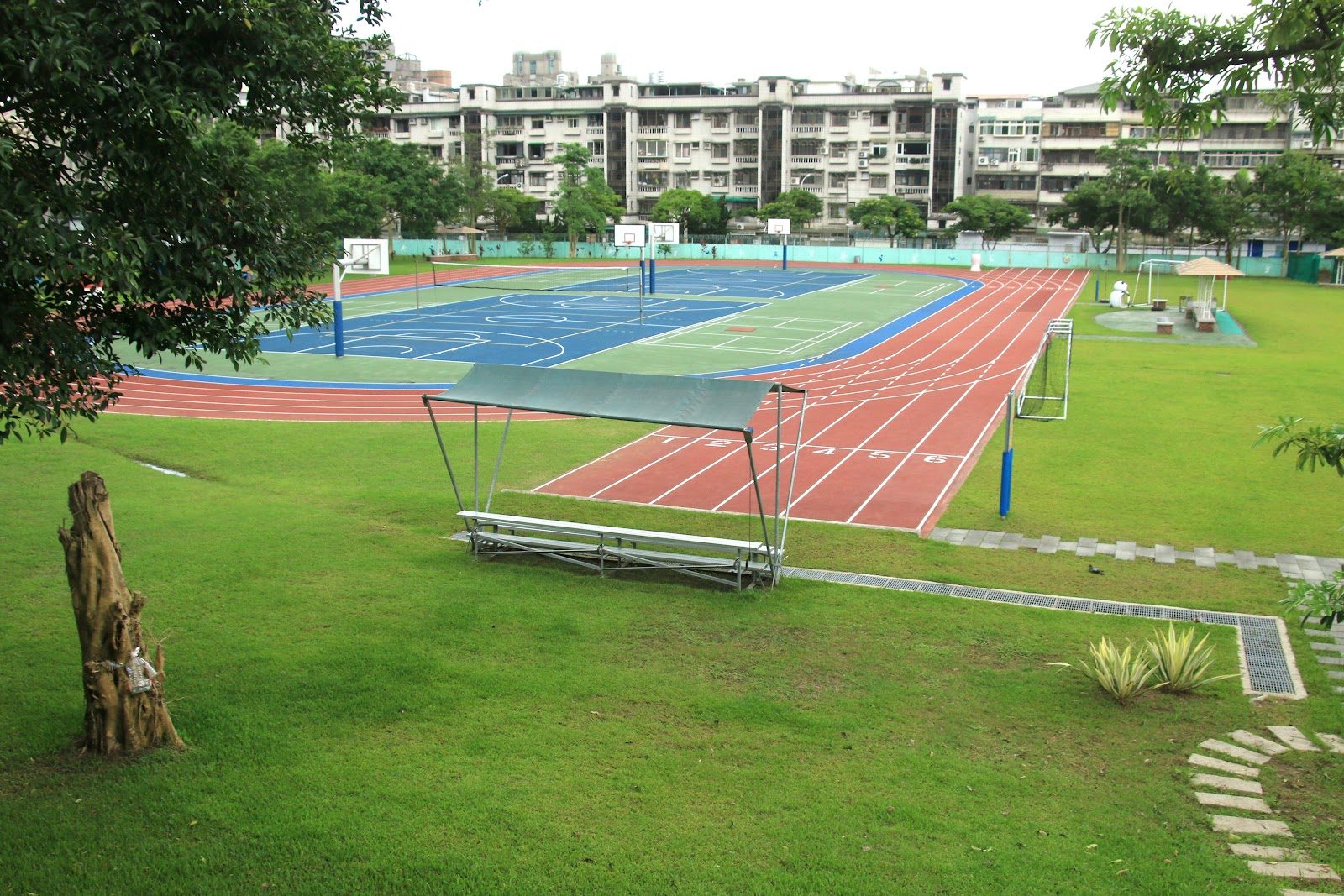
Dominican International School
Taipei · Taiwan
A former US military school turned Catholic-run American curriculum campus, offering 18 AP courses in Taipei's Zhongshan district.
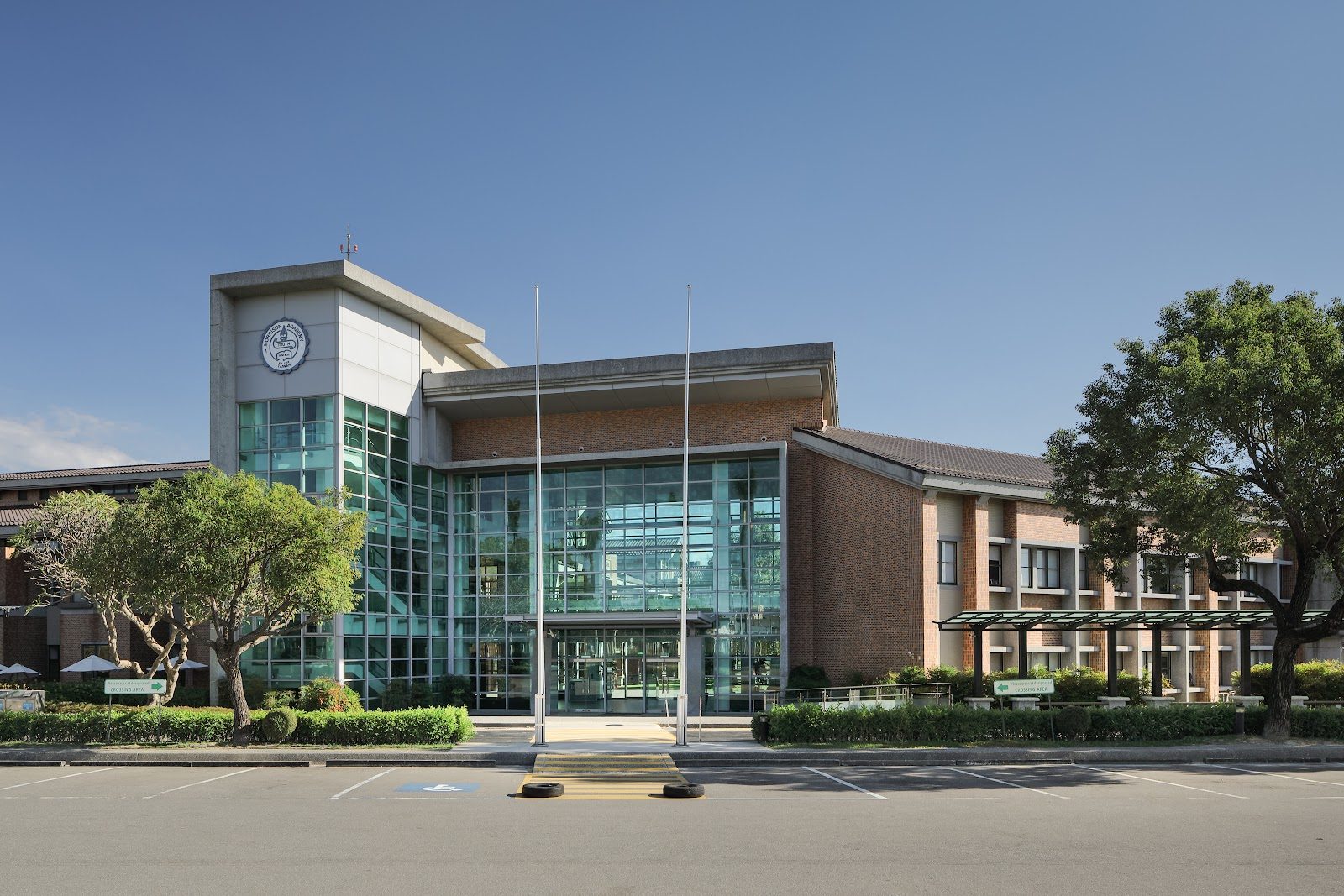
Morrison Academy
Taichung · Taiwan
Born in a 1952 bamboo hut for missionary kids, this Taichung campus now pairs AP rigor with home-style boarding halls.
Germantown Friends School
Philadelphia · United States
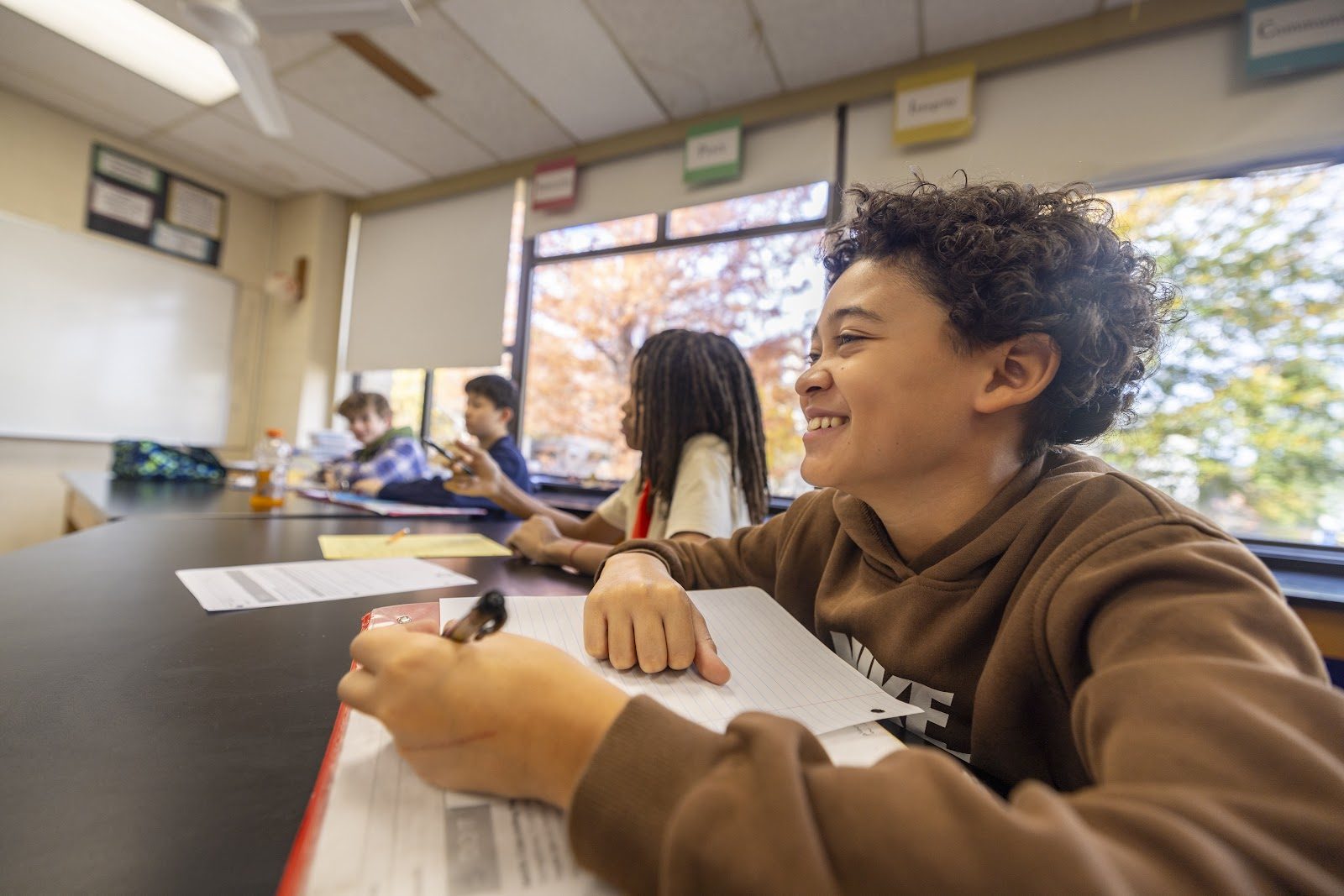
Rooted in an 1845 Quaker meeting in historic Germantown, where juniors design a month-long independent study of their own.
Poly Prep Country Day School
Brooklyn · United States
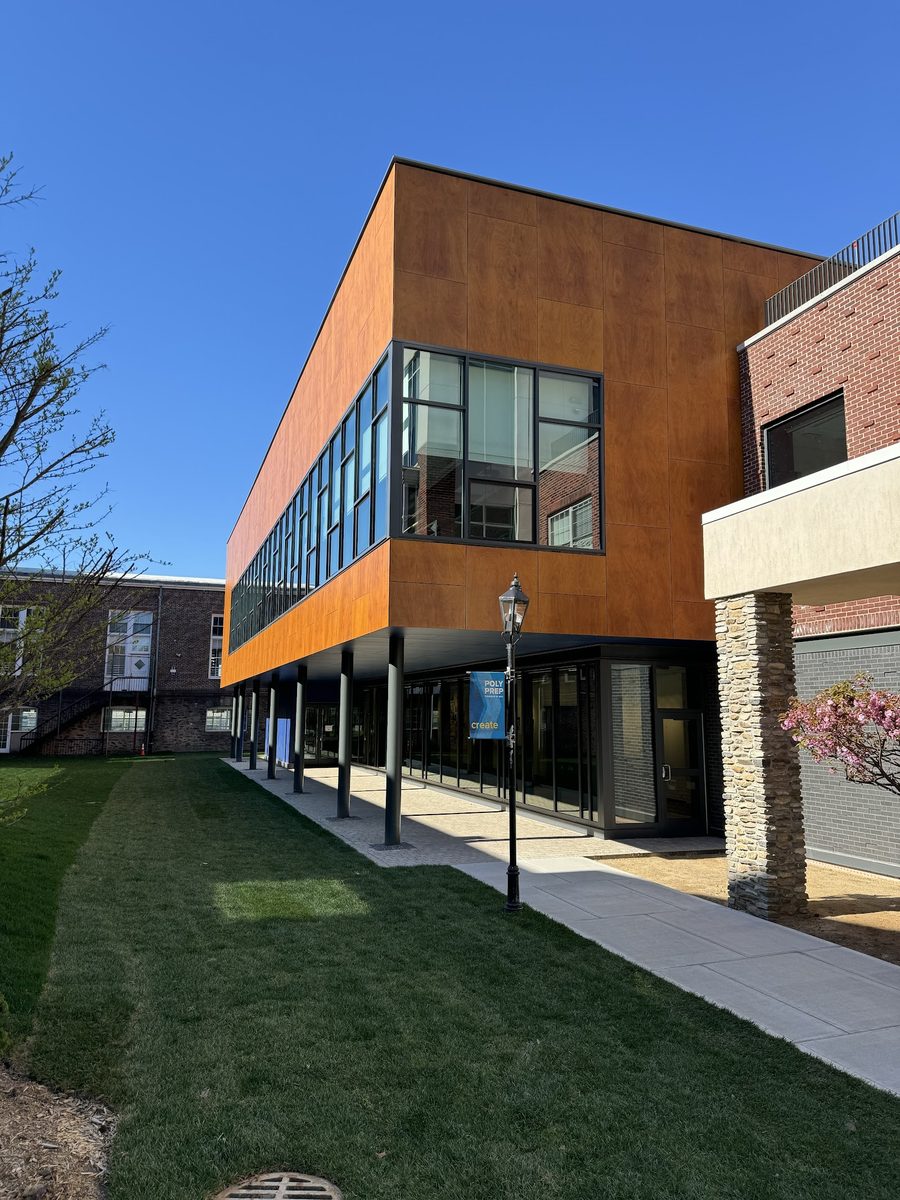
Founded in 1854 as Brooklyn's first boys' school, this day school pairs a Prospect Park mansion with a 25-acre Dyker Heights campus.
Same country and curriculum — closest matches within ±10 points either way