
Greater London
Sandwiched between Parliament and the Abbey, its Latin prayers and ancient halls send close to half of leavers on to Oxford or Cambridge.
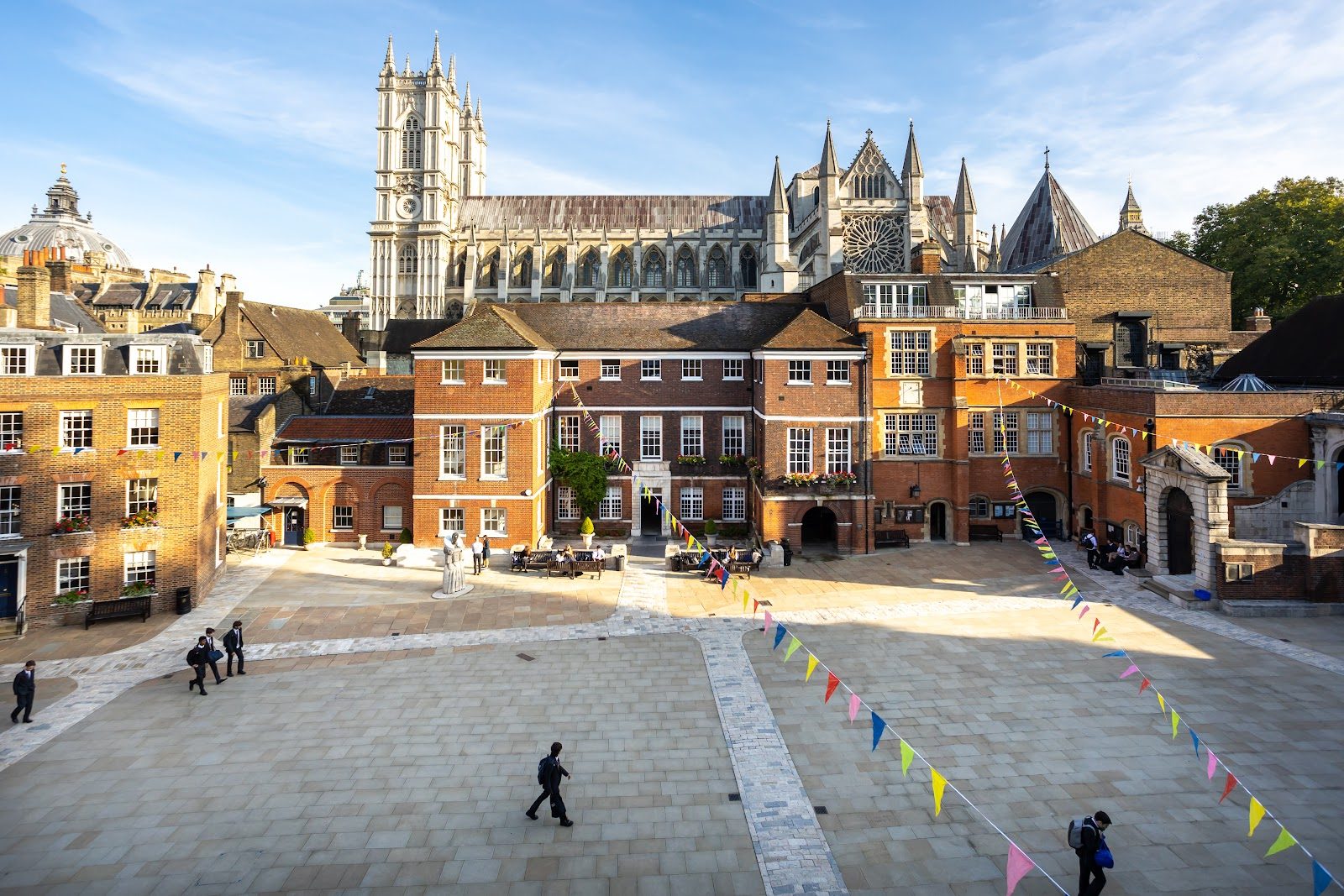
Photo © Westminster School via Google Maps
Type
Both
Ages
13–18
Curriculum
British
Qualifications
A-Level
Ratio
10:1
The Verdict
Editor's commitment
Right for
Scholars who want central London, a 10:1 ratio and a school that sent 53 leavers to Oxbridge in 2024.
Wrong for
Families wanting a broad church comprehensive experience: Westminster is Anglican, academic, and charges an average £51,000 day or £69,000 boarding.
Watch out for
This is a 13–18 school with 172 leavers and intense university traffic to Cambridge, Oxford and UCL; late bloomers can get lost.
Ranking breakdown
Westminster School · #6 of 1591
Composite score 82.2. 8 weighted criteria.
By criterion
Academic Outcomes
Weight 20%
#66
of 1529 scored
University Placement
Weight 16%
#4
of 1529 scored
Prestige & Heritage
Weight 12%
#25
of 1571 scored
Alumni Network
Weight 12%
#14
of 1530 scored
Facilities
Weight 12%
#339
of 1533 scored
Transparency & Communications
Weight 8%
#93
of 1532 scored
Peer & Industry Review
Weight 10%
#32
of 1548 scored
Admissions Selectivity & Demand
Weight 8%
#120
of 1529 scored
Score history
Westminster School · 2026
Movement across 2024–2026. Peer average overlaid.
Overall — 2024–2026
82.2/ 100
▲ +16.4 vs 2025
year on year
Peer & Industry Review
How Westminster School is regarded in the sector
96
Top-tier · high confidence
Westminster School sits at the very top of the UK's independent school hierarchy, with WhichSchoolAdvisor describing it as one of the most prestigious and academically rigorous schools in the country and noting it consistently serves as a leading gateway to Oxbridge. Tatler's 2026 verdict is emphatic, quoting a parent who calls it "the best private school in London (and probably the country) by a clear mile." Independent Oxbridge league tables corroborate this standing: Westminster topped the 2025 admissions table with 96 offers from 179 applicants, a result UniAdmissions notes made it "the standout performer overall" among UK schools. The Good Schools Guide adds critical texture, calling it "a school without a ceiling, glass or otherwise" while flagging its highly selective intake and imminent shift to full coeducation. Coverage across Telegraph, Spear's 500 and Ivy Education rankings is unanimous in placing it among Britain's handful of true benchmark schools.
Award

Elite Science & Research 58
World's Top School · The Global Ranking
Westminster School is featured on our Global Top 58 ranking at #55. This seal is available for the school's marketing team to use on their website, prospectus and social channels.
Award

Elite Entrepreneurship, Economics & Finance 60
World's Top School · The Global Ranking
Westminster School is featured on our Global Top 60 ranking at #5. This seal is available for the school's marketing team to use on their website, prospectus and social channels.
Editors' overview
Sandwiched between Parliament and the Abbey, Westminster trades on a setting that no rival can copy and a culture that few would want to dilute. This is a school for pupils who relish ideas, argument and pressure. Its public identity is unapologetically academic, and the outcomes justify the claim: in the 2024 leavers’ cohort, 53 went to Oxbridge, 95% progressed to top-100 universities, and another 53 went to Russell Group institutions, with 13 to the Ivy League. The school’s scale in the classroom stays tight for a place of this stature, with a 10:1 student-teacher ratio and average class sizes of 18. That matters, because Westminster’s reputation rests less on pastoral cosiness than on intellectual seriousness, quick minds and a willingness to test an argument properly.
The special quality here is the fusion of old institutional muscle with a very current, urban sixth-form sensibility. Westminster is Anglican, but it is also co-educational, central London, and deeply plugged into public life. Pupils speak in weekly services in Westminster Abbey, lead societies and Model UN events, and move through a co-curricular programme that runs from more than 40 music rehearsals to national competitions, volunteering, expeditions and talks by leading speakers. Boarding and day pupils mix in a school that calls itself inclusive and diverse; the more important point is that it is restlessly intellectual and gives articulate, self-directed teenagers a serious amount of room. The average annual fee is £51,000 for day pupils and £69,000 for boarders, which places it where parents would expect: expensive even by London independent standards, and priced for families who are buying access to an elite academic engine rather than acres of playing fields.
Why shortlist it? Because few British schools combine this level of academic firepower with this degree of access to London’s political, cultural and scholarly life. Westminster also has a rare record of sending pupils into the most competitive universities while preserving breadth beyond the timetable. Its alumni footprint is immense, with 1,170 notable alumni catalogued in Wikidata, including 452 politicians or statespersons and 163 scientists or scholars. That said, this is not for the faint-hearted. The right student for Westminster is bright, verbally agile, independent and happy among peers who are equally driven. Teenagers who want constant hand-holding, a softer pace or a campus insulated from the city will find stronger fits elsewhere. Pupils who want demanding teaching, ambitious company and a school that treats intellect as a live activity, not a slogan, will understand its appeal at once.
An Elite Science & Research 58 school
Westminster School, in the heart of London beside Westminster Abbey, holds its elite science standing because its Chemistry Olympiad pipeline has produced individual IChO medallists across a decade almost without a gap: Ravi Shah won bronze in 2013, a pupil took silver in 2015, Ryan Kang won gold in 2018 as part of the UK's record-breaking team, and Kiran Desai-Kinvig took silver at Zurich in 2023. Sustained international medal output at this frequency, not a single standout year, is what anchors the specialism.
The specialism is built into the Robert Hooke Science Department, staffed by a large team with separate heads of Biology, Chemistry and Physics. Every Sixth Form chemist undertakes an independent research project to build practical skills beyond the syllabus, biologists complete a Sixth Form research project and essay, and physicists have used the department's seismometer, solar telescope and observatory to produce work that has occasionally been published in journals. The pupil-led Huxley Society and Hooke science magazine extend this into a genuine research culture rather than a bolt-on enrichment club, while a bespoke interdisciplinary science course scaffolds scientific thinking from the earliest point in the school. The school's own material confirms pupils enter international biology, chemistry, mathematics and linguistics Olympiads with great success.
Alumni of the science tradition include Daniel Wolpert, who trained at Westminster before becoming a Fellow of the Royal Society and Professor of Neurobiology at Columbia University's Zuckerman Institute. The recent Olympiad medallists named above represent the current generation, alongside the school's founding scientific lineage through Robert Hooke and Christopher Wren.
International openness has firm limits worth knowing before applying. Overseas boarders can only join at 16+ entry into the Sixth Form; Child Student visa sponsorship is offered exclusively at that point, and international pupils under 16 must have UK-resident parents to apply. Boarding fees run to £55,000 a year, and English fluency is required, with testing for EAL candidates. Families targeting Westminster for a science-focused Sixth Form should register well ahead of the November entrance exams and ensure GCSE science and maths grades are at the level the school expects.
An Elite Entrepreneurship, Economics & Finance 60 school
Westminster School, in the heart of London next to Westminster Abbey, holds its elite standing in economics and finance on concrete evidence: the school's Hooke Investments team fought past more than 6,000 other teams worldwide to reach the 2026 Global Finale of the Wharton Global High School Investment Competition in Philadelphia, doing so as the only Year 11 team in a field otherwise made up of sixth formers, and reaching the final round against American, Brazilian, Indian and one other British school.
The academic architecture centres on Economics, taught to A Level, with pupils able to extend their study through an Extended Project Qualification that produces an independent dissertation-style piece of research. The differentiator, however, is the Wharton pipeline: the Hooke Investments squad built a Python program to interrogate real-time market data and developed an interventionist strategy to manage a simulated $500,000 portfolio for the competition's real-world client. There is no evidence of a dedicated Business A Level, startup incubator or student-run investment fund, so the specialism rests specifically on this competitive investment track record rather than on a broader venture-creation curriculum.
Notable alumni give the specialism historical depth. Nigel Lawson, Chancellor of the Exchequer from 1983 to 1989 and architect of the Thatcher government's tax-cutting and privatisation programme, was educated at Westminster, as was Christopher Coleman, an investment banker who became managing director and group head of banking at N M Rothschild & Sons and chairman of Randgold Resources.
International openness has firm limits worth knowing in advance. Overseas candidates can only join as boarders at 16+ entry, since the school considers itself unsuitable for boarders under 16 whose parents live abroad and cannot sponsor Child Student visas below that age; the 16+ process otherwise mirrors that for UK candidates. Fees run to £30,000 a year for day places and £55,000 for boarding, with means-tested bursaries available. Parents targeting Westminster for a finance-minded child should plan around the 16+ entrance exams and interviews a full year ahead, since Sixth Form boarding is the only international route in.
Academic Performance
Westminster’s exam record sits in the top tier of British independent schooling. The school itself makes academic results the centre of its claim, and the university destinations back that up. Sending 53 leavers to Oxbridge in a single cycle places Westminster in rare company even among the strongest London and south-east day-and-boarding schools. This is not a school that relies on one standout department or a polished sixth-form finish; it produces a *sustained, high-pressure academic culture* in which top university entry is a routine outcome rather than an occasional spike. For parents comparing heavyweights, Westminster belongs in the same conversation as the country’s most selective academic names, and ahead of many schools that advertise breadth or pastoral gloss more loudly than intellectual results.
What is missing, and worth stating plainly, is granular public exam data in the public domain here: we do not have school-level GCSE or A-level grade breakdowns to test the headline against direct subject-by-subject performance. That limits fine comparison with rivals that publish complete grade profiles. Even so, the pattern is clear. A leavers’ cohort in which 95% progress to top-100 universities, with another 13 heading to the Ivy League, marks Westminster as formidably effective at converting academic ability into elite destinations. In peer terms, that puts it among the serious Oxbridge engines: stronger on pure academic conversion than schools whose reputations rest on sport, social polish or campus scale.
Facilities
Westminster’s facilities are strong in the places that matter to its educational model, and thinner where traditional public-school buyers expect acreage. The decisive asset is the site itself: teaching and school life unfold in and around the Abbey precincts, with daily access to a part of London that functions as an extension of the classroom. Weekly services in Westminster Abbey are not a decorative extra; they give pupils unusual experience of public speaking in a setting no school hall can rival. The co-curricular infrastructure also has substance: more than 40 music rehearsals, hundreds of instrumental lessons, drama, societies, chess, art competitions and a heavy talks programme. For intellectually driven teenagers, that mix is far more valuable than showy real estate. Pastoral provision is also properly built out, with housemasters, tutors, matrons, counsellors, a nursing sister and a chaplain forming a serious support structure rather than a token welfare page.
Against peers, Westminster is distinctive rather than comprehensive. It owns playing fields and tennis courts at Vincent Square, which matters in central London, but this is not a vast sports campus with the indoor complexes, aquatic centres and broad outdoor inventory found at richer landholding rivals outside the centre. Parents looking for first-rate specialist spaces for music, debate and academic enrichment will find Westminster well equipped. Parents prioritising a big-ticket athletic estate will not. That trade-off is integral to the school’s identity: urban, compact, high-value facilities aligned to scholarship and culture, not a country-house version of schooling.
Westminster’s exam record sits in the top tier of British independent schooling
Prestige
Westminster sits in the top rank of British school prestige, and not on nostalgia alone. The name carries old institutional weight, but the real source of status is the combination of selectivity, intellectual seriousness and national visibility. Few schools occupy this much symbolic ground: in the precincts of the Abbey, beside Parliament, with pupils speaking in weekly services and moving through a culture that treats argument, scholarship and public life as normal parts of adolescence. That setting gives Westminster a *distinctive social and cultural authority* that newer high-performing schools cannot manufacture. Its alumni network adds further force. With 1,170 notable alumni catalogued in Wikidata, including 452 politicians and statespersons and 163 scientists and scholars, Westminster has produced influence across government, letters, academia and the arts on a scale that very few schools match.
I rate it this highly because prestige here rests on more than brand recognition or expensive fees. Westminster has institutional gravity, a formidable academic reputation and a habit of feeding pupils into the most competitive universities and professions. It is one of the small handful of English schools whose name carries immediate meaning well beyond education circles. That said, its prestige has a precise flavour. This is not a finishing school for social ease, nor a sports-led public-school powerhouse. Its cachet is cerebral, exacting and faintly austere. For the right family, that is the attraction. For others, it reads as pressure.
Against peers, Westminster is distinctive rather than comprehensive
Communications
Westminster’s parent communication is disciplined rather than warm. The school puts the core signals in plain view: academic purpose, pupil voice, co-curricular range, pastoral structure, bursaries and the practical distinction between entry at 13+ and 16+. That matters, because schools with this level of history and confidence can lapse into opaque self-regard. Westminster does not. The public-facing information is organised sensibly, and the picture of school life is coherent: houses, tutors, matrons, counsellors, nursing support and chaplaincy sit alongside weekly services, societies, productions and a packed enrichment calendar. Parents get a clear read on the school’s priorities. They also get a clear warning that this is a demanding, high-autonomy environment for teenagers who thrive on independence and argument.
What parents do not get, at least publicly, is the full data set that serious comparison now requires. The school does not publish aggregate GCSE or A-level grade profiles here, and that weakens confidence in the precision of its external communication. At a school with fees averaging £51,000 for day pupils and £69,000 for boarders, families can ask for more than atmosphere and destination headlines. Communication is strongest on ethos, daily life and institutional character; it is less rigorous on hard academic disclosure. That does not make Westminster evasive. It makes it selective about what it chooses to foreground. For some parents, that reads as old-school assurance. For others, it reads as a school that still expects trust before transparency.
Uniqueness
What no rival can copy is Westminster’s fusion of ancient ceremonial life with a live urban intellectual setting. Pupils do not study politics, religion, history and culture at a distance; they move through them daily, in the Abbey precincts and in the shadow of national institutions that shape public life. Weekly services in Westminster Abbey, pupil speeches in that setting, and a school culture built around societies, debate, productions and public argument give adolescence here a rare civic charge. The school’s history matters less as ornament than as atmosphere: Westminster teaches pupils that ideas carry lineage, language carries weight, and scholarship belongs in public.
That distinctiveness brings clear advantages. Westminster suits teenagers who want to test themselves against bright peers, speak up, organise things and treat school as more than lessons plus clubs. The co-curricular mix reinforces that pattern: more than 40 music rehearsals, volunteering with local primary schools and hospitals, national competitions, and trips that range from university reconnaissance in the US to subject enrichment abroad. The result is a sixth-form culture that feels grown-up, verbal and outward-facing. It also narrows the audience. Pupils who want a sheltered campus, easy consensus or a heavy sports-first identity will find Westminster a harder, sharper proposition. For articulate, ambitious students, that edge is the point.
Westminster sits in the top rank of British school prestige, and not on nostalgia alone
Student Profile
The pupils who thrive at Westminster are quick-minded, verbally confident and happy in a room where other teenagers are just as able. This is not a school for children who want to hide in the middle of the pack. It rewards intellectual appetite, self-direction and a readiness to question teachers, texts and each other. The social fit matters as much as the academic one: pupils lead societies, productions, Model UN events and volunteering projects, and the school gives them real responsibility rather than supervised tokenism. The atmosphere suits adolescents who enjoy operating at pace, juggling demanding work with music, debate, service and a crowded co-curricular week. With average classes of 18 and a staffing ratio of 10:1, there is room to be known, but there is nowhere to drift unnoticed for long.
The best fit is a teenager who wants serious company, high expectations and a school culture that treats ideas as part of daily life, not an exam tactic. Boarders and day pupils both need resilience, independence and a degree of social ease; Westminster has an adult tone and expects pupils to use freedom well. It will suit bright girls and boys who enjoy argument, public speaking and a community with religious and ceremonial formality without requiring piety as a personality. It is not for the faint-hearted. Children who need heavy pastoral wrapping, constant reassurance or a gentler peer culture will find the place hard work. Pupils with intellectual stamina and a taste for pressure will flourish.
That setting gives Westminster a distinctive social and cultural authority that newer high-performing schools cannot manufacture
Co-curricular strengths
Arts & sport, on a separate axis
Overall 8.3/10
Scored 0-10 from the school's own published evidence. This axis is editorial-only — it does not feed the main WTS ranking.
Sports
9/10
Focuses heavily on traditional sports like football and "Water" (rowing) on the River Thames, using nearby London fields.
Drama
8.5/10
Exceptional theatrical training centered around the Millicent Fawcett Hall, feeding directly into Britain's top acting academies.
Dance
7/10
Utilized primarily to construct movement and synchronization ensembles for large-scale performance showcases.
Music
8.5/10
World-class musical tradition; students routinely perform massive symphonic concerts inside Westminster Abbey and Barbican Hall.
Visual Arts
8.5/10
Sun-drenched studios directly looking onto the Houses of Parliament, driving exceptional fine art and architecture portfolios.
Editor-verified · 8/7/2026
Outcomes & destinations
Where students go next
Editorial estimateClass of 2024
172 graduates
A-Level & Pre-U distribution
100% covered
- A*60%
- A28%
- B9%
- C3%
Top destinations
121 placements
- Cambridge· 28
- Oxford· 25
- Yale· 4
- Harvard· 4
- Columbia· 3
- Princeton· 2
- MIT· 2
- UCL· 16
- Imperial College London· 14
- LSE· 10
- Durham· 8
- Warwick· 5
Historically the highest Oxbridge admission rate in the UK by percentage. Figures approximate the school's rolling destinations report.
Editor-approximated from the school's own leavers report. Awaiting school-attested figures.
Notable alumni · Wikidata
1,170notable alumni
Includes
945 historic (born pre-1930) · 41 modern (born post-1970)wikidata:2026-07-28 How we source this
The story in one line
68% achieved ≥ AAB in 2+ facilitating subjects·ISI Routine Inspection 2024
AAB with 2 facilitating subjects is the Department for Education's published predictor of admission to a top-third UK university: the pupil has scored high grades in at least two of the classic Russell-Group subjects (maths, sciences, English, history, geography, or a modern language). Independent schools don't appear in the state-only HE-destinations dataset, so this is the strongest DfE-verified sixth-form signal available. Source: DfE 16-18 school and college performance data · 2023/24.
DfE-verified statistics
Official GCSE data · 2024/2025
Progress 8
—
Value-added score. State-schools only; 0 = expected progress, +1 = one grade above.
Attainment 8
48.6
Average grade across 8 GCSEs (score out of 90). National ≈ 46.
EBacc average score
2.92
Avg grade across the 5 EBacc pillars (English, Maths, Sciences, Language, Humanity).
EBacc slots filled
1.6
How many of the 5 EBacc pillars pupils typically enter (max 5).
A-Level attainment
Cohort · 2023/24
Avg A-Level grade
A+
APS per entry: 53.91
Best 3 grade
A
Best-3 APS: 51.10
≥ AAB + 2 fac.
67.5%
Russell-Group predictor.
Progress (value-added)
+0.14
Above average
Read with care. Independent schools frequently sit IGCSEs or Pre-U qualifications instead of standard GCSEs — DfE data only counts standard GCSEs, so these numbers may reflect a partial cohort. For a fuller picture, cross-check with the school's own annually-published results.
URN 101162Verified · DfE 2024/2025
Official inspection
ISI report · 2024
Inspectorate
Independent Schools Inspectorate
The Government-approved inspectorate for English independent schools.
Latest report
27 February 2024
Routine Inspection
Report history
Verified · Independent Schools InspectorateSource-of-truth

WTS 300 badge
2025/26 editionWestminster School is one of the World's Top 300 Schools for 2025/26. Claim your listing to add it to your site →
Strengths
- +The 2024 A-level cohort achieved strong results, with 60% of grades at A* and 88% at A* or A on the published grade bands.
- +At GCSE in 2025, Westminster's 122 candidates recorded 94% of grades at 9 or 8 and 98% at grade 9 to 7.
- +In 2024, 95% of leavers progressed to top-100 universities, with 53 to Oxbridge and offers extending to Ivy League and other leading US institutions.
- +The school sits in the precincts of Westminster Abbey, founded in 1179 and refounded by Elizabeth I in 1560, giving it exceptional historic and civic standing.
- +The school runs a substantial means-tested bursary programme, with awards reaching up to 100% of fees alongside King's Scholarships for academic merit.
- +Old Westminsters include architect Christopher Wren, physicist Robert Hooke, historian Edward Gibbon and composer Lord Lloyd-Webber.
Considerations
- −Westminster sits in the ultra-premium fee bracket, with day fees of £30,000 and boarding fees of £55,000 a year.
- −The school does not accept international boarders under 16 and sponsors Child Student visas only at 16+, limiting the international boarding route to the Sixth Form.
- −Admission is highly competitive: 13+ entry attracts around 500 applicants, of whom roughly half are invited to interview.
- −Facilities are compact and central-London based rather than expansive, so families wanting extensive on-site pitches or a sprawling campus will find provision comparatively limited.
Availability
Primary entry gate & tests
13+ ISEB / 16+ Subject Exams
Gallery
Photo © Westminster School via Google Maps
Photo © Westminster School via Google Maps
Photo © Westminster School via Google Maps
Photo © Westminster School via Google Maps
Photo © Jörg Bozenhard via Google Maps
Photo © Mo ElFar via Google Maps
Photo © Brad Fishman via Google Maps
Photo © Chris Burgess via Google Maps
Photo © Westminster School via Google Maps
Recommended reading
Independent write-ups of this school from editorial outlets we trust.
- Westminster School reviewGood Schools Guide
Parent reviews
Have you sent your child here?
Voice reviews carry the strongest trust badge — we transcribe them for you to tidy up before they go live. Prefer to type? A written review is fine too.
Add your voice
In 60 seconds, tell other parents: what's the best thing about Westminster School, and what surprised you when your child joined?
We ask for a Google sign-in so every review has a real face behind it — no anonymous drive-by attacks on schools, and no faked positive reviews. Your email is never shown publicly.
Send this profile to a friend
International parents rely on word-of-mouth. Share this review with someone weighing the same decision.
Schools with places
Similar schools to Westminster School with places available now.
King's College School, Wimbledon
London · United Kingdom
- 2026-27
- CLOSEDStandard route
- 2027-28
- PLACES OPEN11+/16+ Active (Closes Oct)
St Paul's School
London · United Kingdom
- 2026-27
- CLOSEDStandard route
- 2027-28
- PLACES OPEN11+/16+ Active; 13+ Closed
Dulwich College
London · United Kingdom
- 2026-27
- CLOSEDStandard route
- 2027-28
- PLACES OPEN11+ Nov 2 / 16+ Oct 16
North London Collegiate School
London · United Kingdom
- 2026-27
- CLOSEDStandard route
- 2027-28
- PLACES OPENCloses Nov
Availability first, then country, area, curriculum, price, co-curricular
Consider also
Also worth looking at alongside Westminster School.
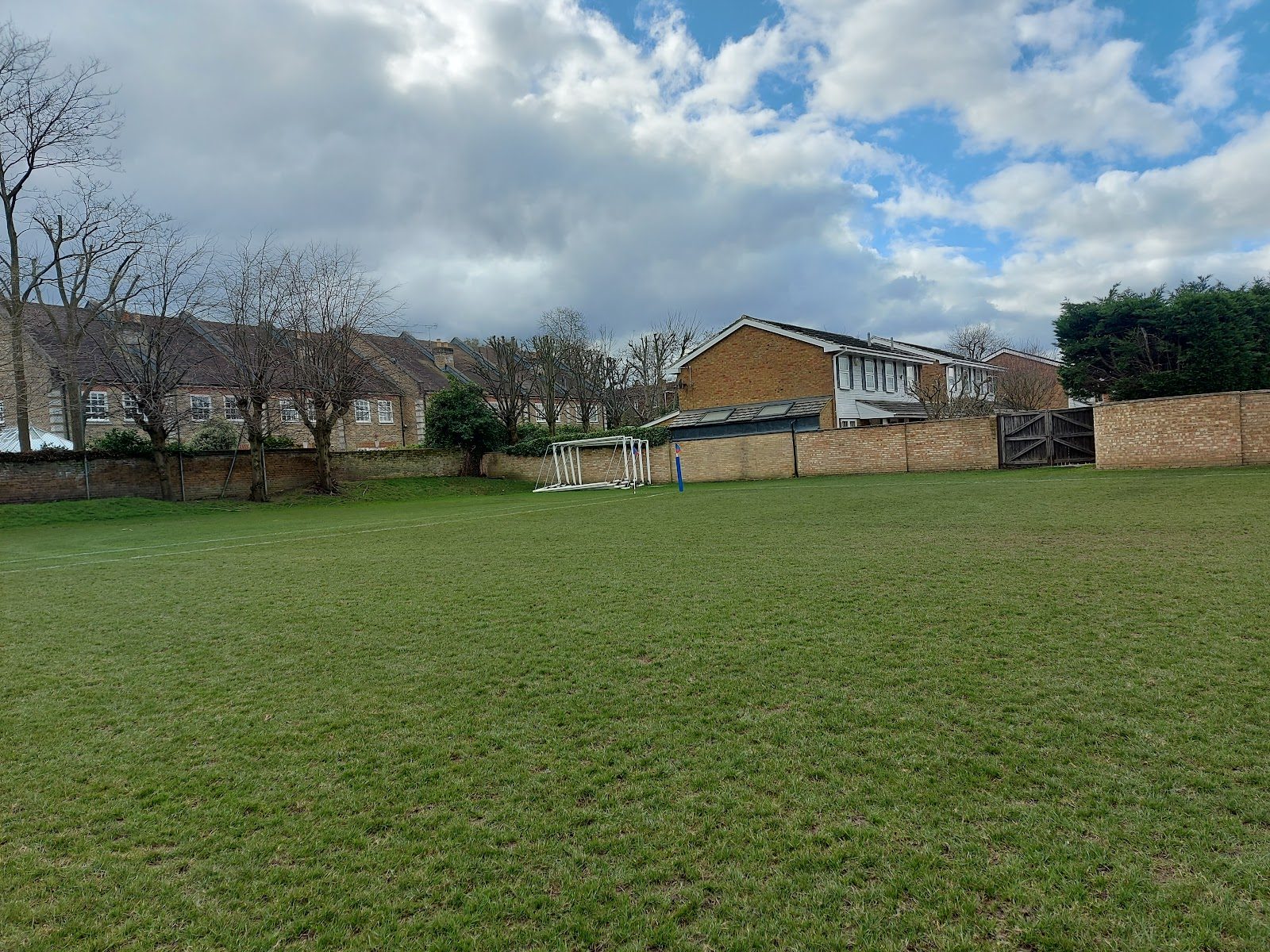
King's College School, Wimbledon
London · United Kingdom
Beside Wimbledon Common, a Royal Charter school where sixth-formers choose A-levels or the IB and rank among England's very best in both.
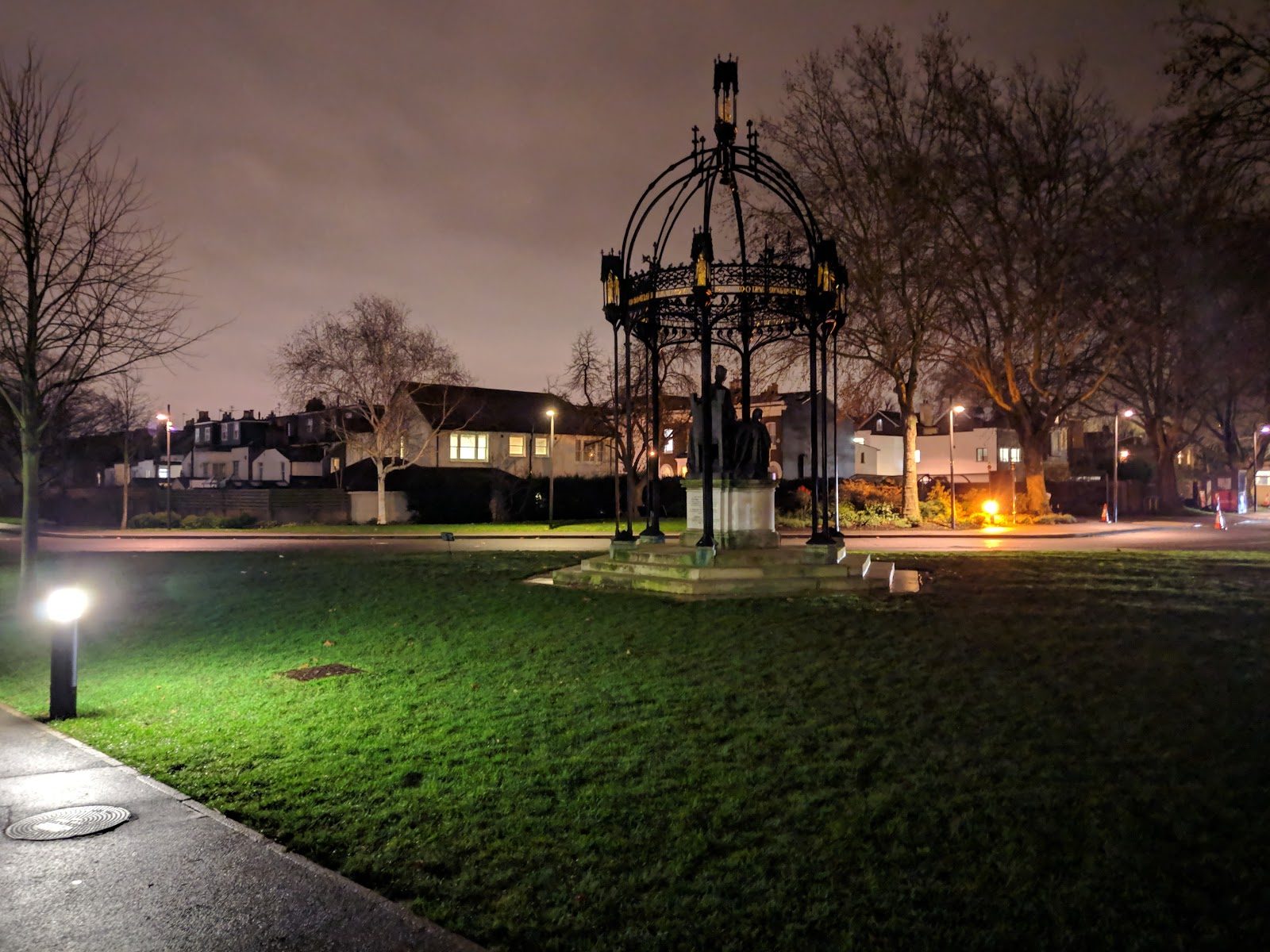
St Paul's School
London · United Kingdom
A 1509 founding charter to teach boys 'from all nacions and countres indifferently' still anchors this riverside Barnes campus on the Thames.
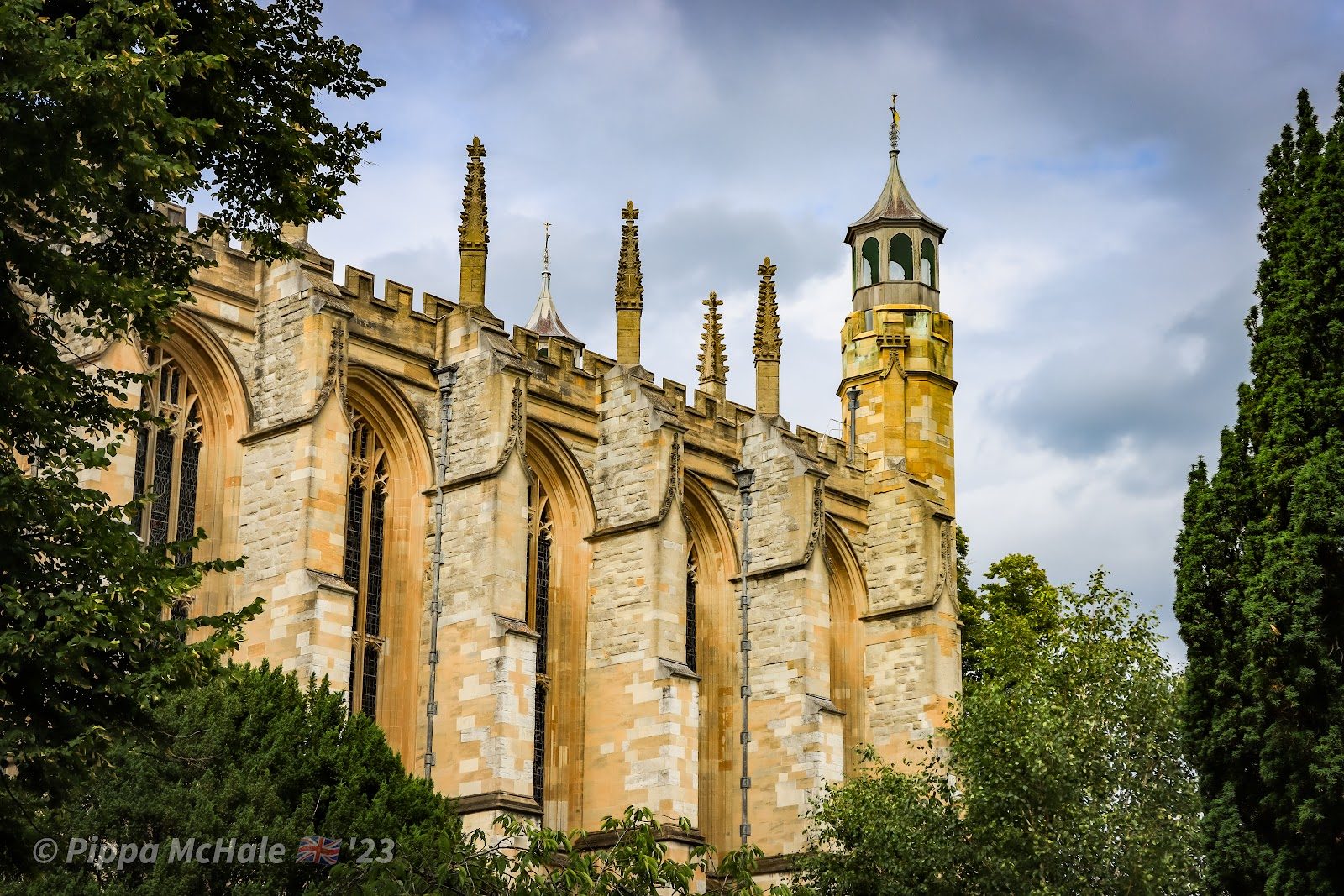
Eton College
Windsor · United Kingdom
Across the Thames from Windsor Castle, a dual house-and-tutor system pairs daily pastoral care with rigorous scholarship.
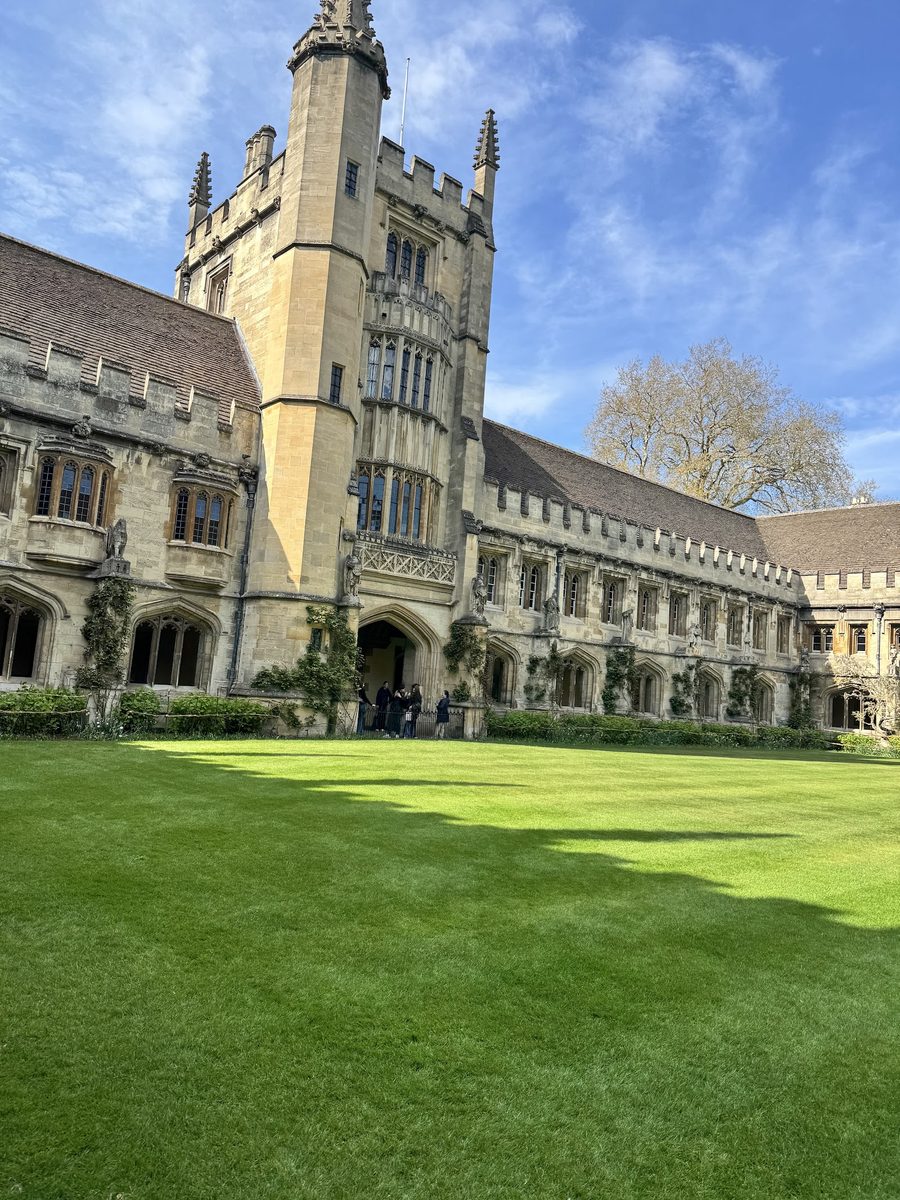
Magdalen College School
Oxford · United Kingdom
Educating Magdalen College's choristers since 1480, this Oxford day school is now opening its ancient choir stalls to girls for the first time.
Same country and curriculum — closest matches within ±10 points either way