
New South Wales
Hornsby Girls High School
On Sydney's Upper North Shore, a fully selective girls' school pairs top-ten HSC results with a Positive Education approach to resilience.
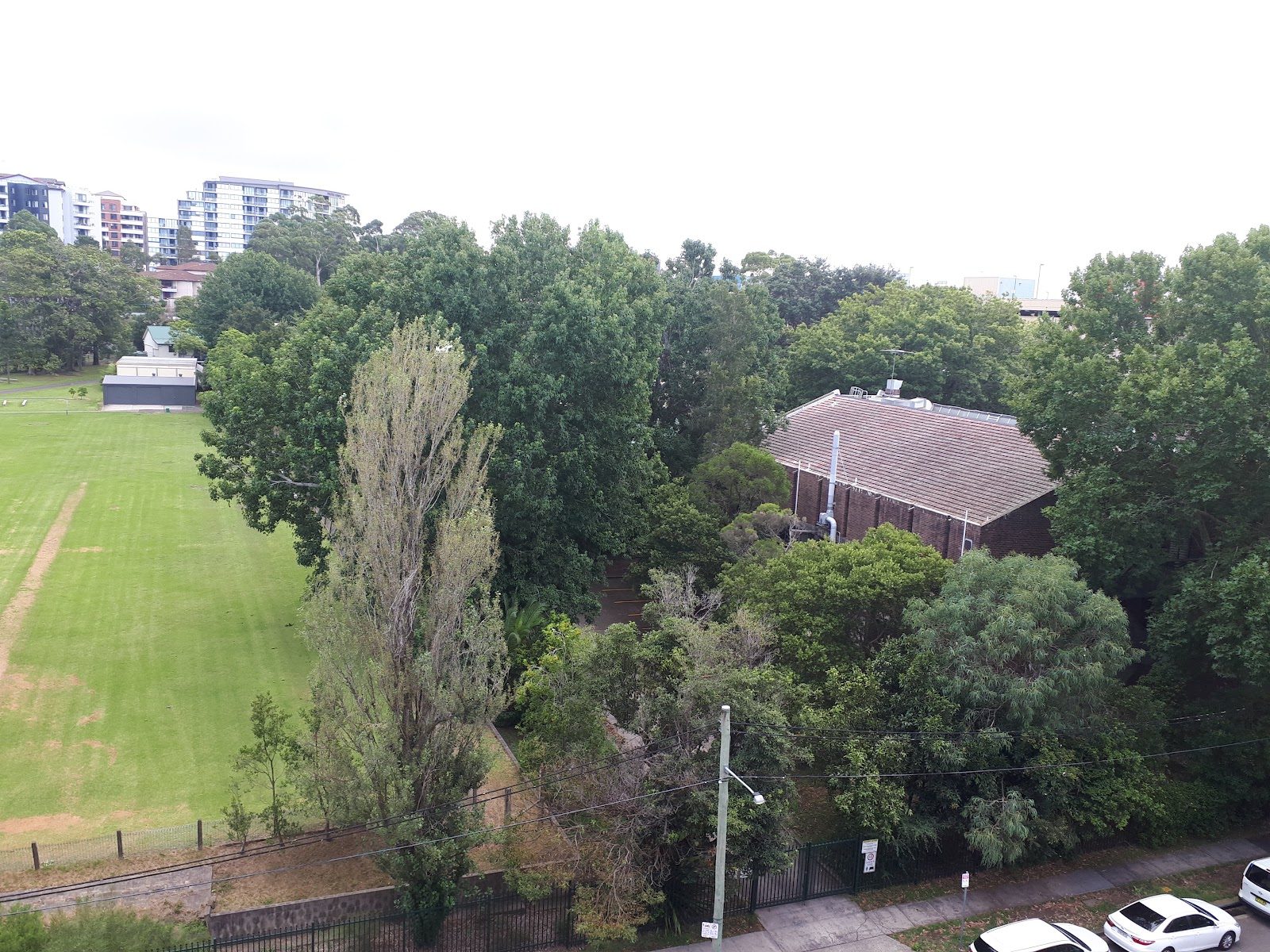
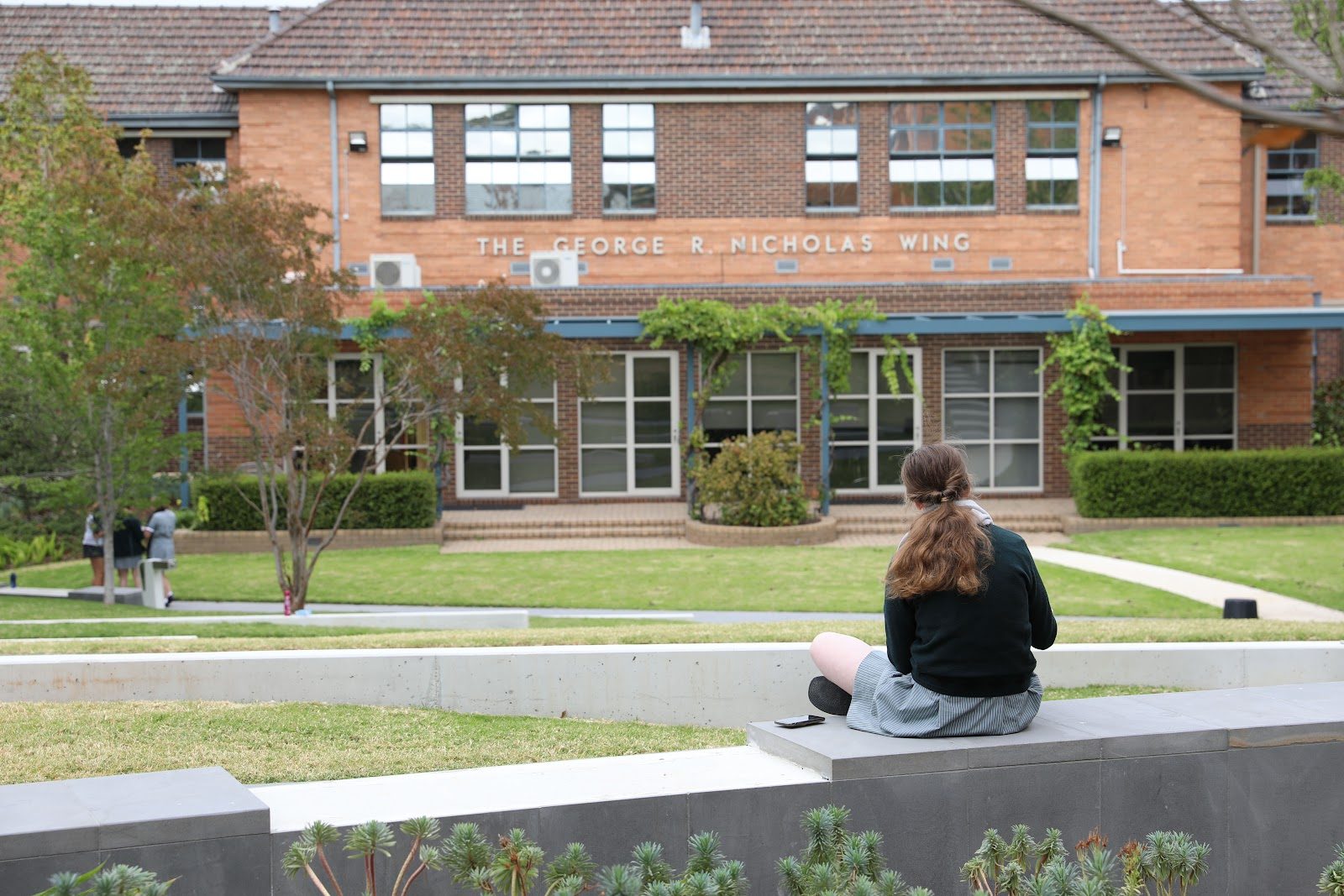
Photo © Aidin Elmi via Google Maps
Type
Day
Ages
12–18
Curriculum
Australian
Qualifications
HSC
Ratio
—
The Verdict
Editor's commitment
Right for
Girls aged 12–18 who want a government selective day school in Hornsby with a 1930 foundation and serious academic intent.
Wrong for
Families wanting co-education, boarding, religious formation, or anything other than an Australian curriculum taught in English on Sydney's Upper North Shore.
Watch out for
Positive Education and pastoral language do not change the core proposition: this is a fully selective NSW government school, and selection defines the culture.
Ranking breakdown
Hornsby Girls High School · #430 of 1591
Composite score 71.3. 8 weighted criteria.
By criterion
Academic Outcomes
Weight 20%
#91
of 1529 scored
University Placement
Weight 16%
#187
of 1529 scored
Prestige & Heritage
Weight 12%
#307
of 1529 scored
Alumni Network
Weight 12%
#1250
of 1529 scored
Facilities
Weight 12%
#1301
of 1529 scored
Transparency & Communications
Weight 8%
#554
of 1529 scored
Peer & Industry Review
Weight 10%
#637
of 1529 scored
Admissions Selectivity & Demand
Weight 8%
#7
of 1529 scored
Peer & Industry Review
How Hornsby Girls High School is regarded in the sector
68
Respected · medium confidence
Within the NSW selective-school cohort, Hornsby Girls is consistently grouped with Sydney Girls, North Sydney Girls and James Ruse in annual HSC league tables published by the Sydney Morning Herald and Daily Telegraph, where it regularly places in the state's top 20 by median band-6 and Dux performance, giving it de facto peer parity with the most academically selective government schools rather than the independent GPS/CAS sector. Its results feed heavily into Group of Eight destinations, particularly University of Sydney and UNSW, which recruit multiple cohorts annually from the school's HSC list, reinforcing its standing as a reliable pipeline school in admissions data cited by university outreach units. Education commentary (Good Schools Guide-style NSW selective-school overviews and local press profiles) treats it as a benchmark fully-selective girls' school, distinguished from fee-charging peers by zero tuition and entry via the Selective High Schools Test. It is less visible in independent-sector peer forums (AHISA, HMC-equivalent) since it sits outside that governance network, limiting cross-sector reputational commentary beyond academic outcome data.
- Ann Sherry — Businesswoman, former CEO Carnival Australia
- Gabrielle Upton — Politician, NSW Parliament
- Judy Spence — Politician, Queensland Parliament
Editors' overview
Hornsby Girls High School occupies a clear place in the Sydney market: a government selective girls’ day school on the Upper North Shore with serious academic weight and none of the private-school fees. Founded in 1930, it combines long institutional memory with a public-sector mandate, and that combination matters. Parents looking for a high-performing school without religious framing or boarding infrastructure will find a focused proposition here: English-medium, academically selective, girls-only, and unapologetically geared to scholarship. The heritage-listed main building adds a strong sense of continuity, but the real selling point is academic selection itself. Entry shapes the culture before a girl even walks through the gate.
What is special about Hornsby Girls is the mix of intellectual pace and pastoral intent. The school talks in explicit terms about a “strong academic focus” alongside a caring environment, welfare programmes, leadership and community responsibility. That does not make it soft. It makes it structured. In practice, families shortlist Hornsby Girls because they want serious academic company for their daughter: classmates who work hard, teachers accustomed to high attainment, and a school culture where ambition does not need camouflage. The editorial tagline points to top-ten HSC results and a Positive Education approach to resilience; that pairing gives the school its market distinction. Plenty of selective schools deliver grades. Fewer make resilience and student welfare part of the core identity in a way parents can recognise as pressure with support.
The right student for Hornsby Girls is academically able, comfortable in a selective cohort, and energised rather than intimidated by standards. She will value a girls’ setting from ages 12–18, welcome clear expectations, and want access to extra-curricular opportunities without the social sprawl of a giant co-educational campus. This is a strong fit for girls who enjoy intellectual stretch, respond well to structure, and gain confidence from a culture of earned achievement. It is a weaker fit for families seeking a broad church comprehensive, a co-ed social environment, or a school that foregrounds sport or glossy facilities over scholarship.
Why should it be on a shortlist? Because it offers one of the sharper public options in Sydney for girls with proven academic capacity. It has selective-school rigour, an established reputation, and the civic confidence of a government school that does not need to manufacture prestige. For the right family, that is compelling: *high standards, clear purpose, real value*.
Academic Performance
Hornsby Girls sits in the hard-edged end of the Sydney public-school market. The editorial record places it in the HSC top ten, and that matters more here than glossy claims about “academic excellence”. In a selective school, strong results are the baseline; what distinguishes the best is consistency against an already high-performing peer group. On that measure, Hornsby Girls holds serious ground. A top-10 placing puts it in direct company with the state’s most competitive government academically selective schools, not merely the better local comprehensives. For parents, the practical point is simple: this is a school where external exam performance carries real competitive force.
That standing also needs reading with discipline. Selective intake does a large share of the work before teaching begins, so headline outcomes do not, on their own, prove exceptional value added. The school does not publish aggregate HSC score data, subject-by-subject distinctions, or university placement figures in the public domain, and that limits scrutiny. Even so, a sustained reputation for high attainment in a crowded selective field has weight. Relative to peers, Hornsby Girls belongs in the serious academic bracket: a results-driven public option for girls who want fast classes, able classmates and an environment where exam performance is treated as the normal business of school.
Facilities
Facilities are not the reason to choose Hornsby Girls. The school itself keeps the description broad: facilities and resources support student growth, with no public detail on specialist centres, performing arts infrastructure, sports provision or standout capital works. What is clear is the presence of a heritage-listed main building, which gives the campus institutional gravity and a stronger sense of place than many functional state-school sites. That has value, but it also sets a limit. Heritage buildings carry charm and history; they do not guarantee the flexible labs, indoor sports halls, black-box theatres or design suites that define the best-equipped independent campuses. Parents weighing Hornsby against fee-charging rivals need to read that distinction plainly.
Against other academically selective government schools, this lands in the solid rather than spectacular bracket on published evidence. The school talks more about academic focus, welfare and extra-curricular opportunity than about bricks, specialist spaces or new investment, and that priority is consistent with a selective public school whose main asset is its cohort. There is no public-facing catalogue of premium facilities to rival the more amenity-heavy end of the Sydney market. For many families, that will not matter. If your priority is intellectual pace, serious classmates and a campus with earned character, Hornsby Girls clears the bar. If you want facilities to do heavy lifting in the sales pitch, this school does not make that case.
The editorial tagline points to top-ten HSC results and a Positive Education approach to resilience; that pairing gives the school its market distinction
Prestige
Hornsby Girls carries real academic prestige within the New South Wales state system, and that prestige rests on selectivity, results and social recognition rather than fees, acreage or old-boy mythology. In the local hierarchy, a place at a government selective girls’ school still signals exam strength before a student has opened a textbook, and Hornsby Girls benefits directly from that. The school’s standing is reinforced by its top-10 HSC reputation and by the fact that it does not need private-school trappings to command respect. That matters. Prestige built on academic entry and sustained performance has more substance than prestige built on branding. Among informed Sydney families, this is a high-status public option.
The limits are clear. Hornsby Girls does not occupy the same social register as the city’s most expensive independent schools, where prestige extends into old networks, philanthropy, facilities and intergenerational name recognition. Its prestige is earned, not inherited. That distinction cuts both ways: families chasing polish, social cachet or a grand institutional spectacle will find a more utilitarian proposition here; families who rate scholarship over theatre will value that restraint. The heritage-listed main building adds institutional weight, and the support of parents and the Old Girls’ Union adds continuity, but the school’s reputation lives or dies on academic seriousness. On that measure, it is formidable.
The editorial record places it in the HSC top ten, and that matters more here than glossy claims about “academic excellence
Communications
Parent communication looks functional rather than polished. The school website covers the institutional basics — enrolment, staff, facilities, policies and reports, plus a “stories and highlights” stream — which gives families a clear route to core information. That matters in a government selective school, where parents tend to want practical clarity more than branding theatre. The site also signals a school that wants parents inside the loop on welfare, governance and school life, not only on exam culture. The reference to an active parent body and Old Girls’ Union points to a community with established channels of contact and involvement. That said, the public-facing communication remains plain-spoken and spare. There is little detail on how the school handles the day-to-day rhythm of parent updates, event notices, academic reporting or pastoral escalation.
Effectiveness, then, sits in the competent rather than exemplary range. Families can find the essentials, and the school does not bury governance behind glossy messaging. That is a strength. The weakness is the lack of published depth: no rich explanation of reporting systems, no clear sense of communication cadence, and no public evidence of a sophisticated parent portal or unusually transparent academic dashboards. For a school with a high-pressure cohort and a stated commitment to welfare, communication needs to be tight, regular and concrete. Hornsby Girls makes the case for seriousness; it does not make a strong public case for best-in-class parent communications.
Uniqueness
What marks Hornsby Girls out is not novelty for its own sake, but a disciplined combination that few schools hold together well: a selective academic culture, an all-girls setting, and an explicit commitment to welfare, leadership and community responsibility. Many high-performing schools talk about the whole child after establishing their exam credentials. Hornsby Girls builds that language into the core description of the school itself. That matters because selective environments can tip into narrowness or strain. Here, the school’s public identity ties scholarship to support structures and extra-curricular provision, not as decoration but as part of the operating model. The heritage-listed main building adds institutional memory and a sense of continuity, while the active parent body and Old Girls’ Union give the school a strong intergenerational spine that many public schools lack.
For students, that mix brings a distinct experience. Girls work in a cohort where high attainment is normal, female achievement is foregrounded, and leadership is not rationed through co-ed social dynamics. At the same time, the school places clear weight on welfare and individual potential, which helps counter the bruising intensity that can define selective schooling at its worst. The result is a school with high expectations without melodrama: academically exacting, socially coherent, and grounded in public-service seriousness rather than private-school theatre. For the right student, that produces confidence with substance, not performance.
Selective intake does a large share of the work before teaching begins, so headline outcomes do not, on their own, prove exceptional value added
Student Profile
The student who fits Hornsby Girls thrives on pace. She does not need cajoling to work hard, and she does not read academic competition as a threat. In a selective girls’ school running through ages 12–18, the social baseline is high attainment, organised habits and classmates who care about outcomes. That suits girls who like being surrounded by able peers and who would rather be stretched than protected from difficulty. It also suits students who value a school culture where leadership, responsibility and contribution to the community carry weight alongside grades. The pastoral language matters here: this is not a school for girls who want to drift anonymously through adolescence, but for those who can handle high expectations, respond to structure and use support well when pressure builds.
The weaker fit is just as clear. A student who needs a loose, forgiving academic atmosphere, a broad mixed-ability intake or a highly expansive co-ed social scene will feel constrained. So will families looking for identity through sport, glamour or campus spectacle. Hornsby Girls works best for girls who are self-propelled, intellectually secure and comfortable in an environment where effort is normal and excellence is public, visible and earned. For the right student, that can be deeply affirming. For the wrong one, it can feel unforgiving.
The school’s standing is reinforced by its top-10 HSC reputation and by the fact that it does not need private-school trappings to command respect
Co-curricular strengths
Arts & sport, on a separate axis
Overall 7.8/10
Scored 0-10 from the school's own published evidence. This axis is editorial-only — it does not feed the main WTS ranking.
Sports
7.5/10
Drama
7.5/10
Dance
6.5/10
Music
9/10
Visual Arts
8.5/10
Strengths
- +Consistently ranked among the top ten performing schools in NSW by HSC results, ranking 7th overall and the top girls' school in the state in 2024.
- +As a fully academically selective NSW government school, tuition is largely free, with families paying only modest voluntary school contributions rather than private-school fees.
- +Excellent public transport access as Hornsby is a major Sydney rail interchange, allowing students to commute from across a wide catchment including the Central Coast and Northern Beaches.
- +Established co-curricular music program including Concert Band, Symphonic Band, Jazz Band and String Orchestra, supplemented by joint productions with sister school Normanhurst Boys High School.
- +Long-established institution founded in 1930 with a heritage-listed main building and an active alumni network through its Old Girls' Union.
Considerations
- −Single-sex environment removes co-educational social exposure for the full six years of secondary schooling.
- −Entry is highly competitive via the NSW Selective High School Placement Test, with only around 120 Year 7 places and no guaranteed catchment pathway, so most applicants are turned away.
- −Because there is no local catchment, many students face long daily commutes from outside Hornsby, which can mean over an hour of travel each way.
- −As a selective academic school, the culture is heavily exam- and results-oriented, which may not suit students who thrive better in a less competitive, broader-based environment.
Availability
Primary entry gate & tests
NSW Selective Placement Test (Girls)
Gallery
Photo © Aidin Elmi via Google Maps
Photo © Hesheng Gan via Google Maps
Photo © Hesheng Gan via Google Maps
Photo © prashanth nair via Google Maps
Photo © prashanth nair via Google Maps
Parent reviews
Have you sent your child here?
Voice reviews carry the strongest trust badge — we transcribe them for you to tidy up before they go live. Prefer to type? A written review is fine too.
Add your voice
In 60 seconds, tell other parents: what's the best thing about Hornsby Girls High School, and what surprised you when your child joined?
We ask for a Google sign-in so every review has a real face behind it — no anonymous drive-by attacks on schools, and no faked positive reviews. Your email is never shown publicly.
Send this profile to a friend
International parents rely on word-of-mouth. Share this review with someone weighing the same decision.
Schools with places
Similar schools to Hornsby Girls High School with places available now.
The King's School (Parramatta)
Parramatta · Australia
- 2026-27
- WAITPOOLVacancy-dependent
- 2027-28
- PLACES OPEN
Pymble Ladies' College
Sydney · Australia
- 2026-27
- WAITPOOLVacancy-dependent
- 2027-28
- PLACES OPEN
Ascham School
Sydney · Australia
- 2026-27
- WAITPOOLVacancy-dependent
- 2027-28
- PLACES OPEN
Sydney Grammar School
Sydney · Australia
- 2026-27
- WAITPOOLYr 7 closed; Yrs 8-11 enquire
- 2027-28
- WAITPOOLYr 7 closed; Yrs 8-11 enquire
Availability first, then country, area, curriculum, price, co-curricular
Consider also
Also worth looking at alongside Hornsby Girls High School.
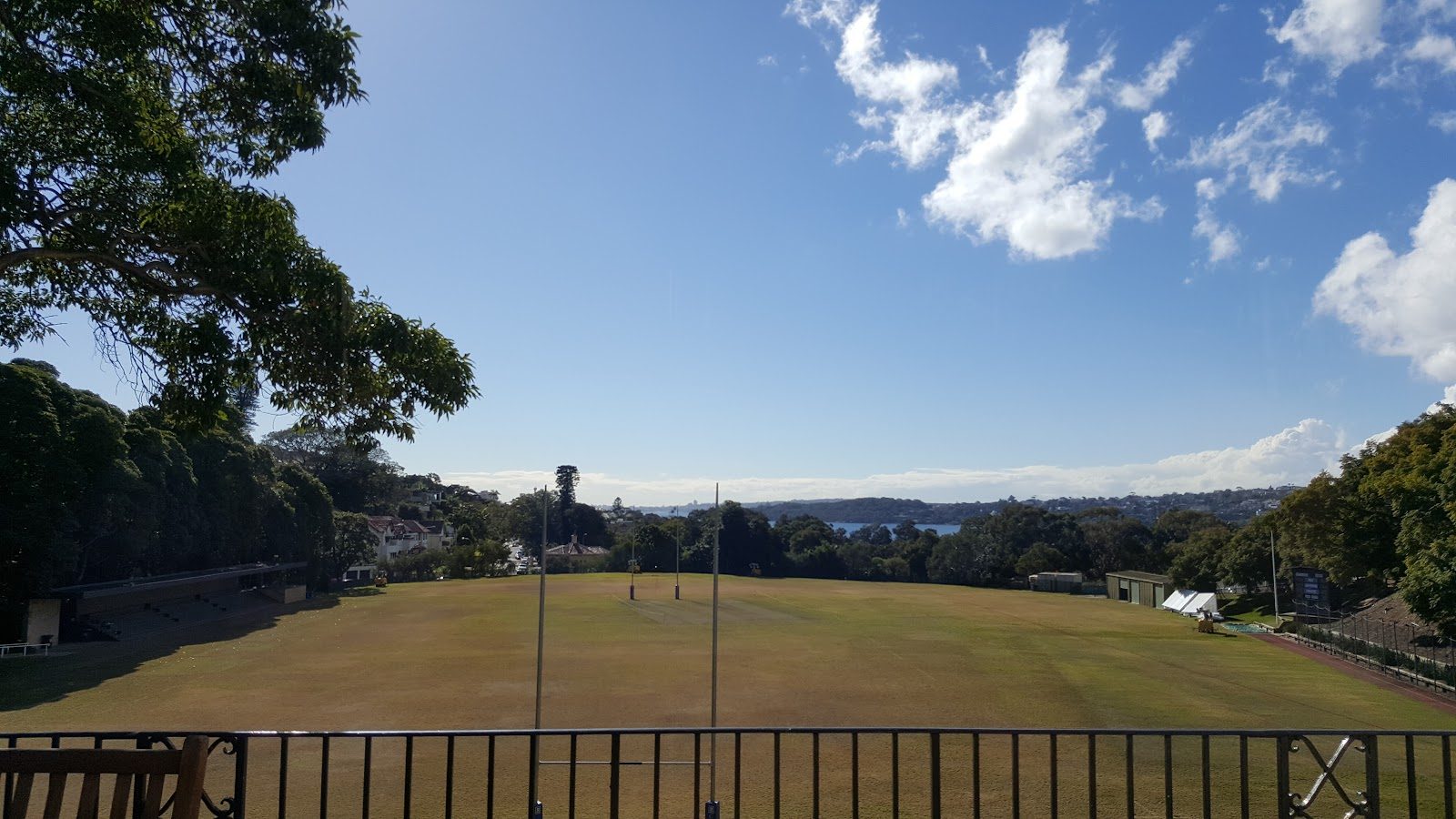
Cranbrook School
Sydney · Australia
Sydney's first IB Continuum School, pairing Bellevue Hill harbour views with a Blue Mountains bush campus for experiential learning.
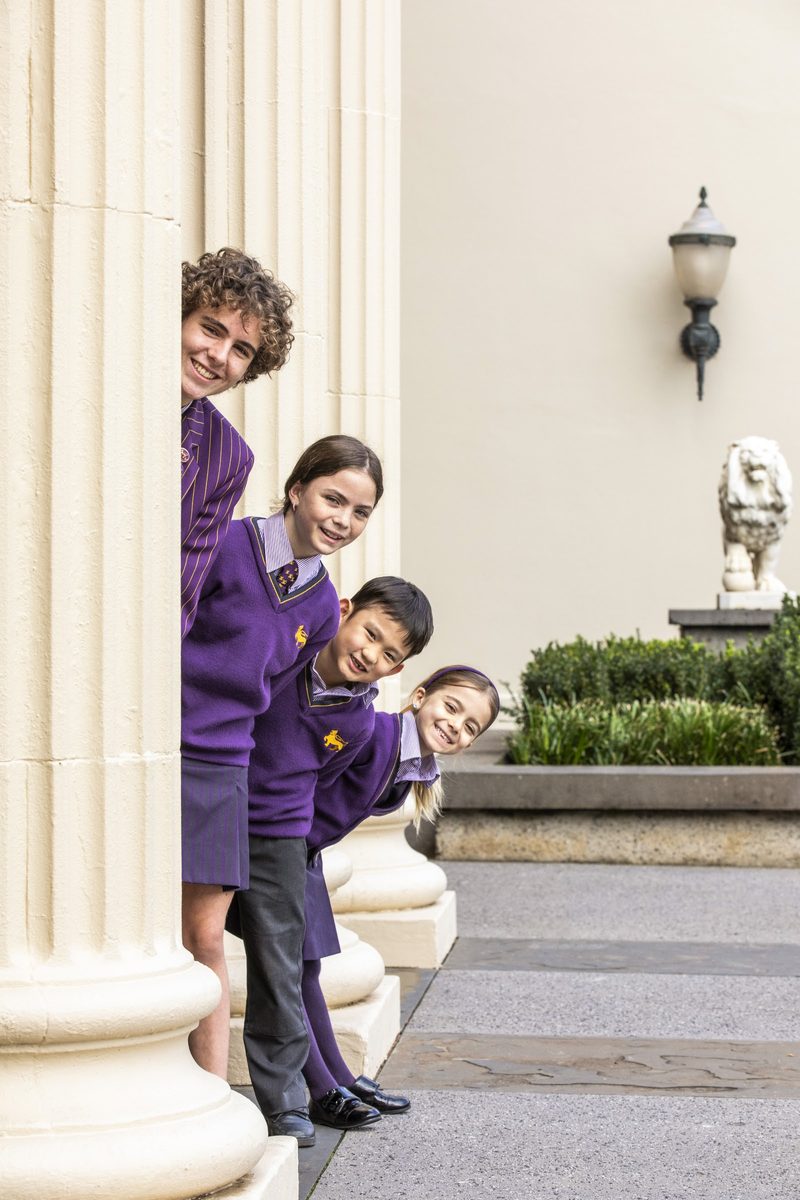
Wesley College
Melbourne · Australia
Runs the full IB continuum alongside VCE across three Melbourne campuses, reaching all the way to a studio school in the Kimberley outback.
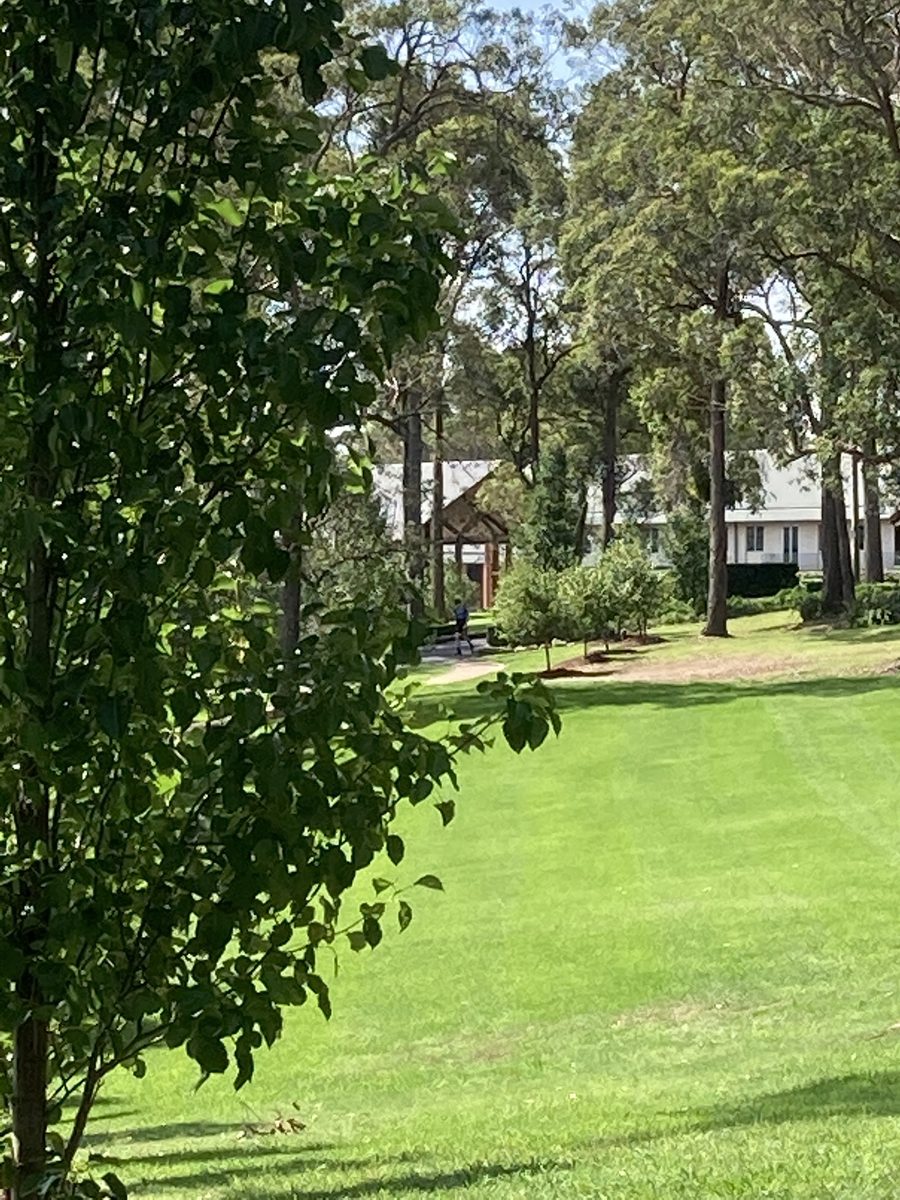
The King's School (Parramatta)
Parramatta · Australia
Australia's oldest independent school, where an 1831 foundation still marches in the country's oldest surviving military uniform and cadet corps.
Methodist Ladies' College
Melbourne · Australia
First school worldwide to put laptops in every student's hands in 1990, now pairing deep VCE-IB choice with an eight-week Marshmead wilderness term.
Same country and curriculum — closest matches within ±10 points either way