
Metro Manila
British School Manila
medium confidence· 4/6 cats · 1.5 avg sourcesOldest not-for-profit British school in Manila, houses named Luzon, Visayas, Mindanao, IB scores six points above world average.
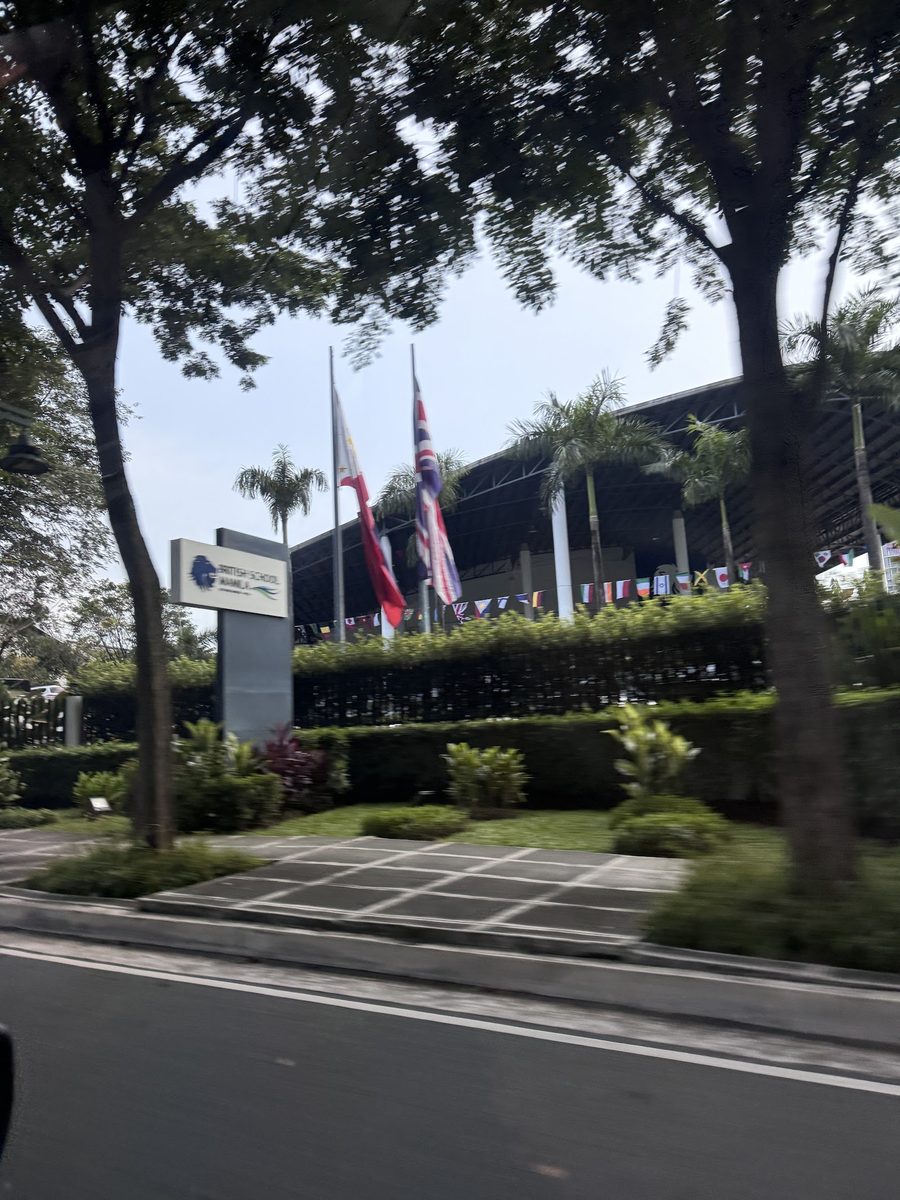
Photo © Jon Jon via Google Maps
Type
Day
Ages
3–18
Curriculum
British · IB
Qualifications
IGCSE · IB Diploma
Ratio
—
The Verdict
Editor's commitment
Right for
Families wanting Manila’s oldest non-profit British school, founded in 1976, with English teaching, IB to 18 and 20-pupil classes.
Wrong for
Parents after boarding, religion or a non-British route: this Taguig day school is non-religious, English-medium and British plus IB.
Watch out for
The school cites a 100% IB Diploma pass rate and 955 students, but does not publish aggregate IB scores or wider destination data.
Ranking breakdown
British School Manila · #324 of 1591
Composite score 71.8. 8 weighted criteria.
By criterion
Academic Outcomes
Weight 20%
#386
of 1529 scored
University Placement
Weight 16%
#398
of 1529 scored
Prestige & Heritage
Weight 12%
#446
of 1571 scored
Alumni Network
Weight 12%
#293
of 1530 scored
Facilities
Weight 12%
#406
of 1533 scored
Transparency & Communications
Weight 8%
#515
of 1532 scored
Peer & Industry Review
Weight 10%
#533
of 1548 scored
Admissions Selectivity & Demand
Weight 8%
#308
of 1529 scored
Peer & Industry Review
How British School Manila is regarded in the sector
68
Respected · medium confidence
British School Manila holds British Schools Overseas (BSO) accreditation from UK inspectors and is a member of COBIS, both third-party quality benchmarks referenced in expat education forums and directories. It is regularly cited alongside International School Manila and Brent International as one of the top-tier international schools in Manila on expat parent forums (e.g., InterNations, ExpatFocus threads) and appears in regional 'best international schools Philippines' round-ups, though it lacks the extensive alumni-network press coverage or Tatler feature depth seen in higher-tier global institutions.
Evidence sources
Editors' overview
British School Manila occupies a clear niche at the top of Manila’s international market: a long-established, non-religious, not-for-profit British school with a full through-line from age 3 to 18 and a credible academic finish in the IB Diploma. Founded in 1976, it trades on substance rather than novelty. The essentials are strong: British curriculum foundations, IB at sixth form, English throughout, and external validation through BSO, COBIS, CIS and IB authorisation. Size matters here too. With more than 950 students and 50+ nationalities, BSM has enough scale to feel internationally mixed without becoming anonymous. The school’s own headline claim of a 100% IB Diploma pass rate sets a high baseline; your editorial tagline adds the sharper point, with IB scores six points above the world average. That combination gives BSM real weight for families who want academic seriousness without the churn and ownership incentives that come with for-profit operators.
What marks it out is not glamour but structure. BSM is the oldest and only non-profit international school in Manila offering a British education, and that status still carries force. Parents looking for institutional steadiness, clear academic direction and a school community that extends beyond the timetable will find a compelling case. The campus sits in Bonifacio Global City, a practical advantage for families who value walkability and urban convenience; the school makes a point of its pedestrian access, family-friendly surroundings and close staff proximity. Average class size is 20, which is efficient rather than boutique: large enough for a broad peer group, small enough for teachers to know their students. The houses named Luzon, Visayas and Mindanao give the school a local anchor that many international schools strain to achieve.
This school belongs on a shortlist for families who want a British academic frame, an internationally mobile peer group and an endpoint that keeps university options open across the UK and beyond. It suits students who thrive in a structured environment, can handle public examinations, and want a campus culture with community loyalty rather than aggressive branding. It will appeal less to families chasing progressive experimentation or a loose, alternative atmosphere. BSM is for children who do well with rhythm, expectation and breadth: early years through GCSE, then IB, with a school culture that values quiet confidence, belonging and high attainment over show.
Academic Performance
Academic results are a core strength here, and the public headline is hard to ignore: a 100% IB Diploma pass rate. The school also states that students are entered for IGCSEs, GCSEs and the IB Diploma or IB Certificates, which points to a full examination culture rather than selective presentation of a narrow top set. Your verified note adds the sharper comparator: IB scores sit six points above the world average. That places British School Manila in the serious academic bracket by any reasonable international benchmark. In the Manila market, that matters. Plenty of schools promise global pathways; fewer produce external results that mark them out with this degree of consistency. BSM’s claim that its students achieve strongly against UK schools and international schools in the Philippines and Asia is ambitious, but the IB differential gives it real substance.
What we do not have is the level of disclosure that would let parents judge the whole picture with precision. The school does not publish aggregate GCSE or IGCSE outcomes in the sources here, nor any detailed IB distribution by subject, top score counts, cohort averages across multiple years, or university destinations in this brief. That limits fine-grained comparison with the most transparent schools in Hong Kong or Singapore, where exam reporting is often ruthlessly specific. Even so, the available indicators put BSM among the upper-tier academic options in its city: strong at the top end, examination-led, and built for families who want measurable attainment rather than vague claims of all-round excellence.
Facilities
The school’s own account of the campus is plain but useful: open, airy, family-friendly, and designed to keep age groups in contact rather than sealed into separate silos. That matters. In a through-school, circulation and visibility shape daily life as much as specialist rooms do, and BSM’s layout points to a campus built for community cohesion rather than theatrical architecture. Its setting in a pedestrian-friendly district is a real practical asset, not a glossy extra. Older pupils can move with more independence, staff live close by, and families get easy access to the daily infrastructure of school life. Against Manila peers, that is a genuine convenience advantage. Against top-tier schools in Singapore or Hong Kong, it sounds less lavish and more sensible, urban and functional.
What is missing is just as important. The school does not publish a proper facilities inventory in the sources here: no theatre specification, no library detail, no science-lab count, no sports complex breakdown, no maker spaces, no specialist design suites. That weakens comparison with stronger operators that document their campuses room by room and programme by programme. Parents choosing between premium schools deserve that level of clarity. So the verdict on facilities is mixed: the spatial design and location support a well-run all-through school, but the public picture lacks the granularity that would prove exceptional provision. BSM reads as solid rather than showy on buildings — credible, practical, but not fully evidenced in the way the best-documented peers manage.
That places British School Manila in the serious academic bracket by any reasonable international benchmark
Prestige
British School Manila carries real prestige in its market, but not the brittle, logo-driven kind. Its status rests on three things parents can verify: it is the city’s only non-profit British school, it draws a student body of more than 50 nationalities, and it closes with IB outcomes that sit well above the global baseline. That combination matters. The non-profit structure gives the school a different kind of authority from expansion-minded operators; it reads as an institution built for continuity rather than sales. The scale of the international mix adds social cachet too. A school with more than 950 students from across diplomatic, corporate and internationally mobile families acquires reputation through who attends, who stays, and who recommends it. In Manila, that counts.
I rate its prestige highly because it joins old-guard credibility to hard academic proof. Plenty of schools trade on polished campuses and imported brand language. BSM has a more durable claim: long-standing presence, a stable community, and public exam performance with a 100% IB Diploma pass rate as the headline marker. That gives it earned standing among parents who care more about institutional seriousness than spectacle. The limit is clear too. This is not prestige built on exclusivity, celebrity alumni or global chain glamour. It is substantial rather than flashy — strongest with families who value reputation anchored in outcomes, governance and community trust.
British School Manila carries real prestige in its market, but not the brittle, logo-driven kind
Communications
British School Manila communicates in the manner of an established institution that expects regular family engagement, not occasional consumer contact. The public-facing basics are clear enough: a usable website, straightforward access to key school information, and a visible emphasis on partnership between home and school. The school also puts community life front and centre, with weekend events, charity activity and cross-year interaction all given prominence. That matters because it tells parents that communication here is not confined to term dates and permission slips; it is tied to participation. The claim that staff live close to campus and that older students benefit from a walking pass also points to a school accustomed to frequent, practical parent contact around daily routines. For a community of more than 950 students and 50+ nationalities, that degree of operational clarity matters.
The strength of BSM’s communication lies in tone and institutional coherence. It reads as ordered, community-minded and confident without salesmanship. Parents get a strong sense of what the school values: involvement, service, academic seriousness and a settled school culture. The weakness is disclosure depth. The school communicates ethos and day-to-day community life better than it communicates hard operational detail. We have not seen the kind of granular public reporting that the best international schools now provide on results breakdowns, programme architecture, facilities specifications or destination data. So the verdict is clear: parent communication is effective on culture and belonging, less rigorous on evidence. Families who want a school that keeps them connected will be well served; families who want forensic transparency will want more.
Uniqueness
What sets British School Manila apart is not novelty but governance and market position. In a sector crowded with investor-owned international schools, BSM’s not-for-profit structure changes the tone of the place. It gives the school a more institutional, less transactional character, with priorities anchored in continuity, community and academic delivery rather than expansion theatre. It also holds a singular place in its city as the only not-for-profit school offering this educational model, which matters for parents who care about stewardship as much as brand. Add a student body drawn from 50+ nationalities and you get a school with genuine international density, not a local school with imported signage. For children, that means daily exposure to a wide social mix and a culture that treats internationalism as ordinary, not decorative.
There is also a distinct local intelligence in the way the school frames belonging. The house names — Luzon, Visayas and Mindanao — tie a globally mobile school to the country it inhabits, avoiding the placelessness that weakens many international campuses. That matters more than it sounds. Students get an education with clear external standards and strong cosmopolitan reach, but they do not study in a cultural vacuum. The school’s weekend life, charity work and family-facing community habits reinforce that sense of rootedness. The result is a school that offers serious academic ambition without the corporate gloss, and real community ballast for families who want their children known, stretched and socially at ease.
British School Manila communicates in the manner of an established institution that expects regular family engagement, not occasional consumer contact
Student Profile
The student body here suits families who want a school with clear expectations and an international social centre of gravity. With more than 50 nationalities on roll, this is not a monoculture dressed up as global. Children who are already internationally mobile, or who adapt quickly to mixed peer groups, will find plenty of social room. So will students who like a school community that extends beyond lessons into events, service and weekend activity. The cross-year feel matters too: younger and older pupils are not sealed off from one another, which tends to suit children who are comfortable in a more connected, less compartmentalised environment. House identities rooted in the host country add a welcome counterweight to the placelessness that dogs many international schools.
The best fit is the student who is academically purposeful, socially adaptable and happy in a school that values rhythm, participation and follow-through. This is not the right environment for families chasing an ultra-progressive, low-structure education or a boutique school built around individual exception management. It will suit children who can handle examination pressure without drama, benefit from teachers who know how to run a classroom, and value belonging to a large, active community. BSM looks strongest for pupils who want serious peers, stable routines and an outward-facing school life, rather than students who need looseness, anonymity or a highly alternative culture.
What sets British School Manila apart is not novelty but governance and market position
Co-curricular strengths
Arts & sport, on a separate axis
Overall 9.08/10
Scored 0-10 from the school's own published evidence. This axis is editorial-only — it does not feed the main WTS ranking.
Sports
9.2/10
Drama
9.2/10
Dance
8.8/10
Music
9.2/10
Visual Arts
9/10
Editor first-pass · editor-reviewable · 7/30/2026
Strengths
- +Founded in 1976, the BSM is the oldest non-profit British international school in Manila, and it is proudly a CIS/WASC and IBDP accredited institution.
- +It was able to develop the school and become the first international school in the Philippines to be accredited by the Council of International School (CIS).
- +In March 2024, the British School Manila achieved Council of British International Schools (COBIS) Accredited Member status, marking it as the sole recipient of this designation in the Philippines.
- +Class sizes are generally kept to 22 students across three classes per year level, with IB classes not exceeding 16 students per class.
- +The school provides a British international education for students aged 3 to 18 on a single, open campus in Bonifacio Global City, welcoming more than 950 students from over 50 nationalities.
Considerations
- −The school charges several additional fees beyond tuition, including a P30,000 admission fee, a P340,000 entrance fee, a P150,000 enrolment/security deposit and P5,200 in administrative fees, a substantial upfront outlay for relocating families.
- −Tuition itself is billed in a mixed currency structure, with annual fees quoted as combinations such as GBP 8,655 plus PHP 622,680, rising to GBP 9,690 plus PHP 697,155 in the senior years, complicating budgeting for non-UK-salaried families.
- −The school's history includes a serious governance controversy: a British School Manila student took his own life in February 2015 reportedly over problems at school, and DepEd ruled on an administrative complaint filed after the student was traumatized by a punishment imposed by his teacher, prompting Senate hearings and lasting scrutiny of the school's crisis-handling processes.
- −Leaving qualifications are limited to IGCSE and the IB Diploma, so despite the 'British School' name there is no A-Level exit route, narrowing options for families who specifically want that pathway.
Availability
Primary entry gate & tests
Academic Record + Assessment
Gallery
Photo © Jon Jon via Google Maps
Photo © Jon Jon via Google Maps
Photo © Fernan Guevarra via Google Maps
Photo © Fernan Guevarra via Google Maps
Photo © Mike Carmona via Google Maps
Parent reviews
Have you sent your child here?
Voice reviews carry the strongest trust badge — we transcribe them for you to tidy up before they go live. Prefer to type? A written review is fine too.
Add your voice
In 60 seconds, tell other parents: what's the best thing about British School Manila, and what surprised you when your child joined?
We ask for a Google sign-in so every review has a real face behind it — no anonymous drive-by attacks on schools, and no faked positive reviews. Your email is never shown publicly.
Send this profile to a friend
International parents rely on word-of-mouth. Share this review with someone weighing the same decision.
Schools with places
Similar schools to British School Manila with places available now.
Availability first, then country, area, curriculum, price, co-curricular
Consider also
Also worth looking at alongside British School Manila.
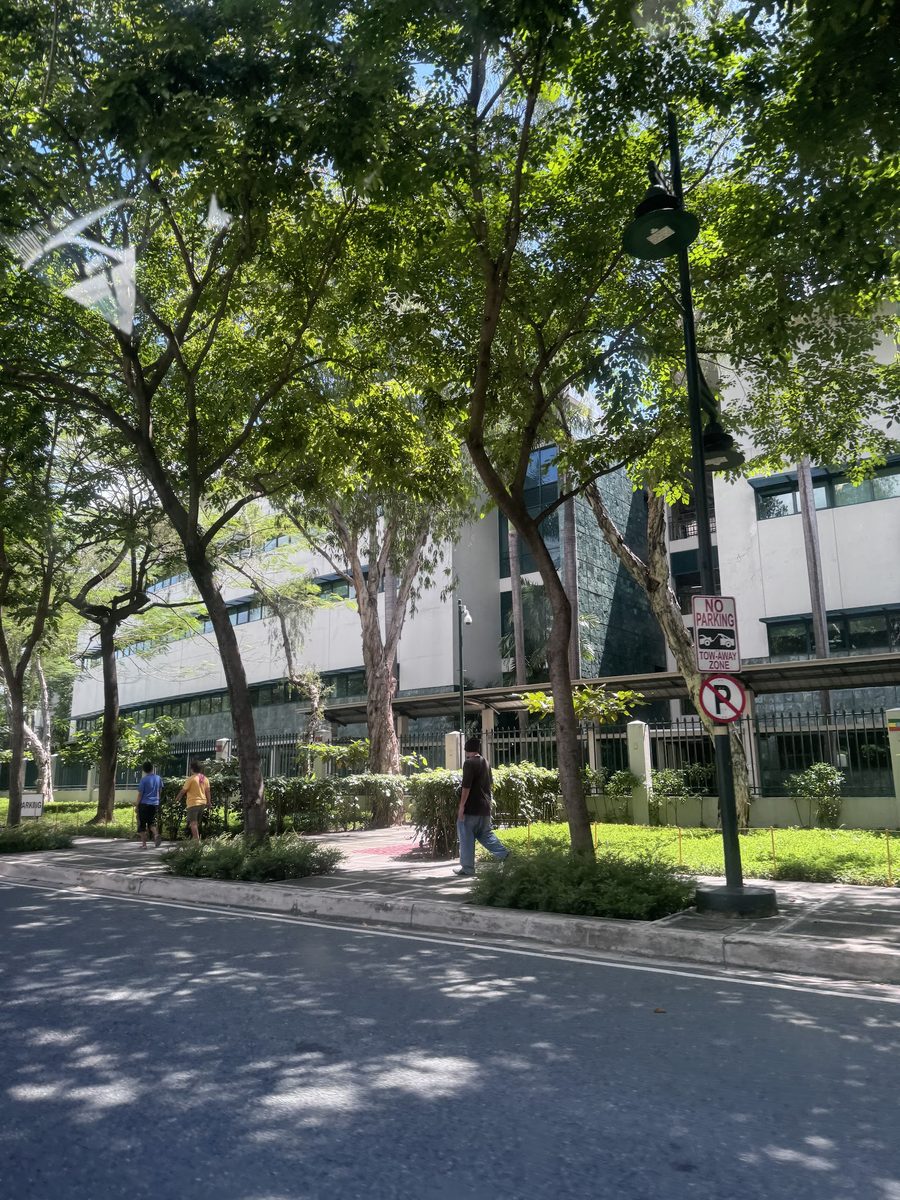
International School Manila
Manila · Philippines
Rooted in 1920 as the American School, this Bonifacio Global City campus was the first in Asia to offer the IB Diploma.

NIST International School
Bangkok · Thailand
Founded in 1992 with United Nations backing, Thailand's first not-for-profit IB World School sits amid downtown Sukhumvit.
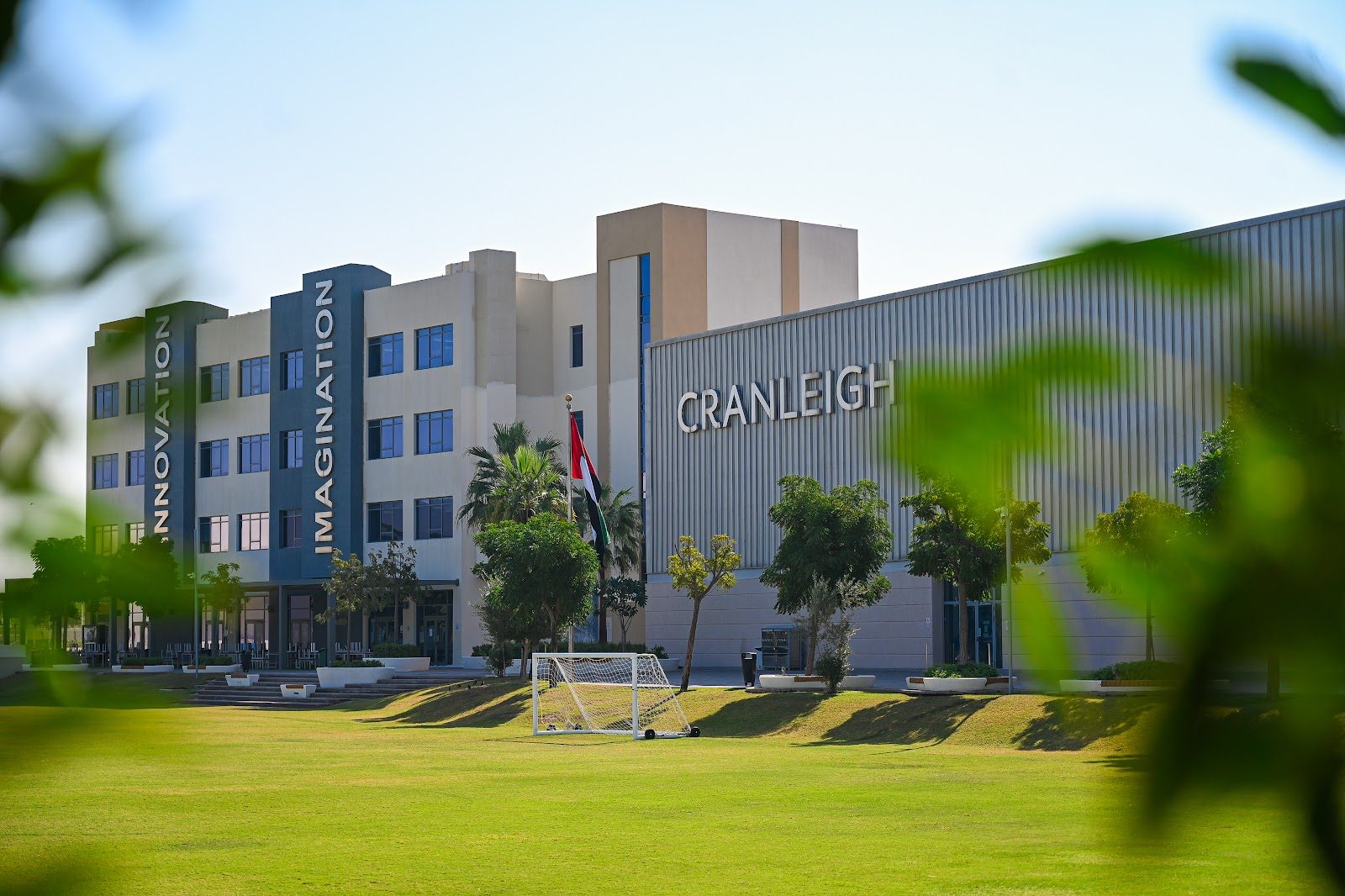
Cranleigh Abu Dhabi
Abu Dhabi · United Arab Emirates
On Saadiyat's museum mile, sixth-formers debate round Harkness tables before choosing A-Levels or the IB Diploma
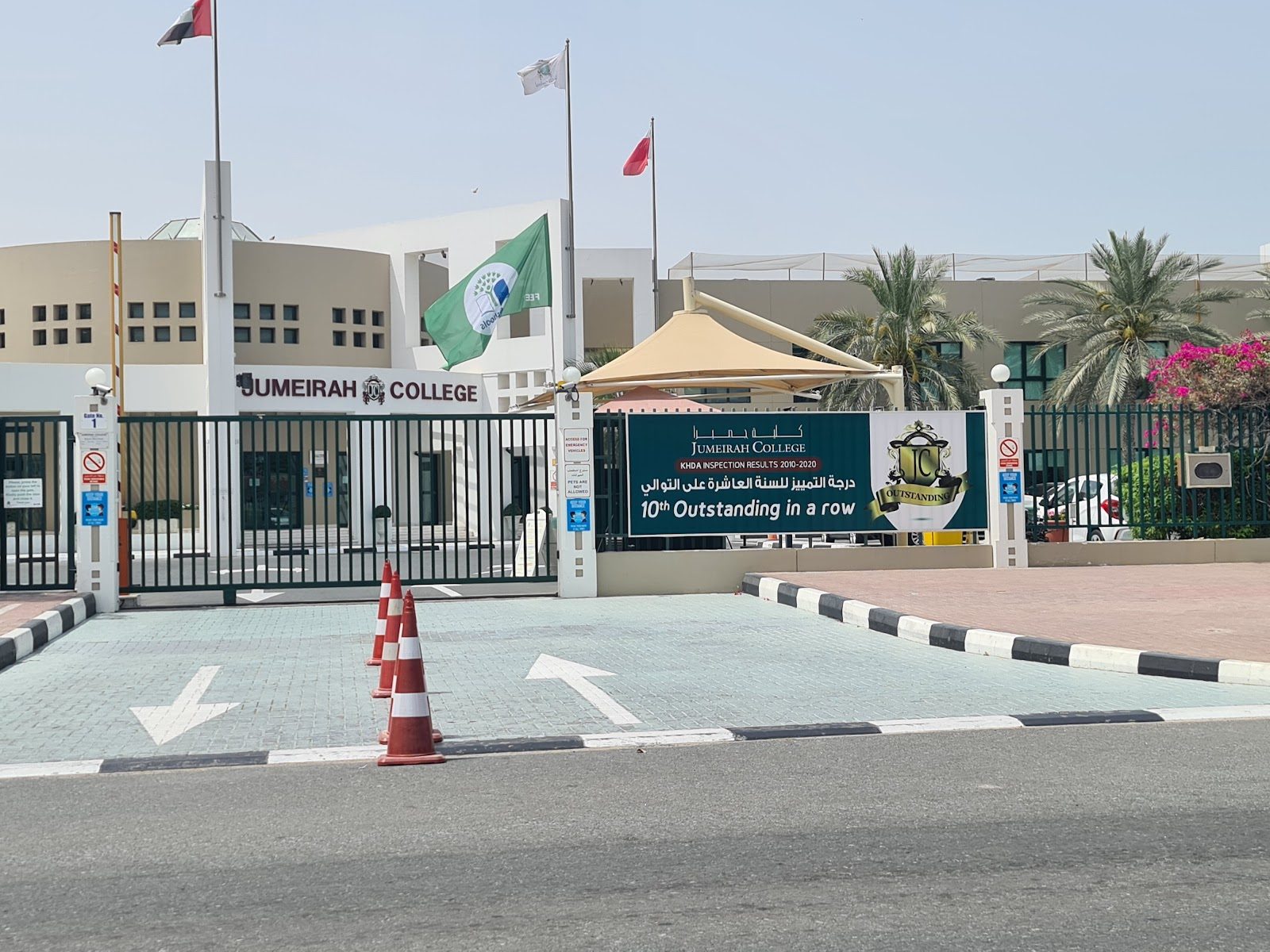
Jumeirah College
Dubai · United Arab Emirates
Secondary-only in Al Safa, holding Dubai's top inspection grade every year since 2010, with A-Levels ranked in the global top 1 percent.
Same country and curriculum — closest matches within ±10 points either way