
Connecticut
A Wallingford campus where an I.M. Pei arts center anchors a rare, dedicated Arabic and Middle Eastern studies track.
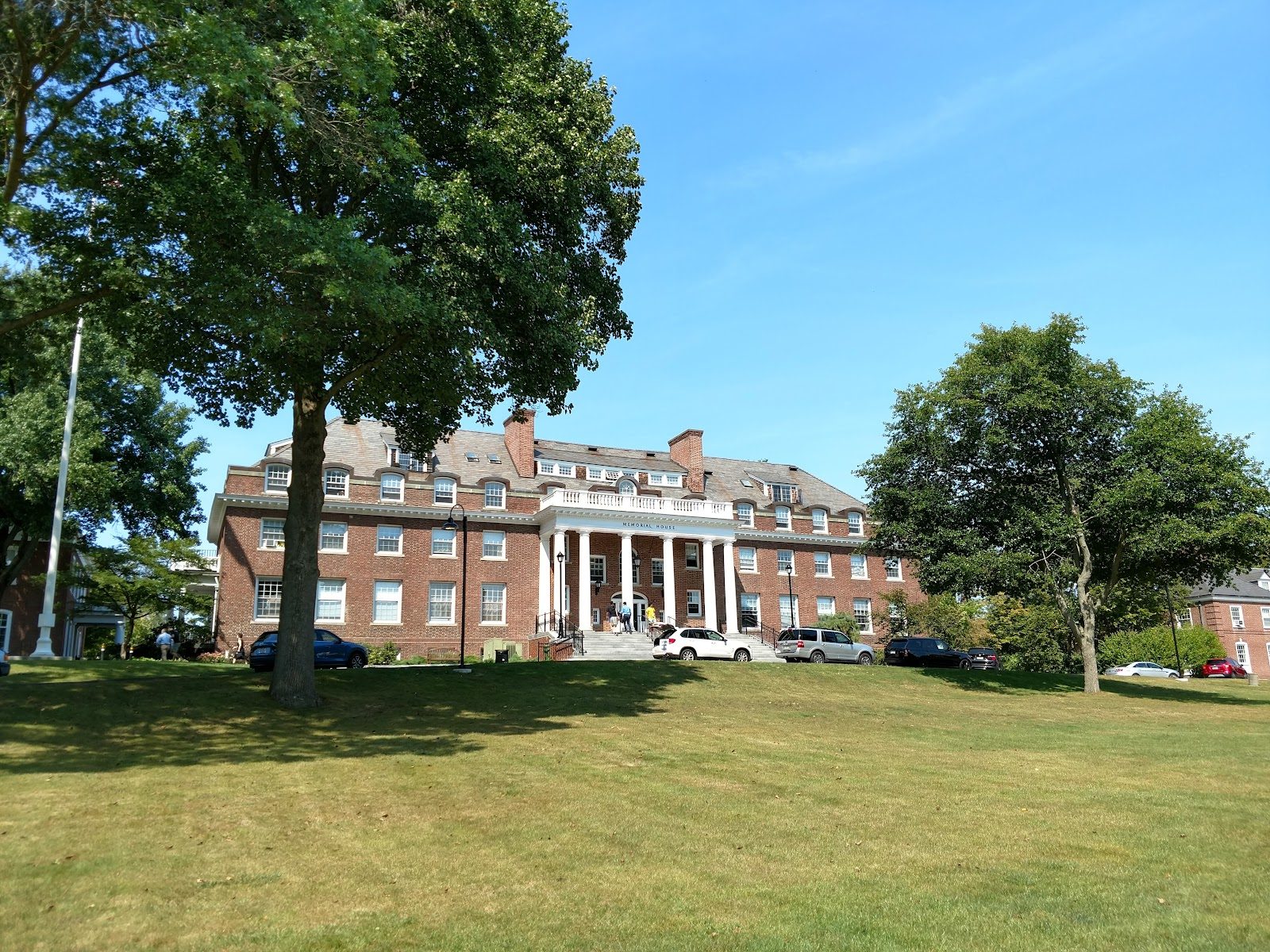
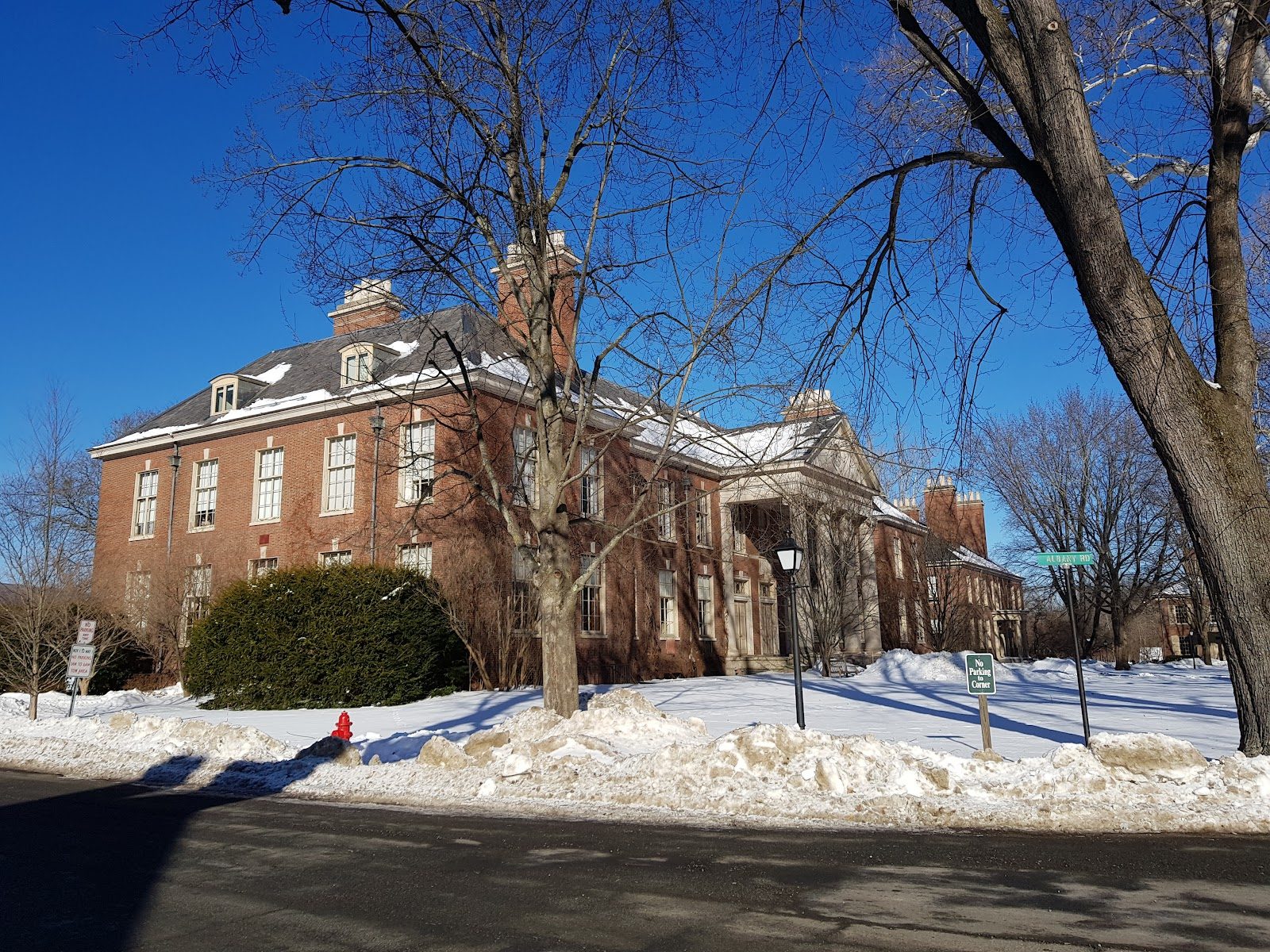
Photo © Steven Smith via Google Maps
Type
Both
Ages
14–18
Curriculum
American
Qualifications
AP
Ratio
10:1
The Verdict
Editor's commitment
Right for
Boarders and day pupils aged 14–18 who want a full American programme on a 458-acre campus with 300+ courses.
Wrong for
Families wanting lower-cost schooling: average annual fees run to £57,000 day and £74,000 boarding, with 860 students in grades 9-PG.
Watch out for
Choate sells scale and range, not intimacy: average class size is 18, the student-teacher ratio is 10:1, and 58 countries feed the mix.
Ranking breakdown
Choate Rosemary Hall · #14 of 1591
Composite score 81.4. 8 weighted criteria.
By criterion
Academic Outcomes
Weight 20%
#148
of 1529 scored
University Placement
Weight 16%
#104
of 1529 scored
Prestige & Heritage
Weight 12%
#25
of 1571 scored
Alumni Network
Weight 12%
#9
of 1530 scored
Facilities
Weight 12%
#37
of 1533 scored
Transparency & Communications
Weight 8%
#56
of 1532 scored
Peer & Industry Review
Weight 10%
#70
of 1548 scored
Admissions Selectivity & Demand
Weight 8%
#198
of 1529 scored
Score history
Choate Rosemary Hall · 2026
Movement across 2024–2026. Peer average overlaid.
Overall — 2024–2026
81.4/ 100
▲ +17.0 vs 2025
year on year
Peer & Industry Review
How Choate Rosemary Hall is regarded in the sector
93
Top-tier · high confidence
Choate Rosemary Hall is consistently ranked among the top elite US boarding schools alongside Phillips Exeter, Andover, and Deerfield in Niche and Boarding School Review rankings, and is a member of the prestigious 'Ten Schools Admissions Organization.' Its alumni network includes numerous heads of state (JFK), Fortune 500 CEOs, and celebrities, generating extensive coverage in outlets like The New York Times and Town & Country regarding its elite status and admissions competitiveness.
Evidence sources
Editors' overview
At Choate Rosemary Hall, the first thing that matters is scale with purpose: an 458 acre campus, 860 pupils in grades 9 to postgraduate, and a school large enough to offer 300-plus courses and electives without tipping into anonymity. The ratio is 10:1, average class size is 18, and that combination tells you a lot about the proposition. This is an American boarding and day school with real breadth, not a boutique operation trading on intimacy alone. What lifts it above the crowded US boarding-school field is the mix of ambition and infrastructure: a serious residential model, a campus two blocks from downtown Wallingford, and an arts presence anchored by the I.M. Pei-designed centre flagged in your tagline. The school’s dedicated Arabic and Middle Eastern studies track gives Choate a distinctive academic edge. Plenty of elite schools talk about globalism; fewer build a defined programme around a region and language that still sit at the margins of most US independent-school curricula.
Parents should shortlist Choate if they want high-octane range without the sprawl and impersonality that can plague large American independents. The school publishes an expansive menu: 100-plus clubs and organisations, 21-plus sports and 65-plus teams, 80-plus performances and shows, and eight signature programmes. That signals a place for students who want to do several things well at once, and who have the stamina to manage them. The school’s own statement still centres “a rigorous academic curriculum” and character formation in a residential setting where teachers and students live and learn alongside one another. That matters. Boarding schools differ sharply in how seriously they take residential life as part of education rather than accommodation. Choate puts that model at the centre. It also has the institutional heft parents watch for: founded in 1890, accredited by NEASC and NAIS, and with a documented alumni network of 145 notable figures in Wikidata across politics, business, scholarship, writing and the arts. That is *old-school American establishment capital*, and for some families it remains a decisive advantage.
This is an expensive school by any measure: average annual fees run at £57,000 for day pupils and £74,000 for boarders across the full ladder. The market position is clear. Choate sits in the top tier of US independent schools and charges accordingly. The case for the price rests on depth of programme, residential culture, and access to a peer group drawn from 41 states and 58 countries. The child who will thrive here is restless, able and busy: a teenager who wants demanding academics, serious arts or sport, and a campus with enough moving parts to keep opening doors. The child who needs a tiny, sheltered environment or heavy hand-holding will find Choate brisk. This is a school for students ready to stretch themselves, and for parents who want a full-scale American boarding-school experience rather than a polished imitation of one.
Academic Performance
Choate’s academic standing sits in the uppermost tier of American college-preparatory schools, but the public picture on external examination results is thinner than many international parents expect. The school does not publish aggregate SAT, ACT, AP or IB outcomes in the public domain, and that matters. Among top US boarding schools, some institutions now release at least headline score distributions or university-destination summaries with enough detail to test the academic proposition. Choate asks families to infer performance from selectivity, course range and university placement rather than from hard exam data. That is a conscious opacity, not a trivial omission.
Even so, the wider indicators point to a serious academic culture. The school offers more than 300 courses and electives across six departments, plus postgraduate study, which places it in the company of large, academically ambitious peers rather than narrower college-prep outfits. Its membership of the Eight Schools Association and Ten Schools Admission Organisation also fixes its competitive set: this is a school judged against the most established New England boarding names, not against ordinary US independents. In that bracket, Choate holds its place on institutional weight, depth of offering and a long-proven route into elite universities. What parents do not get is the clean exam-score transparency that would turn prestige into measurable proof. For families comfortable with old-guard confidence, that will suffice; for those who want published outcomes, it is a real weakness.
Facilities
Facilities are one of Choate’s strongest arguments. The school has five purpose-built, LEED-certified learning spaces, and that matters because many old-line New England boarding schools still work around handsome but compromised legacy buildings. Choate combines historic-campus gravitas with a more hard-headed, up-to-date academic plant. The arts provision stands out most clearly: the I.M. Pei-designed centre gives the school a piece of architecture that does real work rather than serving as donor-window dressing, and it reinforces that this is a campus where performance and visual arts hold serious institutional weight. Add a published tally of 80+ performances and shows, and the message is plain: students with genuine artistic ambition will not struggle to find stages, rehearsal, exhibition and production opportunities.
The broader campus infrastructure also sits comfortably in the top bracket of US boarding-school peers. A 458-acre site, extensive athletics capacity, and a large menu of teams and activities give Choate the physical depth families expect at this end of the market. The advantage over smaller rivals is sheer operational range: more places to practise, perform, compete and disappear into serious work. The trade-off is atmosphere. This is not an intimate, all-roads-lead-to-one-building school. It is a full-scale, resource-heavy campus with the confidence of an institution built to do many things at once. Against direct competitors, that puts Choate in the facilities-rich camp rather than the cosy one.
The school’s dedicated Arabic and Middle Eastern studies track gives Choate a distinctive academic edge
Prestige
Choate carries *first-rank American boarding-school prestige*. The signal does not rest on glossy claims; it rests on durable institutional markers that parents and university admissions offices recognise at once. The school sits inside the Eight Schools Association and the Ten Schools Admission Organisation, a clubbable but meaningful indicator of standing among the old New England boarding names. Its alumni footprint reinforces that status. Wikidata alone records 145 notable former pupils spread across politics, finance, scholarship, writing, film, music and the visual arts. That breadth matters more than one celebrity name. It points to a school with deep establishment reach, not a narrow specialist brand. For families who care about networks, Choate offers serious social capital.
Why not rate it even higher still? Because prestige and transparency are not the same thing, and Choate protects its mystique. The school trades on reputation, peer group, selectivity and long-proven university access, but it does not publish the kind of aggregate exam data that would let outsiders test academic outcomes cleanly. In prestige terms, that omission does not damage the brand; elite American boarding schools have long survived on confidence, history and results known within the sector. For an international parent, that means the name carries real weight, but the value of that weight depends on whether you admire old-guard authority or want everything evidenced in public. Choate is genuinely prestigious; it is not eager to explain itself.
Choate sits in the top tier of US independent schools and charges accordingly
Communications
Choate communicates with the confidence of an old institution that expects parents to meet it halfway. The public-facing website is polished, easy to navigate and rich in broad school information: academics, student life, mission, history, admissions prompts and a brisk set of headline facts. It gives a clear structural picture of the school and does a competent job of conveying scale, ambition and daily life. Parents can grasp the basics quickly, and the presentation is clean, well-drilled and professionally controlled. The same control creates the weakness. Communication is strong on atmosphere and programme breadth, weaker on the hard evidence many international families now want before committing serious money. The school does not publish aggregate external exam data, and that omission carries into the wider parent-information picture.
That leaves Choate with a communications style that is assured, selective and at points opaque. Families who know the US boarding-school market will read that as institutional confidence: the school foregrounds culture, residential education, course choice and community composition across 41 states and 58 countries, rather than proving itself through public dashboards. Newer international parents may find that frustrating. Effective communication is not only about design and tone; it is about disclosure. Choate handles messaging well, but it still relies on prestige to close gaps that sharper schools now fill with published outcomes, clearer comparative detail and more hard-edged parent information.
Uniqueness
What marks Choate out is not prestige alone but programme shape. Many elite American boarding schools offer breadth; fewer organise that breadth into named, sustained tracks that give students a distinct intellectual identity. The dedicated Arabic and Middle Eastern studies route does exactly that. In a sector crowded with generic “global” rhetoric, this is rare, deliberate differentiation. It gives able students a serious way into a region, a language and a political-cultural field that most schools treat as an elective afterthought. Set beside the school’s 8 signature programmes and its expansive course menu, the result is a place where specialism does not require narrowness. A pupil can build genuine depth without giving up the wider advantages of a large boarding school.
The other point of difference is architectural and institutional confidence. The Pei-designed arts centre is not a token flourish; it signals that the arts sit near the centre of school life, not at its decorative edge. That matters for students who want high-level performance, production or visual work inside a school still driven by academic ambition. Add a community drawn from 58 countries and a residential model built around daily contact with adults, and Choate offers a full-spectrum adolescent education: intellectually demanding, culturally expansive and busy by design. For the right student, that combination is energising and enlarging. For the wrong one, it is relentless. That sharpness is part of what makes the school distinctive.
The broader campus infrastructure also sits comfortably in the top bracket of US boarding-school peers
Student Profile
The student who fits Choate is bright, self-propelling and comfortable in a culture of constant motion. This is not a sanctuary for tentative teenagers who need repeated prompting to join in, ask for help or organise themselves. The draw is range: more than 300 courses and electives, 100+ clubs and organisations, and a campus life built around doing several things at once. Pupils who thrive here tend to have appetite as well as ability — the kind who want hard classes, a rehearsal, a match, a publication meeting and a dorm conversation all in the same week. The community’s reach across 58 countries also matters. Students need curiosity about other people, ease with difference and enough social confidence to live closely with peers from far outside their own background.
The right family will also understand the school’s brisk, high-expectation social code. Choate suits adolescents who can handle independence without drifting, competition without melodrama, and adult proximity without resenting oversight. Creative students have strong reasons to look hard, because the arts carry real weight here rather than decorative status. So do globally minded pupils who want a defined route into Arabic and Middle Eastern studies rather than generic internationalism. The poorer fit is clear: a child who wants a tiny, soft-edged environment, slow pacing or heavy pastoral cushioning. Choate rewards students who are energetic, ambitious and durable.
Choate is genuinely prestigious; it is not eager to explain itself
Co-curricular strengths
Arts & sport, on a separate axis
Overall 8.92/10
Scored 0-10 from the school's own published evidence. This axis is editorial-only — it does not feed the main WTS ranking.
Sports
9/10
Elite Founders League athletic powerhouse; fields highly competitive teams utilizing world-class indoor tracks and tennis centers.
Drama
9/10
Housed inside the iconic I.M. Pei-designed Paul Mellon Arts Center, running a pre-professional training model for acting and tech.
Dance
8.5/10
Formal intensive dance track offering technical contemporary, jazz, and classical ballet choreography modules.
Music
9.1/10
Outstanding symphonic wind bands, elite touring choirs, and traditional classical ensembles that headline major festivals.
Visual Arts
9/10
Phenomenal studio depth with dedicated spaces for digital media, filmmaking, and traditional fine art portfolios.
Editor-verified · 8/6/2026
Notable alumni · Wikidata
145notable alumni
Includes
- Laurie L. Patton(1961)
41 historic (born pre-1930) · 39 modern (born post-1970)wikidata:2026-07-28 How we source this
WTS 300 badge
2025/26 editionChoate Rosemary Hall is one of the World's Top 300 Schools for 2025/26. Claim your listing to add it to your site →
Strengths
- +Highly selective admission process with a strong college placement record, including approximately 98% of graduates progressing to four-year colleges.
- +Coeducational and both day/boarding structure allows local Wallingford-area families and international boarders to attend the same institution.
- +Meaningful need-based financial aid program, with roughly a third of students receiving aid that averages about 80% of tuition costs.
- +Broad co-curricular offering, including 25 interscholastic sports and a wide range of arts and club activities alongside the academic program.
- +Genuinely international community, with international students representing dozens of countries and regions alongside domestic students of colour making up a significant share of enrollment.
Considerations
- −Boarding tuition is among the highest in US independent schools, with published 2026-27 boarding fees around $74,530 and day fees near $57,610, before additional costs.
- −Acceptance is highly competitive, with acceptance rates cited between roughly 11% and 16% in recent cycles, making it a difficult school to guarantee entry into.
- −Long, elite alumni history (including US presidents and prominent political and entertainment figures) can create a culturally rarefied, legacy-heavy social environment that may not suit every family.
- −As with most highly selective New England boarding schools, admission is holistic and opaque on published GPA/test ranges, making it hard for applicants to self-assess their chances precisely.
Availability
Primary entry gate & tests
SSAT/ISEE + Interview
Gallery
Photo © Mike Vos via Google Maps
Photo © Sean Park via Google Maps
Photo © Sean Park via Google Maps
Photo © Sean Park via Google Maps
Photo © Sharon Amanda Curry via Google Maps
Photo © Sean Park via Google Maps
Photo © The Good Paparazzo via Google Maps
Photo © Choate Rosemary Hall via Google Maps
Photo © Aleksandr Denisevich via Google Maps
Parent reviews
Have you sent your child here?
Voice reviews carry the strongest trust badge — we transcribe them for you to tidy up before they go live. Prefer to type? A written review is fine too.
Add your voice
In 60 seconds, tell other parents: what's the best thing about Choate Rosemary Hall, and what surprised you when your child joined?
We ask for a Google sign-in so every review has a real face behind it — no anonymous drive-by attacks on schools, and no faked positive reviews. Your email is never shown publicly.
Send this profile to a friend
International parents rely on word-of-mouth. Share this review with someone weighing the same decision.
Schools with places
Similar schools to Choate Rosemary Hall with places available now.
The Hotchkiss School
Lakeville · United States
- 2026-27
- CLOSEDRegular cycle
- 2027-28
- PLACES OPENFall '27 interviews open
Taft School
Watertown · United States
- 2026-27
- CLOSEDRegular cycle
- 2027-28
- PLACES OPENInterviews underway
Loomis Chaffee School
Windsor · United States
- 2026-27
- WAITPOOLLate/Rolling Space Available
- 2027-28
- OPENS SOONOpens 1 Sept '26
Hopkins School
New Haven · United States
- 2026-27
- CLOSEDRegular cycle
- 2027-28
- OPENS SOONOpens Sept '26
Availability first, then country, area, curriculum, price, co-curricular
Consider also
Also worth looking at alongside Choate Rosemary Hall.
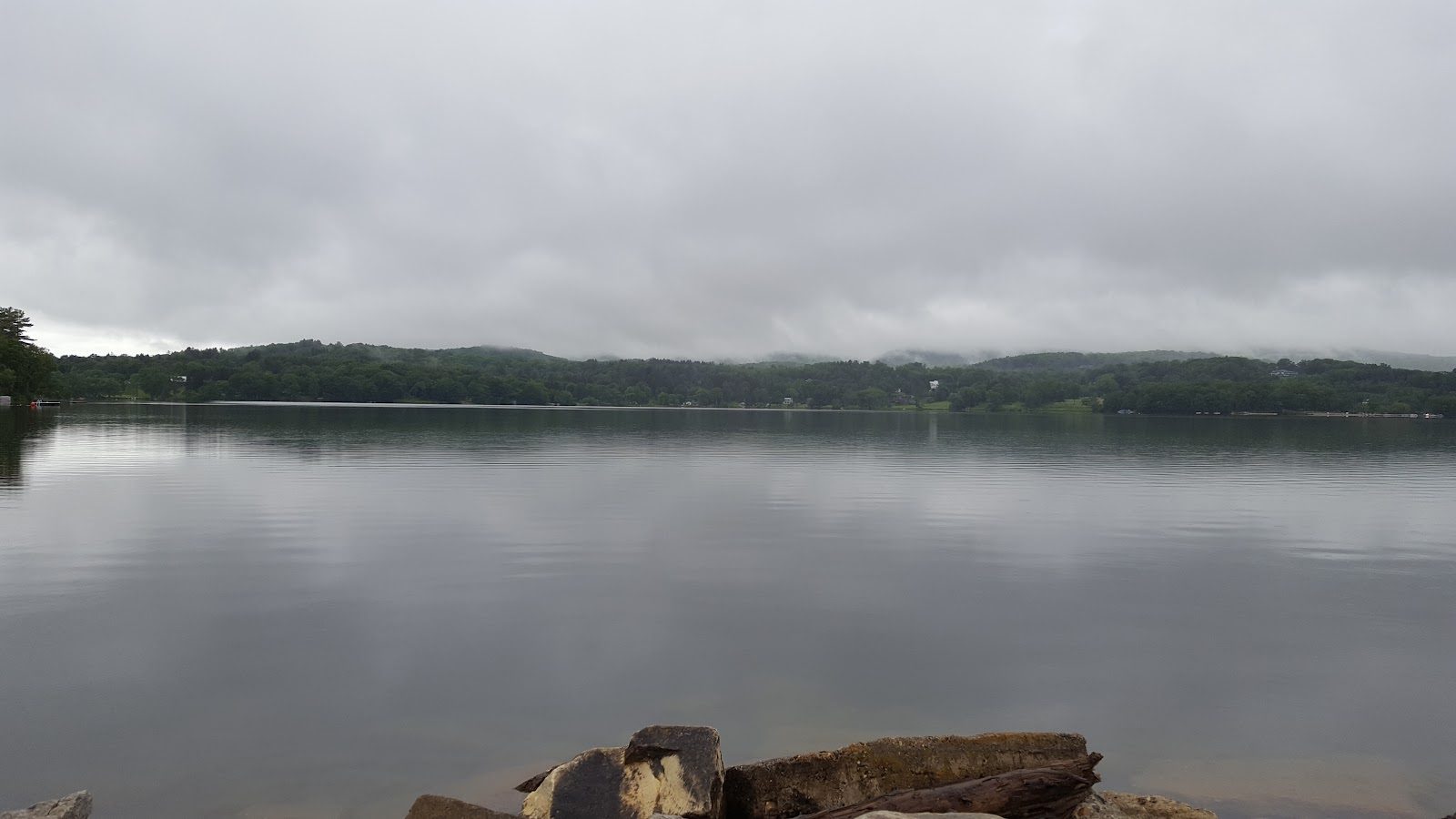
The Hotchkiss School
Lakeville · United States
On its 827-acre Berkshire campus, a 287-acre working farm supplies the dining hall and anchors the science curriculum.
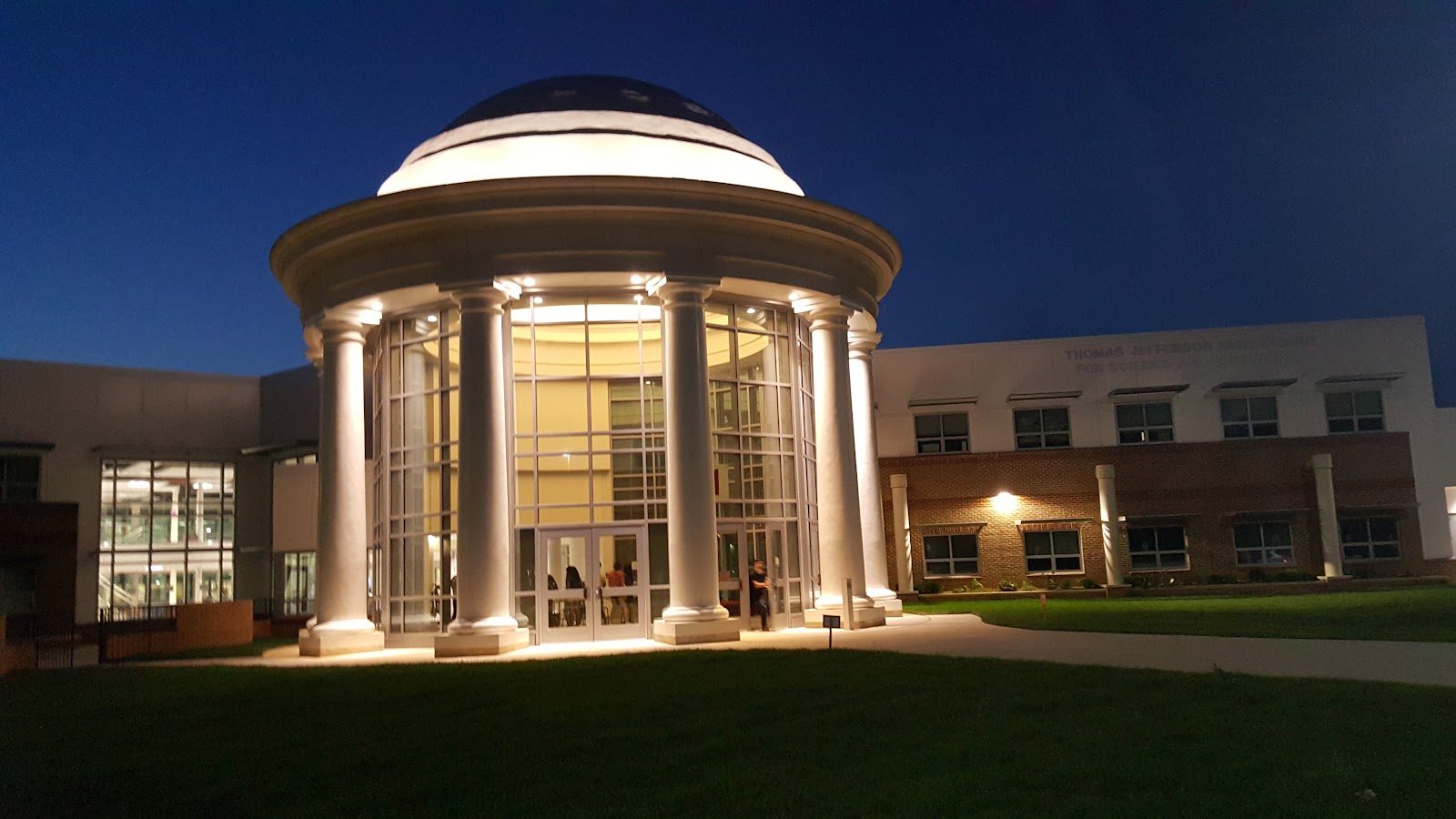
Thomas Jefferson High School for Science and Technology
Alexandria · United States
A Fairfax County magnet where every senior completes original research across fifteen specialized STEM labs.
Deerfield Academy
Deerfield · United States
In a preserved 1797 village along the Deerfield River, seniors close their English studies not with an exam, but a spoken meditation.

Harvard-Westlake School
Los Angeles · United States
Along the LA River in Studio City, a former golf course is rising into a riverside campus of trails, turf and native habitat.
Same country and curriculum — closest matches within ±10 points either way