
Federal Territory of Kuala Lumpur
Malaysia's first British international school, still run not-for-profit, pairs A-Level rigour with an IAAF-certified running track.
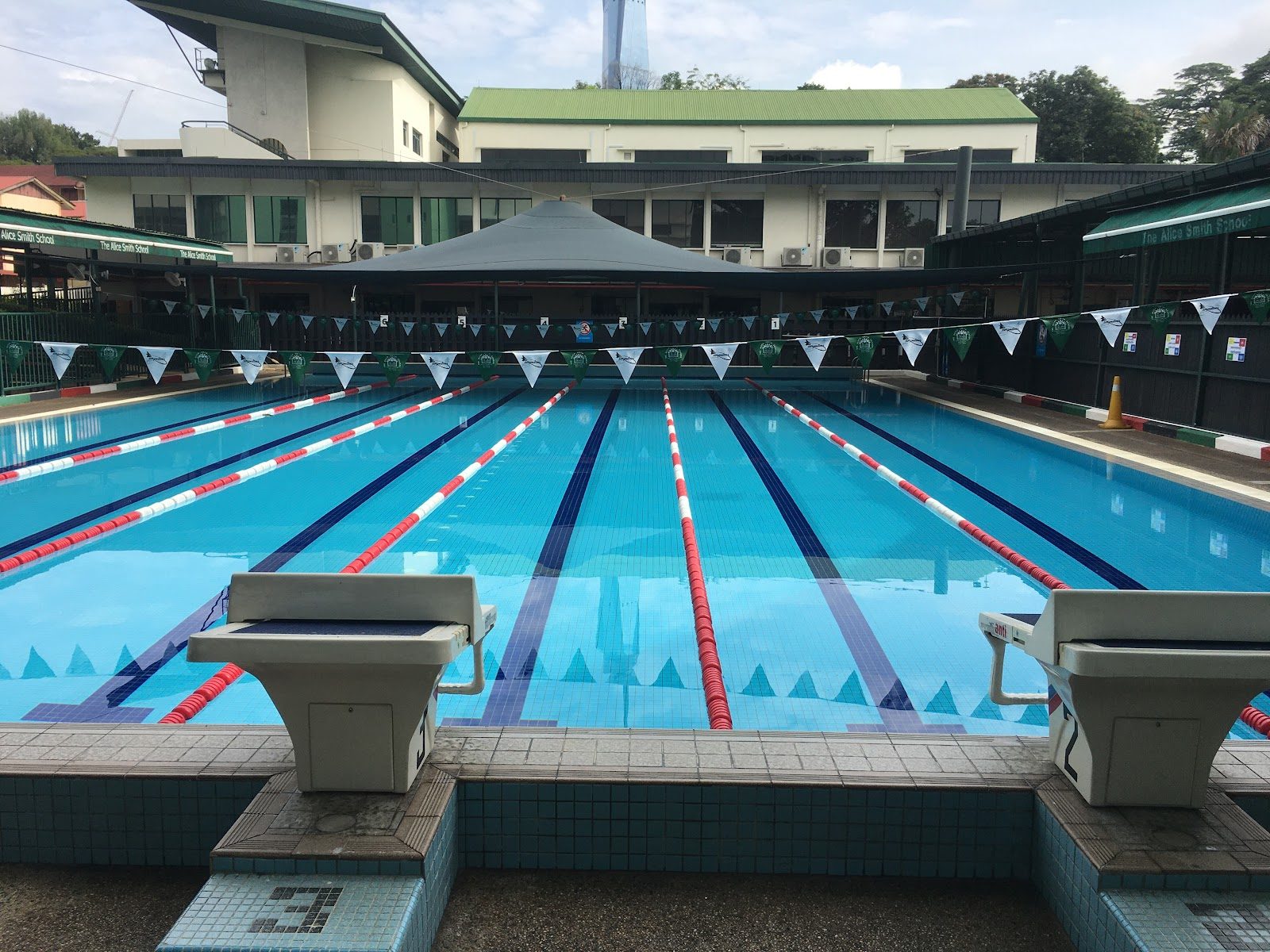
Photo © Ihsan Nadzri via Google Maps
Type
Day
Ages
3–18
Curriculum
British · IB
Ratio
—
The Verdict
Editor's commitment
Right for
Families who want British schooling with an IB option, a not-for-profit model, and hard outcomes: 71% A*-B at A Level.
Wrong for
Parents chasing boarding, religious framing or bargain fees: this is day-only, non-religious, and averages MYR 87,283 a year.
Watch out for
University destinations listed are thin — King's College London, Bristol and Manchester one each — so sixth-form scale needs scrutiny.
Ranking breakdown
Alice Smith School · #182 of 1591
Composite score 74.8. 8 weighted criteria.
By criterion
Academic Outcomes
Weight 20%
#294
of 1529 scored
University Placement
Weight 16%
#187
of 1529 scored
Prestige & Heritage
Weight 12%
#212
of 1571 scored
Alumni Network
Weight 12%
#234
of 1530 scored
Facilities
Weight 12%
#64
of 1533 scored
Transparency & Communications
Weight 8%
#56
of 1532 scored
Peer & Industry Review
Weight 10%
#250
of 1548 scored
Admissions Selectivity & Demand
Weight 8%
#1308
of 1529 scored
Score history
Alice Smith School · 2026
Movement across 2024–2026. Peer average overlaid.
Overall — 2024–2026
74.8/ 100
▲ +25.2 vs 2025
year on year
Peer & Industry Review
How Alice Smith School is regarded in the sector
75
Strong · medium confidence
Alice Smith School is one of the oldest and most established British international schools in Kuala Lumpur, regularly featured in expat parent forums (e.g., ExpatGo, Expat Arrivals) and education directories as a top choice for British curriculum families, with long waiting lists cited as evidence of strong demand. It is consistently mentioned alongside other leading KL international schools like Garden International and Mont Kiara, and is accredited by COBIS and British Schools Overseas, though it receives less specialist press coverage (e.g., Tatler, Good Schools Guide) compared to elite UK-based institutions.
Evidence sources
Editors' overview
A not-for-profit structure still matters in Kuala Lumpur’s international-school market, and Alice Smith has it. Founded in 1946, it is the oldest not-for-profit British international school in Malaysia, a distinction that gives it a different tone from the city’s corporate premium schools. The academic proposition is clear: British schooling from ages 3 to 18, with IB accreditation also in place, and published Sixth Form outcomes that put rigour at the centre. The school cites 71% A* to B at A Level and 76% grades 9–7 at (I)GCSE. That is a serious academic profile, not a vague claim to “all-round excellence”. The average annual day fee across the full age range is MYR 87,283, which places Alice Smith firmly in Kuala Lumpur’s upper tier, but the not-for-profit model gives parents a credible reason to ask where the money goes.
What is special here is the combination of academic discipline, institutional longevity and a campus offer with real substance rather than decorative excess. The school serves 53 nationalities, so this is not a narrow expatriate enclave. It also trades on concrete assets, including an IAAF-certified running track, which signals a school that takes sport seriously in infrastructure terms, not just in prospectus photography. University destinations listed in the latest set include King’s College London, Bristol and Manchester. That is a solid UK-facing pattern, though the school does not publish a broad destinations table here, so parents who want depth by subject and destination spread need to ask for it directly.
Alice Smith belongs on a shortlist for families who want a properly academic British-style education without the churn and investor logic that shape much of the sector. It suits students who thrive in structure, who can handle external examinations, and who want breadth beyond the classroom without a diluted core. It will appeal less to families hunting for a bargain, a boutique environment, or a school that wraps every message in pastoral softness. This is a serious, well-established school with a clear centre of gravity: strong exam preparation, broad international intake, and enough institutional confidence to lean on substance rather than reinvention.
Academic Performance
Alice Smith publishes enough headline exam data to justify taking its academic claims seriously. The key point is consistency across the two major external checkpoints: strong top-end grades at GCSE and a healthy concentration of A Level results in the A–B range. That places the school in the properly competitive* band of British international schools: not the tiny group producing near-universal clean-sweep top grades, but comfortably above the market’s crowded middle, where schools advertise university offers more readily than hard attainment data. A Level choice also matters. With 25 subjects on offer, sixth formers get real breadth rather than a narrow timetable dressed up as flexibility, and that matters for universities that expect subject depth, not just polished applications.
The weakness is disclosure. The school publishes selective headline percentages and a university placement rate, but not the fuller breakdowns that experienced parents will want: cohort size for each results year, complete grade distributions, multi-year trend lines, subject-by-subject outcomes, and a broader destinations table. That leaves a gap between strong public signals and full academic transparency. Even so, the numbers it does publish are too solid to dismiss and strong enough to place Alice Smith among Kuala Lumpur’s serious academic operators. For families comparing high-fee British schools, this is a results profile with substance behind it, even if the reporting still stops short of forensic openness.
Facilities
The facility that matters most here is the sporting infrastructure, because it goes beyond the standard premium-school kit list. An IAAF-certified running track is a serious piece of provision, rare in Kuala Lumpur and rare across international schools full stop. That puts Alice Smith ahead of many British-style competitors whose sports offer relies on multipurpose courts, a field and a good marketing photographer. The school also gives early years and primary children dedicated green and open space, plus swimming from the younger years and specialist rooms for music, art and computing as pupils move up the school. At secondary level, the campus is built to support a broad timetable rather than a stripped-back exam factory, with room for sport, arts and extracurricular programmes to sit alongside academic work. This is a properly equipped, function-led estate, not a decorative one.
Against peers, the strength lies in balance. Some Kuala Lumpur schools win on spectacle: bigger atriums, flashier architecture, more overt luxury. Alice Smith’s edge is that its facilities tie directly to daily use and student life. Two campuses also help preserve age-appropriate environments rather than forcing small children and sixth formers into one institutional block. The weak point is visibility. The school talks in broad terms about world-class facilities and open-plan spaces, but does not publish the kind of granular facilities breakdown that meticulous parents now expect. Even so, the essentials are strong, and the athletics provision is a genuine differentiator.
An IAAF-certified running track is a serious piece of provision, rare in Kuala Lumpur and rare across international schools full stop
Prestige
Alice Smith carries real local prestige because it sits in a narrow category: a long-established British international school that still operates on a not-for-profit basis and has kept enough institutional confidence to avoid the usual premium-school theatrics. In Kuala Lumpur, that matters. Parents read not-for-profit status as a proxy for seriousness, governance and lower risk of strategic drift, and in this case the school backs that up with published outcomes, broad sixth-form choice and a university-going culture. The intake is also genuinely international, with 53 nationalities represented, which adds social cachet without turning the school into a transient corporate outpost. This is not prestige built on marble foyers or imported branding. It is prestige built on staying power, exam credibility and a reputation that has had decades to harden.
That prestige has limits, and they are worth naming. Alice Smith does not occupy the ultra-elite bracket where global name recognition alone opens doors; its pull is strongest in Malaysia and among internationally mobile families who know the British-school market. The destinations snapshot points to respectable outcomes rather than a relentless Oxbridge-Ivy conveyor belt, and the school does not publish the full breadth of destination data that would strengthen its claim to top-tier academic status. So the verdict is clear: this is a serious, high-status school with durable standing and strong parent confidence, but not a mythologised global powerhouse. For many families, that is the more convincing form of prestige.
The other distinctive element is the relationship between rigour and range
Communications
Alice Smith’s parent communication infrastructure is extensive and, crucially, visible. The site routes families straight to the practical channels that matter: admissions enquiry, place availability, immigration guidance, open-day booking, fee schedules, term dates, bus routes, safeguarding, policies, parent portals and daily routine. That breadth matters because it tells you the school does not treat communication as a glossy front-end exercise followed by administrative opacity. There is also evidence of segmented messaging by phase, with separate areas for early years, primary, secondary and sixth form, plus reporting and assessment information, higher education guidance and university-facing resources. For a school serving 53 nationalities, that level of structure is not optional; it is operationally necessary. The presence of parent-facing systems such as “My School Portal” and “Parent Portal” points to a serious, process-driven approach rather than ad hoc updates and inbox chaos.
The strengths are clarity and range. Parents can find the practical information they need without wading through slogans, and the school signals regular academic reporting and consistent contact with families. That supports the wider impression of a well-run, adult institution. The weakness is depth. The public-facing communication is strong on channels and signposts, weaker on hard disclosure in the areas ambitious parents scrutinise most closely, especially fuller academic data and destination detail. So the verdict is clear: day-to-day parent communication looks disciplined and competent; strategic transparency still stops short of the standard set by the best operators.
Uniqueness
What sets Alice Smith apart is not one feature but an uncommon combination: institutional continuity, not-for-profit governance, and a British school culture that has not been diluted into generic international-school branding. In Kuala Lumpur, many premium schools sell aspiration first and substance second. Alice Smith works the other way round. That matters for students. A school with a settled identity makes day-to-day life more coherent: clearer expectations, less strategic churn, fewer reinventions dressed up as innovation. The two-campus structure also gives children age-appropriate environments instead of forcing early years pupils and sixth formers into the same social and physical ecosystem. Add an intake spanning 53 nationalities and students get an international peer group without the weightless, hotel-lobby atmosphere that afflicts more transient schools.
The other distinctive element is the relationship between rigour and range. Alice Smith does not ask students to choose between serious academics and a full school life; it builds both into the proposition. The athletics provision is the clearest example. An IAAF-certified track is not decorative kit. It gives committed young athletes proper training conditions and signals a school willing to invest in real infrastructure rather than glossy symbols. The same principle runs through the wider offer: broad subject choice in the senior years, structured enrichment, and a university-facing culture that treats ambition as normal. For the right child, that produces a grounded, high-expectation education with more backbone than theatre.
The student body is unusually cosmopolitan without feeling rootless
Student Profile
The student body is unusually cosmopolitan without feeling rootless. With 53 nationalities in the mix, children grow up around difference as a daily fact rather than a poster slogan, and that suits families who want an international peer group with real breadth. This is not the right school for children who need a highly sheltered, intimate atmosphere or a very loose approach to expectations. The published results profile and the school’s own emphasis on reporting, subject breadth and university preparation point to students who can cope with pace, deadlines and external benchmarks. The best fit is a child who is curious, organised and comfortable in a culture where academic effort is normal rather than exceptional.
It also suits pupils who want more than a narrow exam grind. The school builds in languages from the younger years, specialist teaching early on, and a broad menu in the sixth form, so students who like to keep several strengths alive at once will have room to do that. Sport matters here in a concrete way, and children with genuine athletic commitment will find provision that goes beyond token school sport. So will students who value structure, routine and a serious school culture over trendiness. Those hunting for a soft-edged environment with endless hand-holding will find the tone firm. Self-motivated pupils with wide interests, international instincts and enough resilience to handle a demanding mainstream will fit best.
The best fit is a child who is curious, organised and comfortable in a culture where academic effort is normal rather than exceptional
Co-curricular strengths
Arts & sport, on a separate axis
Overall 8.6/10
Scored 0-10 from the school's own published evidence. This axis is editorial-only — it does not feed the main WTS ranking.
Sports
9.2/10
A 50m 10-lane Olympic swimming pool and an 8-lane IAAF-accredited running track, and also lists Olympic silver medalist swimmer Ben Proud and British and Irish Lions rugby player Ryan Grant as alumni, which supports purpose-built high-level sports provision and pedigree.
Drama
8.8/10
Drama productions, and the actress Niamh Walsh as a notable alumna, with a star-tier performing-arts alumnus anchoring at least a 7 under the alumni override rule.
Dance
7.5/10
Music
9/10
Both school orchestra and choir ensemble, showing more than a bare mention and indicating structured student participation in music.
Visual Arts
8.5/10
Dedicated art and design spaces, but without further detail on facilities, staff, exhibitions, or outcomes.
Editor first-pass · editor-reviewable · 7/28/2026
Outcomes & destinations
Where students go next
Class of 2025
Top destinations
15 placements
- King's College London· 1
- University of Bristol· 1
- The University of Manchester· 1
- University of Exeter· 1
- University of Nottingham· 2
- University of York· 1
- Queen Mary University of London· 1
- Queen's University Belfast· 1
- Imperial College London· 1
- University of Birmingham· 1
- Royal College of Surgeons in Ireland· 1
- Royal Veterinary College· 1
- University of Liverpool· 1
- Newcastle University· 1
Reported by the school. Confirm with admissions.

WTS 300 badge
2025/26 editionAlice Smith School is one of the World's Top 300 Schools for 2025/26. Claim your listing to add it to your site →
Strengths
- +Founded in 1946, it is the oldest British international school in Malaysia and the oldest British international school in Southeast Asia (est. 1946).
- +Alice Smith School is the oldest British international school in Malaysia and the only British international school in Kuala Lumpur which is 'not for profit', with surplus fee income reinvested in the school.
- +Alice Smith was accredited as a British School Overseas with an Excellent grading in both 2011 and 2014 and in March 2019, received an outstanding COBIS Patron's Accreditation and Compliance Report.
- +Class sizes are contained by a deliberate cap of 15 students per year group to keep class sizes small, across a community of around 1,500 to 1,600 students (across both campuses) from 53 nationalities.
- +The 2025 A-Level cohort at Alice Smith Seri Kembangan achieved 46.8% of grades at A* to A and 70.5% of grades at A* to B, outperforming UK national averages.
Considerations
- −Sixth Form provision is A-Level only: it follows the British curriculum through to Sixth Form, where it offers a broad range of A-Level subjects, so families wanting an IB Diploma pathway must look to other KL schools.
- −Fees sit at the upper end of the local market: The Alice Smith School fees RM 108,360 (Years 7-9) to RM 117,360 (Years 10-13) per year, before one-off registration and capital charges.
- −The two campuses are not co-located: the School is accommodated on two sites approximately 20 minutes apart, meaning a change of commute and community when a child moves from Primary to Secondary at Year 7.
- −Places are not guaranteed on demand: the school will only consider applications for year groups that are open, or currently have a wait pool, so popular entry years can require a wait.
Availability
Primary entry gate & tests
Academic Record (Individual Assess.)
Gallery
Photo © Naga via Google Maps
Photo © Ihsan Nadzri via Google Maps
Photo © Ihsan Nadzri via Google Maps
Photo © S Fitzperris via Google Maps
Photo © S Fitzperris via Google Maps
Photo © Vim Vim via Google Maps
Photo © Vim Vim via Google Maps
Photo © SCSA via Google Maps
Photo © Alice Smith School - Primary Campus via Google Maps
Parent reviews
Have you sent your child here?
Voice reviews carry the strongest trust badge — we transcribe them for you to tidy up before they go live. Prefer to type? A written review is fine too.
Add your voice
In 60 seconds, tell other parents: what's the best thing about Alice Smith School, and what surprised you when your child joined?
We ask for a Google sign-in so every review has a real face behind it — no anonymous drive-by attacks on schools, and no faked positive reviews. Your email is never shown publicly.
Send this profile to a friend
International parents rely on word-of-mouth. Share this review with someone weighing the same decision.
Schools with places
Similar schools to Alice Smith School with places available now.
Availability first, then country, area, curriculum, price, co-curricular
Consider also
Also worth looking at alongside Alice Smith School.
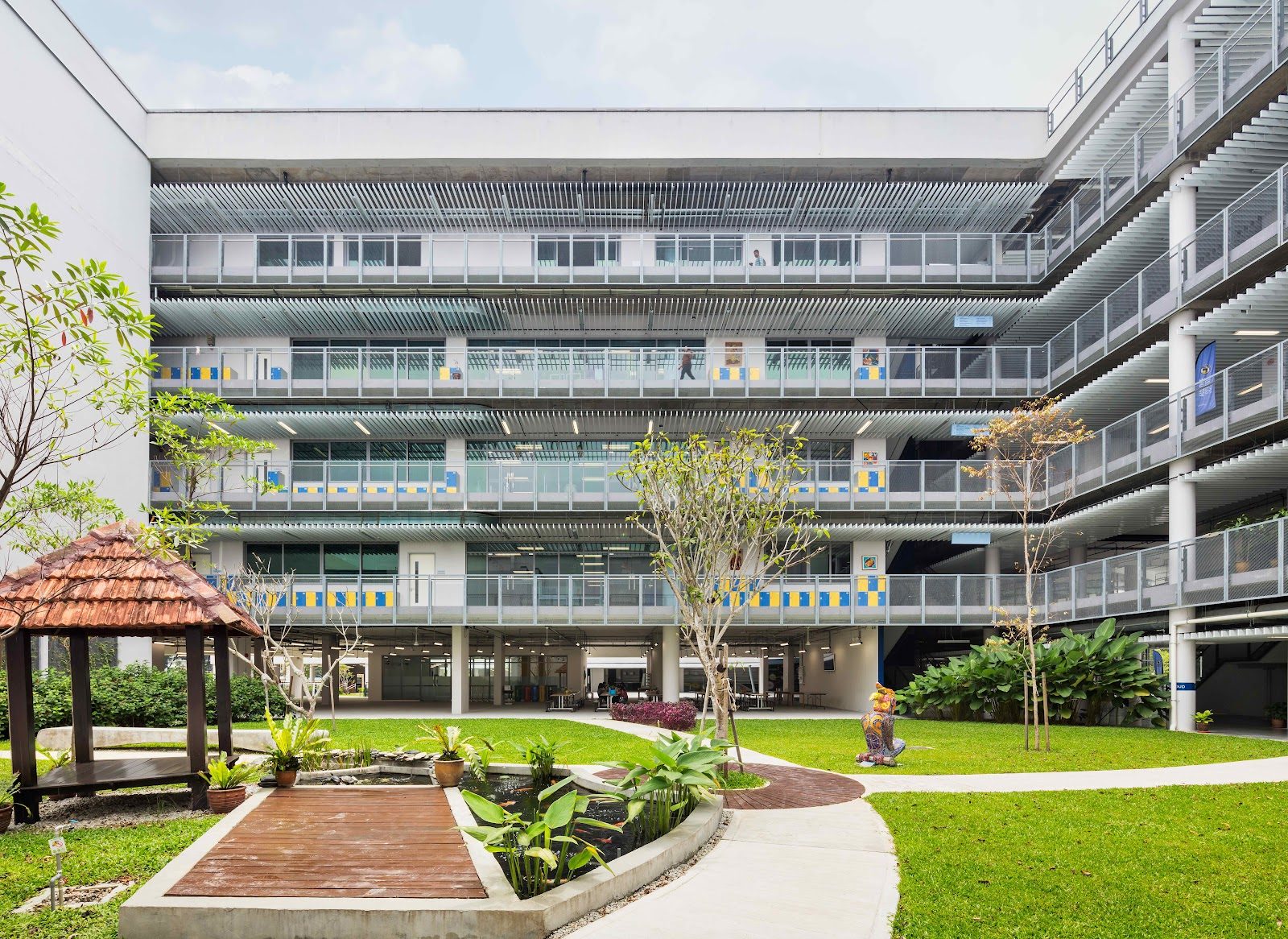
International School of Kuala Lumpur
Kuala Lumpur · Malaysia
Malaysia's longest-running IB World School, pairing a 25-acre Ampang Hilir campus with mandatory Asia-wide service expeditions.

Marlborough College Malaysia
Johor · Malaysia
Wiltshire's first overseas campus pairs British boarding houses with the IB on a 90-acre farm-and-lake site near Singapore.
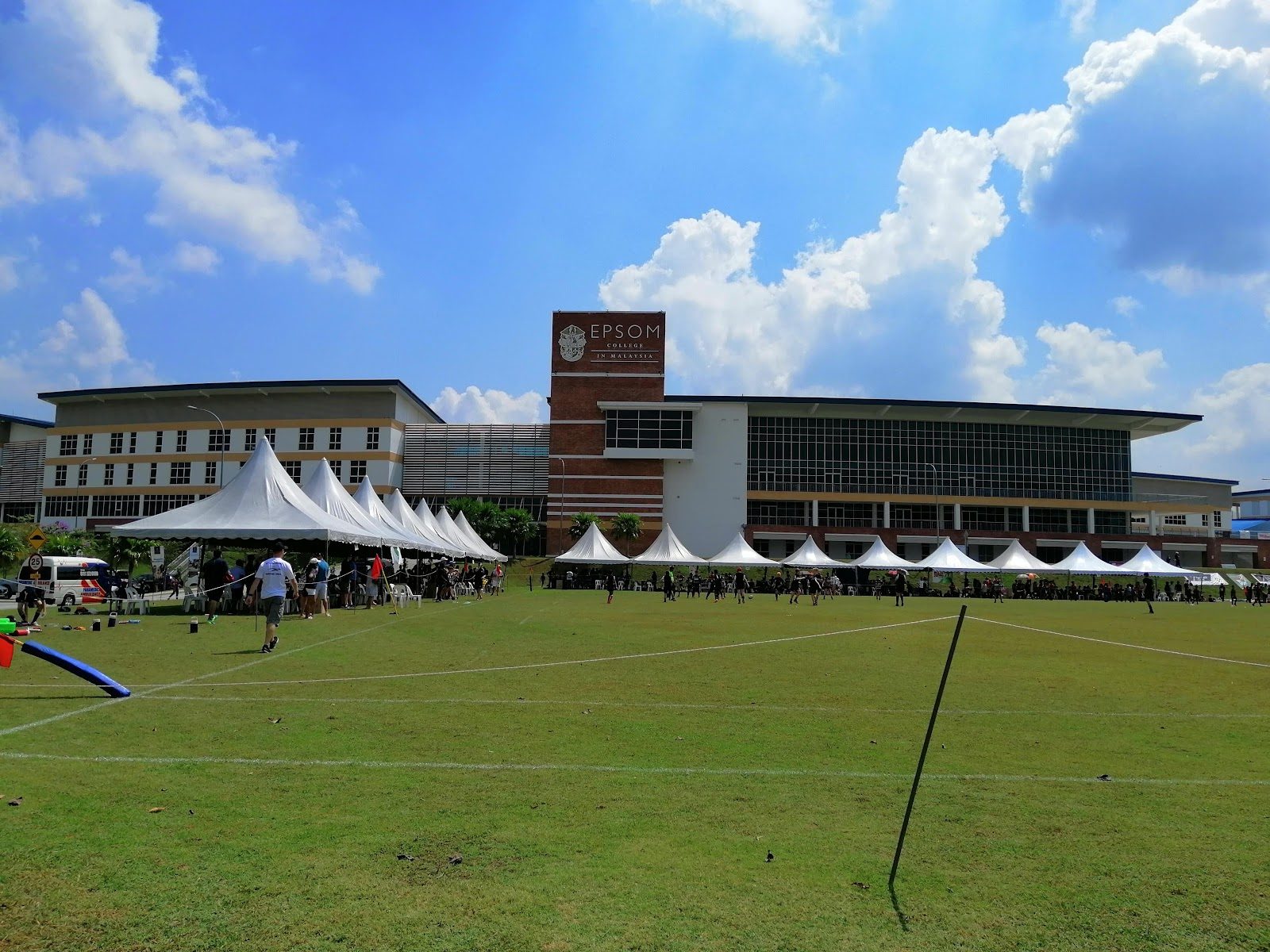
Epsom College in Malaysia
Negeri Sembilan · Malaysia
The lone Asian sister campus of a 170-year-old Surrey boarding school, its British house system anchors a 50-acre Negeri Sembilan estate.

Jumeirah English Speaking School Arabian Ranches
Dubai · United Arab Emirates
A not-for-profit British day school in Arabian Ranches, its IB Diploma average of 37 outpacing the global mean of 30.
Same country and curriculum — closest matches within ±10 points either way