
Johor
Marlborough College Malaysia
medium confidence· 4/6 cats · 3.07 avg sourcesWiltshire's first overseas campus pairs British boarding houses with the IB on a 90-acre farm-and-lake site near Singapore.

Photo © kasim ibrahim via Google Maps
Type
Both
Ages
3–18
Curriculum
British · IB
Ratio
7:1
The Verdict
Editor's commitment
Right for
Families wanting British schooling through 18 with the IB, full boarding, and a 90-acre Johor campus within reach of Singapore.
Wrong for
Parents seeking a cheaper option: average annual fees run to MYR 170,000 day and MYR 207,780 boarding for ages 3–18.
Watch out for
With about 890 pupils across 43 nationalities and a 1:7 staff-pupil ratio, it sells intimacy at a premium; published exam outcomes are absent here.
Ranking breakdown
Marlborough College Malaysia · #313 of 1591
Composite score 73.2. 8 weighted criteria.
By criterion
Academic Outcomes
Weight 20%
#208
of 1529 scored
University Placement
Weight 16%
#41
of 1529 scored
Prestige & Heritage
Weight 12%
#926
of 1529 scored
Alumni Network
Weight 12%
#1250
of 1529 scored
Facilities
Weight 12%
#7
of 1529 scored
Transparency & Communications
Weight 8%
#61
of 1529 scored
Peer & Industry Review
Weight 10%
#255
of 1529 scored
Admissions Selectivity & Demand
Weight 8%
#991
of 1529 scored
Score history
Marlborough College Malaysia · 2026
Movement across 2024–2026. Peer average overlaid.
Overall — 2024–2026
73.2/ 100
▲ +26.3 vs 2025
year on year
Peer & Industry Review
How Marlborough College Malaysia is regarded in the sector
60
Respected · low confidence
Marlborough College Malaysia, as a branch of the historic UK Marlborough College, benefits from association with its prestigious parent brand and is often mentioned in expat education guides and international school directories covering Malaysia/Johor (e.g., Iskandar/EduCity coverage in publications like The Edge Malaysia and expat forums such as ExpatGo). However, independent specialist press coverage (Tatler, Good Schools Guide) specifically evaluating the Malaysia campus is sparse, and it is not consistently featured in top-tier 'best schools in Malaysia' rankings compared to more established international schools in Kuala Lumpur.
Evidence sources
Editors' overview
Marlborough College Malaysia trades on something few Asian campuses can match: a direct sister-school link to Marlborough College in Wiltshire, delivered not as a token branding exercise but as a full British boarding model on a 90-acre site in Johor, within reach of Singapore. Opened in 2012, it takes pupils from ages 3 to 18 and runs both day and boarding provision, with a Pre-Preparatory, Preparatory and Senior School structure that mirrors the UK independent-school habit of dividing childhood into distinct phases. The school says it serves about 890 pupils from 43 nationalities, with a 1:7 staff-to-pupil ratio. That ratio is exceptionally generous by regional standards and goes a long way to explaining the school’s pull with families who want scale without anonymity.
The academic proposition has more range than the old-fashioned house system first implies. This is not a replica of an English public school dropped into Malaysia and frozen in amber. The declared curriculum combines British and IB routes, which matters. Parents get the discipline, structure and co-curricular expectations of a British independent school, but with the international finish and broader academic framing of the IB. English is the language of instruction; the school is non-religious; and it holds IBO accreditation. The boarding offer is central to its identity, not an add-on. For families in Singapore, Indonesia and the wider region, that makes Marlborough a serious cross-border option: full boarding culture, a large campus, and a clearer sense of collegiate life than most city schools can deliver.
Fees place it firmly in the premium bracket. The average annual day fee across the full age range is MYR 170,000, and the average annual boarding fee is MYR 207,780. That is expensive in Malaysia and squarely aimed at internationally mobile families, senior executives and parents comparing it with boarding schools in Singapore, Britain and the wider Asia market rather than with local private schools. Why shortlist it? Because few schools in the region combine a genuine British boarding ethos, broad age range, IB accreditation and a student body this international on one campus. The trade-off is clear as well: this is a high-cost, high-structure school with a distinct institutional identity. Children who thrive here will want organised days, house loyalty, sport and communal life, and enough resilience to enjoy boarding or a boarding-inflected culture. Pupils who want a looser, more urban, more informal day-school atmosphere will find stronger fits elsewhere.
Academic Performance
Marlborough College Malaysia does not publish a consolidated public results set that lets parents benchmark it cleanly against top regional competitors. There is no school-wide run of IB averages, top scores, pass rates, university destinations by cohort, or multi-year trend data in the public domain. That matters. At this fee level, families are entitled to hard outcomes, not just institutional pedigree. The school’s British parentage and high-expectation boarding culture point to an academically serious operation, but absent disclosed results, any claim of elite attainment remains opaque. For parents comparing it with other premium schools in Asia, that lack of published performance data is a real weakness.
Where does that leave it relative to peers? In the upper tier for resourcing, structure and ambition, but not in the first rank for public accountability on results. Schools that publish full IB distributions, headline averages and destination lists make the comparison easy; Marlborough does not. The pupil body of about 890 and the 1:7 staffing ratio indicate capacity for strong academic support and close oversight, which are serious advantages for both high achievers and pupils who need intervention. But capacity is not the same as proof. The school fits parents who value pastoral density, boarding discipline and a heavily curated educational environment; data-driven families who want transparent exam evidence before paying premium fees will find stronger reporting elsewhere.
Facilities
The campus is the school’s clearest competitive advantage. A 90-acre site is rare this close to Singapore, and the scale matters because it gives boarding life room to function properly rather than as an after-hours add-on to a city day school. The farm-and-lake setting points to a campus built around open space, movement and separation from urban distraction. That suits families who want a full-campus childhood: sport, houses, outdoor time and a sense that school is a place to live, not just attend. Against peer schools in Singapore and central Kuala Lumpur, that landholding is a serious differentiator. Many rivals have stronger metropolitan convenience; few match this amount of physical space.
The school’s structure also shapes the facilities story. Separate pre-prep, prep and senior divisions allow age-appropriate use of space, which is more effective than forcing early-years pupils and teenagers into the same institutional rhythm. With roughly 890 pupils on site, the campus has enough scale to support breadth without feeling industrial. That balance is valuable. Some premium boarding schools in the region have grand campuses but thin daily life; others have busy, efficient facilities with no real sense of place. Marlborough sits in the middle: well-resourced, boarding-led and deliberately self-contained. The weakness is one of disclosure. The school does not publish a detailed public inventory of specialist spaces, so parents do not get the same line-by-line visibility on theatres, labs or elite sports provision that some competitors provide.
Marlborough College Malaysia does not publish a consolidated public results set that lets parents benchmark it cleanly against top regional competitors
Prestige
Prestige here rests first on borrowed authority, and in this case the borrowing is legitimate. A direct sister-school link to Marlborough College in Wiltshire carries weight with internationally mobile families who know the British independent sector and want its manners, houses and expectations transplanted into Asia without a franchise feel. That gives the Malaysia campus instant name recognition and a social cachet that many newer international schools spend decades trying to build. The pupil mix adds to that standing: around 43 nationalities in one school creates a genuinely international peer group, which matters for families buying not just teaching but network, polish and cultural fluency. The teaching profile strengthens the point: the school states that most teachers have experience either at Marlborough in the UK or at other British independent schools. That is serious pedigree, not decorative branding.
Still, prestige here is stronger on identity and association than on publicly evidenced academic supremacy. The school has clear advantages in staffing depth and adult attention, with a 1:7 ratio that signals elite resourcing and close management of both scholarship and pastoral life. Yet prestige at the top end also depends on visible results, and this school does not publish the kind of consolidated outcomes data that would settle the question. So the rating lands in the upper tier: highly regarded, expensive, socially attractive, and institutionally distinctive, but not beyond scrutiny. Parents are buying a recognised name and a full-blooded boarding culture; they are not getting complete public proof of academic dominance.
What sets Marlborough College Malaysia apart is not just the inherited name but the transfer of an entire school culture
Communications
Parent communication sits under pressure in a school built around houses, day pupils, boarding routines and cross-border families. That makes clarity non-negotiable. Marlborough has one obvious advantage: scale that stays human-sized. In a community of about 890 pupils, with adult coverage far denser than the market norm, parents can expect communication channels that do not collapse into ticketing systems and generic circulars. The school’s British independent-school inheritance also points to a high-control, high-contact model: tutors, house staff and divisional leadership all create natural reporting lines. For families who want quick escalation, named adults and a sense that someone knows their child well, that is a material strength.
The limitation is transparency to outsiders. The school does not publish the kind of rich public-facing information architecture that signals exceptional communication discipline before enrolment: detailed academic reporting frameworks, broad outcomes data and granular breakdowns of school life remain thin in the public domain. That does not mean parents inside the school are poorly informed; it means prospective families get a selective view rather than a fully documented one. The international mix — 43 nationalities — raises the bar further, because communication has to work across different expectations of school responsiveness, pastoral reporting and academic candour. Marlborough’s structure gives it the tools to do this well. Its public disclosure still feels guarded where the best-run premium schools are more forensic and more complete.
Uniqueness
What sets Marlborough College Malaysia apart is not just the inherited name but the transfer of an entire school culture. Many overseas campuses borrow a crest and a few traditions; this one imports the British house-and-boarding framework with real conviction, then places it on a large rural campus within easy reach of Singapore. That combination is uncommon in the region. Parents get a school with the social architecture of an English boarding institution rather than an international day school with dorms attached at the edges. The result for pupils is a more immersive, more supervised and more communal education: shared routines, stronger inter-year bonds, and a daily life shaped as much by houses, sport and collective expectations as by classroom timetables. For the right child, that builds confidence, stamina and social fluency fast.
The other distinguishing feature is the balance between intimacy and international range. With about 890 pupils drawn from 43 nationalities, the school is large enough to give children a broad peer group but contained enough to avoid the anonymous sprawl of some big international schools. The staffing profile matters too: teachers with experience from Marlborough in the UK and other British independent schools give the place a distinct institutional accent that parents will either value or reject. That clarity is a strength. Pupils who thrive on structure, tradition and a boarding-shaped adolescence get a coherent environment. Pupils who want looseness, urban energy and lighter-touch adult oversight will not.
That ratio is exceptionally generous by regional standards and goes a long way to explaining the school’s pull with families who want scale without anonymity
Student Profile
This is a school for children who can live comfortably inside a structured social world. The British house culture is not decorative; it shapes friendships, routines, expectations and status. Pupils who enjoy team sport, organised activity, communal rituals and close adult oversight fit well. So do children who like clear rules and know how to handle a busy, supervised day without constant negotiation. The international intake — 43 nationalities in a school of about 890 — gives families a peer group with range, but not the loose, transient atmosphere found in some larger expat schools. There is a polished, boarding-inflected tone to daily life, even for day pupils. Children who want independence without much institutional choreography will chafe.
Socially, the fit is strongest for families comfortable with an expensive, high-expectation environment where polish, resilience and participation carry weight. The low adult-to-pupil ratio — 1:7 — points to close attention, which helps pupils who like being known well and monitored properly. That can be excellent for confidence and pastoral containment; it can also feel intense for teenagers who prefer anonymity or a lighter adult touch. The sweet spot is the child who is bright, energetic, socially game and willing to join in rather than stand apart. Reserved pupils can still do well here, but they need enough robustness to manage a community that prizes visibility, contribution and house loyalty. Not for the faint-hearted, then, but strong for children who grow through structure and collective life.
There is no school-wide run of IB averages, top scores, pass rates, university destinations by cohort, or multi-year trend data in the public domain
Co-curricular strengths
Arts & sport, on a separate axis
Overall 8.96/10
Scored 0-10 from the school's own published evidence. This axis is editorial-only — it does not feed the main WTS ranking.
Sports
9.3/10
Multiple pitches, a 25-metre swimming pool, tennis courts, a sports hall, substantial outdoor space, and listed sports including football, rugby, netball, tennis, swimming and sailing, evidencing both dedicated facilities and broad structured provision.
Drama
9/10
Drama is explicitly listed in extracurriculars and dedicated drama areas, which clears the threshold for a dedicated named facility/space.
Dance
8.5/10
Music
9/10
The school lists choir and orchestra and dedicated music areas, showing both named ensembles and dedicated specialist space.
Visual Arts
9/10
Dedicated art and design areas, which is sufficient evidence of dedicated specialist provision in visual arts.
Editor first-pass · editor-reviewable · 7/27/2026
British Schools Overseas · Official inspection
BSO inspection · 2022
Inspectorate
ISI (BSO)
Inspected under the UK Department for Education's British Schools Overseas (BSO) scheme against the Independent School Standards.
Latest report
14 October 2022
Standard Inspection
Read it in full
Provider pageVerified · ISI (BSO)Source-of-truth
Strengths
- +As the first overseas campus of the renowned Marlborough College UK, the school delivers an education based on the English National Curriculum, culminating in IGCSEs and the International Baccalaureate (IB) Diploma Programme in the Sixth Form.
- +The IB world average (mean) for 2025 was 30.6 out of a maximum of 45 points, while of the 78 IB Diploma candidates at MCM, one in five students achieved an IB score of over 40 points, more than twice the global average of one in 12 pupils.
- +The 90-acre campus in Iskandar Puteri, Johor, features facilities including science laboratories, a theatre, music studios, an organic farm, lakeside classrooms, and multiple sports fields, plus a 400m athletics track, full size rugby and football pitches, cricket ground, full-size hockey astro, covered tennis courts, and a 50m swimming pool.
- +MCM received the Patron's Accreditation by the Council of British International Schools (COBIS), an accredited member of the Boarding Schools' Association (BSA), a member of the Federation of British International Schools in Asia (FOBISIA).
- +Boarding starts from Year 5 in the Preparatory School and is available through Senior School and Sixth Form, giving relocating families a full boarding pathway alongside day options.
Considerations
- −At the higher end for a Malaysian international school, but parents tell us that fees are as expected and comparative to similar standard of schools in Singapore, with senior fees running well above RM 150,000 a year.
- −SEN provision is capped: limited capacity but can support mild to moderate needs, so children with more significant learning needs may not be well served.
- −MCM Pre-Prep (Nursery through Year 3, ages 3 to 8) is day-only. Boarding starts from Year 5, so families wanting boarding for younger children cannot access it immediately on arrival.
- −MCM is on Jalan Marlborough, Iskandar Puteri, 79200 Johor, approximately 20 km from the Singapore border, putting it well outside Kuala Lumpur and limiting options for families anchored in the capital.
Availability
Primary entry gate & tests
Academic Record + Interview
Gallery
Photo © nizampower hanaz via Google Maps
Photo © AmadMemory via Google Maps
Photo © Peng Hong ONG via Google Maps
Photo © Marlborough College Malaysia via Google Maps
Photo © Marlborough College Malaysia via Google Maps
Photo © Marlborough College Malaysia via Google Maps
Photo © Marlborough College Malaysia via Google Maps
Photo © Marlborough College Malaysia via Google Maps
Photo © Marlborough College Malaysia via Google Maps
Parent reviews
Have you sent your child here?
Voice reviews carry the strongest trust badge — we transcribe them for you to tidy up before they go live. Prefer to type? A written review is fine too.
Add your voice
In 60 seconds, tell other parents: what's the best thing about Marlborough College Malaysia, and what surprised you when your child joined?
We ask for a Google sign-in so every review has a real face behind it — no anonymous drive-by attacks on schools, and no faked positive reviews. Your email is never shown publicly.
Send this profile to a friend
International parents rely on word-of-mouth. Share this review with someone weighing the same decision.
Schools with places
Similar schools to Marlborough College Malaysia with places available now.
Garden International School
Kuala Lumpur · Malaysia
- 2026-27
- WAITPOOLSpace-dependent
- 2027-28
- PLACES OPENRolling
Kolej Tuanku Ja'afar
Mantin · Malaysia
- 2026-27
- WAITPOOLSpace-dependent
- 2027-28
- PLACES OPENRolling
Alice Smith School
Kuala Lumpur · Malaysia
- 2026-27
- WAITPOOLSpace-dependent
- 2027-28
- PLACES OPENRolling
International School of Kuala Lumpur
Kuala Lumpur · Malaysia
- 2026-27
- WAITPOOLSpace-dependent
- 2027-28
- PLACES OPENRolling
Availability first, then country, area, curriculum, price, co-curricular
Consider also
Also worth looking at alongside Marlborough College Malaysia.
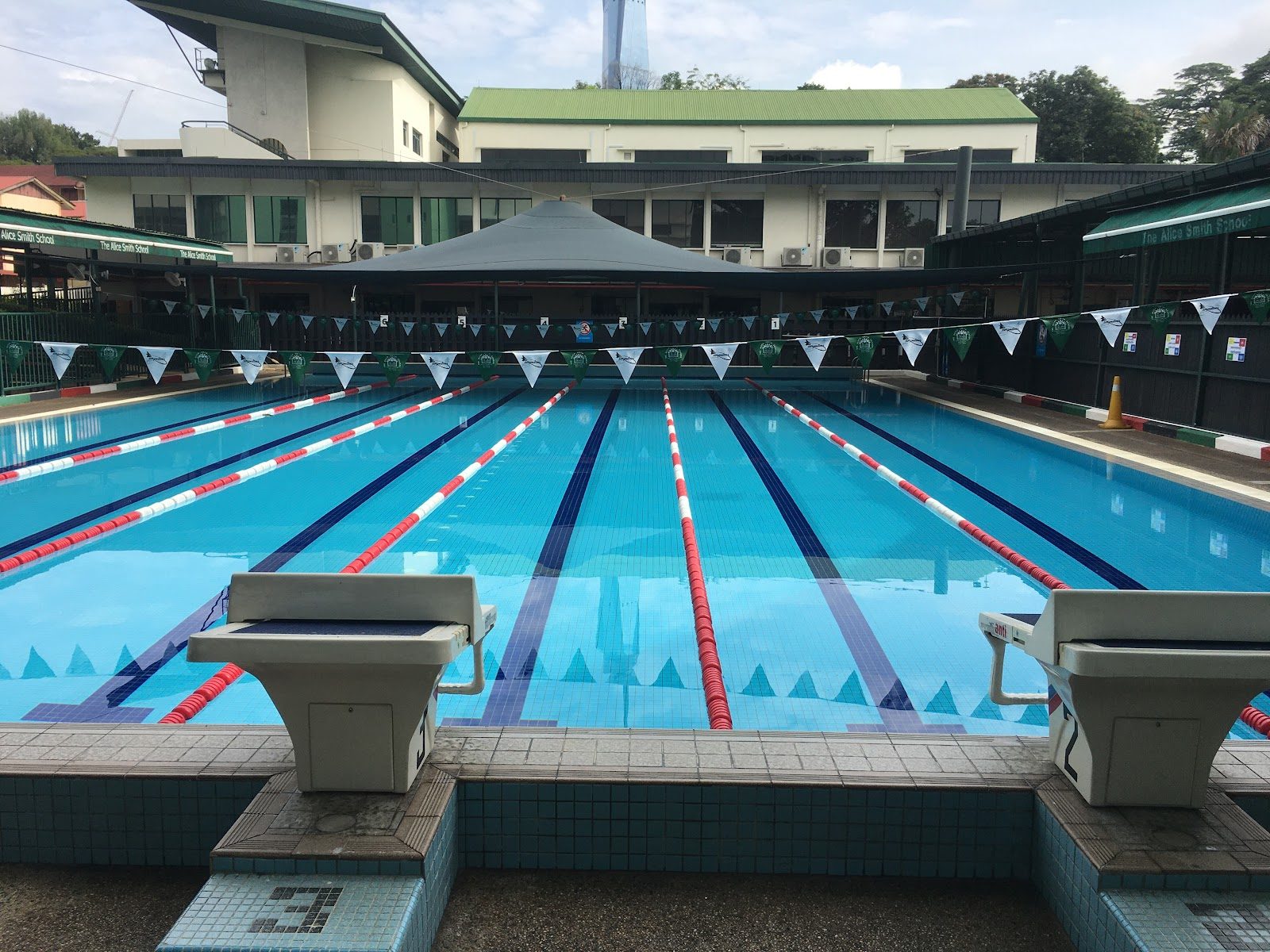
Alice Smith School
Kuala Lumpur · Malaysia
Malaysia's first British international school, still run not-for-profit, pairs A-Level rigour with an IAAF-certified running track.
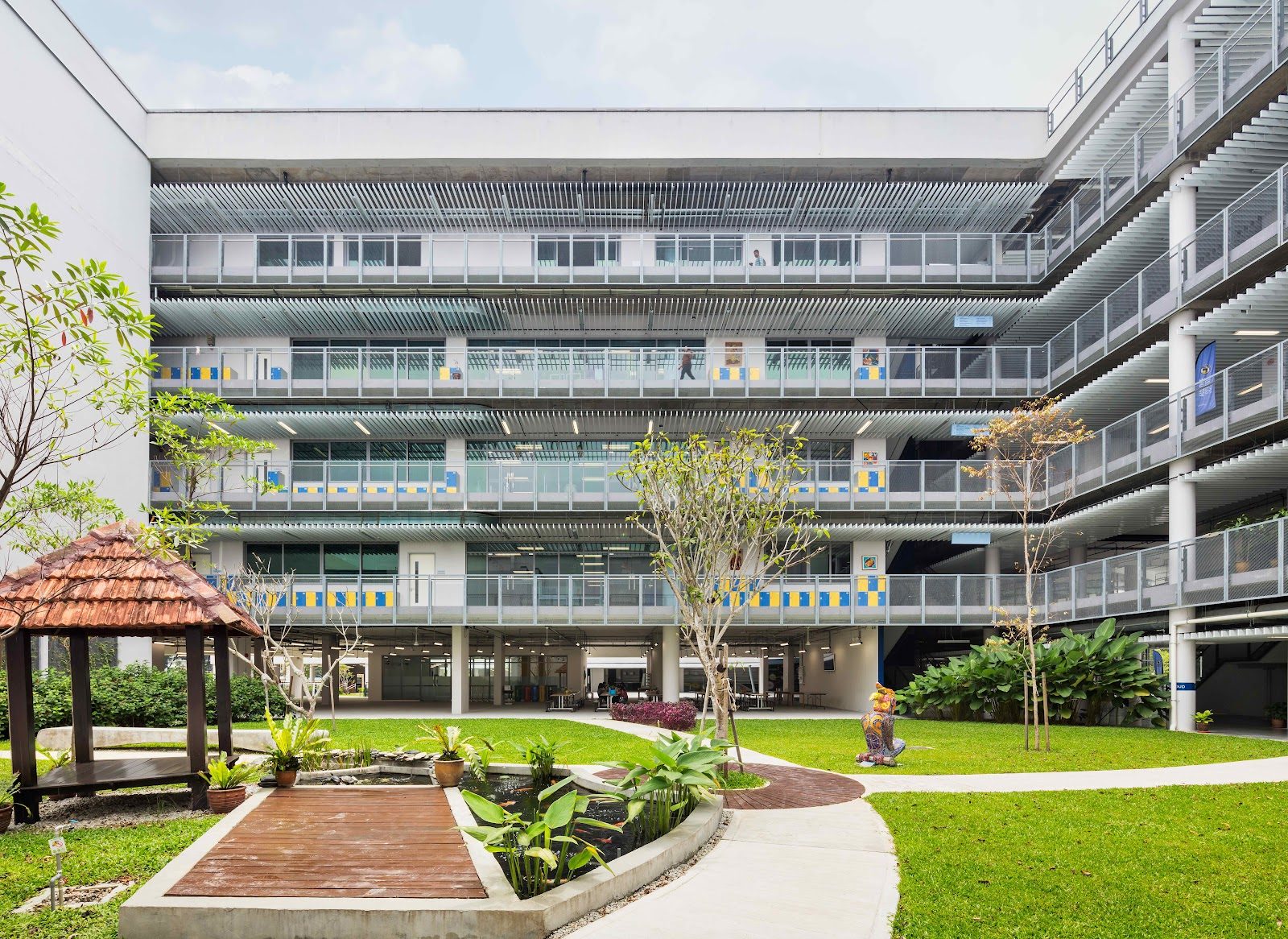
International School of Kuala Lumpur
Kuala Lumpur · Malaysia
Malaysia's longest-running IB World School, pairing a 25-acre Ampang Hilir campus with mandatory Asia-wide service expeditions.
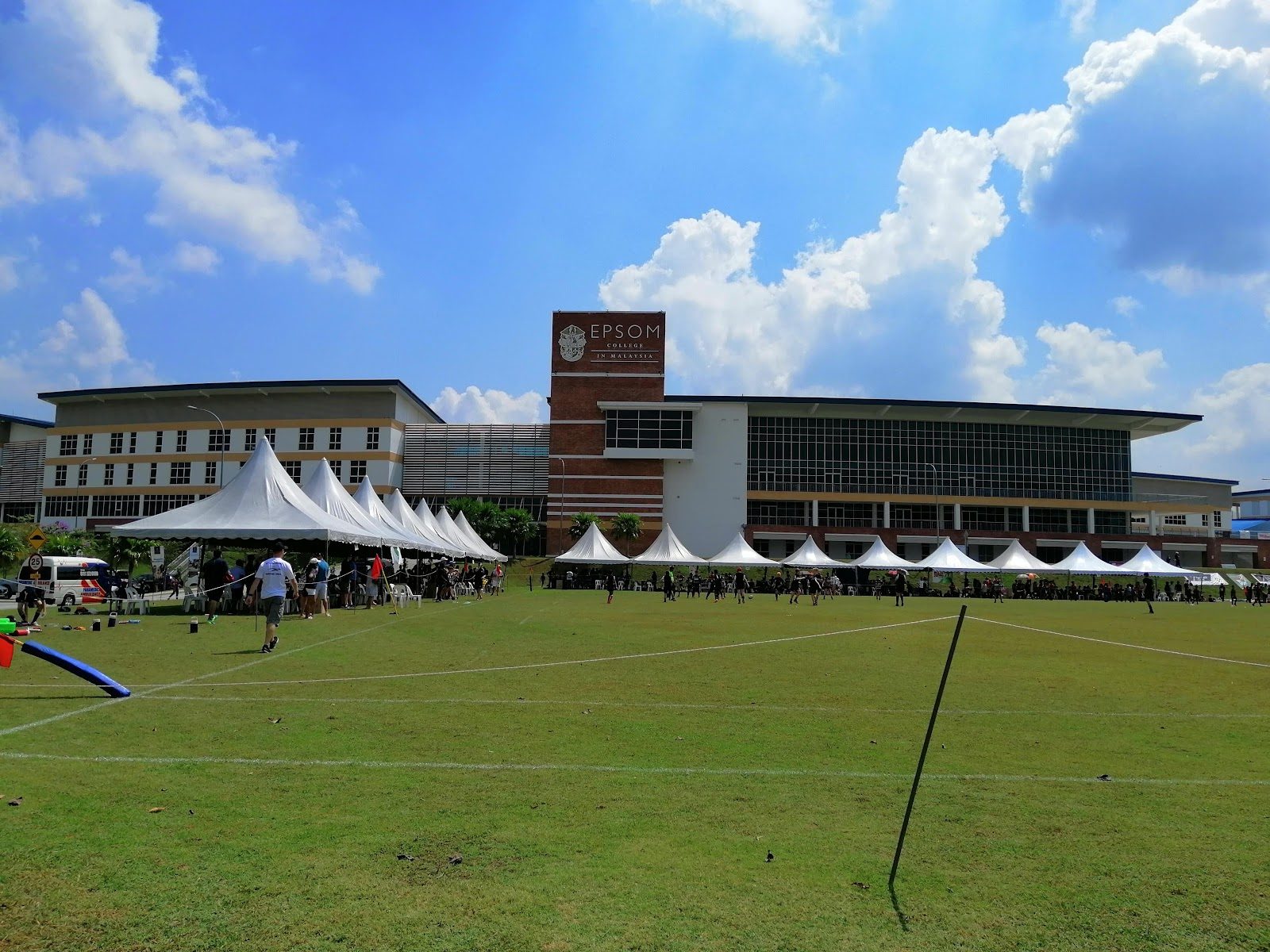
Epsom College in Malaysia
Negeri Sembilan · Malaysia
The lone Asian sister campus of a 170-year-old Surrey boarding school, its British house system anchors a 50-acre Negeri Sembilan estate.
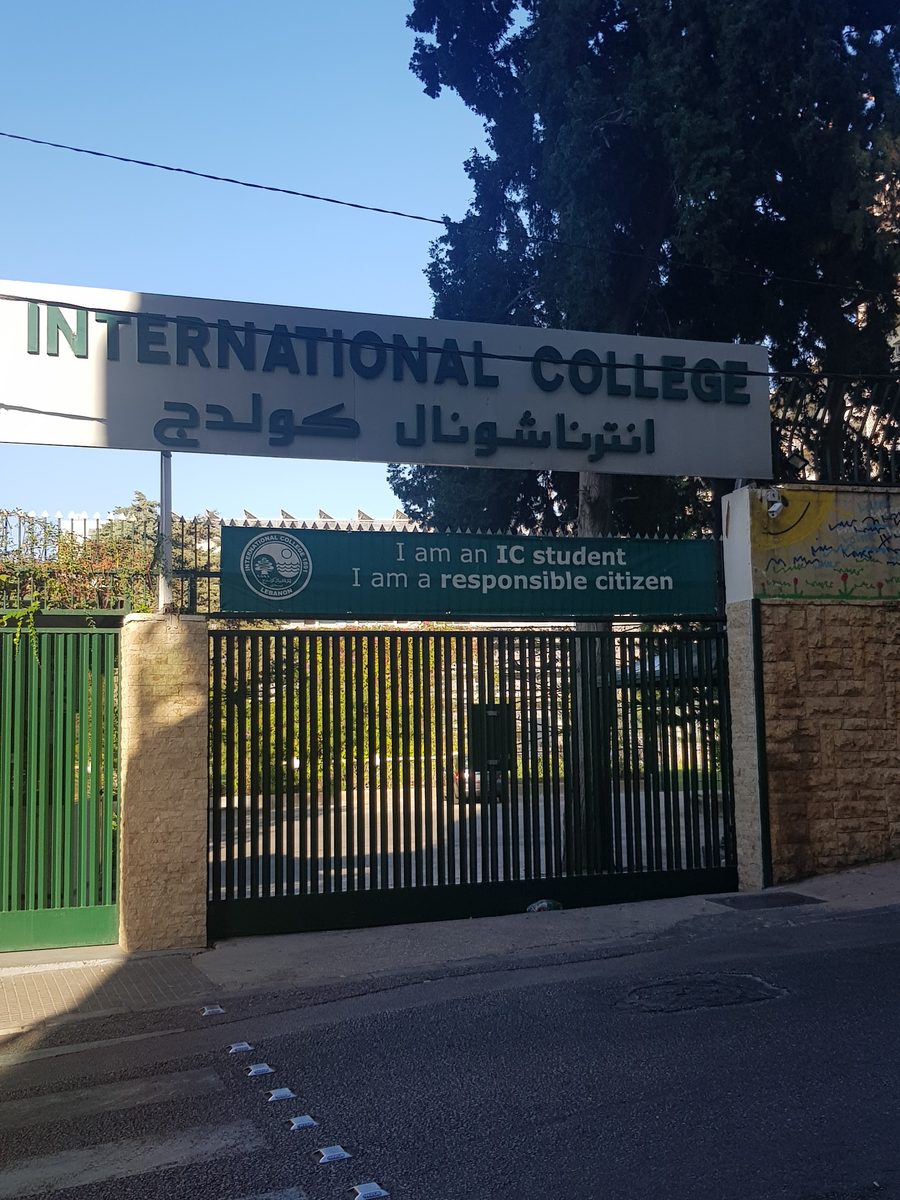
International College Beirut
Beirut · Lebanon
Tracing its roots to 1891 Smyrna, this Beirut day school pairs AUB-adjacent tradition with trilingual American and IB tracks.
Same country and curriculum — closest matches within ±10 points either way