
Singapore
Canadian International School (Singapore)
low confidence· 6/6 cats · 0 avg sourcesFull IB continuum across two campuses, where Chinese and French immersion pathways send a fifth of graduates to a Bilingual Diploma
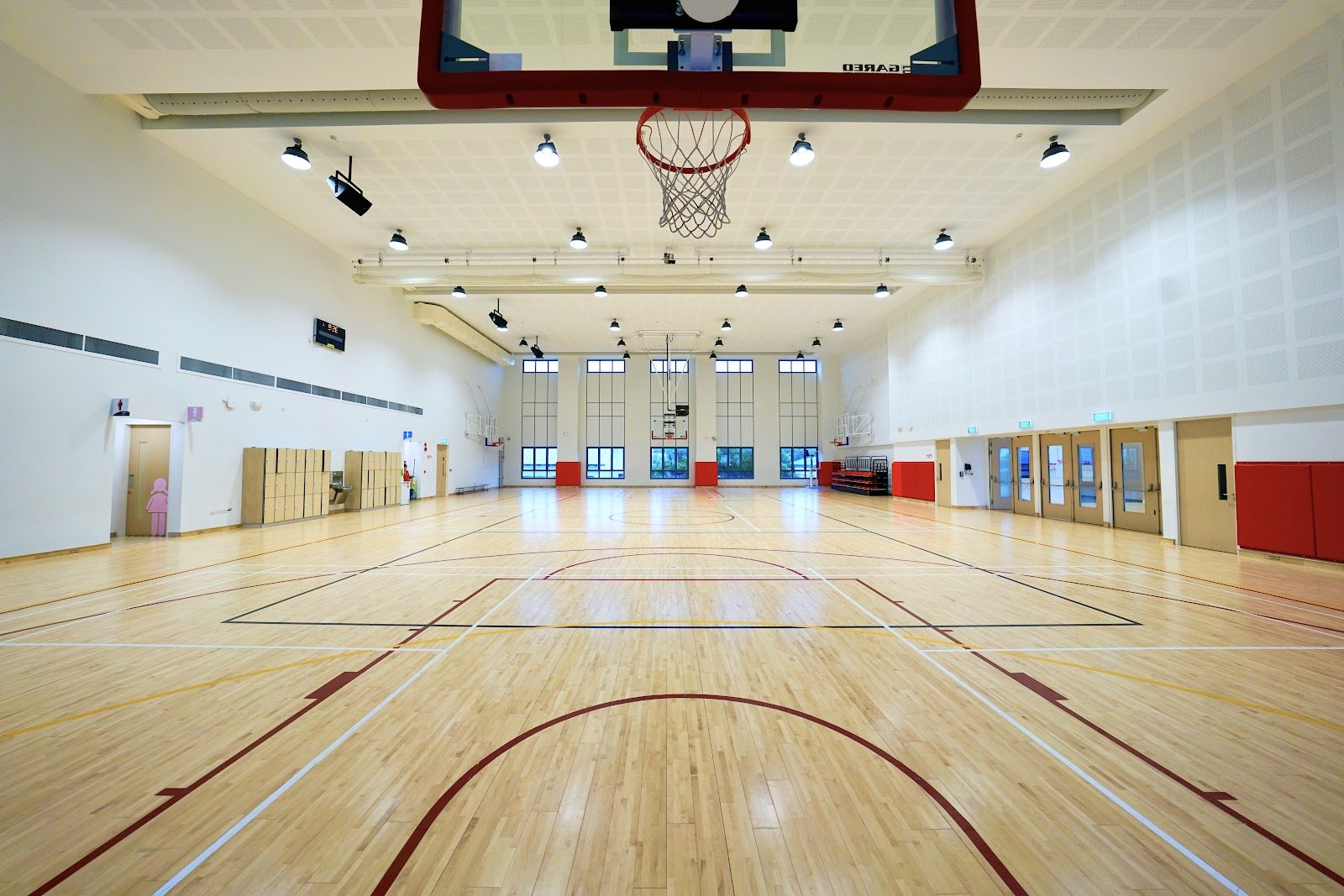
Photo © Canadian International School via Google Maps
Type
Day
Ages
3–18
Curriculum
IB (PYP, MYP, Diploma)
Ratio
—
The Verdict
Editor's commitment
Right for
Families who want one 3–18 day school in Singapore with the full IB continuum and serious bilingual ambition, including the Bilingual Diploma.
Wrong for
Parents who want a traditional, teacher-led school; CIS states inquiry drives learning, and its English-medium model still pushes Chinese or French immersion.
Watch out for
Founded in 1990, CIS sells future-readiness hard; what it does not publish here is the hard proof—aggregate Diploma scores or destinations.
Ranking breakdown
Canadian International School (Singapore) · #954 of 1591
Composite score 61.4. 8 weighted criteria.
By criterion
Academic Outcomes
Weight 20%
#1052
of 1533 scored
University Placement
Weight 16%
#1057
of 1529 scored
Prestige & Heritage
Weight 12%
#1102
of 1580 scored
Alumni Network
Weight 12%
#681
of 1530 scored
Facilities
Weight 12%
#1000
of 1540 scored
Transparency & Communications
Weight 8%
#1043
of 1547 scored
Peer & Industry Review
Weight 10%
#1002
of 1564 scored
Admissions Selectivity & Demand
Weight 8%
#759
of 1529 scored
Peer & Industry Review
How Canadian International School (Singapore) is regarded in the sector
68
Respected · high confidence
Canadian International School (CIS) is a well-established fixture in Singapore's crowded international school market, consistently featured in WhichSchoolAdvisor's Best Schools coverage and its annual Top 10 Singapore guide. The publisher's reviewers note CIS is one of the few schools in Singapore to offer all three IB programmes from start to finish – PYP, MYP, and DP – without switching to IGCSEs in the middle, and it has picked up recognition including the 2022 Best Bilingual Programme award and a 2024 Highly Commended nod, alongside earlier Best Post-16 and Best UK Pathway wins on its former campuses. The Good Schools Guide's independent verdict is respectful rather than superlative, describing it as a grown-up international school which holds its place well as one of Singapore's established IB world schools, with a strong community spirit and family-friendly vibe. This is a solid, credible regional player rather than a top-tier, must-benchmark name, with parent-survey ratings on WhichSchoolAdvisor sitting in the middle of the pack.
Editors' overview
What distinguishes Canadian International School in Singapore is not the fact that it offers the full IB continuum, but how it structures that offer. This is a 3–18 day school, founded in 1990, with English as the language of instruction and a non-religious footing. The real point of difference sits in its bilingual architecture: Chinese and French immersion are built into the model rather than bolted on as enrichment, and that gives the school a sharper identity than the generic “full IB” label many international schools trade on. For families who want serious bilingual development without stepping outside an English-medium education, CIS earns a place on the shortlist. A fifth of graduates taking the Bilingual Diploma is not a decorative statistic; it signals a school where language learning has operational weight.
The school’s own language around inquiry, reflection, goal-setting and student ownership is standard IB vocabulary, but in this case it aligns with a coherent proposition. CIS is selling an education built around connection — across ideas, cultures and disciplines — and the immersion pathways give that claim substance. Parents looking for a genuinely international peer group and an academically coherent all-through IB route will find a clearer through-line here than at schools that mix curricula or treat languages as a secondary add-on. The dual-campus set-up also matters: it points to scale and specialisation, not a boutique environment. Families who want a small, intimate school experience should look elsewhere.
The pupil who fits CIS best is intellectually flexible, comfortable with inquiry-led classrooms, and ready to participate rather than sit back and wait for direction. This school suits children who thrive in discussion, reflection and project-based learning, and it suits families who value language acquisition enough to commit to it for years, not months. It is a strong option for globally mobile households who want continuity from the early years to the Diploma, and for parents who want their child’s internationalism to be more than a slogan. It is less convincing for families seeking a hard-edged exam factory, a traditional national system, or a highly conservative school culture. CIS has a distinct lane in Singapore: a substantial all-through IB school with immersion at its core, and that is a serious proposition.
Academic Performance
CIS does not publish aggregate Diploma results in the public domain here, and that matters. For a large all-through IB school in a competitive market, outcome transparency is part of the academic proposition, not an optional extra. Without a recent average point score, subject distribution, or top-end score profile, parents cannot place CIS with precision against Singapore’s results-driven IB heavyweights. That lack of disclosure pulls it out of the top tier of academically transparent schools, whatever the underlying outcomes may be. The one hard attainment signal already on the table is the share of graduates leaving with the Bilingual Diploma: one fifth. That is a serious academic marker, not a branding flourish, because it requires sustained strength across languages rather than casual participation.
Relative to peers, CIS reads less like an exam-factory and more like a broad, linguistically ambitious IB school where academic success includes depth in language acquisition and continuity across the full programme. That can produce strong Diploma outcomes, but parents should not confuse curricular coherence with proven score dominance. In Singapore, the schools that lead the conversation on external results publish the numbers and let them stand scrutiny. CIS has chosen not to do that here. The academic picture, then, is credible but opaque: enough to indicate substance, not enough to verify elite examination performance.
Facilities
CIS’s facilities read as those of a large-scale international school rather than a polished boutique campus. The school foregrounds a broad co-curricular infrastructure in sport, arts and STEAM, and that breadth matters more than any single showpiece building. Parents choosing CIS are buying access to range: spaces that support making, performing, training and project work across a long age span, not a campus built around one prestige department. The virtual-tour push also signals a school confident enough in its physical plant to put it under scrutiny. Against Singapore peers, that places CIS in the serious mainstream of well-resourced all-through internationals: stronger than schools with tighter urban footprints, less singular than campuses built around one headline-grabbing theatre, aquatic complex or elite sports programme.
The more distinctive point is scale of community use. With students from 60+ nationalities and an all-through structure, facilities here serve a heavy, continuous flow of academic and co-curricular life rather than selective access for a small senior cohort. That has advantages and trade-offs. It creates a lively, high-traffic environment with real breadth of opportunity, but families after hushed exclusivity or vast open acreage will not find it here. This is Singapore, where land is tight and comparison schools compete aggressively on specialist spaces; CIS holds its own through coverage and functionality, not fantasy-campus excess. That is a credible, practical facilities proposition, and for many families it is enough.
That lack of disclosure pulls it out of the top tier of academically transparent schools, whatever the underlying outcomes may be
Prestige
CIS carries real market standing in Singapore, but not the kind built on inherited British-brand cachet or headline-grabbing exam statistics. Its prestige rests on institutional scale, longevity, and a proposition that parents can identify quickly: a substantial international school with a stable identity, a serious bilingual core, and a student body drawn from 60+ nationalities. That matters in a city crowded with international schools that sell cosmopolitanism in generic terms. CIS has a clearer signature than that. The immersion pathways, and the fact that a significant share of graduates leaves with a bilingual award, give the school earned distinction rather than surface gloss. For internationally minded families who value linguistic depth and a broad peer mix, that carries status.
This is not the old-money pinnacle of Singapore’s international-school hierarchy, and it does not command prestige through public academic dominance. The missing aggregate Diploma data limits its standing among parents who equate status with published outcomes and selective scarcity. Nor does CIS trade on exclusivity; it is a large operation, not a rarefied enclave. Its reputation sits in the upper tier of well-known, well-established international schools: respected, visible, and credible, but not untouchable. In practical terms, a CIS education signals a family that values international breadth, continuity, and bilingual ambition more than social theatre or brute-score bragging.
What distinguishes Canadian International School in Singapore is not the fact that it offers the full IB continuum, but how it structures that offer
Communications
CIS communicates like a large, organised international school that expects frequent parent touchpoints and has built the machinery for them. The public-facing side is clear enough: prominent routes to enquire, book a tour and apply; a parent handbook in plain view; direct contact details; a virtual tour; and a password-gated My.CIS platform that signals a proper internal communications spine rather than ad hoc email traffic. That matters at a school serving children across a very wide age range. Parents need structure, not charm, and CIS offers a functional, well-routed system with the basics in the right places. The school also makes its values and educational language impossible to miss. That gives families a *strong sense of institutional message discipline*, even if parts of the prose drift into generic future-of-learning rhetoric.
Effectiveness, then, rests less on warmth than on consistency and access. The site projects a school that wants parents to know where to click, whom to contact and how the school thinks. For many families, that is enough. The weakness is distinct: the communication style is slick but controlled. It tells parents a great deal about mission, culture and journey, and less than it should about hard outcomes and operational specifics. When a school communicates confidently about philosophy but withholds aggregate performance data, parents notice. So the verdict here is competent rather than intimate: strong on structure, polished in presentation, weaker on the kind of disclosure that builds full trust with hard-nosed international families.
Uniqueness
What makes CIS distinct is that bilingualism sits inside the school’s operating model, not on the edge of it. Many international schools offer extra language lessons; CIS has built immersion pathways that shape daily learning over time, and the payoff is measurable in the share of leavers who secure the Bilingual Diploma. That gives the school a clearer identity than the standard all-through international option. It also gives students something more durable than conversational competence: sustained literacy, academic stamina across languages, and the habit of switching between cultural frames without treating that as a special event. In a market full of schools selling “global citizenship”, CIS turns that phrase into a working academic structure. The breadth of the community — more than 60 nationalities — reinforces that by making cross-cultural interaction part of ordinary school life rather than a poster slogan.
The other point of difference is scale married to continuity. CIS educates children from the early years to university entry inside one educational philosophy, and that matters for students who benefit from a coherent long game rather than repeated institutional resets. The school’s language of inquiry, reflection and action is familiar, but here it connects to immersion, service and a broad co-curricular life in a way that feels structural rather than cosmetic. For the right child, that produces confidence, independence and intellectual range. For the wrong one, it can feel demanding and diffuse. CIS is at its best with students who are ready to engage, participate and persist.
This is a 3–18 day school, founded in 1990, with English as the language of instruction and a non-religious footing
Student Profile
The right student for CIS is curious, verbally agile and comfortable learning in a community that asks children to participate, reflect and take some ownership of the day. This is a good fit for pupils who enjoy discussing ideas, working across subjects and engaging with classmates from different backgrounds as a normal part of school life. In a community spanning 60+ nationalities, the social fabric rewards openness, adaptability and a degree of confidence in navigating difference. Children who flourish here tend to have a global outlook without needing constant hand-holding. Those who want rigid routines, tightly prescribed learning and a narrow definition of success will find the culture less satisfying.
The strongest fit is a family prepared to commit to the school’s bilingual pathways with seriousness. Students who do well here are not dabblers; they are willing to sustain effort over years and treat language learning as part of their intellectual identity, not an add-on. That matters because the school’s most distinctive academic signal rests in that long-term linguistic ambition, culminating for a meaningful share of leavers in the Bilingual Diploma — one fifth of graduates. Socially, this suits children who are outward-facing, resilient and ready for a busy, high-participation environment. It is less suited to the withdrawn child who wants anonymity, or the single-track high scorer looking for a school organised around public exam swagger alone.
For families who want serious bilingual development without stepping outside an English-medium education, CIS earns a place on the shortlist
Co-curricular strengths
Arts & sport, on a separate axis
Overall 8.54/10
Scored 0-10 from the school's own published evidence. This axis is editorial-only — it does not feed the main WTS ranking.
Sports
8.8/10
Drama
8.5/10
Dance
8.2/10
Music
8.6/10
Visual Arts
8.6/10
Strengths
- +Full IB pathway: PYP, MYP and Diploma.
- +English-medium teaching suits mobile international families.
- +10:1 student-teacher ratio allows more individual attention.
- +Serves ages 3–18 for one-campus continuity.
Considerations
- −Day school only; no boarding option.
- −IB-only curriculum limits non-IB alternatives.
- −Average class size of 20 won't suit everyone.
Availability
Primary entry gate & tests
Application + records / assessment
Gallery
Photo © Mofassel Uddin Ahmed via Google Maps
Photo © Aung Pyae Phyo via Google Maps
Photo © Canadian International School via Google Maps
Photo © Canadian International School via Google Maps
Photo © Canadian International School via Google Maps
Photo © Canadian International School via Google Maps
Photo © Canadian International School via Google Maps
Photo © Canadian International School via Google Maps
Photo © Canadian International School via Google Maps
Parent reviews
Have you sent your child here?
Voice reviews carry the strongest trust badge — we transcribe them for you to tidy up before they go live. Prefer to type? A written review is fine too.
Add your voice
In 60 seconds, tell other parents: what's the best thing about Canadian International School (Singapore), and what surprised you when your child joined?
We ask for a Google sign-in so every review has a real face behind it — no anonymous drive-by attacks on schools, and no faked positive reviews. Your email is never shown publicly.
Send this profile to a friend
International parents rely on word-of-mouth. Share this review with someone weighing the same decision.
Schools with places
Similar schools to Canadian International School (Singapore) with places available now.
Overseas Family School
Singapore · Singapore
- 2026-27
- WAITPOOLSpace-dependent
- 2027-28
- PLACES OPENRolling
Singapore American School
Singapore · Singapore
- 2026-27
- WAITPOOLGrade-specific / Waitpools
- 2027-28
- PLACES OPENRolling
Tanglin Trust School
Singapore · Singapore
- 2026-27
- CLOSEDNo late apps
- 2027-28
- PLACES OPEN
United World College of South East Asia
Singapore · Singapore
- 2026-27
- CLOSEDStandard route
- 2027-28
- OPENS SOONOpens 1 Sept '26 (Closes 2 Nov)
Availability first, then country, area, curriculum, price, co-curricular
Consider also
Also worth looking at alongside Canadian International School (Singapore).
Chatsworth International School
Singapore · Singapore
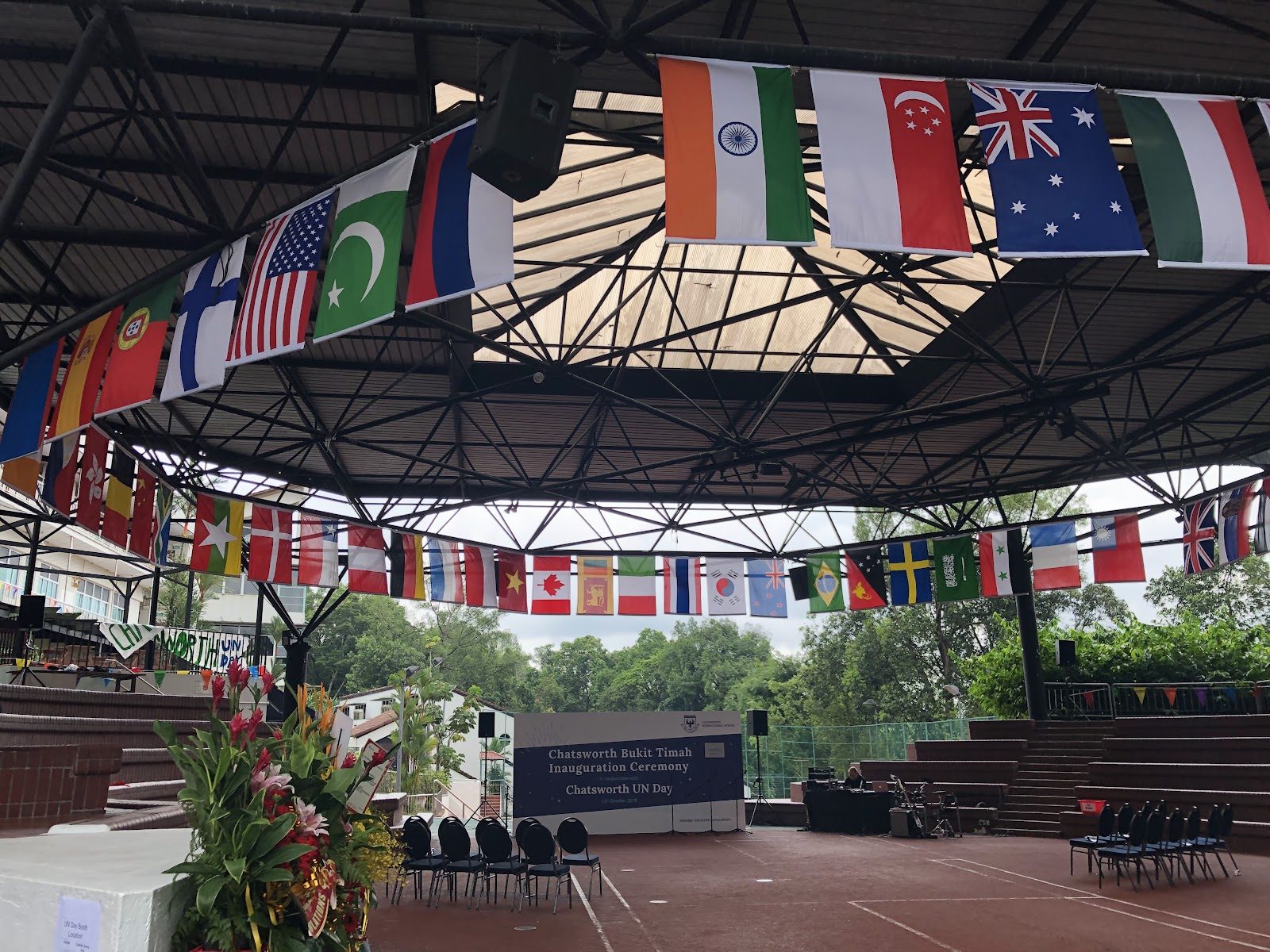
Set beside Singapore's only tropical rainforest, a non-selective full IB continuum runs through a close-knit, village-like community.
Overseas Family School
Singapore · Singapore
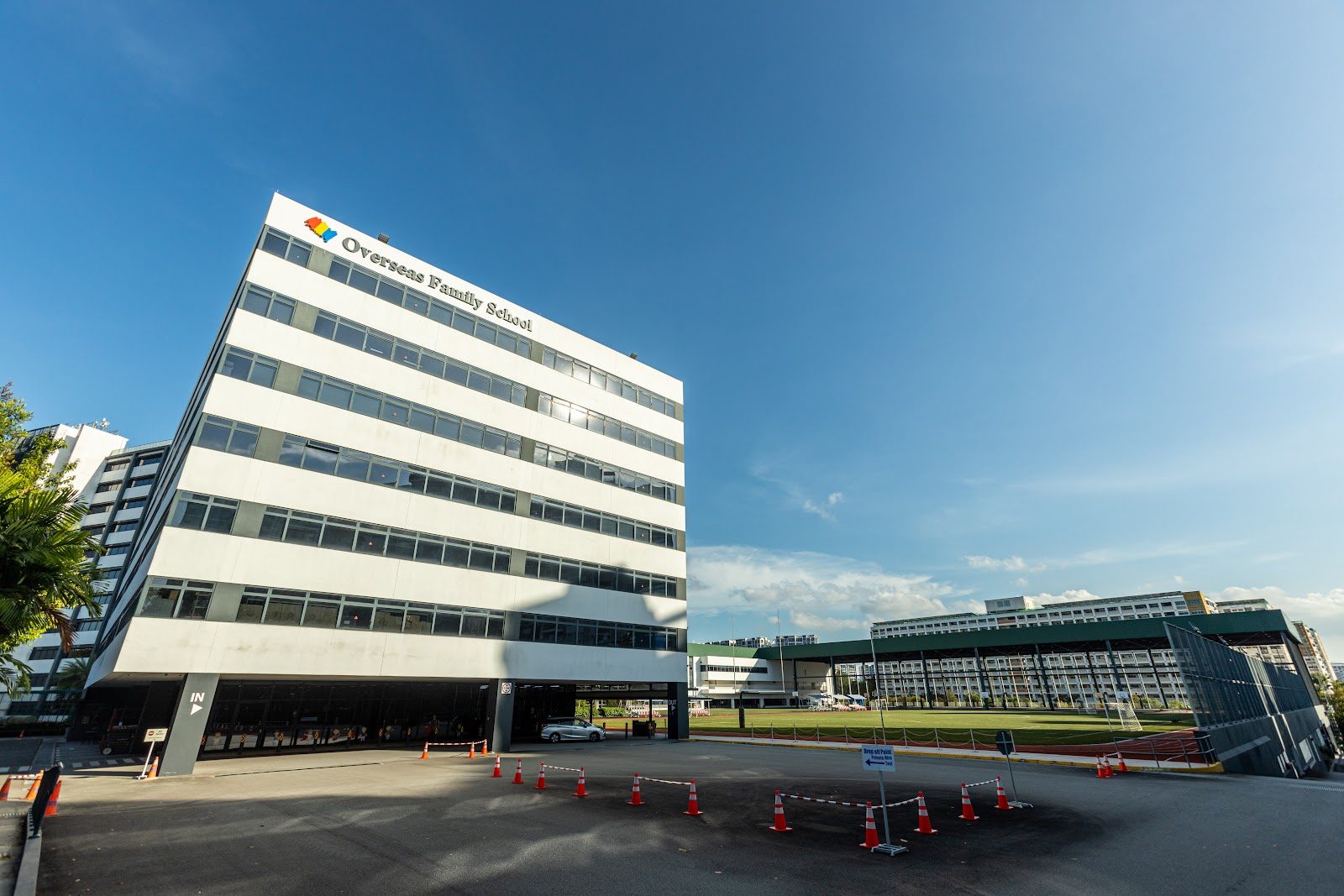
Open-access IB Diploma policy admits every student, no preselection, inside a 70-nation Pasir Ris campus.

Oakham School
Oakham · United Kingdom
Where a 1584 market-town foundation meets Rutland Water sailing, early co-education, and a long-standing IB Diploma alongside A-levels.
Bladins International School of Malmö
Malmö · Sweden
Traced to a 1980s Australian submarine contract, this Malmo school became Sweden's first IB Middle Years authoriser.
Same country and curriculum — closest matches within ±10 points either way