Singapore
Across two Singapore campuses, service learning anchors an IB path capped by a rare Systems Transformation course for change leadership.
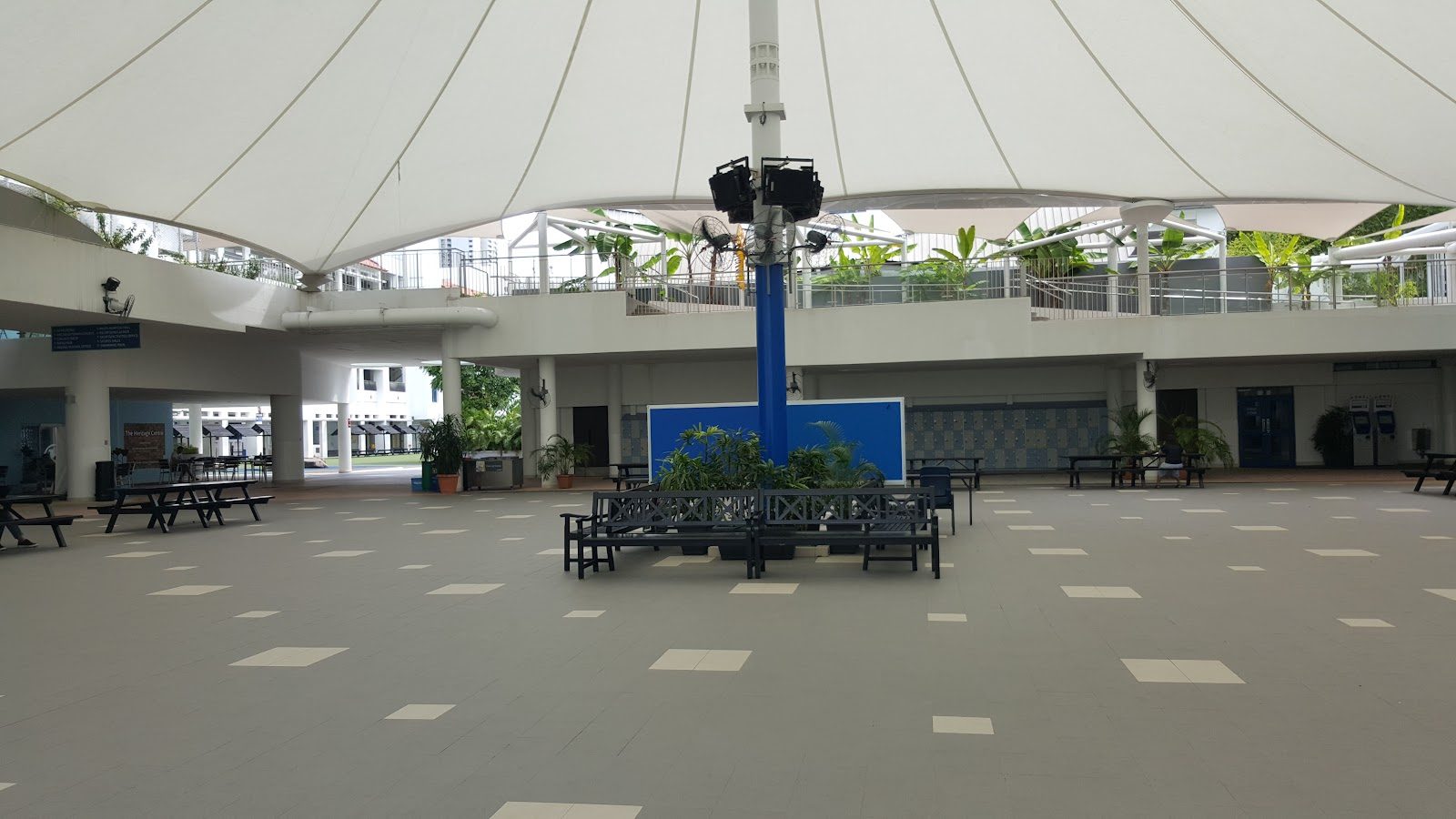
Photo © Robin Tan via Google Maps
Type
Day
Ages
4–18
Curriculum
IB
Qualifications
IB PYP · IB MYP · IB Diploma
Ratio
10.5:1
The Verdict
Editor's commitment
Right for
Families who want a full IB education across ages 4–18, with service learning embedded across two Singapore campuses.
Wrong for
Parents seeking a smaller school: UWCSEA runs over 5,600 students, though classes average 16 and the ratio is 10.5:1.
Watch out for
At an average SGD 48,000 a year, this is expensive, and recent published destinations list Macquarie, Monash and Queensland University of Technology.
Ranking breakdown
United World College of South East Asia · # of 1591
Composite score 77.5. 8 weighted criteria.
By criterion
Academic Outcomes
Weight 20%
#260
of 1529 scored
University Placement
Weight 16%
#219
of 1529 scored
Prestige & Heritage
Weight 12%
#135
of 1571 scored
Alumni Network
Weight 12%
#114
of 1530 scored
Facilities
Weight 12%
#29
of 1534 scored
Transparency & Communications
Weight 8%
#93
of 1532 scored
Peer & Industry Review
Weight 10%
#66
of 1548 scored
Admissions Selectivity & Demand
Weight 8%
#400
of 1529 scored
Score history
United World College of South East Asia · 2026
Movement across 2024–2026. Peer average overlaid.
Overall — 2024–2026
77.5/ 100
▲ +16.1 vs 2025
year on year
Peer & Industry Review
How United World College of South East Asia is regarded in the sector
92
Top-tier · high confidence
United World College of South East Asia sits among the handful of Singapore schools that peer reviewers treat as a genuine benchmark rather than just another premium option. The Good Schools Guide states plainly that it is widely regarded as one of the best IB schools in the world, and its dedicated review notes the Dover campus deservedly holds an enduring reputation as one of Singapore's top international schools. WhichSchoolAdvisor's verdict is equally emphatic, calling UWCSEA a seriously big, and seriously impressive K-12 school offering something for pretty much every child, while its most recent IB Diploma cohort posted a 98.9% pass rate against a global average of 82.6%. With over 25,000 alumni worldwide and consistent inclusion in every serious Singapore schools ranking, its only real caveat is scale: it suits families who want a large, mission-driven community rather than an intimate one.
Editors' overview
Across two Singapore campuses, UWCSEA runs at a scale few mission-led schools can match: more than 5,600 students, drawn from around 100 nationalities, in a day-school structure that still keeps teaching groups to an average of 16 and the student-teacher ratio to 10.5:1. That combination matters. Large international schools often drift into anonymity; UWCSEA has built its identity around the opposite idea, with service, outdoor education and a values-based IB education tied tightly to the UWC movement. The point is not polish or prestige for its own sake. The point is moral seriousness backed by institutional heft. Parents paying an average annual day fee of SGD 48,000 are buying into a school that treats service learning and global citizenship as core work, not enrichment bolted on at the edges.
What puts UWCSEA on a shortlist is that it offers a version of the IB that is broader, more demanding and more purpose-driven than the formula many schools now sell. This is a non-religious school, accredited by the IBO and UWC, and that UWC affiliation still gives it a distinct centre of gravity. The editorial tagline is accurate: service learning anchors the whole route, and the Systems Transformation course at the top end marks the school out in a crowded Singapore market. That will appeal to families who want an education framed around change leadership, not just examination performance. The school’s public identity also benefits from real depth and longevity: it opened in 1971, became UWCSEA in 1975, and has had time to refine a model that links academic study to action in the world.
This is not the right school for every child. Students who want a narrowly exam-drilled, highly conventional academic track may find the culture too expansive and too insistent on contribution beyond the classroom. UWCSEA suits students who are intellectually strong, internationally minded and willing to commit to a high-agency education where participation is expected. It also suits families who value community and breadth over social exclusivity. Recent destinations listed here — Macquarie University, Monash University and Queensland University of Technology — are too thin a sample to tell parents much about the full university profile, and the school does not publish enough in this context to support grand claims on outcomes. Even so, the shape of the offer is clear: this is a big-ticket, deeply resourced IB school for children who want their education to carry conviction as well as credentials.
Academic Performance
UWCSEA’s academic reputation is strong, but the school does not make this easy to verify in the clean, comparative way parents need. We have not seen aggregate IB Diploma averages, top-score counts or multi-year score distributions in the public domain here, and that matters. In Singapore’s upper tier, schools that want to prove academic firepower publish outcome data with precision. UWCSEA asks parents to read academic quality through programme design instead: a five-part model that ties academics to activities, outdoor education, personal and social education, and service; a UWC programme in the middle years; and, at the top end, a new systems transformation pathway within the IB orbit. That is intellectually serious work, but it is not the same as transparent score reporting.
Relative to peers, UWCSEA sits in the camp of schools selling breadth with conviction rather than a narrow exam factory. For the right student, that is a strength, not a compromise. The question is whether that breadth drags on raw results or sharpens them through stronger engagement and more demanding habits of mind. Without published aggregate data, no responsible editor can award it the same outcomes certainty as Singapore rivals that disclose their numbers. What can be said is this: the school has the scale, staffing depth and institutional confidence to support ambitious academic pathways, and the launch of the pilot systems transformation route puts it among a tiny group of early adopters rather than followers.
Facilities
UWCSEA’s facilities strength starts with breadth of provision rather than one showpiece building. The school runs a full programme across academics, activities, outdoor education, personal and social education, and service, and that demands infrastructure to match: specialist teaching spaces, arts provision, sports areas, and systems that can carry a community of more than 5,600 students without collapsing into crowding or dead time. The two-campus model helps. At this scale, weaker schools start to feel industrial; UWCSEA avoids that trap by pairing a vast operation with teaching groups that stay reassuringly human in size. For parents, the practical implication is clear: children get access to the range of a giant school without surrendering daily contact with adults or becoming one more face in a corridor.
What distinguishes the estate against Singapore peers is not gilded excess but mission-aligned usefulness. Outdoor education is not decorative branding here; it sits as a formal pillar of the programme, which tells you something about the school’s willingness to invest in experiences beyond classrooms and courts. The same applies to service: schools that treat service as a core expectation need logistics, staffing and partnership capacity, not just a slogan on a wall. UWCSEA has that operational heft. What we do not have is a clean public inventory of signature facilities by campus, and that is a gap. Some rival schools market every lab, theatre and pool with forensic detail. UWCSEA sells the educational machinery more than the hardware. For many families, that is the more serious choice.
For thoughtful, idealistic teenagers, that is genuinely distinctive
Prestige
UWCSEA carries serious international prestige, but not the lacquered, old-money kind that some parents chase in Singapore. Its status comes from institutional identity and reach: a long-entrenched place in the UWC movement, a student body drawn from around 100 nationalities, and an alumni base that already includes 37 notable figures catalogued in Wikidata across politics, business, academia, the arts and sport. That matters because prestige at this level is not just about who attends; it is about whether a school projects a recognisable philosophy into the world and produces graduates with public presence beyond one city or one exam system. UWCSEA does. The scale of the operation also adds weight. A school serving more than 5,600 students across two campuses has visibility, resources and network effects that smaller mission-led schools cannot match.
The reason it does not sit in the same prestige bracket as the most overtly selective Anglo-brand schools lies in what it values and what it does not advertise. UWCSEA trades on moral purpose, global credibility and a culture of contribution, not social gatekeeping or polished elitism. For many families, that makes it more attractive, not less. But prestige here is earned through substance, not conferred by inherited cachet or glossy outcome theatre. The new systems transformation pathway strengthens that standing because it puts the school in a tiny early-adopter group rather than the educational middle. Even with opaque published academic results, UWCSEA remains a first-rank name for parents who want reputation tied to ideals, seriousness and international reach.
We have not seen aggregate IB Diploma averages, top-score counts or multi-year score distributions in the public domain here, and that matters
Communications
UWCSEA communicates with parents through a dense, well-structured institutional apparatus rather than charm. The public-facing website does the heavy lifting well: navigation is clear, admissions steps are easy to find, and the school explains its organising ideas without drowning families in slogan fog. Parents can move cleanly between the two campuses, key admissions pages, learning philosophy and community sections, which matters at a school of more than 5,600 students. The tone is mission-driven, orderly and self-possessed. It tells families what the school cares about — service, community, outdoor education, purposeful learning — and it does so with more coherence than many large international schools manage.
The weakness is not confusion but selectivity. UWCSEA communicates values, structure and institutional culture with real discipline; it communicates hard performance evidence less well. Parents get a strong sense of educational intent and community life, but a thinner picture of measurable academic outcomes, campus-by-campus practical detail and the kind of operational granularity that helps families compare schools at the top of the market. That imbalance looks deliberate. The school wants parents to judge it by ethos and programme architecture first. For families already bought into the UWC idea, that works. For more data-hungry parents, or anyone spending an average annual fee of SGD 48,000 and expecting forensic transparency, the communications model will feel controlled, conviction-led and a touch incomplete.
Uniqueness
What sets UWCSEA apart is that service is not a garnish on top of school life; it is part of the architecture. Many international schools talk about global citizenship. UWCSEA builds a timetable, a culture and a set of expectations around it, then scales that across a community of more than 5,600 students from around 100 nationalities. That gives students something rare: daily exposure to difference, paired with an institutional demand to do something useful with it. The five-part learning model matters here because it refuses the thin idea that education lives in classrooms alone. Activities, outdoor education, personal and social education, and service are treated as serious work. For students, that brings a more high-agency, outward-facing education: they are pushed to organise, collaborate, lead and reckon with the world beyond their peer group.
The other distinctive feature is at the top end. UWCSEA does not just deliver a standard IB route with a mission statement attached; it has moved into the pilot for the systems transformation pathway, placing it in a small, influential cohort of schools testing what change-making can look like as a formal academic course. That matters because it sharpens the school’s identity from worthy rhetoric into curriculum design. Students who thrive here get more than strong preparation for university. They get a school experience with moral seriousness, institutional conviction and a clear bias towards action. For thoughtful, idealistic teenagers, that is genuinely distinctive.
What sets UWCSEA apart is that service is not a garnish on top of school life; it is part of the architecture
Student Profile
The students who thrive at UWCSEA are not just bright; they are willing to be occupied, stretched and held to account. This is a school for children who can handle a demanding, outward-facing culture in which service, activities and outdoor education carry real weight rather than decorative status. A child who wants to do the minimum, keep their head down and treat school as a narrow route to grades will find the expectation to contribute tiring. A child who likes ideas, people and purposeful busyness will fit far better. The scale helps here: with more than 100 nationalities in the community and a student body of over 5,600, pupils need social confidence, curiosity about others and the capacity to navigate a large institution without losing their footing.
The best fit is an internationally minded student with strong internal drive and a tolerance for earnestness. UWCSEA attracts families who value mission, diversity and action, so the peer group will include students who care about sustainability, equity and leadership in practical terms, not just as application language. That can be energising for the right child and wearing for a more cynical one. This is also a good match for students who benefit from adult attention without needing hand-holding: the staffing ratio is low, classes stay human in scale, and the school has room for multiple kinds of talent. It is not for the passive child and not ideal for families chasing a socially exclusive enclave. It suits engaged, resilient students who want substance in the people around them.
This is a non-religious school, accredited by the IBO and UWC, and that UWC affiliation still gives it a distinct centre of gravity
Co-curricular strengths
Arts & sport, on a separate axis
Overall 9/10
Scored 0-10 from the school's own published evidence. This axis is editorial-only — it does not feed the main WTS ranking.
Sports
9/10
Athletics and describes a very large two-campus school with extensive facilities built to sustain a broad co-curricular load, while external evidence adds multiple notable sports alumni including professional footballers Daniel Bennett and Zak Whitbread, which supports a notable sports pedigree.
Drama
9/10
Although the editorial review does not describe the programme in detail, multiple notable screen and acting alumni such as Sonam Kapoor, Blair McDonough, Anya Major and Sean Ghazi, indicating a clear and defensible drama pedigree.
Dance
9/10
Kevin Stea, identified as a Hollywood dancer and choreographer, and the school’s large activities infrastructure suggests substantive co-curricular provision, so a specialist-strength dance score is justified despite limited editorial detail.
Music
9/10
The extracurriculars explicitly list Music, and external evidence adds multiple notable music alumni including Jason Lo, Sean Ghazi and Paula Malai Ali, indicating a clear established music pathway beyond a bare listing.
Visual Arts
9/10
Editor first-pass · editor-reviewable · 7/28/2026
Outcomes & destinations
Where students go next
Top destinations
297 placements
- Macquarie University· 1
- Monash University· 1
- Queensland University of Technology· 1
- Royal Melbourne Institute of Technology· 1
- Swinburne University of Technology· 1
- The Australian Institute of Music· 1
- The Australian National University· 1
- The University of Adelaide· 1
- The University of Melbourne· 1
- The University of New South Wales· 1
- The University of Queensland· 1
- The University of Sydney· 1
- Concordia University· 1
- Emily Carr University of Art and Design· 1
- Huron University College at Western· 1
- King's University College – Western University· 1
- Langara College· 1
- McGill University· 1
- McMaster University· 1
- Queen's University· 1
- The University of British Columbia· 1
- The University of British Columbia – Okanagan· 1
- University of Guelph· 1
- University of Saskatchewan· 1
- University of Toronto· 1
- University of Victoria· 1
- University of Waterloo· 1
- Vancouver Film School· 1
- Vancouver Island University· 1
- Western University· 1
- Wilfrid Laurier University· 1
- York University· 1
- Peking University· 1
- Chinese University of Hong Kong· 1
- The Hong Kong University of Science and Technology· 1
- The University of Hong Kong· 1
- Collège Universitaire de Sciences Po· 1
- Ecole Polytechnique· 1
- Paris School of Business· 1
- Parsons Paris – The New School· 1
- Sciences Po· 1
- Sciences Po Le Havre Campus· 1
- The American University of Paris· 1
- Bocconi University· 1
- H-Farm College Italy· 1
- Politecnico di Milano· 2
- Rome City Institute· 1
- International Christian University· 1
- Keio University· 1
- Keio University Shonan Fujisawa Campus· 1
- Sophia University· 1
- Temple University, Japan Campus· 1
- Tohoku University· 1
- Northwestern Qatar· 1
- Tel Aviv University – Columbia University Dual Degree Programme· 1
- Ahmedabad University· 1
- Ateneo de Manila University – Quezon City· 1
- Gadjah Mada University· 1
- Master's Union· 1
- Yonsei University· 1
- Artevelde University of Applied Sciences· 1
- Catholic University of Leuven· 1
- Copenhagen Business School· 1
- EU Business School – Munich· 1
- KU Leuven· 1
- Semmelweis University of Medical Sciences· 1
- Trinity College Dublin· 1
- University College Dublin· 1
- IE University – Segovia Campus· 1
- CEU San Pablo University· 1
- IE University – Madrid Campus· 1
- Public University of Navarra· 1
- University of Navarra· 1
- Lund University· 1
- Stockholm School of Economics· 1
- Uppsala University· 1
- École hôtelière de Lausanne· 1
- ETH Zurich· 1
- University of St. Gallen· 1
- Nanyang Technological University· 1
- National University of Singapore· 1
- SIM Global Education· 1
- SIM University· 1
- Singapore Management University· 1
- Singapore University of Technology and Design· 1
- Amsterdam University of Applied Sciences· 1
- Delft University of Technology· 1
- Eindhoven University of Technology· 1
- Erasmus University College· 1
- Erasmus University Rotterdam· 1
- Maastricht University· 1
- Nyenrode Business University· 1
- Radboud University· 1
- Tilburg University· 1
- University College Roosevelt· 1
- University College Utrecht· 1
- University of Amsterdam· 1
- University of Groningen· 1
- Vrije Universiteit Amsterdam· 1
- Wageningen University· 1
- Bangor University· 1
- Birmingham City University· 1
- Bristol, University of the West of England· 1
- Cardiff Metropolitan University· 1
- Cardiff University· 1
- City of London College· 1
- City, University of London· 1
- City St George's· 1
- Durham University· 1
- Exeter University· 1
- Glasgow School of Art· 1
- Goldsmiths, University of London· 1
- Guildhall School of Music & Drama· 1
- Hartpury University· 1
- Hull York Medical School· 1
- Imperial College London· 1
- Italia Conti Academy· 1
- King's College London, University of London· 1
- Lancaster University· 1
- Liverpool Institute for Performing Arts· 1
- London School of Economics and Political Science, University of London· 1
- Loughborough University· 1
- Newcastle University· 1
- Northeastern University London· 1
- Nottingham Trent University· 1
- Open University· 1
- Oxford Brookes University· 1
- Queen Mary University of London· 1
- Rose Bruford College· 1
- Royal Conservatoire of Scotland· 1
- Royal Holloway, University of London· 1
- Royal Veterinary College, University of London· 1
- The University of Edinburgh· 1
- Trinity Laban· 1
- University College London· 1
- University of the Arts London· 1
- University of Bath· 1
- University of Birmingham· 1
- University of Bristol· 1
- University of Cambridge· 1
- University of Central Lancashire· 1
- University of Chichester· 1
- University of Dundee· 1
- University of Essex· 1
- University of Exeter· 1
- University of Glasgow· 1
- University of Kent· 1
- University of Leeds· 1
- University of Leicester· 1
- University of Lincoln· 1
- University of Manchester· 1
- University of Nottingham· 1
- University of Oxford· 1
- University of Plymouth· 1
- University of Reading· 1
- University of Sheffield· 1
- University of Southampton· 1
- University of St Andrews· 1
- University of Stirling· 1
- University of Surrey· 1
- University of Sussex· 1
- University of Warwick· 1
- University of Westminster, London· 1
- University of York· 1
- American Musical and Dramatic Academy· 1
- Arizona State University· 1
- Babson College· 1
- Bard College· 1
- Barnard College· 1
- Bates College· 1
- Bentley University· 1
- Berklee College of Music· 1
- Boston College· 1
- Boston Conservatory at Berklee· 1
- Boston University· 1
- Bowdoin College· 1
- Brandeis University· 1
- Brown University· 1
- Butte College· 1
- California College of the Arts· 1
- Carnegie Mellon University· 1
- Case Western Reserve University· 1
- Chapman University· 1
- Claremont McKenna College· 1
- Colorado College· 1
- Colorado School of Mines· 1
- Cornell University· 1
- Drexel University· 1
- Duke University· 1
- Earlham College· 1
- Emerson College· 1
- Emory University· 1
- Fordham University· 1
- Franklin W. Olin College of Engineering· 1
- George Washington University· 1
- Georgetown University· 1
- Georgia Institute of Technology· 1
- Hamilton College· 1
- Harvard University· 1
- Harvey Mudd College· 1
- Haverford College· 1
- Indiana University – Bloomington· 1
- Ithaca College· 1
- Johns Hopkins University· 1
- Lake Forest College· 1
- Lewis & Clark College· 1
- Loyola Marymount University· 1
- Loyola University Chicago· 1
- Luther College· 1
- Macalester College· 1
- Marist University· 1
- Maryland Institute College of Art· 1
- Methodist University· 1
- Michigan State University· 1
- Middlebury College· 1
- Mount Holyoke College· 1
- New York University· 1
- Northeastern University· 1
- Northwestern University· 1
- Occidental College· 1
- Peabody Institute of The Johns Hopkins University· 1
- Pepperdine University· 1
- Pitzer College· 1
- Pomona College· 1
- Princeton University· 1
- Purdue University – Main Campus· 1
- Quinnipiac University· 1
- Reed College· 1
- Rhode Island School of Design· 1
- Rice University· 1
- Rider University· 1
- Ringling College of Art and Design· 1
- Rutgers University – New Brunswick· 1
- San Diego State University· 1
- Santa Clara University· 1
- Sarah Lawrence College· 1
- School of the Art Institute of Chicago· 1
- Skidmore College· 1
- Smith College· 1
- Southern Methodist University· 1
- St. John's College· 1
- St. Lawrence University· 1
- St. Olaf College· 1
- Stanford University· 1
- Stony Brook University· 1
- Swarthmore College· 1
- Syracuse University· 1
- Temple University· 1
- The College of Idaho· 1
- The New School· 1
- The Pennsylvania State University – Harrisburg· 1
- The Pennsylvania State University – Main Campus· 1
- The University of Tampa· 1
- The University of Texas at Austin· 1
- Trinity College· 1
- Tufts University· 1
- Tulane University of Louisiana· 1
- University of California – Berkeley· 1
- University of California – Davis· 1
- University of California – Irvine· 1
- University of California – Los Angeles· 1
- University of California – Riverside· 1
- University of California – San Diego· 1
- University of California – Santa Barbara· 1
- University of California – Santa Cruz· 1
- University of Chicago· 1
- University of Colorado Boulder· 1
- University of Connecticut· 1
- University of Florida· 1
- University of Hawaii at Manoa· 1
- University of Illinois Urbana-Champaign· 1
- University of Maryland – College Park· 1
- University of Massachusetts – Amherst· 1
- University of Michigan – Ann Arbor· 1
- University of Notre Dame· 1
- University of Oklahoma – Norman Campus· 1
- University of Oregon· 1
- University of Pennsylvania· 1
- University of Pittsburgh – Pittsburgh Campus· 1
- University of Richmond· 1
- University of Rochester· 1
- University of San Francisco· 1
- University of Southern California· 1
- University of St. Thomas· 1
- University of Virginia – Main Campus· 1
- University of Washington – Seattle Campus· 1
- University of Wisconsin – Madison· 1
- Vanderbilt University· 1
- Virginia Polytechnic Institute and State University· 1
- Washington University in St. Louis· 1
- Wellesley College· 1
- Wesleyan University· 1
- Wheaton College· 1
- Whitman College· 1
- Williams College· 1
- Yale University· 1
Reported by the school. Confirm with admissions.
Notable alumni · Wikidata
37notable alumni
0 historic (born pre-1930) · 20 modern (born post-1970)wikidata:2026-07-28 How we source this
WTS 300 badge
2026/27 editionUnited World College of South East Asia is one of the World's Top 300 Schools for 2026/27. Claim your listing to add it to your site →
Strengths
- +In 2025 the school's 605-student IB Diploma cohort achieved a 98.7% pass rate and an average score of 36.3 across its two campuses, well above the global mean. At UWCSEA, the Class of 2025's IB cohort of 605 students had a pass rate of 98.7%, and the average score across the two campuses was 36.3.
- +It is the only international school in Singapore to offer boarding, with places from Grade 8 at the East Campus alongside day places at both campuses. UWCSEA is the only international school in Singapore offering boarding (East Campus, Grades 8-12), and it operates a need-based scholarship programme that admits students from diverse socio-economic backgrounds through national committees in over 150 countries.
- +The school supports a large need-based scholarship cohort, with over 100 scholars from 47 countries funded through UWC national committees worldwide. The school currently has over 100 students (from 47 countries) who are supported by scholarships.
- +Its curriculum is built on five compulsory, interlinked strands rather than academics alone. At UWCSEA, the learning programme is built around five equally valued and interlinked components: academics, activities, outdoor education, personal and social education, and service.
- +The student body is unusually international even by Singapore standards. With more than 100 nationalities and over 80 languages represented in our student community, our diversity is a living reflection of our mission.
Considerations
- −Fees are firmly at the premium end of the Singapore market, with day tuition running from roughly S$37,494 to S$48,237 a year plus a first-year development levy of S$9,537. Tuition Fees (2025/2026): K1-Grade 1: S$37,494, Grades 2-5: S$39,102, Grades 6-8: S$45,501, Grades 8-10: S$45,711, Grades 11-12: S$48,237. Development Levy: First Year: S$9,537, Subsequent Years: S$4,986.
- −Admissions run on a single annual cycle rather than a rolling waitlist, so families relocating outside the September application window may face a long wait or a full year group. UWCSEA runs an annual admissions cycle, beginning in September each year, for entry in the following school year. We do not operate on a first-come, first-served basis, and we do not make rolling admissions offers throughout the year.
- −It is one of the largest single-brand school operations in the region, which can feel less intimate than smaller day schools despite its efforts at pastoral grouping. UWCSEA is by the far the largest school in the UWC group (and is one of only three campuses worldwide to offer an all-through education)
- −English-language support is geared to academic development, not beginners, so children with limited English may struggle to meet entry requirements. While our English as an Additional Language (EAL) programme is robust, it does not provide beginner-level English support, as it is designed to develop academic reading and writing skills.
Availability
Primary entry gate & tests
Academic Record + Assessment Day
Gallery
Photo © Lim C.K. via Google Maps
Photo © Kevin Chen via Google Maps
Photo © Ming via Google Maps
Photo © Khun C via Google Maps
Photo © Calvin Yang via Google Maps
Photo © Om Prakash Kapoor via Google Maps
Photo © Robin Tan via Google Maps
Photo © Bob T via Google Maps
Photo © UWC South East Asia (Dover Campus) via Google Maps
Parent reviews
Have you sent your child here?
Voice reviews carry the strongest trust badge — we transcribe them for you to tidy up before they go live. Prefer to type? A written review is fine too.
Add your voice
In 60 seconds, tell other parents: what's the best thing about United World College of South East Asia, and what surprised you when your child joined?
We ask for a Google sign-in so every review has a real face behind it — no anonymous drive-by attacks on schools, and no faked positive reviews. Your email is never shown publicly.
Send this profile to a friend
International parents rely on word-of-mouth. Share this review with someone weighing the same decision.
Schools with places
Similar schools to United World College of South East Asia with places available now.
Tanglin Trust School
Singapore · Singapore
- 2026-27
- CLOSEDNo late apps
- 2027-28
- PLACES OPEN
Anglo-Chinese School (Independent)
Singapore · Singapore
- 2026-27
- CLOSEDStandard route
- 2027-28
- WAITPOOLDSA completing; PSLE & JAE pending
Singapore American School
Singapore · Singapore
- 2026-27
- WAITPOOLGrade-specific / Waitpools
- 2027-28
- PLACES OPENRolling
Hwa Chong Institution
Singapore · Singapore
- 2026-27
- CLOSEDStandard route
- 2027-28
- WAITPOOLDSA completing; PSLE & JAE pending
Availability first, then country, area, curriculum, price, co-curricular
Consider also
Also worth looking at alongside United World College of South East Asia.
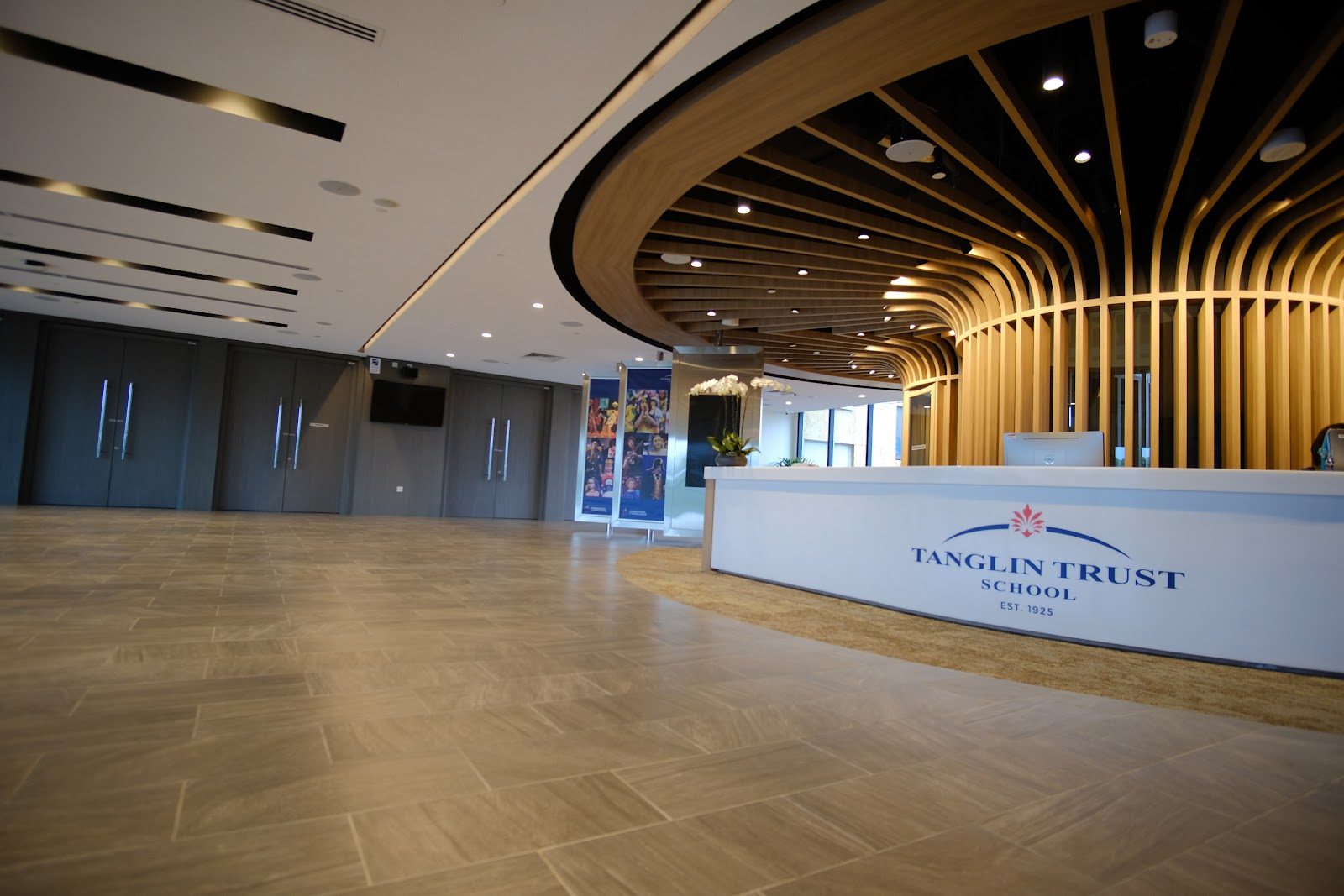
Tanglin Trust School
Singapore · Singapore
Southeast Asia's oldest British school pairs IB with A-Levels, then sends every Year 9 to the Australian bush for five weeks.
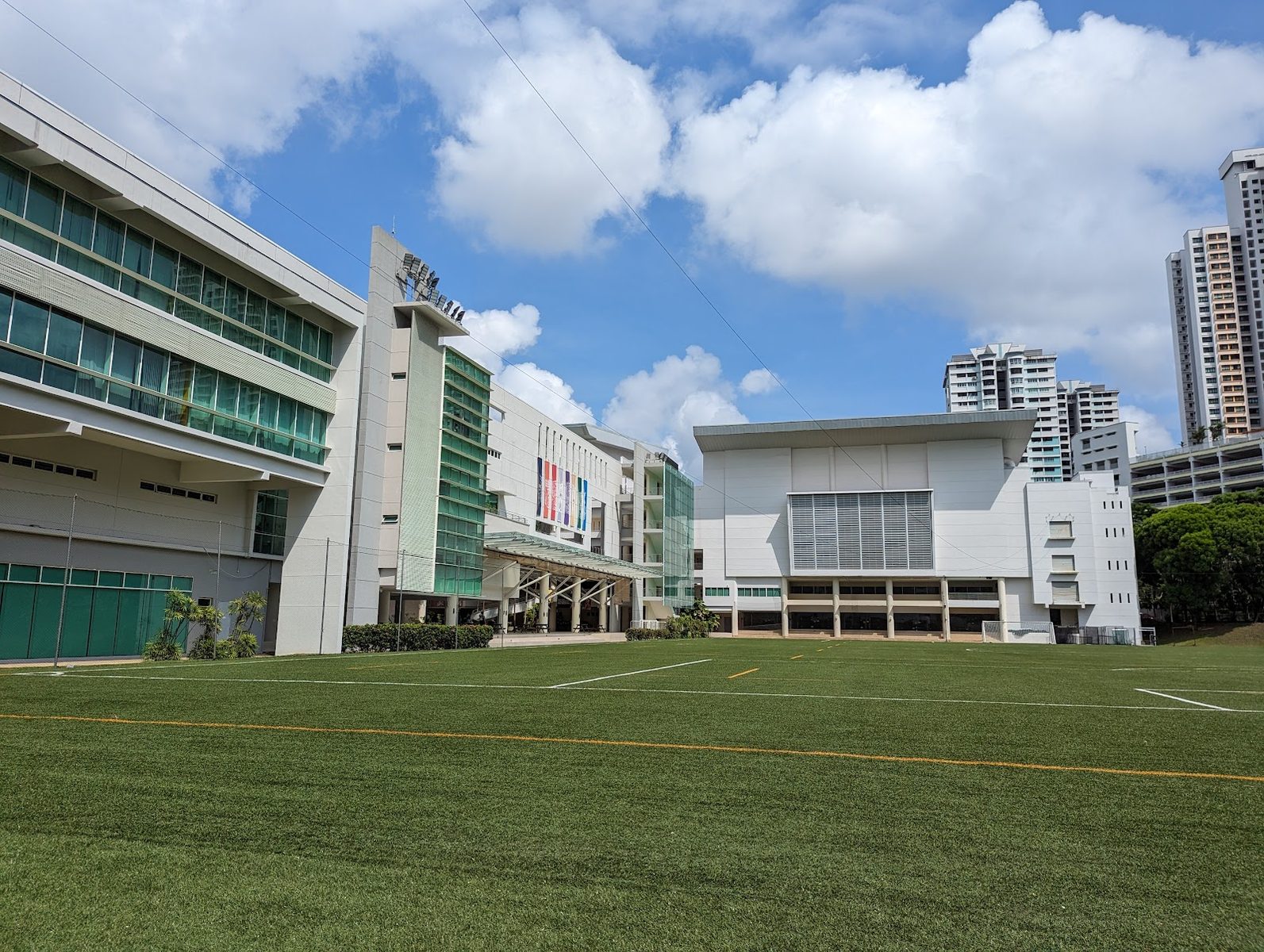
Anglo-Chinese School (Independent)
Singapore · Singapore
Singapore's first IB Diploma school, this Methodist boys' campus on Dover Road has ranked among the world's top three IB scorers for years.
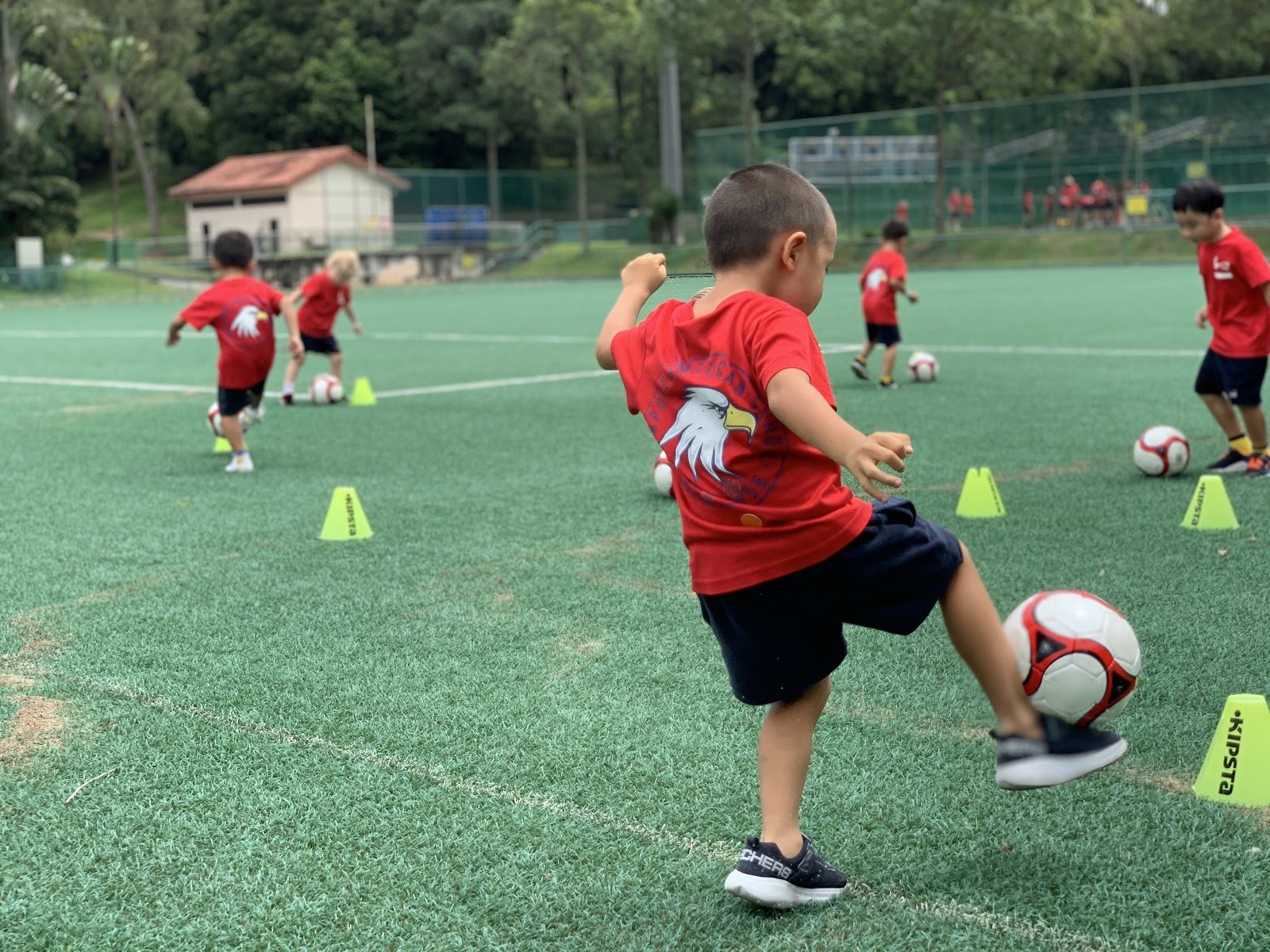
Singapore American School
Singapore · Singapore
A 36-acre Woodlands campus with a rainforest classroom and AP breadth, run on an American blueprint with IB rigor at the edges
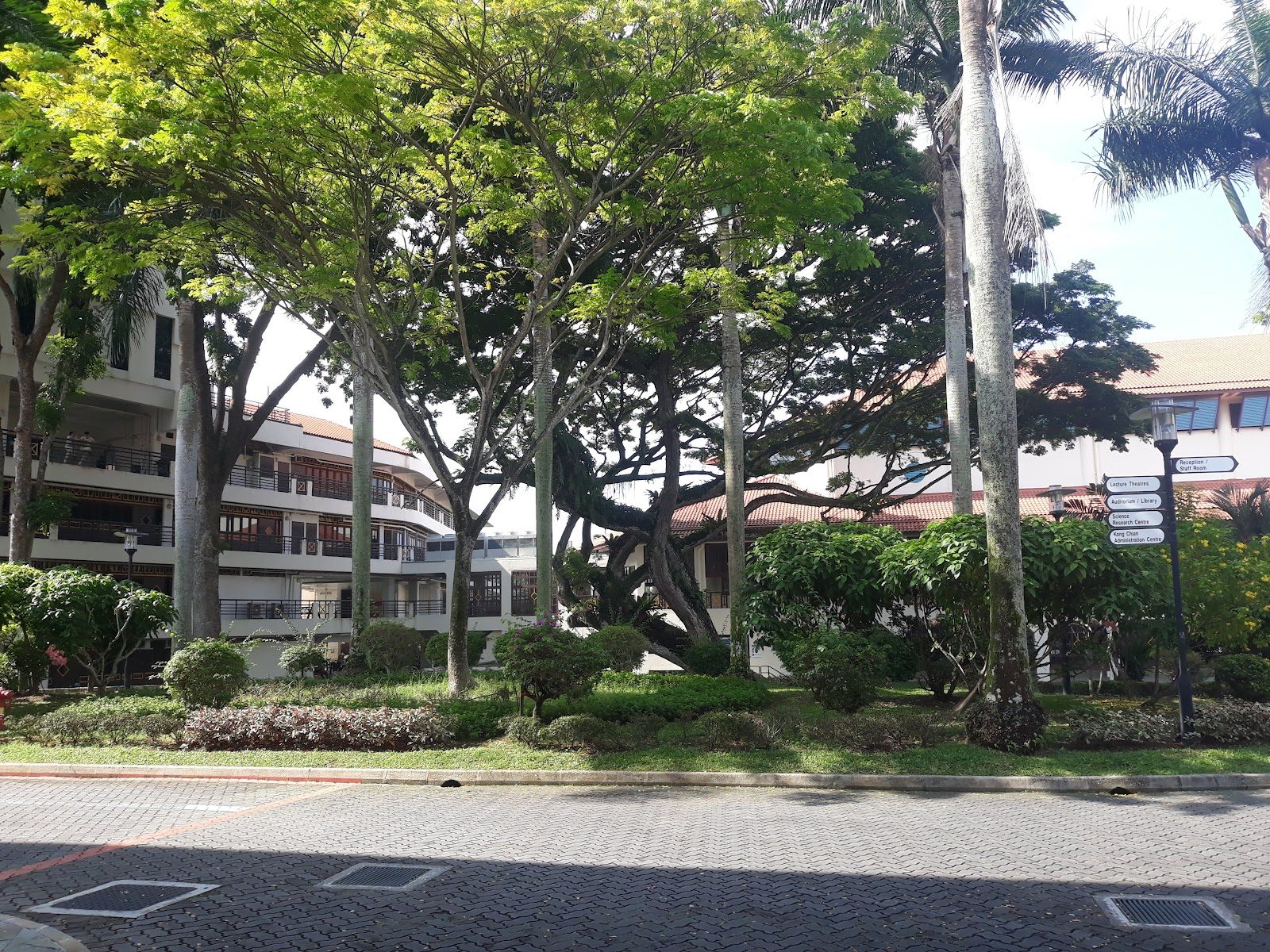
Hwa Chong Institution
Singapore · Singapore
Singapore's storied merged independent school, pairing its Integrated Programme with an IB track at its Bukit Timah campus.
Same country and curriculum — closest matches within ±10 points either way