
Delhi
Sanskriti School
low confidence· 6/6 cats · 0 avg sourcesFounded by civil servants' wives for transferred officers' children, this Chanakyapuri campus now blends CBSE rigor with the IB Diploma.
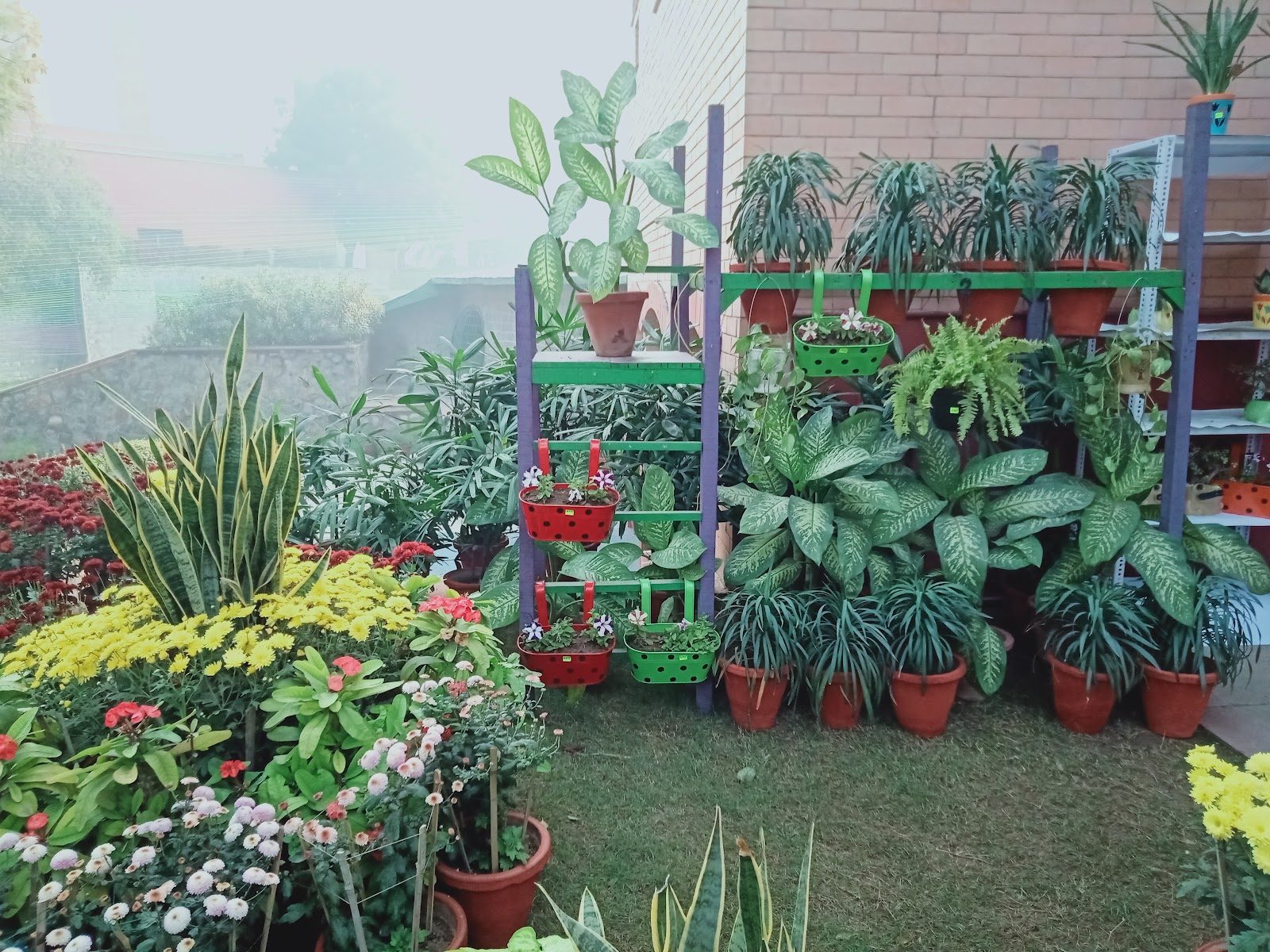
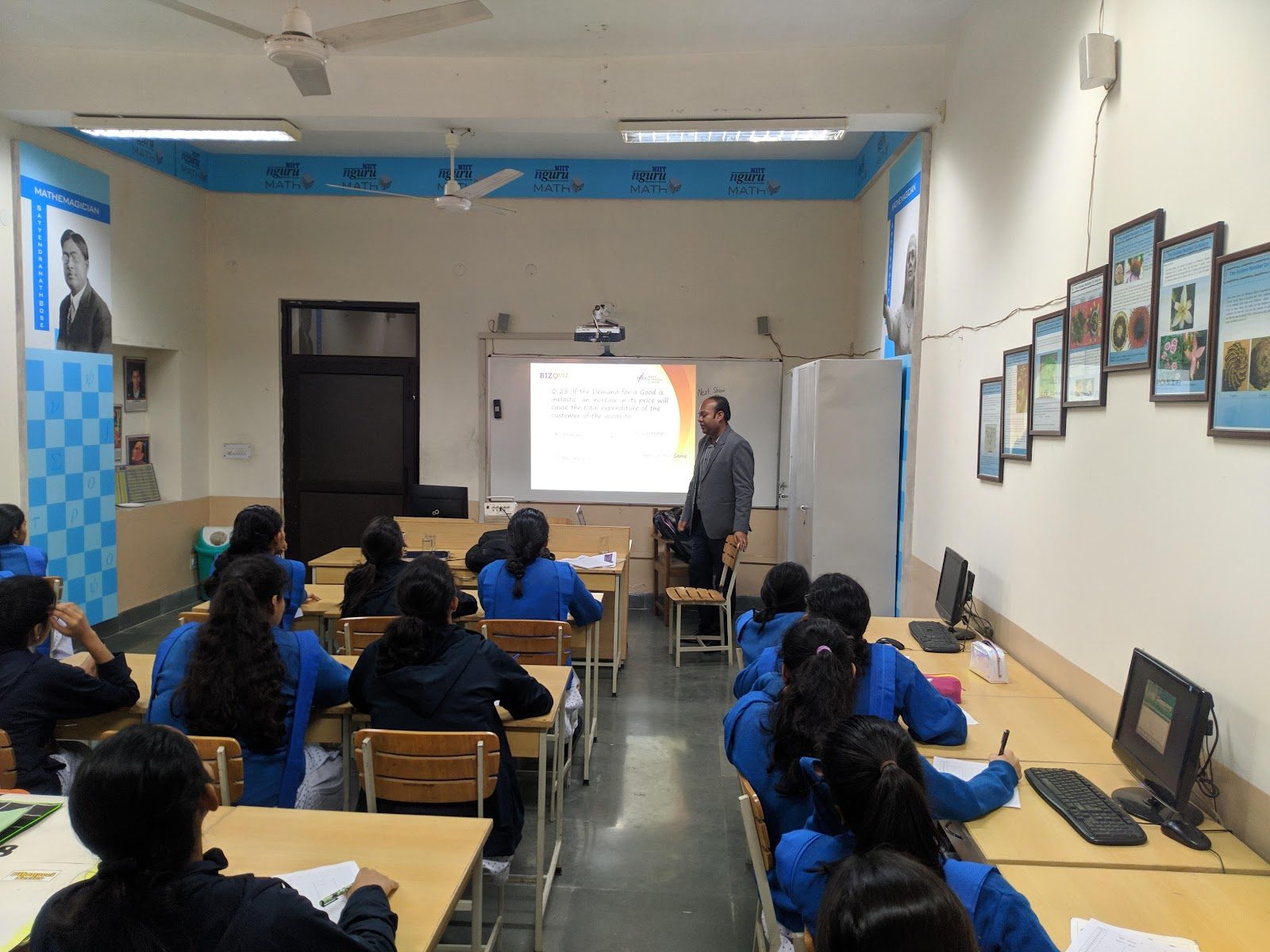
Photo © Hari Prakash Shrivastava हरी प्रकाश श्रीवास्तव via Google Maps
Type
Day
Ages
5–18
Curriculum
CBSE · IB (Diploma)
Ratio
15:1
The Verdict
Editor's commitment
Right for
Delhi families who want an English-medium day school from age 5 to 18 with CBSE discipline and the IB Diploma.
Wrong for
Families wanting boarding, a religious ethos, or intimate teaching; average classes of 30 and a 15:1 ratio set the scale.
Watch out for
Founded in 1998 and chaired by the serving cabinet secretary’s spouse, Sanskriti carries establishment DNA; exam headlines are public, aggregate results are not.
Ranking breakdown
Sanskriti School · #980 of 1591
Composite score 61.4. 8 weighted criteria.
By criterion
Academic Outcomes
Weight 20%
#957
of 1529 scored
University Placement
Weight 16%
#1015
of 1529 scored
Prestige & Heritage
Weight 12%
#1037
of 1571 scored
Alumni Network
Weight 12%
#663
of 1530 scored
Facilities
Weight 12%
#1238
of 1534 scored
Transparency & Communications
Weight 8%
#1099
of 1532 scored
Peer & Industry Review
Weight 10%
#998
of 1548 scored
Admissions Selectivity & Demand
Weight 8%
#647
of 1529 scored
Peer & Industry Review
How Sanskriti School is regarded in the sector
65
Respected · low confidence
Sanskriti School is a well-regarded CBSE-affiliated school in New Delhi, established by the Indraprastha Cancer Society, and is frequently mentioned in Indian education rankings and 'best schools in Delhi' lists in outlets like Education World India and Hindustan Times. However, it lacks the kind of deep third-party international press coverage (Tatler, Good Schools Guide) or documented global alumni network visibility that would place it in the top tier of internationally benchmarked institutions.
Evidence sources
Editors' overview
Sanskriti School occupies a distinctive niche in Delhi’s crowded private-school market. It was founded in 1998 by the Civil Services Society to serve children of officers transferred into the capital, and that origin still matters. This is not an old aristocratic school trading on colonial residue, nor a new premium campus selling spectacle. It is a serious day school in Chanakyapuri with a public-service inheritance, a non-profit structure, and governance tied to the spouse of the serving Cabinet Secretary. That gives the school a particular character: orderly, civic-minded, academically focused, and less theatrical than many Delhi competitors. The combination of CBSE through the main school and the IB Diploma in the sixth form sharpens its appeal. Parents get a mainstream Indian academic route with an international exit option. For many families, that is the real strategic advantage.
What puts Sanskriti on a shortlist is not mystery; it is clarity. English-medium, non-religious, co-educational, day-only, with a 15:1 student-teacher ratio and an average class size of 30, it offers a scale that is large enough to sustain breadth without turning anonymous. The school’s own public messaging leans hard into values, responsibility and citizenship, which can read pious, but in this case the institutional history gives that language weight. The campus sits in the diplomatic enclave, and the intake has long included children from mobile, high-expectation families who need continuity, discipline and credible academics rather than indulgence. Publicly celebrated toppers in Classes X and XII reinforce the point that results matter here. The weak spot is transparency: the school congratulates top performers, but it does not publish aggregate board outcomes, university destinations, or the kind of hard comparative data that top-tier international parents increasingly expect. That omission matters.
The student who will thrive at Sanskriti is not hunting for a glossy, hyper-individualised school experience. This is a strong fit for children who work well within structure, value routine, and can handle academic pressure without constant hand-holding. It suits families who want substance over display, a peer group shaped by ambition and public-service culture, and a school that still treats education as a civic project rather than a lifestyle accessory. It also suits students who may start on the CBSE track and then want the IB Diploma later without changing schools. Children who need a highly unconventional environment, intensive pastoral customisation, or a campus identity built around elite sport or arts branding will find stronger options elsewhere. For the right child, though, Sanskriti offers discipline with purpose, a serious peer group, and a clear academic runway.
Academic Performance
Sanskriti signals academic seriousness in the most traditional Indian way: it publicises board toppers and congratulates graduating cohorts, but stops there. That gives parents clear evidence of ambition and thin evidence of depth. We know the school tracks and celebrates high individual attainment in Classes X and XII, and the tone is unmistakably exam-conscious. We do not have aggregate board data, subject-by-subject distributions, or multi-year trend lines. The school does not publish university destinations either. That leaves an opaque results picture by the standards of the best international-facing schools, where full score distributions, destination lists and comparative context now form part of basic public accountability.
Relative to Delhi peers, Sanskriti sits in the bracket of serious mainstream academic schools rather than data-rich international schools with expansive results reporting. That is not a verdict against standards; it is a verdict on transparency. The school’s public emphasis on toppers points to a culture that rewards rank, precision and exam performance, which will suit students who thrive under structured academic pressure. It tells us less about how broad the attainment profile runs across the cohort, how strong outcomes are beyond the very top, or how the IB Diploma performs against specialist IB competitors. In practical terms, Sanskriti fits as a school with credible academic intent and visible high achievers, but not one that gives external families the full published evidence needed to benchmark it cleanly against Delhi’s most transparent operators.
Facilities
Sanskriti’s public-facing facilities picture is thin. The website signposts “Sports Corner”, “Achievements & Activities” and school updates, but it does not publish the kind of detailed campus inventory that strong comparator schools now treat as standard: no clear breakdown of science labs, performing arts spaces, libraries, indoor sports provision, specialist technology rooms or sixth-form study areas. For parents assessing physical plant, that is a real handicap. It does not mean the campus is weak; it means the school asks families to trust reputation over disclosure. In a market where top schools use facilities as proof of educational breadth, Sanskriti’s silence reads old-school, opaque and strikingly uncommercial.
That said, the school’s setting in the diplomatic enclave and its scale support a sensible assumption of a functional urban campus rather than a sprawling showpiece. This is not a destination school built around equestrian centres, Olympic-style aquatics or acres of branded spectacle. Against Delhi peers, Sanskriti sits closer to the camp of serious academic city schools whose facilities serve the timetable first and marketing second. For some families, that restraint is a virtue. For others, especially those comparing it with more aggressively documented premium campuses, the lack of published detail will rank as a clear weakness. If sport, arts infrastructure or specialist senior-school spaces matter heavily in your decision, Sanskriti does not make the case in public and loses ground to schools that do.
Sanskriti School occupies a distinctive niche in Delhi’s crowded private-school market
Prestige
Sanskriti carries real prestige in Delhi, but it is a specific kind of prestige. It does not trade on old-boy mythology, cathedral grandeur or luxury branding. Its status rests on social location, governance and intake. A school created for the children of senior civil servants and defence families, set in the diplomatic enclave, draws a network that is *influential, disciplined and unusually state-facing*. That matters in Delhi, where proximity to the administrative elite still carries weight. The school’s non-profit structure also sets it apart from the city’s more commercial private operators. For families inside government, policy, diplomacy and the upper reaches of the Indian professional class, Sanskriti has serious social credibility. The 15:1 staffing ratio helps reinforce that impression: not boutique, but controlled.
I rate its prestige as high, though not at the absolute summit of India’s most globally legible names. The limitation is straightforward. Sanskriti’s reputation is strongest among Delhi insiders and families who understand the capital’s public-service ecosystem. Outside that circle, the school has less international brand recognition than the country’s best-known legacy boarding schools or the most aggressively exported premium-school names. Its prestige is therefore earned rather than theatrical: strong peer expectations, a hard-edged academic culture, and a parent body that values purpose over display. That gives Sanskriti quiet clout rather than glamour. For many families, that is the more durable form of status.
Publicly celebrated toppers in Classes X and XII reinforce the point that results matter here
Communications
Sanskriti communicates like a school that still expects parents to check the noticeboard. The website carries admissions notices, class-specific form updates, circular links, exam congratulations and a principal’s message, so the basic channels are there. The structure is functional rather than elegant. Parents can find operational information, but they must do some digging, and the site does little to prioritise what matters most at a given moment. “Circulars & Updates” and “CBSE & DoE Circulars” signal a communication culture built around formal notices, not curated parent guidance. That suits a community comfortable with institutional process. It is clear enough for routine administration and weak on synthesis. The closure notice for admissions to the 2026–27 session is direct and useful; the broader parent experience reads bureaucratic, old-fashioned and thinly explained.
The tone also tells you something about the relationship the school expects with families. Messages stress values, resilience, trust and collective effort, especially in the principal’s note about virtual schooling, where the school states that not a single day of instruction was missed. That projects institutional discipline and confidence. What it does not provide is the richer layer of communication many international parents now expect: published leadership thinking, pastoral detail, university guidance, staff visibility, or a strong sense of day-to-day school life beyond announcements and congratulations. In effect, Sanskriti communicates competently for families already inside its world. For outsiders, the public-facing picture is serviceable but sparse.
Uniqueness
What makes Sanskriti distinctive is the constituency it was built to serve and the culture that flows from that. A school created for children of officers and defence families moving into the capital inherits a student body used to relocation, adjustment and high adult expectations. That tends to produce a more self-possessed, socially literate peer group than schools built around a single neighbourhood catchment. The governance model adds another layer of difference: this is a non-profit institution tied to the upper reaches of the Indian state, not a family-owned premium brand chasing spectacle. For students, that brings a school culture with a civic spine. Duty, order, service and conduct are not decorative words here; they sit close to the institution’s reason for existing.
That uniqueness has practical consequences. Children learn in an environment shaped by families who know transfers, public responsibility and institutional life. Friendships form across bureaucratic, diplomatic and defence circles, which gives the school a rarefied but grounded social mix. The public-service inheritance also tempers the status culture. Sanskriti has prestige, but not the flashy kind. Students get the benefits of a serious Delhi network without the same level of luxury-school performance. The stated emphasis on universal values, diversity and service to humanity can sound formulaic on paper; in this setting, it has more force. Combined with a staffing ratio of 15:1, the result is a school that trains students not just to compete, but to function well inside demanding systems.
Sanskriti signals academic seriousness in the most traditional Indian way: it publicises board toppers and congratulates graduating cohorts, but stops there
Student Profile
The Sanskriti student profile is shaped less by lifestyle branding than by institutional habit. This suits children who are comfortable in orderly, rules-aware environments and who do not need constant emotional packaging around school life. Many will do well if they are used to adults with high expectations, can settle quickly into new peer groups, and are able to work within a community that prizes conduct as much as attainment. The school’s original purpose still echoes in the intake: families connected to transfer-heavy public-service and defence careers, alongside ambitious professional households, create a student body that is often socially adaptable, status-literate and hard to faze. With an average class size of 30 and a staffing ratio of 15:1, this is not an intimate hothouse; students need enough self-command to manage pace, routine and competition without elaborate hand-holding.
The best fit is a child who wants a serious peer group and can live with a culture where recognition attaches to performance, reliability and visible contribution. Pupils who enjoy clear expectations, formal structures and a civic-minded ethos will fit comfortably. So will students who can move between academic pressure and the wider obligations of school life without drama. The weaker fit is just as clear. Children who need a highly personalised pastoral net, a permissive atmosphere, or a school identity built around self-expression first and institutional discipline second will find Sanskriti too tight-framed. This is a school for students who can stand on their own feet and who do not mistake restraint for indifference.
In a market where top schools use facilities as proof of educational breadth, Sanskriti’s silence reads old-school, opaque and strikingly uncommercial
Co-curricular strengths
Arts & sport, on a separate axis
Overall 7.56/10
Scored 0-10 from the school's own published evidence. This axis is editorial-only — it does not feed the main WTS ranking.
Sports
7.8/10
Drama
7.2/10
Dance
7/10
Music
7.8/10
Visual Arts
8/10
Strengths
- +Offers both CBSE and IB Diploma pathways
- +English-medium teaching suits international families
- +15:1 student-teacher ratio is relatively manageable
- +Day school suits families based in New Delhi
Considerations
- −No boarding option for relocating families
- −IB offered only at Diploma level
- −Average class size is 30 students
Availability
Primary entry gate & tests
Academic Record
Gallery
Photo © hari prakash via Google Maps
Photo © hari prakash via Google Maps
Photo © hari prakash via Google Maps
Photo © hari prakash via Google Maps
Photo © hari prakash via Google Maps
Photo © hari prakash via Google Maps
Photo © GAURAV SHARMA via Google Maps
Parent reviews
Have you sent your child here?
Voice reviews carry the strongest trust badge — we transcribe them for you to tidy up before they go live. Prefer to type? A written review is fine too.
Add your voice
In 60 seconds, tell other parents: what's the best thing about Sanskriti School, and what surprised you when your child joined?
We ask for a Google sign-in so every review has a real face behind it — no anonymous drive-by attacks on schools, and no faked positive reviews. Your email is never shown publicly.
Send this profile to a friend
International parents rely on word-of-mouth. Share this review with someone weighing the same decision.
Schools with places
Similar schools to Sanskriti School with places available now.
Availability first, then country, area, curriculum, price, co-curricular
Consider also
Also worth looking at alongside Sanskriti School.
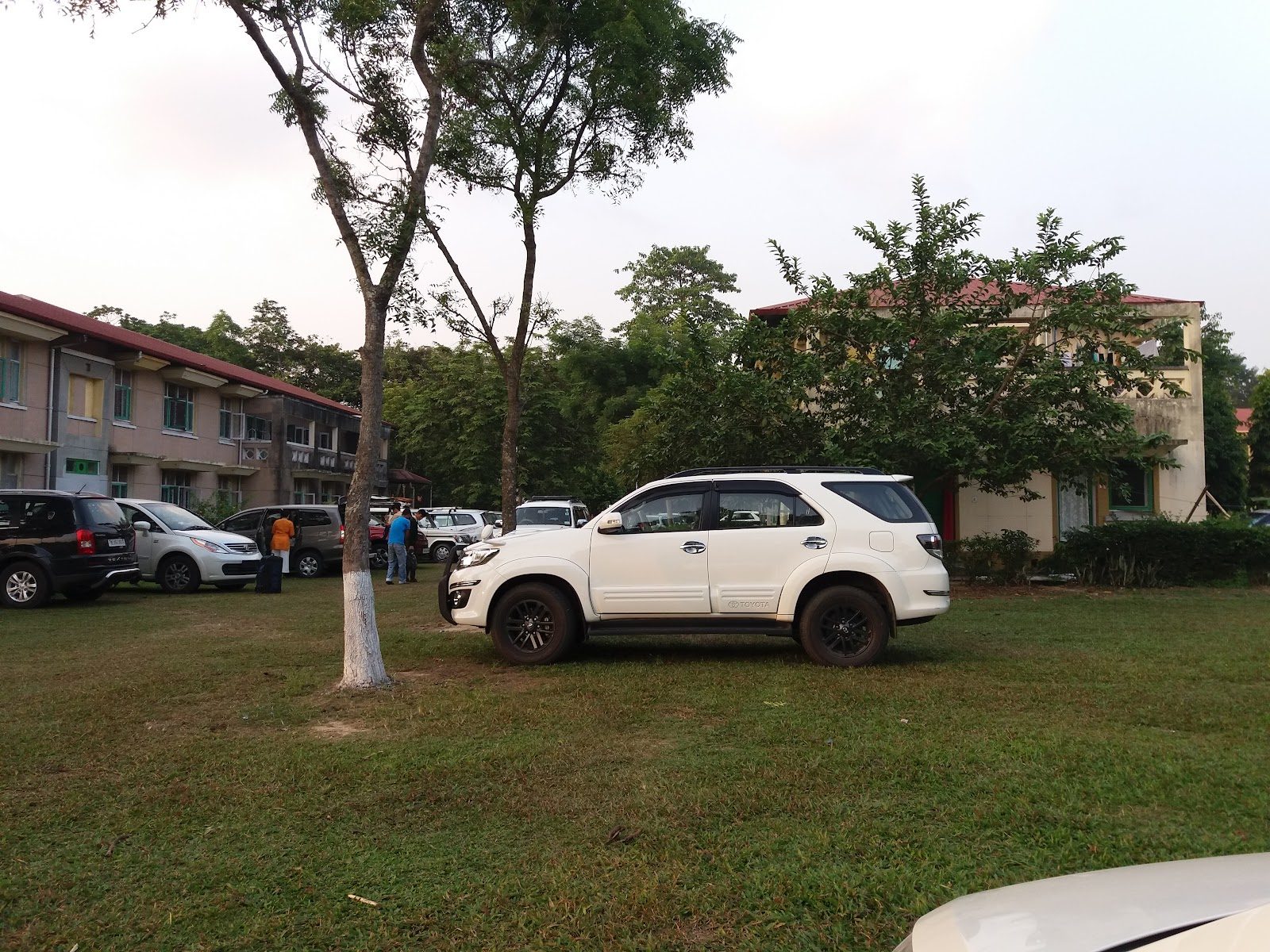
Assam Valley School
Balipara · India
Set inside a working tea estate in Sonitpur, this co-ed boarder carries the Williamson Magor legacy into North-East India's only pan-Indian residential school.
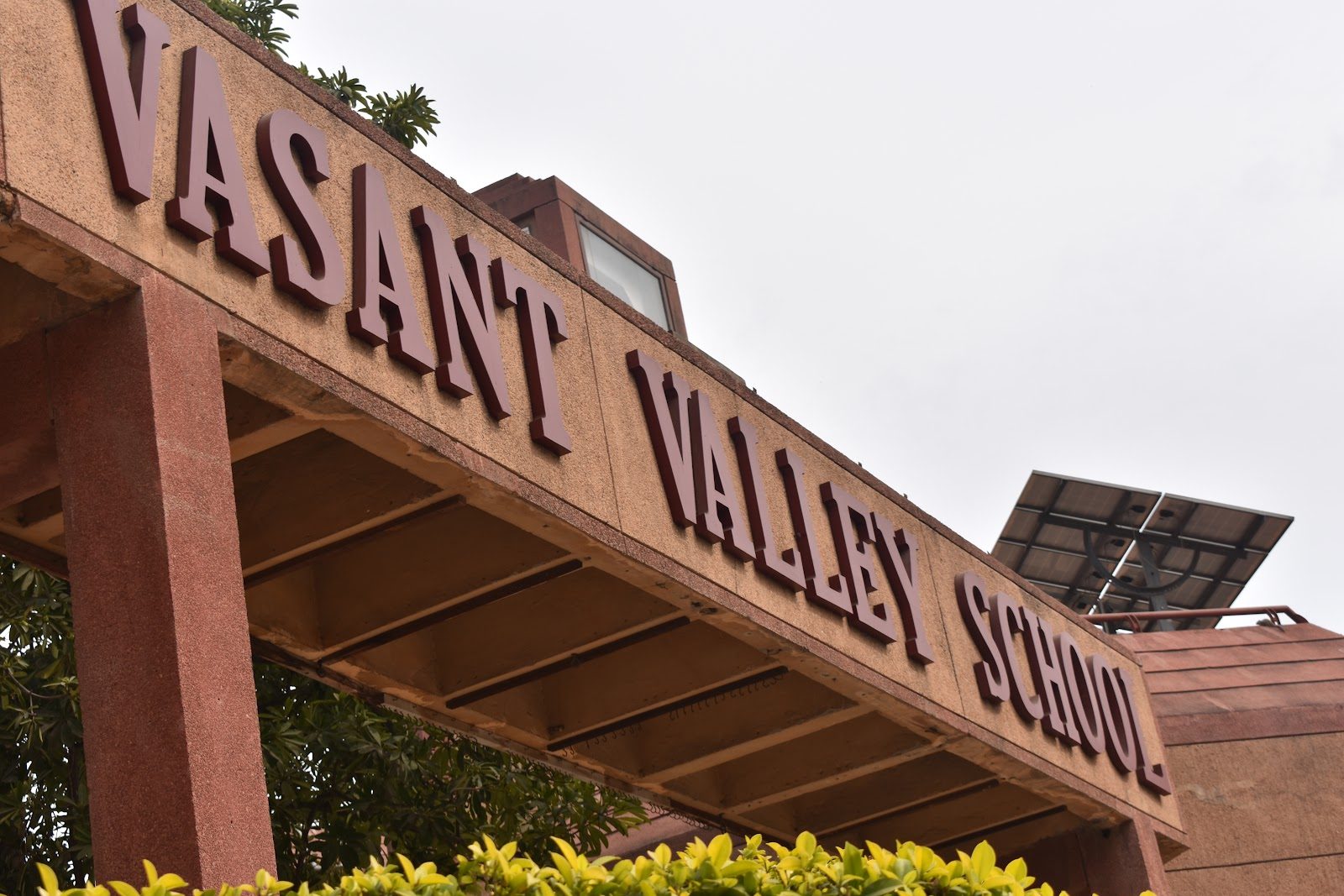
Vasant Valley School
New Delhi · India
Founded in Vasant Kunj by the India Today family in 1990, its classrooms run on no bells, only rhythm and process over outcome.
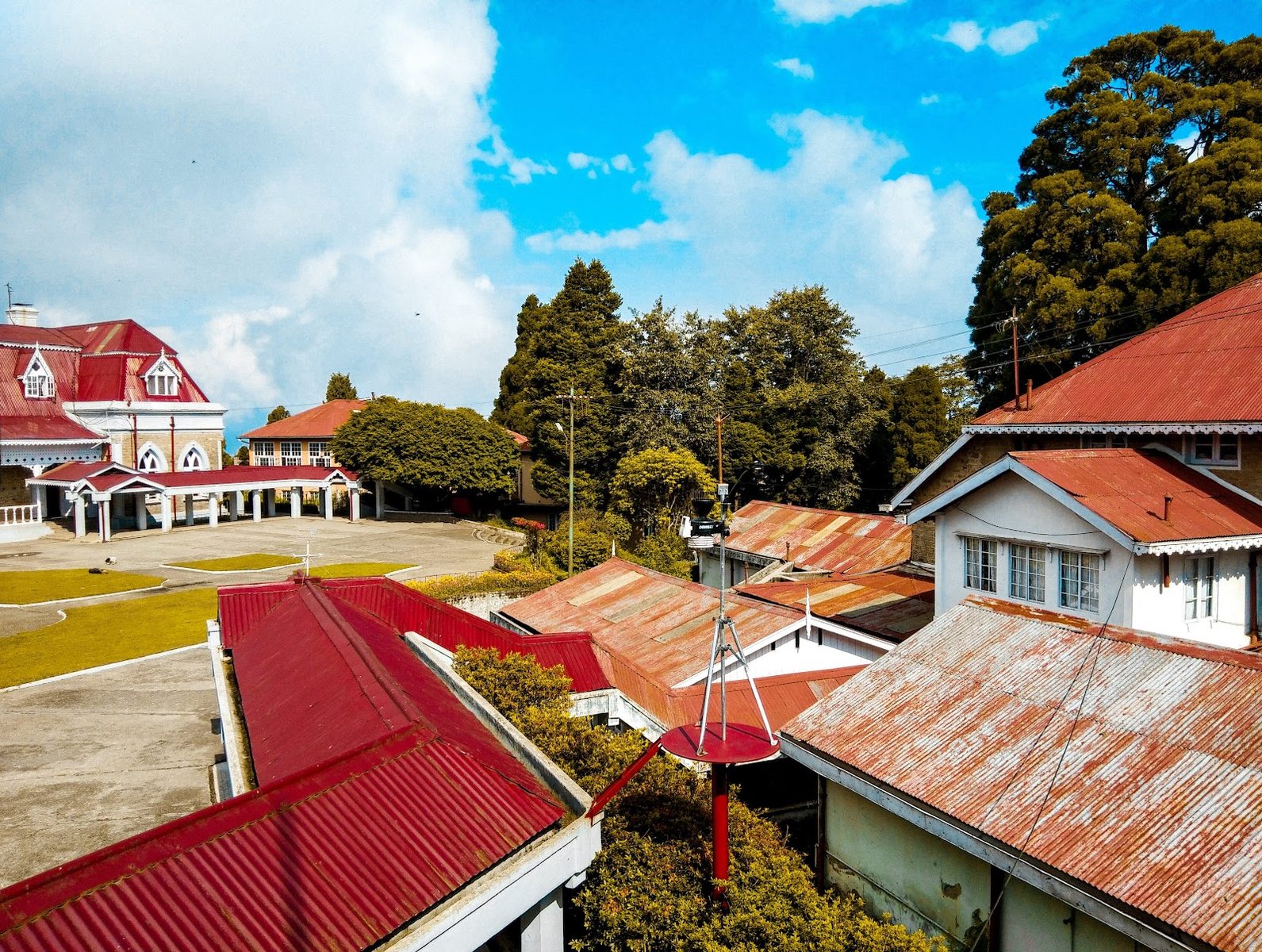
St. Paul's School, Darjeeling
Darjeeling · India
Founded in 1823 and perched near 7,600 feet in the Jalapahar hills, this boys' boarding school still runs on a century-old house system.
Welham Girls' School
Dehradun · India
Founded in 1957 as a bold counterpart to boys-only boarding, with bird-named houses and a legacy museum honoring the women who dared.
Same country and curriculum — closest matches within ±10 points either way